
Fruit is supposed to be the good guy. We’ve been told since childhood to eat more of it, and honestly, that advice isn’t wrong. But here’s the thing: not all fruits are created equal when it comes to sugar content. Some carry surprisingly high sugar loads that can quietly work against your health goals, especially if you’re managing blood sugar, trying to lose weight, or keeping tabs on your daily carbohydrate intake.
All fruits contain some amount of naturally occurring sugars, or fructose, and because fructose in fruit is accompanied by fiber, it slows down your body’s insulin response, making it a healthier alternative to added sugars. Still, that doesn’t mean you can eat unlimited quantities of every fruit out there. Some varieties pack a serious sugar punch. Let’s get into it.
Table of Contents
1. Mango: The Tropical Temptation with a Hidden Sugar Load
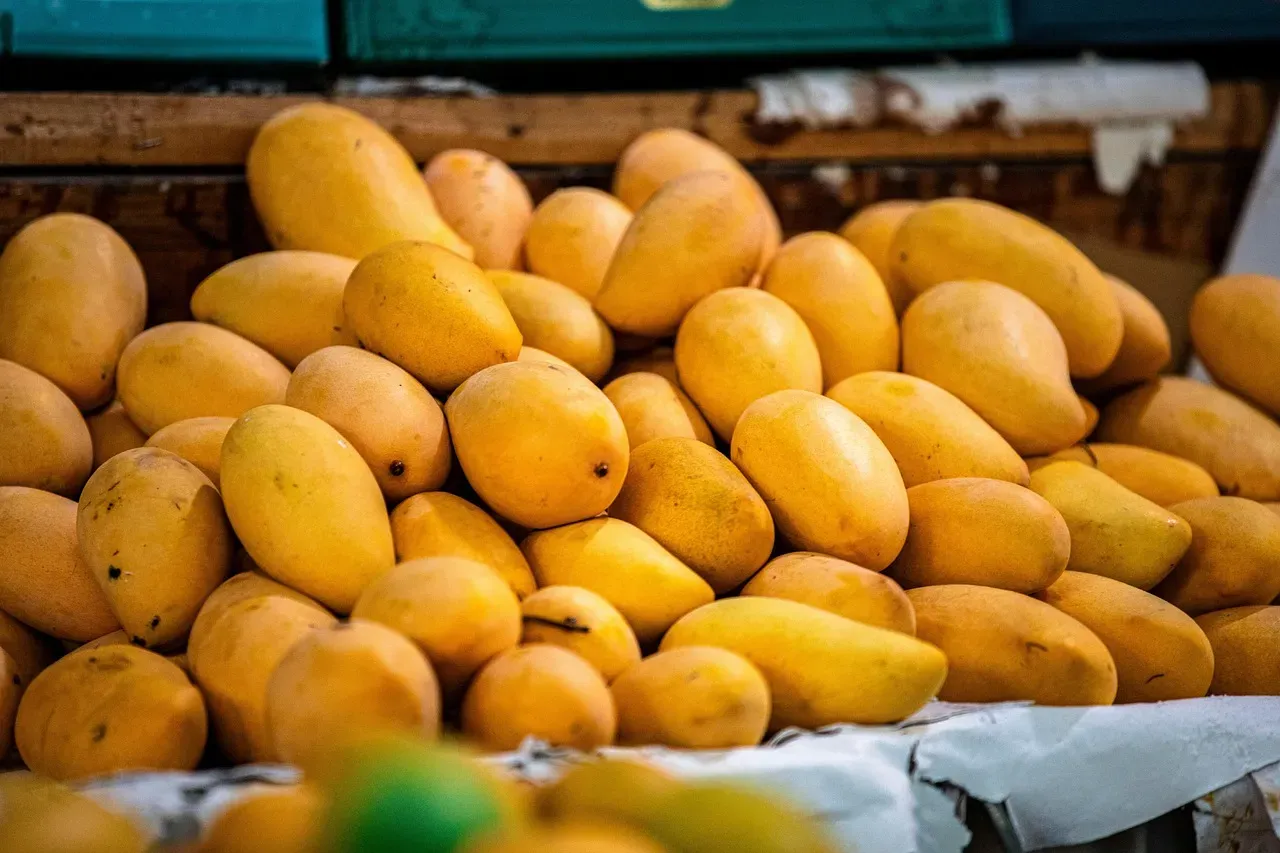
Let’s be real: few things feel more indulgent than a perfectly ripe mango. Juicy, sweet, almost dessert-like. There’s a reason for that. One mango has a whopping 46 grams of sugar, which is not your best choice if you’re trying to watch your weight or how much sugar you eat.
Tropical fruits typically have higher sugar levels, with mangoes being a prime example. For the nearly 100 million adults in the United States who are currently living with prediabetes, tropical fruits like mangos contain anywhere between ten to 50 grams of sugar, with mangos on the high end of the spectrum.
That said, context matters. If you love eating perfectly ripe mango but are sugar-sensitive, you don’t need to totally abstain; just limit your portions, and you can also eat mangoes with a protein like Greek yogurt to slow down the sugar release into your bloodstream. Honestly, treating a mango like you’d treat a dessert – savoring small portions – is a pretty solid approach.
2. Grapes: Dangerously Easy to Overeat
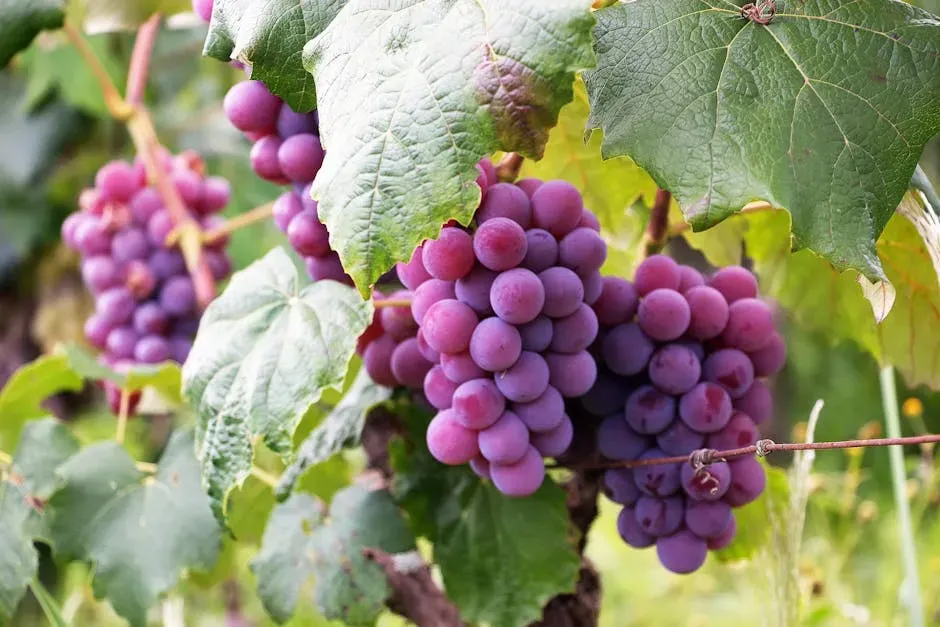
Think about the last time you sat down with a bowl of grapes. Did you stop at a sensible portion? Probably not. One cup of grapes contains around 14.9 grams of sugar, and grapes may be even easier to overeat than cherries. There’s no pit to stop you, no natural pause – they just disappear.
Black grapes have a higher glycemic index than green grapes, but they contain more beneficial quercetin and resveratrol, which are potent antioxidants that may protect against cardiovascular disease. So color matters here more than people realize.
Modern fruits like grapes are often larger than their historical counterparts, which increases their sugar content per serving. The takeaway? When limiting sugar intake, grapes are a fruit worth portioning carefully rather than snacking on freely.
3. Bananas: The Everyday Fruit with a Surprising Sugar Count
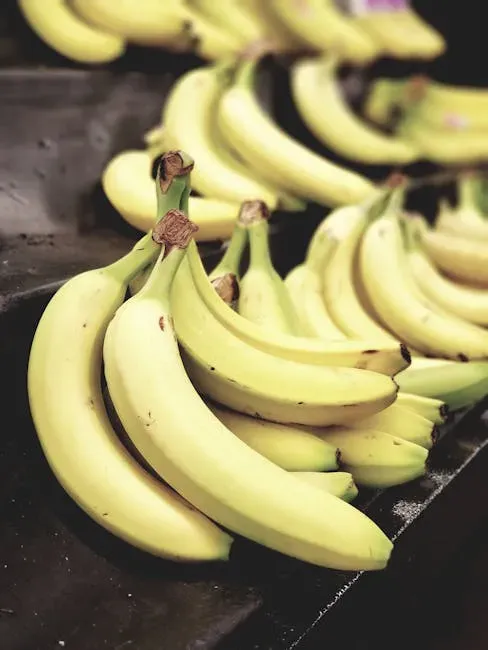
Bananas are probably the most universally popular fruit in the world. They’re cheap, convenient, and genuinely nutritious. But here’s something worth knowing: one banana contains around 15.4 grams of sugar. That’s more than most people would guess.
Bananas are a good source of vitamin B6, potassium, magnesium, and fiber, but as a banana ripens, its sugar content increases, so riper bananas will raise blood sugar more than less ripe ones. In one analysis, ripe bananas contained around 15 grams of combined glucose and fructose, while unripe green bananas contained just 3.2 grams.
Unripe bananas are also a good source of resistant starch, which has metabolic benefits. So if you love bananas and need to keep sugar lower, reaching for the slightly green ones over the fully yellow or speckled ones is a genuinely smart swap.
4. Pineapple: More Sugar Than It Looks

Pineapple has a reputation for being healthy, refreshing, and light. And it is nutritious. But it’s also one of the more sugar-dense fruits people tend to underestimate. One cup of pineapple chunks contains around 16.3 grams of sugar.
Pineapple’s sticky sweetness owes itself to high sugar levels, and those levels only go up if the fruit is juiced, dried, or served in a sugary syrup. Moderation is key if you’re trying to get the benefits of eating pineapple without a sugar rush.
Pineapple is a rich source of minerals, vitamins, fiber, and other nutrients and also has anti-inflammatory and antioxidant properties. So it’s not about cutting pineapple out entirely. Think of it like this: a small cubed portion as a snack is quite different from eating half a fruit in one sitting.
5. Cherries: Small Fruit, Big Sugar Surprise
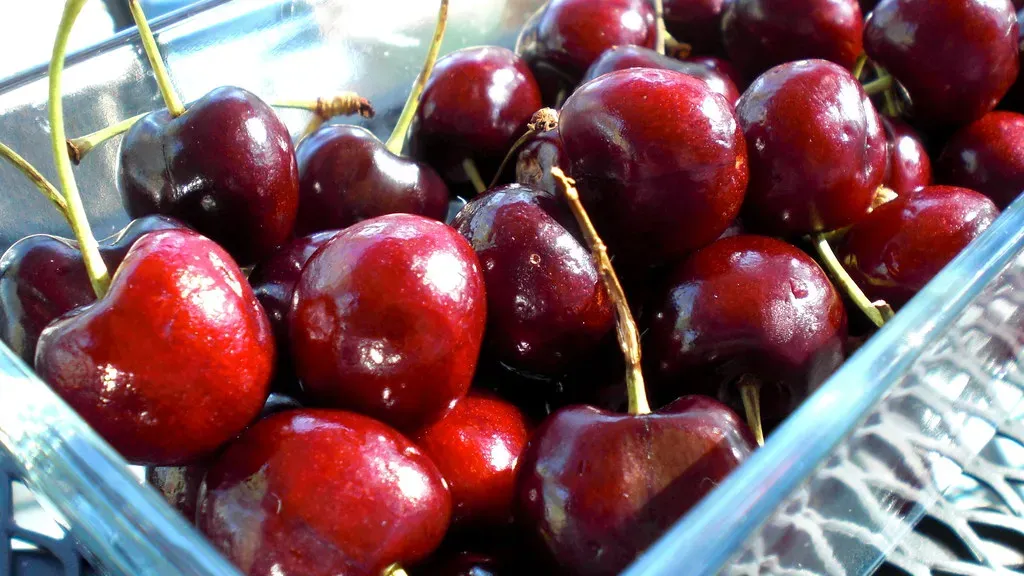
Cherries look innocent enough. They’re small, they’re festive, and they come with a well-earned health halo. But their bite-size format is exactly what makes them tricky. Sweet cherries are among the fruits with high sugar content. A cup of cherries contains an average of 18 grams of sugar.
Bite-sized cherries are extremely easy to eat, and a bowl of them can disappear quickly if you start munching. I know it sounds crazy, but you could easily consume the sugar equivalent of a candy bar before realizing what happened.
Although naturally occurring sugars in foods like fruit can be part of a healthy diet, too much added sugar can be harmful to health, especially for people with diabetes. The same mindset applies to naturally high-sugar fruits like cherries: they’re wonderful, but a measured handful goes a long way further than an open bowl.
6. Watermelon: High Glycemic Index Despite Lower Total Sugar
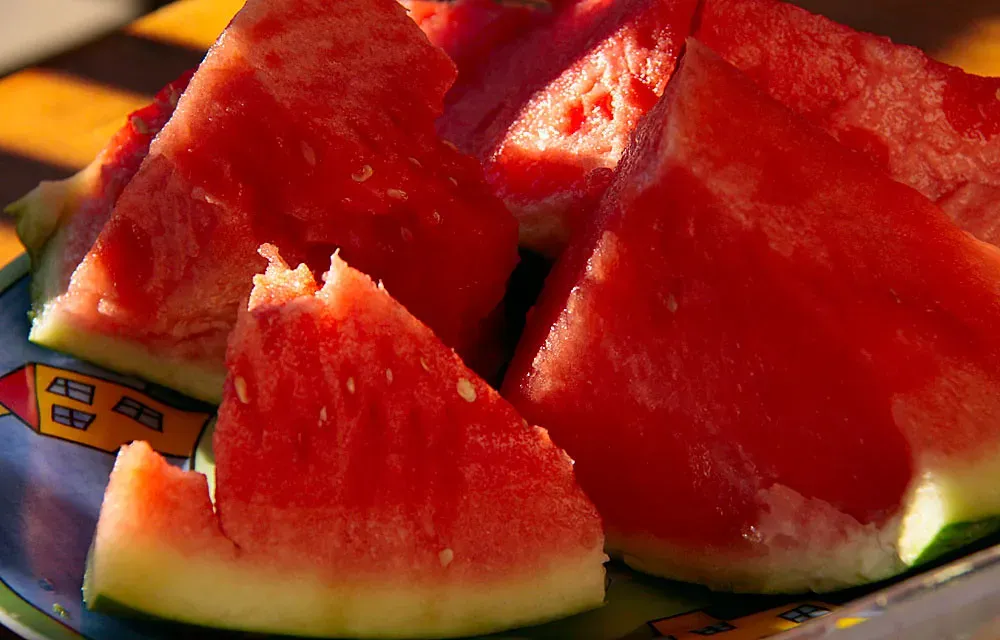
Watermelon is interesting because it feels like a free pass. It’s mostly water, it’s refreshing, and it seems almost too light to cause any harm. Here’s the nuance though: watermelon is a hydrating and refreshing fruit, especially popular in summer, providing water, electrolytes, and vitamins like A and C, but it is also one of the fruits high in sugar. A large slice of watermelon can contain up to 17 grams of sugar, so it’s best to limit your intake to one or two slices per day if you’re watching your sugar levels.
It could partly be because watermelon tastes so sweet and is low in slow-digesting fiber, causing it to rank high on the glycemic index. The glycemic index is a scale that measures how quickly a food raises blood sugar, and watermelon scores fairly high on that scale despite its low total carbohydrate count.
The glycemic index and glycemic load are important measures to consider, as the glycemic index measures how quickly carbohydrates from food enter the bloodstream and raise blood glucose levels. For anyone monitoring blood sugar closely, watermelon is one to enjoy in small, controlled portions, not in unlimited summer-eating-contest quantities.
7. Dried Fruits: Where the Sugar Concentrates Fast
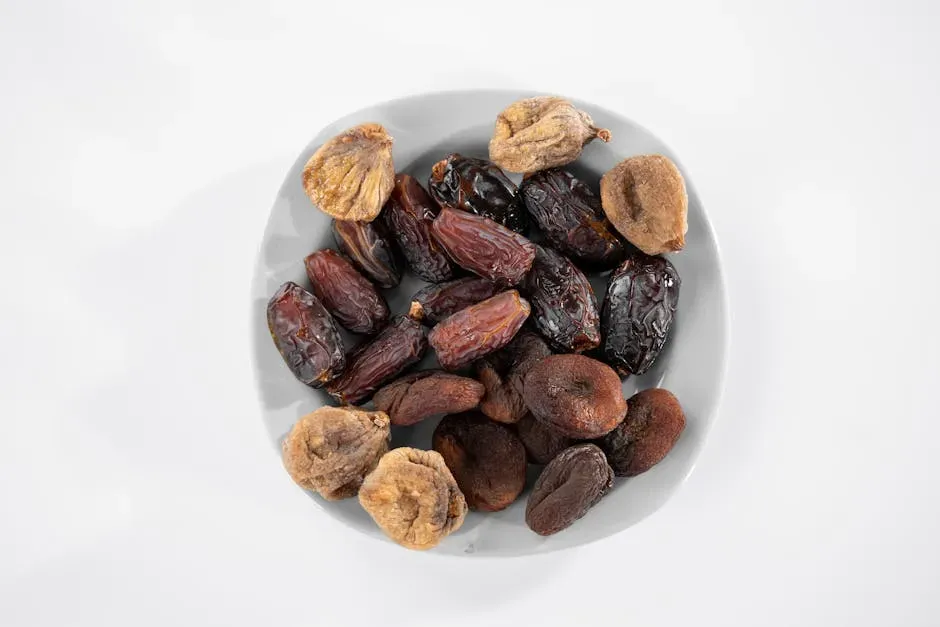
Dried fruits deserve their own spotlight because they are genuinely different from fresh fruit in one critical way. When you remove water from a fruit, everything concentrates: calories, nutrients, and most importantly, sugar. Dried fruit is devoid of its filling water content and much easier to overeat because of its smaller volume, increasing the amount of sugar you consume.
Only two tablespoons of dried fruit like raisins or dried cherries contains 15 grams of carbohydrate, so portion sizes demand caution. Raisins are higher in calories and sugars, and raisins contain 79 grams of carbohydrates per 100 grams. That is a staggering concentration compared to fresh grapes.
It’s worth noting the high levels of sugar dried fruits contain, as dried fruits more closely resemble commercial candy than fresh, whole fruit in terms of sugar density per gram. What potentially renders dried fruits as diabetes-friendly is their retention of natural fiber, which plays a vital role in slowing down the absorption of sugar into the bloodstream. Still, the concentrated sugar content means a small handful of raisins can easily exceed what you’d get from eating a full bunch of fresh grapes.
The Bigger Picture: It’s About Portions, Not Elimination
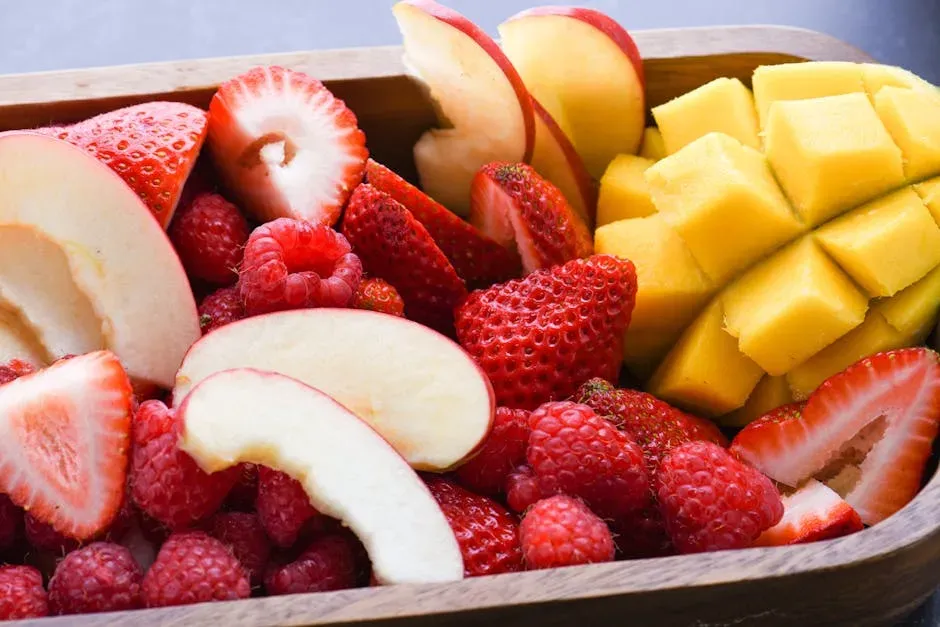
Here’s the thing: none of the fruits on this list are “bad” foods. Whole fruit promotes good health despite its natural sugar content because it also contains essential fiber, vitamins, minerals, and antioxidants. In contrast, many foods with added sugar contribute calories without providing essential nutrients.
According to the American Heart Association, healthy adults should aim for less than 36 grams of sugar per day for men and less than 25 grams per day for women. When you consider those daily targets, it becomes clear that a single mango could take up the majority of a woman’s recommended daily sugar limit. That’s not a reason for panic. It’s a reason for awareness.
Pairing fruit with a source of fat, protein, or fiber, such as plain Greek yogurt, cottage cheese, walnuts, or peanut butter, can help curb a blood sugar spike. Small, consistent habits like that make an enormous difference over time. Fruits remain one of the smartest food choices you can make. Just knowing which ones to approach more mindfully puts you a step ahead. What would you have guessed was the highest-sugar fruit on this list?