
You’ve probably heard it a dozen times at the breakfast table, in a wellness blog, or from a well-meaning friend: “Just use honey instead of sugar – it’s so much better for you.” It’s one of those beliefs that feels intuitive and comforting, like the idea that organic automatically means nutritious, or that natural always means safe. People pour it into their teas, drizzle it over yogurt, and reach for the jar with a clean conscience.
The truth, though, is considerably more nuanced than the wellness world tends to admit. Honey is not simply sugar in a golden coat. There are real biochemical differences worth knowing. Still, it isn’t the miracle sweetener some claim it to be either. Let’s dive in.
Table of Contents
Two Sweeteners, One Important Question
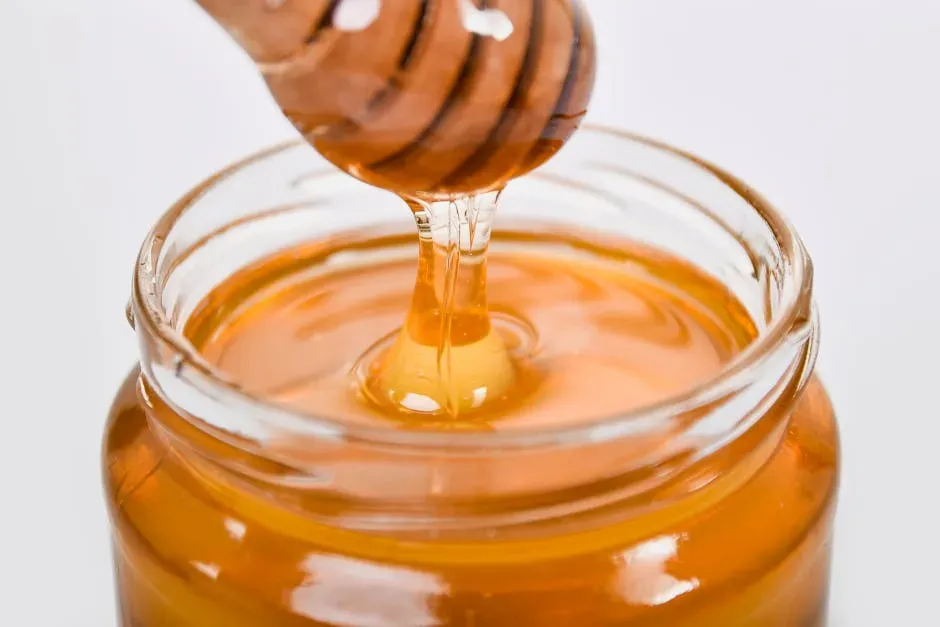
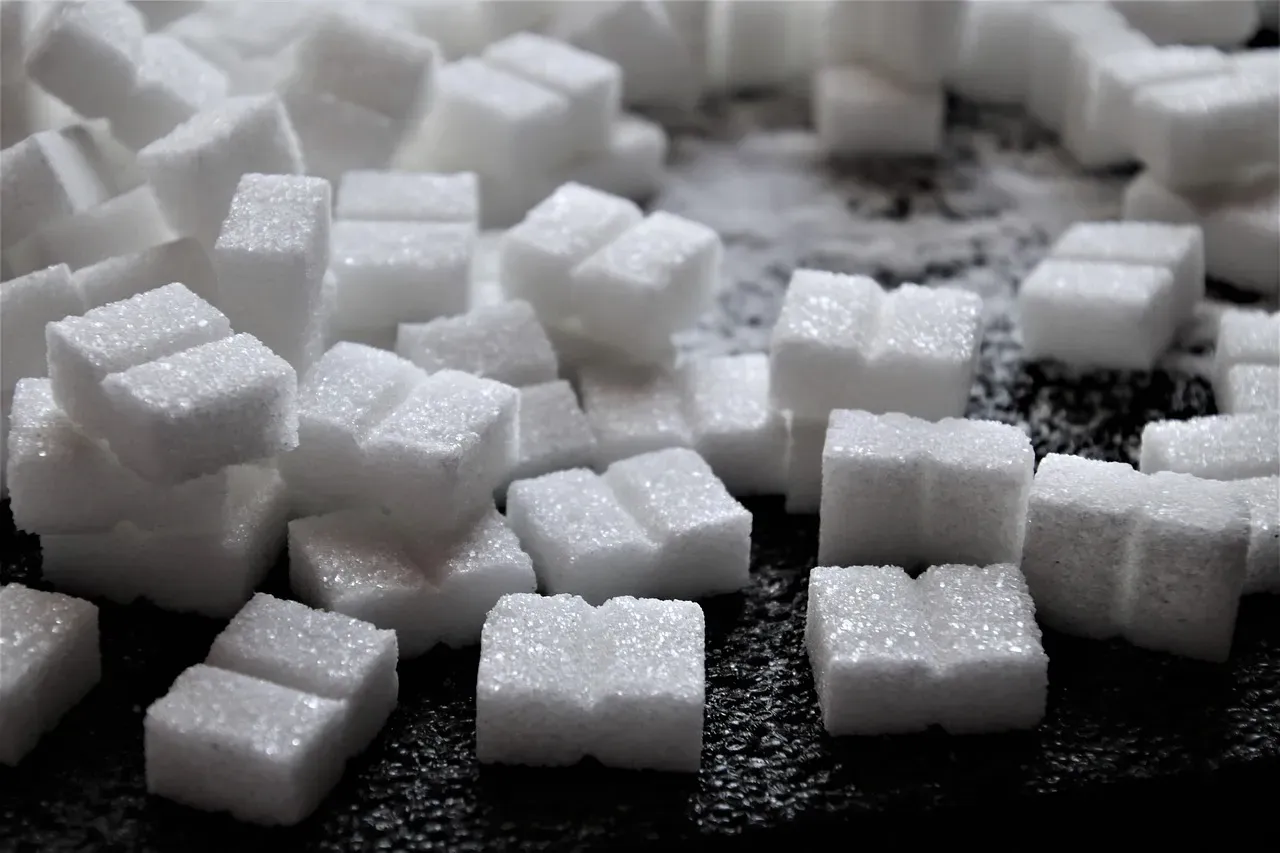
At the most basic level, both honey and table sugar are carbohydrates, and both will raise your blood sugar. That’s just chemistry. At their core, honey and sugar are both simple carbohydrates, meaning they’re quickly broken down by the body to provide fast energy.
People often consider honey to be healthier than sugar, but it depends on the use. The conversation gets interesting when you start examining what else is in each product beyond the sweetness itself. Table sugar, for instance, offers virtually nothing else.
Table sugar comes from sugarcane, sugar beet, and other plants, and although it is derived from natural substances, it needs a lot of processing before it becomes the finalized product people consume. Honey, on the other hand, goes through a very different journey before it reaches your pantry.
How Honey Is Actually Made
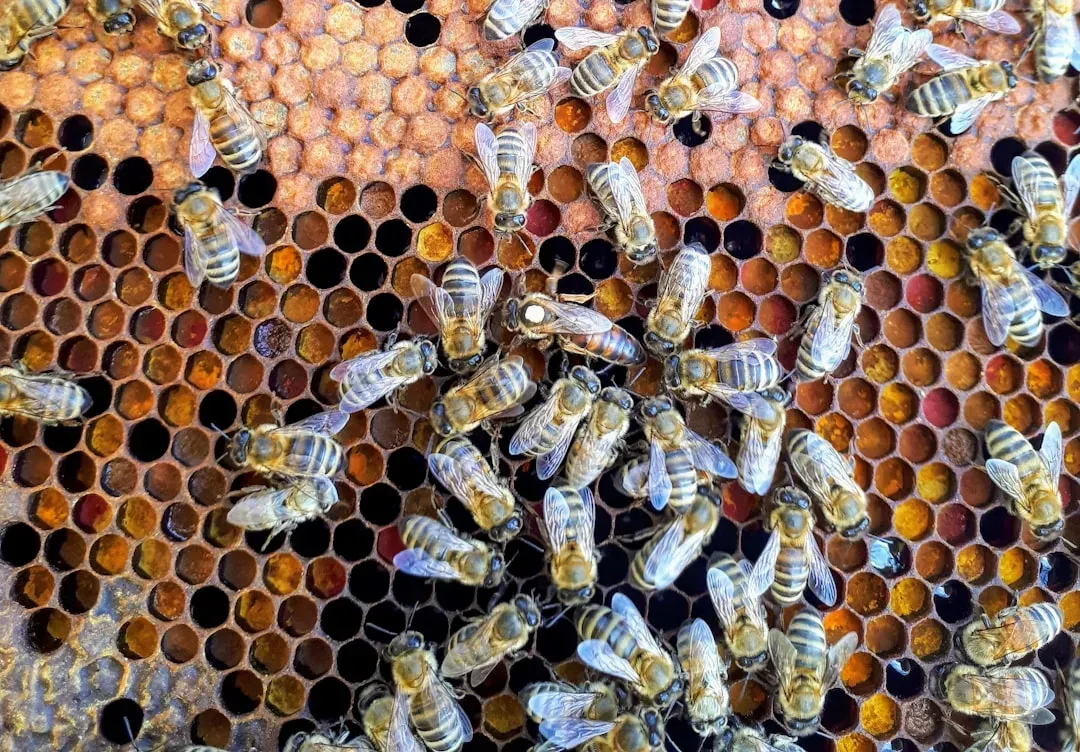
There’s something almost poetic about the way honey comes into existence. It isn’t processed in a factory – it is essentially engineered by bees. First, a honey bee collects nectar from a flower and stores it in its hive. Enzymes in the hive process the nectar and turn it into simple sugars. Bees then move it into honeycombs, where it is dried and eventually becomes honey.
Honeybees use enzymes to extensively process the nectar, which is predominantly sucrose, resulting in the variety of rare sugars that are the key to honey’s health benefits. Think of it like a biological factory that produces a far more complex end product than anything a sugar refinery ever could.
Its complex composition includes roughly 200 compounds, such as carbohydrates, enzymes, proteins, minerals, vitamins, phenolic compounds, and organic acids. No table sugar can come close to that chemical richness.
The Glycemic Index: A Closer Look at the Numbers

Here’s the thing about the glycemic index debate – it’s real, but people often oversimplify it. The glycemic index tells you how quickly a food raises blood sugar levels. Honey has a glycemic index of around 50 to 60, depending on the type, while white sugar has a glycemic index of 60 to 65.
The difference isn’t massive. It’s more like comparing a brisk walk to a moderate jog – both get your heart rate up, just not at the exact same pace. The lower glycemic index of honey is due to fructose, which is absorbed more slowly by the body than glucose, the primary sugar in white sugar.
There’s a catch, though. There are notable differences between the glycemic indices of distinctive varieties of honey, and honey shouldn’t be categorized as a single food without mentioning its variety and corresponding glycemic index, especially for those suffering from diabetes. Glycemic index appears to be different, but it’s variable in accordance with the saccharides concentration of different honeys, with some having similar or even higher values assigned relative to sugar and others slightly lower. So the type of honey you choose actually matters enormously.
The Rare Sugars That Set Honey Apart
This is where it gets genuinely fascinating. Refined white sugar is almost entirely sucrose – end of story. Honey is a far more complicated creature. Around 15% of honey is made of dozens of rare sugars – including isomaltulose, kojibiose, trehalose, melezitose, and others – which have been shown to have many physiological and metabolic benefits including improving glucose response, reducing insulin resistance, and promoting the growth of bacteria associated with a healthy gut.
Even though honey contains about 80% sugar, the reduction in fasting glucose and cholesterol in healthy individuals indicates that the unique composition of honey puts it in a class of its own. Researchers from the University of Toronto reached this conclusion after reviewing multiple controlled trials.
Not only does honey appear to improve glucose response, reduce insulin resistance, and lower “bad” cholesterol, it may also promote healthy gut bacteria and increase innate immunity. Those are not small claims, and they come from peer-reviewed research, not marketing copy.
Antioxidants: Where Honey Leaves Sugar in the Dust

Honestly, this might be where the biggest real-world difference lies. Recent scientific research has focused on honey’s antioxidant capacity, which is linked to a variety of bioactive compounds such as phenolic acids, enzymes like glucose oxidase and catalase, flavonoids, ascorbic acid, carotenoids, amino acids, and proteins.
Refined white sugar has none of these. Zero. It is, quite literally, empty calories from an antioxidant standpoint. Phenolic acids and flavonoids are secondary metabolites of herbs and are among the most essential compounds in honey. The phenols in honey are collected from nectar, honeydew, propolis, or pollen and function as antioxidants. Interestingly, the color of honey correlates with its antioxidant potential.
Some types of honey, like buckwheat honey, are rich in antioxidants, which can help protect cells from damage caused by free radicals. So if you’re choosing between the two, choosing a darker, raw variety gives you something sugar simply cannot match.
Honey and Cardiovascular Health

The heart health angle on honey is one of the more compelling research areas, even if the science is still evolving. Consumption of 75 grams of natural honey for 15 days significantly reduced total cholesterol and CRP levels in patients with hyperlipidemia, as well as LDL levels. CRP is a key marker of inflammation, and that’s a meaningful finding.
One study found that women who ate honey moderately had a lower risk of high blood pressure. In another study, researchers found that it may also reduce inflammation and improve blood sugar levels.
A high sugar intake leads to hypertension and metabolic syndrome, which is a risk factor for atherosclerosis. In contrast, non-sugar components of honey may reduce atherosclerosis risk factors. Consuming honey in small to moderate amounts reduces the risk of developing hypertension when compared to sugar consumption. That is a meaningful distinction for anyone watching their long-term heart health.
Honey and Blood Sugar: Especially for Diabetics
This topic requires some care. People with diabetes are often told to avoid all sweeteners, and that’s generally solid advice. However, research has started to draw more nuanced conclusions about honey specifically. Honey, compared to sucrose, had lower glycemic and peak incremental indices in both patients with type 1 diabetes and control groups. In both patients and controls, the increase in the level of C-peptide after honey was significant when compared with either glucose or sucrose.
Still, the picture is not uniformly positive. A 2022 meta-analysis of 18 small studies found that some types of honey slightly lowered participants’ fasting blood sugar. However, a 2021 systemic review of clinical trials found that getting too much honey actually can increase the glucose levels of people with type 2 diabetes. The authors of both reviews say we need more research to know how honey affects people with diabetes.
If you have diabetes, you can only eat honey under a doctor’s supervision, in amounts of no more than 5 to 10 grams per day. That’s roughly half a teaspoon. Moderation isn’t just recommended – it’s essential.
The Gut Microbiome Connection

Here is a dimension of honey’s health profile that most people never think about: its potential as a prebiotic. Sugar feeds your sweet tooth. Honey might also be quietly feeding your gut bacteria – in a good way.
Honey contains non-digestible carbohydrates in the form of oligosaccharides, and there is increasing evidence from in vitro, animal, and pilot human studies that some kinds of honey have prebiotic activity. Prebiotics are foods or compounds that are used to promote specific, favorable changes in the composition and function of the gut microbiota.
Current research suggests that certain kinds of honey can reduce the presence of infection-causing bacteria in the gut including Salmonella, Escherichia coli, and Clostridioides difficile, while simultaneously stimulating the growth of potentially beneficial species, such as Lactobacillus and Bifidobacteria. Think of it like a gardener weeding out the bad plants while watering the good ones – inside your digestive system.
Honey as a Wound-Healing Agent
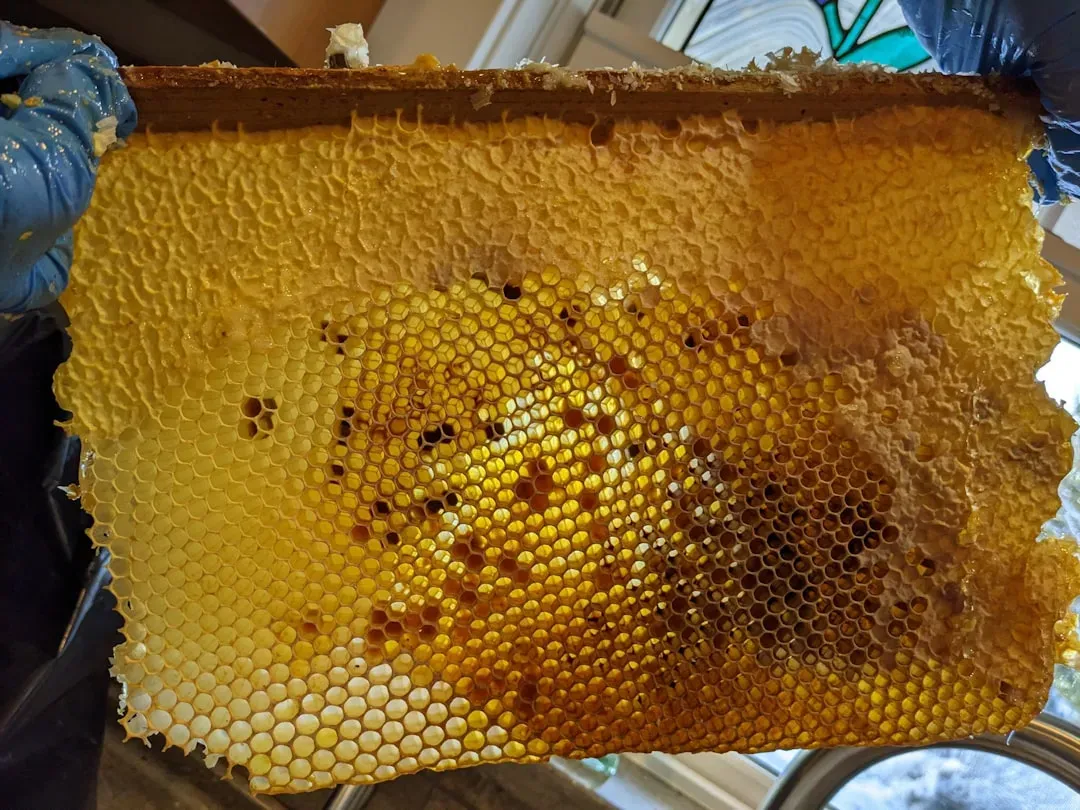
This one surprises a lot of people. You might think of honey as a kitchen staple, not a medical tool. Yet the research behind honey’s wound-healing properties is substantial and growing. Scientific studies indicate that honey was suitable for the treatment of a wide range of wounds, from burns and surgical incisions to open wounds, and it creates a protective barrier at the healing site due to its viscosity and osmolarity.
The overuse of antibiotics and antimicrobial agents leading to drug resistance has emphasized the resurgence of honey’s application in wound care. For many dermatological disorders, there is interest in developing therapeutics with fewer side effects than traditional therapies and enhanced wound healing abilities to expedite tissue regeneration.
The revival of honey-based wound care research has identified a few probable mechanistic pathways of honey, primarily due to its anti-inflammatory, antioxidant, antimicrobial, and immunomodulatory potentials. It also promotes angiogenesis, facilitates reepithelialization, stimulates proliferation of extracellular matrix, and prevents secondary infection at the wound site. Table sugar does none of this – not even close.
The Calorie Trap: Honey Isn’t “Free”
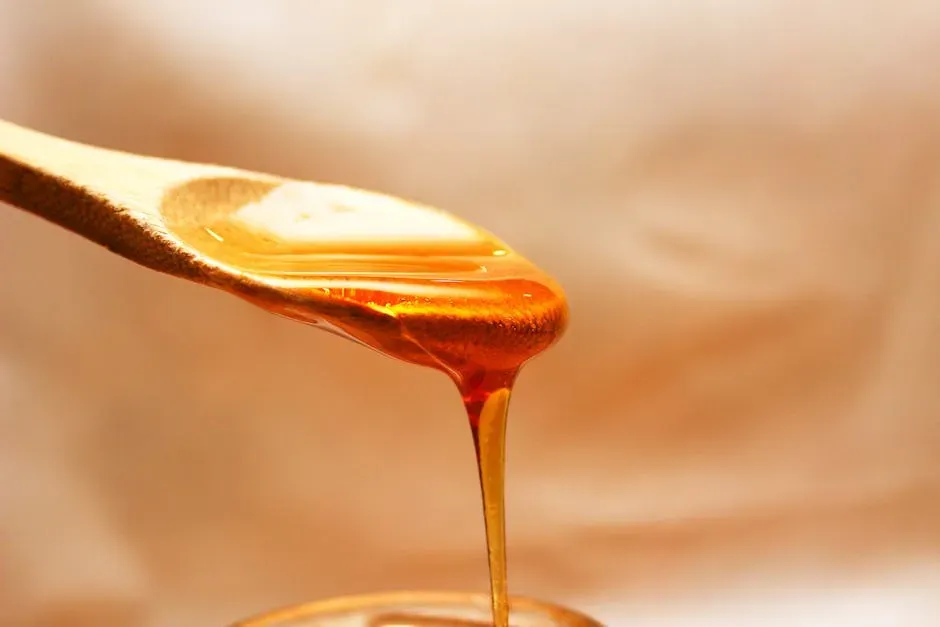
Let’s be real: honey is not a guilt-free food, and anyone who tells you otherwise is selling something. One tablespoon of honey contains about 64 calories, which is slightly higher than sugar. That number matters, especially if you’re adding it liberally to your morning oatmeal, coffee, and afternoon snack.
There’s a subtler trap too. Because honey is denser than granulated sugar, a tablespoon of honey weighs roughly 28 grams, whereas a tablespoon of sugar weighs only about 16 grams. So if you’re counting calories, a spoonful of honey actually has more kilojoules and calories than a spoonful of sugar.
Both honey and sugar can contribute to weight gain if a person overuses them. The golden jar may have more to offer nutritionally, but it still demands the same respect as any other calorie-dense sweetener.
Raw vs. Processed Honey: The Difference That Actually Matters

Not all honey is created equal. This is a point the research keeps coming back to, and it’s something consumers should genuinely pay attention to. Most honey is pasteurized for convenience because it slows the naturally occurring granulation process, which makes it harder to squeeze out of a bottle. Researchers saw more benefits from raw honey, which is richer in the nutrients and antioxidants that are diminished by the high heat used during pasteurization.
Raw honey is collected directly from beehives and doesn’t undergo pasteurization, which guarantees that the beneficial components in honey remain intact. If you’re investing in honey for its health properties, the label on the jar actually matters.
Researchers found two specific types of honey that showed the most significant improvements in cardiometabolic health markers – raw and monofloral honey. So if you’re grabbing the cheapest supermarket squeeze bottle, you may be getting most of the calories with fewer of the benefits.
So, Is Honey Actually Healthier?

The short answer is: yes, but conditionally. Honey is not magic, and it is not a medicine. It’s a sweetener with a significantly more complex nutritional profile than refined sugar, meaningful antioxidant properties, real prebiotic potential, and a legitimate place in wound care research. Despite being halfway between consideration as a functional food or a harmful food due to its high sugar content, more beneficial effects of honey intake have been observed than no or negative effects, especially when its intake replaces the intake of other sweeteners.
Honey stands out for its extensive health benefits, which include robust protection against cardiovascular issues, notable anti-inflammatory effects, enhanced glycemic control in diabetes, immune modulation, neuroprotection, and effective wound healing. As a recognized functional food and dietary supplement, honey is essential for the prevention and adjunct treatment of chronic diseases.
That said, scientific data shows that moderate consumption of high-quality honey can be part of a healthy diet, but requires an individual approach taking into account the state of health and metabolic characteristics of the body. In other words, it’s better than sugar – but only if you treat it with the same respect.
The next time you reach for that golden jar, go for raw, go for dark varieties when possible, and keep your portions honest. Honey earns its slightly elevated status – but it hasn’t earned the right to be poured without a second thought. What’s your go-to sweetener, and has this changed how you think about it? Share your thoughts in the comments.