
High blood pressure quietly affects more people than most of us realize. Hypertension is a major global public health problem affecting over a billion adults worldwide, and it is the leading modifiable risk factor for cardiovascular disease, stroke, chronic kidney disease, and early death. That’s a staggering number. What many people don’t know is that what lands on your plate can be one of your most powerful tools against it.
Medications are often necessary, but the science increasingly points to diet as a foundational strategy. Doctors recommend making fruits and vegetables a foundational part of hypertension treatment, since diets high in fruits and vegetables are found to lower blood pressure, reduce cardiovascular risk, and improve kidney health. So let’s dive into which vegetables deserve a regular spot on your plate.
Table of Contents
1. Spinach: The Nitrate-Powered Pressure Fighter
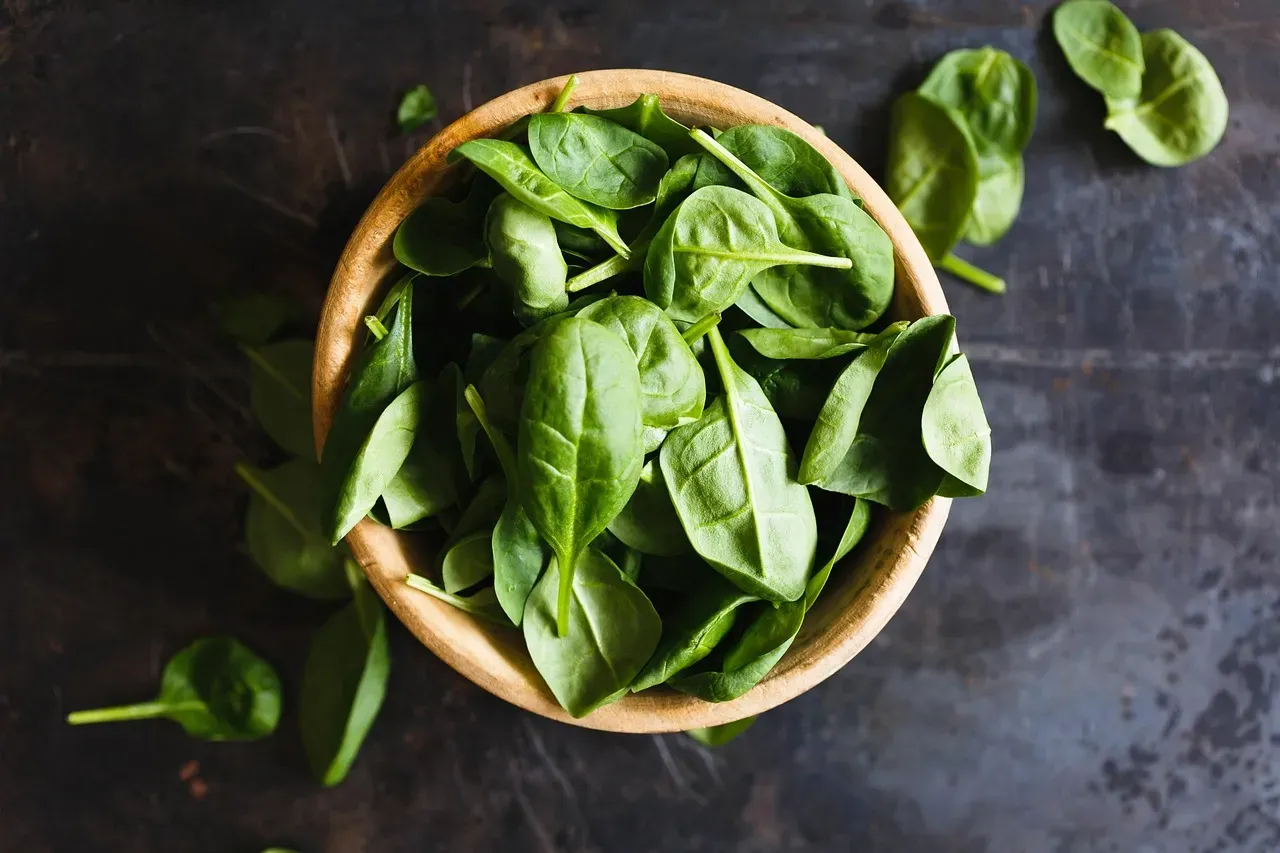
One of the best-known vegetables for managing high blood pressure is spinach. It is rich in potassium, a mineral that helps balance sodium levels in your body, and too much sodium can raise blood pressure while potassium works to counteract its effects. Think of potassium as sodium’s natural antidote. It literally flushes excess sodium from the body.
Spinach is a leafy green high in a plant-based compound known as nitrate, which may lower blood pressure. It is also loaded with antioxidants, potassium, calcium, and magnesium, which can support heart health. A study published in the journal “Hypertension” found that nitrate-rich vegetables like spinach can lower blood pressure in just a few hours after eating them. That’s genuinely impressive for something you can toss into a morning smoothie.
2. Beets: The Most Researched Vegetable for Blood Pressure
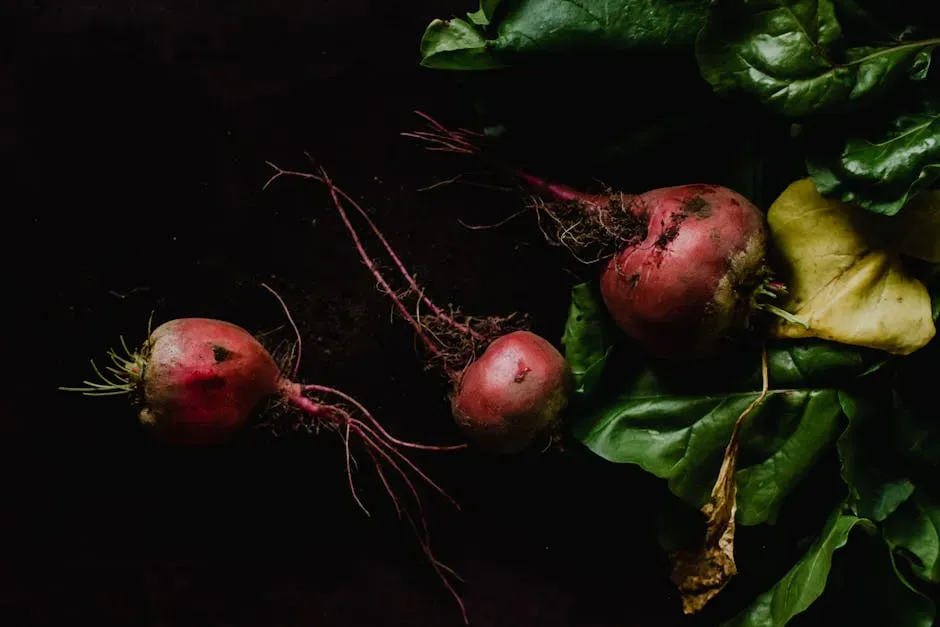
Honestly, if there is one vegetable that scientists keep coming back to in hypertension research, it is the humble beet. This root vegetable is high in nitrates, which the body converts into nitrous oxide, a molecule that has been shown to reduce systolic blood pressure. The science behind this conversion is elegant. Nitric oxide relaxes and widens blood vessels, making it physically easier for your heart to pump.
In the first meta-analysis focused specifically on beetroot juice in patients with hypertension above 140/90 mmHg, beetroot juice was shown to lower clinical systolic blood pressure with a significant effect lasting up to 90 days of intervention. Across eleven trials involving 349 patients, beetroot juice yielded a significant reduction in clinical systolic blood pressure compared with placebo. That level of evidence is hard to ignore.
3. Broccoli: The Cruciferous Champion
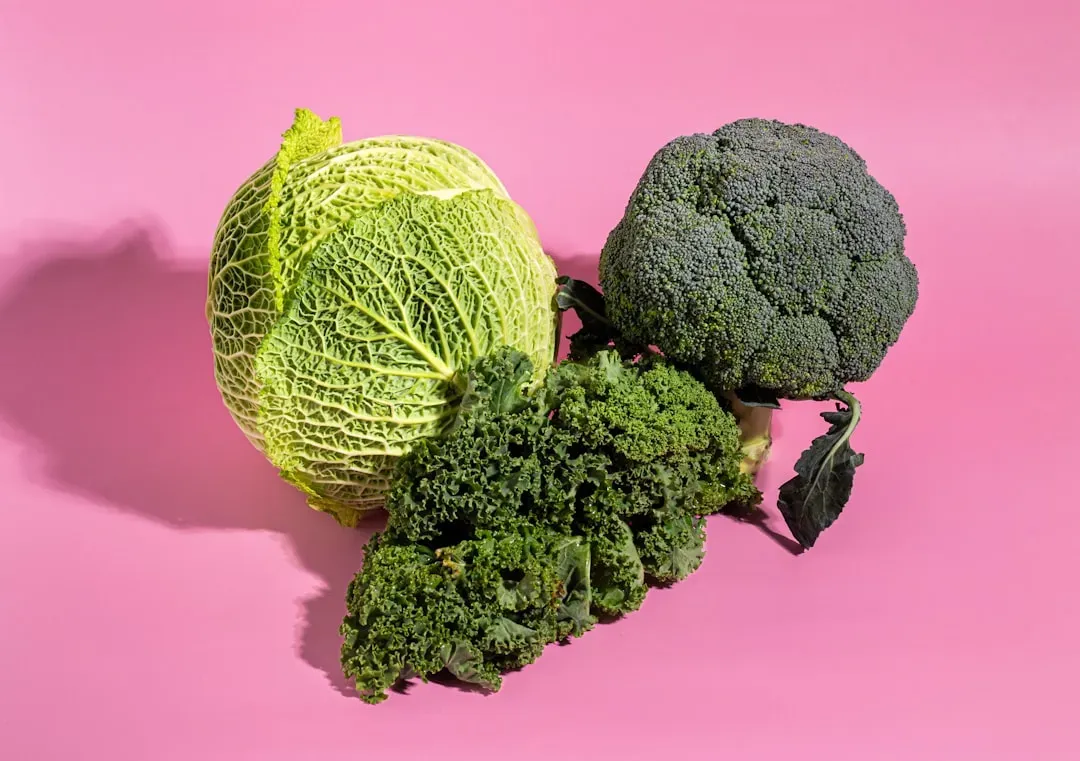
A landmark 2024 study published in BMC Medicine put broccoli front and center in the blood pressure conversation. Researchers found that consuming four daily servings of cruciferous vegetables for two weeks, compared to an equivalent control of root and squash vegetables, helped to lower 24-hour systolic blood pressure by an average of 2.5 mmHg, and this decrease could mean reducing the risk for major cardiovascular events by roughly 5%. A 5% reduction in cardiovascular risk from eating more broccoli soup. That should get anyone’s attention.
Broccoli is loaded with flavonoid antioxidants, which may help lower blood pressure by enhancing blood vessel function and increasing nitric oxide levels in your body. A large older study that included data from 187,453 people found that those who consumed four broccoli servings or more per week had a lower likelihood of high blood pressure than those who consumed broccoli once a month or less. The numbers speak clearly here.
4. Kale: Potassium, Magnesium, and More
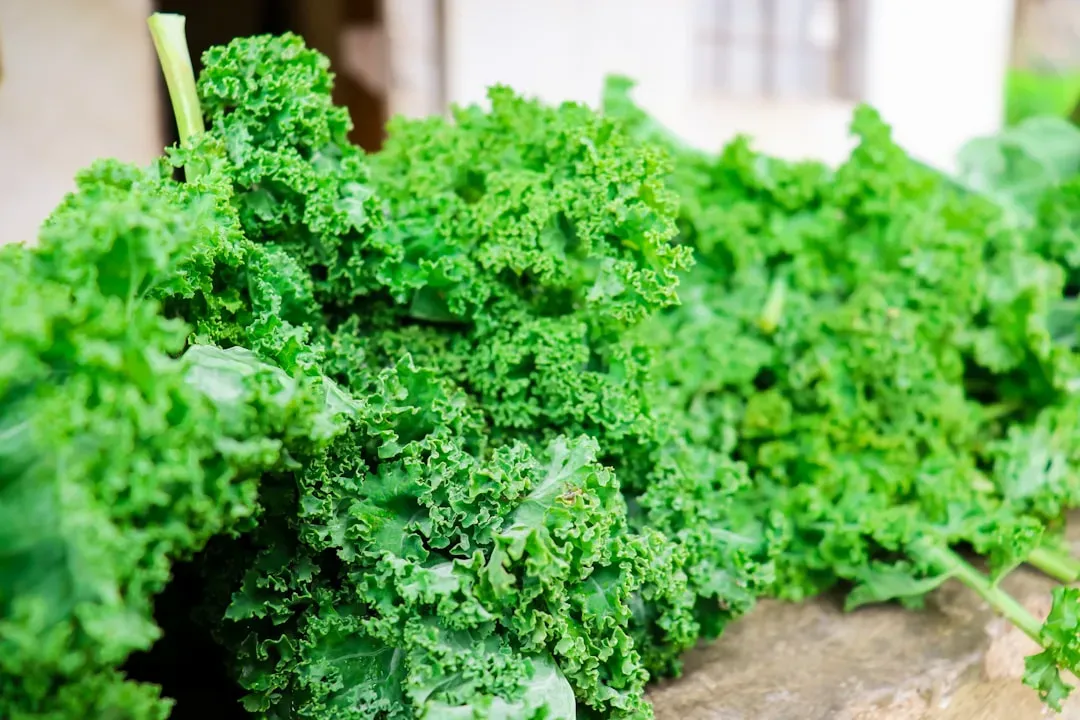
In a randomized, controlled, crossover trial, researchers from Edith Cowan University found that consuming four serves a day of cruciferous vegetables resulted in a significant reduction in blood pressure, compared with four serves a day of root and squash vegetables. Kale was part of that cruciferous mix. Compounds called glucosinolates, found almost exclusively in cruciferous vegetables, have been shown to lower blood pressure in animals, and cruciferous vegetables also contain other components that likely provide additional benefits, such as nitrate and vitamin K.
Kale is one of the most nutrient-dense leafy greens available. It contains a mix of potassium, magnesium, calcium, and powerful antioxidants like quercetin and kaempferol, which support blood vessel function and reduce inflammation. Foods like spinach, kale, and lettuce are also excellent sources of dietary nitrate, which besides dilating blood vessels also helps prevent platelet adhesion, aggregation, and atherosclerosis. It’s a package deal, not just one benefit.
5. Swiss Chard: The Underrated Magnesium Powerhouse
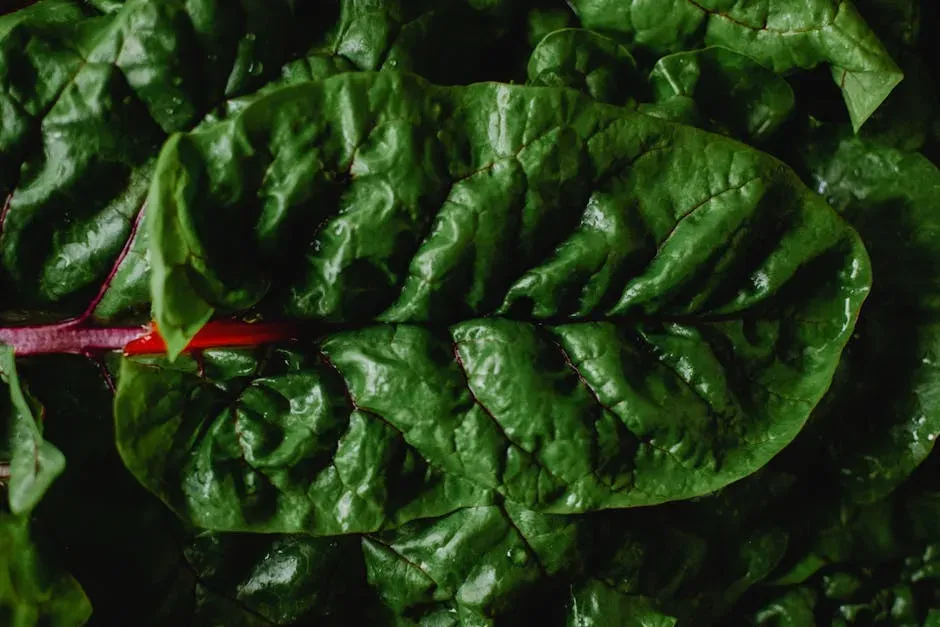
Swiss chard rarely gets the headlines, but it probably should. One cup of cooked Swiss chard delivers 150 mg of magnesium and 961 mg of potassium, and a 2022 study found that among females with high sodium levels, every 1 gram increase in daily potassium was linked with a 2.4 mmHg lower systolic blood pressure. Those mineral numbers are extraordinary for a single cup of cooked greens.
Swiss chard is considered an anti-hypertensive vegetable because it contains many trace minerals that are crucial for proper circulation, blood vessel health, and heartbeat regulation. Magnesium, potassium, copper, iron and calcium found in Swiss chard work together to aid in red blood cell formation, nerve signaling, blood vessel constriction, and help control blood pressure levels. Magnesium is also essential for regulating blood pressure, as this nutrient helps reduce blood pressure by acting as a natural calcium channel blocker, which can prevent the movement of calcium into the arteries and heart cells, contributing to the relaxation of blood vessels.
6. Garlic: More Than Just a Kitchen Staple
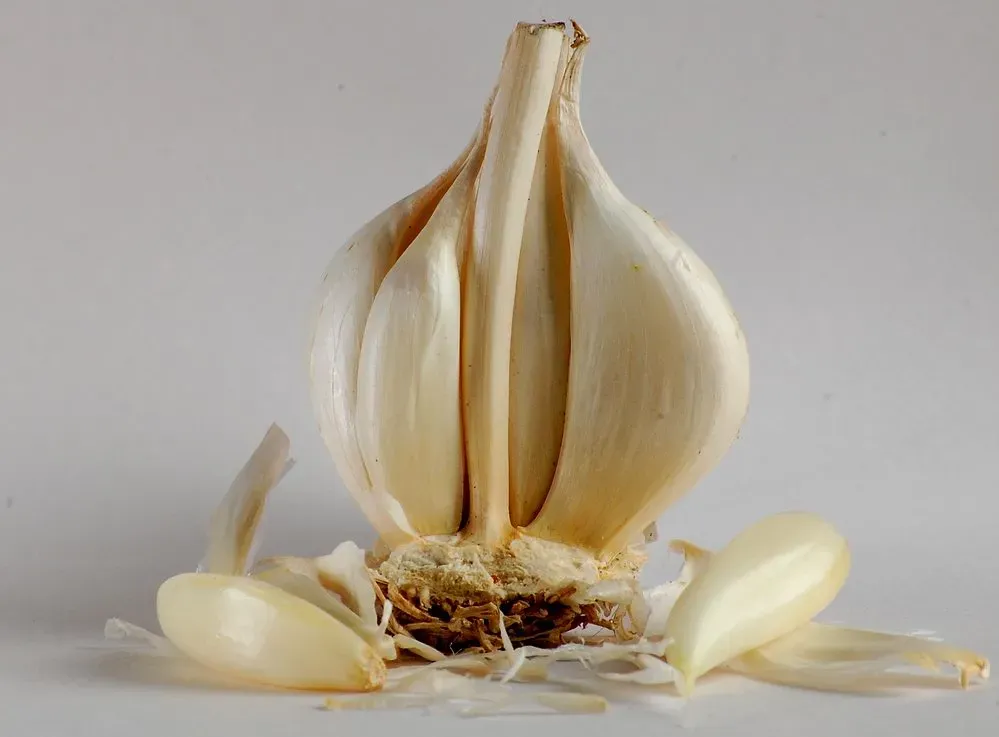
Let’s be real. Most people think of garlic as a flavor ingredient, not a medicine. The research, however, tells a different story. Garlic has antioxidant and anti-inflammatory properties, helps dilate blood vessels, and supports their functioning, according to a 2024 research review published in Nutrients. Garlic may boost nitric oxide levels, which dilates blood vessels. The more relaxed your blood vessels are, the less your heart has to work to pump blood through them, and that helps keep blood pressure down.
A meta-analysis of clinical trials published in the journal “Annals of Pharmacotherapy” confirmed that garlic supplements can lower blood pressure as effectively as some medications, especially in people with hypertension. Garlic contains a compound called allicin, which helps blood vessels relax and lowers blood pressure, and a large analysis showed that garlic lowers blood pressure in people with or without high blood pressure. Raw garlic, aged garlic extract, or supplements all appear to carry real benefits.
7. Celery: An Ancient Remedy With Modern Backing
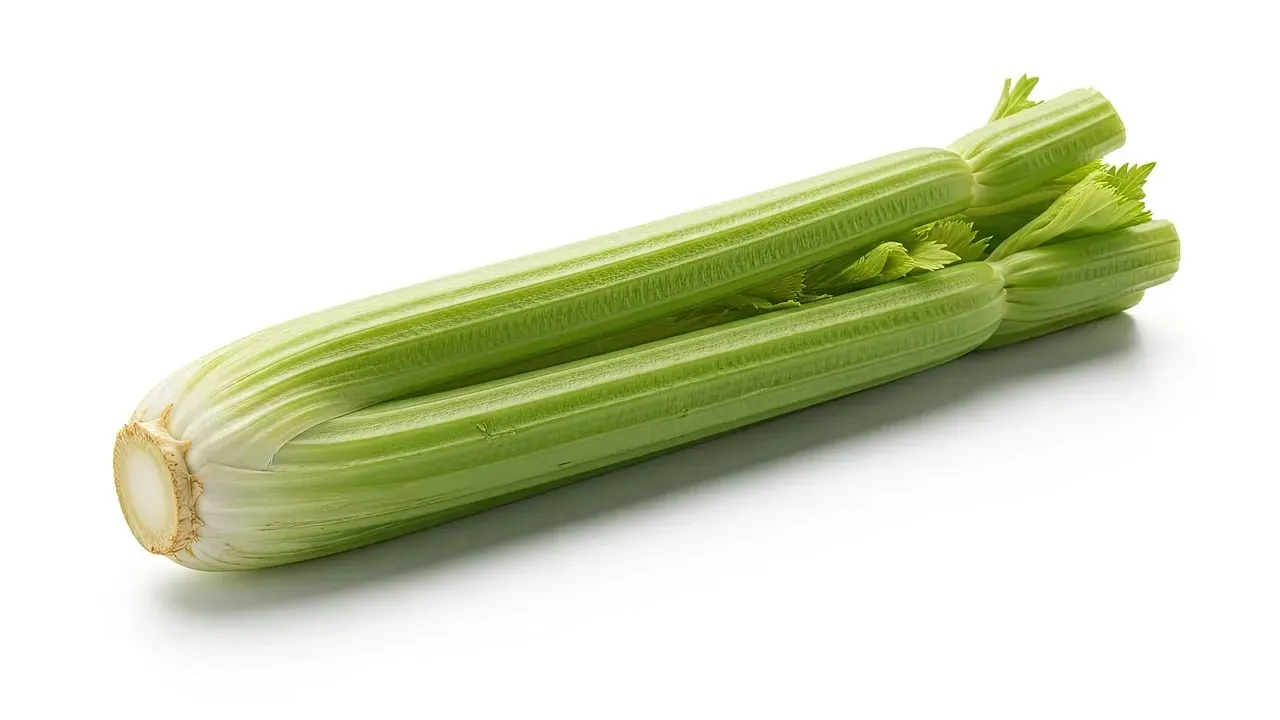
Celery has been used to treat high blood pressure in traditional Chinese medicine for centuries, and it turns out the ancients may have been onto something. Celery contains a natural compound called phthalide, which can help relax the tissues in artery walls and improve blood flow. A study conducted in China found that eating celery or drinking celery juice daily for a week significantly reduced blood pressure in people with mild hypertension. That’s a pretty quick turnaround for a dietary change.
Celery contains unique phytochemicals called phthalides, which may help relax the muscles in blood vessel walls, allowing blood to flow more easily. Used in traditional Chinese medicine for hypertension, celery is a time-tested remedy that modern studies are beginning to validate. The fact that something so widely available and inexpensive carries these benefits feels like good news. It’s easy to underestimate how much a simple daily stalk of celery could actually matter.
8. Carrots: Potassium and Phenolics Working Together
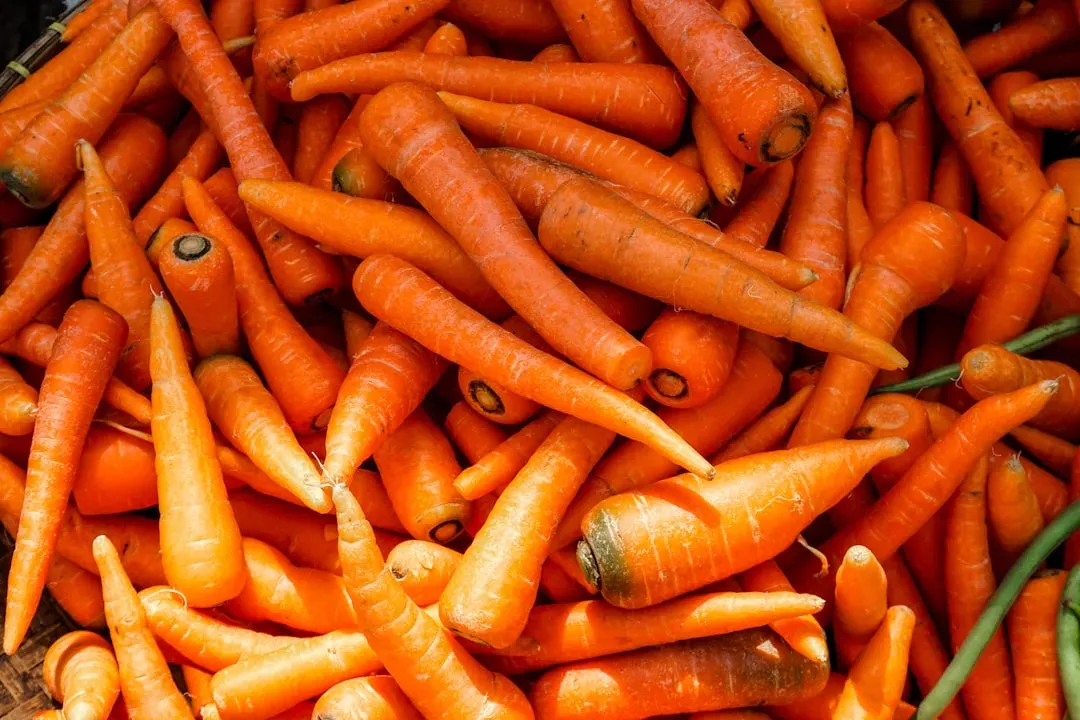
Carrots are a very nutritious vegetable, containing many phenolic compounds such as caffeic, p-coumaric, and chlorogenic acid. These compounds have the effect of relaxing blood vessels, reducing inflammation, and reducing high blood pressure. Although carrots can be cooked or eaten raw, experts recommend eating raw carrots to reduce high blood pressure. Raw versus cooked genuinely matters here, which is something most people skip over.
A study in the “Nutrition Journal” found that people who eat more carrots have a lower risk of developing high blood pressure. Carrots are also rich in potassium and antioxidants like beta-carotene, which support heart and blood vessel health. Consumption of at least roughly 60 mg per day of vegetable nitrate, which is approximately one cup of green leafy vegetables, may mitigate risk of cardiovascular disease. Carrots contribute meaningfully to that daily nitrate target.
9. Tomatoes: Lycopene and the Heart Connection
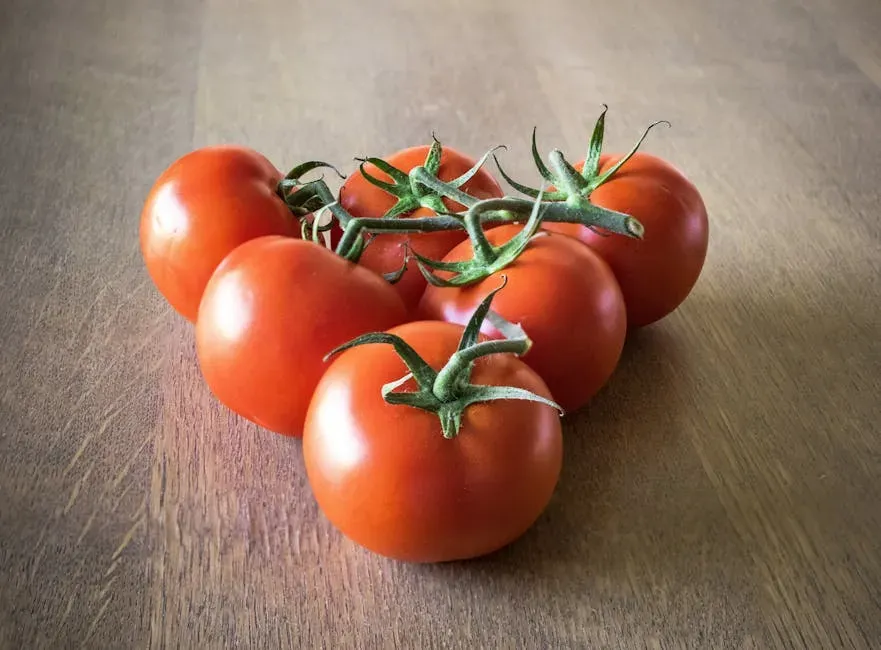
Tomatoes are, botanically speaking, a fruit. In the kitchen and on the dinner plate though, they function squarely as a vegetable, and for good reason. Tomatoes are a rich source of lycopene, a powerful antioxidant shown to lower blood pressure and reduce the risk of heart disease. They are also high in potassium, which aids in sodium balance and arterial function. The pairing of lycopene and potassium makes tomatoes a particularly well-rounded choice.
A meta-analysis published in Nutrition Journal found that lycopene-rich tomato products significantly reduced systolic blood pressure in people with elevated levels. Tomatoes, particularly when cooked, can contribute to lower blood pressure as well. Interestingly, cooking tomatoes actually increases their lycopene availability, making tomato sauce or soup potentially more beneficial for blood pressure than raw tomato slices. That’s a counterintuitive fact worth remembering next time you reach for fresh versus cooked.
The Big Picture: Diet as a Foundation, Not an Afterthought
The evidence from recent years paints a compelling picture. The research team behind a major five-year randomized controlled trial emphasizes that many clinicians begin hypertension treatment with drugs and then add diet strategies if blood pressure is not properly controlled, but the findings support the opposite: treatment should begin with fruits and vegetables and then add drugs as needed. That is a significant shift in thinking from the medical community.
The 2025 AHA/ACC guidelines support the DASH eating plan, which focuses on fruits, vegetables, and low-fat dairy products, for individuals with elevated blood pressure or hypertension. This recommendation is backed by clinical trial evidence showing average reductions in systolic blood pressure of 1 to 13 mmHg and diastolic reductions of 1 to 10 mmHg. Those are clinically meaningful numbers, not just statistical noise.
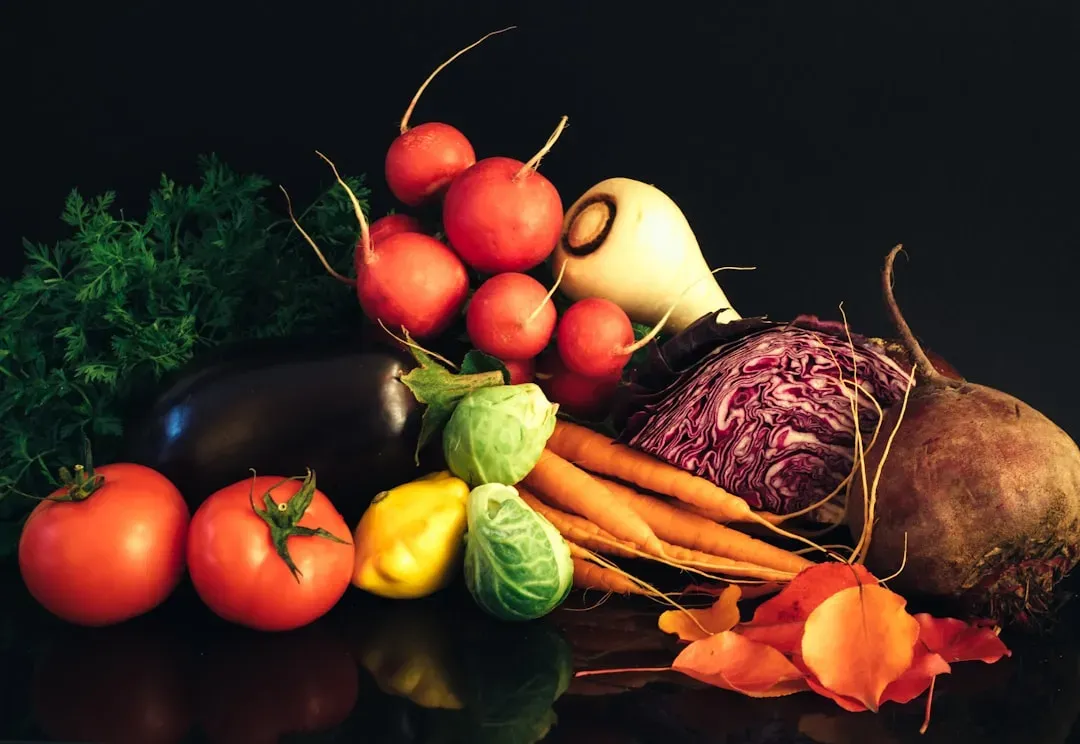
Vegetables are packed with potassium, magnesium, fiber, and nitrates that all work together to lower blood pressure by relaxing blood vessels, reducing inflammation, and improving blood flow. Each of the nine vegetables on this list works through at least one of these pathways, and several work through multiple at once. That synergy is what makes a plant-rich diet so remarkably effective.
Nine vegetables. Each backed by research. Each accessible at virtually any grocery store. The question isn’t whether the evidence is there. It clearly is. The question is whether you’re willing to let your daily meals do some of the heavy lifting for your heart health. What will you add to your plate first?