
Most people know about blueberries, salmon, and kale. They show up on every health list, grace the covers of nutrition magazines, and get recommended by every wellness influencer on the planet. Honestly, they deserve the praise. Yet the world of truly remarkable foods is so much bigger, and plenty of the most impressive ones never get the spotlight they deserve.
What if some of the most powerful foods for your brain, gut, heart, and immune system are sitting quietly in specialty stores or supplement aisles, mostly ignored? That’s what this article is about: seven genuinely underrated superfoods that modern research continues to back up, from ancient trees in Africa to microscopic algae that might just change the way you think about nutrition. Let’s dive in.
1. Moringa: The Ancient “Miracle Tree” That Modern Science Is Finally Catching Up To
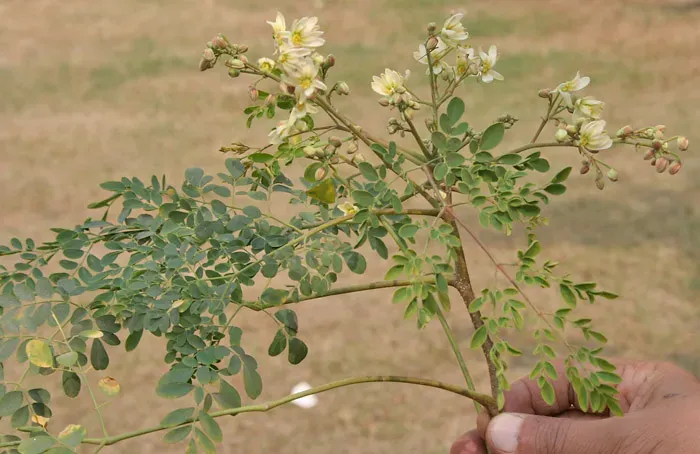
There’s a reason moringa has been called, quite literally, the “tree of life.” Moringa oleifera, also known as the “tree of life” or “miracle tree,” is classified as an important herbal plant due to its immense medicinal and non-medicinal benefits. That’s not just poetic language. The science behind it is genuinely compelling.
Researchers have found over 90 bioactive plant compounds in moringa that may help protect against oxidative stress, inflammation, fungi, and cancer, among other benefits. Think about that for a moment: over 90 protective compounds in a single plant. That’s not a supplement pill doing tricks, that’s nature at its most concentrated.
Many health benefits of moringa powder are due to its rich proteins, minerals, amino acids, antioxidants, and flavonoids, and moringa powder can be used to protect tissue in the liver, kidneys, heart, and lungs, and to reduce pain. The fact that it supports this many different organs at once is remarkable, and I think that’s part of why researchers keep coming back to it.
In a 2021 study, a group of healthy participants consumed 120 grams of cooked moringa leaves for a week, while another group did not. Two hours after eating, those who consumed moringa had lower blood pressure than those who did not. Blood pressure reduction from eating a plant. No side effects, no prescription needed. Worth noting, though, that researchers stress more large-scale human trials are still needed to confirm these effects fully.
2. Chlorella: The Tiny Green Alga With Enormous Potential
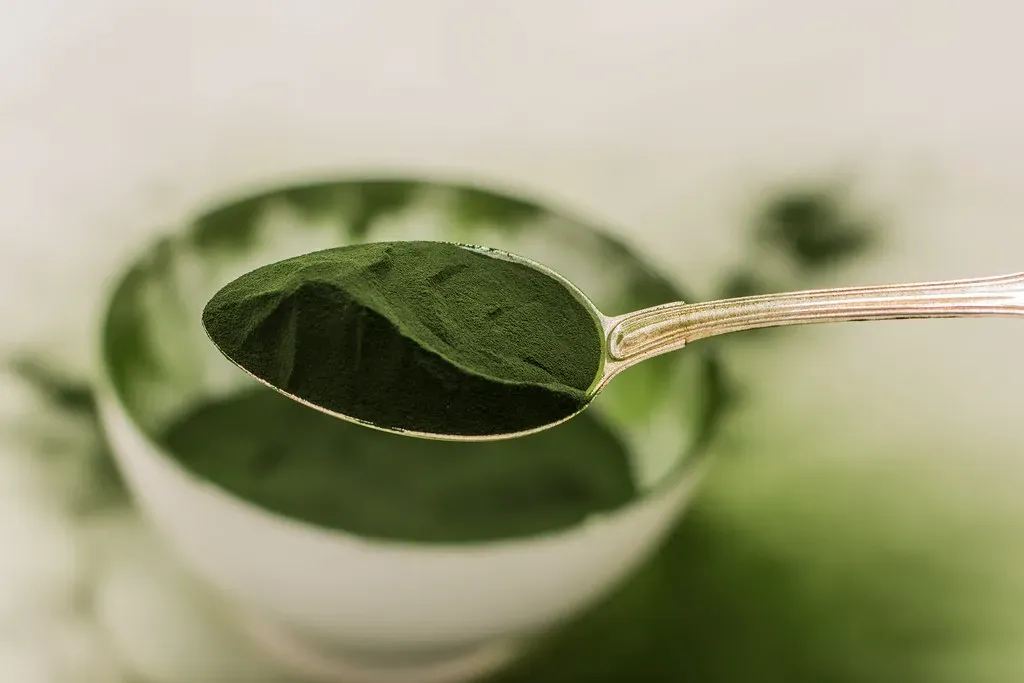
Let’s be real. Most people hear “green algae” and immediately picture something growing on a pond. Chlorella does not get the credit it deserves, and that needs to change.
A 2025 review highlights the chemical composition, bioactive properties, and wide-ranging applications of Chlorella vulgaris, a green microalga celebrated for its exceptional nutritional and therapeutic potential. Key nutrients include high-quality proteins, essential vitamins and minerals, and bioactive compounds such as carotenoids, chlorophyll, and polysaccharides – each linked to antioxidant, anti-inflammatory, immunomodulatory, antiviral, anticancer, antidiabetic, lipid-lowering, and detoxifying effects. It’s remarkable that such a tiny organism packs such a broad spectrum of biological activity.
Chlorella is a single-celled alga that researchers say is rich in proteins, vitamins, minerals and antioxidants. It is known for its ability to remove toxins from the body, such as heavy metals, and it has a positive effect on the immune system. The detoxification angle is especially interesting given how much exposure modern humans have to environmental pollutants on a daily basis.
Rich in protein, lipids, carbohydrates, vitamins, and minerals, Chlorella offers substantial nutritional benefits, positioning it as a valuable food substitute. It can be mixed into smoothies or taken as a powder or tablet, which makes it surprisingly easy to incorporate into a daily routine. It’s hard to say for sure whether it’s the next big thing, but the research volume around it has grown sharply in recent years.
3. Baobab: The African Fruit That Puts Oranges to Shame
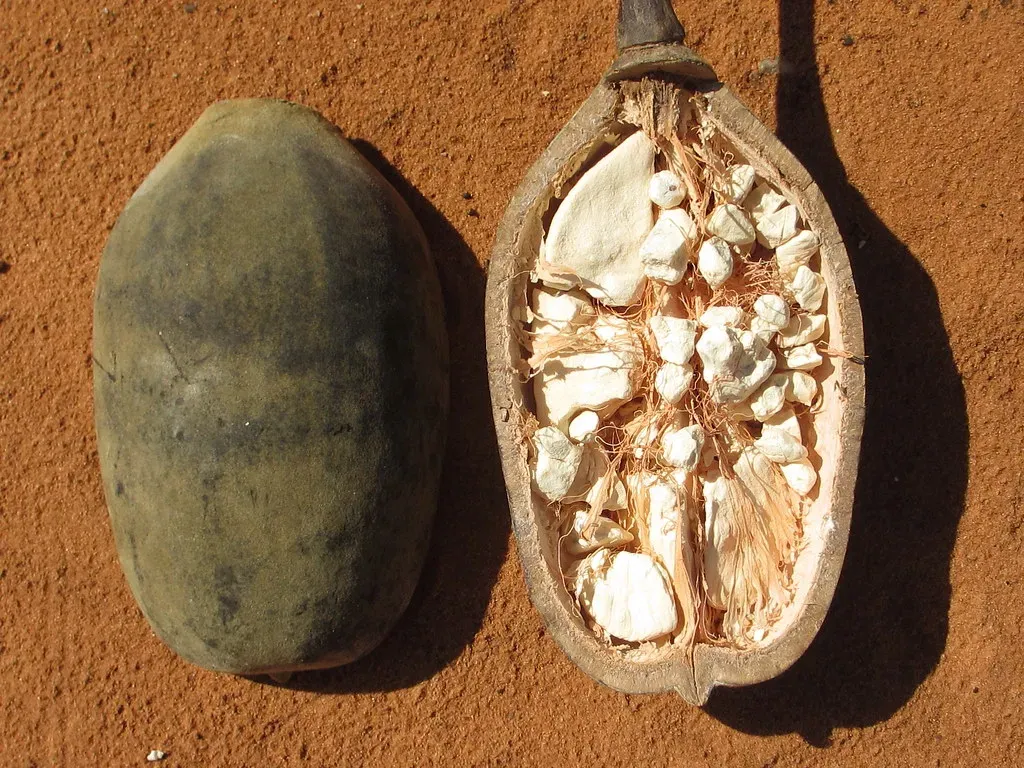
Here is a food that has nourished entire populations across Africa for centuries, yet most people in the Western world have never tasted it. That’s a genuine nutritional shame.
Baobab is increasingly recognised as one of the best superfoods of 2025 because of its impressive nutritional profile, and the flesh of the baobab fruit contains more vitamin C than oranges, more potassium than bananas and more fibre than whole grain cereals. More vitamin C than oranges, more potassium than bananas, and more fiber than whole grain cereals. All in one fruit. That sentence alone should make baobab a household name.
Baobab also has strong antiviral and antimicrobial properties according to research, and the bark of this tree also contains an alkaloid called Adansonin, which has been shown to be active against fever and malaria. According to further research, Baobab is also said to have anti-inflammatory and analgesic properties. The range of protective benefits here is wide enough to make this one of the most versatile functional foods available.
You can find baobab powder in health food stores and it blends easily into yogurt, smoothies, or even baked goods. It has a mild, slightly tangy flavor. Think of it like a tart lemon-cream powder with a serious nutritional punch. Not offensive, not overwhelming. Just genuinely useful.
4. Kefir: The Fermented Drink Your Gut Has Been Waiting For

The gut health conversation has exploded in recent years, and right in the middle of it sits kefir, a fermented drink that has been around for thousands of years and is still massively underused by most people.
Kefir, a fermented probiotic drink made from milk, water, or plant-based ingredients, has gained significant attention as a dietary supplement. Originating from the Caucasus Mountains over three thousand years ago, kefir is believed to harbor a range of health benefits through its ability to alter the composition of microbial niches within the human body. Three thousand years of use is a pretty convincing case study on its own.
Inflammation and oxidative stress are implicated in several chronic disorders, while healthy foods and especially fermented beverages and those containing probiotics can provide anti-inflammatory and antioxidant protection against such manifestations and the associated disorders. Water kefir is such a beverage that is rich in both probiotic microbiota and anti-inflammatory bioactives. For people who are lactose intolerant, the water-based version offers all of these benefits without any dairy complications.
Kefir has beneficial effects on the gut microbiota and has potential health benefits due to its antioxidant, antimicrobial, and immunomodulatory properties. It’s worth noting that researchers continue to call for more large-scale human clinical trials, as much of the current evidence is still being established. Still, as everyday additions to a balanced diet go, kefir is one of the more well-studied fermented foods available right now.
5. Black Rice: The Forgotten Grain That’s Bursting With Antioxidants
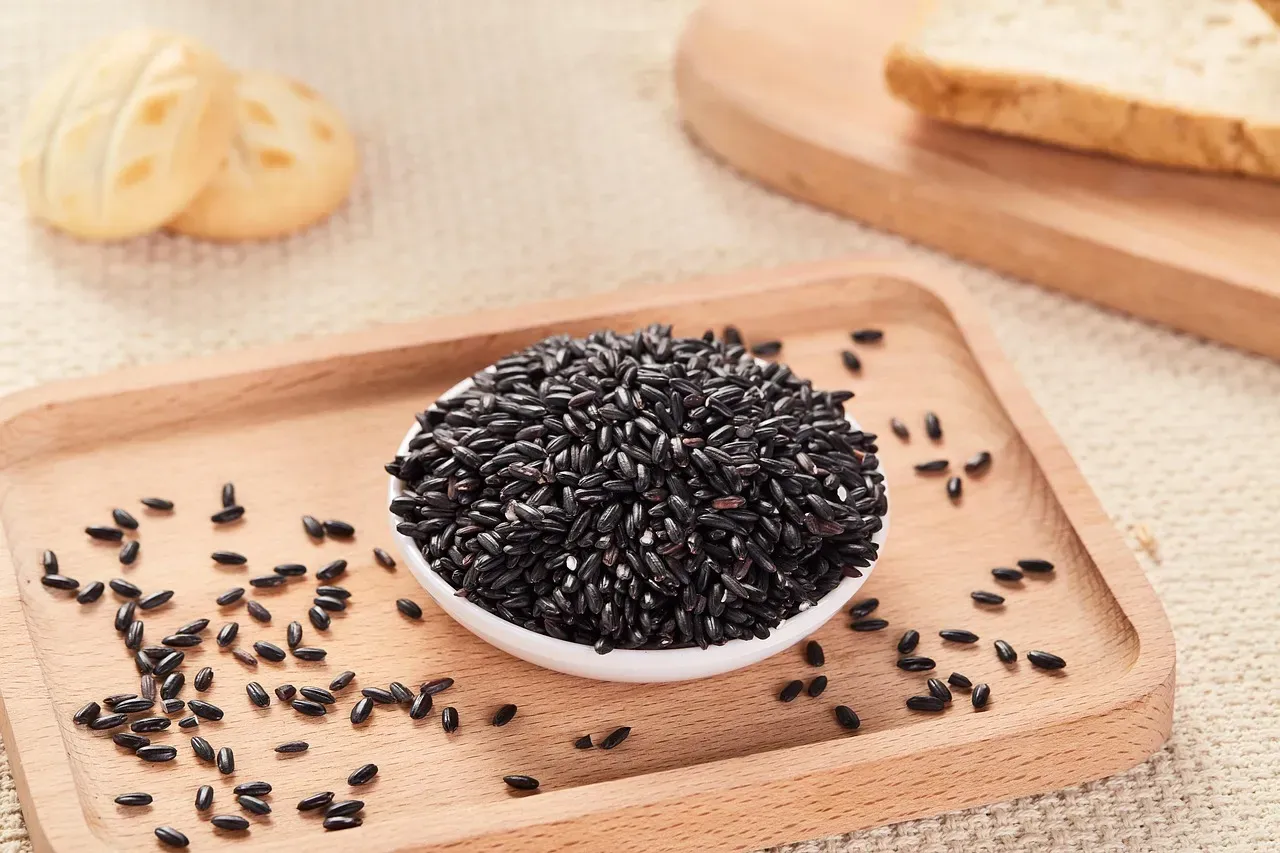
White rice gets eaten by roughly half the world’s population daily. Brown rice gets praised by health enthusiasts. Meanwhile, black rice just sits there quietly, holding one of the most concentrated antioxidant profiles of any grain on the planet.
Specific examples of underutilized crops, including amaranth, black rice, quinoa, and more, are thoroughly examined for nutritional richness and culinary versatility, underlining suitability for daily dietary incorporation. A 2024 peer-reviewed paper published in Food Materials Research highlighted these crops as genuine nutritional goldmines that deserve broader recognition.
Black rice, known for its high antioxidant content, has not been thoroughly studied under varying environmental conditions. Research continues to grow, and recent studies have shown that salt stress increased total phenolic, flavonoid, and anthocyanin contents in black rice, whereas white rice showed no such changes. In other words, black rice actually responds to environmental stress by producing more protective compounds. That’s a plant adapting in a way that benefits the people eating it.
The anthocyanins in black rice are the same family of compounds found in blueberries. Think of black rice as a blueberry in grain form. It has a slightly nutty, earthy flavor and cooks beautifully in dishes ranging from stir-fries to rice bowls. It is genuinely one of the most neglected swaps anyone can make.
6. Sea Moss: The Ocean’s Mineral Gift
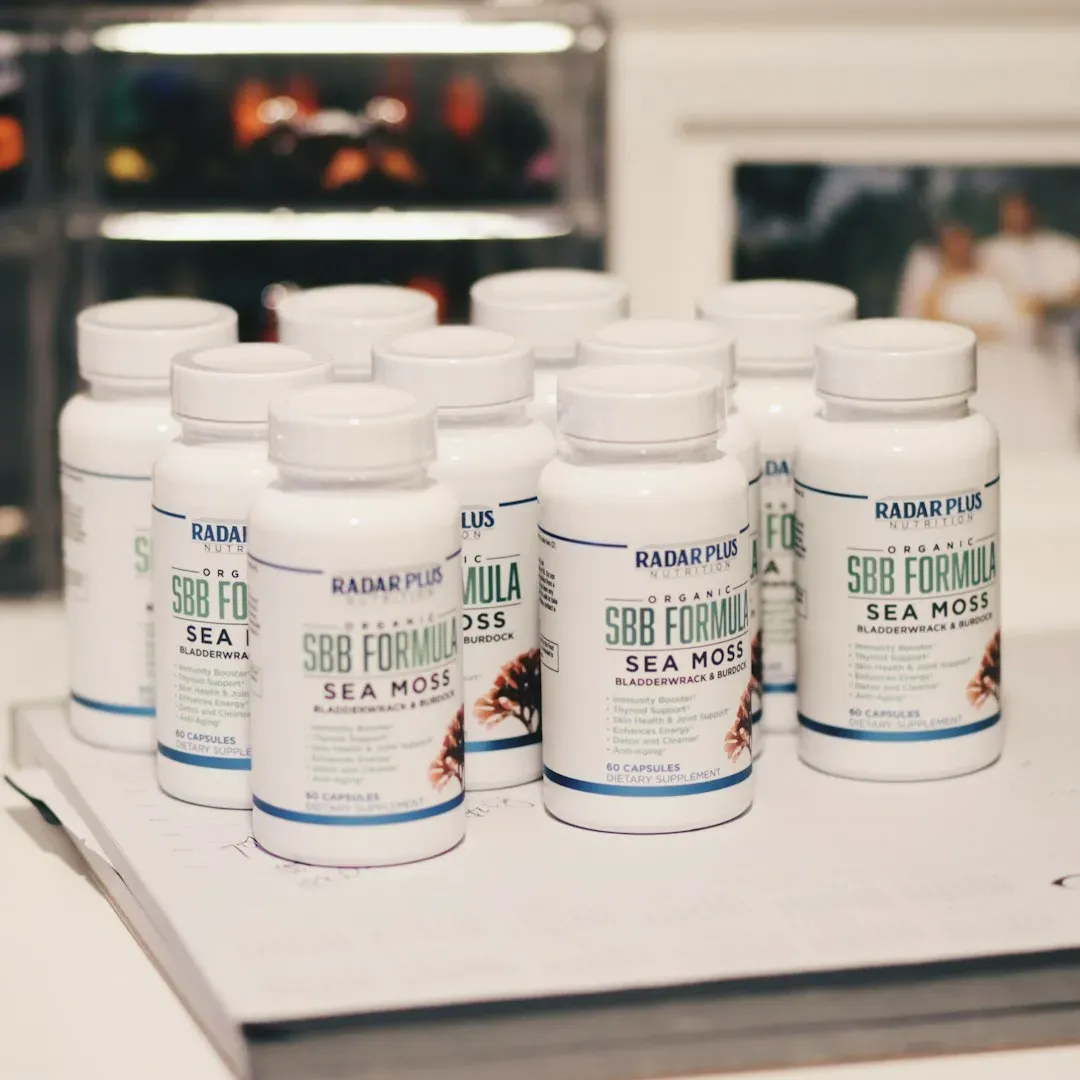
Sea moss, also called Irish moss, has been used in coastal communities from the Caribbean to Ireland for generations. It has only recently started showing up on mainstream health radar, and the science behind the buzz is worth understanding.
Sea moss, also known as Irish moss (Chondrus crispus), is gaining traction for its gut-healing and immune-boosting properties. Rich in iodine, magnesium, and fiber, this marine superfood supports thyroid function, digestion, and skin health. Thyroid support alone makes it worth paying attention to, given how common thyroid-related issues have become.
Seaweed is making its way from sushi restaurants into everyday kitchens in 2026. Packed with iodine, antioxidants, and plant-based omega-3s, it supports thyroid function, gut health, and skin vitality. Beyond its nutritional benefits, seaweed is highly sustainable – marine plants rank among the lowest-impact food sources on the planet – earning it a reputation as a true “future food” for health-conscious and environmentally minded eaters alike.
Seaweeds may have an important role in modulating chronic disease, being rich in unique bioactive compounds not present in terrestrial food sources, including different proteins, polyphenols, and other active compounds. The bioactive compounds found in sea vegetables simply do not exist in land-grown plants. That’s what makes them a genuinely complementary addition to an otherwise diverse diet, rather than just a trendy replacement for something familiar.
7. Sardines: The Tiny Fish That Deserve a Serious Comeback
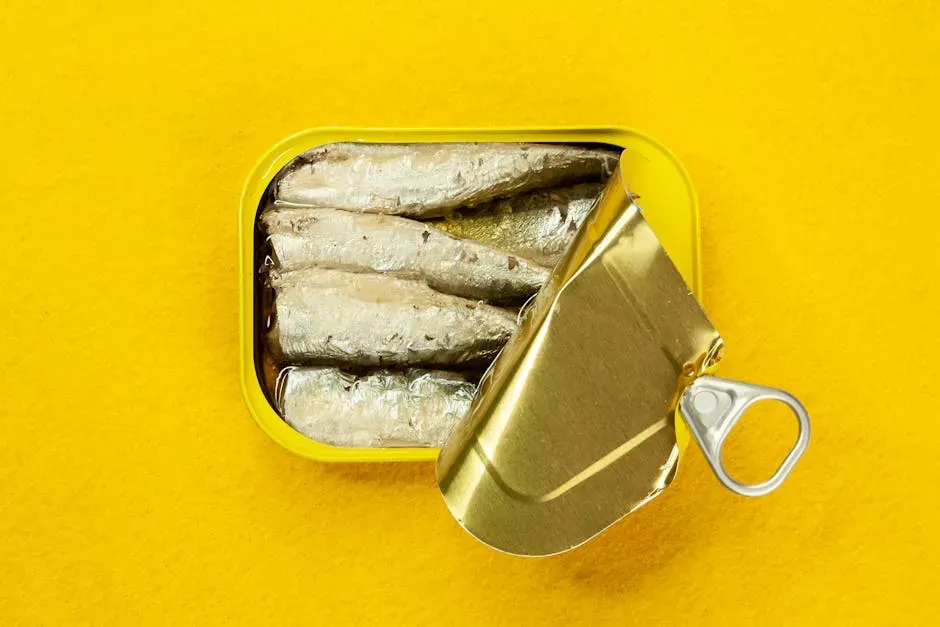
Sardines. I know, I know. Many people have complicated feelings about sardines. The smell, the canned image, the association with budget meals. Honestly, it is time to get past all of that, because sardines are nutritionally one of the most impressive foods available at any price point.
These small fish are an omega-3 powerhouse, packed with calcium, vitamin D, and protein. Omega-3s, calcium, and vitamin D in a single small tin. That is a genuine nutritional triple threat. And because sardines are so low on the food chain, they accumulate far fewer environmental toxins than larger fish like tuna or swordfish.
Frequently consuming fatty, oily fish like sardines can boost mental health, improve sleep and lower risk of heart disease. They are an excellent source of protein, selenium, phosphorus, B vitamins and omega-3 fatty acids. The American Heart Association recommends eating two servings of fatty fish per week, particularly due to the high omega-3 fatty acid content, which is good for cardiovascular health. Two servings a week is not a lot. It’s a completely realistic target that most people could hit without much effort.
Sardines on whole grain toast with a squeeze of lemon and a few capers is genuinely delicious. Toss them through pasta with garlic and olive oil. Add them to a salad. They bring an intense, savory depth that expensive ingredients often can’t match, and the nutritional return per dollar is almost unbeatable. This is the underdog of the seafood world, and it’s long overdue for a proper renaissance.
Conclusion: The Best Superfoods Are Often the Ones Nobody Talks About
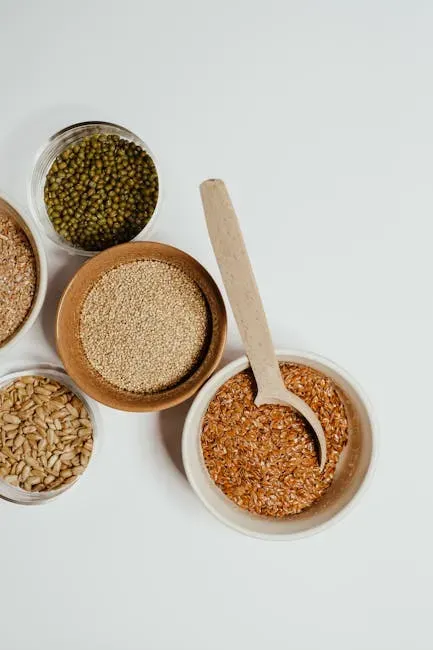
Here’s the thing about nutrition trends: the loudest, most marketed foods are not always the most nutritious ones. Moringa, chlorella, baobab, kefir, black rice, sea moss, and sardines all carry legitimate, research-backed benefits that could meaningfully improve your daily diet.
You don’t need to eat all seven at once. Start with one. Pick the one that fits your lifestyle, your taste preferences, or your specific health goals. Swap white rice for black rice one night. Add a spoon of baobab powder to your morning smoothie. Crack open a tin of sardines. Small, consistent changes are almost always more powerful than dramatic dietary overhauls that last two weeks.
With chronic diseases on the rise, incorporating nutrient-dense foods into daily meals is more important than ever. The best time to diversify your diet was years ago. The second best time is today. Which of these seven will you try first?