
Fruit has a reputation as the ultimate guilt-free snack. Colorful, fresh, packed with vitamins – what’s not to love? Well, here’s the thing: not all fruit is created equal when it comes to sugar. Some fruits carry a surprisingly hefty sugar load that can quietly push your daily intake way over the recommended threshold.
Although naturally occurring sugars in foods like fruit can be part of a healthy diet, the American Heart Association recommends that healthy adults aim for less than 36 grams of sugar per day for men and less than 25 grams per day for women. When you realize that a single mango can push you past that mark on its own, it changes the conversation entirely. If you’re actively trying to cut down on sugar – whether for weight management, blood sugar control, or just cleaner eating – these 15 fruits deserve a closer look. Let’s dive in.
Table of Contents
1. Mango: The Tropical Sugar Bomb
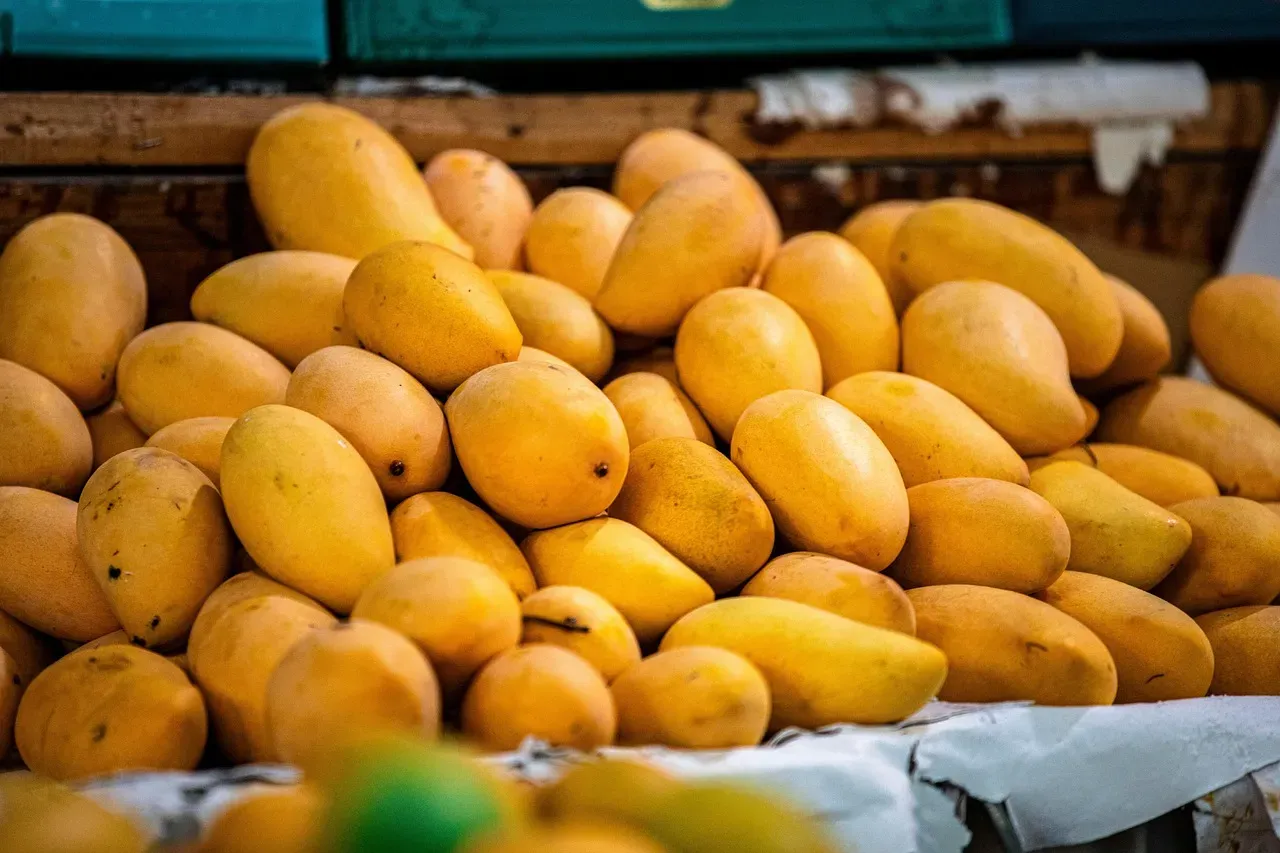
Mangoes are beloved worldwide, and honestly, it’s not hard to see why. That golden, juicy flesh tastes like summer in a bite. But if you’re watching your sugar intake, mangoes deserve a second look before you reach for them.
Mangoes are one of the fruits most notable for their high sugar content. A single mango contains an average of 45 grams of sugar, which is a substantial amount – and for those trying to control weight or blood sugar levels, mangoes may not be the best choice.
High-GI fruits like ripe bananas, pineapple, watermelon, and mango are higher in sugar and more likely to spike blood glucose. If you do love mangoes, consider eating just a few slices rather than the whole fruit, and balance them with a source of protein or healthy fat to slow sugar absorption.
2. Dates: Nature’s Candy, Literally
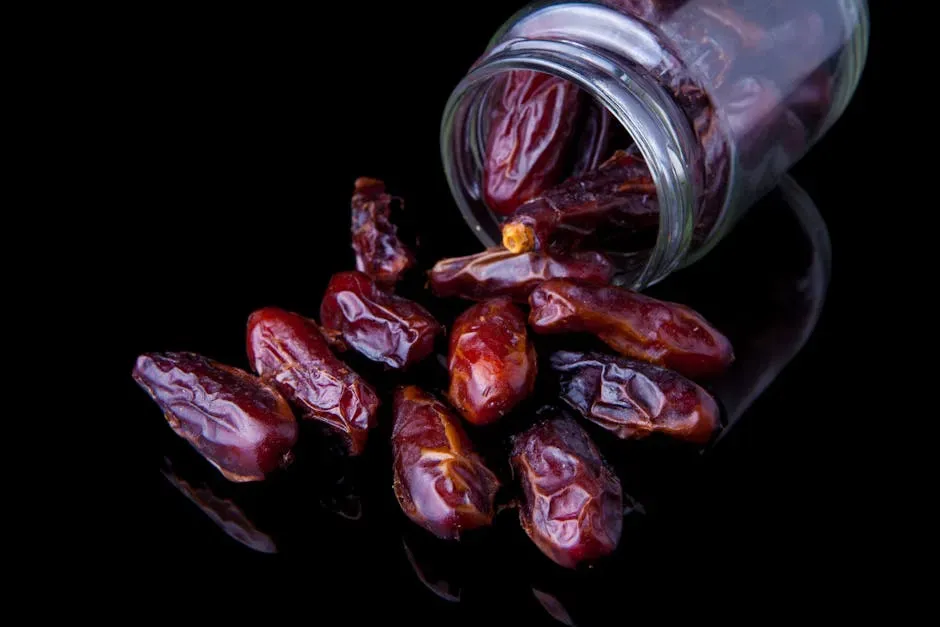
Dates look small and innocent. They’re often marketed as a “natural” sweetener and healthy sugar substitute. But make no mistake – these little fruits pack an extraordinary amount of sugar into every bite.
Medjool dates are among the highest sugar fruits on the chart, containing around 66 grams of sugar per 100 grams. They are a rich source of nutrients, but that sugar content is undeniably high.
Just a small handful of raisins or dates can contain over 20 to 30 grams of sugar, leading to rapid glucose spikes. If you find yourself mindlessly popping dates while cooking or snacking, it’s surprisingly easy to consume a large sugar dose without even noticing. Think of it this way: eating a handful of dates is not far off from eating a small candy bar in sugar terms.
3. Raisins: Small Bites, Big Sugar

Raisins are grapes with one key difference – the water has been removed. That dehydration process might seem harmless, but it concentrates everything, including the sugar, into a much smaller package.
Dried fruits are made by removing the water content from fresh fruits, which results in a more concentrated source of natural sugars. This dehydration process significantly reduces the volume of the fruit while preserving its sugar content – so a small serving of dried fruit can contain as much sugar as a much larger serving of fresh fruit.
Despite a roughly 60 percent sugar content, several studies have reported health-promoting properties for raisins – including antioxidant activity. Still, , raisins are easy to overeat and can quietly derail your daily goals. A small spoonful goes further than you’d think.
4. Figs: Sweet, Beautiful, and Sugar-Dense
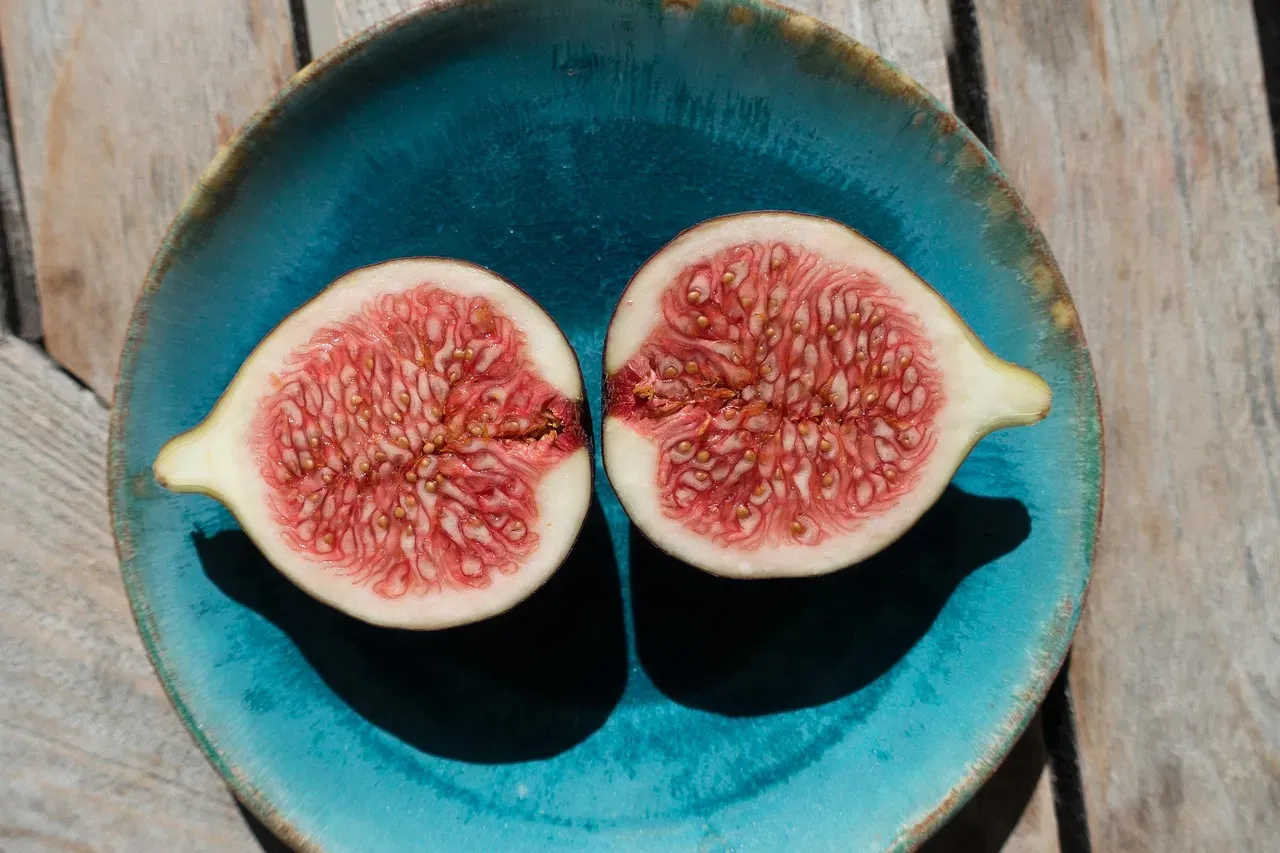
Fresh figs have an almost luxurious quality to them. They’re stunning on a cheese board, delicious drizzled with a little honey, and undeniably sophisticated. Yet that natural sweetness comes with a real sugar price tag.
Fresh figs are decadent and naturally sweet – they’re one of the top contenders for fructose content, which is why they taste like dessert right off the tree.
Dates, figs, and grapes top the list of highest-sugar fruits with over 16 grams of sugar per 100 grams. Dried figs are even more problematic. When fruits are dried, the water content drops but the sugar stays put, making them much more concentrated – a handful of dried figs can pack several times the sugar of their fresh counterparts. Fresh or dried, figs are one to enjoy mindfully.
5. Grapes: Snack-Sized but Sugar-Stacked

Grapes might just be the sneakiest fruit on this list. They’re bite-sized, refreshing, and incredibly easy to eat in large quantities without thinking twice. That’s precisely where the problem lies.
Fruits contain a type of sugar called fructose, and fresh fruit has no added sugar – but sugar levels can range from about 1 teaspoon per 100 grams in cranberries to over 3 teaspoons in grapes.
Grapes, cherries, and pomegranates should also be avoided if you’re trying to steer clear of overly sweet fruits. Grapes do provide fiber and many healthy nutrients like antioxidants, and they have a moderate glycemic index score of about 56 – meaning it’s best to eat them on occasion and in moderation. Think of grapes like popcorn: once you start, it’s very hard to stop.
6. Bananas: The Riper, the Riskier
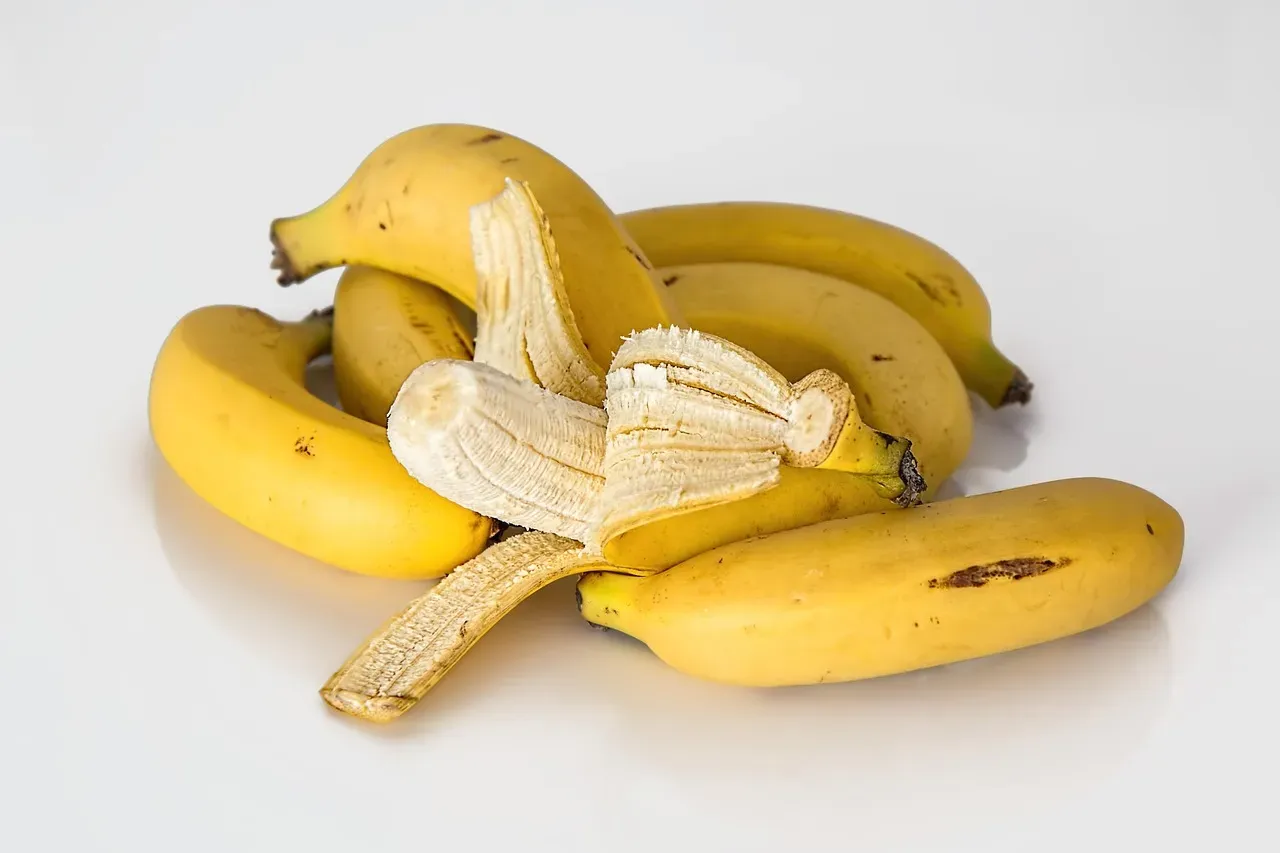
Bananas are one of the most popular fruits on the planet. Convenient, filling, and packed with potassium – there’s a lot to like. The sugar story, however, gets more complicated the riper the banana gets.
A medium-sized banana contains approximately 14 grams of sugar. If this is too high for your dietary goals, consider eating half a banana or adding a few slices to other dishes.
Because a banana’s starch is converted to sugar as it ripens, very ripe bananas have the most significant impact on blood sugar – their glycemic index can jump into the mid-range at 57, making them more likely to trigger a spike. If you can handle the slightly bitter taste and firmer texture, green bananas are a better choice – they may contain up to 10 grams less sugar and a form of glycemic-friendly starch called resistant starch, which has been linked to improved insulin sensitivity.
7. Pineapple: Tropical Taste, High Glycemic Hit

Pineapple is one of those fruits that feels exotic and virtuous at the same time. It’s tangy, bright, and packed with vitamin C. But nutritionally, it sits in a tricky spot for anyone managing their sugar intake.
Pineapple is a tropical fruit known for its sweet and tangy flavor, but it also has a high sugar content and a relatively high glycemic index. A single cup of pineapple chunks contains about 16 grams of sugar, which can quickly raise blood glucose levels – and its high glycemic index means it is rapidly digested and absorbed, leading to quick spikes in blood sugar.
I think pineapple catches a lot of people off guard precisely because it doesn’t taste as intensely sweet as something like a mango or date. Yet the numbers tell a different story. Pairing it with protein – think cottage cheese or Greek yogurt – can help slow that sugar absorption considerably.
8. Cherries: Tiny Fruits with a Big Sugar Punch

Cherries are absolutely delicious, and during cherry season, it’s almost impossible not to eat them by the bowlful. That’s the problem right there. Their small size is deeply misleading when it comes to sugar totals.
Cherries are a delicious and nutrient-rich fruit, but they also contain a high amount of sugar relative to their serving size. A single cup of cherries can contain up to 18 grams of sugar, and because cherries are small and often consumed in large quantities, it’s easy to ingest a significant amount of sugar in just one sitting.
The high sugar content in cherries can cause rapid spikes in blood glucose levels, which is a concern for individuals managing diabetes. That said, cherries do carry real anti-inflammatory benefits – so the goal here isn’t to never eat them, but to be more intentional about portion size. A small cup, not a large bowl.
9. Watermelon: More Sugar Than It Seems
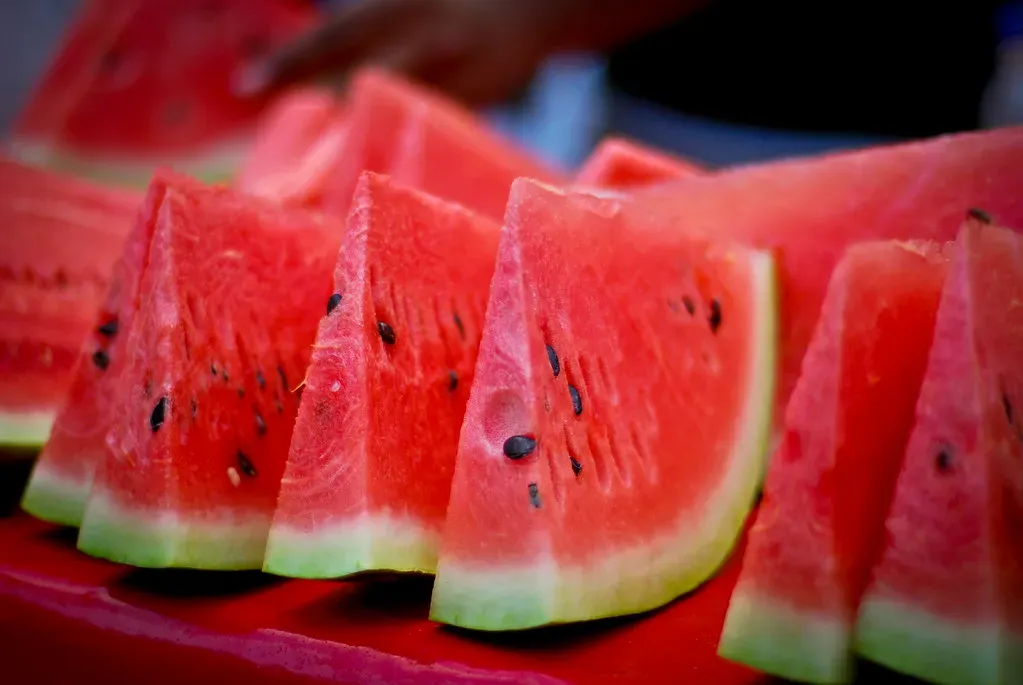
Watermelon is synonymous with summer. It’s refreshing, hydrating, and somehow feels like the lightest thing you could possibly eat. That light feeling might be a little deceptive, though.
Watermelon is a hydrating and refreshing fruit especially popular in summer – it provides water, electrolytes, and vitamins like A and C. However, it is also one of the fruits high in sugar, and a large slice can contain up to 17 grams of sugar, so it’s best to limit intake to one or two slices per day if you’re watching your sugar levels.
Most fruits have a low to moderate glycemic index, but watermelon and pineapple sit on the higher end of that scale. Its high water content does help dilute things somewhat, but the glycemic index of watermelon is notably high, meaning the sugar it delivers hits the bloodstream relatively quickly. Enjoy it, but think portion size first.
10. Lychees: Fragrant, Irresistible, and Concentrated in Fructose
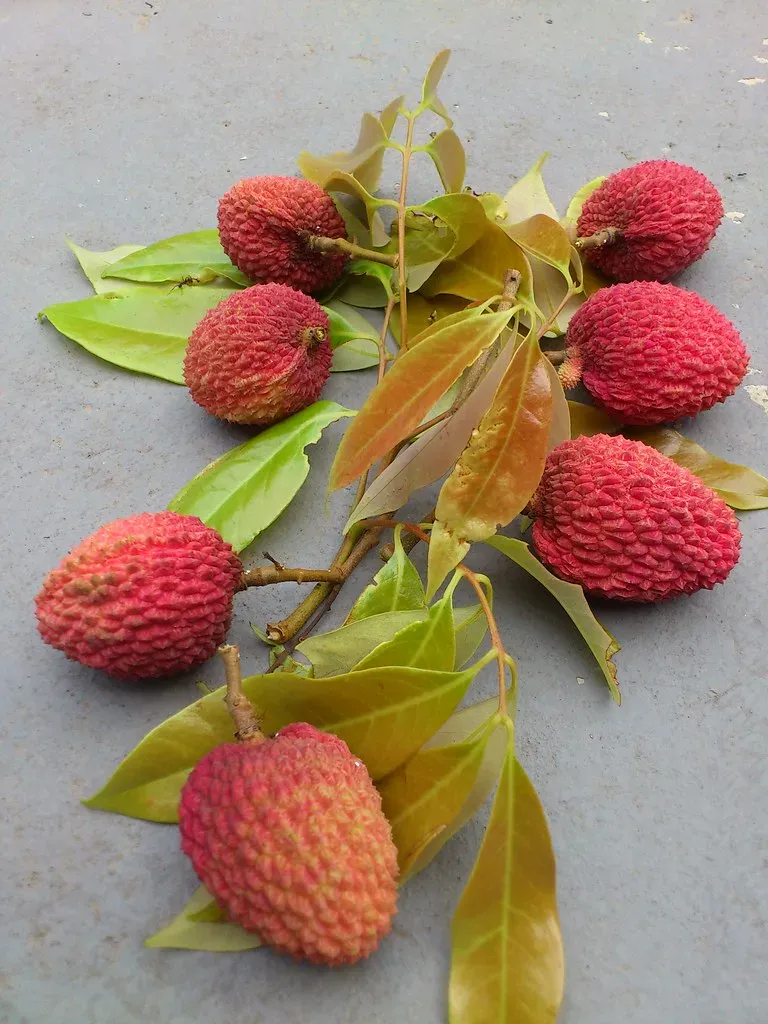
Lychees have a floral, almost perfume-like sweetness that makes them hard to eat just one of. They’re popular across Southeast Asia and increasingly available globally – which means more people are eating more of them, often in large quantities.
This tropical fruit is fragrant, juicy, and very high in fructose – a handful of lychees can be a sugary treat, so enjoy in moderation if you’re watching your intake.
Despite their benefits, lychees should be eaten in moderation to avoid excess sugar intake, and individuals with specific dietary restrictions – such as those with diabetes – should consult a healthcare provider before including them regularly in their diet. Lychees are genuinely nutritious, offering vitamin C and antioxidants, but the sugar density in a serving adds up fast. It’s hard to say for sure where exactly the right cutoff is, but a small handful is a much safer bet than an entire punnet.
11. Pomegranate: A Superfood That Hides Its Sugar Well
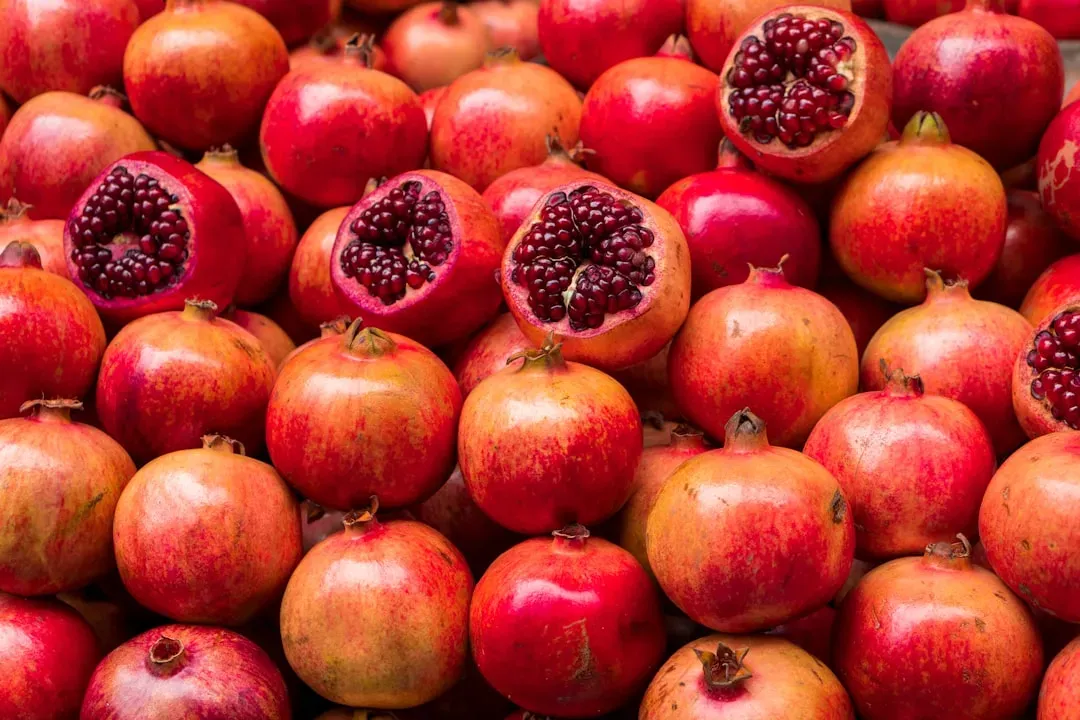
Pomegranates have an almost legendary status in the wellness world. They’re rich in antioxidants, associated with heart health, and thoroughly trendy. But behind that jewel-like appearance lies a surprisingly high sugar load.
A half cup of pomegranate arils (seeds) has around 16 grams of sugar, which is naturally occurring. A medium-sized pomegranate weighs about 300 grams and contains about 40 grams of sugar – and the World Health Organization recommends a daily sugar intake of just 25 grams for adults as a target.
A serving of 100 grams of pomegranate contains approximately 18.7 grams of carbohydrates, and pomegranates are generally recognized as having a low glycemic index, typically below 55 – meaning their impact on blood sugar levels is relatively minimal compared to many other fruits. So the story here is nuanced: the full fruit carries lots of sugar, but the low glycemic index means it hits slower. Still, eating an entire pomegranate in one sitting is a significant sugar event.
12. Tamarind: The Condiment Fruit That’s Loaded

Most people encounter tamarind as a flavoring in sauces, chutneys, or drinks rather than eating it raw. That culinary context makes it easy to forget you’re consuming a fruit – one that happens to have one of the highest sugar concentrations of any fruit you’ll find.
Per 100 grams, tamarind provides 62.5 grams of carbohydrates, of which 38.8 grams are sugars. That’s a staggering figure. Most of the calories in tamarind pulp are in the form of sugar, and while the nutrient load of tamarind still makes it a valuable food for most people, if you are watching your weight or your intake of sugar, you might have to use it in small amounts only.
Tamarind is also used in candy and sweetened drinks, and the added sugar in these items makes them poor choices for people with diabetes, weight management issues, or metabolic syndrome. Think of tamarind like a spice in terms of quantity – a little goes a long way, both for flavor and for your sugar budget.
13. Dried Apricots: A Healthy Snack That Isn’t

Fresh apricots are genuinely a reasonable choice for a low-sugar diet, with a modest 9 grams of sugar per 100 grams in their fresh form. Dried apricots, however, are a completely different story – and they’re the version most people actually snack on.
100 grams of fresh apricots contains 9 grams of sugar, but if you eat dried apricots thinking they have the same nutritional profile, they don’t. Sugar levels change dramatically in dry form – dried apricots contain around 53 grams of sugar per 100 grams.
Before using any fruit, it’s important to check the form, because nutrition changes significantly when the form changes from fresh to dry. This is something so many people genuinely don’t realize. They grab a bag of dried apricots as a “healthy” office snack and end up consuming the sugar equivalent of a dessert. Fresh apricots, absolutely fine. Dried, tread very carefully.
14. Passion Fruit Juice and Fruit Juices in General

Here’s where things get important: the form in which you consume fruit matters enormously. Drinking fruit juice – even freshly pressed, no-added-sugar juice from otherwise moderate fruits – can deliver a concentrated sugar hit that whole fruit simply doesn’t.
Because the fructose in whole fruit is accompanied by fiber, it slows down your body’s insulin response, making it a healthier alternative to consuming sugar in other forms. Once you juice a fruit, you remove or significantly reduce that fiber, and the sugar hits much faster.
Even unsweetened fruit juices and smoothies are sugary, so it’s advisable to limit the amount you have to no more than 150ml a day. The NHS recommends that upper limit for a reason. A medium-sized orange, for example, has around 14 grams of sugar and is an excellent source of vitamin C – but orange juice and other fruit juices bought from the supermarket may contain added sugars, and if a person wants to limit their sugar intake, it is usually better to eat the fruit itself rather than drink its juice.
15. Overripe or Canned Fruits: When Good Fruit Goes Sweet

This last entry is less about a specific fruit and more about a critical concept that affects nearly every fruit on this list. The ripeness of a fruit and how it’s processed or stored can dramatically change its sugar impact – and most people overlook this completely.
The riper a fruit gets, the sweeter it becomes due to increased fructose and glucose levels. That overripe banana with brown spots? It carries substantially more sugar than a firm, just-ripe one. The same principle applies across most fruits.
If you’re watching your sugar, it’s best to focus on eating mostly fresh or frozen fruit instead of canned fruit, dried fruit, and fruit juices. Canned fruits sometimes contain added sugars like cane sugar or high-fructose corn syrup – so be sure to read the ingredient label. Look for “no added sugar,” “unsweetened,” or “packed in its own juices” on the front of the label. A little label literacy goes a very long way here.
The Bottom Line: Fruit Is Not the Enemy, but Awareness Is Everything

Let’s be real – none of this means you should swear off mangoes forever or feel guilty about enjoying a bowl of cherries in summer. Unlike added sugars, fruit sugars come with fiber, vitamins, and antioxidants – and eating whole fruits is generally healthy, but moderation is key, especially for people with diabetes or those watching their sugar intake.
Some fruits contain significantly higher amounts of sugar compared to others, and consuming too many high-sugar fruits may hinder your weight loss efforts or make it difficult to manage your blood sugar levels effectively. The difference between eating fruit mindfully and eating it mindlessly can actually be quite significant over the course of a week or month.
The real takeaway here is simple: knowing what’s in your food gives you power. You don’t have to avoid every fruit on this list – you just have to understand it. Swap a whole mango for a few slices, choose fresh over dried, eat whole fruit over juice, and pair your sweeter choices with protein or fat. Small shifts, real results. What would you have changed about your fruit habits if you’d known this sooner? Tell us in the comments.