
Most of us snack. It is just what we do. You are between meals, hunger creeps in, and suddenly you are standing in the kitchen staring into the pantry like it holds the answer to some great existential question. The thing is, what you grab in that moment matters far more than most people realize.
Research shows that in the U.S., snacks can make up at least 20% of our daily calories. That is not a small number. According to one study, nutrient-dense snacks that pack in fiber and protein can help reduce overall calorie intake by helping to ensure you don’t overeat at your main meals. So the snack choice is not trivial – it can literally shape the rest of your day. Let’s dive in.
Table of Contents
1. Greek Yogurt with Berries
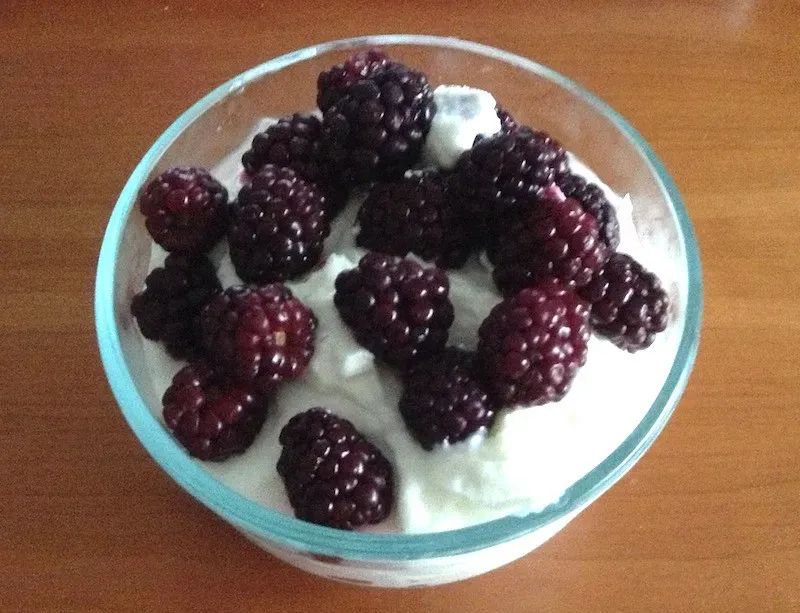
Honestly, if there is one snack that earns its reputation, it is plain Greek yogurt topped with fresh berries. Low-fat Greek yogurt provides around 12 grams of high-quality protein per half cup – nearly double the protein of conventional yogurt. That is a serious nutritional punch for something that takes about thirty seconds to put together.
Greek yogurt can help with weight loss, with the low-fat variety being especially effective because it is high in protein, helps control hunger, supports muscle maintenance, has a low glycemic index that minimizes blood sugar spikes, and contains probiotic benefits that support gut health and may reduce systemic inflammation linked to weight gain. One critical warning, though: always go plain. Flavored Greek yogurts often contain 12 to 20 grams of added sugar per serving – sometimes more than a candy bar – and that sugar adds empty calories and can trigger blood sugar swings that leave you hungrier.
2. Hard-Boiled Eggs
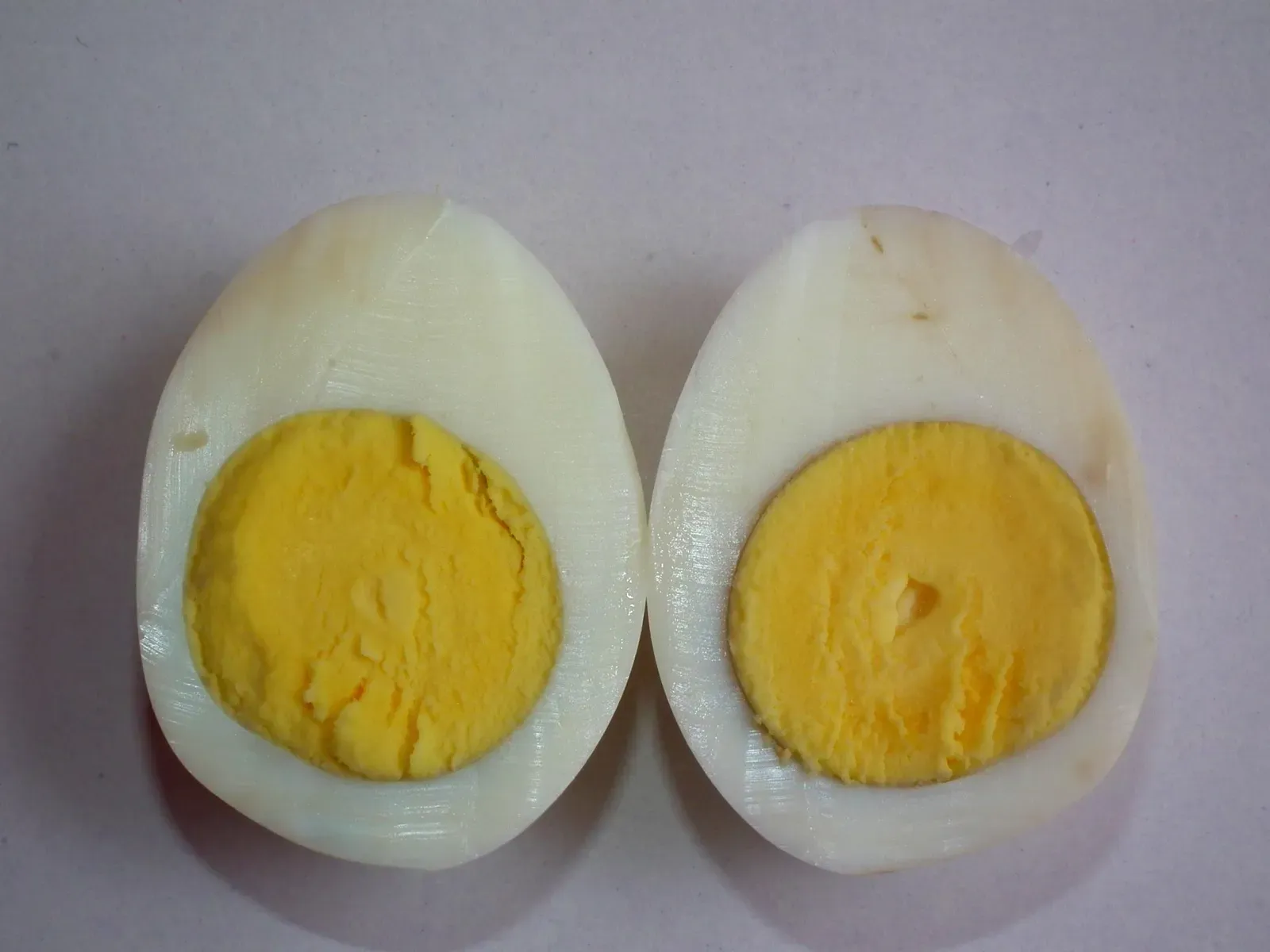
There is a reason dietitians keep recommending hard-boiled eggs as a snack. They are cheap, portable, filling, and need zero cooking equipment beyond a pot of water. A single large boiled egg contains around 72 calories and 6 grams of protein. That ratio of calories to protein is genuinely hard to beat.
Eggs are high in protein, which lowers hunger hormones and increases satiety hormones, reducing your overall appetite and helping you eat fewer calories throughout the day. A 2025 review confirmed that moderate egg consumption is not linked to weight gain in healthy adults. Pair a hard-boiled egg with some sliced cucumber or a few cherry tomatoes, and you have a legitimately satisfying mini-meal.
3. Apple Slices with Natural Nut Butter
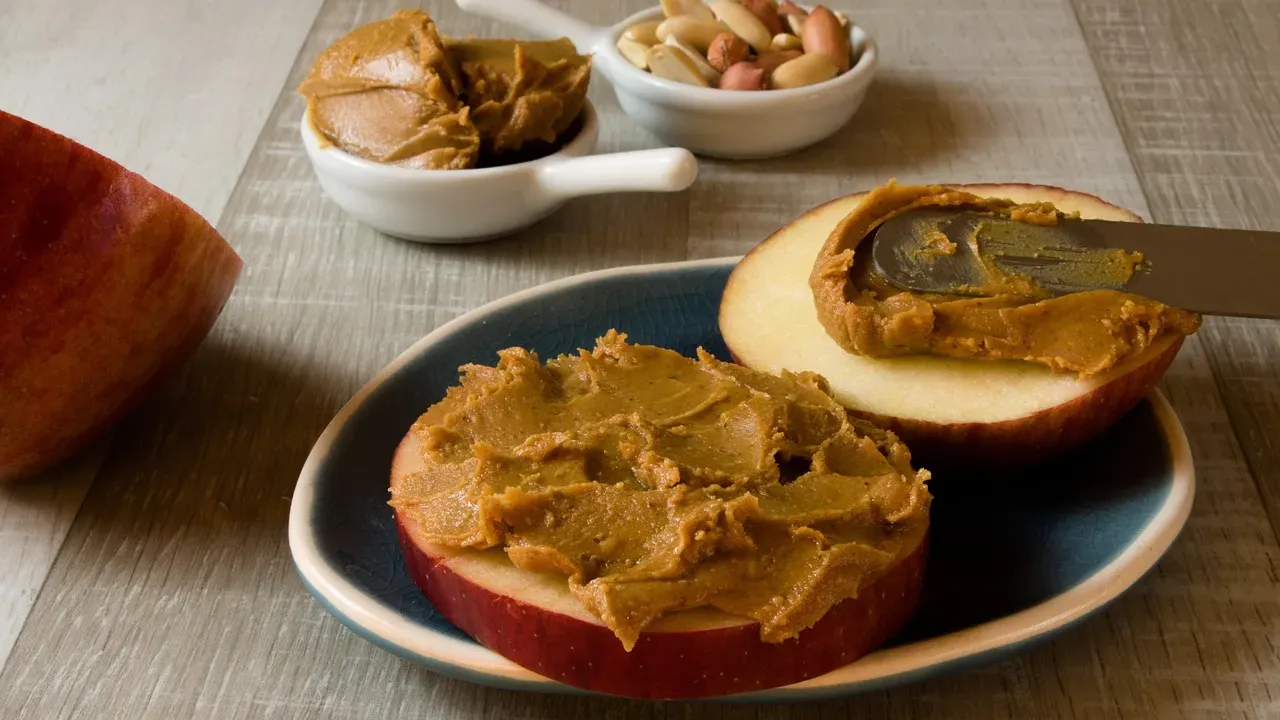
This is the classic combo that actually works. Apples are a great source of fiber, providing about 3 grams per apple, and pairing it with natural peanut butter gives you a boost of good fats and protein. Think of it like a two-part system – the apple delivers fiber and natural sweetness, while the nut butter slows digestion and keeps you full.
Combining 2 tablespoons of almond butter with apple slices gives you 8 grams of fiber and 6 grams of plant-based protein. Just be careful with portions. Natural nut butter is calorie-dense and it is very easy to go from two tablespoons to four without noticing. Measure it out – your waistline will thank you.
4. Cottage Cheese
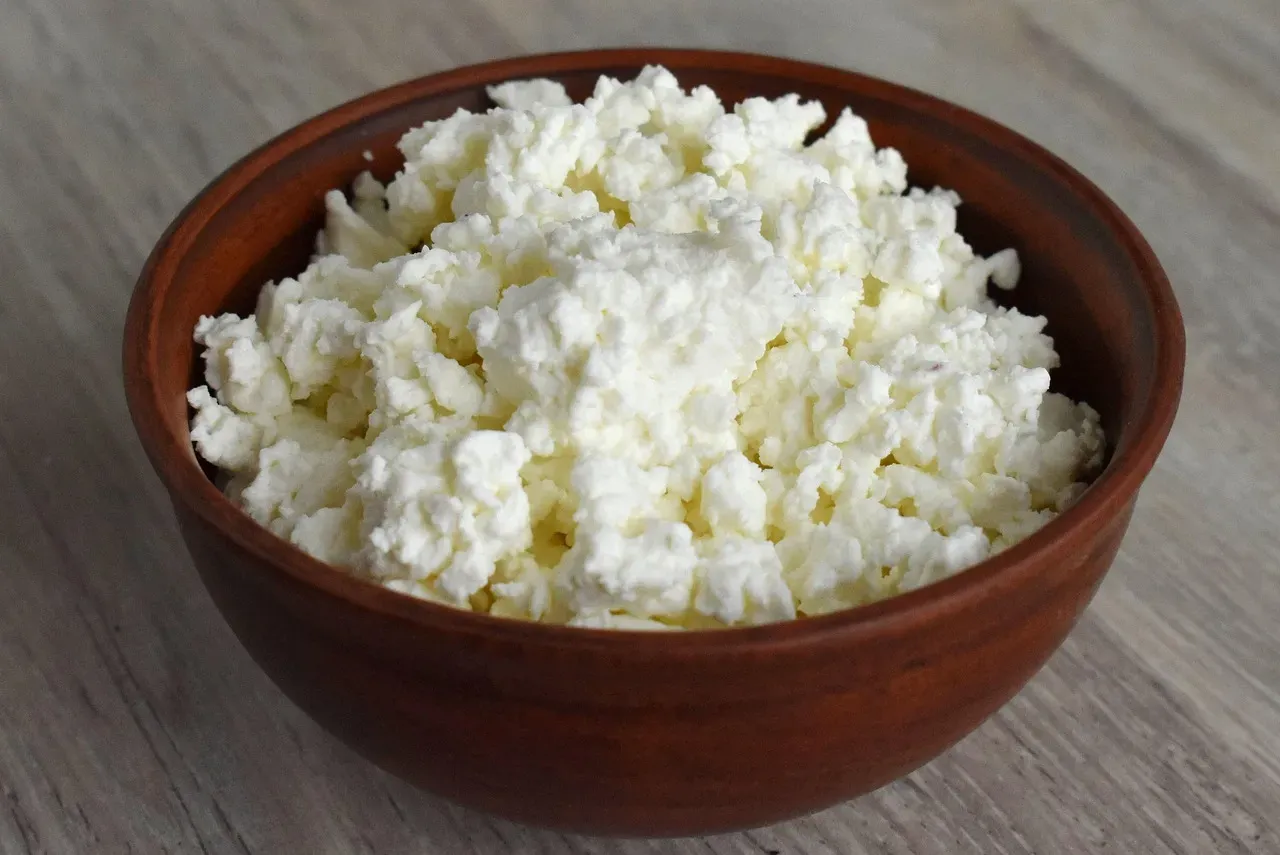
Cottage cheese has had a serious glow-up in recent years, and for good reason. It is low in calories and fat, and it is high in protein – about 12 to 14 grams per half cup of low-fat 2% cottage cheese. That is genuinely impressive for something that costs almost nothing per serving.
Cottage cheese pairs well with juicy pear slices, and one pear has 6 grams of fiber to help you feel full, and a half-cup of cottage cheese offers 14 grams of protein. Cottage cheese with 1% fat also provides excellent protein – around 14 grams per half cup – with calories comparable to low-fat Greek yogurt, making it another smart option for weight management. It’s versatile enough to go savory or sweet depending on your mood.
5. Mixed Nuts (Unsalted, Portioned)
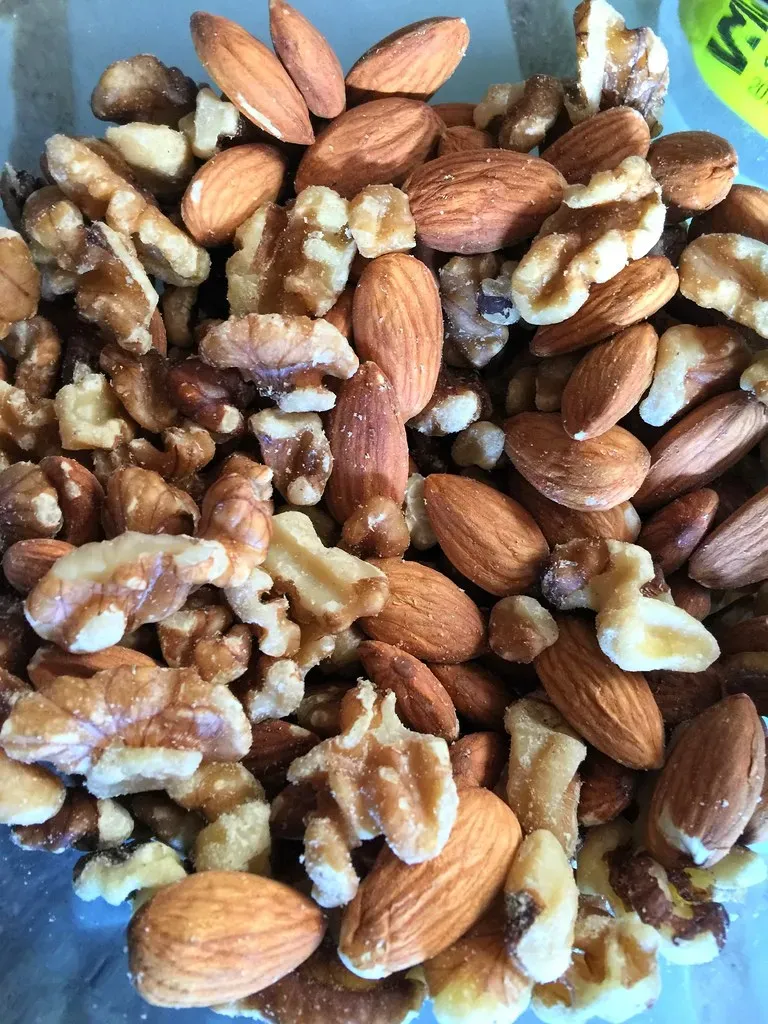
Here is the thing about nuts: people either eat too many or avoid them entirely because they think nuts are “fattening.” Both approaches are wrong. Research shows that nuts do not cause weight gain and may even help regulate appetite when portions remain reasonable. They are energy-dense, yes, but that density works in your favor when you keep the serving size in check.
Nuts and seeds are energy-dense, but they also contain fat, protein, and fiber – a combination that helps explain why they tend to be filling despite their calorie content. Thirteen almonds provide a 100-calorie snack with 7.8 grams of healthy fats. Stick to one ounce and resist the urge to eat straight from the bag – portion it out first so your hands aren’t deciding how much you eat.
6. Hummus with Raw Veggies
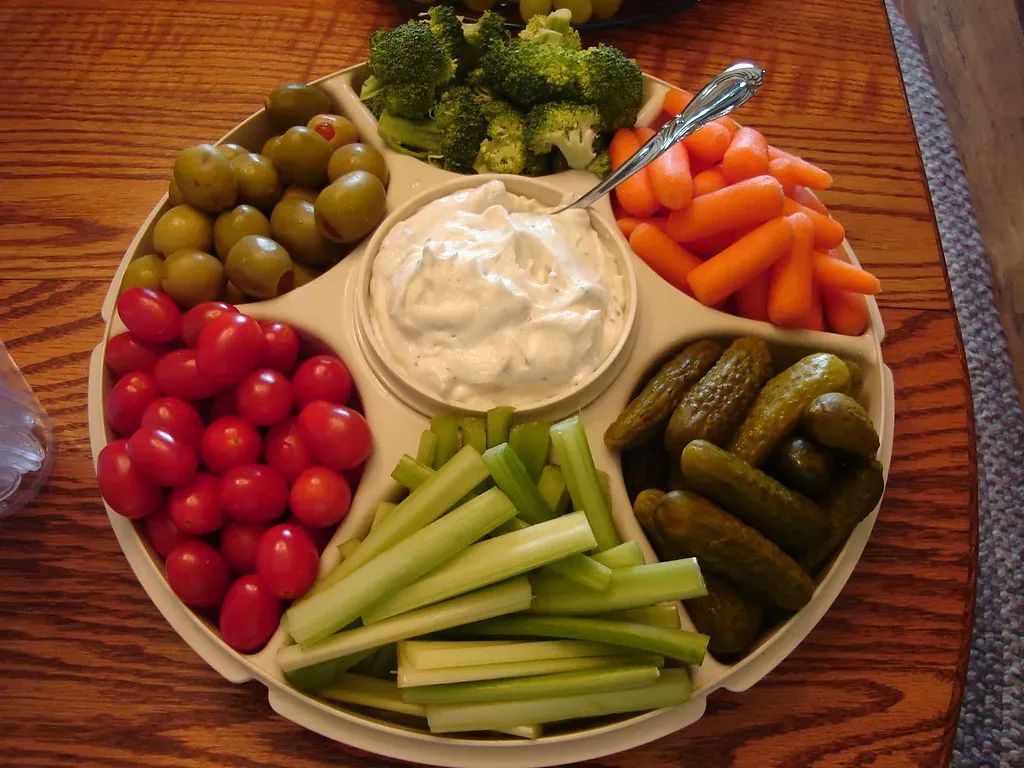
Hummus is one of those snacks that feels indulgent but really isn’t. Hummus is made primarily from chickpeas, a small amount of ground sesame seeds, and olive oil. It is a good source of protein and although it contains fats, they are mostly healthy polyunsaturated and monounsaturated fats. Paired with raw vegetables, you get a fiber-rich, filling snack without a heavy calorie load.
Two tablespoons of hummus, a good dip for a low-calorie vegetable snack, has 50 calories and 2.8 grams of fat. One cup of cauliflower has less than 30 calories and 2.5 grams of fiber. Swap the cauliflower for carrots, celery, or bell pepper strips and you are still looking at a snack under 150 calories total. Genuinely hard to go wrong here.
7. Air-Popped Popcorn
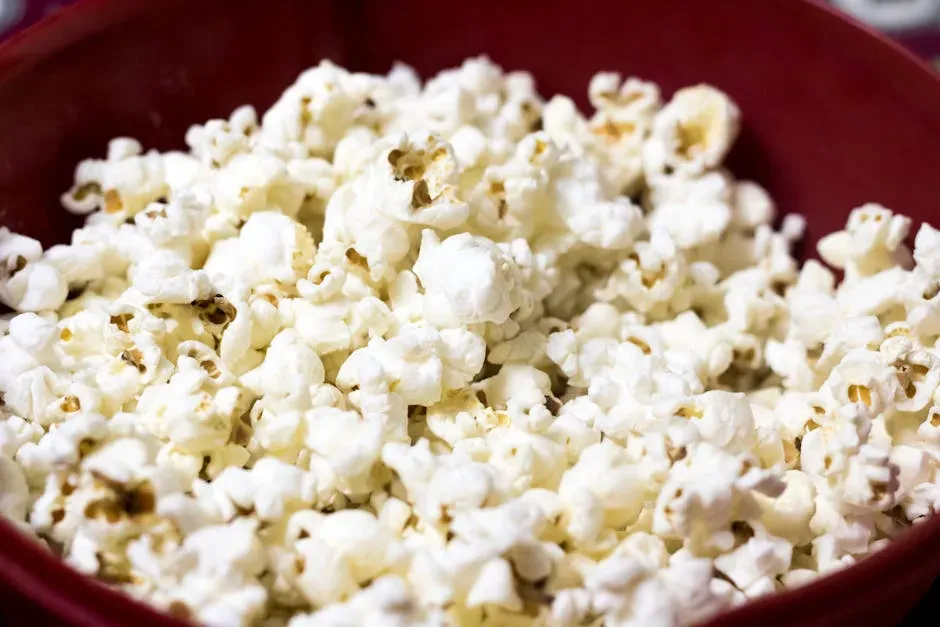
Popcorn gets unfairly lumped in with chips and junk food. That is only true of the heavily buttered, theater-style kind. Popcorn is a whole grain that is a high-volume, low-calorie food when air-popped. Two cups of air-popped popcorn has just 62 calories and is a good source of nutrients such as magnesium and potassium.
Even a few cups of air-popped popcorn can feel more satisfying than many packaged snacks, especially if you love that crunchy texture. Popcorn is a whole grain, high in fiber, and naturally low in calories when prepared without butter or excess salt. Nutritional yeast adds a cheesy flavor and is packed with B-vitamins, supporting energy metabolism. I know it sounds basic, but honestly a well-seasoned bowl of air-popped popcorn hits differently when you actually want something crunchy.
8. Roasted Edamame
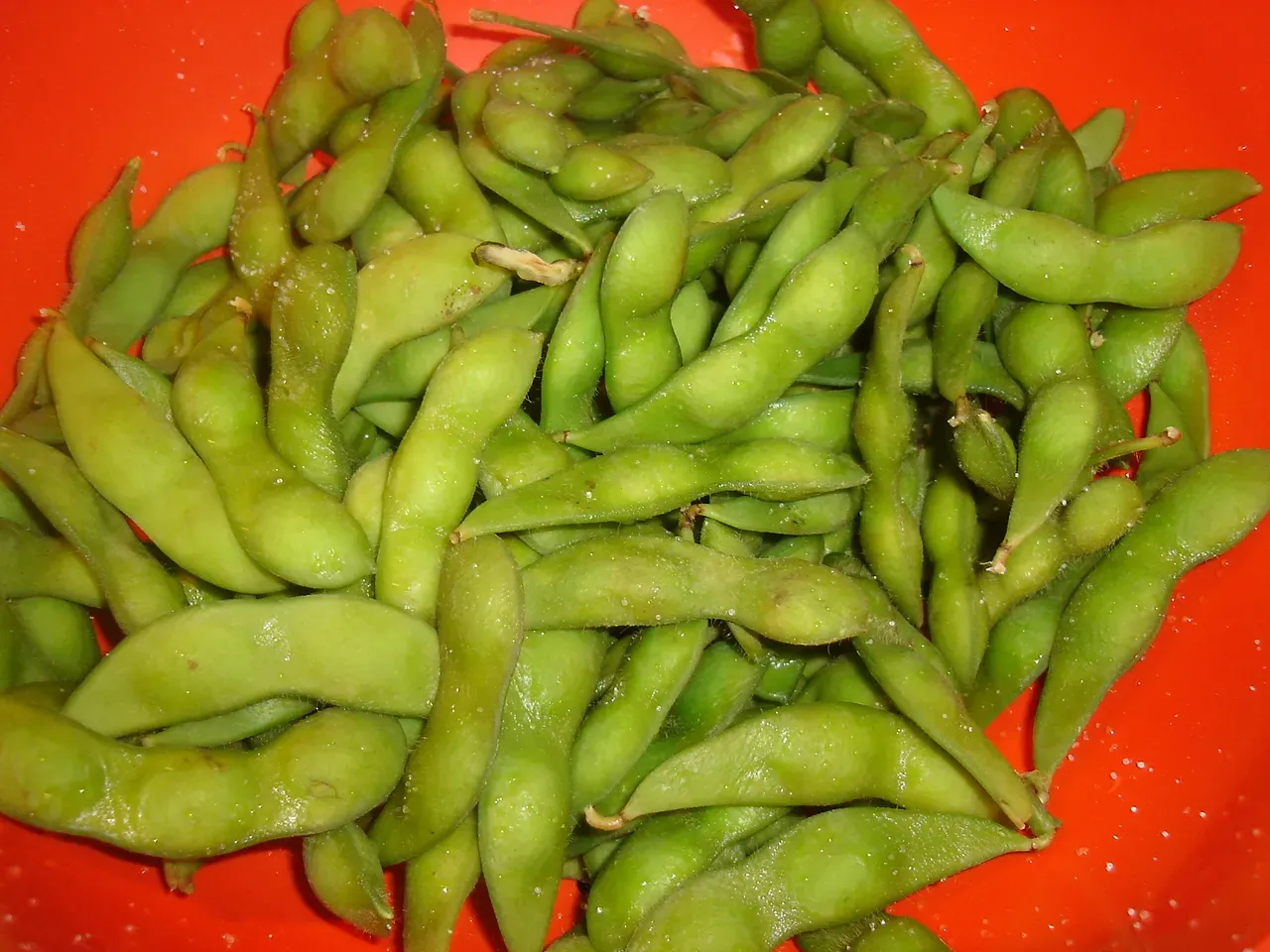
If you haven’t made roasted edamame part of your snack rotation yet, it is time to give it a serious look. Roasted edamame delivers a satisfying crunch and a surge of protein, making it ideal for vegans and vegetarians. Unlike many processed snacks, these packs are roasted without added oils, keeping the calorie count in check. Edamame is rich in fiber, iron, and essential amino acids.
Edamame’s portability makes it perfect for busy days – stash a pack in your bag for instant energy. Emerging research highlights how functional snacks like edamame are gaining popularity thanks to their nutrient density and convenience. Think of it as the soybean that finally got its spotlight. It is satisfying in a way that most plant-based snacks simply are not.
9. Celery with Peanut Butter
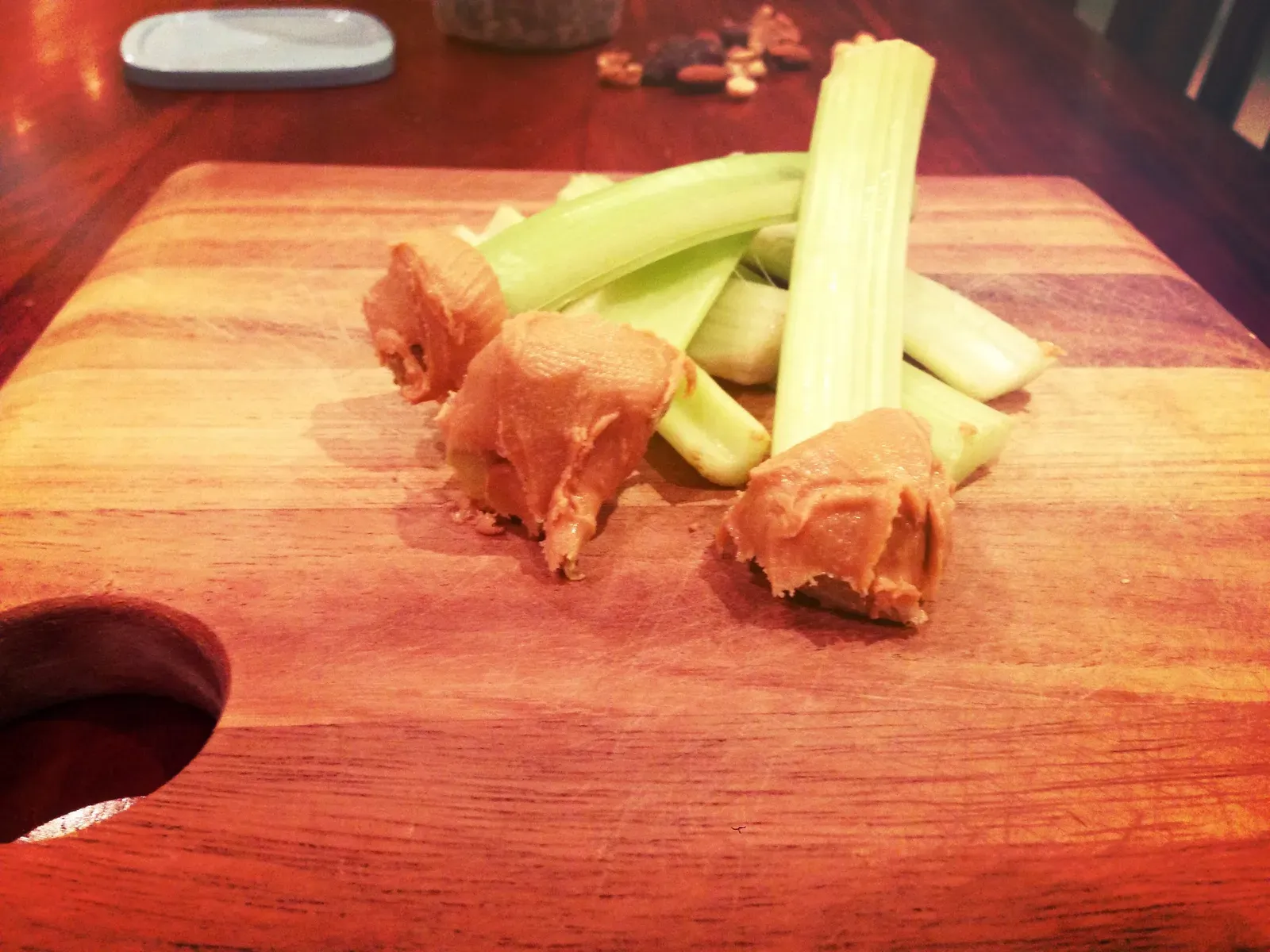
The combination of two stalks and 2 tablespoons of peanut butter helps keep you full with 8 grams of protein and 5 grams of fiber, while also giving you potassium to keep your heart healthy. Celery on its own is basically water and crunch – useful, but not particularly satisfying. The peanut butter changes the entire equation.
Opting for snacks with protein, fiber, and healthy fats helps keep you full throughout the day. Celery with peanut butter checks all three boxes in a surprisingly humble little package. Research further suggests that eating frequently throughout the day reduces overeating later in the day, as opposed to skimping on calories throughout the day, which too often leads to overeating later. This snack is that simple insurance policy against the 4pm hunger spiral.
Avoid #1: Flavored Yogurt with Fruit Compote
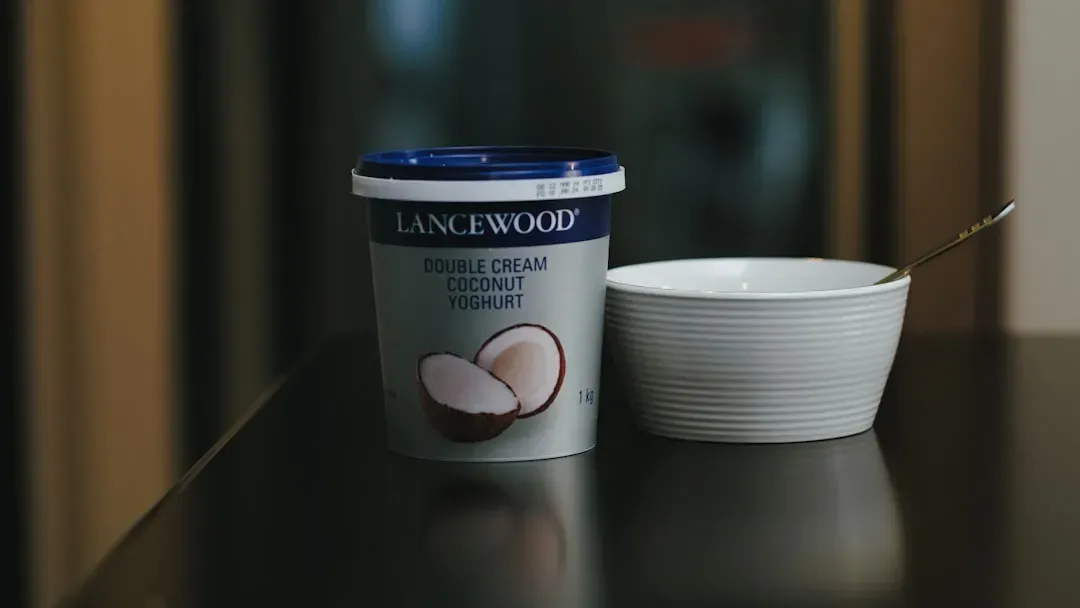
Let’s be real – this one hurts, because it looks so healthy in the yogurt aisle. The bright packaging, the pretty fruit images, the word “yogurt” right there on the label. Flavored yogurts often contain added sugars, turning a seemingly healthy snack into a calorie bomb. Many brands have as much sugar as a dessert.
Pots of yoghurt with fruit compote at the bottom may be one of the worst snacks for weight loss, a “sugar bomb in disguise.” Flavored Greek yogurt often contains 10 to 20 grams of added sugar per serving, equal to 2.5 to 5 teaspoons. Strawberry, vanilla, or honey varieties can have 150 to 200 calories versus just 59 for plain. The fix is simple: buy plain, add your own fresh fruit. You stay in control.
Avoid #2: Granola Bars (Most Varieties)
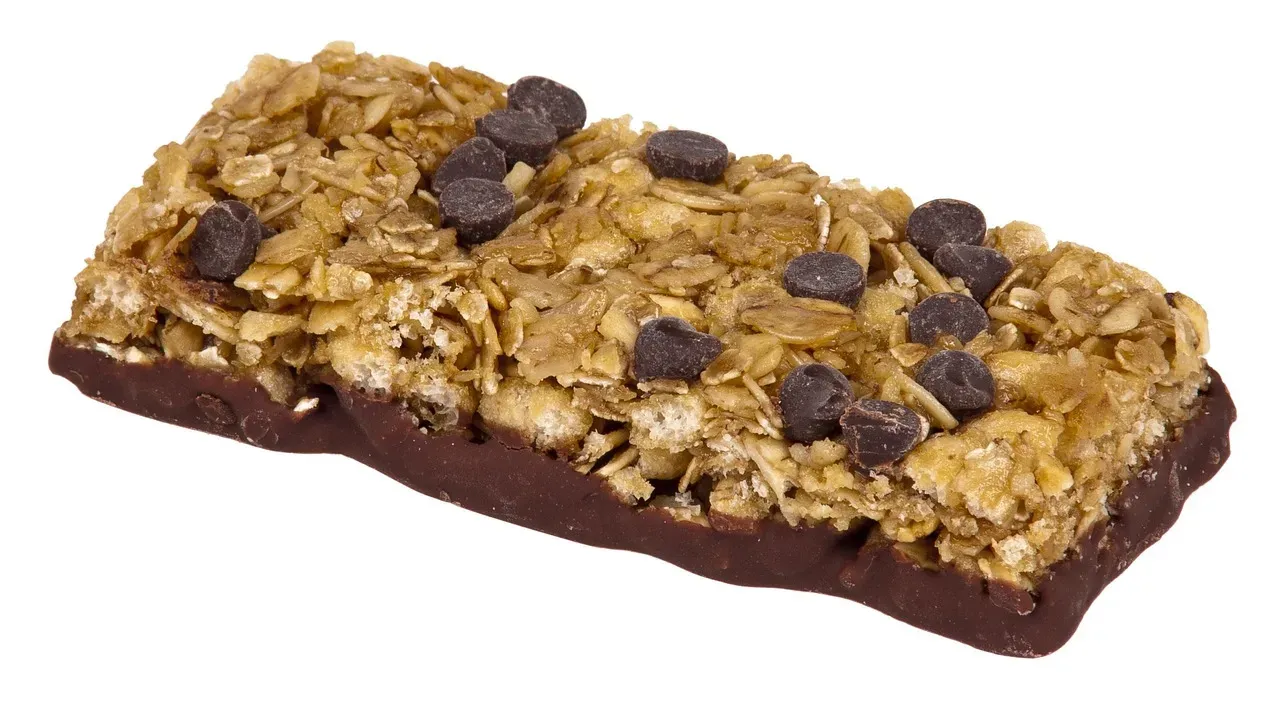
Granola bars have one of the most misleading health halos in the entire snack aisle. They look like health food. They are marketed as health food. Many are not. Despite being marketed as health foods, granola bars can be loaded with sugars, syrups, and unhealthy fats. They lack the fiber and protein needed to keep you full.
Granola can have nearly 400 calories per cup because of added sugar and fat. Ultra-processed foods and high-sugar snacks can cause rapid spikes and crashes in blood sugar, undermining fat loss efforts. Portion distortion is another challenge; marketing tactics and “health halo” labeling often mislead consumers into eating more than intended. If you want something bar-shaped, look for options with minimal ingredients, at least 5 grams of protein, and under 8 grams of sugar. Those bars exist, but they are the exception, not the rule.
Avoid #3: Potato Chips and Fried Snack Foods
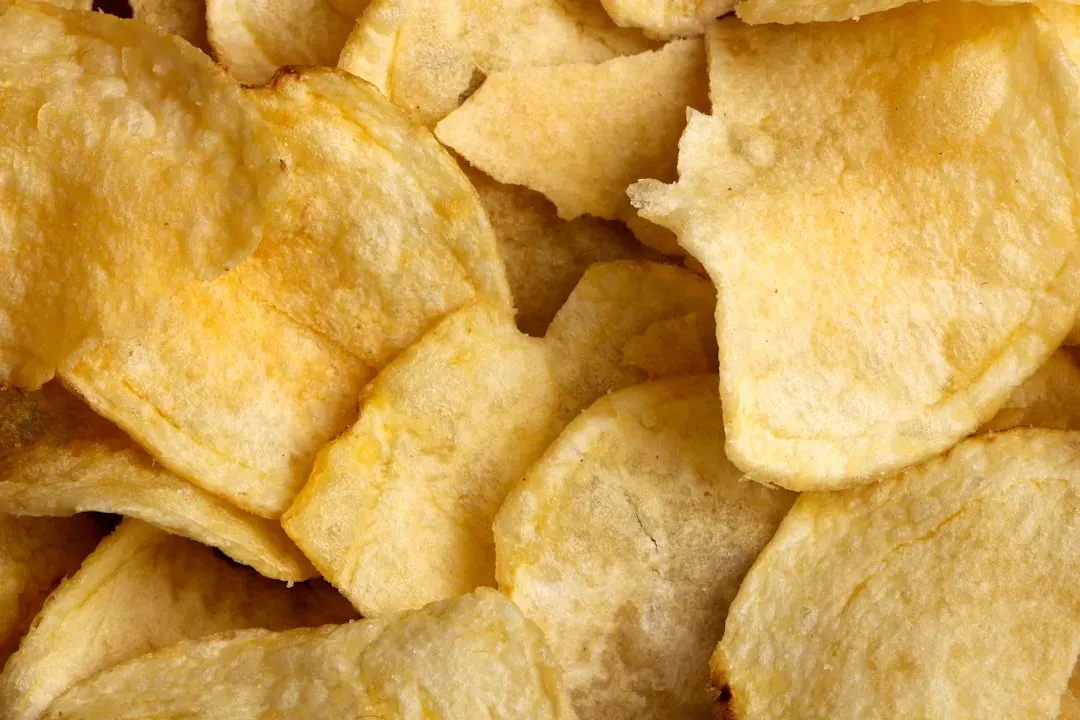
Chips might be the most obvious entry on this list, but the reasons go deeper than “they are high in fat.” Many common snacks like chips and cookies are ultra-processed foods. They contain high amounts of unhealthy fats and salt and have few beneficial nutrients. Research shows that a diet high in ultra-processed foods significantly increases the risk of overweight and obesity, as well as heart disease.
French fries and potato chips are often very high in calories and fat. In an observational study, consuming French fries and potato chips has been linked to weight gain and obesity. It is not just about the calories either – fried snacks tend to be eaten mindlessly, directly from a bag, with no natural stopping point. Not eating directly from the bag or container makes it easier to decide that you have finished without overeating, because there is a visual cue. A small bowl of air-popped popcorn will do everything a bag of chips claims to do, without the damage.
The Bottom Line: Snack Smart, Not Less
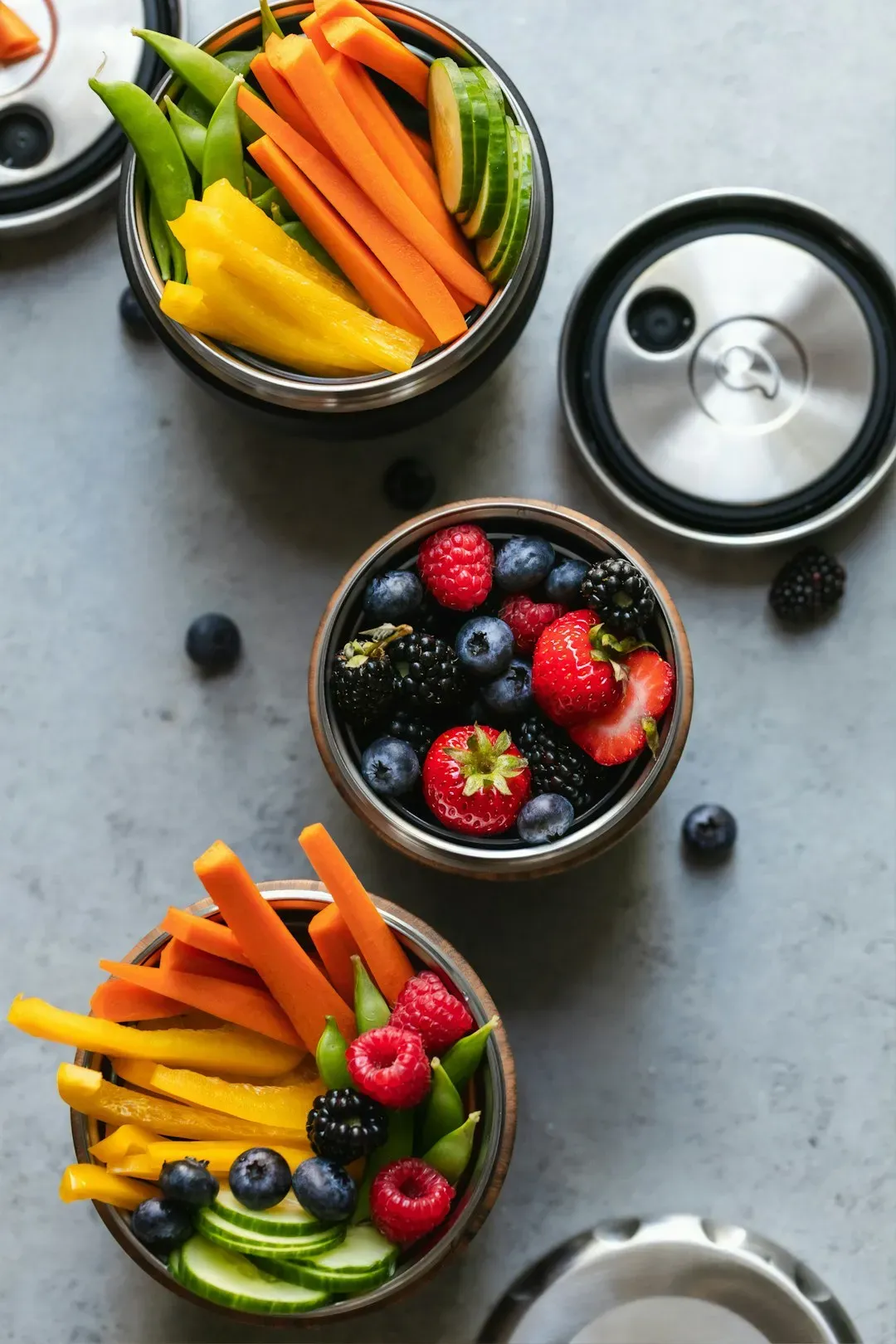
Changing the types of snacks consumed can significantly impact daily nutrient intake and aid in weight management efforts. Studies have concluded that snacks containing protein, fiber, and whole grains can increase satiety, helping you feel fuller and more satisfied. The goal is never to eliminate snacking – it is to make your snacks work harder for you.
Having a snack in between meals can be beneficial for regulating your blood sugars and keeping your energy going. When blood sugar is stable, you are less likely to experience intense hunger or cravings, which helps regulate appetite, reduce fat storage, and support more sustainable weight loss. The nine snacks in this list share something in common: they all deliver real nutrition, real satiety, and real results when eaten in reasonable portions.
The snacks you avoid matter just as much as the ones you choose. A sugar-loaded “health” bar can quietly undo a solid workout. A bag of chips eaten in front of the TV rarely stops at one serving. But a bowl of Greek yogurt with berries, a hard-boiled egg, or a palm of mixed nuts? Those are the choices that compound over time. What would you swap out first? Tell us in the comments.