
Heart disease remains one of the leading causes of death across the globe, and high cholesterol sits at the center of that crisis. What if part of the solution is already sitting in your grocery cart, completely ordinary, completely underestimated? The vegetables you choose to pile onto your plate every week may be doing a lot more work than you ever gave them credit for.
Research published in a 2023 issue of Circulation found that upping your vegetable intake by following a plant-based diet can dramatically reduce your risk of heart disease. The science, built over decades and continuously updated, keeps pointing in the same direction. Let’s dive in.
Table of Contents
1. Spinach: The Nitrate Powerhouse That Relaxes Your Arteries
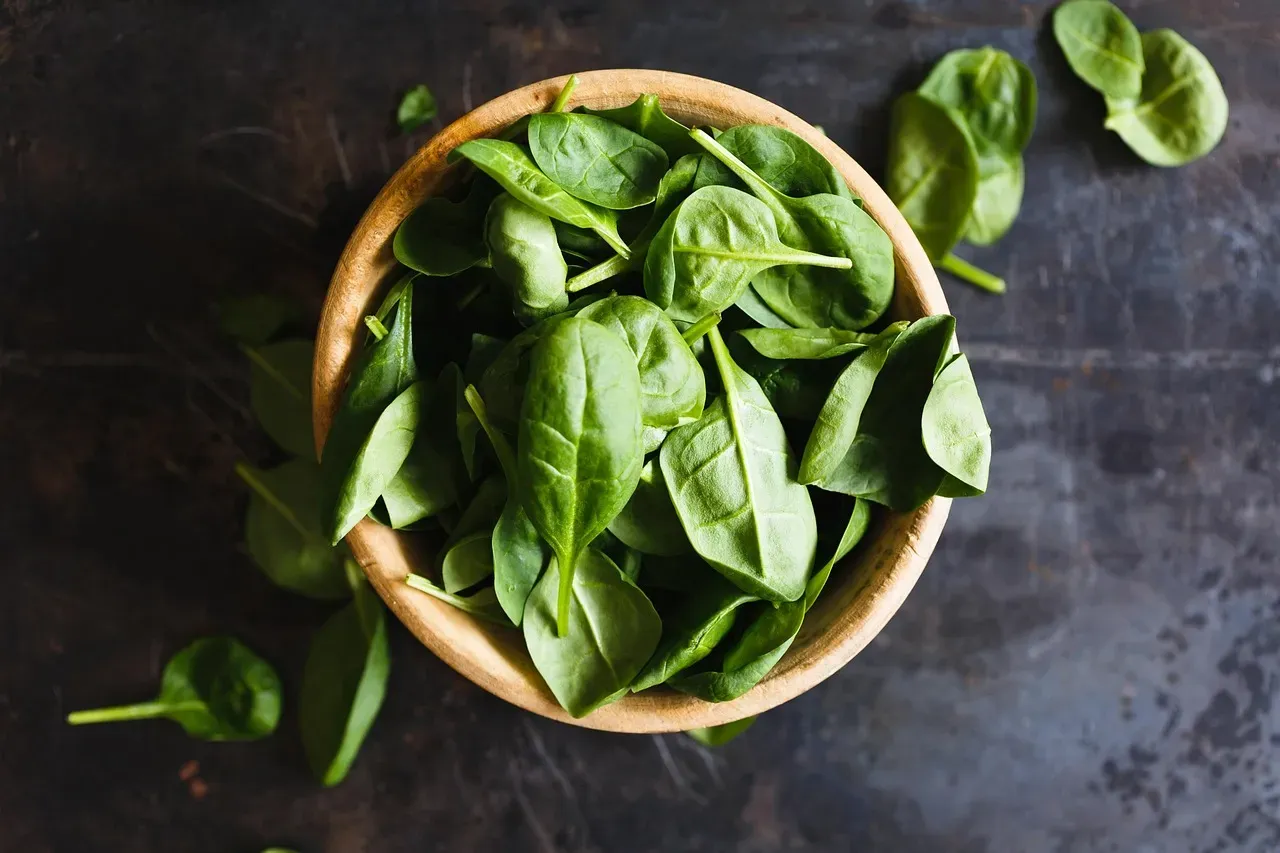
Spinach isn’t just a salad filler. Spinach is rich in potassium and natural nitrates, both known to reduce high blood pressure. Potassium balances sodium levels in the body, easing tension in blood vessel walls. The nitrates in spinach convert to nitric oxide, which relaxes blood vessels and improves blood flow.
Researchers found that people who ate the most nitrate-rich vegetables, especially leafy greens such as spinach, had a roughly one in eight to one in four lower risk of cardiovascular disease over the course of a long-term study. That is a meaningful, measurable shift driven by something as simple as eating your greens daily.
Spinach is a good source of dietary fiber, which can help lower LDL cholesterol by binding to cholesterol particles in the digestive tract and promoting their elimination. This benefit is especially helpful in people at risk for heart disease. Honestly, it’s hard to think of another vegetable that delivers on so many fronts simultaneously.
Research demonstrated that high-nitrate spinach soup administration decreased postprandial arterial stiffness and reduced central systolic blood pressure following seven days of administration. Think of rigid arteries like old garden hoses that crack under pressure. Spinach, in effect, helps keep those hoses flexible.
2. Kale: The Queen of Greens Lives Up to the Hype
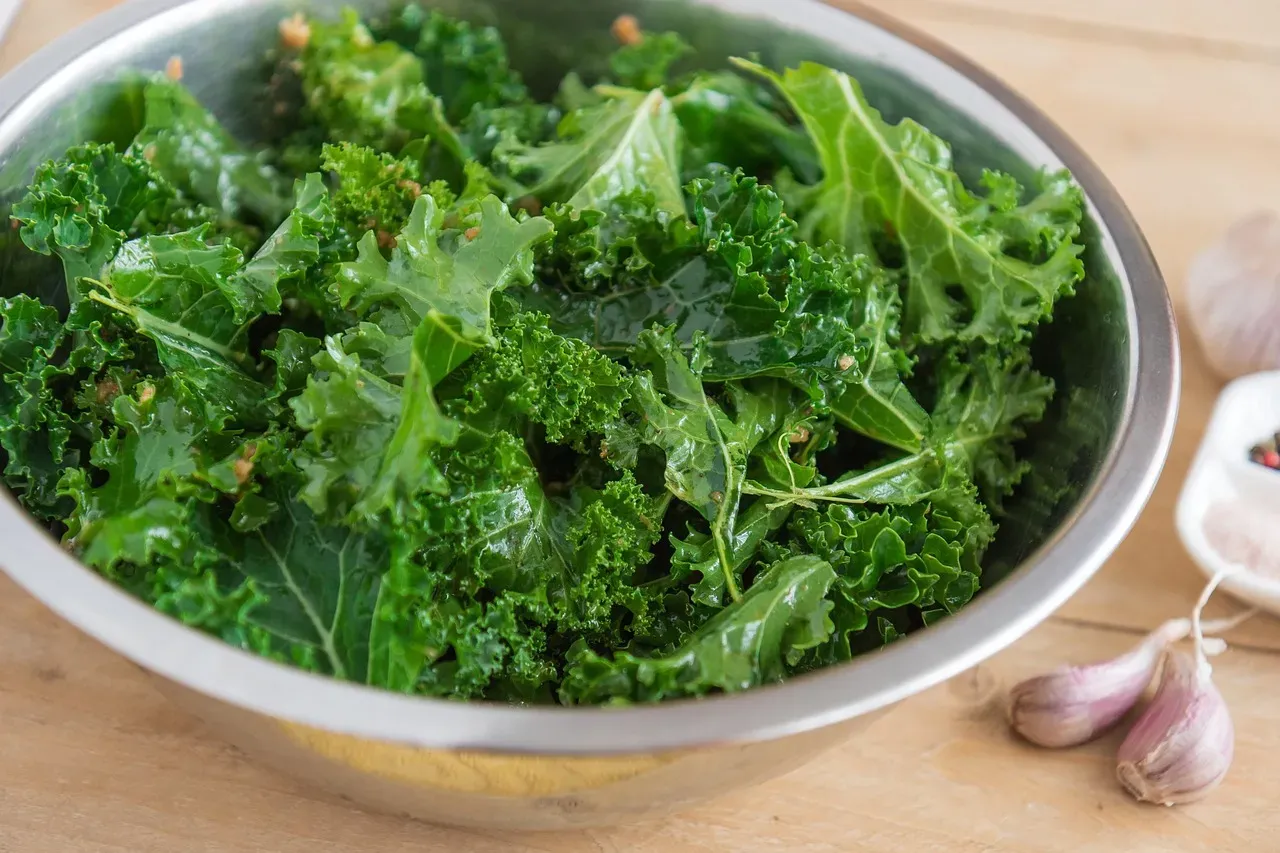
Kale, referred to often as “the Queen of Greens,” is packed full of vitamins and minerals, including vitamins A, C and K. It is also high in fiber, iron and antioxidants and helps reduce LDL cholesterol. That is a serious nutritional resume for a leafy vegetable most people still hesitate to buy.
Kale is rich in vitamin C, vitamin K, and polyphenols, compounds that reduce inflammation and oxidative damage. It is also fiber-rich, which supports healthy cholesterol levels. A study in Biomedical Reports found that regular consumption of kale juice improved lipid profiles and antioxidant status in patients with high cholesterol.
Dark leafy greens, such as kale and spinach, contain lutein and other carotenoids, which are linked to a lower risk of heart disease. Dark leafy greens may also help lower cholesterol levels by binding to bile acids and helping your body excrete more cholesterol. The bile acid connection is fascinating – essentially, kale acts like a cholesterol sponge in your gut.
3. Broccoli: The Cruciferous Champion Against Artery Disease
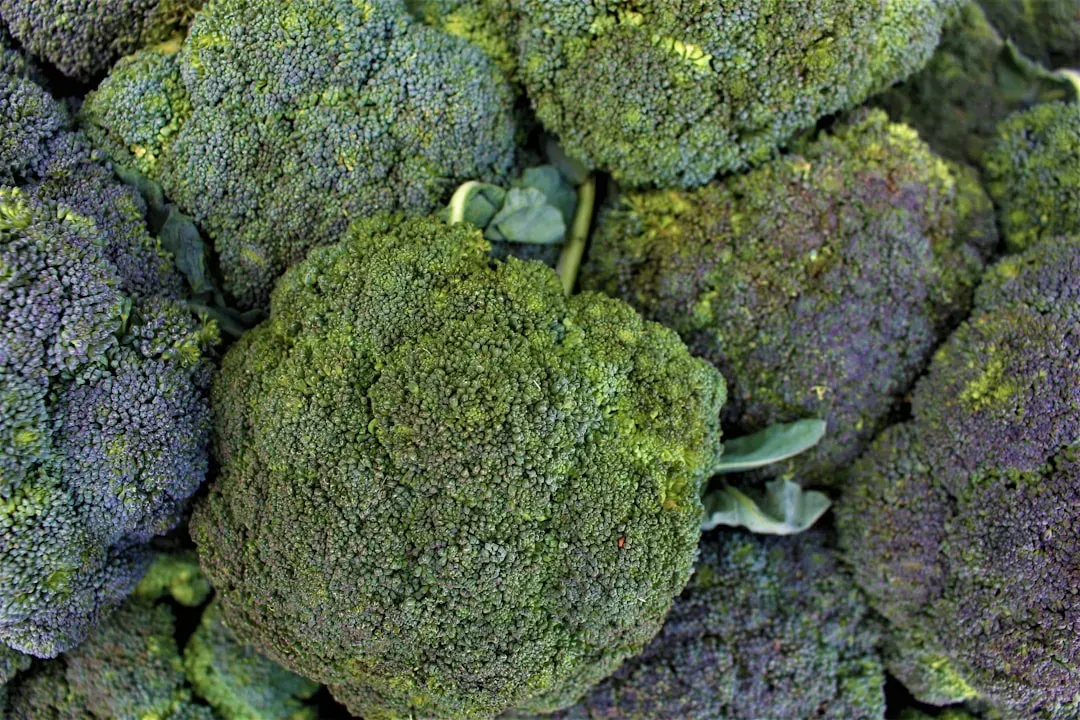
Broccoli ranks among the healthiest vegetables you can eat because it reduces LDL and has plenty of vitamins, as well as lots of iron and antioxidants, which can also lower your risk of cancer. Not bad for a vegetable many of us were forced to eat as children.
Broccoli, Brussels sprouts, and other cruciferous vegetables are associated with fewer calcified fatty plaques in the aorta. Calcified plaques in arteries are essentially the structural damage that leads to heart attacks. Fewer plaques means a younger, healthier cardiovascular system.
Cruciferous vegetables like broccoli can potentially prevent DNA damage and activate defenses against pathogens and pollutants. The component responsible for many of these benefits is thought to be sulforaphane, which is formed almost exclusively in cruciferous vegetables. Sulforaphane is one of those plant compounds that researchers keep returning to because its protective profile is so broad.
4. Brussels Sprouts: The Most Underrated Vegetable on the Planet

Let’s be real – Brussels sprouts have a reputation problem. About half of people have a gene that makes them taste bitter, which probably explains why they remain among the most disliked vegetables. Still, those who push past the bitterness are doing their hearts a genuine favor.
What sets Brussels sprouts apart from many other vegetables is their content of soluble fiber. This type of fiber dissolves in water to form a gel-like substance, which binds to cholesterol particles in the digestive tract and removes them from the body before they enter the bloodstream. Studies show that a diet rich in soluble fiber can lower LDL cholesterol by a notable margin over a few weeks.
A 2007 study in Food Chemistry tested the power of Brussels sprouts and other vegetables to see how well they bind to bile acids. Brussels sprouts, kale, and spinach were most effective in binding these bile acids compared to broccoli, mustard greens, cabbage, and green bell peppers. The science here is clear, even if the taste takes some getting used to.
Soluble fiber is found in foods like Brussels sprouts, and it can reduce the absorption of cholesterol into your bloodstream. Steam them, roast them with olive oil, or toss them into a stir-fry. The method matters less than the habit.
5. Avocado: The Fatty Fruit That Fights Bad Cholesterol
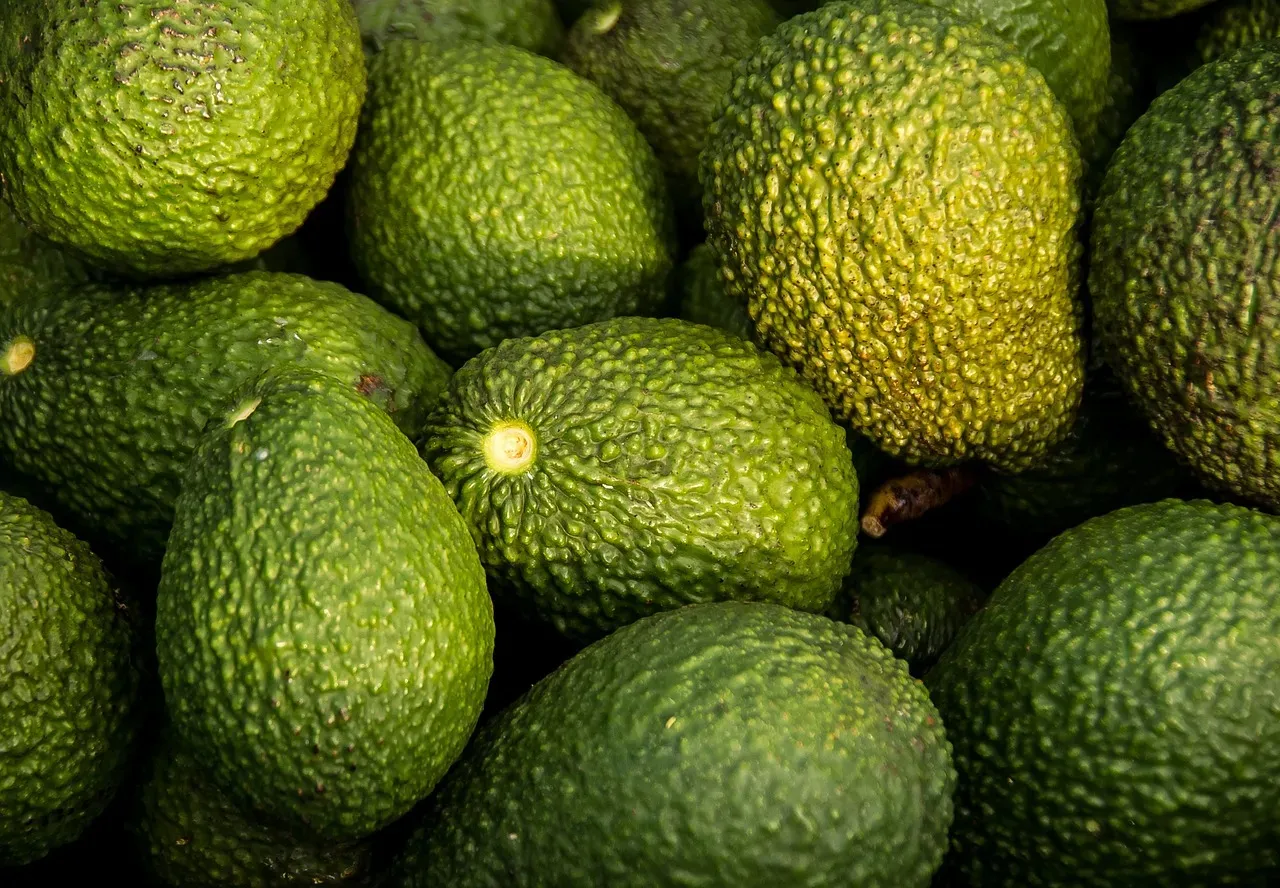
Yes, avocado is technically a fruit. It earns its place here because it behaves like no other plant food in your kitchen. Avocados are rich in monounsaturated fatty acids, fiber, and plant sterols, which have cholesterol-lowering effects. It is the combination of all three that makes it special.
A 2025 meta-analysis of clinical trials showed a significant reduction in total cholesterol and LDL cholesterol in avocado groups versus controls. A nonlinear dose-response analysis also found an inverse association between higher avocado intake and LDL levels, as well as between longer consumption and total cholesterol reduction.
Research suggests that the fiber from avocados can improve HDL cholesterol levels and the quality of LDL cholesterol. Adding two servings of avocado per week to a heart-healthy diet can lower your risk of heart disease. Think of HDL as the cleanup crew for your arteries. Avocados help keep that crew well-staffed.
A comprehensive 2025 meta-analysis indicates that while avocado consumption may not significantly affect triglycerides or total cholesterol across all populations, it is linked to notable reductions in LDL cholesterol and systolic blood pressure. These findings suggest that including avocados in the diet could offer meaningful cardioprotective benefits.
6. Green Beans: A Surprising Cholesterol Fighter
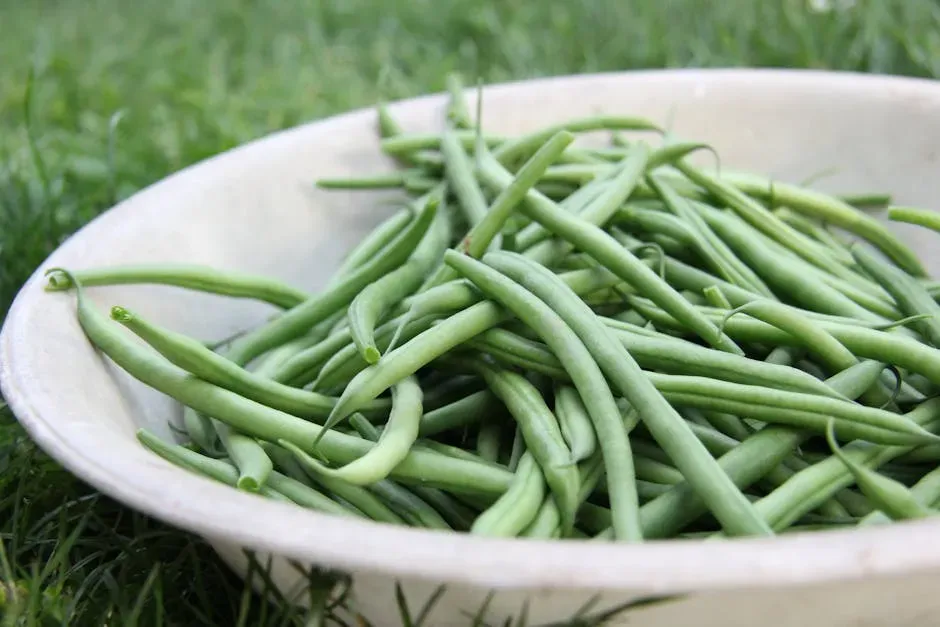
Here’s the thing about green beans – most people think of them as nothing more than a simple side dish. Ranking among the top 100 healthiest foods, green beans owe much of their reputation to their saponin content, which can help lower cholesterol levels. Research suggests that foods high in saponins are beneficial because they may help lower cholesterol, have anti-cancer and anti-inflammatory properties, and even help with blood glucose control.
Saponins help trap LDL cholesterol and bile salts in the gut, which prevents them from being absorbed. This leads to a decrease in LDL but does not impact the good HDL cholesterol. Because saponins help lower LDL levels, they may reduce the risk of heart disease.
Increasing soluble fiber intake by five grams per day is effective at significantly reducing total cholesterol and LDL levels. Green beans contribute meaningfully to that daily fiber target. Green beans are also rich in folate and potassium, which may help lower high blood pressure, the leading cause of death globally.
7. Eggplant and Okra: The Viscous Fiber Duo You’ve Been Ignoring
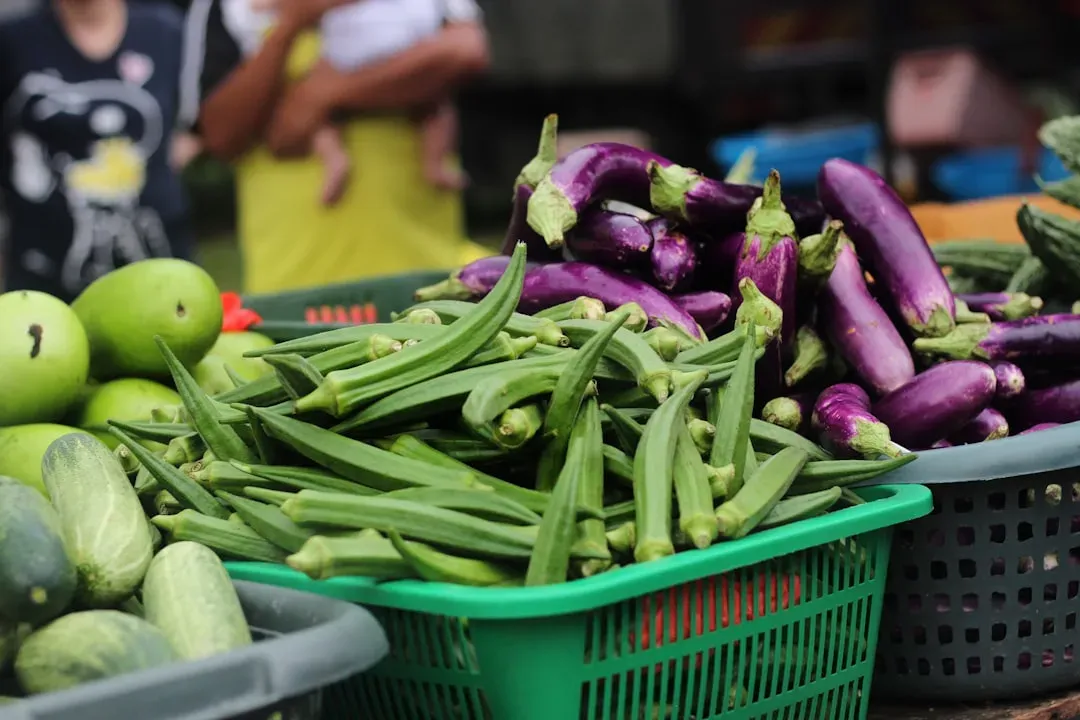
Most cholesterol articles skip right over eggplant and okra. That is a mistake. Viscous fiber is a type of soluble fiber that has a somewhat sticky quality. It is found in certain vegetables such as eggplant and okra, as well as grains like oats and barley. That sticky quality is precisely what makes it so effective against cholesterol.
The plant-based Portfolio dietary pattern, published in Circulation and studied across hundreds of thousands of adults, specifically highlights okra and eggplant as viscous fiber sources. The Portfolio diet includes recognized cholesterol-lowering foods shown to improve several cardiovascular disease risk factors in randomized controlled trials.
Fiber, which is only found in plant foods, reduces the absorption of cholesterol from the gut, increases the amount of cholesterol excreted in the stool, and can reduce the amount of LDL cholesterol in the blood. Eggplant and okra both deliver this viscous fiber in a form that is genuinely effective. They are nature’s cholesterol trap, working quietly every time you eat them.
8. Beets: The Blood Pressure and Blood Vessel Protector
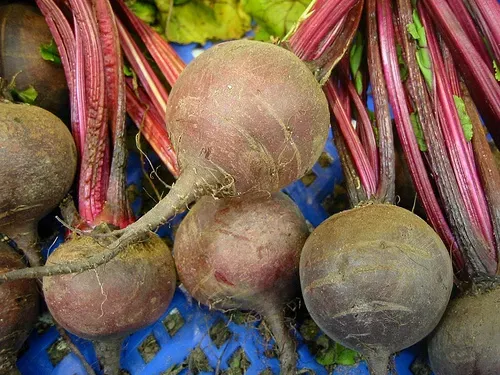
Beets have a deep, earthy sweetness and a color so vivid it stains everything it touches. They also stain your cardiovascular risk profile – in the best possible way. Drinking beet juice or adding beets to salads has been shown to enhance blood flow and lower systolic blood pressure within hours, thanks to natural nitrates. Beets also contain betalains, antioxidant pigments that protect blood vessels from oxidative stress.
Many vegetables, including beet greens, are potassium-rich. Potassium works to counteract the effects of sodium, easing tension in blood vessel walls and lowering blood pressure, a major risk factor for heart disease. Blood pressure and cholesterol are often discussed separately, but they are deeply linked in the damage they do together.
The renewed emphasis on fruits, vegetables, fiber, and potassium in the 2025–2030 Dietary Guidelines is particularly significant, highlighting the continued recognition of these nutrients’ roles in supporting heart health, blood pressure regulation, and overall chronic disease prevention. This focus encourages Americans to prioritize whole, plant-rich foods as a cornerstone of a healthy diet. Most adults still fall short on fiber intake, despite strong evidence linking higher intake to lower LDL cholesterol, healthier blood vessels, and reduced heart disease risk. Potassium-rich foods help counterbalance sodium and support healthier blood pressure. Beets deliver on all of those fronts simultaneously.
9. Garlic: The Ancient Remedy That Science Keeps Confirming
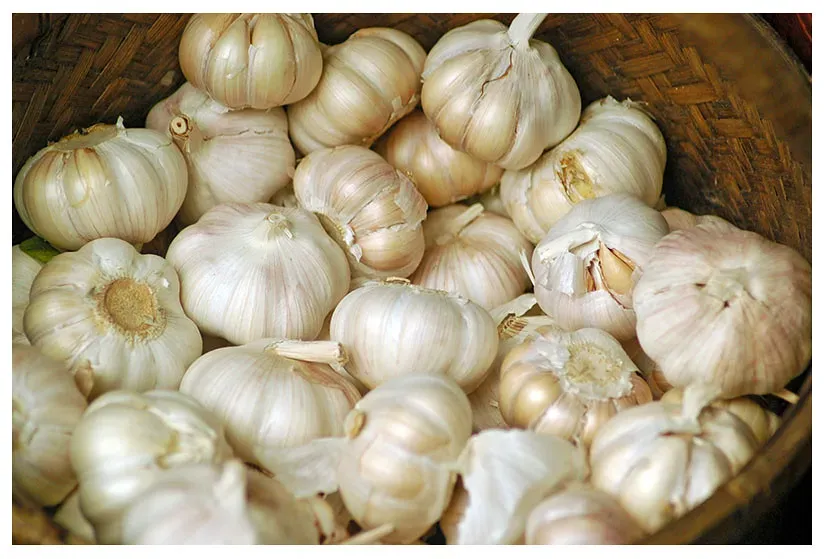
Garlic has been used medicinally for thousands of years. It might sound like folklore, but the research is surprisingly robust. Adding garlic to meals is known to elevate both the flavor and the heart benefits of vegetables. The two goals, taste and health, genuinely align here.
Replacing animal protein with plant protein has been linked to lower LDL cholesterol. The link may be due to the phytonutrients and fiber found in sources of plant protein, or because increasing plant protein intake displaces animal protein, which is high in saturated fat and cholesterol. Garlic is a potent source of sulfur-based phytonutrients that, like its cruciferous cousins, appear to modulate cholesterol metabolism directly.
Filling your plate with non-starchy vegetables like onions, leafy greens, tomatoes, and peppers means loading up on foods that are low in calories, high in fiber, and contain protein, all of which support cholesterol management. Garlic belongs firmly in this category, used as a base in virtually every heart-healthy cuisine tradition on earth, from Mediterranean to Asian cooking.
A study of nearly fifteen thousand adults, published in a 2025 issue of BMC Medicine, found that those with greater adherence to a plant-rich dietary pattern had a notably lower risk of dying from cardiovascular disease and a reduced risk of dying prematurely from any cause over a twenty-two-year period. Including garlic as a daily flavor base is one of the simplest ways to stay consistent with that kind of eating pattern long-term.
The Bottom Line: Your Plate Is One of Your Best Heart Tools
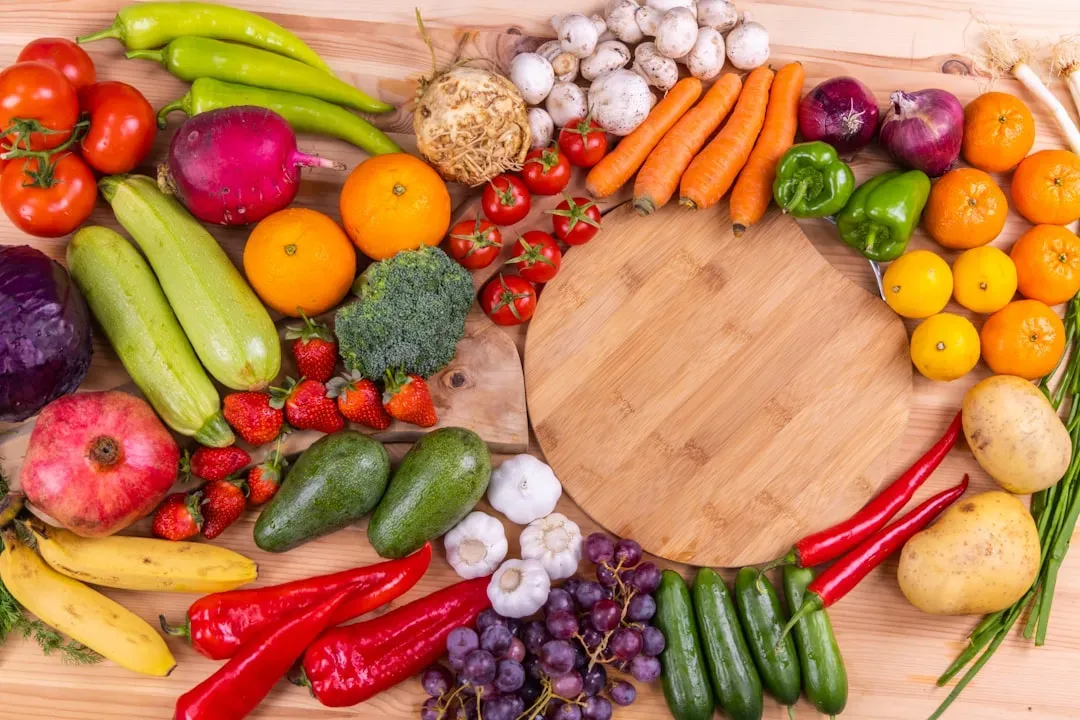
Cholesterol is one of the ways your doctor can measure your heart health. High cholesterol levels mean you are at an increased risk of heart disease and stroke. That risk is real, and it is widespread. The good news is that the solution starts at the grocery store.
Researchers tracking over sixty thousand adults found that high-quality, minimally processed plant foods significantly reduce cardiovascular risk. When those plant foods are ultra-processed, however, the advantage disappears and can even backfire. The form matters just as much as the food itself.
The American Heart Association recommends at least four to five servings of vegetables per day, roughly two and a half cups. Focus on variety since different vegetables offer different heart-protective nutrients like fiber, potassium, and antioxidants. The nine vegetables in this list are a great place to start building that variety. None of them are exotic. All of them are evidence-backed. What would you swap into your next meal?