
Alzheimer’s disease is one of the most feared conditions of our time. It doesn’t just affect memory – it quietly dismantles identity, independence, and everything a person has built over a lifetime. Globally, the numbers are staggering, and they’re climbing fast. Between 2020 and 2050, the global economic burden related to Alzheimer’s disease and other dementias is projected to reach trillions of international dollars across 152 countries.
What researchers are increasingly uncovering, though, is both urgent and hopeful. Diet, it turns out, plays a far bigger role in brain protection than many people realize. The science behind it is growing stronger every year. From berries and leafy greens to fatty fish and ancient spices, specific foods are emerging as powerful allies in the fight against cognitive decline. Let’s dive in.
1. Blueberries – Tiny Berries with a Big Brain Impact
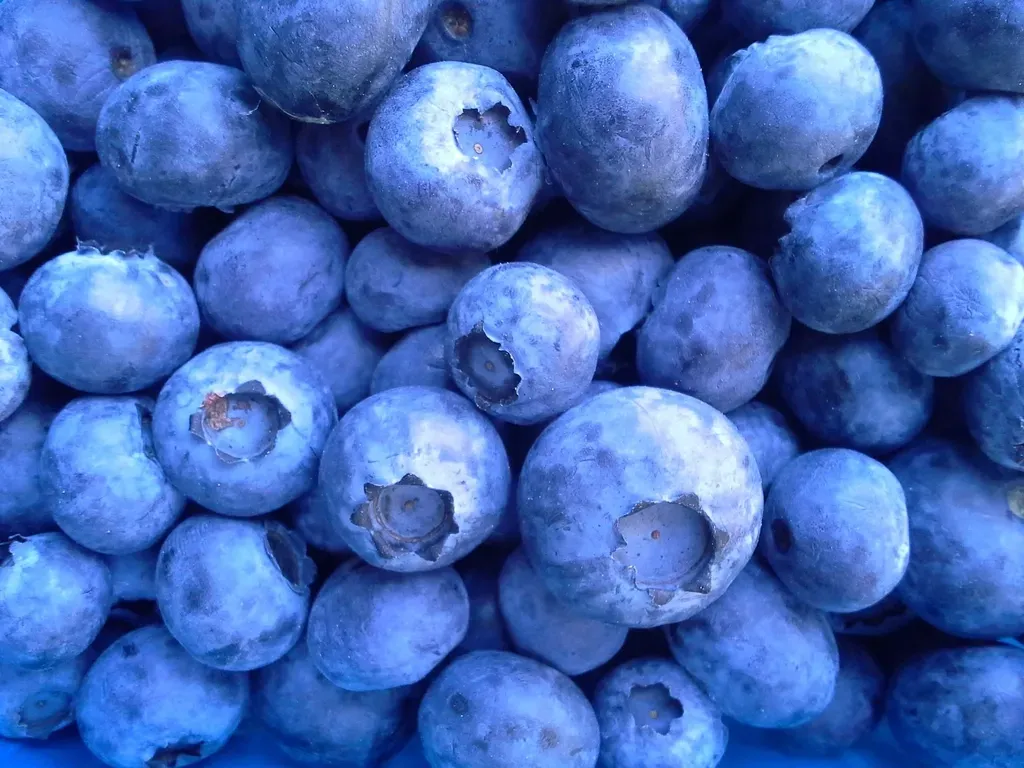
Let’s be real: nobody expects that a small, unassuming berry could be a weapon against one of the world’s most devastating diseases. Yet, blueberries may be exactly that. Blueberries contain polyphenolic compounds, most prominently anthocyanins, which have antioxidant and anti-inflammatory effects – and anthocyanins have been associated with increased neuronal signaling in brain centers mediating memory function.
A recent study published in The Journal of Prevention of Alzheimer’s Disease, drawing on data from Boston University, Tufts, Duke University, and Stanford University, explored how eating flavonoid-rich fruits like blueberries in midlife and late-life may lower the risk of developing dementia. The research followed nearly 2,800 participants over more than two decades.
Results indicate that higher total fruit intake in midlife adults was significantly associated with a decreased risk of all-cause dementia, and high intakes of specific fruits such as blueberries during late-life were associated with a decreased risk of Alzheimer’s disease dementia. Blueberries are also the only fruit to be singled out as part of the MIND diet, a diet that research has linked to lower dementia risk.
Compared with cultivated blueberries, wild blueberries have roughly a third more anthocyanins and twice the amount of antioxidants. So if you can get your hands on wild ones, that’s worth the extra effort.
2. Fatty Fish – The Ocean’s Best Gift to Your Brain
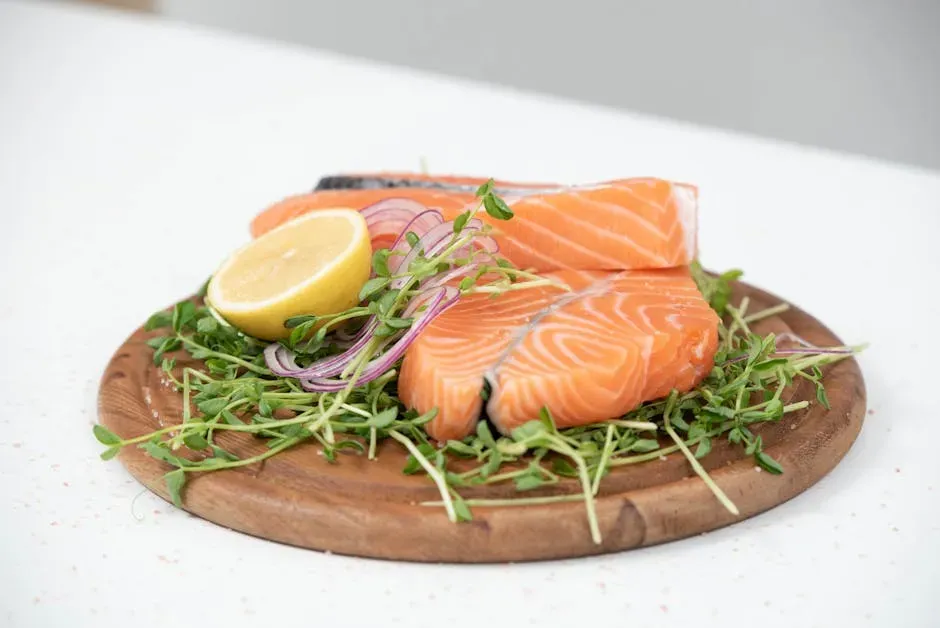
Salmon, sardines, mackerel, herring. These are not just dinner options – they are, honestly, some of the most researched foods when it comes to brain protection. Intake of omega-3 PUFAs – specifically DHA, alpha-linolenic acid, and EPA – is linked with healthy aging, cardiovascular benefits, and reduced risk of Alzheimer’s disease.
Fatty fish are a top source of omega-3 fatty acids, which are vital for brain health and powerful inflammation fighters. Omega-3s help reduce levels of cytokines – proteins involved in chronic inflammation – while also supporting memory, mood, and heart health.
In the Alzheimer’s Disease Neuroimaging Initiative (ADNI) cohort, long-term users of omega-3 fatty acid supplements exhibited a dramatically reduced risk of Alzheimer’s disease compared to non-users. The dose-response data is also compelling: an increment of just 0.1 grams per day of DHA or EPA intake was associated with roughly an 8 to 10 percent lower risk of cognitive decline.
A randomized, double-masked, placebo-controlled trial conducted in 2025 demonstrated that 12-month supplementation with medium-chain triglyceride and DHA improves cognitive performance in individuals with mild cognitive impairment. The evidence keeps building.
3. Leafy Green Vegetables – The Brain’s Daily Shield
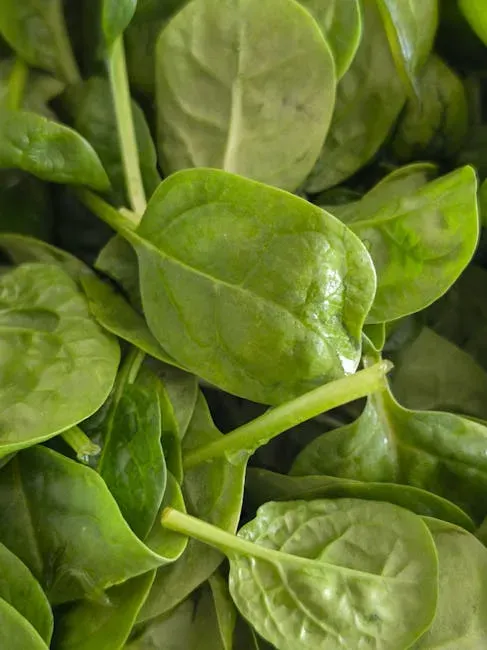
Think spinach, kale, collard greens, Swiss chard, arugula. These foods are, in some ways, the most underappreciated items in the brain health conversation. Leafy greens like spinach, kale, collard greens, and Swiss chard are rich in vitamin K, folate, and antioxidants that help protect the brain and reduce inflammation throughout the body.
Dr. Martha Clare Morris and colleagues from Rush University in Chicago and the Tufts Human Nutrition Research Center in Boston followed 960 older adults and focused on the level of consumption of green leafy vegetables, like spinach, kale, collards, and lettuce, looking at the association with performance on cognitive tests.
The researchers estimated that those who ate one to two servings a day had brains that resembled the brains of those who were 11 years younger compared to the brains of those who rarely or never ate leafy greens. Eleven years younger – from eating a salad. That should be front-page news.
Consumption of approximately one serving per day of green leafy vegetables and foods rich in phylloquinone, lutein, nitrate, folate, alpha-tocopherol, and kaempferol may help to slow cognitive decline with aging. These nutrients appear to work together synergistically to protect neurons.
4. Turmeric – The Ancient Spice with Modern Science Behind It
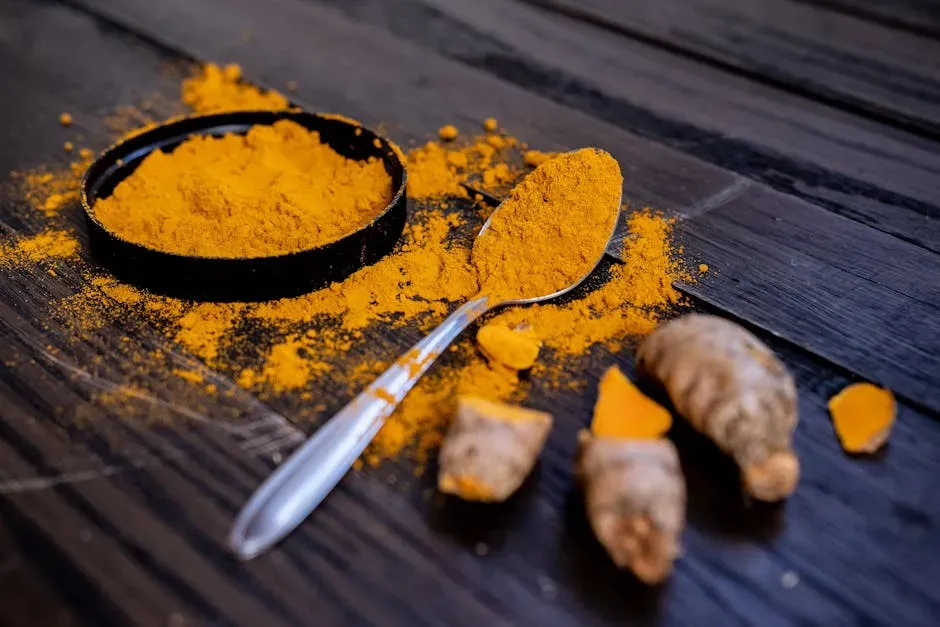
Turmeric has been used in traditional medicine for centuries. For a long time, Western science treated those traditions with skepticism. Not anymore. Curcumin is a naturally occurring polyphenol found in turmeric, which has long been utilized in traditional medicine for its anti-inflammatory and antioxidant properties, with its anti-inflammatory effects stemming from its capability to inhibit multiple proinflammatory signaling pathways.
Curcumin, a bioactive polyphenol derived from turmeric, has gained significant attention for its neuroprotective properties, particularly in enhancing cognitive function through epigenetic mechanisms. Research explores its role in modulating key molecular pathways involved in neuroplasticity, including histone modifications and DNA methylation. Additionally, curcumin influences neurogenesis, synaptic remodeling, and mitochondrial biogenesis, which are critical for maintaining brain function in aging and neurodegenerative conditions.
Curcumin has been shown to reduce amyloid plaque accumulation, decrease neuroinflammation, and improve cognitive performance in transgenic mouse models of Alzheimer’s disease. For human studies, a 2025 updated meta-analysis reached a clear conclusion: supplementation of curcumin can effectively improve global cognitive function, with an optimal dose and duration of 0.8 grams per day for at least 24 weeks.
One practical note: curcumin has low natural bioavailability. Combining it with black pepper, which contains piperine, is a well-known method to dramatically improve absorption. Add it to soups, smoothies, or golden milk regularly for best effect.
5. Walnuts – The Brain-Shaped Nut That Actually Protects the Brain
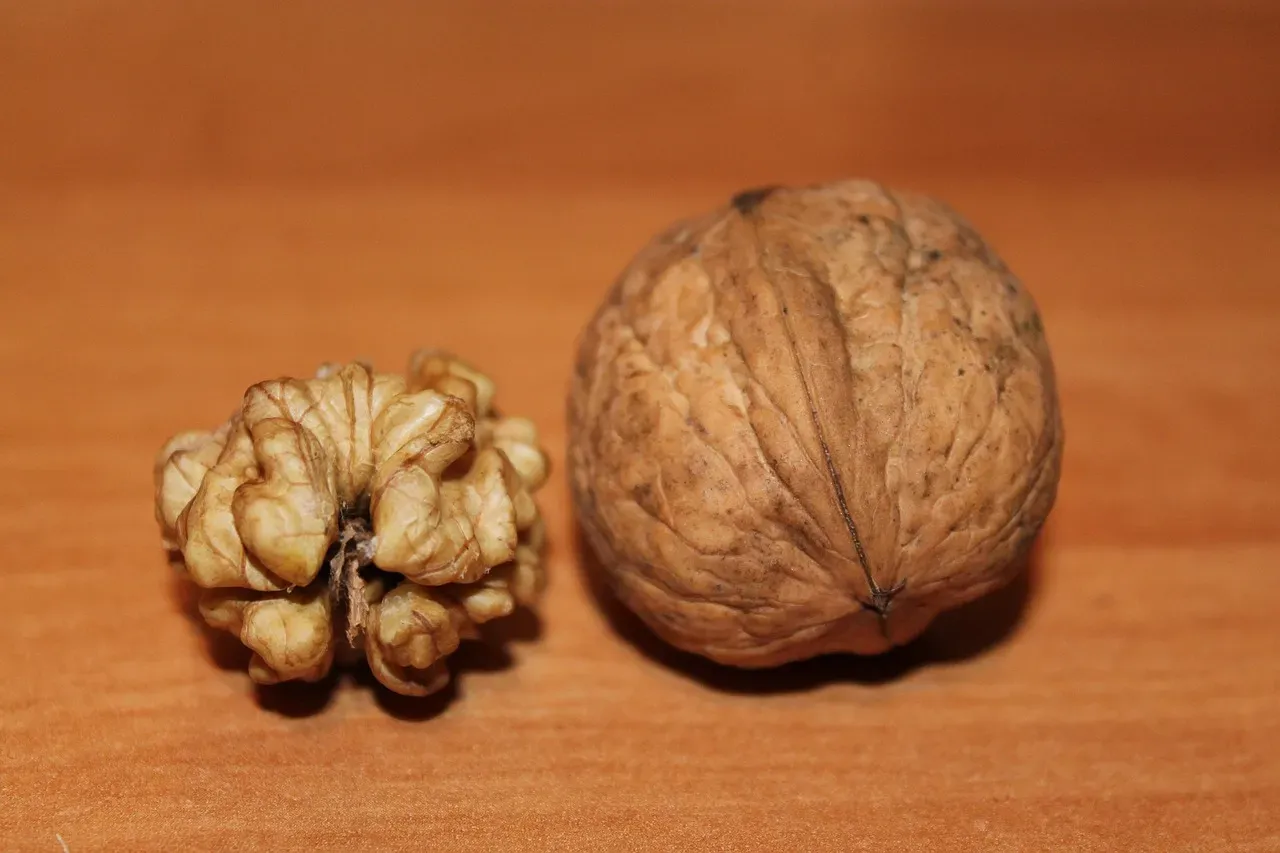
It’s almost poetic that walnuts look like tiny brains – and, as research confirms, they genuinely are one of the best foods for brain health. Walnuts are rich in alpha-linolenic acid (ALA), a plant-based omega-3 fatty acid. EPA and DHA can also be synthesised from alpha-linolenic acid (ALA), which is present in a number of green leafy plants, seeds, nuts, herbs, and oils, such as flaxseeds, walnuts, soybean oil, canola oil, and hempseed oil.
Nuts and berries remain some of the smartest snack choices you can make, especially when it comes to brain health. A growing body of research continues to link both to better cognitive function, with walnuts standing out in particular thanks to their rich combination of omega-3 fatty acids, antioxidants, and vitamin E. The broader dietary pattern matters just as much. Diets that emphasize vegetables, fruits, legumes or beans, nuts, fish and seafood, and unsaturated vegetable oils – while limiting red and processed meats and sugar-sweetened beverages – are consistently associated with a lower risk of age-related cognitive decline, mild cognitive impairment, dementia, and Alzheimer’s disease. This connection continues to be supported by ongoing research and remains aligned with findings highlighted in the most recent reviews from the U.S. Dietary Guidelines Advisory Committee.
Plant foods are naturally rich in polyphenols, flavonoids, and other antioxidants that combat oxidative stress and reduce neuroinflammation – these compounds protect sensitive brain cells from damage caused by free radicals, unstable molecules that can impair communication between neurons. Walnuts deliver all of these in a single, convenient snack. A small handful a day is a worthwhile habit.
6. Olive Oil – The Liquid Gold of Brain Protection

Extra virgin olive oil is arguably the most studied fat in the world when it comes to brain health. Olive oil is delicious on bread, salad, pasta, and cooked greens, and it has been shown to improve brain function over the long term and protect against dementia. The key here is extra virgin – not refined or blended versions.
Clinical trial research has identified olive oil-derived compounds as providing blood-brain barrier protection – a crucial finding, since a compromised blood-brain barrier is closely linked to Alzheimer’s progression. Think of the blood-brain barrier like a security gate for your brain. Olive oil helps keep that gate strong.
A 2025 study from Karolinska Institutet found that people with cardiovascular diseases, type 2 diabetes, or stroke who ate a high-quality plant-based diet had significantly reduced dementia risk. The quality distinction matters: those eating whole, minimally processed plant foods like whole grains, fruits, vegetables, legumes, nuts, and seeds showed protection. Olive oil is a cornerstone of exactly that kind of dietary pattern.
The MIND diet specifically includes olive oil as one of its ten brain-healthy food groups. That inclusion is deliberate and well-supported. Use it generously as your primary cooking fat.
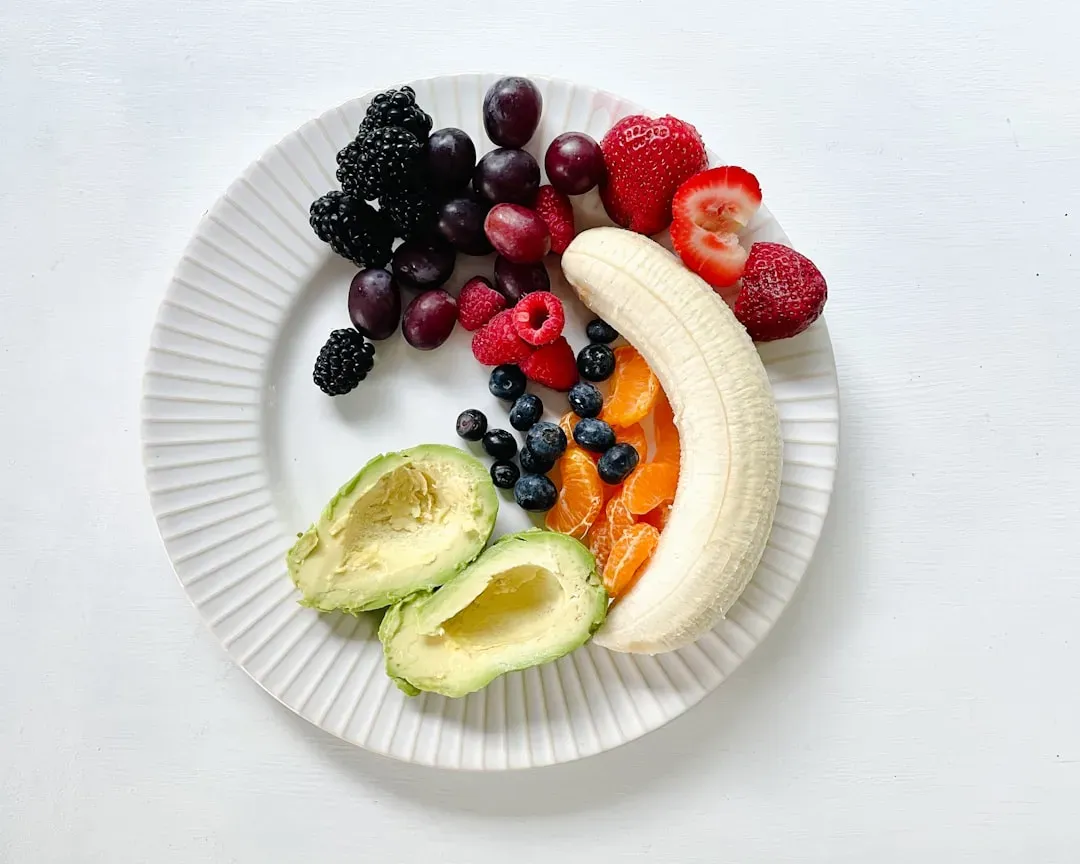
7. Berries (Beyond Blueberries) – A Rainbow of Brain Defense
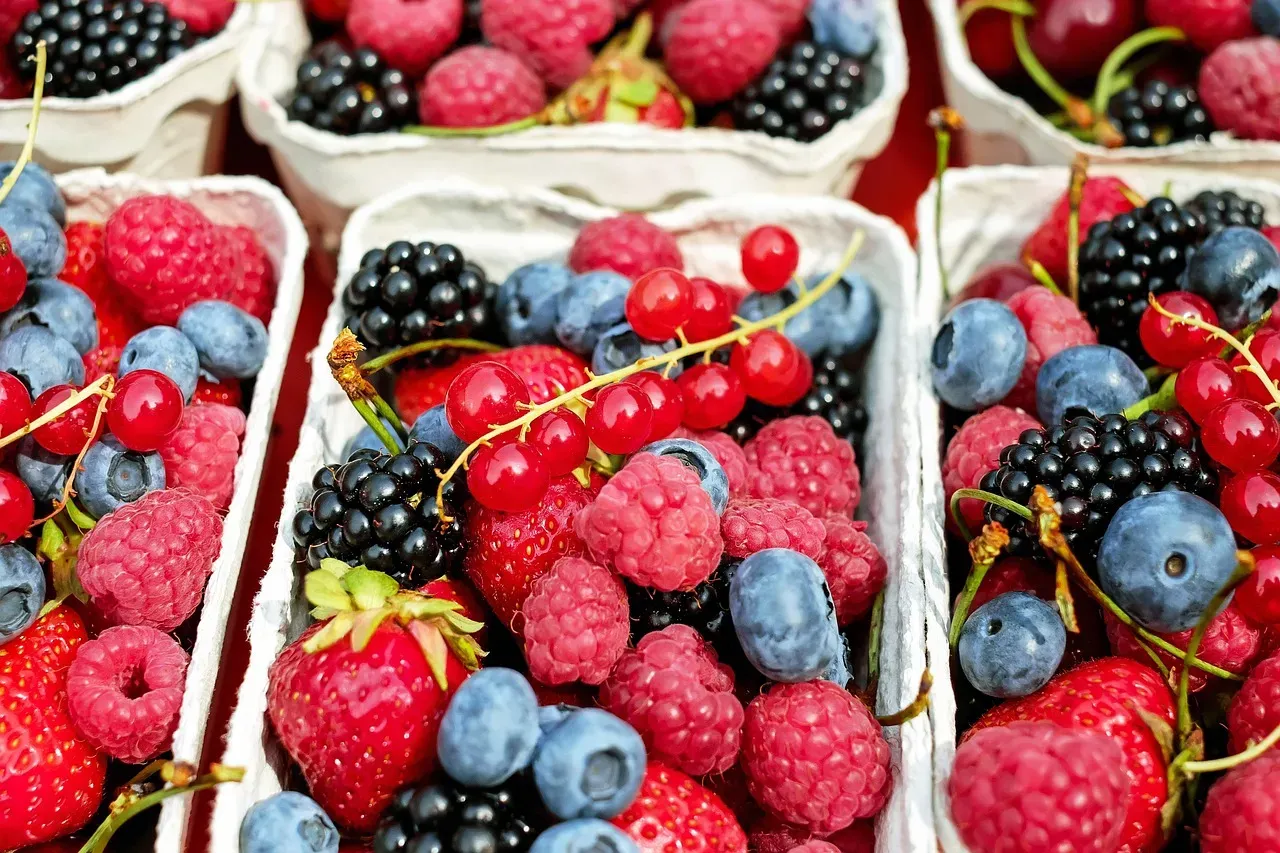
Blueberries get most of the spotlight, but strawberries, blackberries, and cranberries also deserve serious attention. A new study found that a daily serving of strawberries led to improvements in some thinking skills in middle-aged men and women with memory complaints, building on earlier evidence that various types of berries, including strawberries, blueberries, and cranberries, may be good for the brain.
Epidemiological data suggests that people who consume strawberries or blueberries regularly have a slower rate of cognitive decline with aging. Anthocyanins, natural plant pigments that give berries their red and purple colors, belong to a class of flavonoids that are powerful antioxidants, helping to neutralize highly reactive oxygen compounds that can damage brain cells. Flavonoids also have inflammation-fighting effects, and inflammation plays a critical role in many chronic conditions of age, including Alzheimer’s disease.
A common finding across most berry studies is that you need to eat them regularly to receive the benefits. Research shows that regularly eating fruits and vegetables with flavonoids is linked with lower risk for Alzheimer’s disease and related dementias. The MIND diet recommends at least two servings per week – though daily consumption is even better.
8. Beans and Legumes – The Underrated Brain Builders
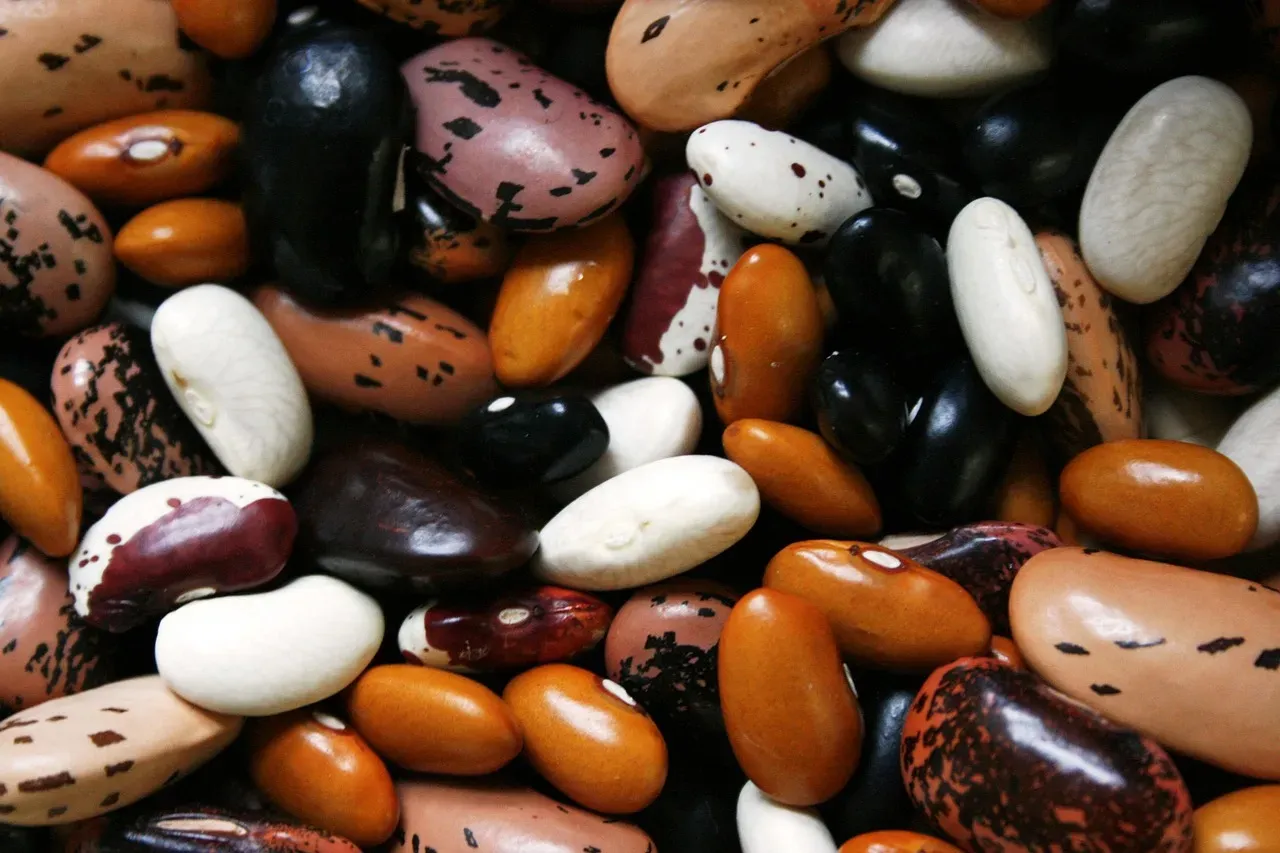
Beans are not glamorous. Nobody posts pictures of lentil soup on social media the way they share açaí bowls. Honestly, that’s a shame, because the evidence for beans and brain health is quietly impressive. Dietary fiber from whole plant foods serves as fuel for beneficial gut bacteria, which produce short-chain fatty acids that influence cognitive and emotional responses. A 2024 study on resistant starches from beans and legumes found these fibers improve neurocognitive health by promoting gut homeostasis, reducing inflammation, and supporting normal central nervous system function.
Phytochemicals, polyunsaturated fatty acids, and micronutrients such as vitamins and minerals can prevent inflammation and subsequently amyloid-beta production and tau protein phosphorylation. Probiotics, by exerting a certain role on the gut-brain axis, can modulate the inflammatory response. The gut-brain connection is one of the most exciting frontiers in Alzheimer’s research right now.
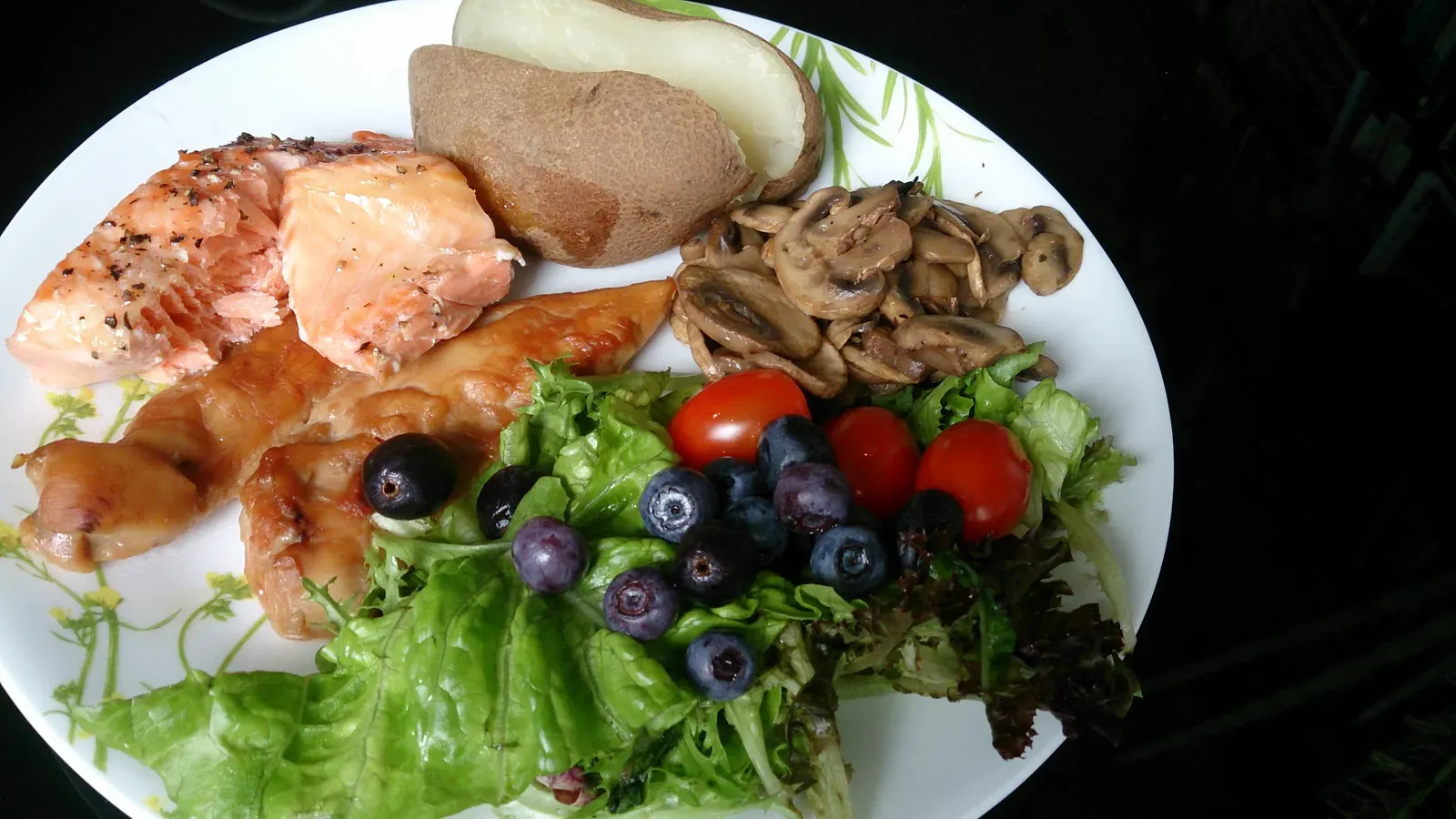
The MIND diet includes beans every other day or so as a recommended staple. Eating beans every other day, combined with poultry, berries, and fish across the week, forms the core protein-rich portion of this brain-protective dietary pattern. Black beans, lentils, chickpeas – they’re all excellent choices and incredibly affordable.
9. Whole Grains – Steady Fuel for a Protected Mind
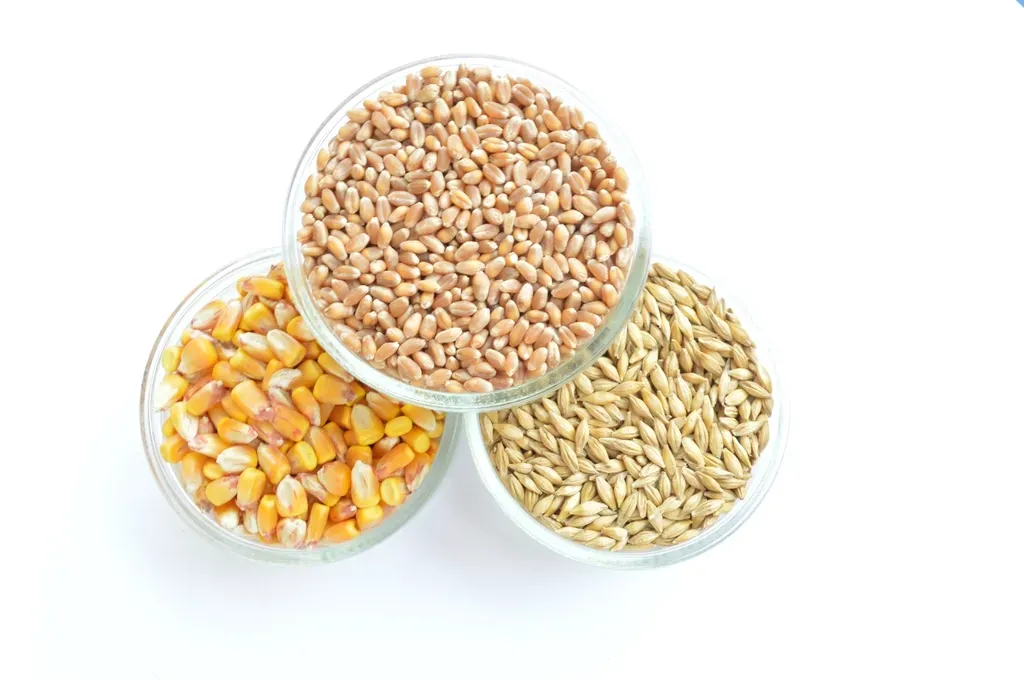
The brain runs on glucose, but it needs a steady, controlled supply – not the spikes and crashes that refined grains and sugar produce. Whole grains like oats, brown rice, quinoa, and whole wheat bread provide exactly that kind of stable energy. Chronic inflammation in the brain is a hallmark of Alzheimer’s disease, and a 2024 study found that people with cardiometabolic diseases who followed an anti-inflammatory diet had roughly a third lower risk of dementia compared to those eating pro-inflammatory foods.
In a study with 581 participants, those who closely followed either the MIND diet or the Mediterranean diet for at least 10 years had fewer post-mortem indications of amyloid plaques – the hallmarks of Alzheimer’s – in their brains. Both of these diets emphasize whole grains as a daily staple, typically recommending at least three servings per day.
A Harvard Medical School study released in 2024 found that diet, combined with consistent exercise and socialization, appears to slow cognitive decline in older adults. Participants followed a Mediterranean-style diet with foods rich in antioxidants, omega-3s, and probiotics, and experienced improved memory and mental clarity over the study’s 20-week timeframe. Whole grains were a central part of that dietary pattern.
10. The MIND Diet as a Whole – Where All These Foods Work Together
Here’s the thing: individual foods matter, but the real power comes from how they work together as a dietary pattern. In 2015, Rush University Medical Center researchers created the MIND diet, a hybrid of the Mediterranean and DASH diets. Since then, the evidence has only grown more compelling.
Early studies show that the MIND diet lowers risk of Alzheimer’s by more than half in those who follow it closely, and by roughly a third in those who follow it more loosely. Those are not trivial numbers. A recent multiethnic study unveiled at NUTRITION 2025, the American Society for Nutrition’s flagship annual meeting, demonstrates that adhering to the MIND diet may help reduce an individual’s dementia and Alzheimer’s risk, even if they begin following the diet later in life.
A new study led by investigators from Mass General Brigham, Harvard T.H. Chan School of Public Health, and the Broad Institute of MIT and Harvard suggests that a Mediterranean-style diet may help reduce dementia risk. The study, published in Nature Medicine, found that people at the highest genetic risk for Alzheimer’s disease benefited more from following a Mediterranean-style diet, showing a greater reduction in dementia risk.
Any healthy dietary pattern that includes higher consumption of vegetables, fruits, legumes, nuts, fish and/or seafood, and unsaturated vegetable oils/fats, and lower consumption of red and processed meats and sugar-sweetened beverages, is associated with lower risk of age-related neurodegenerative disease – according to comprehensive global systematic reviews. That’s as close to scientific consensus as this field gets.
Conclusion: Your Fork Is More Powerful Than You Think
No single food is a cure. No grocery list will guarantee protection. But the science is becoming harder and harder to ignore. Diet is one of the most modifiable risk factors for Alzheimer’s disease – and the window to act is not just in old age. A study of over 10,000 people found that those consuming ultra-processed foods above a fifth of daily calories showed a significantly faster rate of overall cognitive decline and faster rate of executive function decline over eight years, with the association being particularly strong in people under 60, highlighting the importance of prevention in middle age.
The foods on this list – blueberries, fatty fish, leafy greens, turmeric, walnuts, olive oil, mixed berries, beans, whole grains, and the broader MIND diet pattern – aren’t exotic or expensive. Most are already sitting in grocery stores everywhere. The gap between knowing and doing is where cognitive health is often won or lost.
Every meal is an opportunity. What you eat today is quietly shaping the brain you’ll have tomorrow. What’s stopping you from starting now?