
Grocery shopping in 2026 feels like navigating a financial minefield. Prices have climbed significantly over the past several years, and while the pace of increases has cooled, food prices have risen nearly thirty percent since December 2019, and consumers continue to be frustrated by the affordability of everyday meals. That’s a real, tangible squeeze on family budgets everywhere.
The good news? There are still staples on store shelves that deliver incredible value. You don’t need a gourmet kitchen or a fancy meal plan to feed your family well. You just need to know what to reach for. Here’s a closer look at eight budget heroes that belong in every tight-budget pantry.
Table of Contents
1. Rice: The Unbeatable Foundation of Every Meal
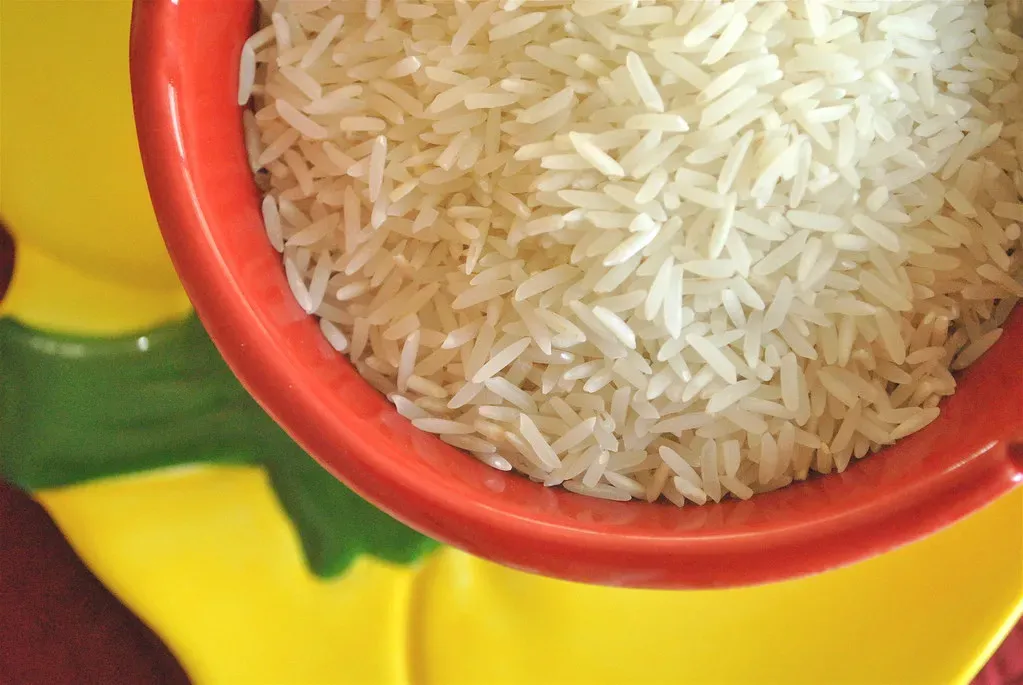
Let’s be real, few foods on the planet offer the sheer mileage that rice does. Rice is one of the best budget staples available, with a large bag costing about ten to twenty cents per serving, and it lasts for years in the pantry. White rice provides carbohydrates, while brown rice contains magnesium and fiber. That kind of longevity in a pantry staple is genuinely hard to beat.
When bought in bulk, whole grains like brown rice are extremely inexpensive and keep you full. Brown rice is an excellent source of complex carbohydrates, which provide long-lasting energy and slow-digesting fiber, and it is also loaded with B vitamins, magnesium, selenium, and phosphorus. Think of rice as the blank canvas of your kitchen. It takes on whatever flavors you throw at it, from a soy-ginger stir-fry to a simple tomato-based stew.
Rice can be anything from a stir-fry sidekick to the star of a pudding, and it’s even cheaper when you buy it in bulk. Buying a five-pound bag instead of a one-pound bag, for instance, can essentially cut your cost per pound in half, as Harvard’s Nutrition Source data confirms.
2. Beans and Legumes: The Protein Powerhouse That Costs Almost Nothing
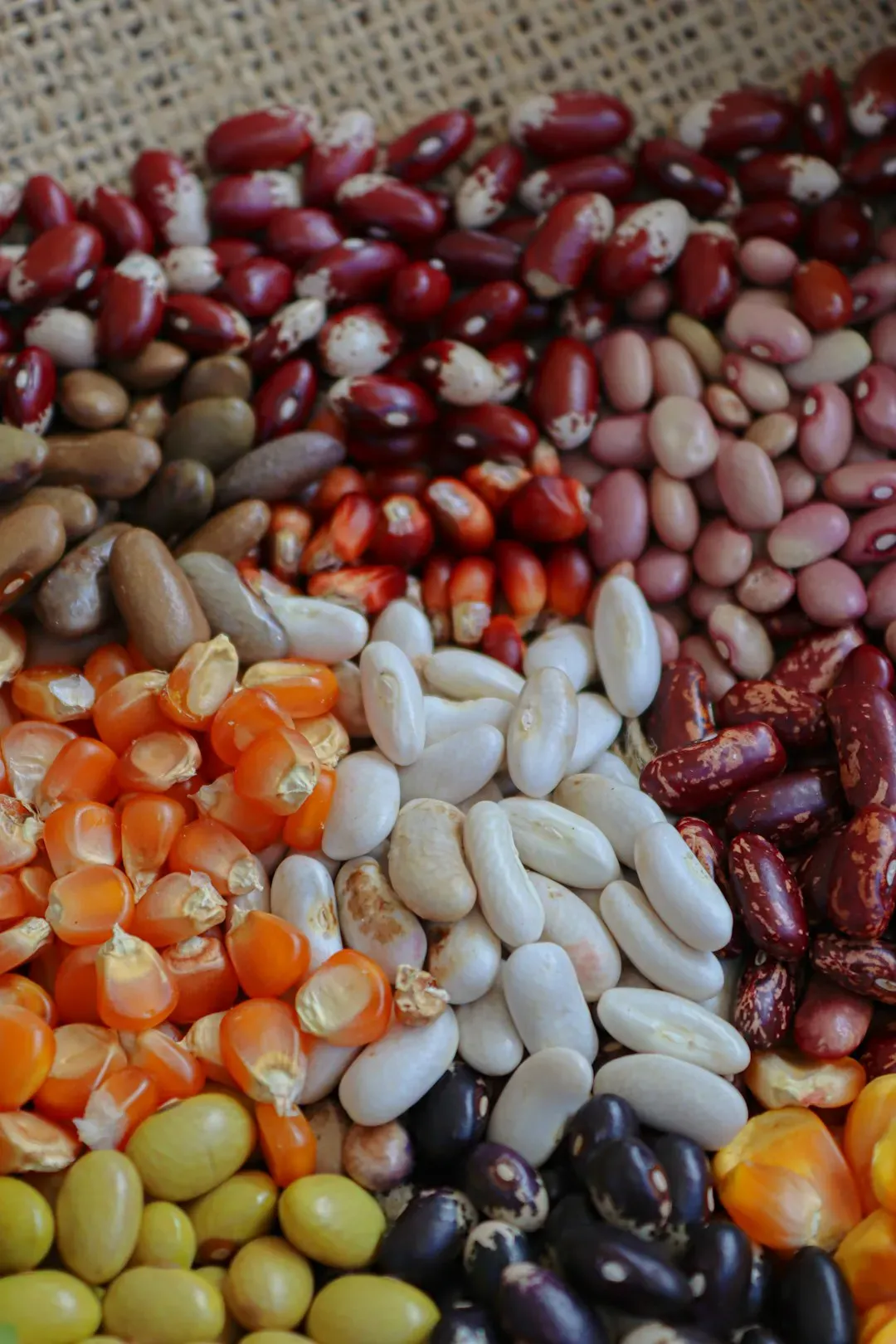
Here’s something that might surprise you. Beans deliver high nutrition at a consistently low cost, and they are inexpensive, widely available, and shelf-stable, so you can buy in bulk. For a family watching every dollar, that combination of nutrition and affordability is almost unmatched in the grocery store.
A can of black beans costs about seventy-nine cents and contains about three servings, while dried black beans cost about one dollar for twelve servings if you cook a big batch. Each serving is packed with protein, fiber, folate, antioxidants, and lots of other vitamins. Honestly, those numbers are staggering when you think about the cost per nutrient ratio.
Meatless meals built around plant-based proteins are highly nutritious and generally more affordable than meats and fish. You can incorporate smaller amounts of meat as a flavor base while focusing on plant proteins like beans to save on cost, increase the volume of the meal, and boost nutrition and heartiness. Beans in tacos, chili, soups, or even mashed as a dip offer endless variety without draining your wallet.
3. Oats: The Breakfast (and More) That Feeds a Crowd
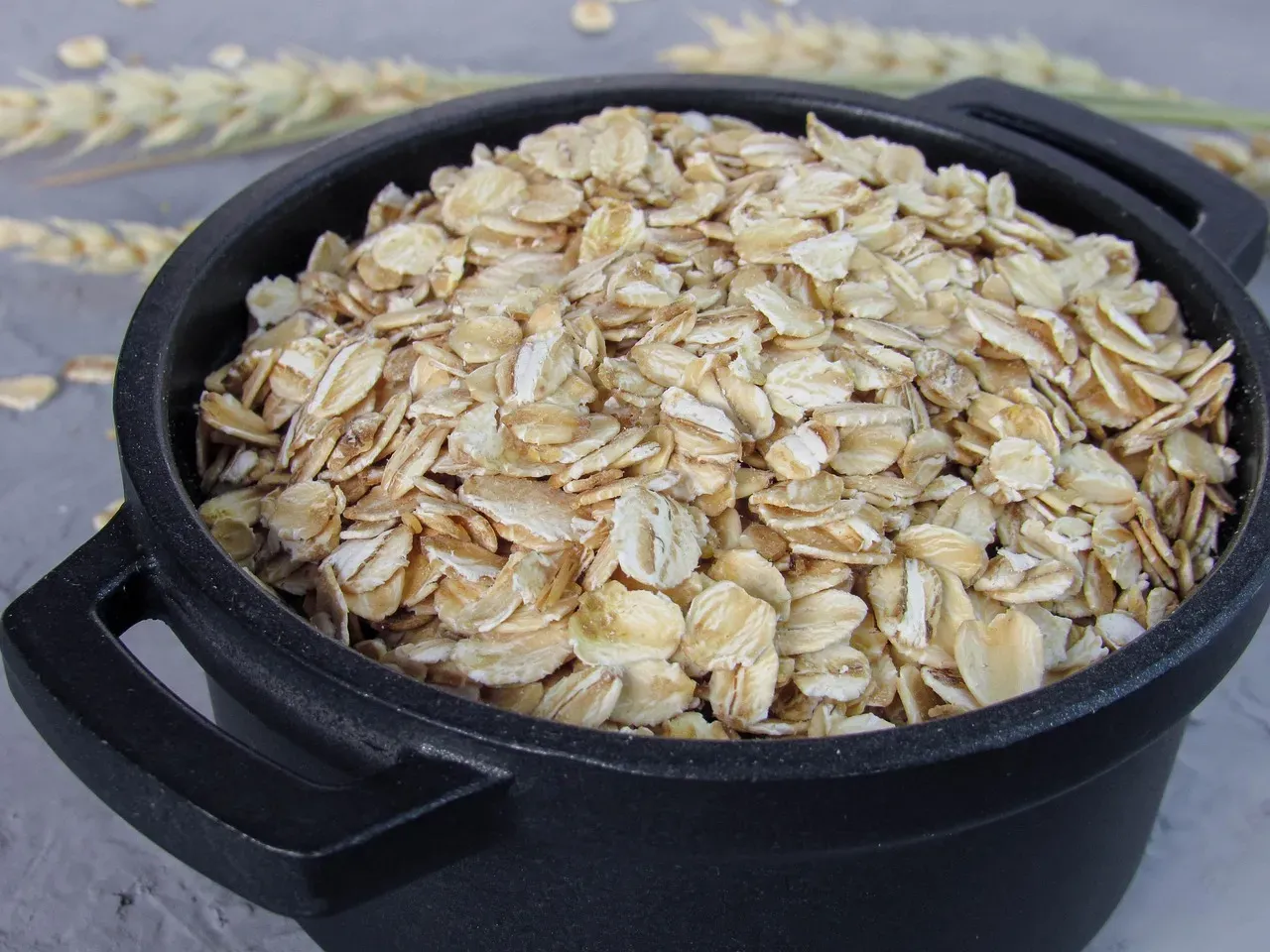
Dried rolled oats are a filling, affordable whole grain to buy in bulk. Oats are genuinely one of those foods that punch way above their weight class. They’re filling, nutritious, and versatile enough to go well beyond just morning porridge.
Focusing on low-cost, high-volume staples like rice, beans, oats, and potatoes is one of the most effective ways to stretch the family grocery budget. A canister of rolled oats can power breakfasts for a week, function as a binder in meatballs or veggie patties, or even be baked into granola bars that replace far pricier packaged snacks. Carbohydrates with fiber, like steel-cut oats, help to reduce the rate at which carbohydrates are digested and absorbed, and help to prevent sudden spikes in blood sugar.
Think of oats as the Swiss Army knife of cheap pantry items. They take maybe five minutes to cook, and a large container typically runs a family several weeks’ worth of breakfasts for just a few dollars. That kind of cost-per-meal ratio is nearly impossible to find anywhere else in the store.
4. Eggs: Cheap, Versatile, and Nutritionally Dense
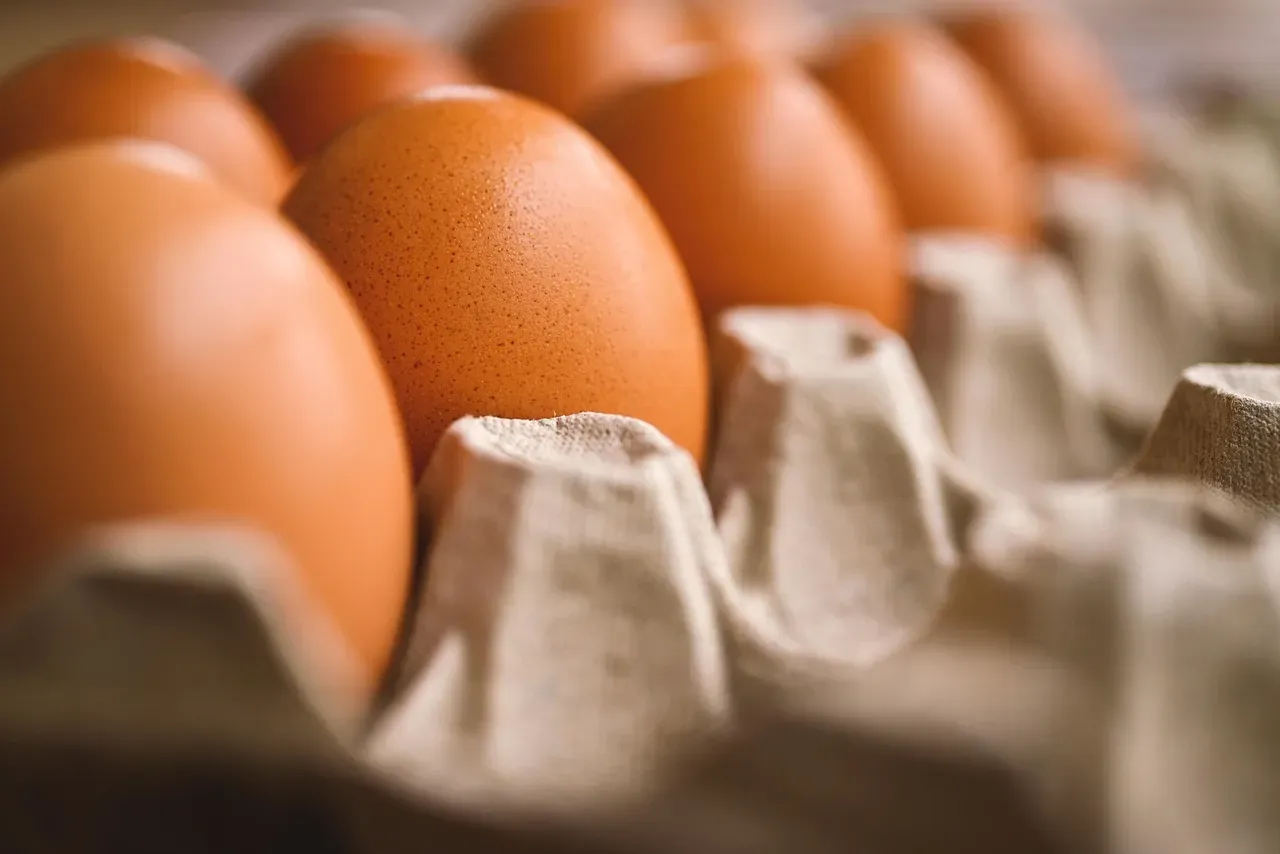
Eggs had a rough stretch. The spread of Highly Pathogenic Avian Influenza caused retail egg prices to spike in late 2024 and early 2025 by reducing egg-layer flocks and egg production. Prices soared, and families felt it hard. The situation is improving, though. U.S. egg production has been increasing and is expected to continue recovering in 2026, with egg prices predicted to decrease significantly.
Eggs remain one of the most practical, affordable, and versatile protein options for families planning balanced meals. Eggs are rich in nutrients that support brain health, like choline and lutein, and they last for three to five weeks in the fridge, so you don’t have to worry about them going bad. They’re extremely versatile, whether you’re making an omelet, scrambled eggs, a frittata, hard-boiled eggs, or a stir-fry.
I think one dozen eggs is probably still the single most impressive protein investment in any grocery cart, full stop. Ground beef, chicken thighs, eggs, tuna, and beans are all great choices for inexpensive proteins when cooking for a family on a tight budget. Eggs, however, require zero prep equipment and almost no cooking time – which means even on the most chaotic weeknight, dinner is still possible.
5. Pasta: A Family-Feeding Classic That Never Fails

Pasta gets dismissed as boring by food snobs. Ignore them. You could have pasta every day of the week and still find a new way to use these tender noodles. Pasta pairs perfectly with affordable ingredients like canned tomatoes, beans, frozen vegetables, and other pantry staples, and the cost-per-serving ratio makes sure you can feed large groups at a low price. That’s a genuinely hard combination to argue against.
Whole wheat pasta is a good staple to have on hand because it contains more fiber and keeps you feeling full longer, and there are many new pastas available today, including gluten-free and lentil-pasta options. For budget shopping, though, standard whole wheat pasta remains the most cost-efficient choice. A couple of bucks is not bad for your grocery bill, and pasta is filling and easily dressed up or down with homemade sauce and inexpensive vegetables.
The real secret with pasta is layering it with other cheap staples from this list. Toss it with canned tomatoes, add a handful of lentils for protein, sprinkle some frozen vegetables on top, and you have a complete, nutritious meal that probably cost your family under three dollars total. That’s not budget eating. That’s smart eating.
6. Canned Tomatoes: The Flavor Backbone of a Hundred Meals
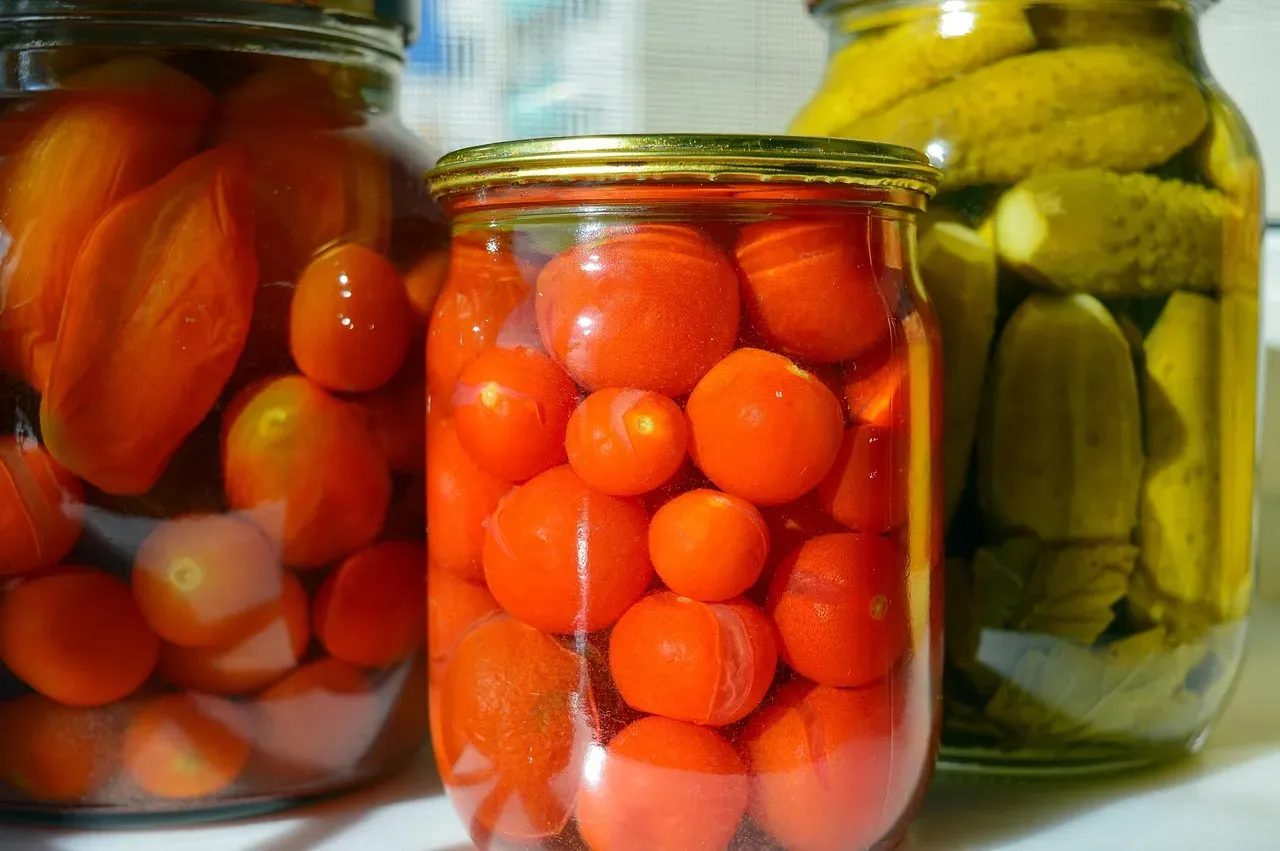
Canned tomatoes, whether whole, diced, or crushed, are a versatile and affordable pantry staple. A humble can is packed with flavor and nutrients, including vitamin C and vitamin A, which supports eye and skin health, and canned tomatoes are also rich in antioxidants, including lycopene, which may protect cells from damage. For a food that costs less than a dollar per can in many stores, that’s remarkable nutritional value.
Beyond just maintaining nutritional value, canned vegetables even offer a unique benefit: because they are exposed to heat during processing, certain antioxidants actually become more available for our bodies to use. A fantastic example is canned tomatoes, which become rich in lycopene, an antioxidant linked to protection. It’s hard to say for sure, but that might make canned tomatoes nutritionally superior to fresh in some specific circumstances.
Canned tomatoes are a powerhouse for sauces, stews, and soups, and they’re a staple that can be used in many ways. A single can transforms a pot of pasta, stretches a bean soup into something rich and satisfying, or forms the base of a family-sized batch of chili. Stock up when they’re on sale. They last years on the shelf.
7. Frozen Vegetables: Nutritious, Long-Lasting, and Wildly Underrated
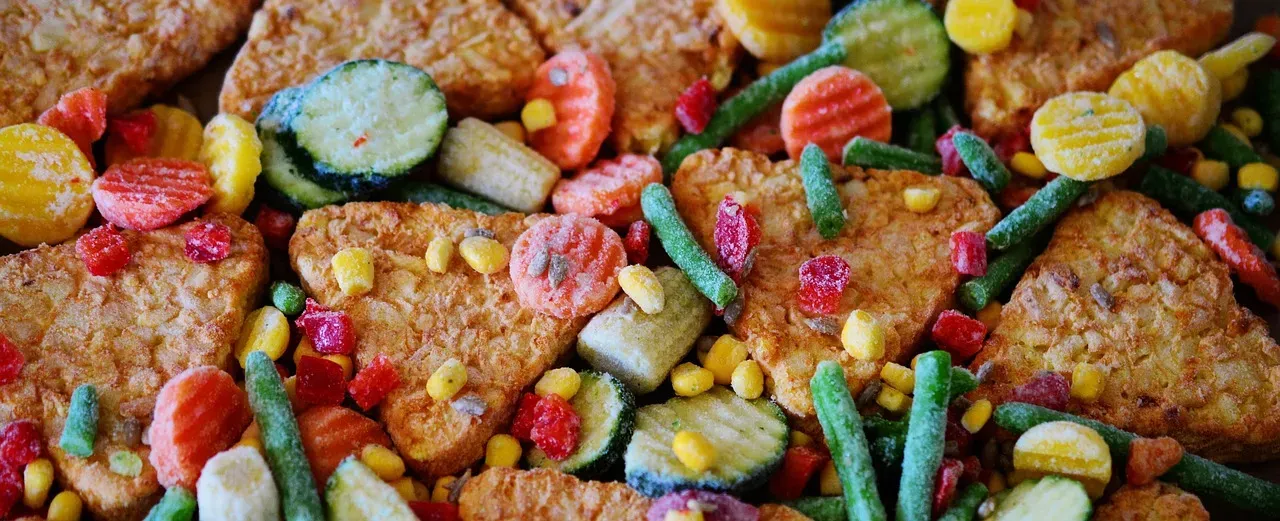
Frozen vegetables carry an unfair reputation. People assume fresh is always better. The science says otherwise. Frozen produce like vegetables, fruits, and legumes are harvested at peak ripeness and flash-frozen within hours, which locks in vitamins and minerals. What you’re getting in that freezer bag is actually often more nutritious than the limp broccoli sitting in the fresh produce section after a week of transport.
Frozen vegetables are some of the most nutrient-dense options in the grocery store since they are frozen at peak ripeness, and they are often the cheapest as well. The USDA’s own research confirmed in 2024 that it was possible to meet daily fruit and vegetable recommendations for roughly two to three dollars a day per person. Among the affordable options, canned tomatoes were found to cost around fifty-eight cents per cup equivalent and frozen broccoli around ninety-one cents per cup equivalent.
In general, frozen foods cost less compared to their fresh counterparts, and when you add frozen foods to your grocery list, you can often reduce costs and extend the shelf life of the items you purchase at the same time. A family that rotates frozen spinach, peas, broccoli, and corn through their weekly meals is covering massive nutritional ground for very little money. The freezer, it turns out, is one of the greatest budget tools in the kitchen.
8. Lentils: The Humble Superstar Most Families Overlook
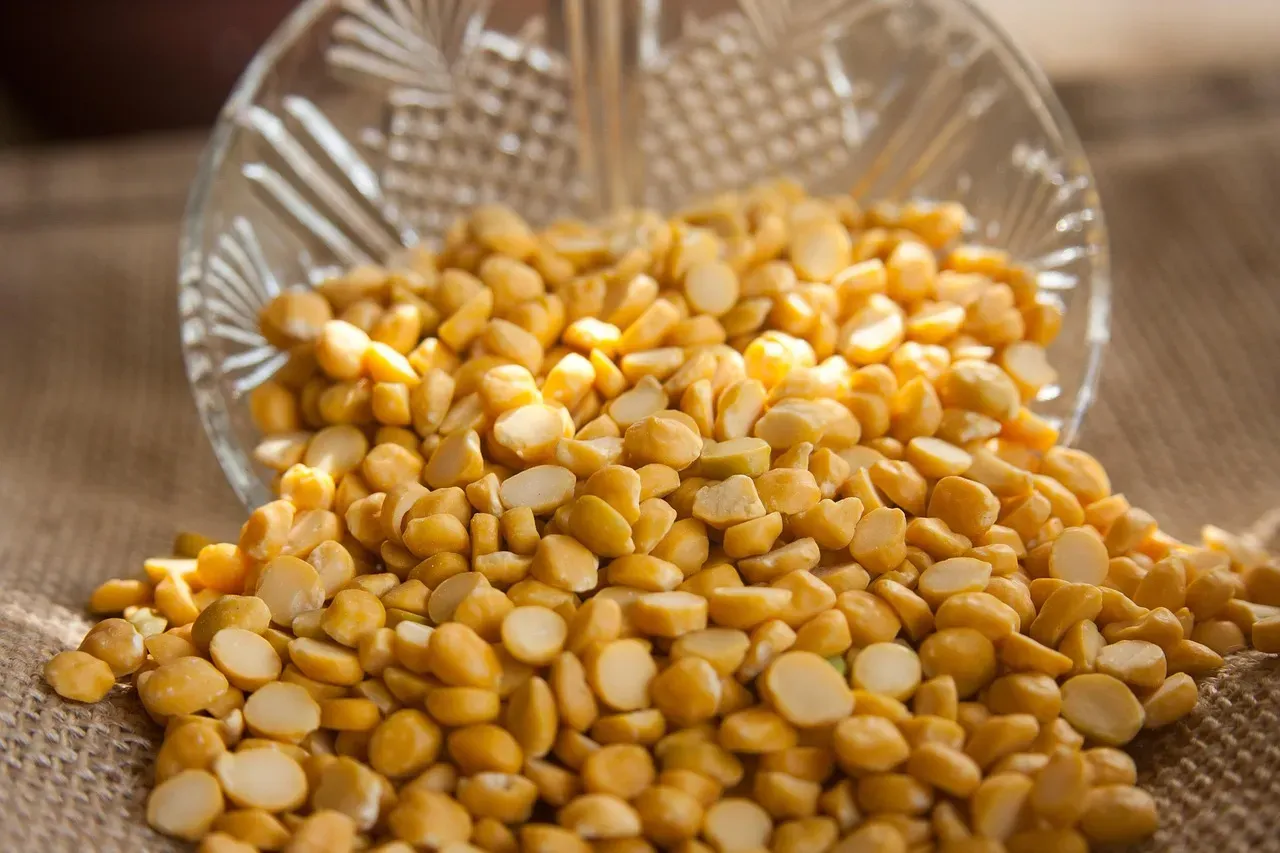
Lentils might be the most underused staple on this entire list. Most families walk right past them at the store without a second glance. That’s a mistake. Dry lentils are one of the lowest-cost proteins you can buy, and a cup of lentils has about eighteen grams of protein as well as fiber, and they cook in twenty to twenty-five minutes with no soaking. No soaking. Twenty minutes. That kind of simplicity is rare.
Lentils are a must if you’re looking to stock up on cheap and healthy foods, as they are very high in fiber and protein. Buying dried lentils in a bag rather than a can is recommended because they are easy to cook, taking ten to fifteen minutes, and do not need to be pre-soaked. At Walmart, Kroger, and Target, you can find bags of lentils for well under two dollars. That’s an extraordinary amount of nutrition for that price point.
Lentils work well added to spaghetti sauce and taco meat. You could totally replace the meat with lentils, or use half a pound of ground beef and one or two cups of cooked lentils in the sauce to stretch it further. A pound of dried lentils can be found for around one dollar and forty-three cents, and they can be added to soups, used as a ground meat substitute, seasoned as a taco filling, or combined into grain bowls or salads. Few foods offer that level of flexibility at that price.
The Bigger Picture: What These Staples Mean for Your Family Budget
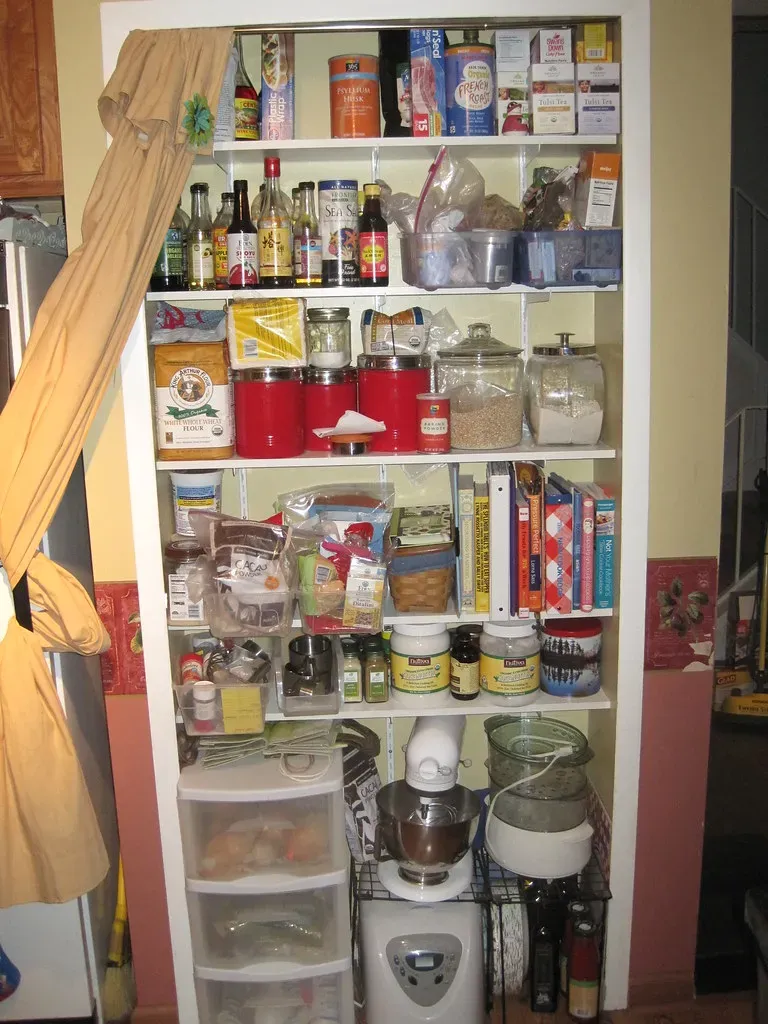
Stocking your pantry with these eight staples isn’t just a short-term fix – it’s a long-term strategy. According to the USDA’s 2025 estimates, a moderate food plan for a family of four costs between roughly $975 and $1,500 per month. With smart planning and strategic shopping, many families can bring that down to $600–$900 – a meaningful saving that continues to add up in 2026.
Packaged and pre-prepared foods come with a high markup for convenience, and cooking from scratch is one of the best ways to lower your grocery costs while improving nutrition. These eight staples are the building blocks of cooking from scratch without sacrificing time or flavor. Rice and beans together form a complete protein. Eggs and pasta together make a filling and fast dinner. Lentils and canned tomatoes become a hearty soup in thirty minutes flat.
Purchasing pantry staples in bulk or when they are on sale can save a significant amount of money in the long run. With these staples on hand, you can whip up easy meals in a pinch, and the best part is that they are shelf-stable, which means they can last a while without anything going bad. In a world where grocery prices are still climbing, that kind of stability and predictability matters more than ever.
What would you change about your grocery routine if you built every week around just these eight items? You might be surprised how much variety, nutrition, and satisfaction you can pull from a simple, affordable pantry. Tell us your go-to budget staple in the comments.