
There are roughly 195 countries on this planet, each carrying centuries of food habits that developed long before refrigerators, supermarkets, or food delivery apps existed. What seems completely normal at one dinner table can cause wide eyes and dropped jaws at another. Food, more than almost anything else, reveals who we are, where we come from, and what we truly value.
Honestly, that’s what makes exploring food culture one of the most thrilling parts of traveling. You think you’re prepared, and then a plate lands in front of you that completely rewires everything you thought you knew about eating. Get ready, because some of these traditions are genuinely shocking. Let’s dive in.
1. Japan’s Deadly Delicacy: Fugu, the Pufferfish You Have to Trust with Your Life
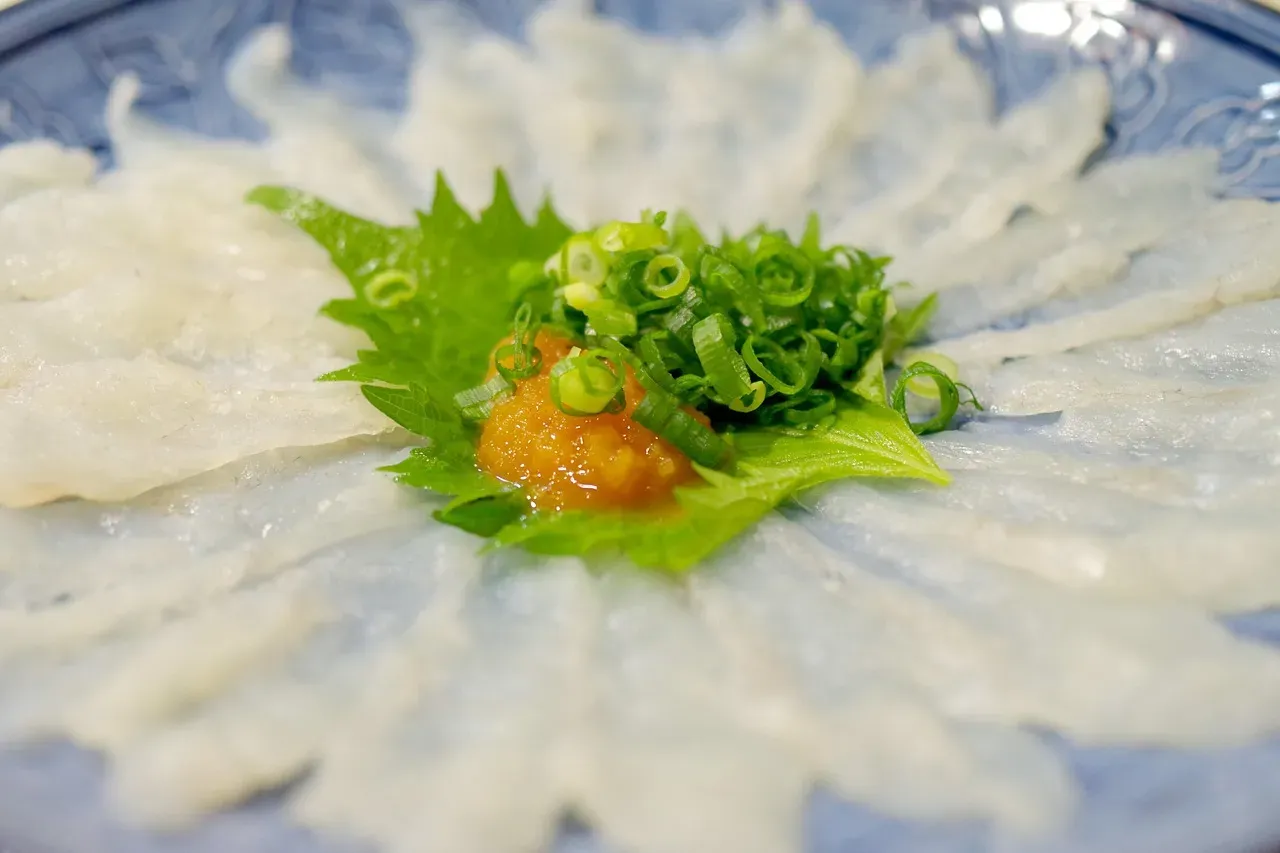
Imagine sitting at a restaurant knowing your chef has trained for years just to not kill you with dinner. Fugu possesses a potentially lethal poison known as tetrodotoxin, and restaurant preparation is strictly controlled by law in Japan and several other countries. Only chefs who have qualified after three or more years of rigorous training are allowed to prepare the fish. That’s not a restaurant gimmick. That’s a genuine legal requirement.
It takes at least three years of training to become a licensed fugu chef in Japan, and chefs must pass a difficult test, which includes a written exam, a fish identification test, and a practical test. Only about 35% of applicants pass the fugu preparation test. Think about that for a second. Roughly two out of every three aspiring chefs simply don’t make the cut.
Fugu is perhaps the most dangerous dish in the world, as the pufferfish contains tetrodotoxin, a poison that is 1,200 times more deadly than cyanide. Yet Japan consumes enormous quantities of it each year. A single fugu meal can cost $200 to $400 in high-end Tokyo restaurants. People are literally paying premium prices to eat something that could stop their heart. I know it sounds crazy, but the thrill is apparently part of the appeal.
Some diners report a tingling sensation on their lips and tongue after eating fugu, caused by trace amounts of tetrodotoxin. That lingering tingle is no accident either. Chefs aspire to leave just enough toxin in the fish to produce a tingling sensation in the mouth, whilst not enough to kill a person. Fine dining, extreme edition.
2. Sweden’s Surströmming: The Fish So Smelly Airlines Banned It
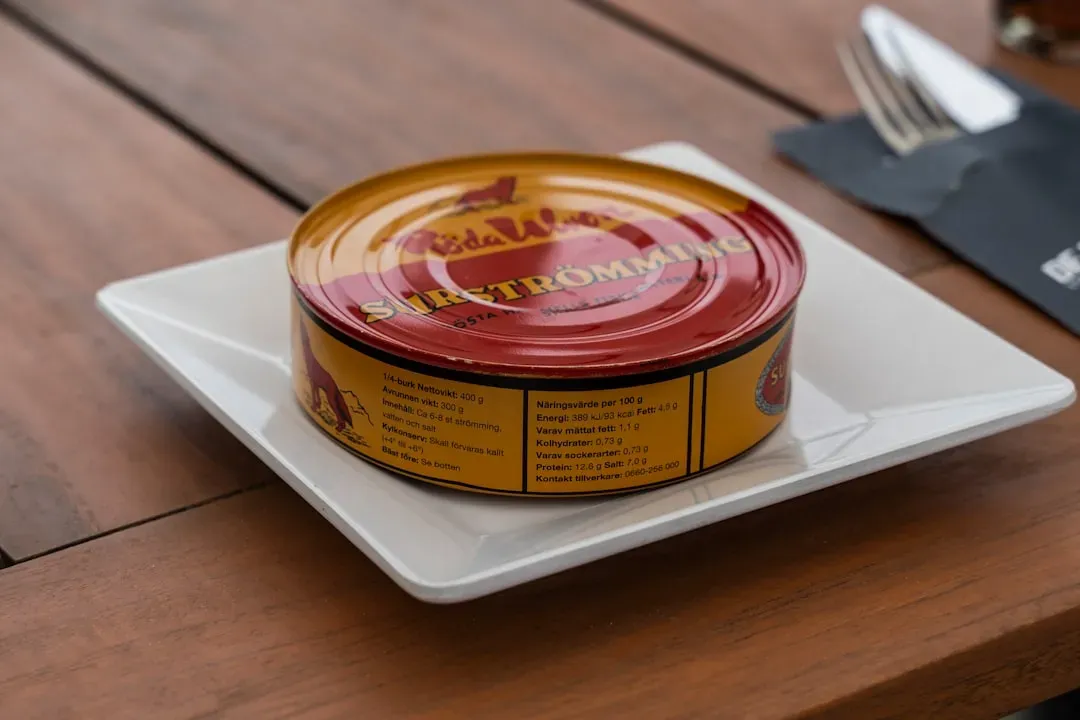
This Swedish tradition involves Baltic Sea herring that has been fermented with just enough salt to prevent it from rotting while it sits in cans for months. The fermentation produces so much gas that the cans often bulge into a pressurized dome shape, and they are usually opened outdoors or underwater to prevent the smell from sticking to the furniture. Outdoors. Or underwater. Let that sink in.
Surströmming is well-known as the smelliest food in the world, and for a very good reason. This disgustingly stinky fermented fish is banned on planes due to the powerful odor it emits. Swedes usually eat Surströmming with thin flatbreads and oat breads, and it reportedly has a very sour, sharp, peppery taste with a salty baseline of flavor.
Here’s the thing, though. To Swedes, this isn’t a horror show. It’s a cherished seasonal delicacy, often shared at summer gatherings. When eaten correctly on flatbread with potatoes and onions, fans claim the taste is surprisingly sophisticated and salty, though the initial blast is legendary. The gap between how surströmming smells and how devoted its fans are might be the greatest paradox in all of food culture.
3. Japan’s KFC Christmas Dinner: Fried Chicken as a Holiday Tradition

You might associate Japan with pristine sushi and delicate ramen. What you probably did not expect is that millions of Japanese families celebrate Christmas with a bucket of fried chicken from Kentucky Fried Chicken. It began with the release of a KFC Christmas “party barrel” in 1970, which sought to recreate the traditional American Christmas dinner, just with fried chicken in the place of the turkey. By 1974, the promotion had been extended across the nation and, with no other Christmas traditions really existing in Japan at the time, KFC simply filled the gap.
It’s estimated that 3.6 million Japanese families eat KFC during the season, and food is ordered weeks in advance to beat the rush. Weeks in advance. For fast food. That is the kind of cultural adoption that a marketing team could never have planned for, even in its wildest dreams.
The popularity of the festive meal, which includes chicken, cake, and wine, means that it often requires ordering weeks in advance. Those who don’t order have to wait in line to get their hands on one, sometimes for hours. What started as a clever ad campaign has genuinely become one of Japan’s most beloved modern holiday customs. A fast food chain accidentally created a national tradition. Remarkable.
4. Ethiopia’s Gursha: Feeding Each Other by Hand
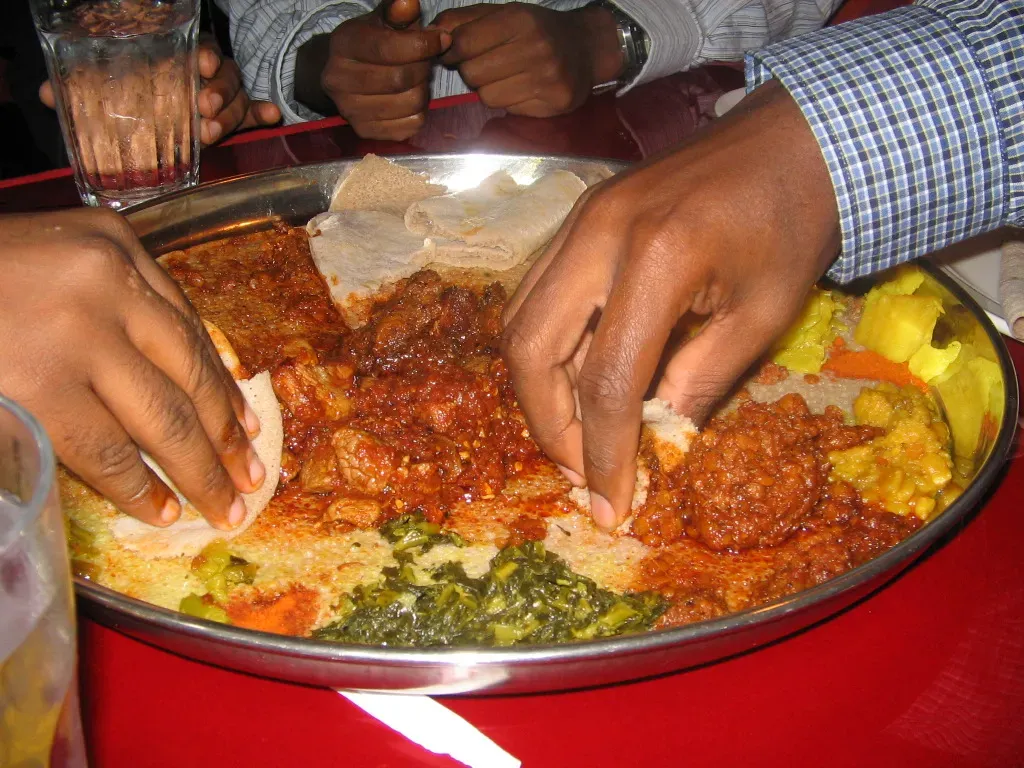
In Ethiopia, food isn’t just fuel. It is a conversation, a bond, an act of love performed right at the table. Ethiopian meals are communal affairs. Injera, a spongy sour flatbread, doubles as both the plate and the utensil. Everyone sits around a shared platter, tearing pieces and scooping stews without any individual plates in sight. It’s intimate in a way that’s genuinely foreign to most Western travelers.
If desired, diners can partake in a traditional Ethiopian gesture called gursha. Meaning “mouthful” in Amharic, it entails wrapping a bite of food in injera and feeding it to someone else at the table. The person given the bite then returns the favor. Gursha is an intimate gesture that’s considered a sign of respect in Ethiopian culture.
Couples often tear off pieces of injera, scoop up the best bites of delicious stew, and proceed to feed it to their loved ones, a practice known as gursha. Taking the time to feed your loved one, or a friend you really care about, is considered one of the greatest culinary traditions that still exists today, anywhere. There is something deeply human about that. No app, no menu, no individual plates. Just people, bread, and care.
5. Italy’s Cappuccino Curfew: No Milky Coffee After Noon
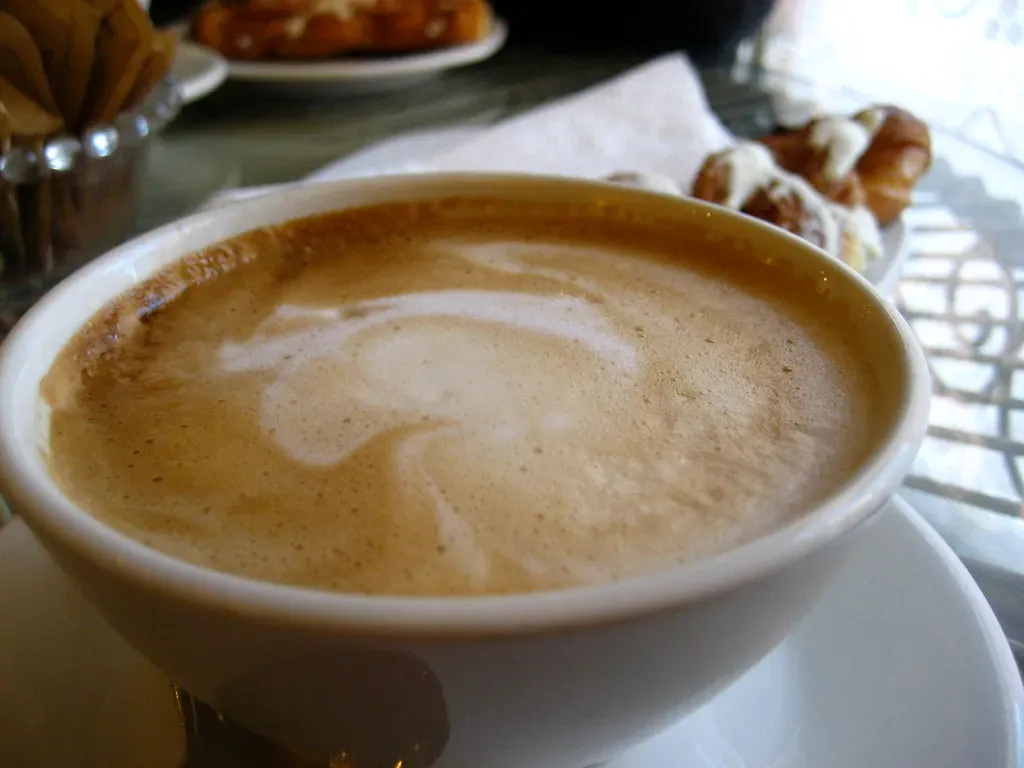
Travelers to Italy learn this rule the hard way, usually by ordering a cappuccino after dinner and receiving a look of visible horror from the barista. Coffee might be enjoyed after a meal in many countries, but in Italy, cappuccino is regarded as a breakfast drink and is almost never drunk after midday. It’s traditionally believed that the high milk content can wreak havoc on digestion, so if you try to order one after dinner you might even be refused. To get your post-dinner coffee fix, make like the Italians and order an espresso instead.
In Italy, aside from mastering how to eat spaghetti gracefully, you should know that there is a cut-off time as far as your cappuccinos are concerned. It is customary to switch to an espresso in the afternoons and evenings, as milky drinks are reserved for mornings only. This is not a guideline. It is practically a moral position.
The logic behind it runs deep in Italian food philosophy. A cappuccino after a full meal is seen as something that would overwhelm the stomach, undoing the carefully balanced digestive experience of a proper Italian lunch or dinner. To an Italian, ordering a milky coffee after pasta is a bit like wearing a winter coat to the beach. Technically possible. Socially bewildering.
6. Korea’s Sannakji: Still-Moving Octopus on Your Plate
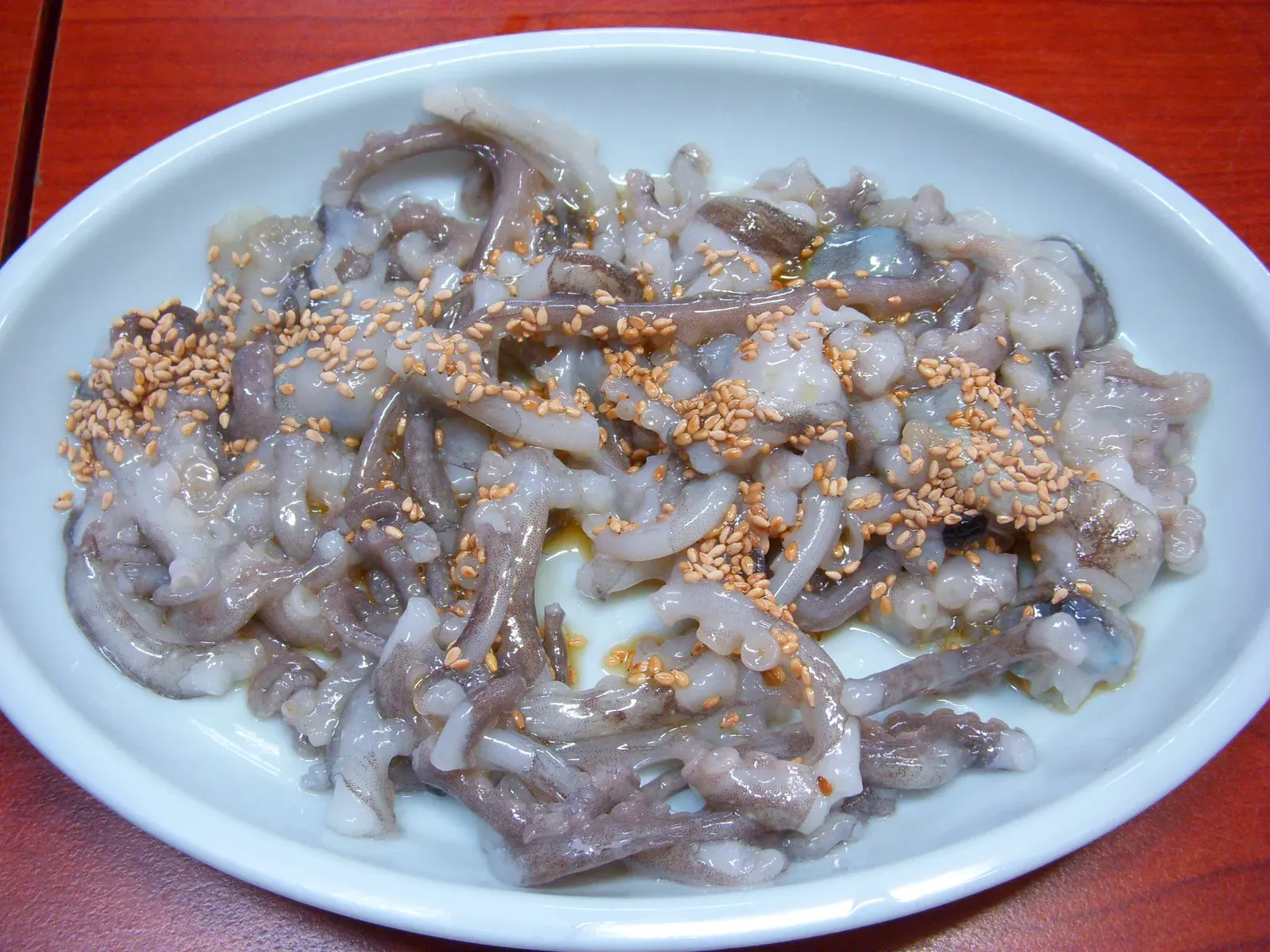
Live octopus. On your plate. Still squirming. Sannakji is a dish of “live” octopus, where a small octopus is chopped into pieces and served immediately, still squirming on the plate. Because the octopus’s nervous system is so complex, the tentacles continue to move and the suction cups remain active even after being detached. This makes it a high-risk meal, as the suckers can stick to the diner’s throat and cause choking if not chewed thoroughly.
It is a thrilling culinary experience that is less about the mild flavor and more about the strange, pulsing sensation in your mouth. Let’s be real, this is basically an adrenaline sport served on a ceramic plate. The flavor of sannakji is actually quite mild, similar to other seafood. It’s the texture, the movement, the sheer aliveness of it that makes this dish unforgettable.
Koreans have eaten sannakji for generations, viewing it as a delicacy that demonstrates freshness in its most literal sense. Restaurants in Seoul that serve this dish are packed with both locals and adventurous tourists. If you try it, and some travelers do, every single source agrees on one thing: chew thoroughly. This is not the moment for distraction.
7. France’s Unfinished Plate Rule: Leaving Food Is a Compliment
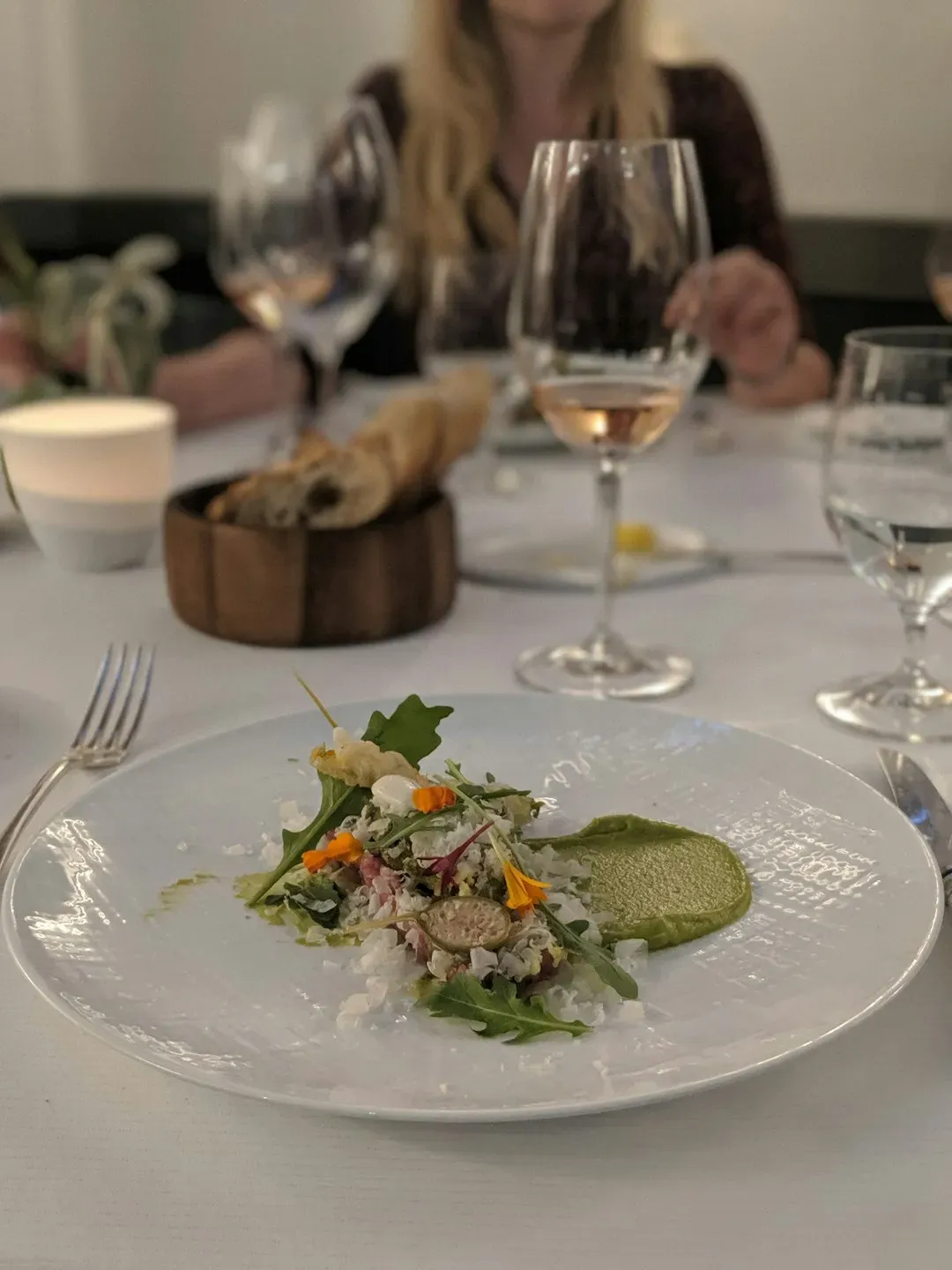
Most of us were raised with the instruction to finish everything on our plates. In France, doing exactly that can actually be considered rude. Strangely, in France, it is best to leave a little food on your plate rather than clear it completely. An empty plate can be taken as a sign that the host didn’t serve enough! So the polite move is to leave a small amount behind, signaling contentment rather than the suggestion that you were half-starved.
In France, it is best to leave a little food on your plate rather than clear it completely. An empty plate can be taken as a sign that the host didn’t serve enough. This is the kind of rule that catches travelers completely off guard. The instinct to be polite and eat everything actually reads as the opposite of politeness in a French dining setting. Context, it turns out, changes everything.
It’s a fascinating inversion that reveals how deeply cultural our ideas about food etiquette really are. What one society reads as gratitude, another reads as a silent criticism. For visitors used to cleaning their plates as a sign of appreciation, the French dining table offers a genuinely humbling cultural lesson. And probably a few extra bites of bread to mop things up before remembering the rule.
8. The Maasai Tradition of Drinking Cow’s Blood

The Maasai people of Kenya and Tanzania are one of East Africa’s most recognized cultural groups, and their relationship with cattle goes far beyond farming or food. Historically, drinking the blood of cows helped travelling tribespeople cross the vast deserts of Africa when food and water were in short supply. The warriors of the Maasai tribe still practice this ritual today, either as a delicacy mixed with milk or directly from the veins of the cow. The cow isn’t usually killed, however exceptions are made at big ceremonies where the animal is passed around.
Milk is used by the Maasai for tea, butter and simply as a drink, while blood is drunk raw, cooked and often combined with milk. The Maasai cut the artery of the cow so precisely that the act of taking blood doesn’t even kill the animal, thus preventing the loss of what is a highly-valued animal in their culture. Blood is a frequently enjoyed ritual drink at Maasai weddings, though at major ceremonies the unfortunate cattle in question is usually killed.
The Maasai people see great value in the blood of cows, and it’s noted that when it’s available, every growing child, or pregnant or lactating woman receives a daily ration of raw blood. From a purely nutritional standpoint, this is actually a remarkably efficient system. Cattle provide milk, blood, and eventually meat, all without needing slaughter for routine nourishment. The tradition is rooted in survival logic that the modern food system has simply never had to grapple with.
9. Scotland’s Haggis: A National Dish That Most Outsiders Can’t Quite Believe
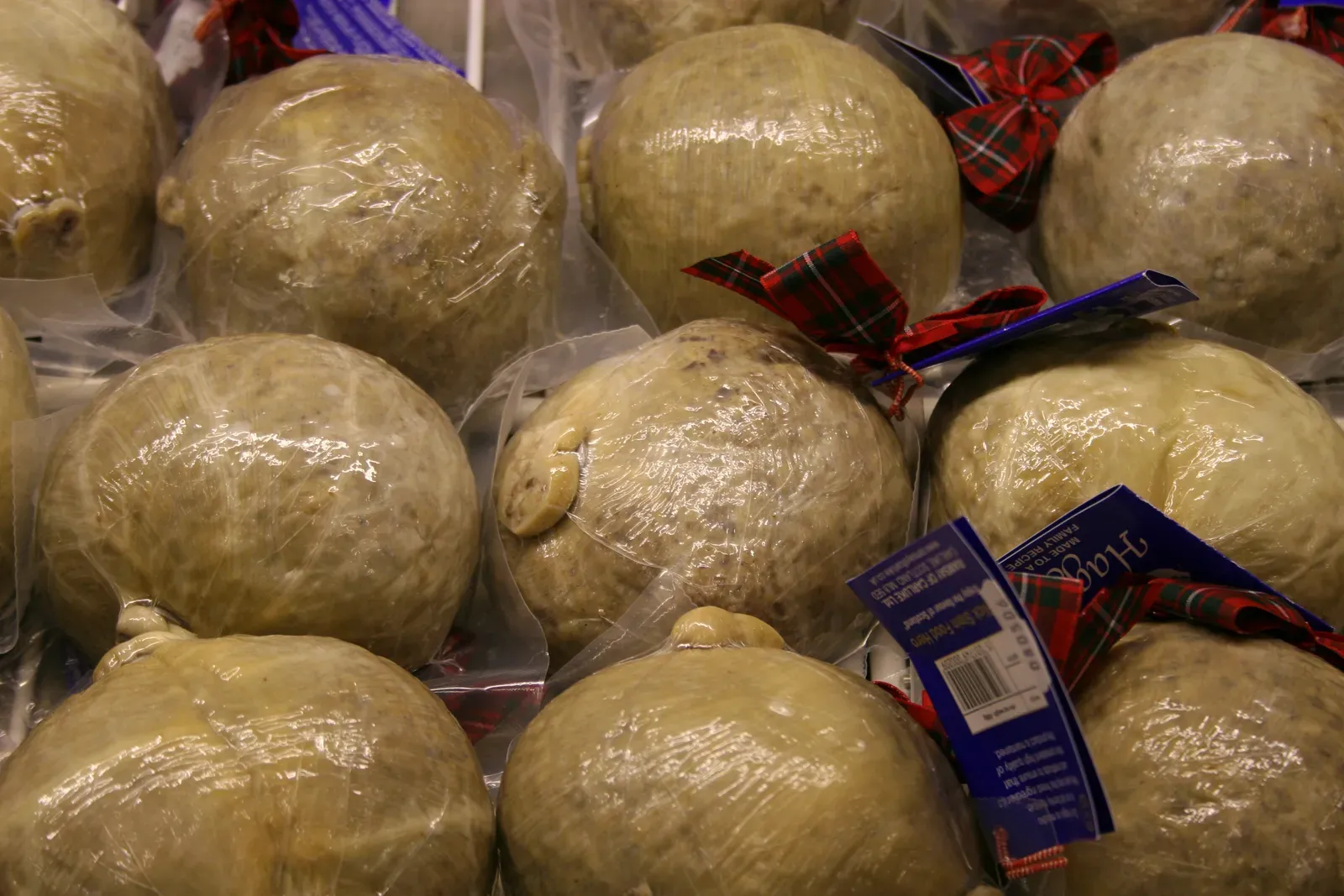
It is Scotland’s most famous dish, declared a national symbol, celebrated with poetry and fanfare every January 25th. Scotland’s national dish is a hearty pudding made of a sheep’s “pluck” (the heart, liver, and lungs) minced with onions, oatmeal, suet, and spices. Traditionally, this mixture is encased in the animal’s stomach and simmered for several hours until it becomes a rich, crumbly meal. It is famously celebrated by the poet Robert Burns and is the centerpiece of “Burns Night” dinners across the world.
This traditionally stuffed-into-a-sheep’s-stomach dish dates back to the 1400s and is served as a main course on Robert Burns Day. That is over 600 years of loyal, enthusiastic consumption. Whatever you think about the ingredient list, that kind of staying power commands a certain respect. Haggis has outlasted empires and food trends alike.
For most international travelers, the ingredient list reads like a dare. Yet those who actually try it are often surprised. The oatmeal gives it a hearty, almost nutty texture. The spices add warmth. The organ meats, once cooked, mellow into something deeply savory and filling. I think the lesson here is universal: what sounds strange on paper can be genuinely wonderful on the palate, if you’re willing to take the leap.
Conclusion
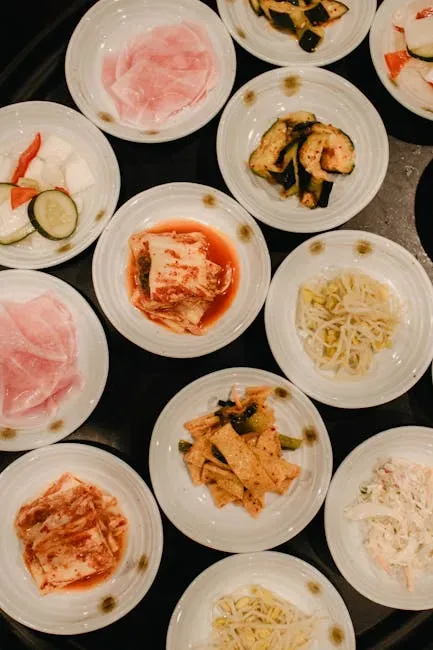
Every one of these traditions, from the death-defying thrill of fugu to the loving gesture of gursha, tells us something important: food is never just food. It carries history, values, survival stories, and love wrapped up in every bite. The things that strike us as strange are usually just unfamiliar, and unfamiliarity is one of travel’s greatest gifts.
The world’s food traditions are not fading away either. Many of them are thriving, adapting, and drawing more curious travelers than ever before. Which one surprised you the most? Share your reaction in the comments below.