
Most of us trust the grocery store. We grab what we need, toss it in the cart, and assume the price at the register matches the one on the shelf. Honestly, that assumption is costing millions of shoppers real money every single week.
Between expired sale tags, weight fraud, shrinking packages, and now AI-powered pricing that changes based on who you are, the modern grocery store has quietly become a minefield. You don’t have to be paranoid to protect yourself. You just have to know where to look.
Table of Contents
1. Sale Items: The Expired Tag Trap
Here’s the thing most shoppers never notice: the price on the shelf and the price at the register are not always the same. A landmark investigation by Consumer Reports, working with The Guardian and the Food & Environment Reporting Network, looked into reports of widespread pricing errors after Kroger workers in Colorado raised the alarm. Shoppers found expired sales labels that led to customers being overcharged for more than 150 grocery items, including beef, salmon, cereal, dog food, instant coffee, and cold and flu medications.
The average overcharge was $1.70 per item, or roughly 18 percent above the advertised sale price. That may sound like pocket change. Add it up across a full weekly shop, multiply it by 52 weeks, and you’re looking at a serious hole in your budget.
A third of the expired sale labels found during the investigation were at least 10 days past their end date, which makes it hard to write this off as a simple clerical slip. Some stores have as many as 15,000 discount tags hanging at any one time, and when staffing gets cut, nobody has time to update them all.
In 2024, Albertsons paid almost $400 million to settle a lawsuit accusing it of overcharging customers at hundreds of Albertsons, Safeway, and Vons supermarkets across California. This is not a fringe issue. It is an industry-wide pattern, and everyday shoppers are quietly absorbing the cost.
2. Meat and Seafood: You May Be Paying for the Tray
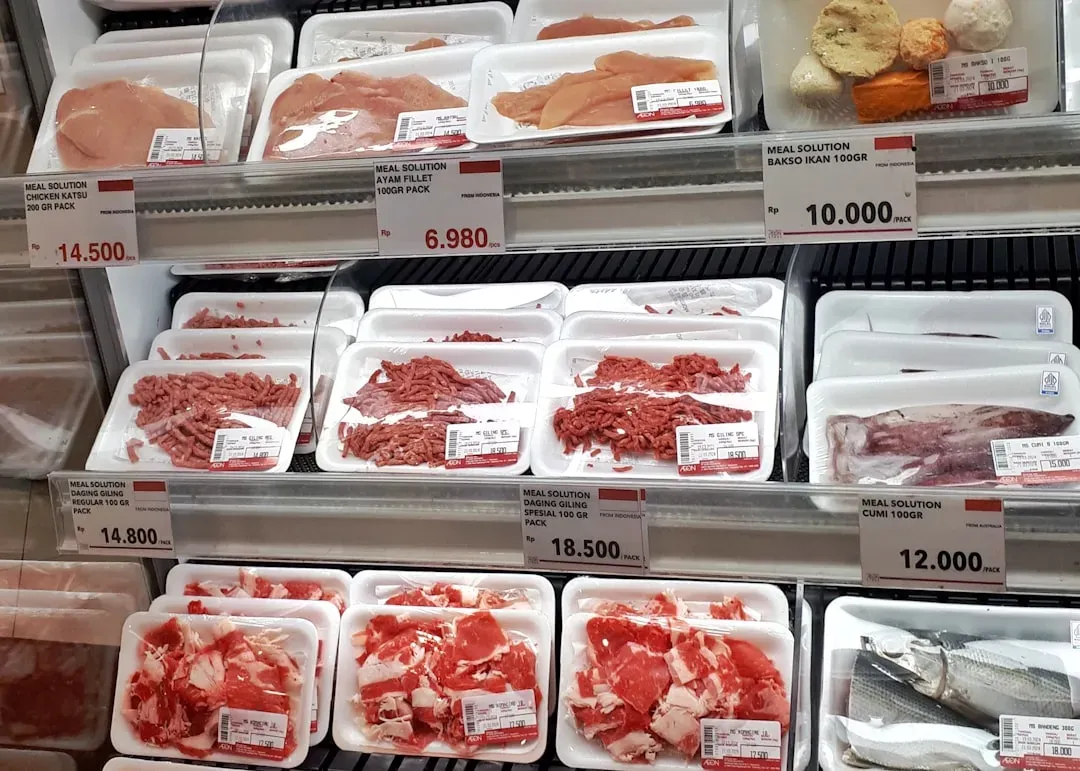
Buying a steak or a chicken breast seems straightforward enough. The weight is printed right there on the label. The problem? That weight sometimes includes the packaging. A whistleblower case in Canada revealed that a major grocery chain sold underweight meat across 80 stores in Western Canada, with the plastic packaging weight being factored into the price tag.
In 2024, Walmart settled a class action lawsuit for $45 million due to weight fraud. That same year, Albertsons agreed to a $3.9 million settlement over allegations of fraudulent charging practices related to the false weight of certain products.
In California, authorities filed 62 criminal charges against Ralphs Grocery, owned by Kroger, with one allegation being that stores charged customers for the weight of ice coating their seafood. Not the seafood itself. The ice on the seafood. I know it sounds crazy, but the evidence says otherwise.
Calculated overcharges per item in documented cases ranged from four to eleven percent, suggesting that grocers selling underweighted meat is a prevalent and ongoing problem, particularly at a time when shoppers are already struggling with high food prices. Always weigh your packaged meat at home when possible, and keep your receipts.
3. Cereal and Breakfast Items: The Shrinking Box Scam
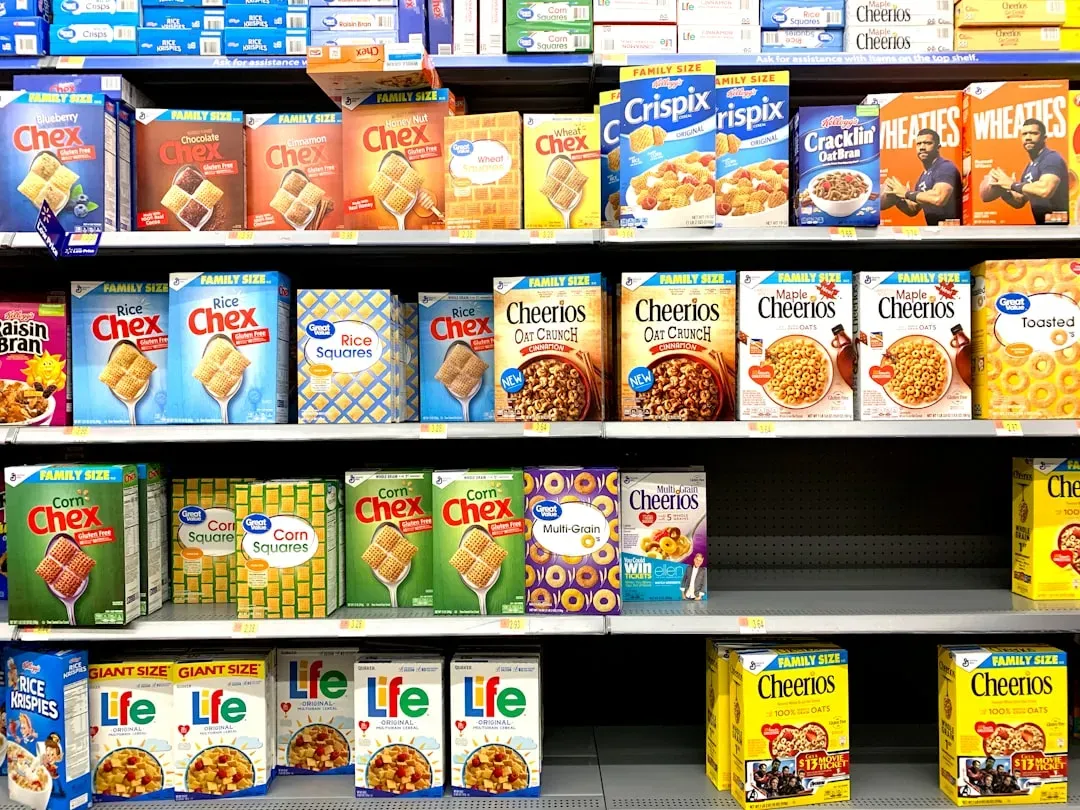
Think about your favorite cereal box. It looks the same size as always, right? The price feels about the same too. Shrinkflation, also known as product downsizing, occurs when manufacturers decrease the quantity of an item without a corresponding price drop. Sometimes the price doesn’t change at all, and sometimes it drops slightly, but the per-unit price is still higher than before.
Breakfast foods had the second-highest rate of shrinkflation, with roughly 44 percent of tracked items now sold in smaller portions. Family-sized Frosted Flakes, made by Kellogg’s, shrank from 24 ounces to 21.7 ounces, resulting in a 40 percent increase in per-ounce pricing.
About three quarters of Americans have noticed shrinkflation at their grocery store, and among those who noticed, nearly half have abandoned a brand because of it. That reaction makes sense. Nobody likes being deceived, even subtly.
Consumers typically do not notice subtle packaging changes, and in the United States, companies are not legally required to advertise that a product has been downsized, making it particularly difficult for budget-conscious shoppers to track. Your best defense is checking the price per ounce on the shelf tag every single time, not just the total price on the box.
4. Snacks and Candy: Smaller Bags, Same Price
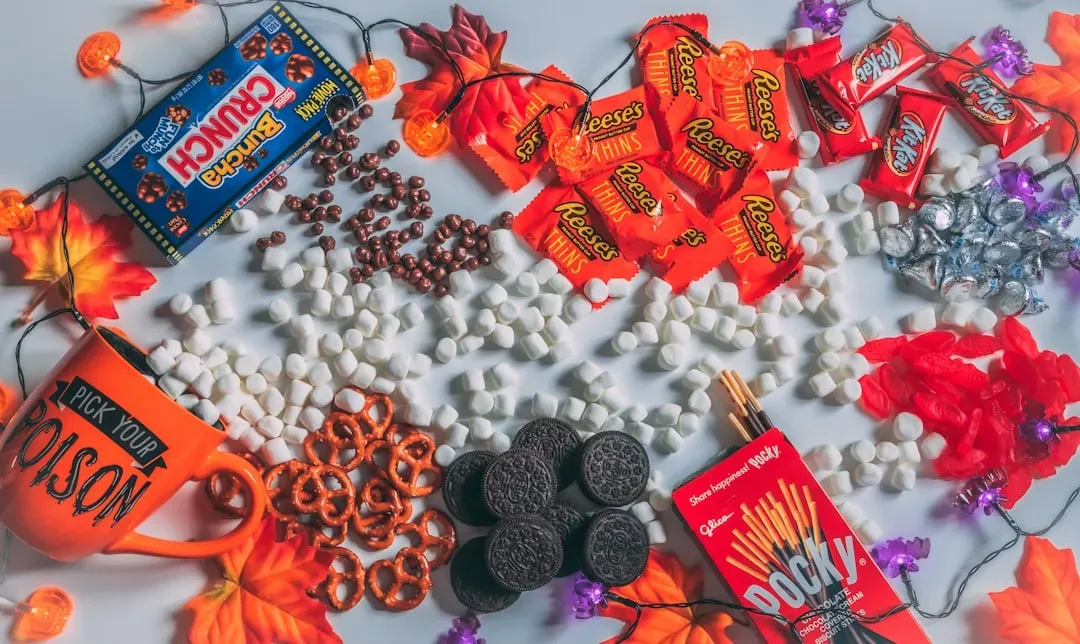
Snack aisles are quietly one of the worst offenders when it comes to shrinkflation. The bags look similar, the branding hasn’t changed, but there’s genuinely less inside. About 38 percent of candy items are now sold in smaller amounts, including party-size Reese’s Miniatures, which went from 40 ounces down to 35.6 ounces, and party-size milk chocolate M&Ms, which dropped from 42 ounces to 38 ounces.
Party-size Cheetos, made by Frito-Lay, shrank to 15 ounces from 17.5 ounces while its per-ounce price rose from 17 cents to 40 cents. That is more than a doubling of the per-unit cost, disguised by packaging that looks nearly identical.
Shrinkflation effectively drives up to roughly 10 percent of grocery price inflation overall, and up to 38 percent of snack items have seen their price per unit increase. The math adds up fast when you’re buying snacks for a family on a weekly basis.
Shrinkflation is subtler than raising the sticker price because consumers react more negatively to overt price rises than to slightly smaller products. Food business analysts note that companies increasingly rely on stealth reductions or ingredient changes to protect their margins. Let’s be real, it is a deliberate strategy, not an accident.
5. Eggs: Price Gouging Under Investigation
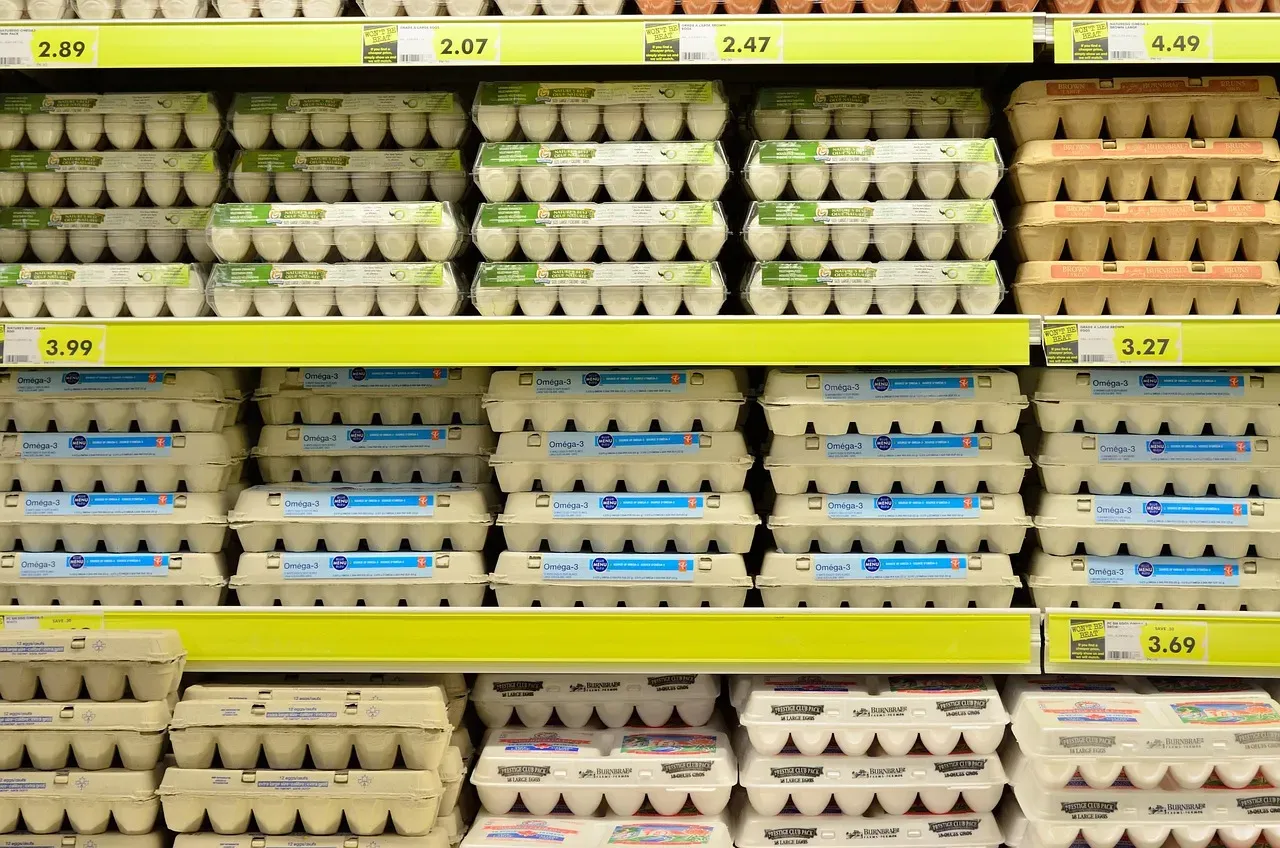
Few grocery items have caused as much outrage in recent years as eggs. Prices have swung wildly, and the explanation from industry groups has never quite added up. Egg prices have doubled since January 2024 and have skyrocketed over the last year. That is a staggering increase for one of the most basic staples in any household.
The Justice Department launched an early-stage investigation into major egg producers over soaring egg prices, with investigators looking into whether egg companies were sharing information about supply and pricing, possibly contributing to price increases.
One major egg company, Cal-Maine Foods, reported that its gross profits were up 342 percent through the second quarter of fiscal 2025 compared to the previous year – a surge that has remained part of the broader conversation around egg pricing into 2026. During the last major spike in bird flu from 2022 to 2023, the company also more than tripled its gross profit year over year.
The USDA projected that egg prices would increase by nearly 25 percent throughout 2025, a surge that has continued to shape grocery costs into 2026. When you grab a carton of eggs at the checkout, it is worth knowing that the price you’re paying has attracted the attention of federal antitrust investigators. You’re not imagining it.
6. Coffee: Shrinking Cans and Rising Costs
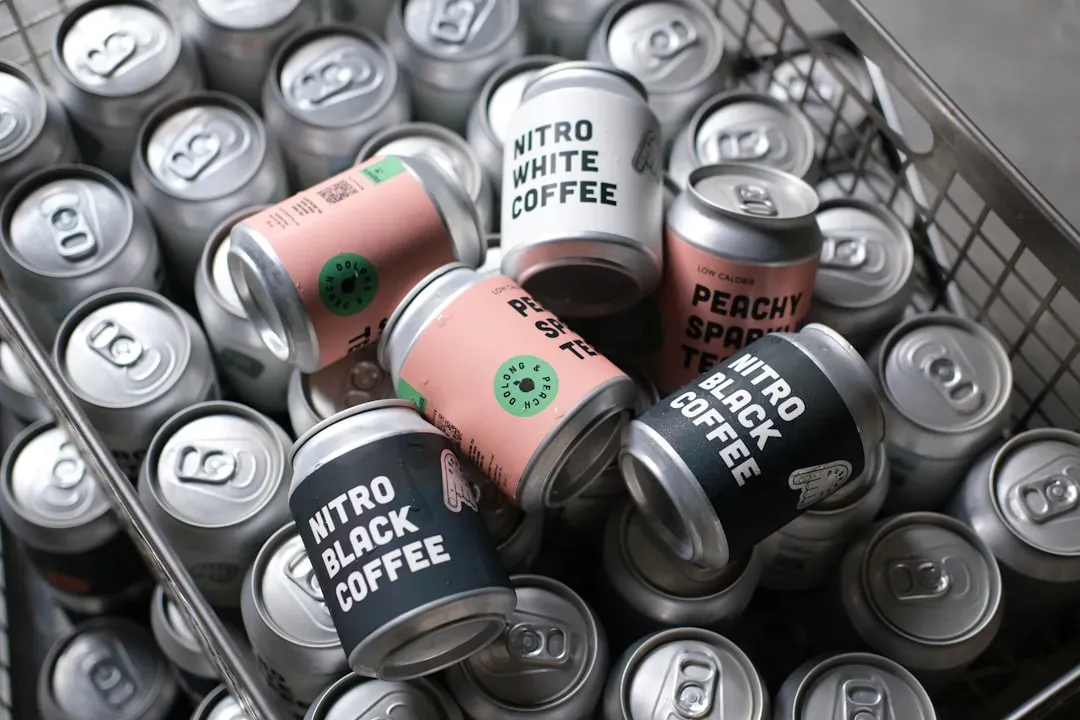
Coffee is the kind of item most people buy on autopilot. Same brand, same shelf, same routine. Which is exactly why it has become such an easy target for both shrinkflation and shelf-price manipulation. Coffee saw average per-unit price increases of up to 32 percent due to package downsizing alone, according to data confirmed by the U.S. Government Accountability Office.
Coffee packages across multiple national brands have been reduced from 12 ounces down to 10.5 ounces, with prices remaining the same or increasing slightly. It is a quiet but significant hit to your weekly budget, especially for households that go through several bags or cans a month.
Expired discount tags were found on everyday products including Nescafé instant coffee during the Consumer Reports investigation of Kroger-owned stores. So coffee buyers face a double threat: smaller packages priced the same as before, plus potential overcharges at the register if sale tags have expired.
Think of it this way. If you buy coffee every week and the package silently shrank by about 12 percent while the price stayed the same, you’re effectively buying one less bag every two months without ever being told. Over a year, that adds up to real money. Always check the price per ounce, not just the sticker total.
7. Online Grocery Orders: The Algorithmic Pricing Problem

Here’s a scam most people haven’t even heard of yet. If you shop for groceries online or through a delivery app, the price you see may not be the same price someone else sees for the exact same product. In December 2025, a detailed study by Groundwork Collaborative and Consumer Reports showed that Instacart was varying prices for the same product, with some shoppers seeing prices up to 23 percent higher for the exact same products in the same store at the same time.
In January 2025, the Federal Trade Commission released initial findings from its surveillance pricing market study, revealing that a wide range of personal data, including precise location, demographic data, search history, and even mouse movements, is frequently used to set individualized consumer prices for the same goods and services.
The experiment revealed that these price differences could translate to $1,200 per year in additional costs for a typical family of four. That is not a rounding error. That is a significant annual financial hit, invisible and automatic.
Following the study’s publication, Instacart announced it was ending all “item price tests” but suggested that its partners, including grocery stores and food brands, could continue to test different types of promotions and discounts for customers on the platform. In other words, the practice has not fully stopped. If you shop online for groceries, compare prices across apps and always cross-check with the store’s own website before placing your order.
What You Can Do Right Now
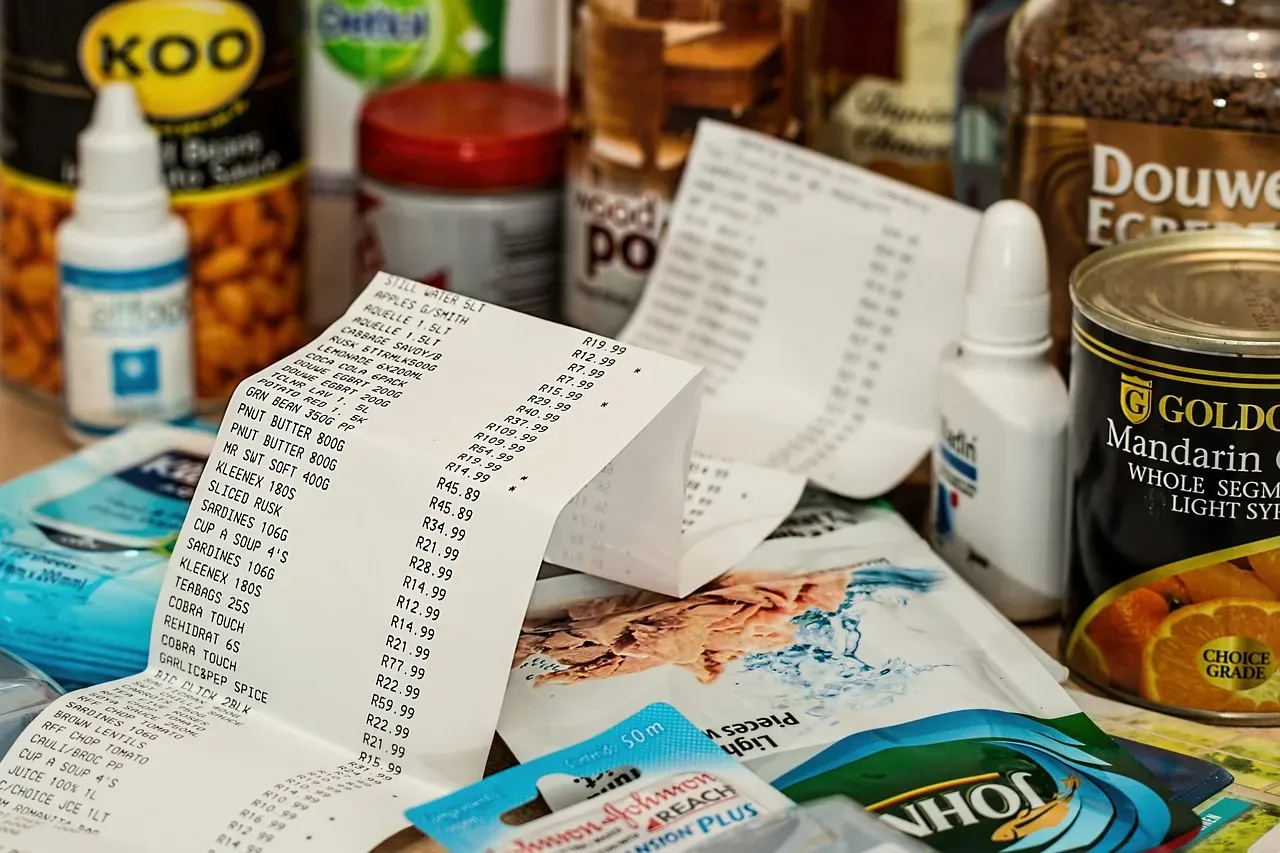
The single most effective thing you can do is watch your receipt, every single time. Consumer protection inspectors across the U.S. conduct periodic, unannounced inspections of price-scanner systems to check for accuracy between advertised prices and what actually rings up at the register, and a store with more than a 2 percent error rate on overcharges triggers a mandatory follow-up inspection. That threshold exists because errors are expected. It just means the problem is built into the system.
Scanner errors across all retailers cost American consumers an estimated $1 billion to $2.5 billion every single year. You are not being overly cautious by checking your receipt. You are being smart.
Most states require stores to refund you the difference if something rings up higher than advertised, and some states go further. Michigan, for instance, requires stores to pay ten times the overcharge amount, with a minimum of $1 and a maximum of $5 per item.
It is hard to say for sure how much the average household is losing each year to these combined tactics. But the evidence, from federal investigations to class-action lawsuits to independent watchdog reports, all points in the same direction. The grocery store is not always the neutral place we assume it to be. Paying attention to what is actually in your cart, and what it actually costs, is no longer optional. What do you think about it? Have you noticed any of these issues at your local store? Share your experience in the comments.