
Eating out used to feel like a treat – a no-brainer splurge that paid off in pleasure. Now, with wallets tighter and expectations sharper than ever, diners are rethinking every single item they tick off on a menu. The math is becoming harder to ignore.
Only about one in four consumers feels restaurant prices are at a fair level today. A vast majority of Americans say menu prices have risen considerably in the past 12 months, and more than two thirds of those who’ve cut back on dining out cite price increases as the direct reason. In other words, people are getting pickier. They’re scanning menus looking for value – and what they’re finding on too many of those lists is a whole lot of dishes that simply aren’t cutting it anymore. Let’s dive in.
Table of Contents
1. The Basic Omelet at Brunch Spots
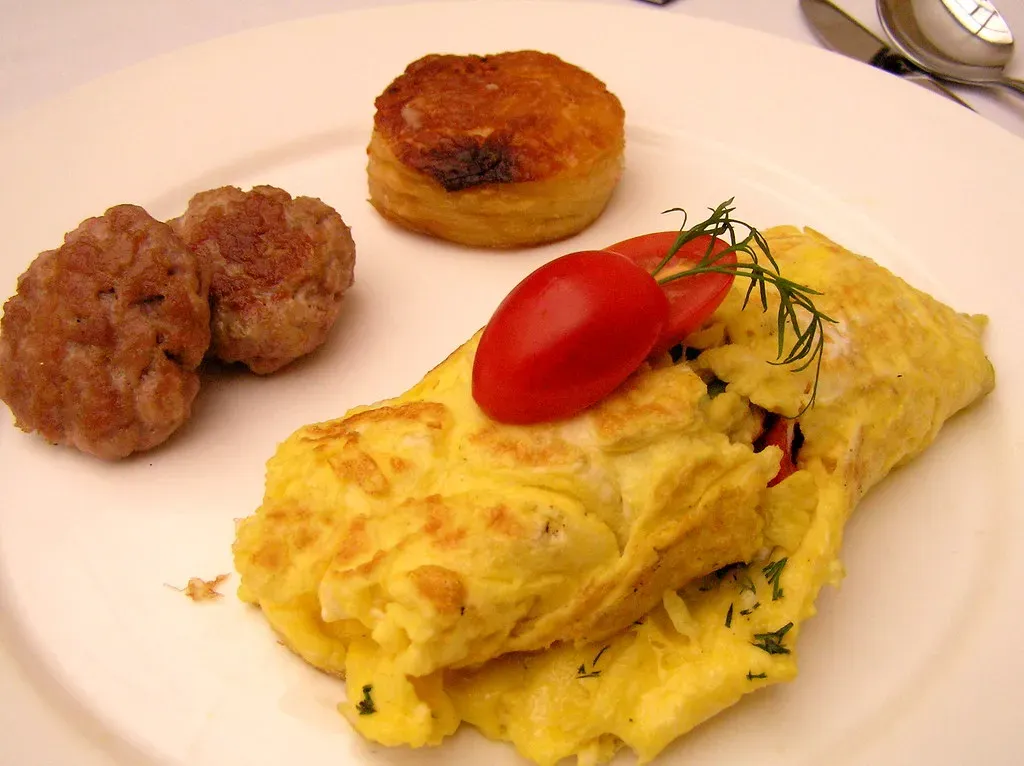
Here’s the thing about eggs: they are, objectively, one of the cheapest ingredients on the planet. Yet somehow, brunching on a simple omelet at a sit-down restaurant has quietly become an expensive ritual that many diners are starting to resent. Eggs cost roughly $0.30 each on the market, but restaurants capitalize heavily on weekend brunch crowds who don’t want to cook or clean up themselves.
These simple dishes come with not-so-simple prices – one San Francisco restaurant charges around $17 for a basic omelet with potatoes and toast, ingredients that likely cost the kitchen under $4. That’s a markup that would make any accountant flinch. Honestly, unless the kitchen is doing something genuinely creative with that egg – think truffles, crab, smoked salmon – you’re essentially paying a small fortune for something you could whip up in ten minutes at home.
2. Pre-Made Chain Pasta Dishes
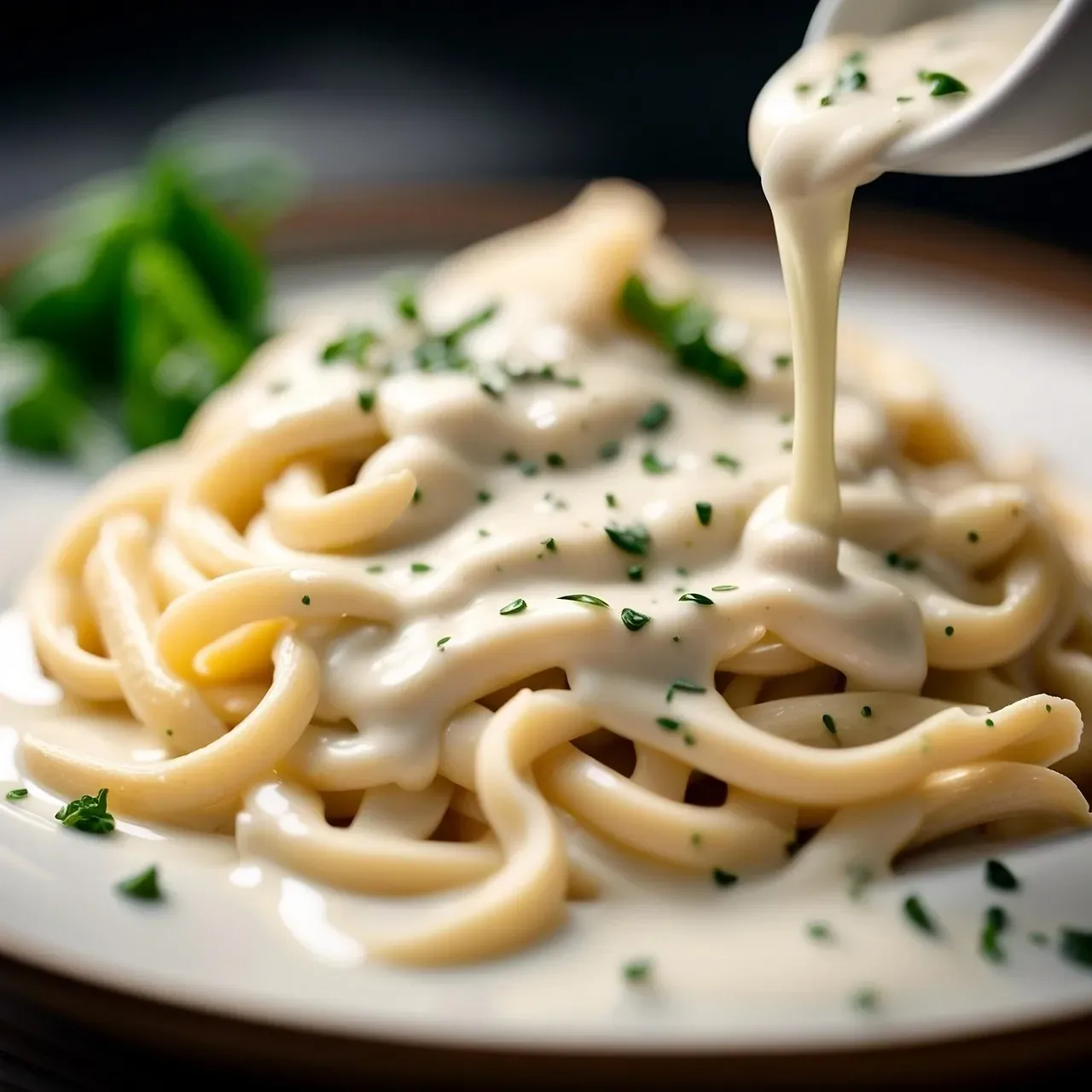
Pasta is comforting, filling, and deeply beloved. It is also, at most chain restaurants, one of the most absurd value propositions on the entire menu. Pasta is simple to prepare at home, and many diners consider it a restaurant ripoff – with local Italian places charging around $10 for their simplest pasta dish while the exact same meal can be made at home for under $1.
When it comes to pasta specifically, the real concern is not about fresh, authentic, handmade pasta from a genuine Italian kitchen – it’s about bulk-buy, pre-made pasta sold at chain restaurants and inauthentic spots. Think about that the next time you’re tempted by a $22 fettuccine alfredo at a strip-mall Italian chain. You’re paying for the lighting and the background music, not the noodles.
3. Side Rice Dishes
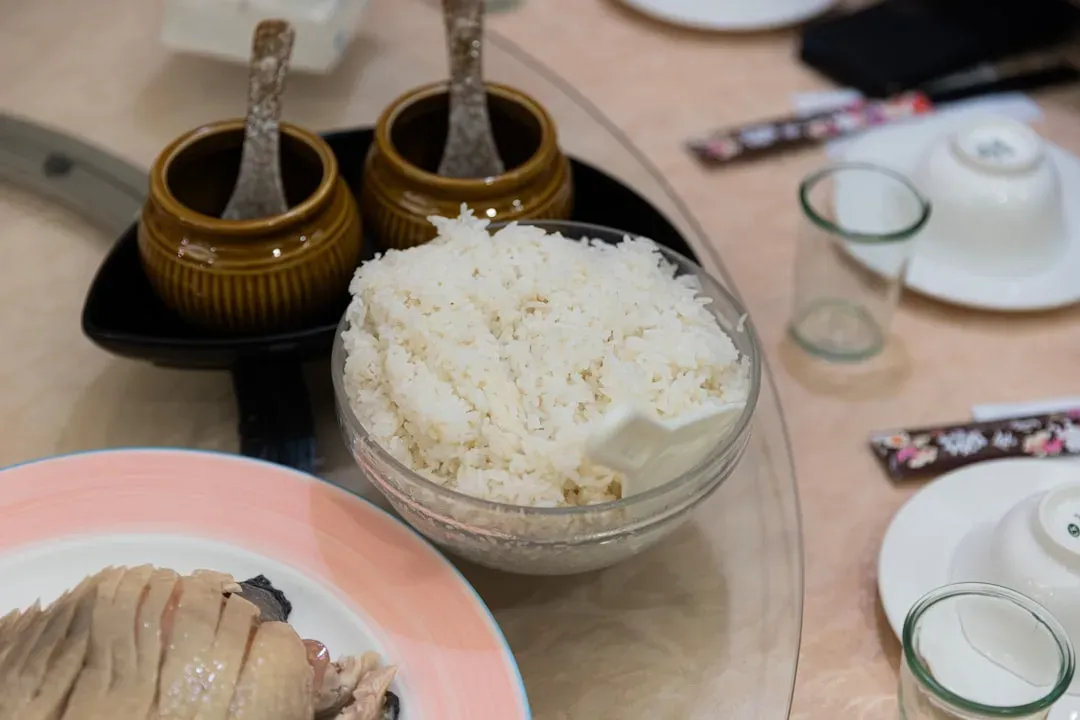
Few things on a restaurant menu represent a greater disconnect between ingredient cost and plate price than a side of plain rice. Rice is one of the cheapest items in any pantry, and a whole grocery store bag costs less than a single restaurant serving – with two full pounds available at major retailers for under $2, while diners routinely pay $3 or more for a single serving at a restaurant.
Some meals genuinely aren’t the same without rice, which is why many diners feel it should simply be included in the dish’s base price. Indian and Thai curries, for instance, need a simple starch to balance them – yet some of these establishments still have the audacity to charge for it separately. Think of it like being charged extra for the plate your food is served on. It’s technically logical, but it still feels deeply wrong.
4. Restaurant Wine by the Glass
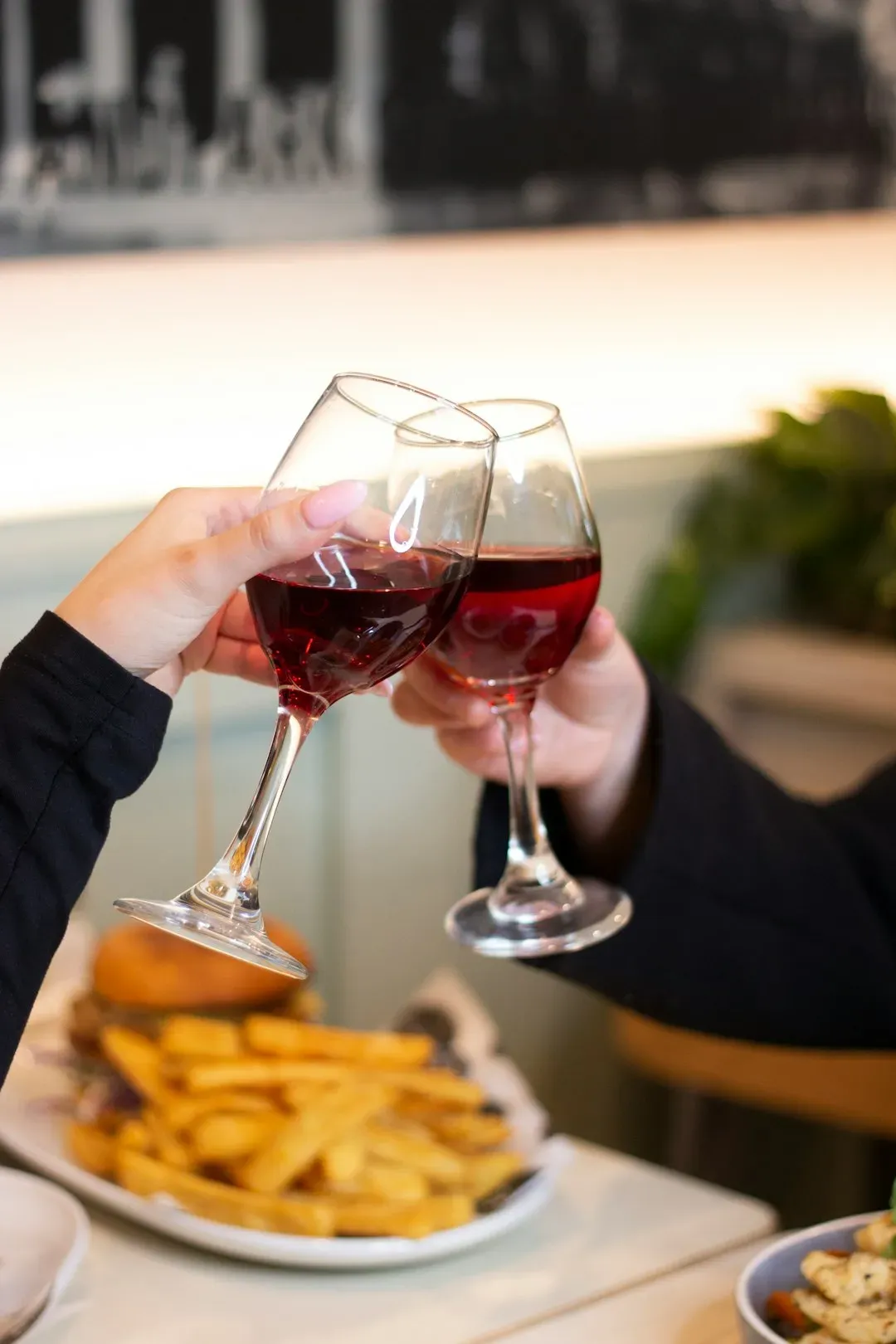
Wine lovers, this one stings. Ordering wine by the glass at a restaurant has always come with a premium, but the current gap between what you pay and what a bottle actually costs has grown to a genuinely uncomfortable size. A reasonably priced local wine bar might charge $8 per glass and $34 per bottle, while the same bottle at a neighborhood wine store sells for around $14 – meaning a single bottle in a restaurant can cost more than double the retail price, and a bottle typically pours four generous glasses.
Restaurant and takeout costs have continued to outpace grocery prices, with “food away from home” rising roughly 6 percent between January 2024 and September 2025 alone – a gap that has helped reinforce more cautious dining habits heading into 2026. That gap amplifies the pain on wine markups even further. It’s hard to say for sure at exactly what point a markup stops being reasonable and starts being a real imposition, but for many diners, a $15 glass of wine from a bottle that retailed at $12 is now firmly in the “I’ll just go to a wine shop” territory.
5. Shrimp Cocktail Appetizers
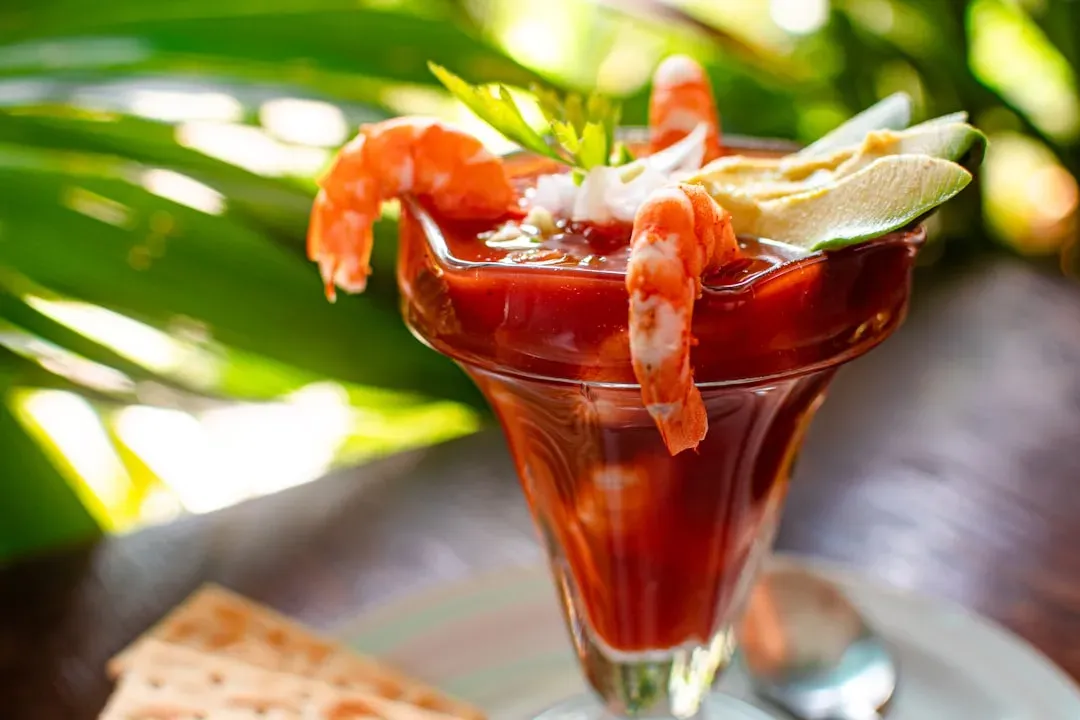
There is something almost nostalgic about shrimp cocktail. It conjures images of 1970s steakhouses and men in leisure suits feeling fancy for the first time. Shrimp cocktail was indeed a symbol of luxury dining decades ago – the image of plump shrimp hanging off the edge of a martini glass with tangy red sauce felt like dining royalty. The problem is that this retro appetizer has returned with a price tag that feels completely disconnected from what it actually is: a few cold shrimp and some ketchup-based sauce.
While the shrimp cocktail is making something of a comeback on menus, it is bringing sky-high prices with it, leaving many diners asking whether this seafood snack is actually worth the fancy feeling it promises. It’s one of those dishes where the theater of presentation costs more than the food itself. Order it at a steakhouse and you’ll pay more for six shrimp than some people spend on a full weekday lunch.
6. Bottled and Specialty Sodas
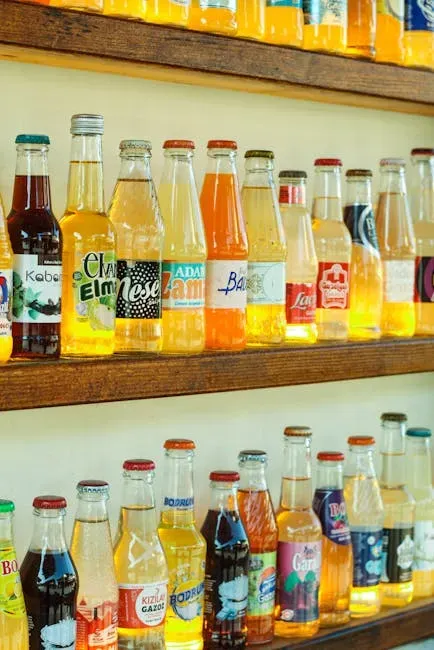
Soft drinks at restaurants have become a stealthy profit engine. A glass of juice at a local diner runs around $3.50, and soda costs roughly $2.50 per glass – while 64-ounce bottles of either can cost around $2.50 at a grocery store, making a homemade glass cost just about $0.31 compared to the restaurant’s price. That contrast is pretty shocking when you lay it out plainly like that.
Even in fast food, beverages are among the highest margin items on the menu – coffee in particular requires minimal skilled labor and simple ingredients, making it a powerful but largely hidden profit driver for operators. The upshot? Beverages are where restaurants quietly recoup margin, often on the backs of diners who don’t think twice about adding a soda or specialty juice to their order. If value is on your mind, sticking with tap water is still the most underrated move at any restaurant.
7. The House Salad
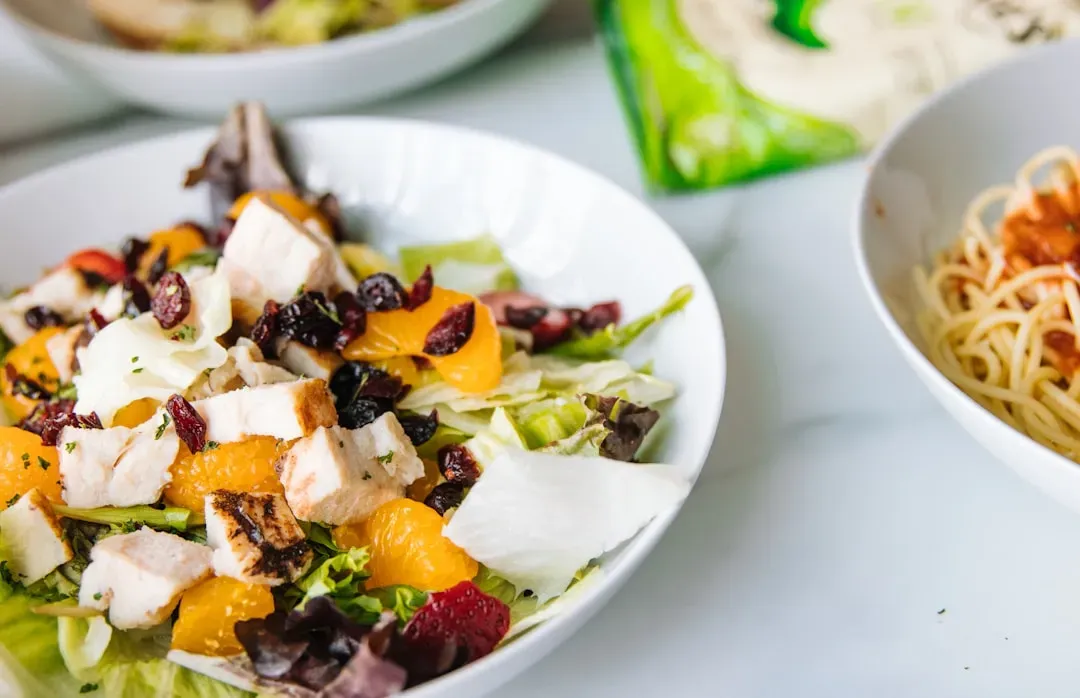
A simple veggie salad is widely regarded as one of the dishes to avoid at restaurants, especially in seasons when fresh produce is abundant and inexpensive – with a homemade version of that salad costing under $2 for all the ingredients, compared to $9 for the same thing at a local diner. That’s a roughly four-to-one price difference for something you can throw together in five minutes.
Diners are increasingly looking for menu items that are hard to make at home, higher quality proteins, and global ingredients they can’t purchase in a grocery store. A house salad is the exact opposite of that. It’s a bowl of romaine, a few croutons, and a drizzle of dressing that likely came out of a large plastic container. Kale salads and hot honey are also losing their luster as overused trends – consumers are being told to expect something that isn’t available everywhere else.
8. Plant-Based Burger Options
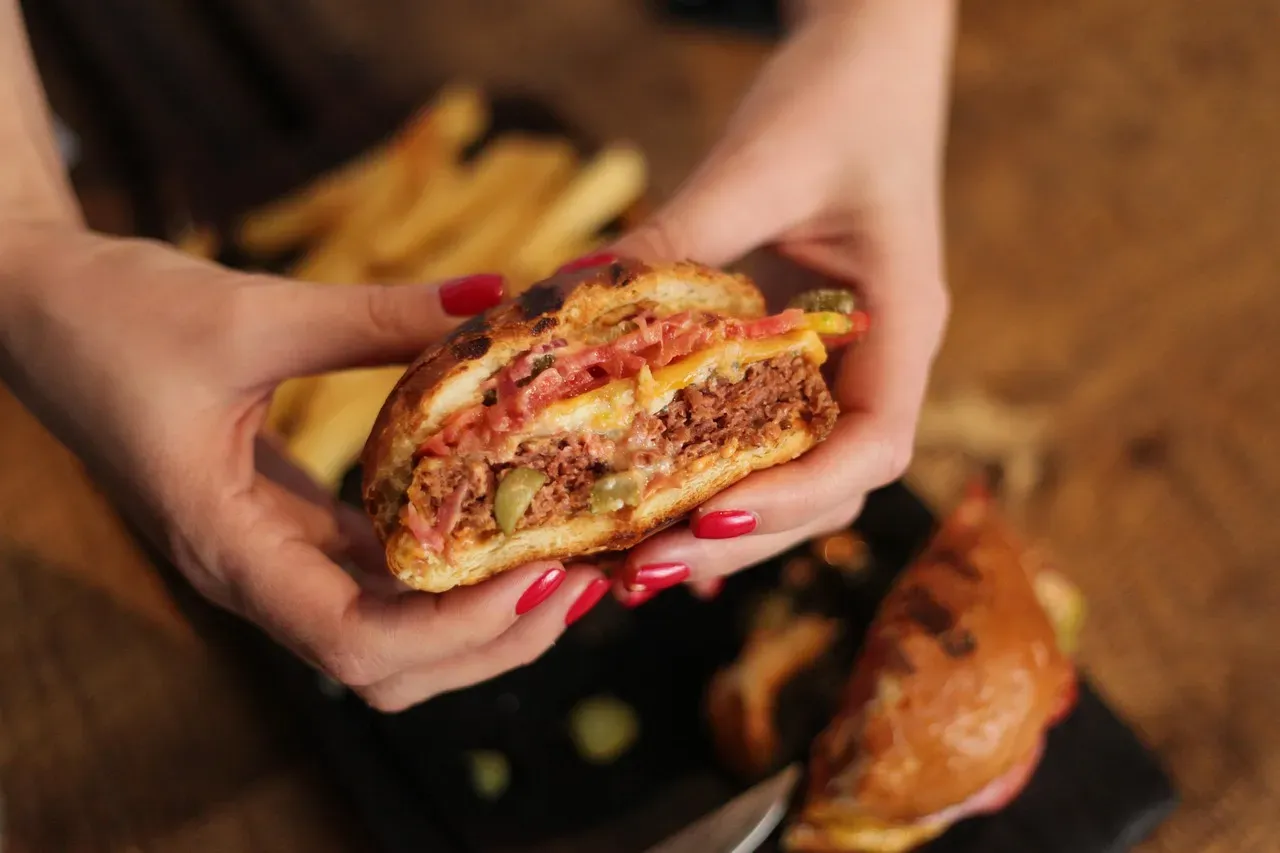
For a few years, the plant-based burger felt like the future of restaurant dining. Chains rushed to add them, diners ordered them out of curiosity, and marketing budgets went into overdrive. By 2026, that momentum has reversed with surprising speed. According to data from SPINS analyzed by the Good Food Institute, U.S. retail sales across most plant-based categories declined in 2024 even as conventional meat sales rose. Plant-based meat and seafood alone dropped 7 percent to $1.2 billion, with unit sales falling an even steeper 11 percent – signaling a clear cooling of what once looked like an unstoppable trend.
The decline was no blip. Diners tried the plant-based burger, found it underwhelming at its premium price point, and quietly went back to the real thing. The issue was never really the idea – it was the execution and the cost. Paying several dollars more for an alternative patty that doesn’t quite match the flavor or texture of a beef burger simply isn’t a trade most diners are willing to make regularly anymore.
9. Elaborate Tasting Menus at Steep Prices
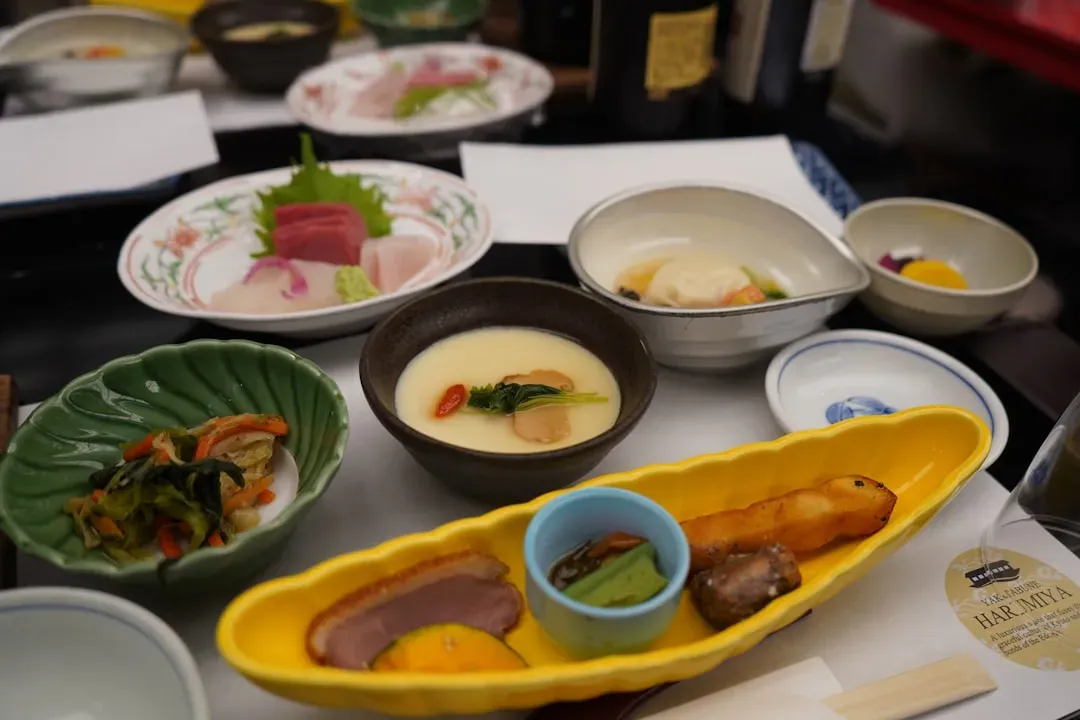
Tasting menus had their golden era, and honestly, that era may be winding down for most diners. The appeal is clear: a guided culinary journey, small portions of many dishes, chef creativity at its peak. The reality, increasingly, is a multi-hour commitment and a bill that runs several hundred dollars per person before wine. The lengthy, expensive tasting menu is under particular pressure from today’s inflationary environment – guests still want to eat out but in more rational, budget-conscious ways, and a sixteen-course dinner costing several hundred dollars per person is a harder sell when grocery bills feel punishing.
According to a report from the James Beard Foundation, 91 percent of independent restaurants raised prices in 2024 to offset rising labor and ingredient costs. Most tried to keep increases within 5 to 10 percent, though even a 15 percent hike wasn’t always enough to maintain margins – and those that pushed beyond that often saw customer traffic decline. By 2026, the ripple effects are clear. When the bill for two can reach $600 before tip, even dedicated food enthusiasts start doing the mental math. The tasting menu hasn’t disappeared, but its audience is undeniably narrowing.
10. Paid Chips and Salsa
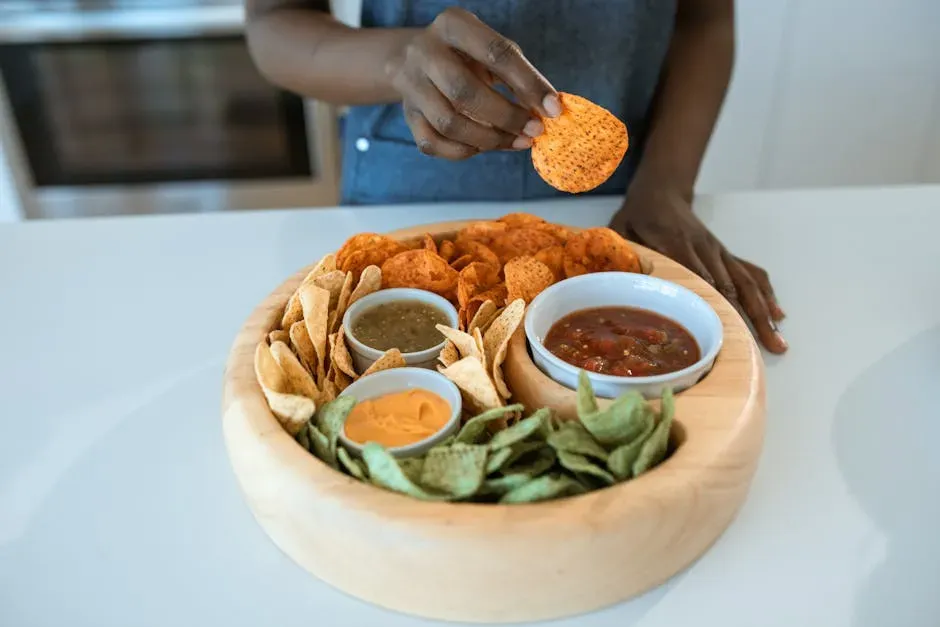
This one crosses over from “not worth it” into something that feels almost like a breach of trust. For decades, chips and salsa were the default welcome snack at many Mexican restaurants – that little basket of golden, salty tortilla triangles and a ramekin of salsa that showed up the moment you sat down was one of the quiet joys of dining out. Lately, that old tradition has started to fade as more restaurants slip a price tag onto something that used to be free.
Diners started noticing this trend right around the time the pandemic hit, when restaurants saw massive revenue decline and likely offset costs by charging for previously complimentary items – and while the pandemic is long behind us, many restaurants are sticking with the surcharge. Asking diners to pay several dollars for what used to be a complimentary snack feels like a shift in values – and for many, it’s not just about the money, it’s about the principle.
11. Full-Price Combo Meals at Fast Food Chains
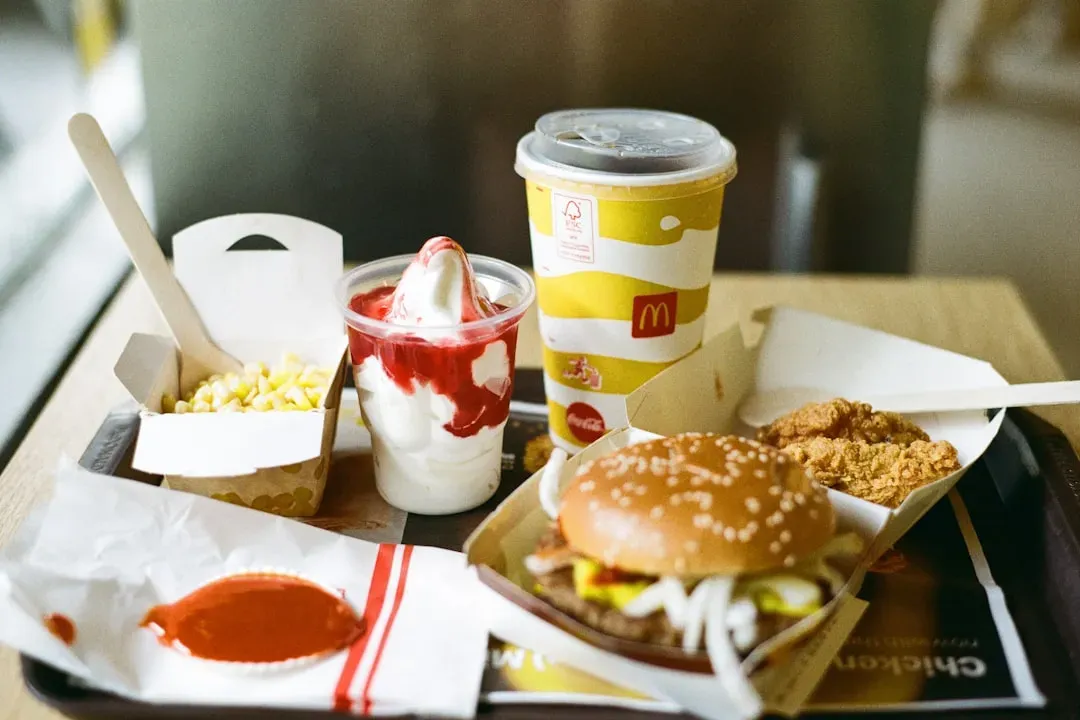
Fast food was always supposed to be the affordable option. The backup plan. The safety net when you don’t want to spend much. That idea is fading fast. To many customers, fast-food chains are downright overpriced in 2025, and the number of chains where you can find a burger for under $5 is genuinely dwindling. One report found that, between 2019 and 2024, several popular McDonald’s menu items saw an average price increase of roughly 141 percent. A single cheeseburger alone more than doubled in cost, rising from $1 to over $3 – a dramatic illustration of how fast-food prices have climbed in just five years.
Over a third of American diners say they’ve dined out less frequently in the past year, and only about one in four consumers feels that current restaurant prices are fair. Full-service restaurant average ticket sizes actually declined by more than 7 percent year-over-year in late 2024, suggesting diners are trading down or skipping extras – and Technomic data confirms that the proportion of diners choosing restaurants based on lower price points has hit a record high. The full-price fast food combo meal, once the definition of affordable convenience, now competes in a space where savvier diners hunt for deals, download loyalty apps, and wait for promotions before they’ll commit.
The Bottom Line on Today’s Menu
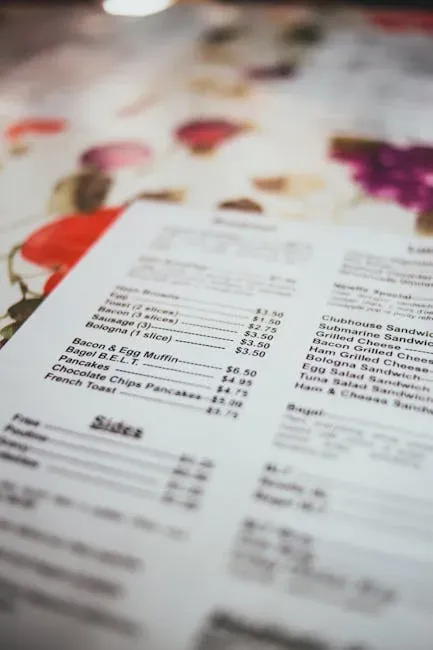
A Vericast 2024 Restaurant TrendWatch Survey found that roughly two thirds of respondents are trading down from restaurant meals to grocery store food to avoid rising costs, as restaurant food prices rose about 5 percent annually compared to just over 1 percent for grocery prices. That’s a striking gap, and it’s exactly the kind of data that makes diners think twice before ordering something that feels like a rip-off.
Average food costs and wages for restaurant workers have risen by roughly 30 percent since 2019, according to the National Restaurant Association’s 2025 State of the Restaurant Industry Report – and by 2026, those elevated costs are firmly baked into the price of nearly every dish on a menu. That context matters – restaurants aren’t always being greedy; sometimes survival is the motive. Still, among diners cutting costs, roughly 60 percent are choosing cheaper restaurants, about half are using discounts or coupons, and roughly half are simply ordering fewer items.
The menu hasn’t changed all that dramatically. What has changed is the diner sitting across from it. People are sharper, more informed, and far less willing to be swept along by a beautifully written description of something ordinary. The no-go list grows a little longer every year. What’s on yours?