
There is something almost unfair about how powerful a single smell can be. One whiff of a slow-braised pot roast or freshly baked cornbread and you’re suddenly eight years old again, standing in a kitchen that felt like the center of the universe. Grandparents had a way of cooking that went far beyond recipes. They were building memories, shaping palates, and quietly passing down a whole philosophy of food – one that many of us are only now beginning to truly understand.
In 2025 and 2026, home cooks are actively serving modern versions of their favorite vintage recipes, bridging generations and creating a shared sense of connection. These dishes remind us that food can bring comfort, connect people, and inspire – even in the most uncertain times. Let’s get into the nine dishes that did exactly that, and why they still matter so much today.
Table of Contents
1. The Sunday Pot Roast That Stopped Time
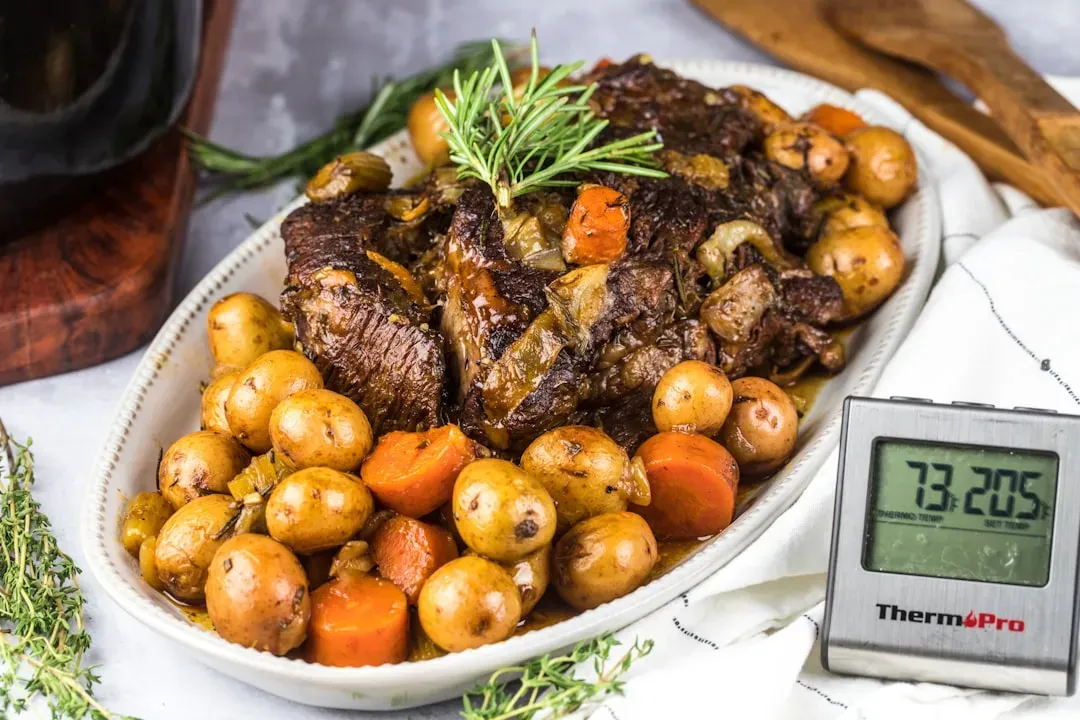
If you grew up in a household where Sunday meant something, it probably smelled like a pot roast. There was a ritual to it – the early morning prep, the whole house slowly filling with that deep, savory aroma by afternoon, and everyone suddenly becoming very interested in what time dinner was.
Pot roast has long been the kind of recipe that defines comfort food – tender, melt-in-your-mouth beef with creamy potatoes and carrots, and a rich, savory gravy that steals the show. It has been a family tradition for generations, passed down from grandmother to mother to child.
Pot roast turns patience into flavor. You sear the chuck until it’s ready, then let low heat and time work their magic. Carrots, onions, and potatoes soak up the gravy, and suddenly Sunday tastes like home again. Honestly, it’s less a recipe and more a time machine.
2. Chicken Noodle Soup That Actually Healed You
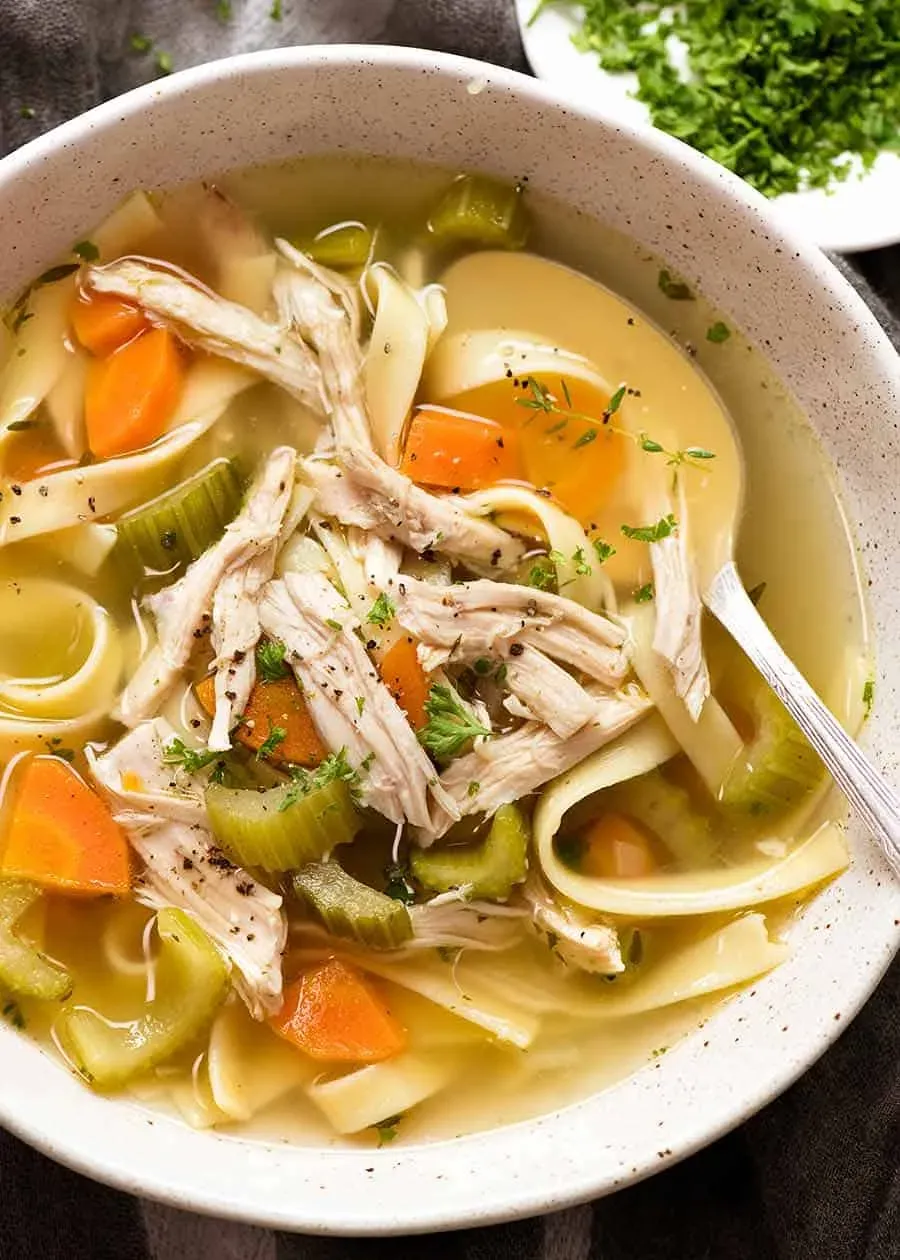
Every generation has been raised on the belief that grandma’s chicken noodle soup could cure just about anything. Sore throat? Heartbreak? Bad day at school? A bowl was on the stove before you could even finish explaining the problem. It sounds like a cliché, but there’s real science quietly backing this up.
The connection between taste and memory lies within the complex physiology of the brain. When we eat comfort foods, our taste buds send signals to our brain, triggering neurotransmitters and activating memory centers. This process allows our brain to form associations between the taste of a particular food and the emotions, experiences, and memories connected to it.
There is nothing as comforting as a bowl of homemade chicken noodle soup. This simple soup is easy to make but tastes like pure love. The broth-soaked noodles, the soft carrots, the tender chicken – it was never really about the ingredients. It was about being taken care of.
3. Meatloaf With a Ketchup Glaze That Divided Families
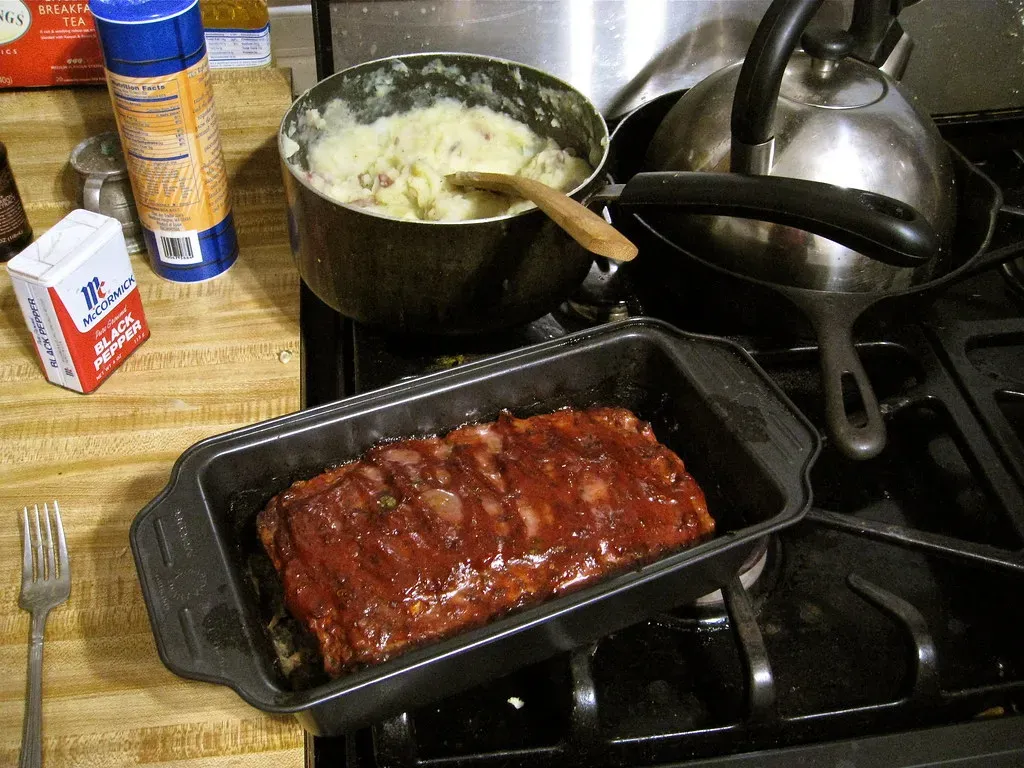
Let’s be real – meatloaf has a reputation problem. People who grew up loving it defend it passionately. People who didn’t are deeply skeptical. The funny thing is, the ones who had a good grandma’s version almost always end up in the pro-meatloaf camp for life.
Meatloaf used to feel like a weeknight obligation, yet now it is comfort on a plate. You get that sweet-savory glaze, tender slices, and the thrill of leftovers waiting for sandwiches. It is thrifty, flexible, and deeply nostalgic – exactly what busy weeks demand.
Stuffed meatloaf is comfort food at its finest, a dish that’s been winning over families for generations. The juicy beef, melty cheese center, and tangy glaze make it a dinner worth lingering over. One bite and you’ll understand why recipes like this should never fade from the family cookbook. It turns out nostalgia is a pretty powerful seasoning.
4. Homemade Cornbread That Came Out of a Cast Iron Pan
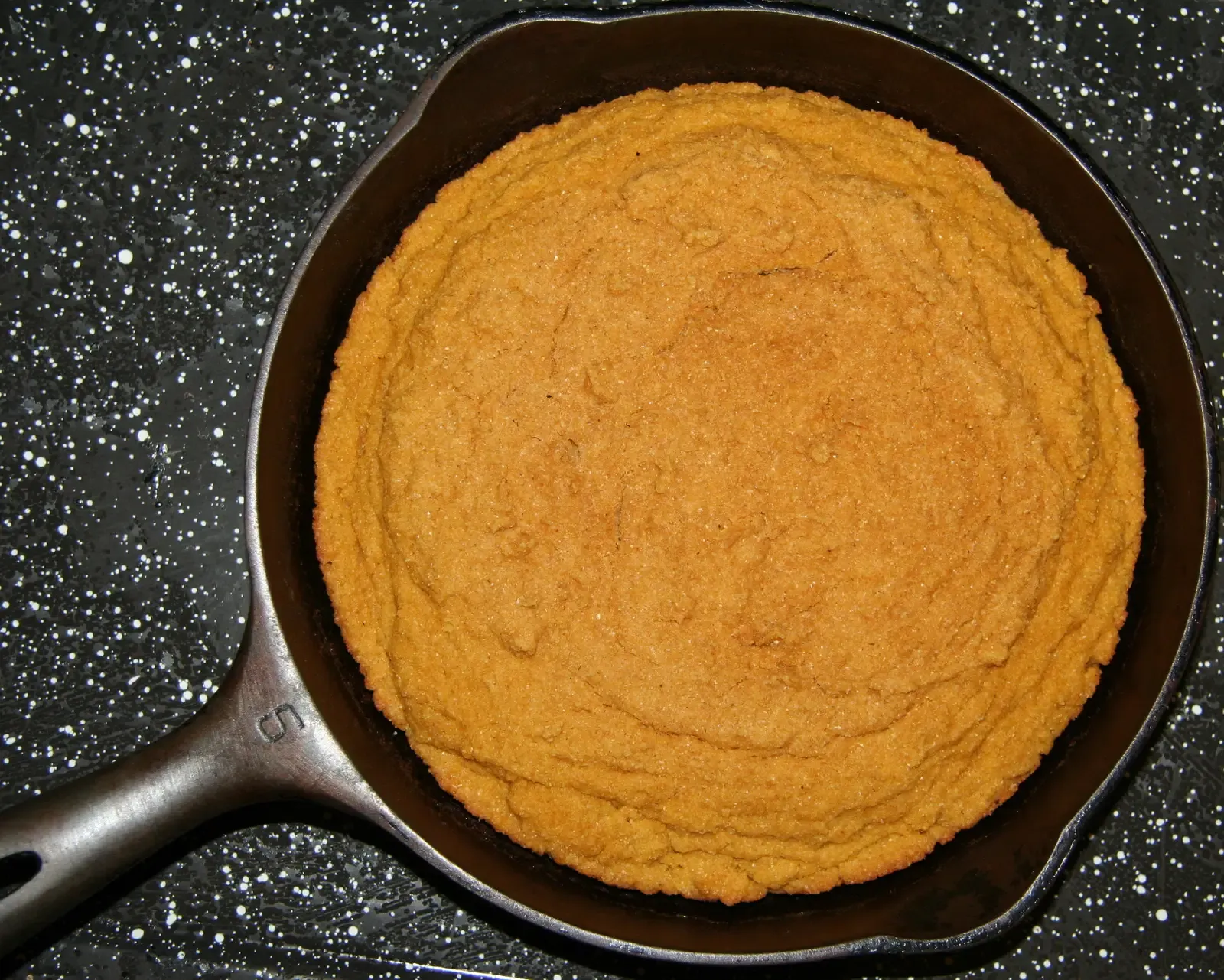
Cornbread is one of those foods that exists on a spectrum – and grandparents, depending on where they were from, had very strong opinions about which end of the spectrum was correct. Sweet or savory. Skillet or pan. This debate alone probably kept more than a few family gatherings interesting.
Cornbread is sunlight you can slice. Crisp edges meet a tender, corny center that begs for butter and honey. It is perfect beside chili, stew, or just a quiet cup of coffee. The version made in a cast iron skillet was a different creature entirely – that golden, crackling bottom crust was the stuff of legend.
Many grandmothers were devoted to pintos and cornbread as a core pairing. This combination brings warmth to the soul and is deeply filling. It’s entirely easy to have cornbread and pintos as your entire meal, and cornbread and beans remains the quintessential food of an older generation. Simple, cheap, and profoundly satisfying – that was the grandparent cooking formula in a nutshell.
5. Tuna Noodle Casserole That Fed a Crowd on a Budget
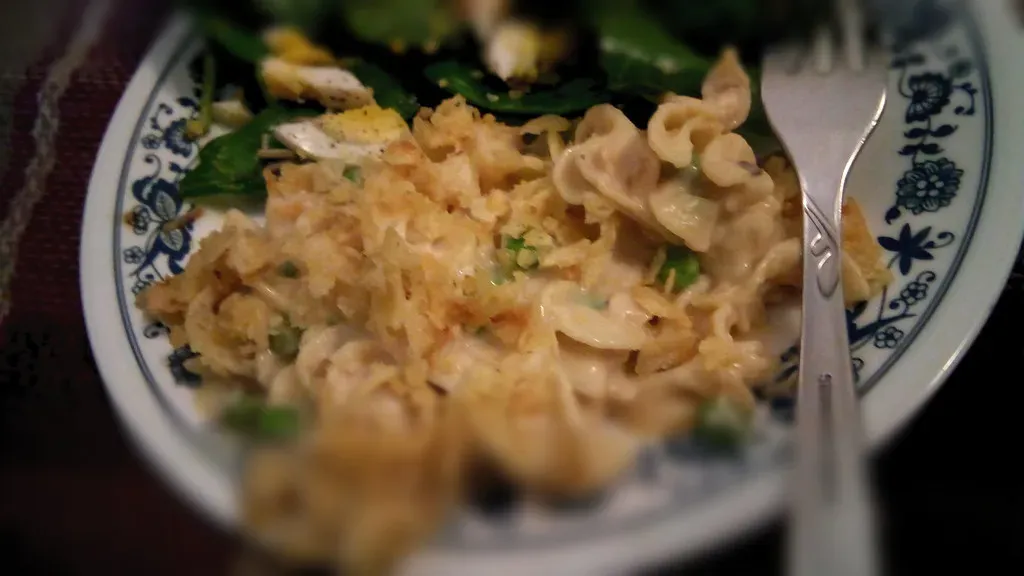
Here’s the thing about tuna noodle casserole: it was never trying to impress anyone. It was built for practicality, for large families, for the kind of Tuesday night when nobody wanted to think too hard about dinner. And somehow, that unpretentiousness is exactly why so many people remember it so fondly.
Made with canned tuna, cream of mushroom soup, egg noodles, and crushed potato chips or breadcrumbs on top, it was affordable and filling. For families on a budget, it was an easy way to feed a crowd without breaking the bank. Boomers grew up loving this creamy, carb-heavy dish, especially on chilly Sunday nights.
A classic tuna noodle casserole played another role besides being a convenient weeknight dinner: it symbolized resilience and familial connection. The foods grandparents ate were often about getting the most out of simple ingredients, keeping costs low, minimizing waste, and using whatever was easy to keep around. These are all things that matter again. Maybe tuna casserole was ahead of its time all along.
6. Chicken Pot Pie With That Impossibly Flaky Crust
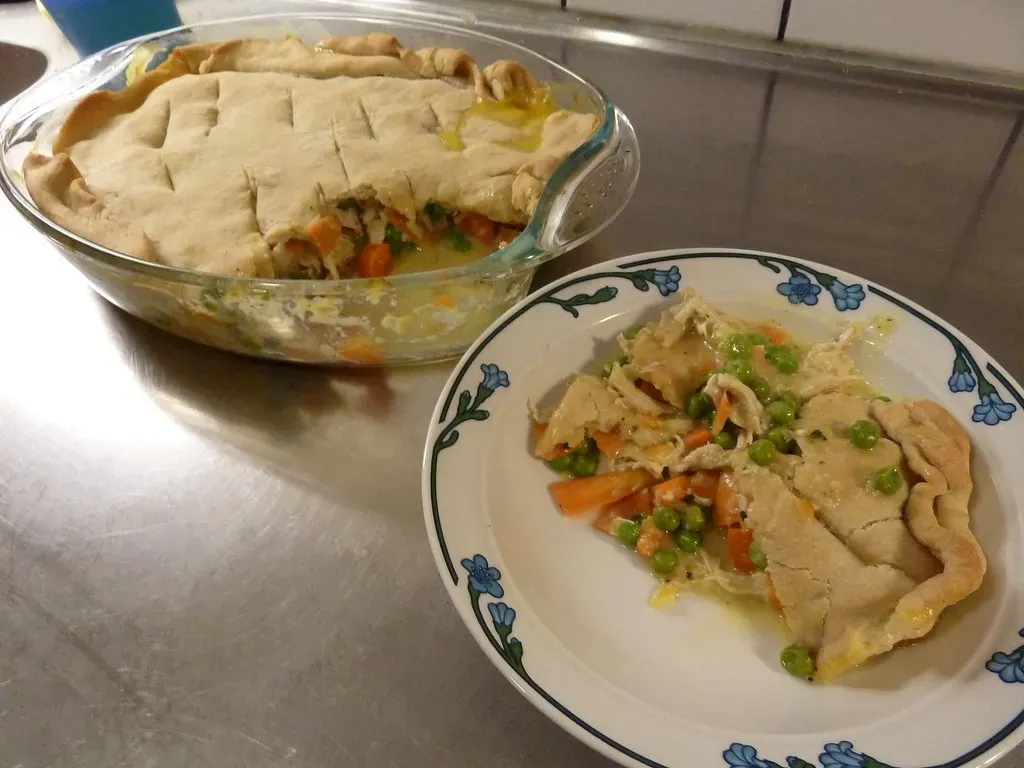
There is an argument to be made that chicken pot pie is the most complete dish ever invented. It has protein, vegetables, pastry, and gravy – all sealed under one golden roof. Grandparents who made it from scratch were performing something close to kitchen wizardry, and most of us knew it even as kids.
Homemade chicken pot pie has always been the definition of comfort food for many families. The flaky crust, creamy filling, and hint of celery seed make it taste exactly like the ones grandma used to pull from the oven.
Recipes preserve generational tastes of family favorites and inspire the best moments in life. Chicken pot pie is a perfect example of a dish where the memory of eating it is almost inseparable from the taste itself. That relationship – between food and feeling – is something grandparents cooked into every single bite. The pride and care infused into many family recipes over decades, even centuries, connects us to past generations in an intimate, visceral way.
7. Baked Ham With Pineapple Rings for Special Occasions
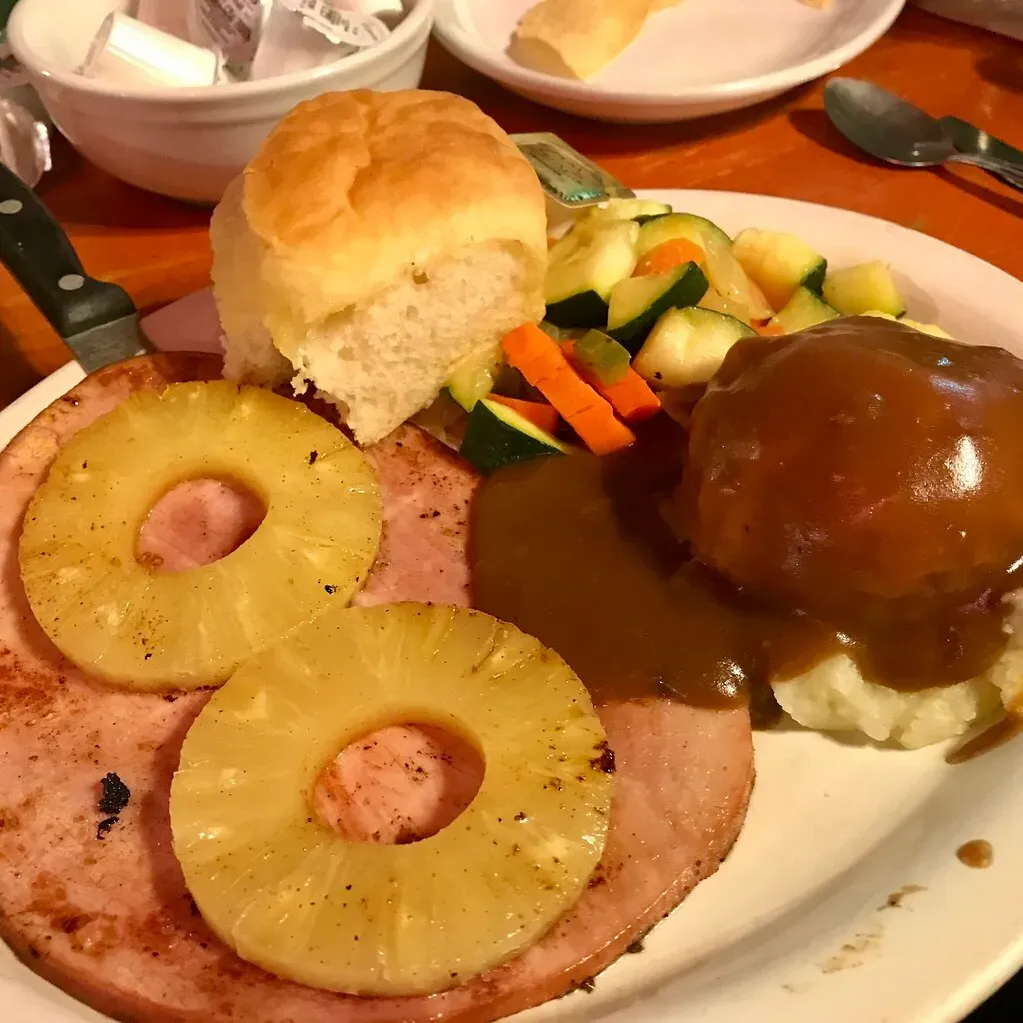
If you saw a glazed ham studded with pineapple rings and bright red cherries at the center of the table, you knew something important was happening. This was holiday food. This was the dish that signaled Easter Sunday, Christmas afternoon, or the rare Sunday when the whole extended family showed up.
Nothing says mid-century Americana quite like a baked ham decorated with pineapple rings and bright red cherries. For many, this was the quintessential holiday or Sunday centerpiece. The sweet-and-savory combo was considered elegant and festive at the time. Families would serve it alongside scalloped potatoes, green beans, and dinner rolls for a full spread.
The era of many grandparents’ childhood was a time of great change and upheaval, marked by wars, economic crises, and social transformations. These events had a profound impact on the diet and food culture of different regions, shaping the foods that people ate, the way they cooked, and the traditions they followed. The dressed-up ham wasn’t just food – it was a small act of celebration after hard years.
8. Homemade Fudge and Baked Goods That Made Holidays Feel Real
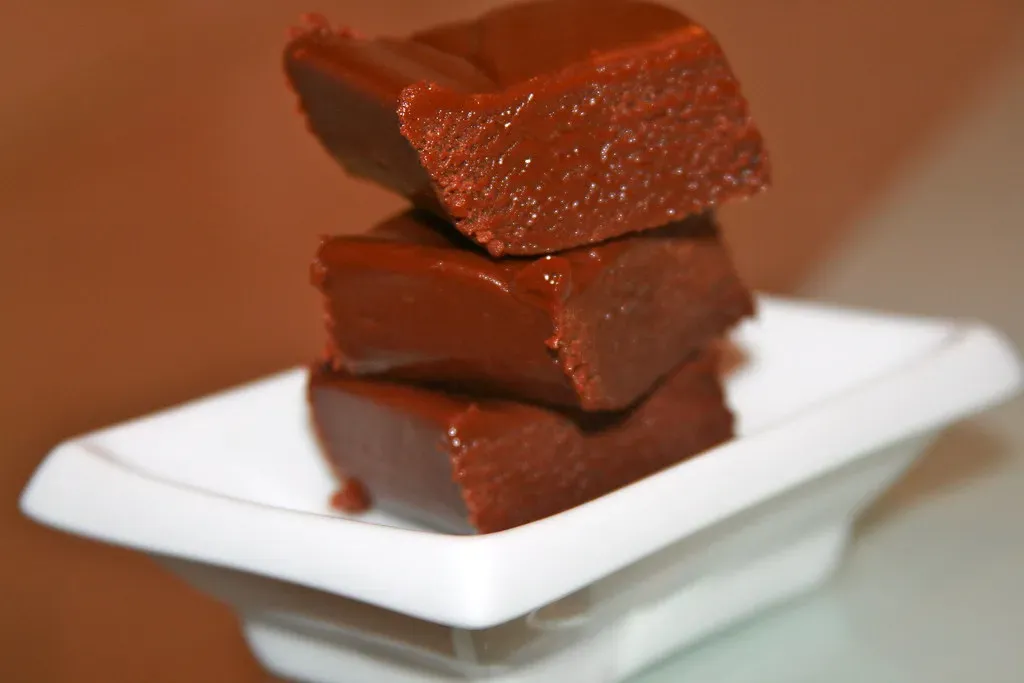
Walk into any grandparent’s kitchen in the weeks around the holidays and there was almost always something sweet cooling on the counter. Fudge, in particular, had this almost mythological status – rich, creamy, chocolate, and always appearing in tins that seemed to materialize from nowhere.
Fudge has been in many families for generations, the dessert that comes out every holiday without fail. The rich, creamy chocolate texture and the sweet smell of it cooling on the counter always bring back memories of grandma’s kitchen. Some still make it the same way – right down to the marshmallow mix-ins – because some traditions are too good to change.
Our sense of smell is closely linked to memory. The olfactory bulb, responsible for processing smells, is connected to the amygdala and hippocampus – brain regions associated with emotions and memory formation. This connection explains why certain smells can trigger powerful memories and evoke strong emotions. For example, the aroma of freshly baked cookies may instantly transport you back to your grandmother’s kitchen. That explains so much about why holiday baking hits differently than any other food experience.
9. The Sunday Sauce That Simmered for Hours
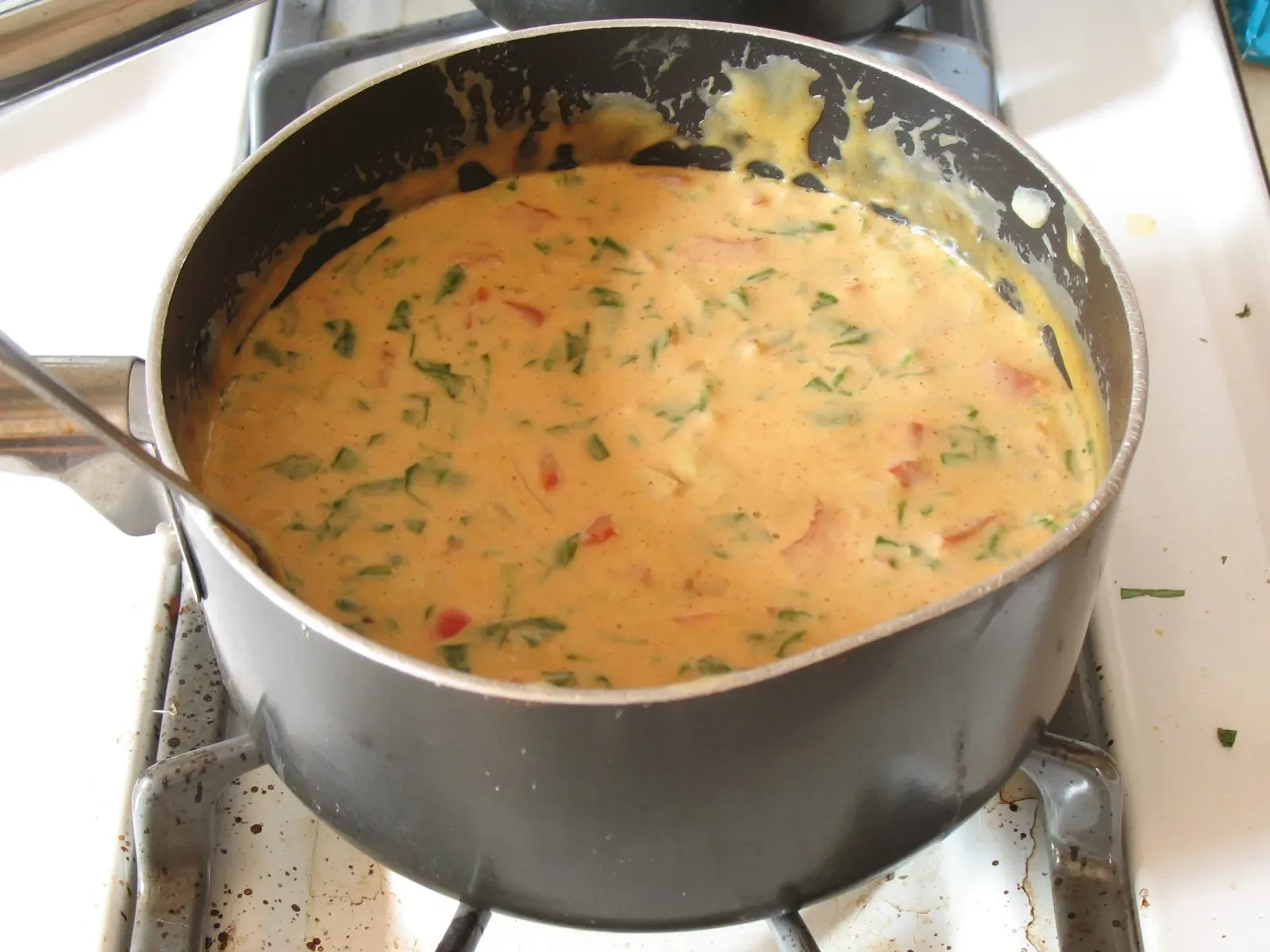
In countless households, Sunday wasn’t Sunday without a pot of sauce on the stove from morning until dinner. It didn’t matter whether you called it gravy or sauce – what mattered was the all-day ritual of it. The smell crept into every room, and it was practically impossible to stay away from the kitchen for long.
Sunday sauce is an all-day love letter. Tomatoes simmer with meat until everything tastes like togetherness. The aroma alone could call people home. It’s the kind of dish that has no shortcut, and that’s the whole point – it demanded time, which is exactly what it communicated to everyone at the table.
Social media platforms like TikTok and Instagram have played a pivotal role in amplifying the appeal of retro recipes. Viral hashtags like #RetroCooking and #GrandmasRecipes introduce these dishes to younger generations, driving them to become new culinary trends. Yelp confirms that “Grandmacore” is a hot trend for 2026, with nostalgia reshaping dining through slow-cooked meals and authentic family-style menus. The Sunday sauce isn’t just surviving – it’s having a full-blown cultural moment.
Why These Dishes Still Matter in 2026
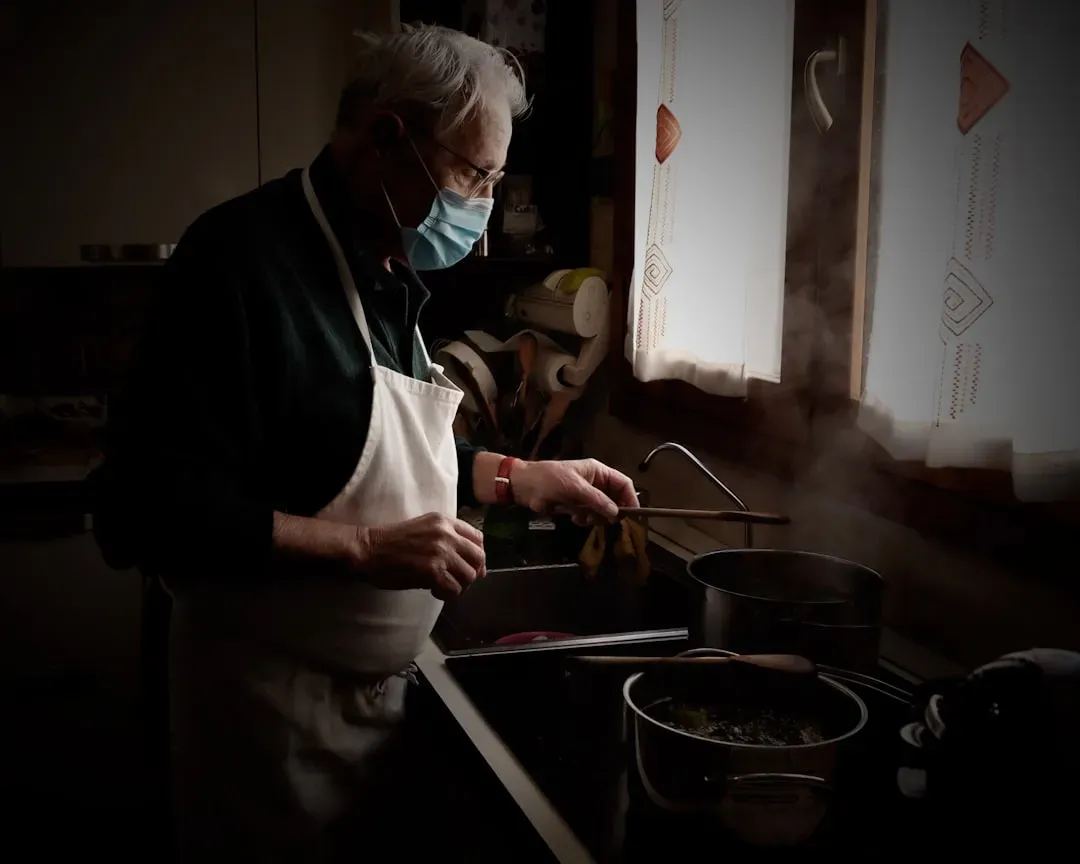
Those who grew up with grandparent-style cooking prefer familiar, comfort foods tied to nostalgia. They appreciate home-cooked meals and prioritize the emotional weight that comes with them. That’s not just sentiment – it’s something measurable about how we form food identities early in life.
Nostalgia can have a range of psychological effects and benefits. Research has shown that reminiscing about positive past experiences can enhance mood, increase feelings of social connectedness, and provide a sense of meaning and purpose. Nostalgia can also serve as a coping mechanism during times of stress or adversity.
Family recipes keep one’s culture and traditions alive. Without them being passed down, the rare and unique taste of a family dish is lost to time. Food is a substantial aspect of defining a culture’s roots. In other words, what grandparents cooked wasn’t just dinner. It was identity, legacy, and love – all served warm.
What dish from your grandparent’s kitchen do you still think about? Tell us in the comments – we’d love to know which one shaped you most.