
We spend a surprising amount of time, money, and energy planning what to eat. The restaurant, the reservation, the special occasion. Yet somehow, a truly great meal can still fall flat. The food might be perfect, the setting beautiful, the company wonderful. So what goes wrong?
The answer is often hiding in plain sight, right there at the table with you. Certain everyday habits, the kind we barely notice, are quietly sabotaging the quality of every meal. Some damage your health. Others kill the atmosphere. A few do both at the same time. Let’s dive in.
Table of Contents
1. Scrolling Through Your Phone at the Table
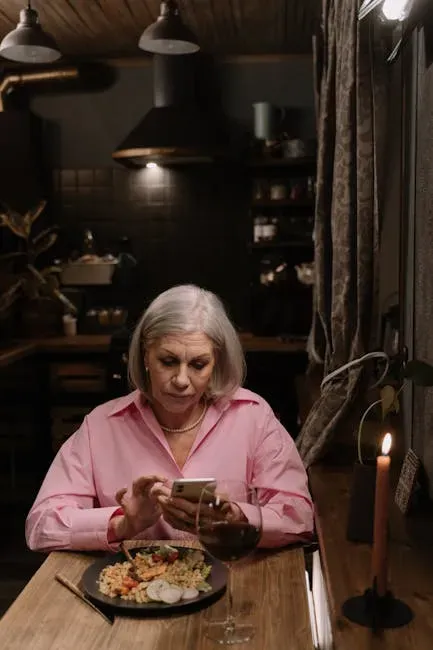
Let’s be real: this one hits close to home. According to a survey conducted by Common Sense Media, over half of families admit to having phones at the table, with a substantial percentage acknowledging that this has become a routine part of their dining experience. That number is staggering. Half of us are essentially choosing a screen over the people and food right in front of us.
According to psychology researchers from the University of British Columbia, people who focus on their smartphones while sharing a meal with friends or family have an all-around less enjoyable time. In their study, a team sent 304 people to a cafe with their friends or family, and participants were randomly instructed to either leave their phones on the table or put them away while everyone ate. The results were clear: phones on the table meant worse dining experiences across the board.
Mindful eating, which involves being fully present and attentive while consuming food, is often compromised when phones are involved. Distractions from smartphones can lead to overeating, as individuals may not be fully aware of how much they are consuming. This behavior is linked to increased rates of obesity and other health issues. So yes, that midnight scroll through Instagram during dinner is doing more damage than you think.
Research also shows that when parents put their phones away during a meal and are fully present, children are more engaged in conversation and do not feel the need to compete with a device for their parents’ attention. The phone-free table creates a ripple effect of connection that goes far beyond the meal itself.
2. Eating Way Too Fast
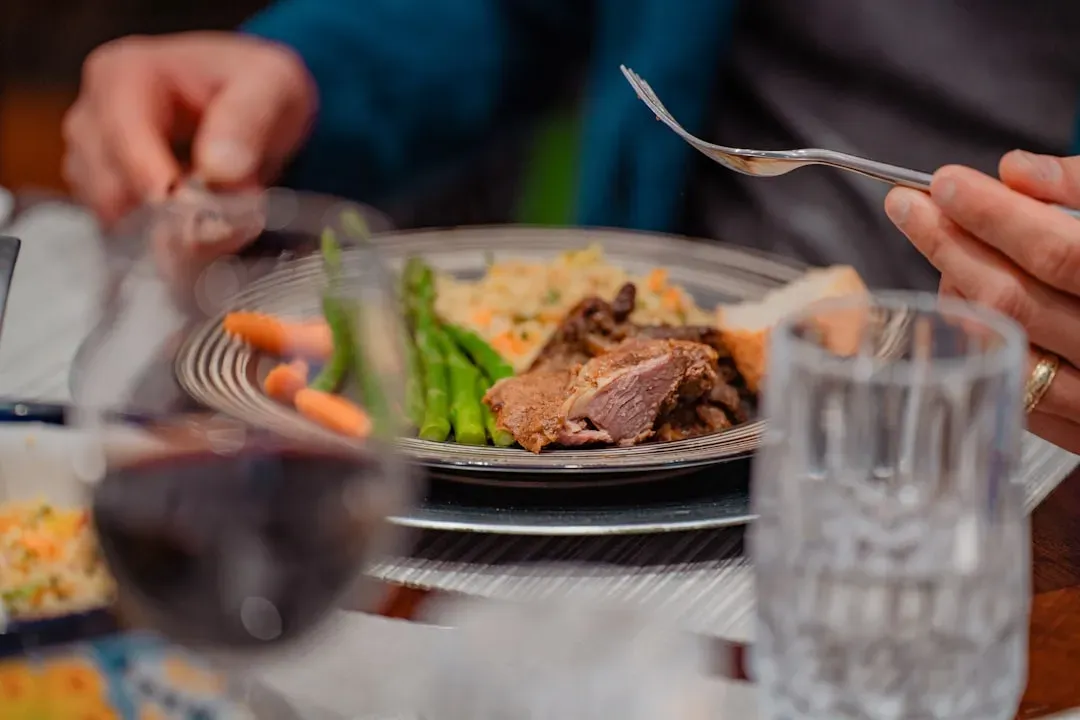
Honestly, we are all guilty of this. Modern life runs at a relentless pace, and the table has become just another checkpoint. But rushing through your food is one of the most damaging habits you can have at the dinner table. A 2024 study published in Nature found that frequently eating fast was associated with an increased risk of nonalcoholic fatty liver disease. That alone should make you put down your fork for a second.
It typically takes about 20 minutes for hormones like leptin and peptide YY to send the signal that you’re full. When you eat too fast, you risk missing this natural warning signal, which can lead to overeating before you even realize you’re full. Think of it like a car alarm that triggers only after the thief has already driven off.
When someone eats too quickly, they tend to not chew their food as much, leading to larger food particles entering the stomach. People also tend to swallow more air when they eat quickly, which can lead to bloating, discomfort after a meal, more acid reflux symptoms, and then potentially overeating. Slowing down is not just good manners, it is genuinely good medicine.
Research found that fast eaters were almost twice as likely to develop metabolic syndrome. A higher eating speed is correlated with greater weight gain, higher blood sugar, higher levels of LDL cholesterol, and a larger waistline. Two times the risk, simply for eating in a hurry. Here’s the thing: no meal is worth that trade-off.
3. Sitting in a Loud, Noisy Environment Without Doing Anything About It
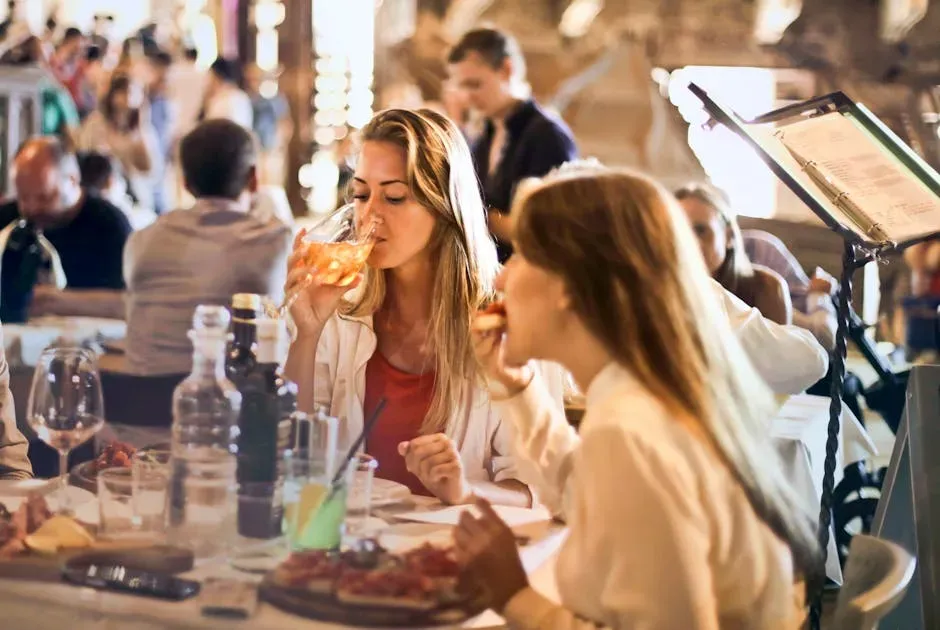
You know that feeling when you are at dinner and you cannot hear a word the person across from you is saying? It turns out that is not just annoying, it is scientifically bad for your experience. Noise is currently the second most common complaint amongst restaurant-goers, behind poor service. Second most common. That is remarkable for something that most people just silently endure.
From data collected in 2023, SoundPrint found that roughly two thirds of restaurants were too loud for conversation. SoundPrint categorizes sound levels in four categories: quiet, moderate, loud, and very loud, meaning a majority of restaurants tested with the app were categorized as loud or very loud. You are basically walking into a health risk every time you sit down for dinner at a popular spot.
The evidence now clearly demonstrates that both background noise and loud music can impair our ability to taste food and drink. It would appear that noise selectively impairs the ability to detect tastes such as sweet and sour while leaving certain other taste and flavor experiences relatively unaffected. So not only can you not hear the conversation, you literally cannot taste your food as well as you should.
In a 2024 study, researchers found that the frequency of noise complaints from diners started ramping up around 70 decibels. Online reviews citing loudness were one star lower, on average. A single decibel problem is actively costing restaurants their reputation and costing diners their enjoyment. Choosing quieter seating or asking to be moved is not being fussy; it is self-preservation.
4. Skipping the Physical Menu in Favor of Rushed Ordering
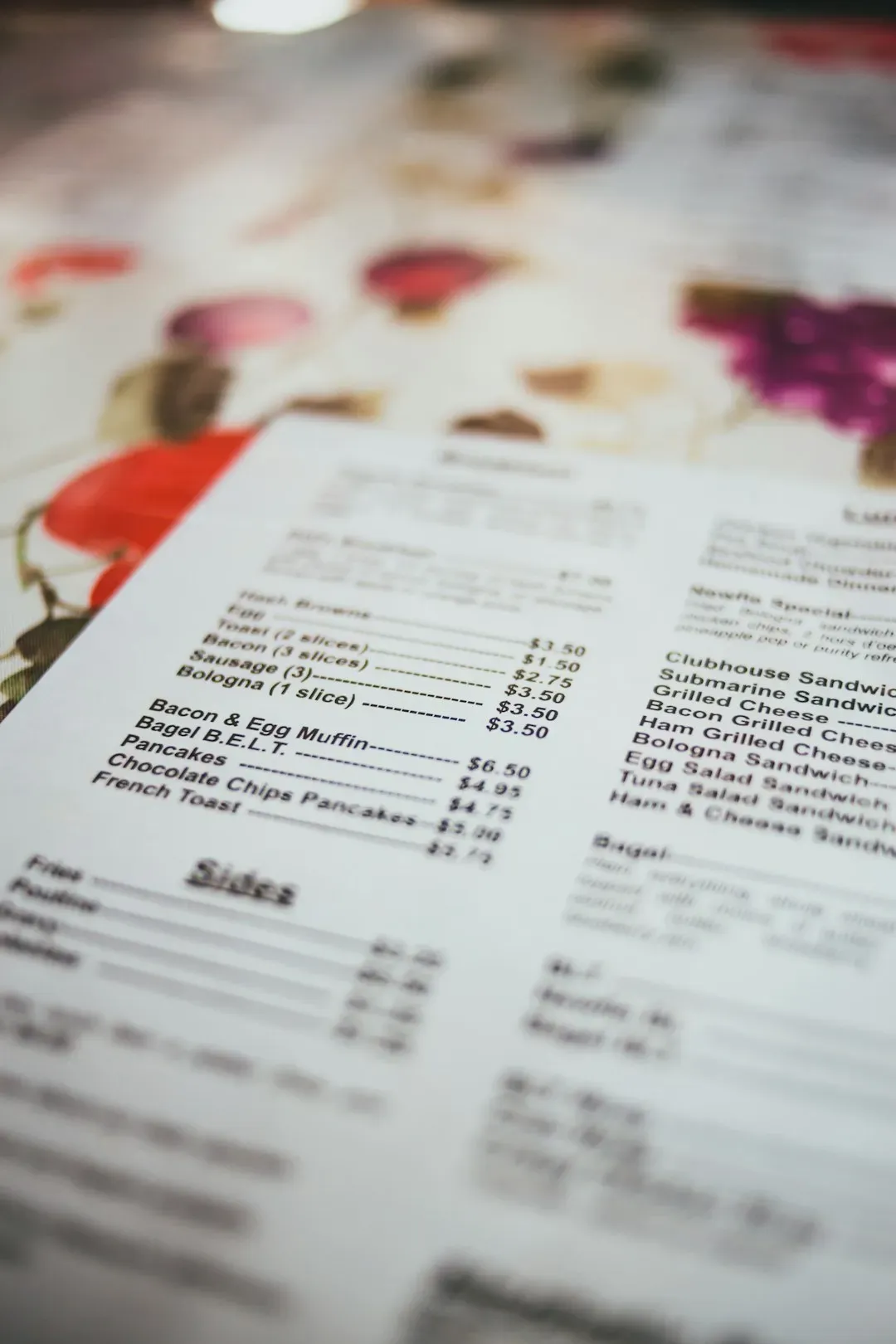
There is a subtle, underrated pleasure in holding a physical menu and actually reading it. Not just scanning it. Reading it. Many diners today rush the ordering process, barely registering what they are about to eat before it arrives. Despite the rise of technology, nearly all Americans, roughly nine in ten, prefer holding a physical menu over using a QR code, with this preference holding strong across all generations. That preference is not nostalgia. It reflects something real about how humans engage with a meal.
Overall, diners seem to want technology to enhance hospitality, not replace it. They still value interaction with waitstaff and the hospitality element of eating out. Rushing through the ordering process strips away one of the most enjoyable parts of the ritual: the anticipation. You lose the chance to get curious, to ask questions, to look forward to something.
5. Ignoring the People You Are Eating With

This is bigger than it sounds. Dining out is, at its core, a social ritual. The appeal of dining out centers around the overall experience, with factors like atmosphere and socialization being key drivers. Yet routinely, people sit at a table together and barely speak. Side conversations with phones, distracted gazing, one-word answers. The meal becomes just fuel delivery.
The habitual use of phones at the dinner table has far-reaching implications for social interactions and relationships. One of the most significant consequences is the erosion of face-to-face communication. Dinner time has traditionally been a moment for families and friends to connect, share experiences, and bond. However, the intrusion of smartphones disrupts this valuable opportunity for meaningful conversation.
A survey from the 2025 World Happiness Report found that roughly a quarter of adults in the U.S. had eaten every single meal alone in the previous day. Isolation at mealtimes is already a growing concern. When we choose disconnection even at a shared table, we make the problem worse. Social dining is genuinely one of the great pleasures of life, and we keep squandering it.
6. Drinking Alcohol Too Quickly or Excessively During the Meal

A glass of wine with dinner is one of life’s genuine pleasures. Nobody is arguing against that. The problem arises when drinking becomes the centerpiece of the meal rather than a complement to it. Studies have suggested that people tend to drink more in louder environments than less noisy ones. People drink more in a shorter period of time and increase table turnover, both of which can increase profits for venues. That can have an impact on people’s health since people may consume more than they need.
When going out to dinner at a restaurant, roughly one in six Americans never order an alcoholic beverage. That is a growing group. Drinking too fast blunts the palate, alters judgment about what and how much you are eating, and tends to speed up the pace of the meal in ways that undercut your enjoyment of the food itself. Sipping slowly, like eating slowly, is simply the better strategy.
7. Complaining About the Food Without Giving the Meal a Fair Chance
Here is a habit that is subtle enough that most people do not even notice they are doing it. Entering a meal with a negative mindset, whether triggered by the wait, the noise, or an unfamiliar dish, actively changes how food tastes. This is not a philosophical claim. It is neuroscience. Our expectations shape our perception of flavor in measurable ways.
The National Restaurant Association found that while a majority of customers do appreciate technology options for things like ordering and payment, they consider it just one factor in a good experience. The atmosphere, service, and food quality ultimately carry more weight. The emotional state you bring to a meal is just as influential as what ends up on your plate. Walking in with a chip on your shoulder is a recipe for disappointment, regardless of how good the food actually is.
I think we underestimate how powerfully attitude affects eating. It is a bit like watching a film you have already decided to hate. The directing, acting, and writing could be outstanding, but you will find a reason to dismiss it. Your next meal deserves a fair shot. Give it one.
8. Sitting in a Poor Posture for the Entire Meal
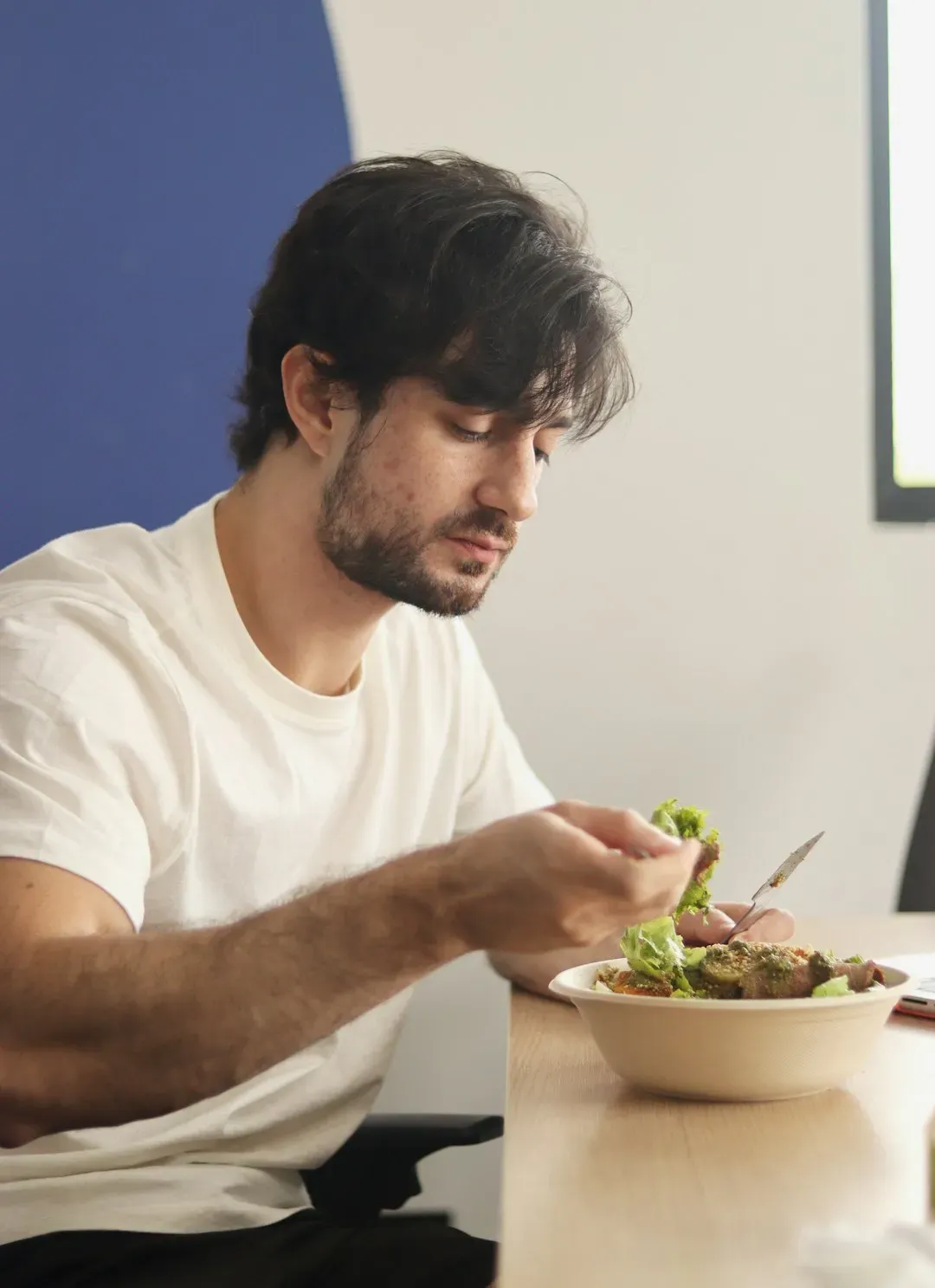
This one tends to fly completely under the radar. Most people slump, hunch, or crane forward throughout an entire meal without thinking about it at all. Eating too quickly can affect more than just table manners. It can lead to digestive discomfort, nutrition deficiency, weight gain, and an increased risk for chronic conditions like metabolic syndrome and diabetes. Poor posture compounds these issues by compressing the digestive tract and making it harder for the stomach to work efficiently.
Think about it this way: imagine trying to digest a full three-course meal while folded in half. That is essentially what slouching does to your gastrointestinal system. Sitting upright, relaxed, feet flat on the floor creates the physical conditions for proper digestion. It also, interestingly, tends to slow down your eating rate, which, as the research shows, is a significant benefit in itself.
9. Leaving the Table Before the Meal Has Truly Ended
This is about the psychological closure of a meal, and it matters more than most people realize. The habit of jumping up immediately after the last bite, checking the time, signaling for the bill before the food is even finished, short-circuits the satisfaction that comes from a properly concluded meal. Atmosphere and socialization are among the most significant drivers behind why people choose to dine out at all. Rushing away destroys both.
With dining up eight percent year-over-year in 2025, and Americans set to dine out an average of ten times per month in 2026, eating out continues to be an integral part of life in the U.S. More than half of Americans say they will spend even more on restaurants next year. We are investing more money and more time in dining out than ever before. The irony is that the simple act of lingering, staying present at the table, costs nothing, and yet it is one of the most powerful ways to make a meal feel truly worth it.
The final few minutes of a meal, the coffee, the dessert, the last conversation, are where memories actually form. Rushing out the door the moment the plate is cleared is like leaving a concert before the encore. You paid for the full experience. Stay and enjoy it.
The Takeaway: Small Habits, Big Impact

None of these nine habits require a dramatic lifestyle overhaul. They are small, ordinary behaviors that quietly drain the joy from some of the best moments of everyday life. Put the phone away. Slow down. Choose a quieter table. Stay a little longer. The food will taste better, the conversation will be richer, and the health benefits will quietly stack up over time.
The research is clear and consistent: how we eat matters just as much as what we eat. Our habits, not just our menus, define the quality of our dining experience. A great meal is not just about the kitchen. It is about the table too. Which of these habits are you most ready to change?