
We eat every single day. Multiple times a day. You’d think by now we’d have food completely figured out. The chemistry, the biology, the taste experience – all neatly mapped out in textbooks. Honestly? Not even close. Some of the strangest puzzles in food science are hiding in plain sight, tucked inside your morning coffee, your midnight chocolate craving, or that weird burning sensation from a single chili pepper. Prepare to look at your dinner plate a little differently. Let’s dive in.
1. Why Spicy Food “Burns” – Even Though Nothing Is Actually Hot
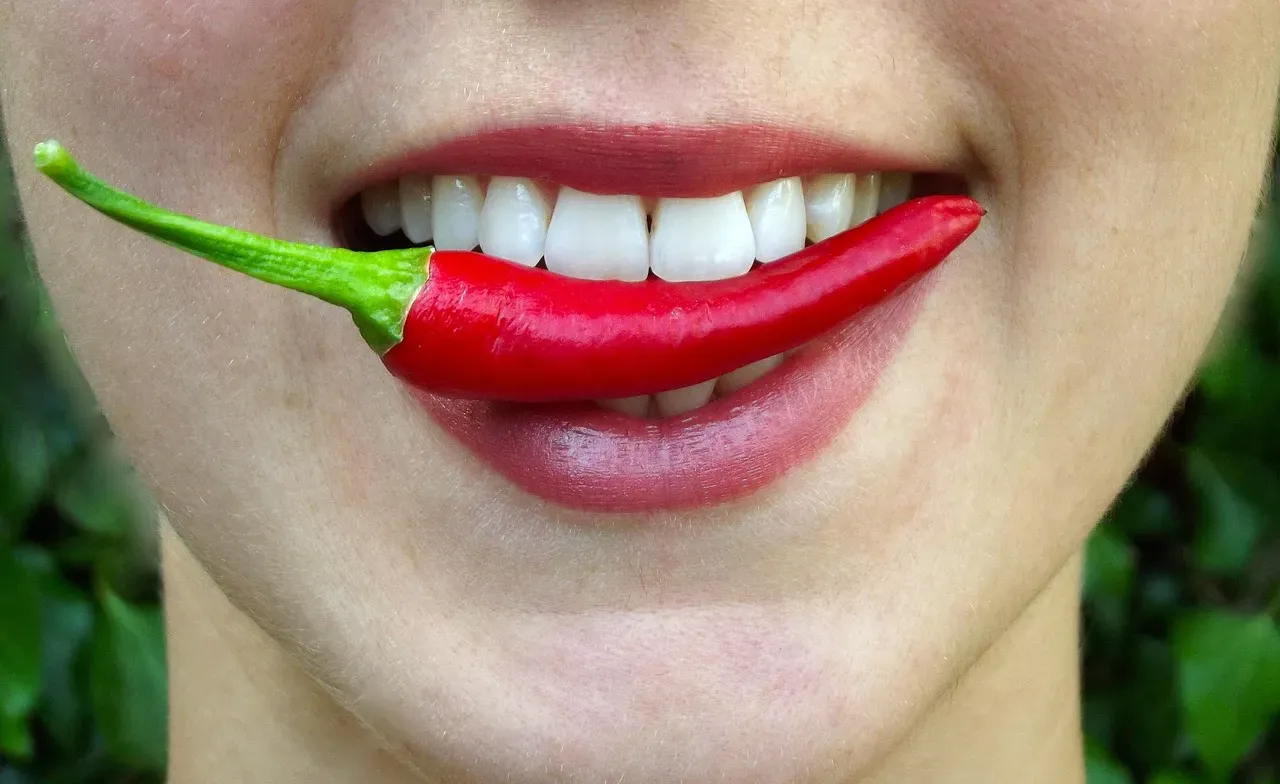
Here’s the thing about spicy food: it is, technically speaking, a lie your brain tells you. Every bite of spicy food begins with a lie. Your tongue is not burning. Your mouth is not on fire. No actual heat is present. Yet the brain screams otherwise. It is one of the most dramatic tricks in the whole sensory universe.
The key player is a protein called TRPV1, a receptor found in the nerve endings of the tongue, skin, throat, and even the gut. TRPV1’s real job is simple: detect heat and physical injury. When you touch a hot pan, scalding temperatures force the receptor to snap open, sending an immediate danger signal to the brain. Capsaicin, the active compound in chili peppers, then sneaks in and hijacks the whole system.
Rather than heating tissue, capsaicin binds directly to TRPV1 and lowers its activation threshold. Normally, the receptor fires at around 109°F (43°C). When capsaicin is present, TRPV1 becomes so sensitized that even body-temperature fluids can trigger it. The result is a neural misfire: the brain interprets normal conditions as extreme heat.
What science still cannot neatly explain is why millions of people actively enjoy this sensation. If spiciness truly is a sensation of pain, why do we have the urge to go back for one last bite? After perceiving that we are in pain, hormones like endorphins are released. These hormones also increase the level of dopamine, making us feel even more pleasant. The secret behind our addiction to spiciness is, in fact, the “feel-good” chemicals that give us a light-hearted rush. We basically engineered ourselves to love something that causes pain. Wild.
2. Why Everyone Tastes Sweetness Differently

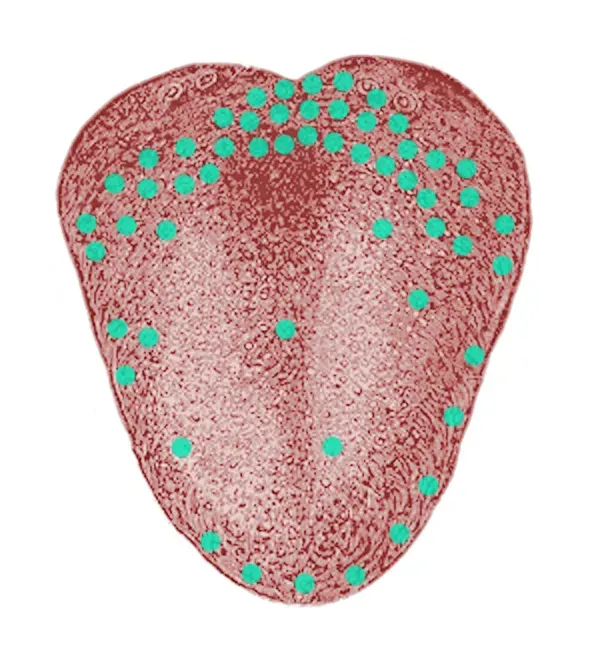
Take two people, give them the same piece of chocolate, and ask how sweet it is. You might get wildly different answers. This is not a matter of opinion. It’s biology. Although we acknowledge the universality of the goodness of basic taste qualities like sweet, we also find that people differ, sometimes extremely so, in their ability to perceive and enjoy these qualities.
At the receptor level, two proteins combine to create a sweet taste receptor. Among the G proteins, the one associated with intracellular sweet signaling is gustducin, encoded by the GNAT3 gene. These receptor and transduction proteins are underexpressed in some people due to inborn genetic variation, and genotype explains, in part, differences in sweet taste sensitivity and preferences.
Recent research has proven that differences in glycemic control affect how strongly people learn to prefer sweet foods. Individuals who have weaker glycemic control usually have a stronger reward system with sweet tastes compared to others whose blood sugar control is stable. This finding shows that sweetness can be shaped by metabolic health and taste receptor sensitivity.
The cryo-electron microscopy structure of the human sweet receptor was solved by scientists at Columbia University in 2025. Human studies have shown that sweet taste receptors are not only found in the tongue, but also in the lining of the gastrointestinal tract, pancreatic islet cells, sperm and testes. It is proposed that the presence of sweet taste receptors in the GI tract controls the feeling of hunger and satiety. In other words, sweetness is everywhere in the body. We still don’t fully understand why.
3. The Mysterious Fifth Taste: Umami’s Unresolved Story

Most people have heard of umami by now. That deep, savory, mouthwatering sensation you get from aged cheese, soy sauce, ripe tomatoes, or a good beef stock. It took the world a surprisingly long time to accept it as real. In 1908, Japanese chemist Kikunae Ikeda discovered that a compound called glutamic acid gave seaweed such a distinct savory and meaty taste. He dubbed that taste umami. Yet even though people had been eating seaweed, mushrooms, miso, and aged cheeses for ages, it took nearly a century of scientific debate for umami to be recognized worldwide as the fifth basic taste.
Umami, recognized as the fifth basic taste, is primarily induced by specific amino acids and nucleotides, such as L-glutamate and inosinate, which interact with specialized taste receptors. Think of it like a lock and key, except we’re still not entirely sure how many keys exist or exactly what all the locks do.
The fifth taste umami is more complex than the other four, and many say it takes more work to understand and identify it. What makes this even more intriguing is the way umami interacts with other tastes. Umami compounds are known to enhance the sensation of recognized flavors such as salty, sweet, bitter, and others. It amplifies everything around it like a flavor conductor, and the full mechanism of this amplification effect remains poorly understood.
4. The Potential Sixth Taste – And Science Still Can’t Agree
If umami took a century to get recognized, you have to wonder what else we’re missing. In recent years, scientists have proposed a few contenders for a sixth taste that would join the ranks of sweet, salty, sour, bitter, and umami. Making the case for the discovery of a new taste is more complicated than you might think. The leading candidate right now? Fat.
Fat and kokumi are among the proposed candidates for a sixth basic taste. Oleogustus is the term researchers have coined for the specific taste of fat itself – not the richness or texture we associate with it, but a genuine chemical signal sent from tongue to brain. The problem is that this signal, when isolated, doesn’t actually taste pleasant on its own. So why do we crave fatty foods so intensely?
There are five criteria for what constitutes a taste: there must be a class of stimuli responsible for the perception, mechanisms present that change the chemical code of the stimuli to an electric signal, that electrical signal must be neurotransmitted to the brain, the stimuli must be completely independent from other tastes, and the stimulus must generate effects in the body downstream from the mouth. Fat appears to tick most of those boxes. It’s hard to say for sure, but fat may well be on its way to joining the taste canon – in another century or so.
5. Why Your Gut Bacteria May Be Running Your Food Cravings
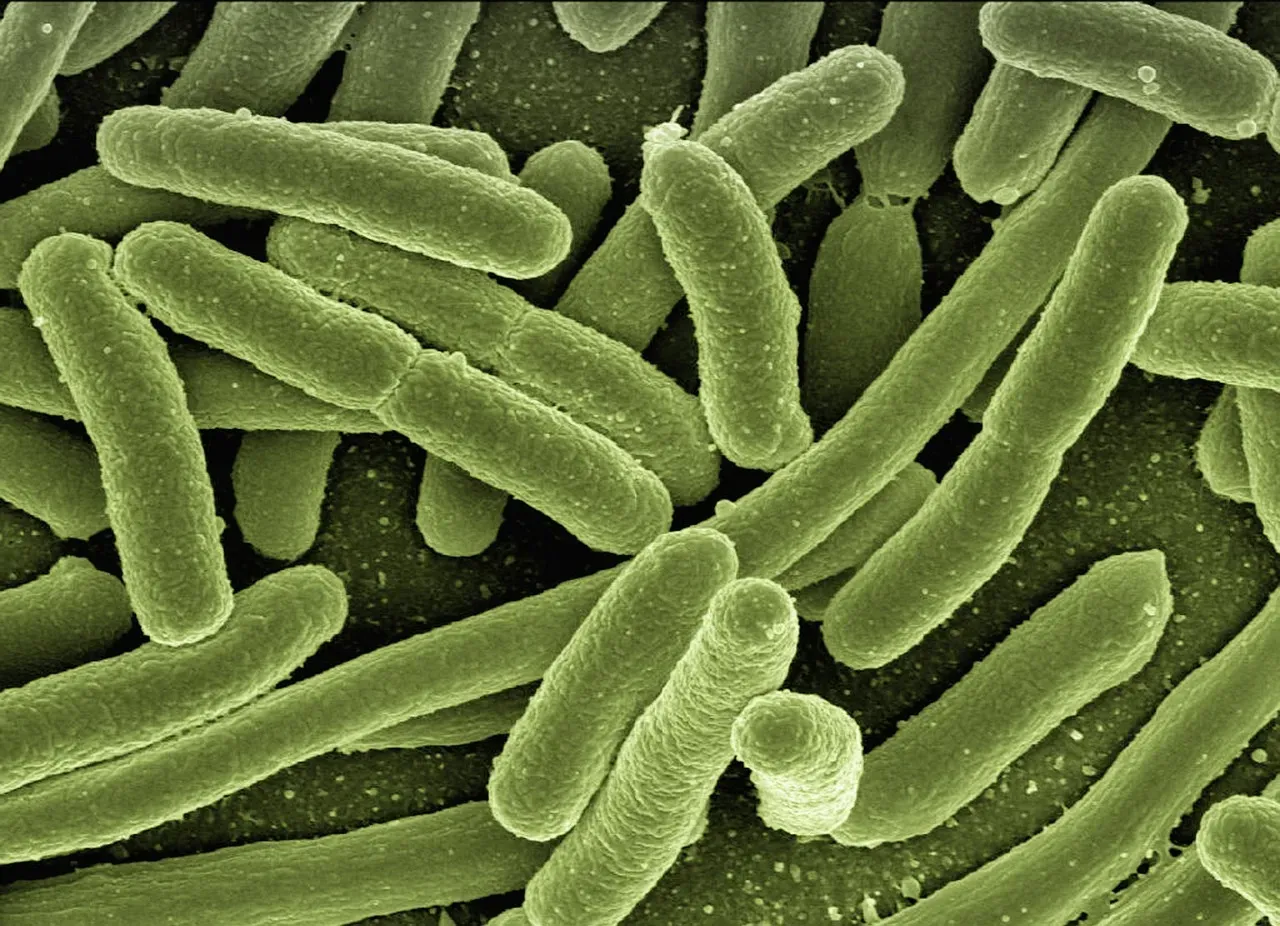
This one is, genuinely, one of the most unsettling ideas in food science. The thought that when you crave a particular food, the decision might not entirely be yours. Research on mice shows for the first time that the microbes in animals’ guts influence what they choose to eat, making substances that prompt cravings for different kinds of foods.
Your gut and your brain are in constant conversation, with certain kinds of molecules acting as go-betweens. These byproducts of digestion signal that you’ve eaten enough food or maybe that you need certain kinds of nutrients. Microbes in the gut can produce some of those same molecules, potentially hijacking that line of communication and changing the meaning of the message to benefit themselves. Let’s be real: that is a little terrifying.
Exactly how these trillions of tiny guests – collectively called the microbiome – influence our decisions on which foods to stuff into our mouths has been a mystery. Now neuroscientists have found that specific types of gut flora help a host animal detect which nutrients are missing in food and then finely titrate how much of those nutrients the host really needs to eat.
Mice with different microbiomes had different levels of tryptophan in their blood, and those with more tryptophan also had more bacteria that can produce it in their gut. But tryptophan is just one thread of a complicated web of chemical communication. There are likely dozens of signals influencing feeding behavior on a day-to-day basis. We’re only just scratching the surface of understanding who exactly is in charge of our cravings.
6. Why Sweetness Perception Changes With Time of Day

Have you ever noticed that a midnight snack tastes sweeter than the same food eaten at noon? You’re not imagining it. The threshold of sweet taste perception correlates with the time of day, probably due to oscillating leptin levels in blood that may impact the overall sweetness of food. Leptin is the hormone your body uses to signal fullness, and it shifts throughout the day like a tide.
Think of it like a volume knob your body slowly turns up and down. At certain hours, that knob is cranked up, making sweet foods taste more intense. At other times, it dials back. This partly explains why ultra-processed snacks taste almost addictively good late at night when your body’s regulatory hormones are at lower levels.
When it comes to sweet tastes, children live in different sensory worlds than adults. Both cross-sectional and longitudinal studies have revealed that the preference for sweet taste remains heightened throughout childhood, declining to adult levels during mid-adolescence. What causes the age-related decline in sweet preference and consumption between adolescence and adulthood remains a mystery, but it has been observed in other mammals. So the time-of-day mystery and the age-related mystery may share a common root – one that science has yet to pin down definitively.
7. The Placebo Effect in Eating: Thinking Something Tastes Better Makes It Taste Better

Imagine being told you’re eating an expensive, premium chocolate versus a cheap supermarket brand. The truth is they’re identical. Studies show you’ll still rate the “expensive” one as tasting better. This is the food placebo effect, and it is genuinely baffling. The sheer, measurable power of the placebo effect – where a patient’s belief in a treatment produces a genuine, physiological response – is a profound mystery.
Scientists have documented the brain releasing its own highly potent painkillers based entirely on expectation. The precise mechanism by which a non-active substance triggers a physical response remains utterly baffling to modern medicine. In food, the parallel is striking: our expectations of flavor genuinely alter how flavor registers in the brain, not just in our subjective ratings, but in measurable neural activity.
The color of food packaging, the font on a menu, the price tag on a bottle of wine – all of these things have been shown in research to physically change how flavor is perceived. To decipher flavors, our brain combines the information from our taste buds with our sense of smell. Temperature, texture, and even color add further dimension to how something tastes and whether or not we enjoy it. The exact mechanics of how expectation hijacks this entire system remains deeply mysterious.
8. Why Humans Evolved to Enjoy Foods That Are Technically Dangerous

Fermented food is essentially controlled rot. Raw oysters are filter feeders living in bacteria-rich water. Aged blue cheese contains mold. Humans don’t just tolerate these foods – they revere them. Why would any species evolve to seek out things that, on the surface, look like exactly what it should avoid? Most investigators presume that the ability to identify sweet molecules through the sense of taste evolved to allow organisms to detect sources of readily available glucose from plants. Evidence supporting this comes from comparative biology demonstrating that species in the order Carnivora that do not consume plants also do not perceive sweet taste.
The flip side of that evolutionary story is stranger. Some of the most prized culinary traditions in the world are built around foods that trigger every alarm bell evolution should have installed. Humans outsmarted the capsaicin strategy plants evolved to repel mammals by learning to cultivate, cook, and celebrate the very compounds meant to repel them. Cultural evolution amplified this. Archaeological evidence suggests humans in Central and South America were using chili peppers at least 6,000 years ago. Over time, cuisine turned pain into ritual, identity, and art.
The precise neurological and evolutionary pathway that explains why humans find pleasure in the unsafe is still one of food science’s great open questions. It may involve the same reward circuits that drive risk-taking behavior more broadly. I think the honest answer is that humans are just very, very weird. And our food reflects that beautifully.
9. Why Your Taste Buds Can Be Completely Fooled by One Berry
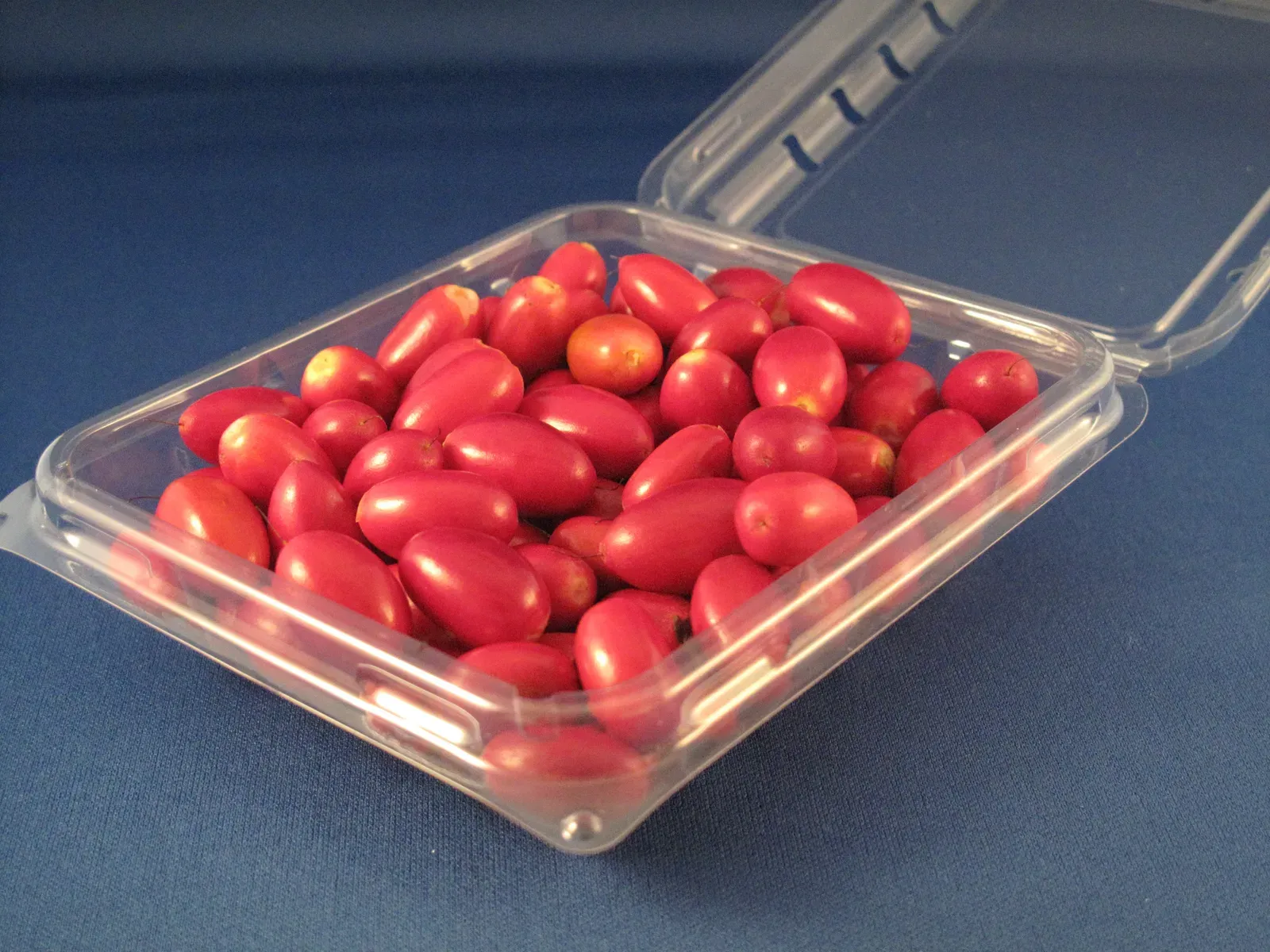
There is a West African fruit called Synsepalum dulcificum – commonly known as the “miracle berry” – that completely rewires how you experience taste. After eating it, sour foods like lemons taste intensely sweet. Vinegar tastes like apple juice. It sounds impossible, but it is entirely real and thoroughly documented by researchers. The active compound is a glycoprotein called miraculin.
Our brain combines the information from our taste buds with our sense of smell. Temperature, texture, and even color add further dimension to how something tastes and whether or not we enjoy it. Miraculin throws a wrench into this entire system by binding to sweet receptors on the tongue and activating them in acidic environments – essentially using acid as a key to unlock the sweetness door. The receptor doesn’t care that there’s no sugar present. It fires anyway.
What baffles scientists is the elegance of this deception. The puzzle of how such varied structures as simple sugars, molecules such as saccharine, aspartame, and even proteins all taste sweet was clarified by findings that different sweet-tasting molecules could interact with different sites in the taste receptor dimer. Miraculin adds yet another layer to this puzzle. A single plant-derived protein can override your entire taste reality for up to an hour. A person can perceive literally hundreds of different tastes, and these are all supposed to be combinations of the primary sensations. Yet there might be other less conspicuous classes of primary sensations still awaiting discovery. If one berry can make lemons taste like candy, who knows what else the food world is hiding?
A Final Thought Worth Chewing On
Food is one of the most intimate things that exists. It enters our bodies, shapes our moods, drives our decisions, and forms the backbone of culture across every civilization in human history. Yet for all of that intimacy, science in 2026 still cannot fully explain why spicy food feels like fire, why your gut might be steering your chocolate cravings, or why a single berry can erase your ability to taste sourness.
The deeper scientists look, the stranger and more wonderful it all becomes. Taste is not just chemistry happening on your tongue. It’s genetics, time-of-day hormones, microbial populations, cultural conditioning, neurological expectations, and evolutionary history all converging in the split second it takes you to take a bite.
Next time you sit down to eat, maybe spare a thought for how much mystery is actually on your plate. What food phenomenon surprises you the most? Tell us in the comments.