
There was a time when heading to the mall was genuinely an event. You dressed up a little. You lingered. You grabbed a soft pretzel, flipped through cassette tapes, and tried on neon windbreakers while synth-pop hummed through the corridors. Those shopping malls of the 1980s weren’t just stores. They were cultural institutions. Today, that world is unraveling at a breathtaking pace, and some of the most beloved names from that era are clinging to existence by the thinnest of threads.
Store closures in 2025 are up a staggering 67% compared to the year before, with nearly 6,000 closures logged by mid-year alone. The numbers are brutal. Some brands are pivoting desperately. Others are in freefall. Here are nine iconic mall names from the ’80s that are in the fight of their retail lives. Let’s dive in.
Table of Contents
1. Sears: The Once-Mighty Giant on Life Support
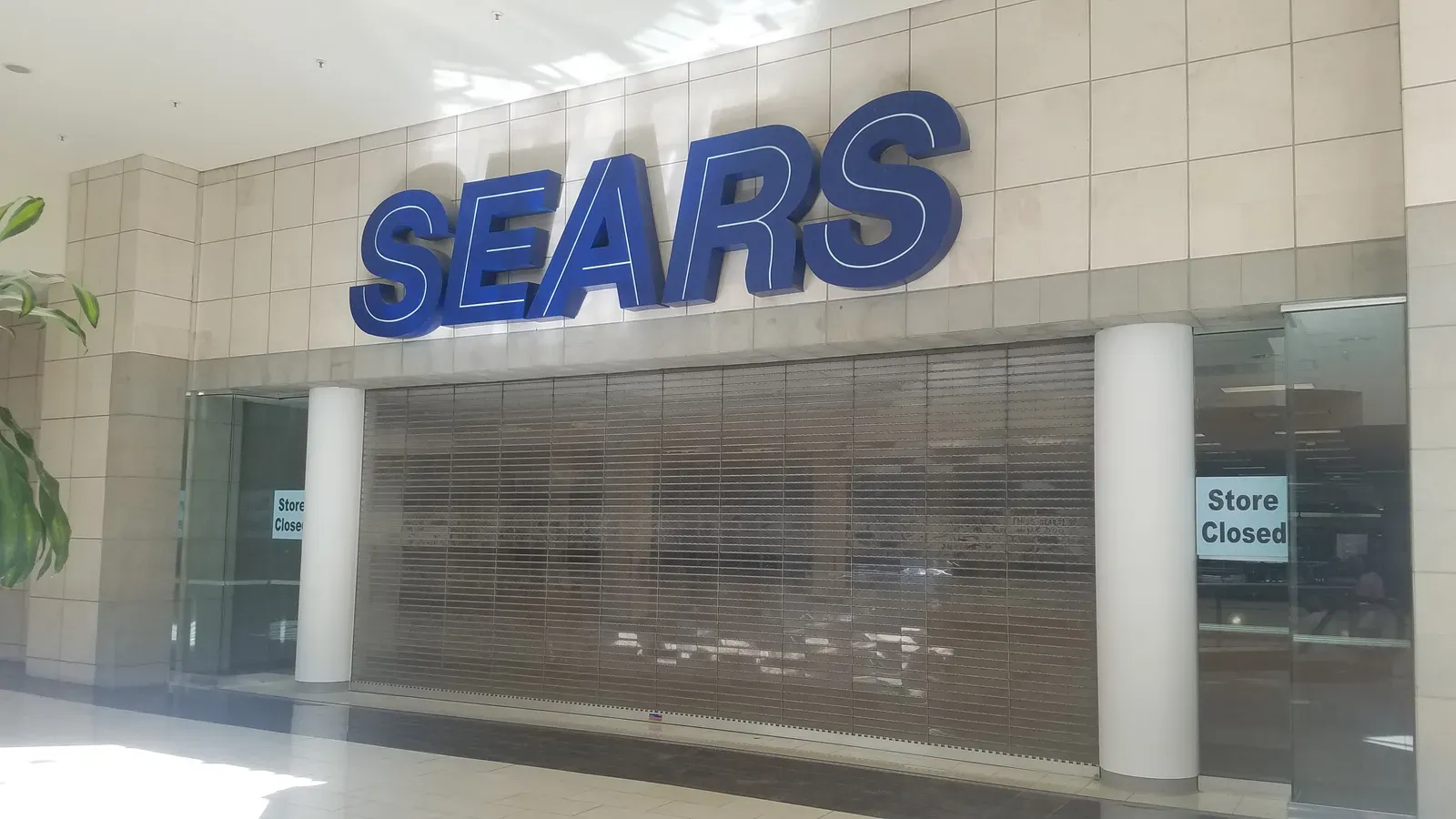
Few names are more synonymous with the American mall experience than Sears. It was a different universe back then. Sears Holdings had more than 3,500 stores and 355,000 employees in 2006, but by the end of 2016, it operated just 1,430 stores. That is a collapse so dramatic it’s hard to wrap your head around. Imagine watching a skyscraper slowly sink into the ground.
In October 2018, Sears filed for bankruptcy and announced it would close an additional 142 of its 687 stores. The brand staggered on, technically alive, but barely recognizable. The once-ubiquitous department store was down to just eight locations nationwide at the beginning of 2025, but then it closed its final Southern California locations, in Burbank and Whittier, leaving just one store left in the Golden State.
2. JCPenney: Closing Stores, Desperately Rebranding
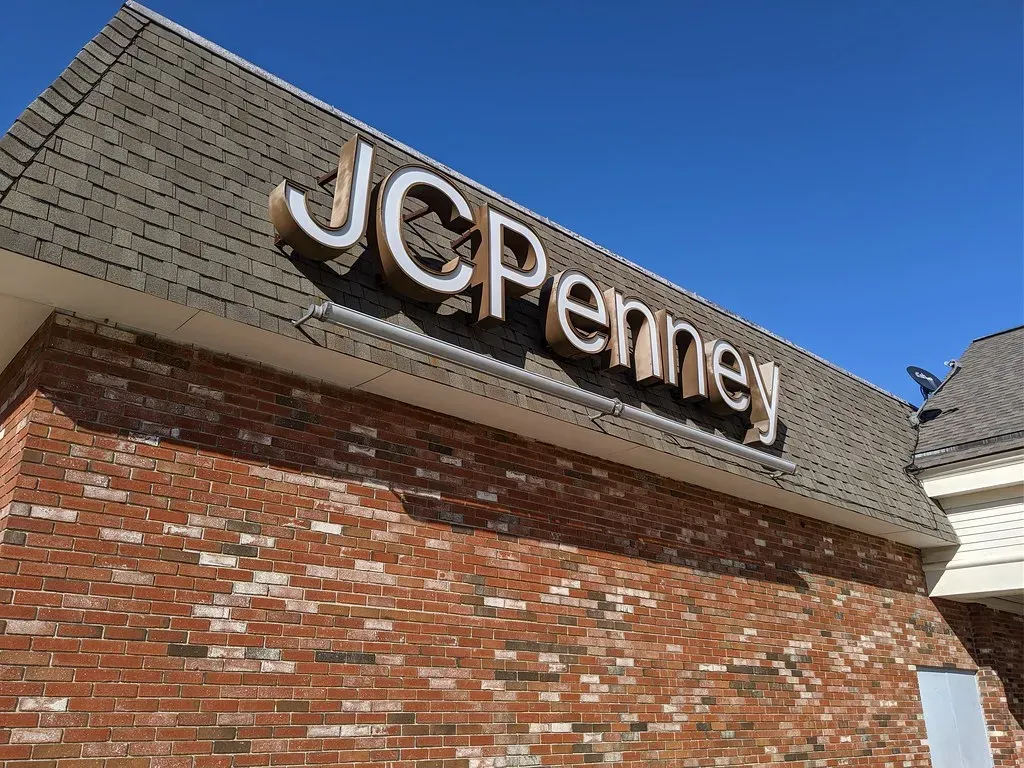
JCPenney was THE department store anchor for millions of families during the ’80s. It had that reliable, all-American energy. You went there for everything from school clothes to curtains. Honestly, no one expected it to wobble this badly. In 2020, JCPenney planned to shutter more than 240 stores as part of its Chapter 11 bankruptcy plan.
JCPenney closed eight stores in May 2025, calling them “isolated” closures, with locations in California, Colorado, Idaho, Kansas, Maryland, New Hampshire, North Carolina, and West Virginia. The chain insists it is not in retreat mode. JCPenney, which emerged from Chapter 11 reorganization in December 2020 with new owners, not only has grappled with years of internal issues but also faces an uncertain economy. It’s survival mode, plain and simple.
3. Macy’s: Shrinking to Survive
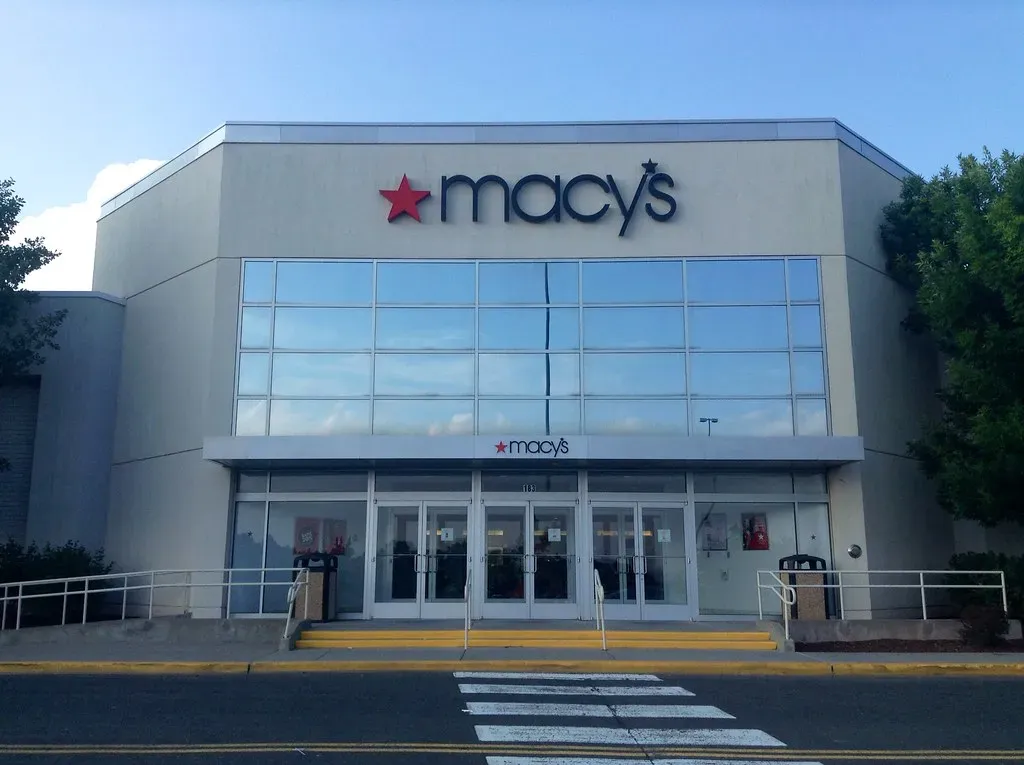
For more than 160 years, Macy’s has been a symbol of American retail, known for its iconic Thanksgiving Day Parade, seasonal window displays, and wide product selection, serving as a staple for families looking for fashion, home goods, and gifts under one roof. In the ’80s, walking into Macy’s felt like entering a cathedral of commerce. Today, the doors are closing across the country.
These closures are part of a “Bold New Chapter” strategy announced in February 2024, designed to return the company to sustainable, profitable sales growth – including closing approximately 150 underproductive stores over a three-year period while investing in its 350 go-forward locations through fiscal 2026. Macy’s has a plan to close about 150 stores and has already closed 66 struggling locations. The grand old American department store is getting dramatically smaller, and there is no guarantee the trimmed-down version survives long-term.
4. RadioShack: From Gadget Heaven to Ghostly Brand
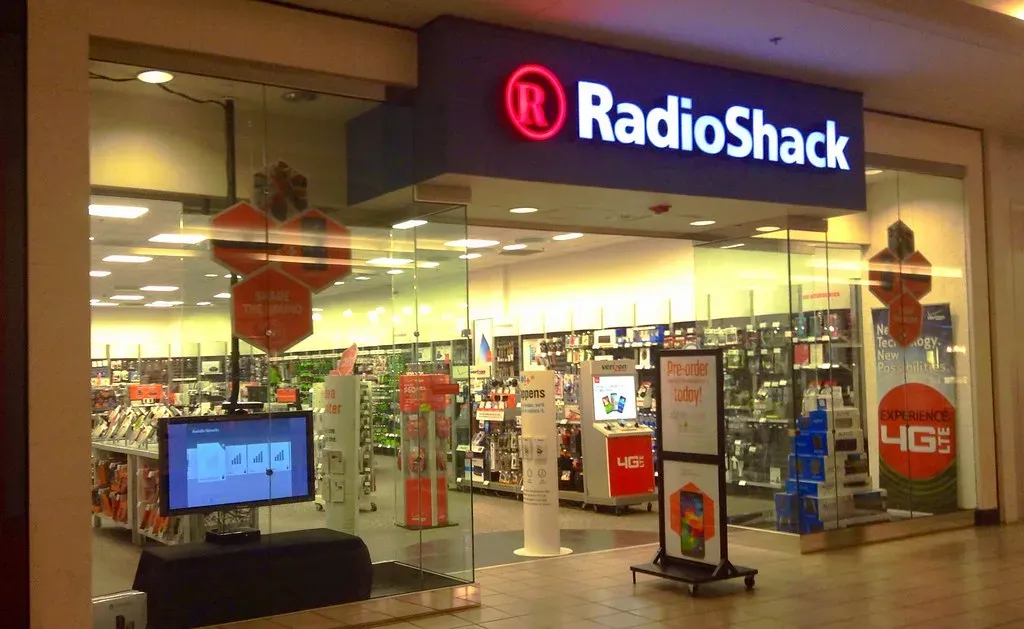
If you grew up in the ’80s, RadioShack was genuinely thrilling. It smelled like electronics and possibility. You could buy a soldering iron, a remote-controlled car, or the batteries for almost anything imaginable all in one cramped, fluorescent-lit shop. Once the go-to store for CB radios, tape recorders, and other gadgets of the day, RadioShack didn’t keep its inventory fresh or its shopping experience up to date, as electronics retailers like Best Buy and Amazon increasingly ate up market share.
The company tried humor to claw back relevance. It poked fun at itself with a 2014 Super Bowl ad featuring ’80s pop culture icons such as Dee Snider, Hulk Hogan, Erik Estrada, and Mary Lou Retton. Charming, sure, but a Super Bowl ad can’t fix a broken business model. The brand has gone through multiple bankruptcy cycles and now exists largely as a ghost of its former self, operating under licensing arrangements rather than as a proper retail presence. It’s a cautionary tale about what happens when nostalgia replaces actual innovation.
5. Claire’s: The Piercing Queen Fighting Her Second Bankruptcy
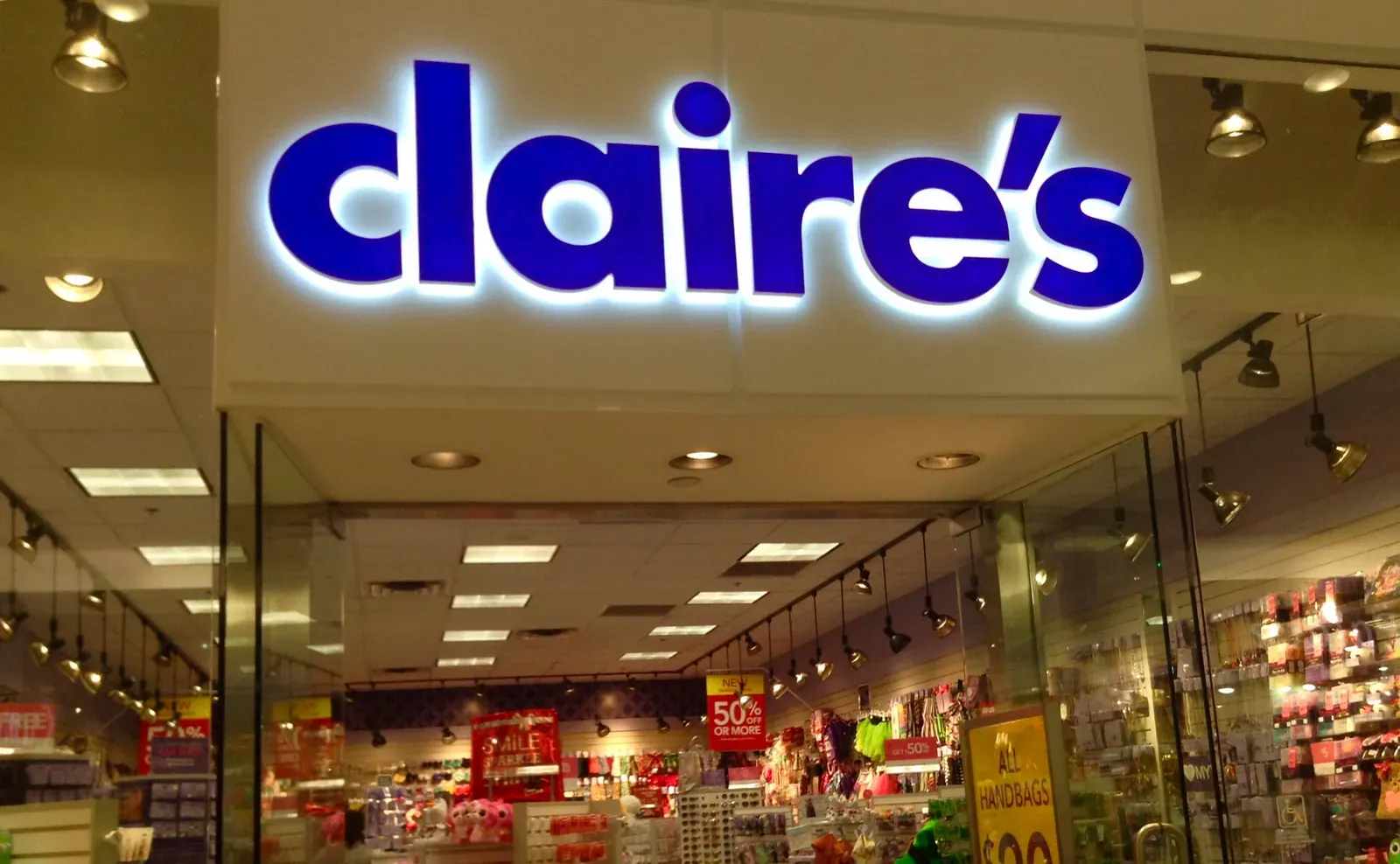
For millions of teenage girls in the ’80s, Claire’s was a rite of passage. The ear piercing. The hair clips. Those tiny hoop earrings. The entire brand was woven into adolescent identity for a whole generation. Claire’s filed for Chapter 11 bankruptcy in 2018, blaming a decline in consumer demand and online retailer competition, followed by shuttering close to 100 of its store locations. By 2022, that plan worked and the company was able to exit bankruptcy.
As part of its comeback strategy, Claire’s also planned to focus on its locations in prestige malls, as well as set up kiosks to sell its products in drugstores and grocery stores. On July 11, 2025, reports surfaced that Claire’s was considering declaring Chapter 11 bankruptcy a second time. On August 20, 2025, Claire’s was purchased by private equity firm Ames Watson, saving 795 stores from the previously planned wave of 1,100 closures. Saved, for now. But this brand has more lives than a cat, and even cats run out eventually.
6. Foot Locker: Closing Hundreds While Trying to Reinvent
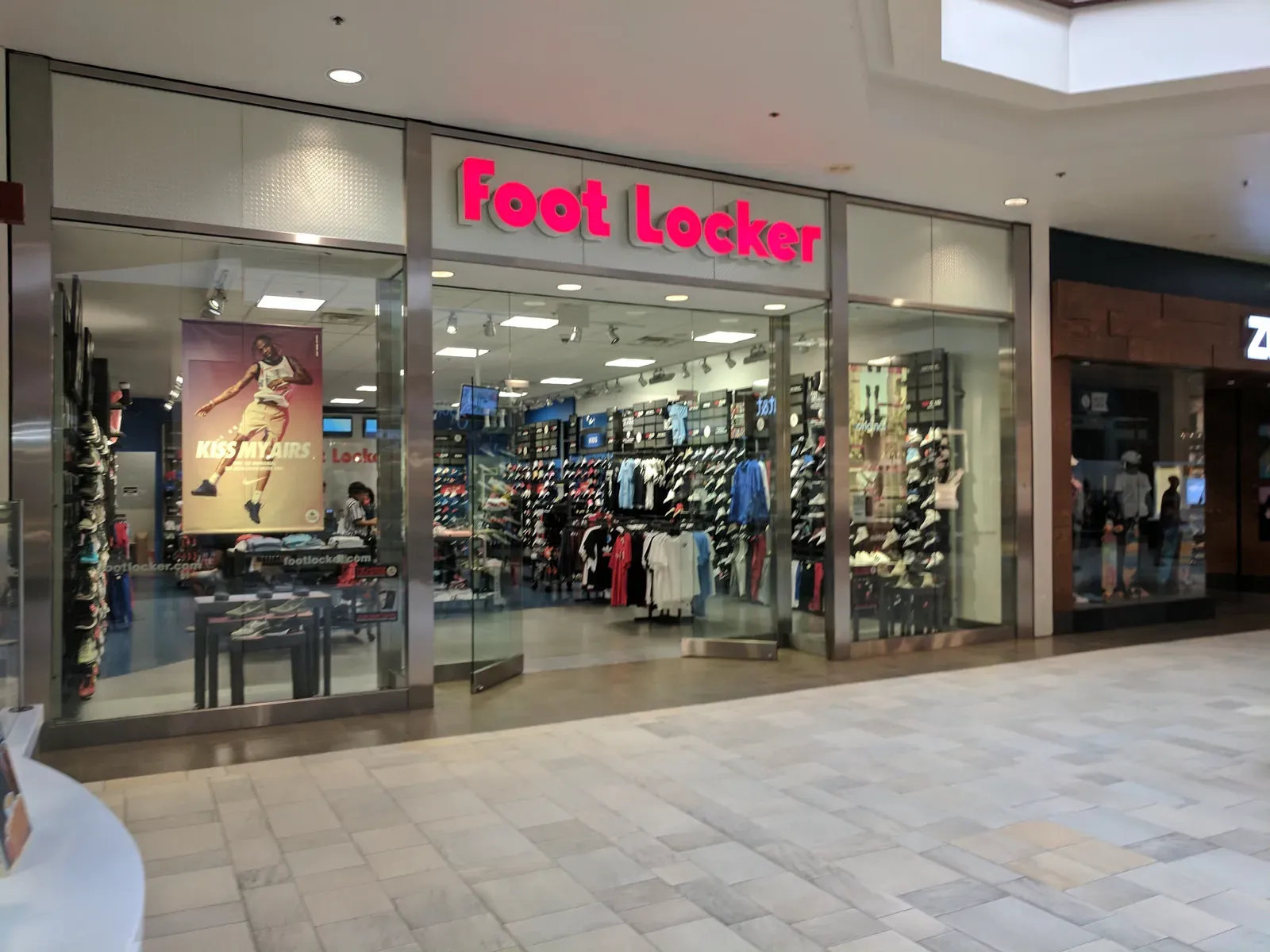
Foot Locker was cool in the ’80s in a way that felt almost counterintuitive. A shoe store that felt like a sports event. The black-and-white referee stripes on the staff. The sneakers on the wall that you couldn’t actually touch without asking. It had an aura. Foot Locker announced in 2023 that it planned to close more than 400 low-performing stores in shopping malls through 2026.
By the end of 2025, Foot Locker will have established a “new baseline” of stores following a major overhaul that saw the retailer close more than 20% of its global locations since 2019, including plans to shutter 400 mall-based stores. Going forward, Foot Locker will operate a “tighter, stronger store base, with reduced exposure to lower-tier malls.” Dick’s Sporting Goods purchased sneaker chain Foot Locker in a $2.5 billion deal in September 2025. So, the iconic referee-stripe brand has a new owner and an uncertain road ahead.
7. GameStop: The Video Game Retailer That Won’t Quit
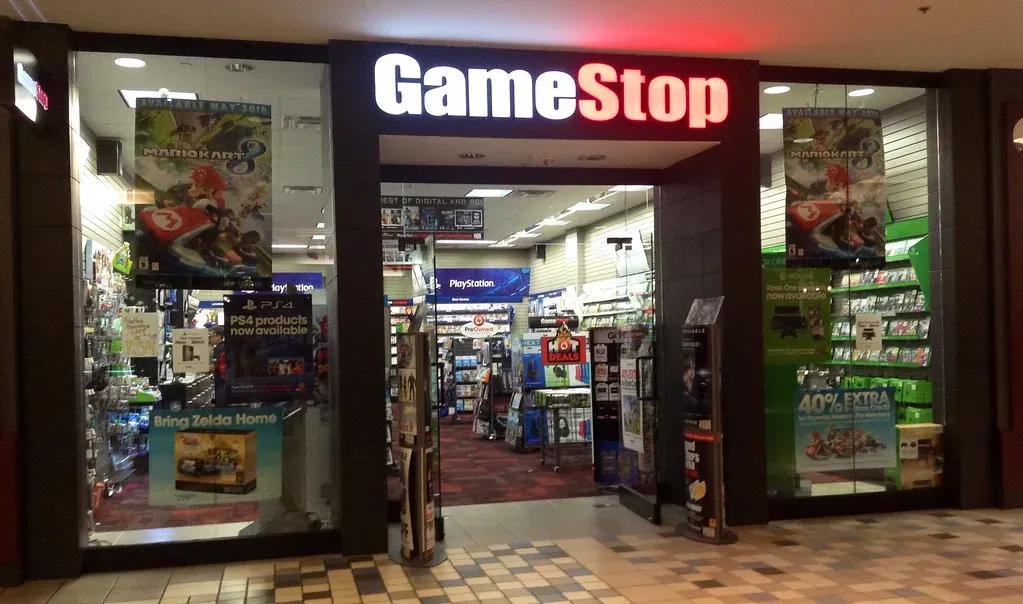
Here’s the thing about GameStop: nobody expected it to last this long. It feels like it defied gravity, especially after the famous meme-stock saga of 2021. But its origins trace all the way back to the ’80s. Babbage’s was born in 1984 and mostly sold computer games. At the end of the decade, it merged with Software Etc., another big ’80s software chain, to eventually become GameStop.
GameStop closed roughly 960 stores in 2024 – an almost staggering figure. Its challenges persist despite attempts to pivot the business, with many locations in smaller towns or struggling malls shutting in 2025. At the same time, the company has launched a plan to sell retro game consoles and games, while shifting its in-store lineup toward gaming merchandise like toys, apparel, and collectibles. Selling vintage cartridges and branded hoodies to nostalgia-hungry millennials is a creative pivot. Whether it’s enough to sustain a nationwide retail chain is a completely different question.
8. Forever 21: The Fast Fashion Dream That Crashed Hard
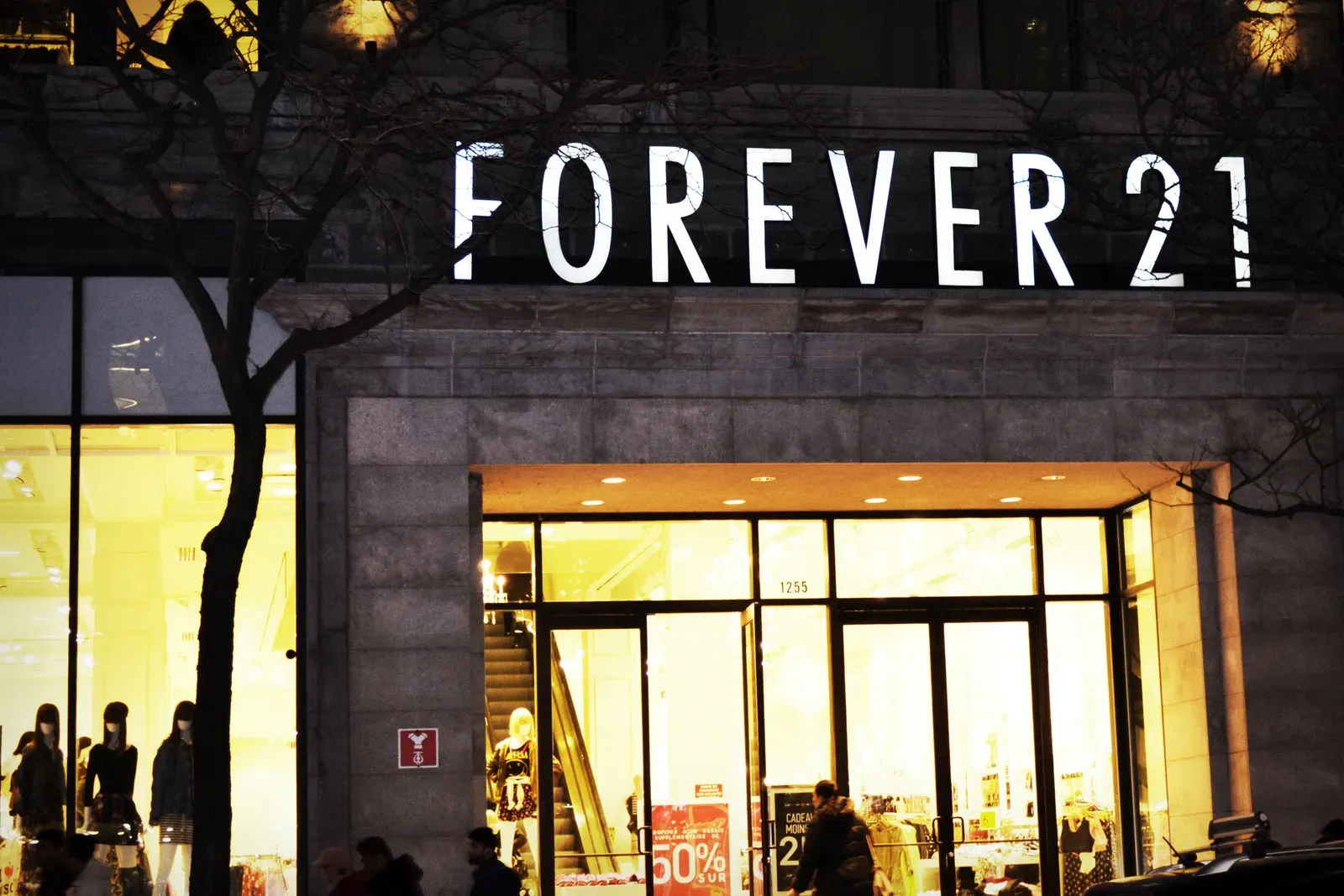
Forever 21 didn’t originate in the ’80s exactly, but it grew its roots in that decade’s love for bold, cheap, and flashy fashion. Forever 21 first started in 1984 and exploded in popularity in the early 2000s when it began heavily marketing runway-like styles to young adults. However, with the rise of online shopping and changing consumer trends, the chain began seeing signs of trouble in the late 2010s and filed for bankruptcy for the first time in 2019.
The company was saved by Simon Property Group, Brookfield Property Partners, and Authentic Brands Group, but the pandemic and skyrocketing inflation doomed the chain from recovery. Fast-fashion retailer Forever 21 closed 356 U.S. stores, citing overseas competition, rising costs and other economic challenges in its Chapter 11 bankruptcy petition, though international stores were not affected. It is a genuinely sad story about a brand that was once everywhere – now gone from every American mall.
9. Sam Goody: The Last Note of an Era
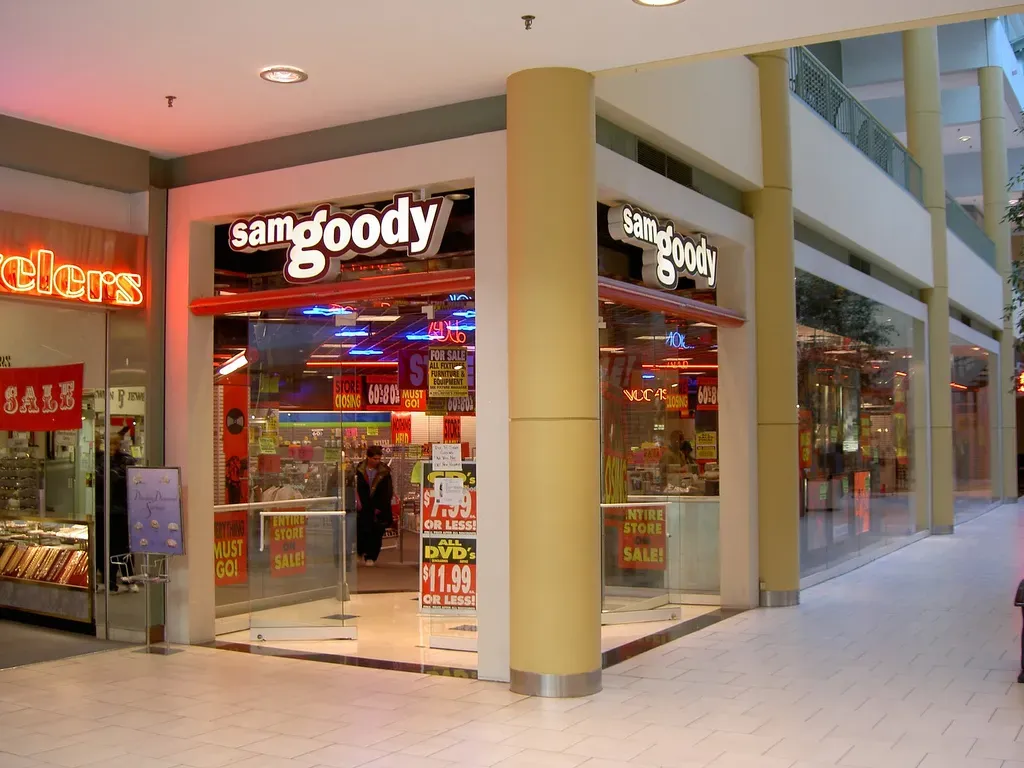
Before Spotify. Before iTunes. Before the algorithm told you what to like. There was Sam Goody. Walking into that store in the ’80s, surrounded by cassettes, CDs, and music posters, was a full sensory experience. Before Apple showed up and decimated the concept of a record store, Sam Goody was enormous. If you were interested in CDs, DVDs, or tapes, you knew that Goody Got It, as the commercials insisted. It was also helpful that the branding was so neon that you could see it from everywhere.
When Best Buy bought it in 2000, it was the beginning of the end for the iconic store. One last Sam Goody remained at the Rogue Valley Mall in Medford, Oregon, but the location was set to close. Most locations were converted to FYE, but two locations continued to operate as Sam Goody until they closed in 2025. And just like that, the final physical trace of Sam Goody vanished from the American mall landscape. The music stopped. The neon went dark. And a piece of the ’80s went with it.
The Bigger Picture: Why Are So Many ’80s Mall Brands Disappearing?

The rise of e-commerce over the last 25 years and increased consumer use of internet retailers have severely impacted shopping malls and their tenants. After the heyday of malls during the 1980s and ’90s, when trips to the mall were an everyday occurrence, the convenience of internet shopping pulled consumers away. Mall retailers who didn’t evolve and offer online shopping saw revenue decline and financial distress increase.
In 2024, Americans spent $1.2 trillion on online retail, a record 16.1% of the $7.2 trillion spent on retail overall, nearly two percentage points higher than 2022, when 14.4% of retail sales happened online. There are about 1,200 malls remaining in the U.S. as of 2025, but only around 900 are projected to still be in operation by 2028, with research projecting that nearly 87% of large shopping malls may shut down within the next decade. These are not small numbers. This is a structural transformation of American consumer culture, and those ’80s brands that defined an era are caught right in the middle of it.
The real question isn’t whether any of these brands can survive. Some probably will, in smaller, leaner, more digital forms. The real question is whether what survives will feel anything like the original. What do you think – is there still a future for the classic American mall brand, or is the ’80s shopping experience gone for good? Tell us in the comments.