
Most of us have sat down at a restaurant, looked at the plate in front of us, and felt that little jolt of excitement before a single bite had been taken. The food just looked too good. Too composed. Almost too beautiful to eat. Here’s what nobody tells you: that feeling isn’t an accident, and it isn’t exclusive to professional kitchens.
With the right knowledge, a few simple tools, and a shift in how you think about the plate as a canvas, you can recreate that restaurant-quality experience at home. It doesn’t require expensive equipment or culinary school. What it does require is intention. Let’s dive in.
1. Understand Why Plating Actually Matters (It’s Not Just Vanity)
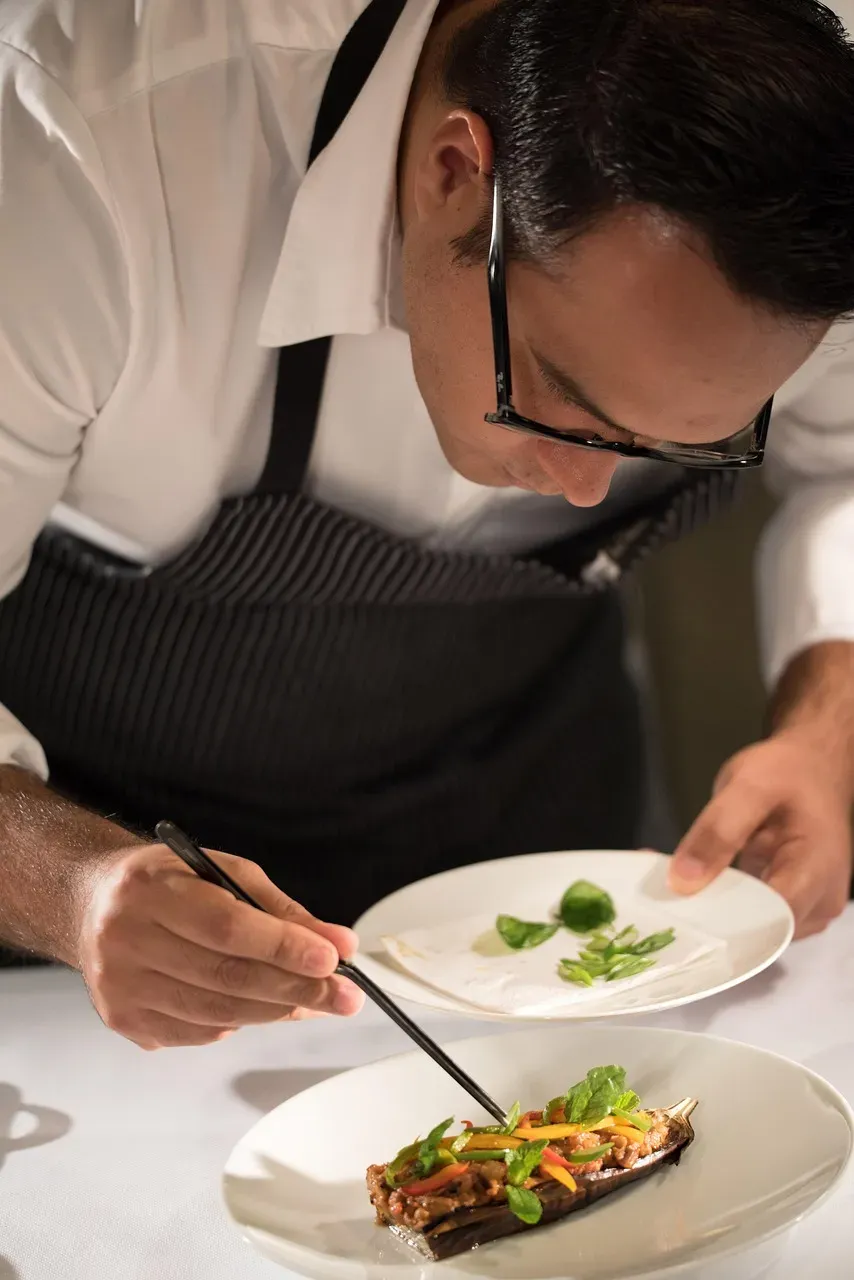
The way food is presented can significantly influence liking, satiation, and emotional responses to food. That’s not just intuition – that’s science. Think about the last time someone handed you a sad, pile-everything-on plate. Your brain judged the food before your fork ever touched it.
Oxford researchers plated the same meal two ways, artfully and without attention, and diners reported that the artfully plated version tasted better. Same ingredients. Same recipe. Totally different perception. This is the power you hold every single time you approach a plate.
How food looks affects how it tastes, how it’s experienced, and how it’s remembered. So investing even five extra minutes in your plating isn’t fussiness – it’s genuinely making the food taste better to the people eating it. Honestly, that’s a pretty compelling reason to try.
2. Choose the Right Plate Before You Even Think About the Food
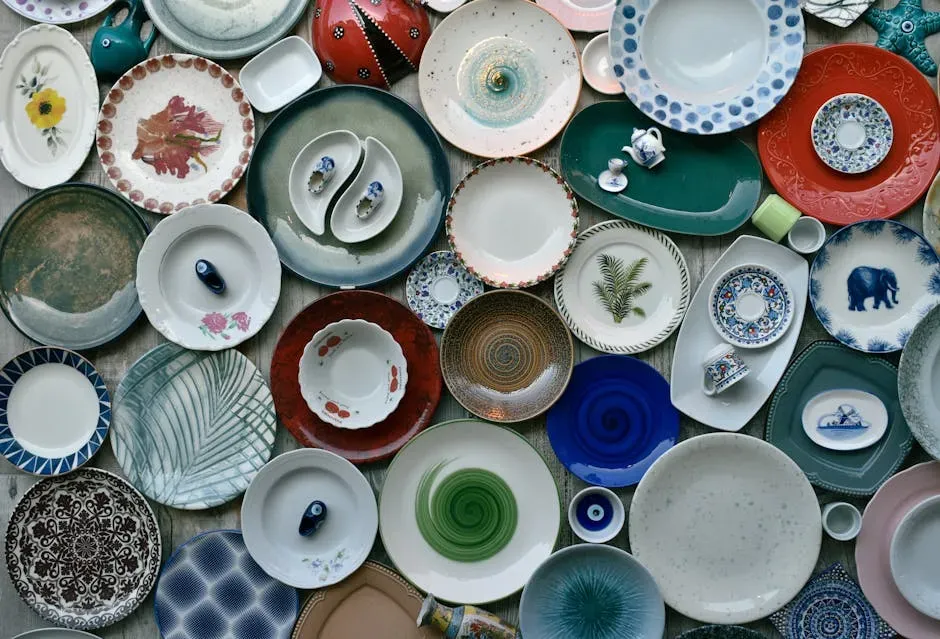
Consider the shape and material of the plate itself. Round plates are classic and versatile, while square or rectangular plates offer modern appeal. Experiment with different textures and finishes to complement your dish. Plate choice is step one, and most home cooks skip it entirely.
A plate’s color can stimulate or reduce appetites. Red increases the appetite, so serving appetizers on red plates keeps customers interested in ordering large entrees and desserts. Professional platers consider blue dinnerware unappetizing because there are few naturally occurring blue foods. White plates, for most dishes, are your safest and most elegant bet – they act like a blank canvas.
Findings revealed that along with an increasing plate size from a diameter of 24–27 cm to 31 cm, the ratings of the dish’s perceived appearance, portion size, and energy value decreased. In other words, a smaller plate can actually make your food look more generous and visually appealing. Less really is more – especially in plating.
3. Master the Rule of Thirds for Instant Visual Dynamics
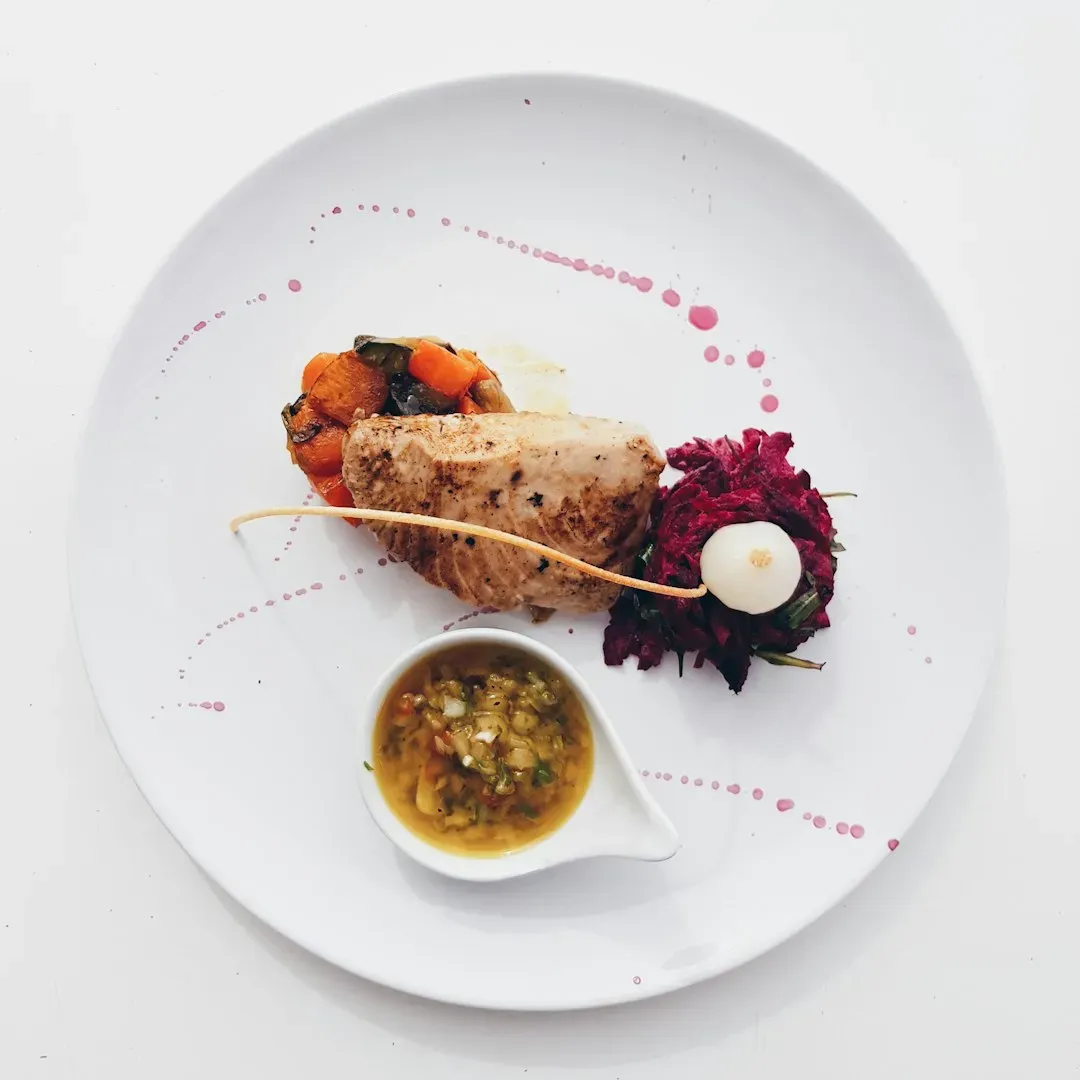
The rule of thirds is a simple way to create visual interest and professional-looking plates. Borrowed from photography, it helps you move away from static, overly centered presentations and into layouts that feel dynamic and intentional. This one shift alone will make your plates look dramatically more professional.
In the majority of cases, there are two broad rules to follow: the rule of thirds – fill two-thirds of the plate with food and leave the remaining third blank (the space helps to frame the food) – and avoid placing food on the rim of the plate. The empty space isn’t wasted. It’s doing exactly what a frame does for a painting.
The clock technique involves imagining your ingredients like the hands of a clock. For the perfect visual balance, position your protein between 3 and 9, your starch/carbohydrate from 9 to 12, and your vegetable from 12 to 3, all from the diner’s perspective. If the rule of thirds feels too abstract at first, the clock method is a foolproof starting point for any home cook.
4. Embrace the Magic of Negative Space
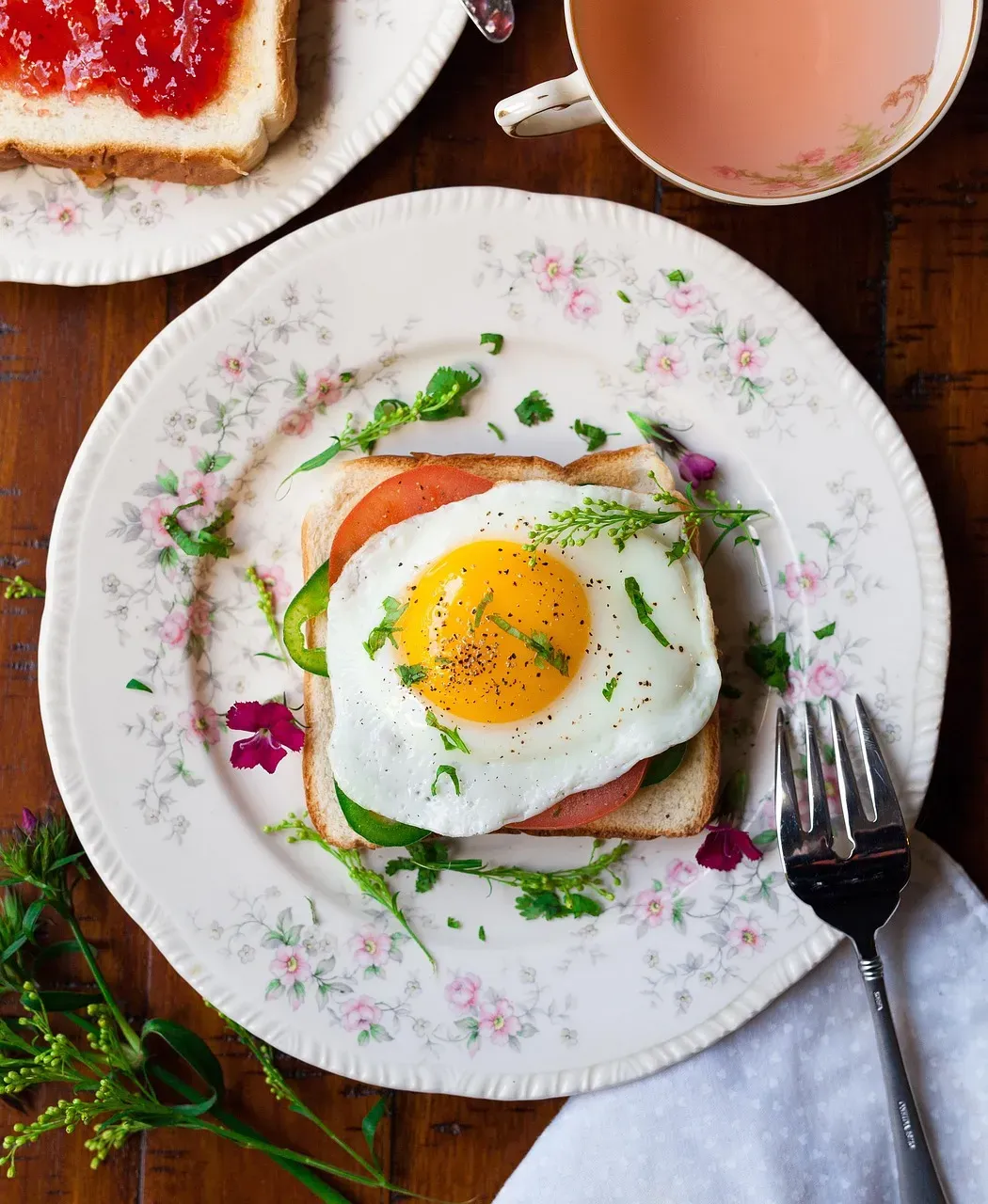
Proper food plating requires leaving approximately 30 to 40 percent of the plate surface empty to create visual breathing room. This technique, called ‘white space management,’ allows each element to stand out while maintaining elegant simplicity. Think of it like interior design – a room packed with furniture feels chaotic; a room with breathing space feels luxurious.
The empty areas of the plate are just as important as the food itself. Avoid overcrowding; let each component have breathing room so the dish feels clean and the plating intentional. Begin plating by placing larger items first, then adding smaller details without cluttering. This is a surprisingly counterintuitive skill. Your instinct says “add more.” Great plating says “stop sooner.”
As for the amount of food on each plate, less is definitely more. It’s better to have a beautiful plate of food with less on it, eat it, and then go back and get more versus having a big plate of food. Restraint, it turns out, is its own kind of sophistication.
5. Build Height and Structure Like a Sculptor
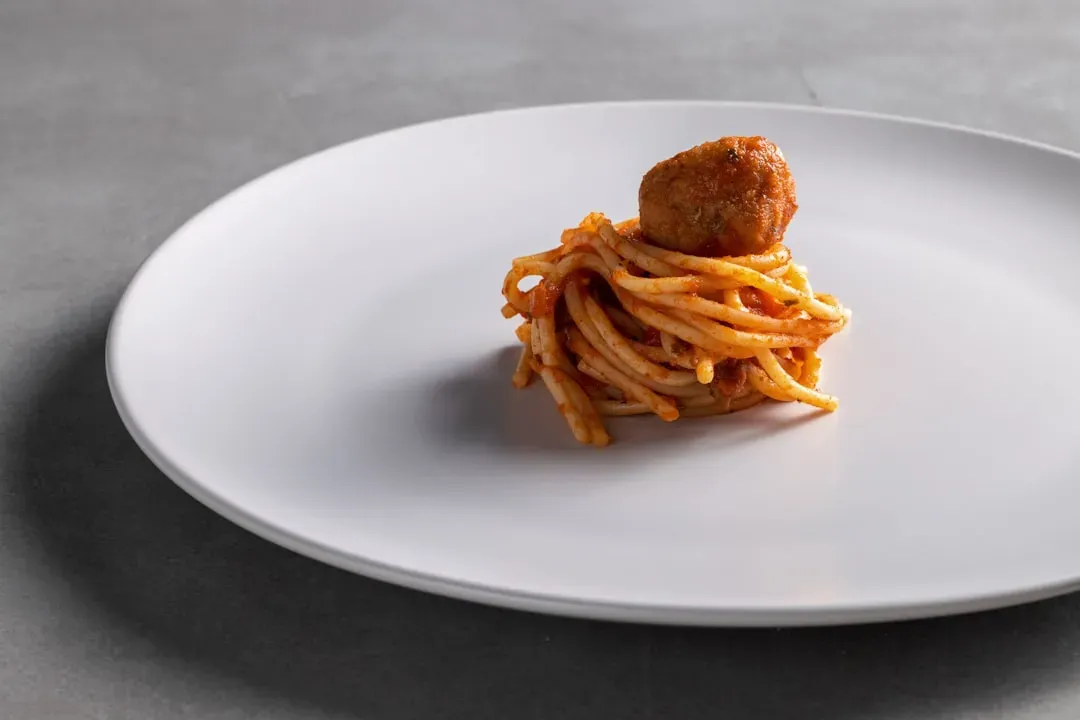
Height creates drama, so design the plate with a 3-D approach, like a sculpture. Simple techniques like fluffing salad greens or overlapping slices of meat are simple ways to create height. You don’t need ring molds or fancy equipment to start. A fork, a gentle stack, and a little confidence will do the trick.
Start with a solid base of starch or sauce as the first layer and then carefully build upward by stacking proteins and vegetables to add depth and structure. You can also use ring molds or stackable elements to help create a clean, structured presentation. Height adds a sense of complexity and craftsmanship. A neatly stacked tower of roasted vegetables beside a seared piece of fish tells a completely different story than everything spread flat.
Salads served on a large plate with high-stacked plating received the highest ratings for liking, compared to other conditions including small plate high-stacked, small plate spread, and large plate spread. Research backs this up directly. Height isn’t just visually dramatic – it genuinely makes people like the food more.
6. Use Sauce as an Artistic Tool, Not an Afterthought
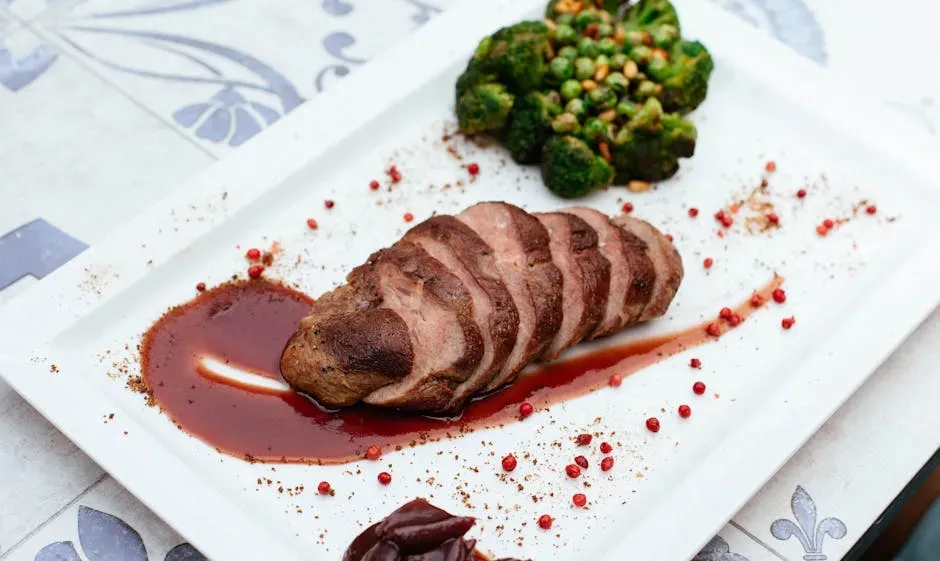
Sauces are not just for flavor; they can also be part of the presentation. To make swooshes, place a spoonful of sauce on the plate and drag the back of the spoon through it in one fluid motion. For dots, use squeeze bottles to create neat circles of sauce around or alongside the main item. These techniques add sophistication and help balance the visual weight of a plate.
Sauces tie the elements of the dish together, providing color and luster. They should be of the correct color, consistency, and texture. A bright green herb oil dragged under a piece of salmon, or a deep red reduction dotted around a steak – these aren’t extras. They’re essential design elements that change the entire tone of a plate.
Squeeze bottles enable controlled sauce application and artistic designs on plates. Professional food plating techniques rely heavily on precise sauce placement to create visual balance and flavor distribution. Fill squeeze bottles with various sauces, oils, or reductions to create dots, lines, and decorative patterns that enhance both appearance and taste. A good squeeze bottle costs almost nothing and changes everything.
7. Play with Color Contrast to Make Plates Pop
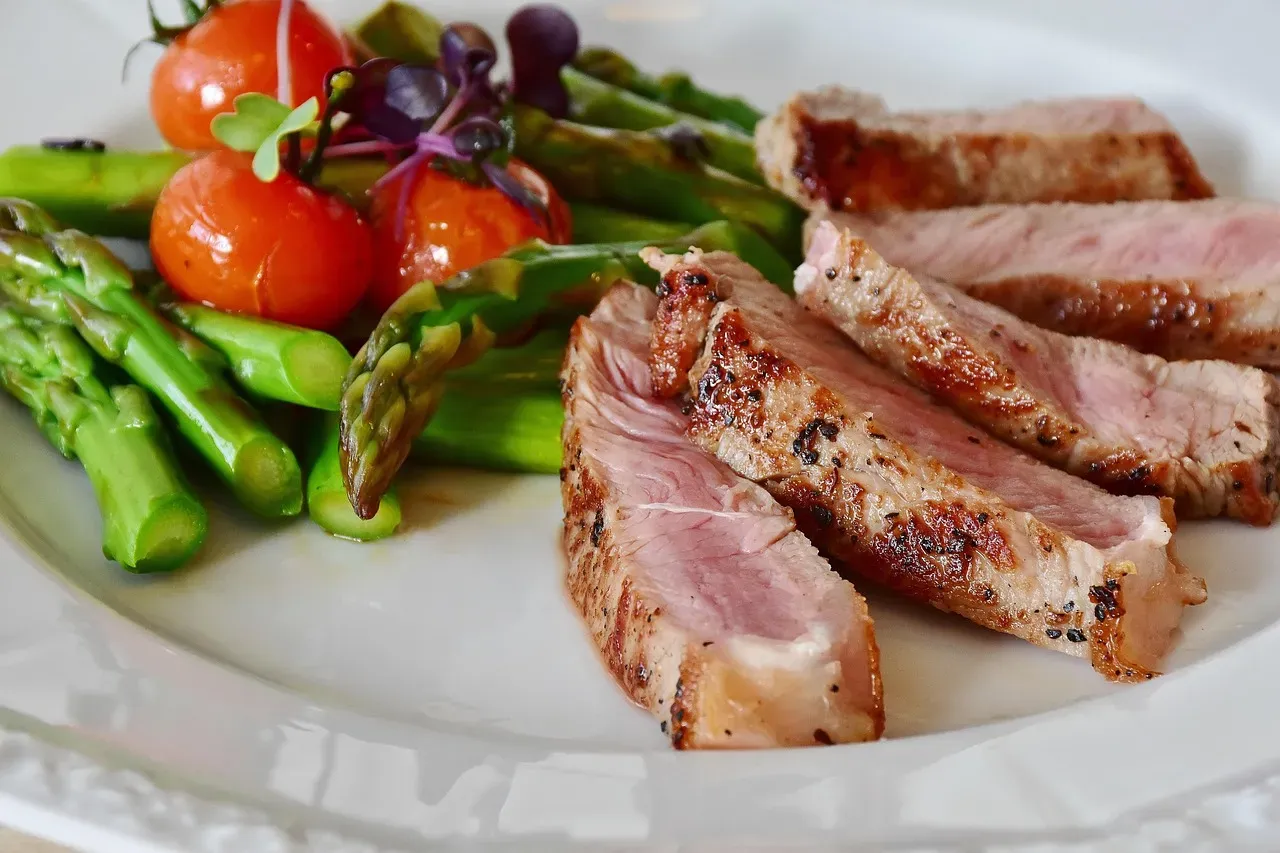
A visually appealing plate often features pops of color and contrast to draw attention. When planning a dish, consider incorporating vibrant vegetables, colorful purees, or bright garnishes to balance the more neutral tones of proteins or grains. For example, pairing golden-brown roasted chicken with vibrant green beans and a bright orange carrot puree will make the dish look more inviting.
Brightly colored foods are pleasing to the eye. Choose dishes with ingredients that look nice together and try to avoid foods with the same color scheme. Including bright vegetables in your recipes can add a pop of color to an otherwise dull dish. I think of it like putting together an outfit – you wouldn’t wear beige on beige on beige and call it interesting.
While it is a good idea to give your plate a vibrant look with contrasting colours, you should avoid going overboard with it. It is advisable to stick to a maximum of four contrasting colours on a plate. Understated patterns and colours make the food and its texture stand out. Bold colours and patterns can draw attention away from the food and its visual appearance.
8. Use Garnishes with Purpose, Not as an Excuse to Decorate
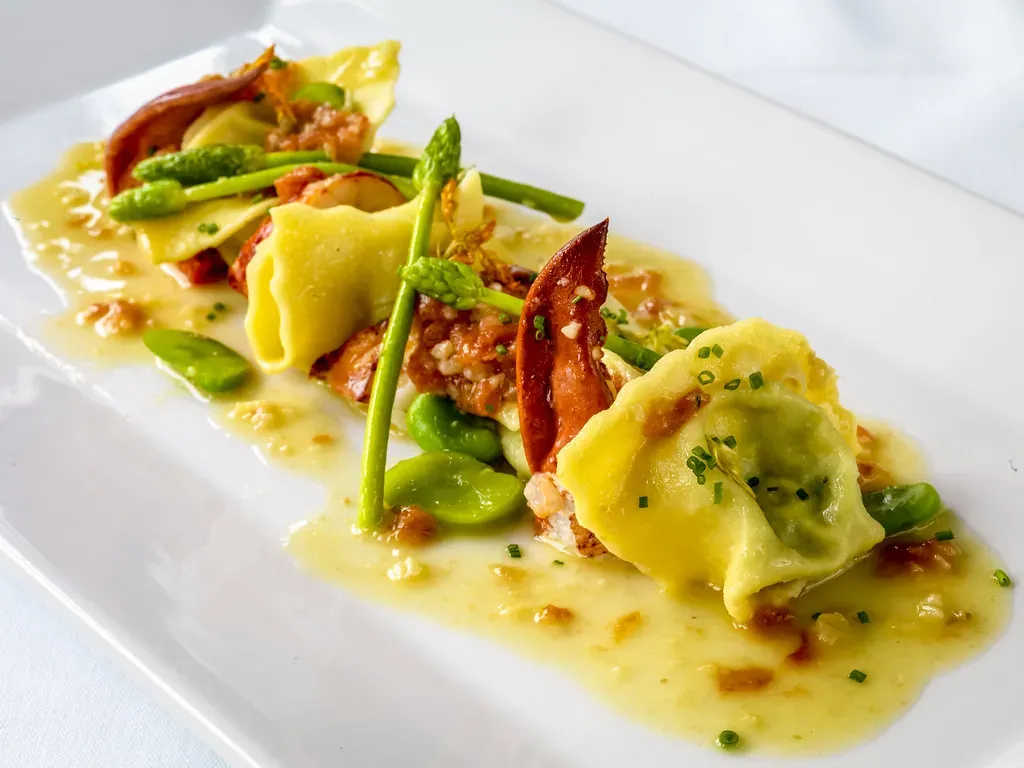
The appearance of the garnish placed on the plates close to the main dish contributes to visual appetite stimulants. It is evident that color, moisture, and taste play a major role in the acceptability of food. A good garnish isn’t decoration for its own sake – it should genuinely relate to the flavors and story on the plate.
Garnishing with microgreens is a technique that adds both beauty and freshness to a finished dish. These tiny, delicate greens – often sprouted versions of herbs or vegetables – act like the final decorative touches. A small sprinkle of microgreens on top of a seared steak, a creamy risotto, or even a dessert will provide a pop of color, a hint of texture, and a burst of fresh flavor.
Herbs are the most common garnish so, if you’re using any in your recipe, consider putting a handful aside to sprinkle over your food when it’s plated up. Other garnish ideas include salad leaves or a wedge of lemon or lime. Edible flowers, such as marigolds, violas, lavender, roses, violets, pansies, and cornflowers, can add a stunning seasonal touch to your spring and summer dishes, especially desserts.
9. Apply the Odd-Numbers Rule and Keep the Rim Spotless

Odd numbers bring unity and harmony to the plate and pull in the surrounding elements. This sounds almost too simple, but it’s one of those tricks that truly works every single time. Three scallops, five cherry tomatoes, seven dots of sauce – odd groupings feel dynamic where even numbers feel rigid and corporate.
Balance color, texture, and proportion across the plate. Use odd numbers for garnishes to create a dynamic look. Pair this rule with clean, intentional placement and the result looks genuinely intentional – like someone thought carefully about every element. Because they did.
Keep the rims and borders clean, free of smudges, drips, or stray crumbs. Before serving, gently wipe the rim with a damp cloth to ensure a neat presentation. A clean rim frames the dish like a work of art and makes everything feel more refined. Even a simple dish of pasta looks elevated when the sauce stays within the plate’s inner circle and the rim is spotless. This is the finishing touch that separates a home cook from someone who actually looks like they know what they’re doing. Don’t skip it.
Conclusion: Your Plate Is Your Canvas
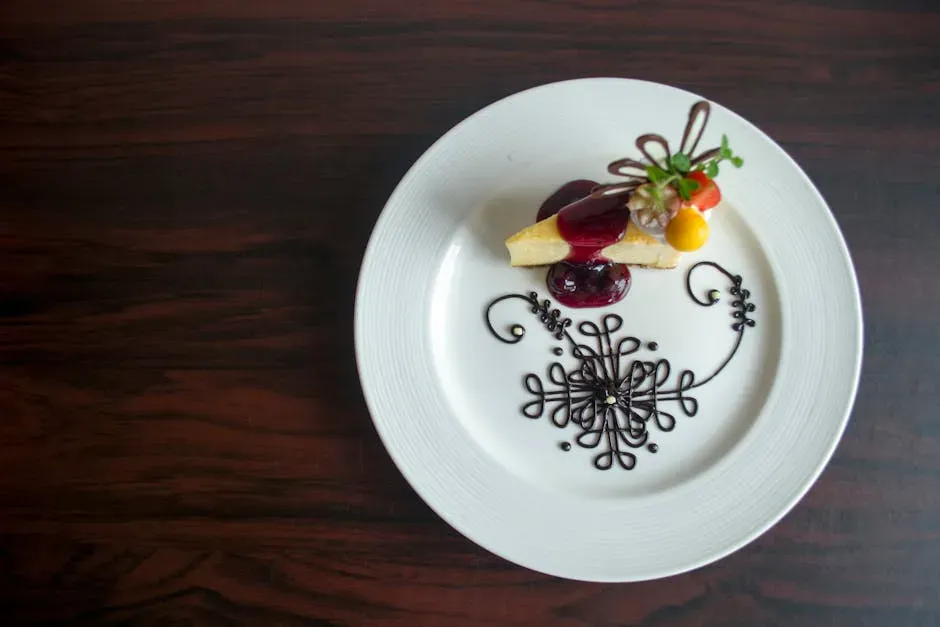
Here’s the thing – none of these tips require a culinary degree or a kitchen full of professional gear. They require attention, a bit of practice, and the willingness to slow down before you serve. Effective plating should be simple enough to execute on a busy night yet stylish and visually appealing to the guest. Consider the plate with a photographer’s eye to create a composition that brings the various elements of the dish together in harmony.
Start with one tip. Maybe you commit to the rule of thirds this week, then add sauce work next week. Over time, it becomes second nature – and your meals will look genuinely elite without any extra effort at all. The science is clear, the techniques are accessible, and the rewards are real.
The next time you’re about to dump your carefully cooked meal straight onto a plate without a second thought – pause. Take one extra minute. What you put in front of people shapes what they taste, how they feel, and what they remember. Isn’t that worth a little more intention? What do you think – which of these tips will you try first?