
Something is happening across America’s strip malls and suburban boulevards. Parking lots that used to fill up on Friday nights are sitting half-empty. Booths that once needed reservations now gather dust. The casual dining era, which defined American family life for decades, is quietly unraveling – and the numbers behind it are genuinely alarming.
Restaurant chains like Wendy’s, Denny’s, and Applebee’s closed locations in 2024 as consumers dined out less often, with U.S. restaurant visits falling for the first 10 months of the year, according to Black Box Intelligence. This isn’t just a blip. It’s a structural shift. Let’s dive in.
1. Red Lobster – The Seafood Giant That Sank
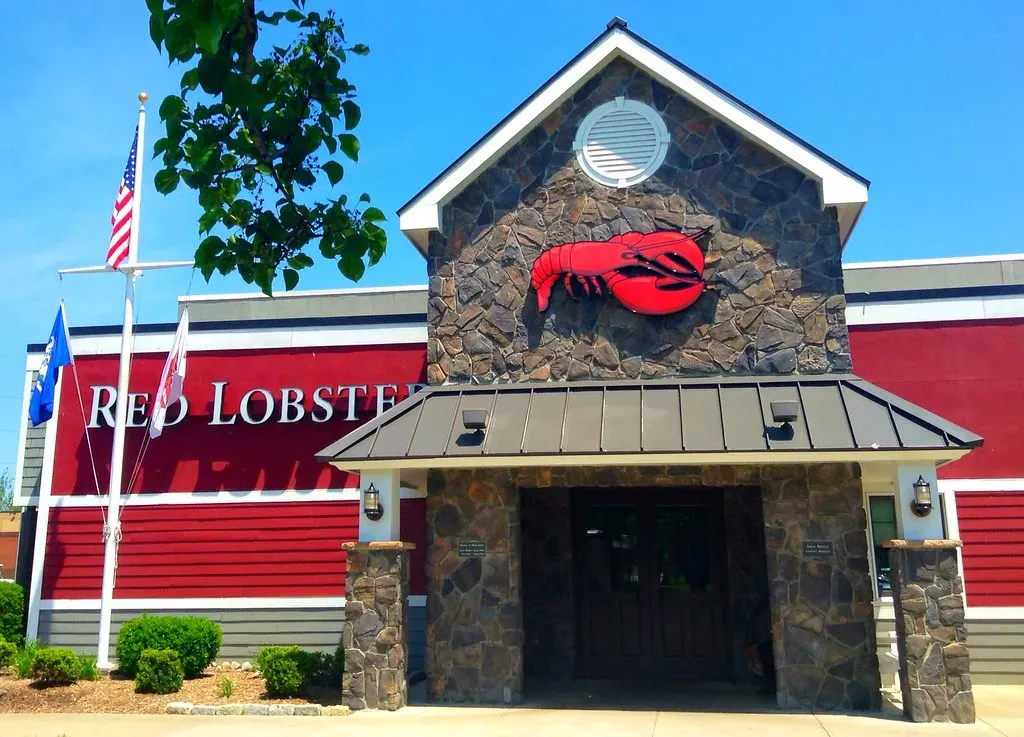
Red Lobster was once the undisputed king of seafood dining in America. Families celebrated birthdays there, couples had anniversaries over Cheddar Bay Biscuits, and grandmas dragged grandkids in for the endless shrimp. Honestly, for a certain generation, it was almost sacred.
The seafood chain’s professional woes played out very publicly, from the marketing fail that was its all-you-can-eat shrimp promotion to its Chapter 11 bankruptcy filing in May 2024 – and shortly before approaching the court, Red Lobster closed 93 of its restaurants in a single day, claiming to be saddled with over one billion dollars in debt.
Red Lobster experienced a sales drop of nearly 23 percent in 2024, to around 1.68 billion dollars, while its restaurant count plunged 20 percent to 518, according to Technomic. Despite turnaround efforts post-bankruptcy, including streamlining its menu and celebrity partnerships, customer visits to Red Lobster continued to decline – falling 31 percent in January 2025, 35 percent in February, and 24 percent in March, according to Placer.ai.
2. TGI Fridays – Every Day No Longer Feels Like Friday

TGI Fridays practically invented the concept of casual American bar dining. The sizzling fajitas, the loaded potato skins, the happy hour that stretched into eternity. It was a cultural institution.
As new competitors arrived and began taking over, TGI Fridays struggled – facing a lack of enthusiasm and even a mozzarella stick lawsuit – and all of this culminated in a bankruptcy filing in November 2024, with the restaurant citing COVID-19 and its capital structure as reasons. Before filing for Chapter 11, TGI Fridays shuttered 86 restaurants, starting with 36 closures in January and another 50 in late October, taking the chain’s footprint down to roughly 160 open locations worldwide.
By the end of April 2025, TGI Fridays had just 85 locations remaining around the country. TGI Fridays now has 58 percent fewer restaurants than it did in 2019, according to data from industry research firm Technomic. That’s not a retreat. That’s a collapse.
3. Hooters – The Wings Are No Longer Flying

Hooters was a staple of sports-watching culture for decades. The wings were decent, the atmosphere was lively, and for a long time, the brand somehow stayed relevant. Then things started going very wrong, very fast.
In mid-2024, approximately 40 Hooters restaurants closed across the United States. Texas and Florida, states with the most Hooters locations, were hit particularly hard, with at least 15 restaurants closing in Texas and four in Florida. Other states affected included Illinois, Kentucky, and Ohio.
Additional closures followed in March 2025, with approximately 30 to 40 more locations shuttered nationwide. In February 2025, reports emerged that Hooters was preparing to file for bankruptcy, with the company owing approximately 376 million dollars – and it officially filed for bankruptcy in March 2025. Honestly, few saw it coming this fast.
4. Denny’s – America’s Diner Is Dimming Its Lights
There’s something deeply comforting about Denny’s. The 24-hour availability, the Grand Slam breakfast, the fact that you could always count on it being there at 2 AM when nothing else was open. It was a constant in an inconsistent world.
Denny’s experienced a terrible 2024 and has been struggling to stay in business. Toward the end of the year it announced it was closing 50 of its restaurants in just a few months, citing underperformance – while also cutting round-the-clock operating hours at many locations in a bid to save money.
In the same announcement, Denny’s stated it was closing 100 further restaurants throughout 2025, and then, just a few months later, said it was pressing ahead with closing dozens more. In total, 180 restaurants were due to close in just 24 months – a huge proportion of its remaining locations. When COVID-19 hurt the chain’s foot traffic, business never fully recovered.
5. Applebee’s – The Neighborhood Grill Losing Its Neighbors

Applebee’s was the place for affordable comfort food – the Two for Twenty deal, the Neighborhood Nachos, the sticky menus and familiar jingles. For millions of American families, it was reliable and unpretentious. That’s what made it work for so long.
Applebee’s same-store sales have declined for six straight quarters, according to company filings. Dine Brands, which also owns IHOP, has closed more stores than it has opened every single year since 2016, with the exception of 2022. The chain dropped from 1,578 stores in 2021 to 1,501 in 2024, according to the brand’s SEC filings – meaning Applebee’s has over 70 fewer locations than it had just three years prior.
Applebee’s comparable same-restaurant sales declined 4.7 percent for the fourth quarter of 2024. In 2025, a combined 110 Applebee’s and IHOP locations closed, and the company expects to close around five to fifteen Applebee’s restaurants in 2026 as well. The brand is trying to fight back with dual-branded locations and value promotions, but the road is uphill.
6. IHOP – The Pancake Palace Losing Its Batter
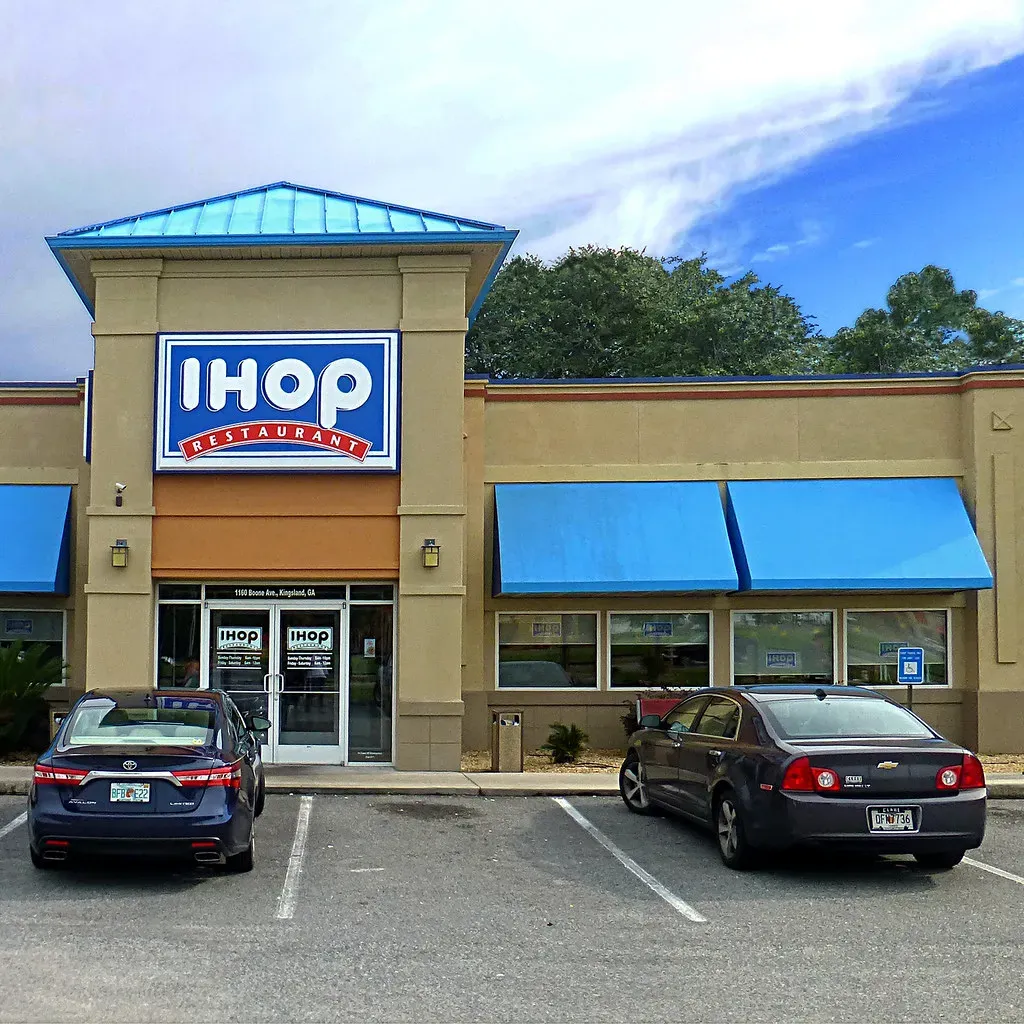
Let’s be real – IHOP pancakes have a nostalgia factor that’s almost impossible to replicate. But nostalgia doesn’t pay the rent. The International House of Pancakes has been dealing with a very un-fluffy reality in recent years.
IHOP wound down 100 locations in 2024 alone, part of a broader wave of restaurant closures across the casual dining sector. IHOP’s year-over-year domestic comparable same-restaurant sales declined 2.3 percent for the second quarter of 2025. The decline is steady, not dramatic – which almost makes it more unsettling. It’s the kind of slow erosion that can creep up on a brand before anyone notices.
At IHOP, same-store sales were down around 2.7 percent in the first quarter of 2025 compared to the prior year period. The brand is experimenting with dual-branded Applebee’s locations and a value menu called House Faves to turn things around – and there are early signs of progress – but the closure trend has been hard to reverse.
7. Outback Steakhouse – The Bloomin’ Onion Is Wilting
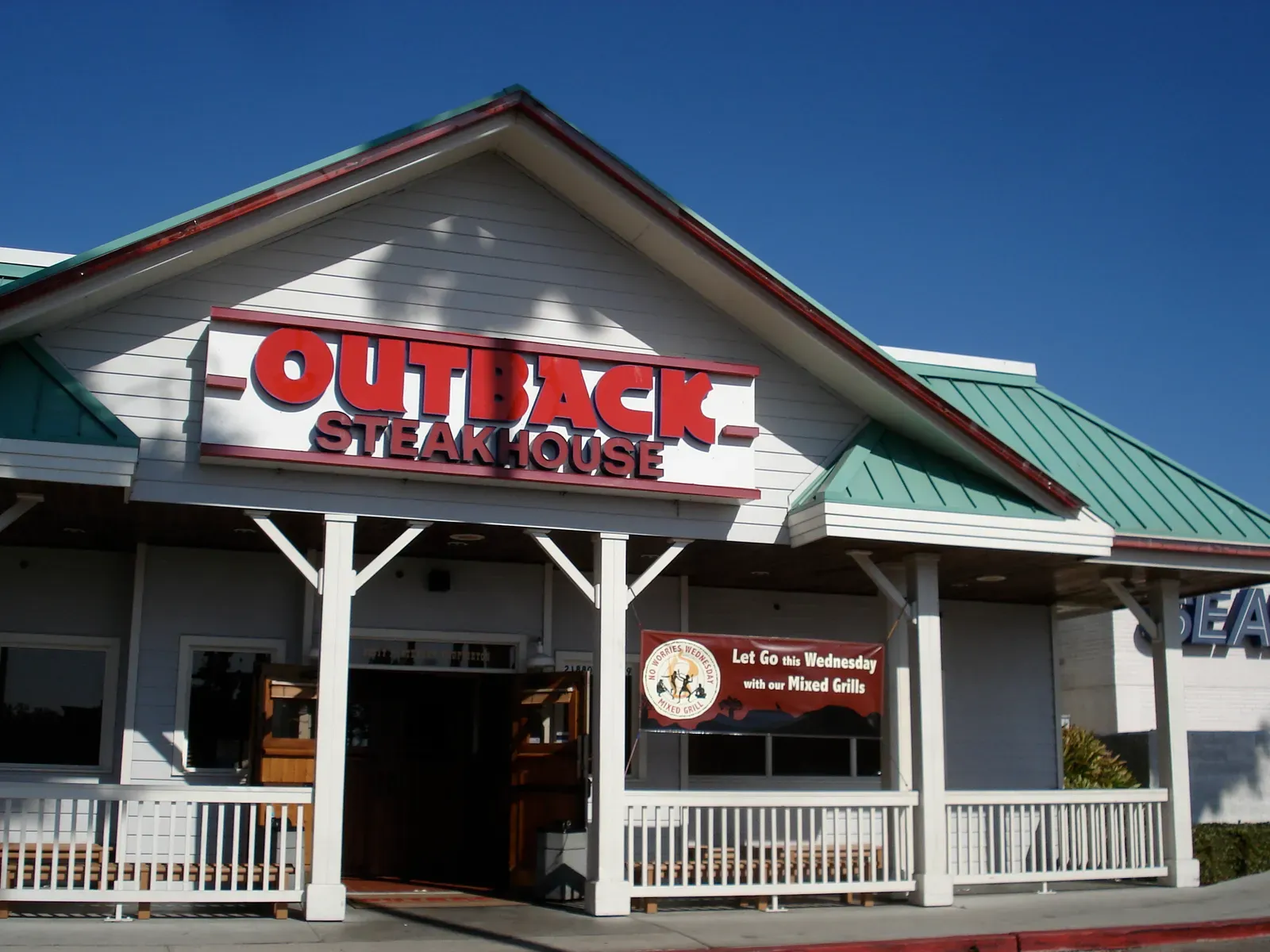
Few things in chain restaurant history are as iconic as Outback’s Bloomin’ Onion. The Australian-themed steakhouse managed to make American suburbanites feel vaguely adventurous for decades. It was a formula that seemed bulletproof. Turns out, it wasn’t.
Outback Steakhouse’s parent company, Bloomin’ Brands, announced plans to close 41 restaurants across its portfolio in February 2024. While it didn’t clarify how many were Outback locations specifically, it confirmed the chain would be hit the hardest – and Bloomin’ Brands closed 33 of the restaurants that same week, with the rest following shortly after.
The mass closures affected eight states and officially made Outback Steakhouse extinct in Hawaii. Bloomin’ Brands announced the shuttering of 41 locations across Outback Steakhouse, Carrabba’s Italian Grill, and Bonefish Grill in February 2024 as part of a major financial restructuring. In a restaurant world moving fast toward fast-casual and value dining, a sit-down steakhouse experience at a premium price is a tough sell.
8. Buffalo Wild Wings – The Sports Bar That’s Losing the Game
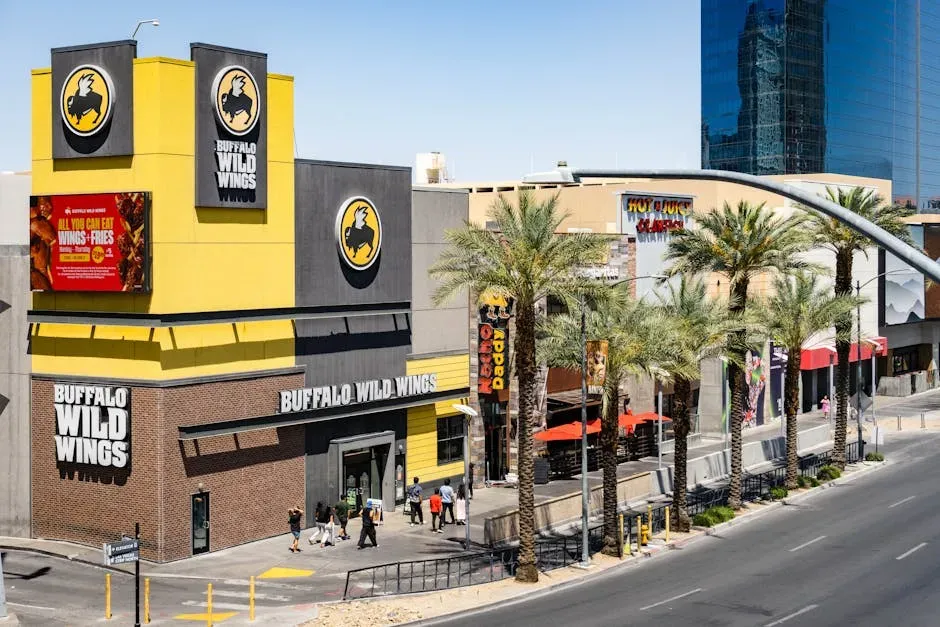
Buffalo Wild Wings was built on a brilliant, simple concept: wings, beer, and sports on every screen. For a long time, there was almost nothing better on a Sunday afternoon. The chain expanded aggressively and became a fixture of American sports culture. Here’s the thing, though – the model hit a wall.
In 2024, Buffalo Wild Wings eliminated sixty locations in the United States. The chain closed all of its Canadian locations as well, influenced by legal issues and declining traffic. The brand had already been fighting lawsuits over the labeling of its boneless wings, and the financial pressures of running large, high-maintenance sports bars simply became too much in a market where consumers were tightening their belts.
Customer traffic at full-service restaurants in the third quarter of 2024 was down 3 percent from a year ago and is 17 percent below the same period in 2019, according to CREST. That broader trend hit sports bar concepts particularly hard. It’s hard to justify a 60-dollar tab for wings and beers when streaming sports at home costs a fraction of that.
9. Subway – The World’s Largest Sandwich Chain Is Shrinking
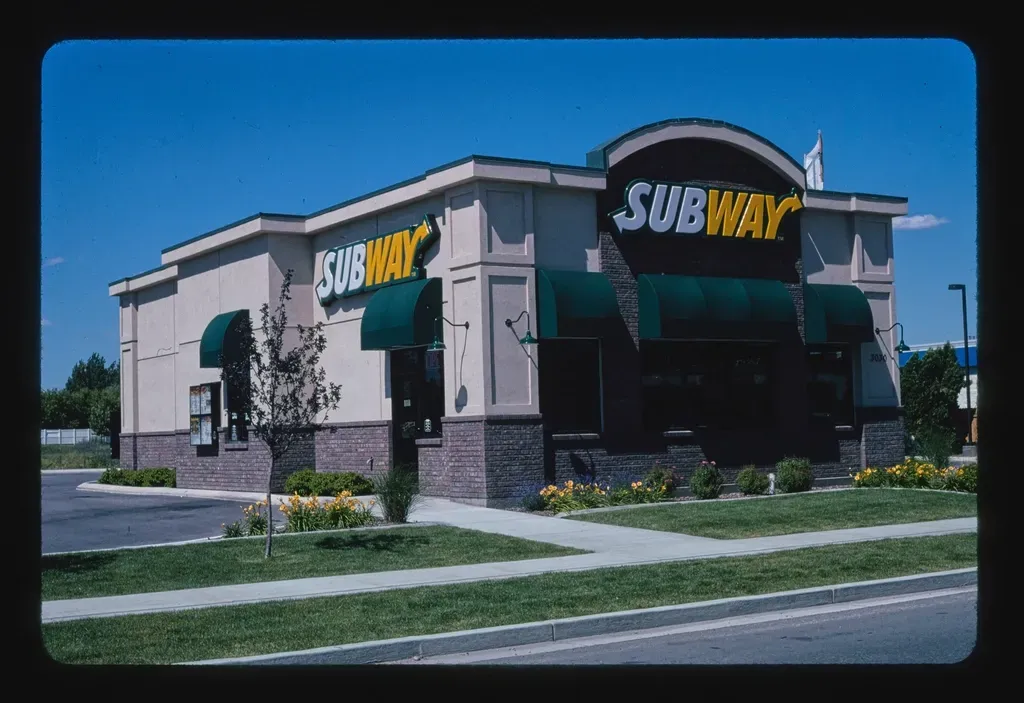
Subway’s decline feels surreal because of just how massive the brand once was. At its peak, there were more Subway locations in the United States than any other restaurant chain on earth. It was everywhere – airports, gas stations, strip malls, college campuses. Everywhere.
It’s important to note that Subway once had far more units than it does today. At its peak in 2015, it had approximately 27,000 restaurants in the U.S., and that number has been gradually sinking ever since. In 2024 alone, it had to close a massive 631 restaurants in the U.S.
The reason for the closures is relatively simple: sales have been weak, costs have increased, and profitability has taken a hit. According to the National Restaurant Association, median pretax income has declined for both full-service and limited-service restaurants since 2019. Subway is fighting back with menu updates and a renewed focus on quality, but regaining lost ground at that scale is a monumental challenge that will take years, if it happens at all.
The Bigger Picture: A Dining Era in Decline
In 2024, sales across the casual dining sector dropped 0.9 percent, while growing 0.6 percent at fast-casual chains and 1 percent at fast-food chains, according to data from Black Box Intelligence. These restaurants have been hiking menu prices at the same time their customer base has been squeezed by the rising cost of living. Since 2019, restaurant prices have increased 34 percent, outpacing the overall growth of inflation during that same period, according to Bureau of Labor Statistics data.
Chain restaurants are grappling with escalating food prices, increased labor costs, and higher rent expenses. These financial strains led to a surge in bankruptcy filings, with a 50 percent increase reported in 2024 compared to the previous year, according to NBC New York. At the end of 2024, the overall full-service restaurant segment was nearly 18 percent smaller than it was in 2019, when Technomic reported nearly 349,000 full-service restaurants in the U.S.
The restaurants on this list built their empires on the promise of affordable, comfortable dining for the American middle class. That promise became harder and harder to keep. Whether you feel nostalgic about these chains or not, their struggles tell an important story about how dramatically American eating habits – and American economic reality – have shifted. What do you think: is this the end of an era, or can any of these chains actually turn it around?