
Most people have never once worried about their magnesium levels. It just isn’t the kind of thing that comes up at the dinner table. Yet this quiet, underappreciated mineral may be one of the most consequential nutrients in your entire body, and millions of people are running low without having the faintest idea.
Magnesium is the fourth most abundant cation in the human body and a critical cofactor in hundreds of enzymatic reactions that regulate energy metabolism, neuromuscular function, cardiovascular health, bone integrity, immune defense, and psychological well-being. When it dips below optimal levels, the warning signs can be maddeningly vague, easy to dismiss, and simple to blame on stress, aging, or a bad night’s sleep. That’s what makes this deficiency so sneaky. Let’s dive in.
Table of Contents
1. Persistent Muscle Cramps and Twitches

If you’ve ever been jolted awake at 3 a.m. by a sudden, excruciating leg cramp, you probably blamed dehydration or too much exercise. Honestly, it might be something simpler. Magnesium deficiency can cause tiredness, generalized weakness, muscle cramps, abnormal heart rhythms, increased irritability of the nervous system with tremors, paresthesias, and palpitations. These cramps happen because magnesium plays a direct role in regulating muscle contractions.
Adequate magnesium is important for normal muscle function, whereas deficiency contributes to muscle weakness, cramps, and impaired physical performance. Think of magnesium as the natural “off switch” for your muscles. When calcium tells a muscle to contract, magnesium is what signals it to relax. Without enough of it, that switch gets stuck.
For those experiencing chronic twitching or cramping, foods like spinach and pumpkin seeds can help. Cooked spinach delivers around 78 mg of magnesium per half-cup, while hulled roasted pumpkin seeds pack an impressive 150 mg per ounce. That’s a seriously powerful snack.
2. Chronic Fatigue and Unexplained Weakness

Feeling perpetually tired even after a full night’s rest? That kind of bone-deep exhaustion that no amount of coffee seems to fix? This is one of the most commonly overlooked signs of insufficient magnesium. Early signs and symptoms of magnesium deficiency include loss of appetite, nausea, vomiting, fatigue, and weakness. These are not dramatic symptoms, which is exactly why they get dismissed so often.
Low magnesium levels affect multiple body processes, including nerve signaling and potassium levels in muscle cells, which may cause fatigue and weakness, respectively. It’s a bit like trying to run your phone on a 5% battery. Everything slows, sputters, and drags.
To fight back, consider adding black beans and avocados to your regular meals. Black beans provide 60 mg of magnesium per half-cup, and one whole avocado delivers 58 mg. These are easy, practical, delicious additions that don’t require a complete diet overhaul.
3. Poor Sleep Quality and Insomnia

Here’s the thing – not all sleep problems come from stress or too much screen time. Magnesium has a surprisingly deep connection to how well we sleep. Preclinical studies support associations between magnesium status, sleep quality, and symptoms of anxiety. This link is one reason magnesium supplements have exploded in popularity on social media in recent years.
A 2024 systematic review found that magnesium supplementation can be helpful in managing anxiety and improving sleep quality, particularly in those who are already low in magnesium. The mechanism is actually fascinating. Magnesium helps activate the parasympathetic nervous system, which is responsible for that calm, restful state that allows you to drift off.
Dark leafy greens and nuts are your friends here. Roasted almonds contain 80 mg of magnesium per ounce, and roasted cashews deliver 72 mg per ounce. A small evening handful of almonds might honestly be worth trying before reaching for a sleep supplement.
4. Anxiety, Mood Swings, and Low-Level Depression

It sounds almost too simple. Could a mineral deficiency really affect your mental state? Quite possibly, yes. Current research suggests that magnesium deficiency is associated with the development of depression, as magnesium influences glutamatergic and GABAergic neurotransmission, as well as the activity of the hypothalamic-pituitary-adrenal axis, both of which play critical roles in stress responses and mood regulation. That’s not a fringe theory. That’s peer-reviewed neuroscience.
Low dietary or serum magnesium has been associated with higher prevalence and severity of depression and anxiety symptoms. Mechanistic studies support this association, as magnesium appears to modulate stress-response pathways and neurotransmitter balance, including promoting GABAergic inhibition while tempering excitatory glutamatergic signaling. In plain English, magnesium helps your brain stay calm.
Suboptimal magnesium status appears to be associated with a higher burden of depressive, anxiety, and sleep symptoms. Whole grains like quinoa and buckwheat are excellent dietary sources, with whole grains such as wheat, oats, and barley, as well as buckwheat and quinoa, being excellent sources of magnesium – with a cup of cooked buckwheat containing 86 mg.
5. High Blood Pressure With No Clear Cause

Hypertension that seems to come out of nowhere, with no obvious dietary or lifestyle trigger, deserves a second look. Numerous studies have indicated a significant correlation between magnesium deficiency and the risk of hypertension. The mechanisms involved include vascular tone regulation, improvement in insulin sensitivity, and inhibition of the sympathetic nervous system. Magnesium is essentially a natural regulator of blood vessel tension.
Clinical investigations have untangled a notable dose-response relationship between serum magnesium levels and hypertension risk: for every 0.5 mg/dL increase in serum magnesium, the risk of hypertension decreases by 7%. That’s a meaningful number. It suggests even modest dietary improvements could make a real difference for people prone to high blood pressure.
Low magnesium status is associated with hypertension, type 2 diabetes, osteoporosis, migraines, depression, and chronic inflammation, whereas sufficient intake supports cardiometabolic resilience, skeletal strength, neurological stability, and more. Fatty fish like salmon and mackerel provide a solid dual benefit here. Fatty fish such as salmon, mackerel, and halibut are not only rich in omega-3 fatty acids but also provide a good dose of magnesium, with a 3-ounce serving of salmon containing about 26 mg.
6. Migraines That Keep Coming Back

Anyone who suffers from regular migraines knows how devastating they can be. What many don’t know is that low magnesium may be quietly fueling them. Studies show low magnesium levels are associated with migraine headaches, and consumption of magnesium helps prevent migraines. I think this is one of the most underutilized clues in the whole migraine conversation.
Low magnesium intakes and blood levels have been associated with type 2 diabetes, metabolic syndrome, elevated C-reactive protein, hypertension, atherosclerotic vascular disease, sudden cardiac death, osteoporosis, migraine headache, asthma, and colon cancer. It’s a strikingly long list, and migraines sit right there alongside cardiovascular concerns.
Dark chocolate is one of the more enjoyable solutions out there. High-quality dark chocolate at 70% cocoa or more is a surprisingly rich source of magnesium, with one ounce providing about 64 mg. That said, you’ll need a variety of sources to meaningfully boost overall levels. Think seeds, greens, and legumes as your daily base.
7. Irregular Heartbeat and Heart Palpitations

Feeling a sudden flutter, skip, or racing sensation in your chest is understandably alarming. While many causes are benign, magnesium deficiency is a legitimate factor worth considering. Hypomagnesemia can depolarize cardiac cells, increasing the risk of arrhythmias such as supraventricular and ventricular tachyarrhythmias. This is why doctors often check magnesium levels in cardiac patients.
Heart arrhythmia, or irregular heartbeat, is a potentially severe effect of magnesium deficiency. Subclinical magnesium deficiency likely leads to hypertension, arrhythmias, arterial calcifications, atherosclerosis, heart failure, and an increased risk for thrombosis. The cardiovascular stakes here are real, and they don’t always announce themselves loudly.
Legumes deserve more attention as a heart-protective food. A one-cup serving of cooked black beans contains an impressive 120 mg of magnesium, and because legumes are rich in fiber and have a low glycemic index, they may also help lower cholesterol levels. A double win for heart health.
8. Weak Bones and Increasing Fracture Risk
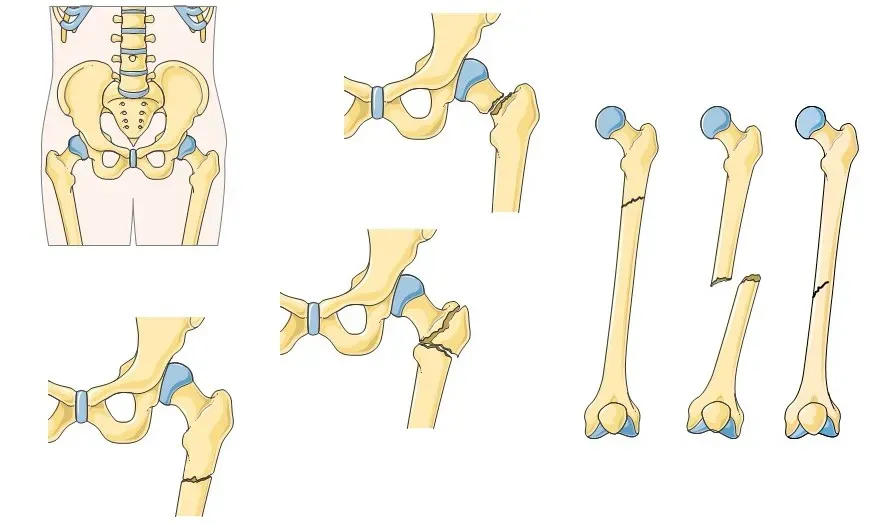
Most people associate bone health exclusively with calcium and vitamin D. Magnesium rarely enters the picture, which is a real missed opportunity. Magnesium deficiency might weaken bones directly, but it also lowers the blood levels of calcium, the main building block of bones. So a magnesium shortfall can effectively undermine your calcium status too. Think of it like hiring a builder but forgetting to supply the cement mixer.
Magnesium can be pulled from the bone (as well as muscles and internal organs) in order to maintain normal serum magnesium levels when intakes are low. Thus, a normal serum magnesium level does not rule out magnesium deficiency, which predisposes to osteopenia, osteoporosis, and fractures. That’s a troubling dynamic that most standard blood tests miss entirely.
Leafy greens and seeds are especially valuable here. Leafy greens such as spinach and Swiss chard provide 70 to 80 mg of magnesium per serving, while legumes like kidney beans and lentils, as well as whole grains like brown rice, quinoa, and oats, also significantly contribute to daily intake. Consistency with these foods matters more than any single superfood meal.
9. Blood Sugar Instability and Insulin Resistance

If you experience energy crashes after meals, persistent sugar cravings, or have been told you’re at risk for type 2 diabetes, magnesium is worth examining closely. Mechanistic studies show that magnesium deficiency disrupts ATP-sensitive potassium channel activity in pancreatic beta-cells, leading to impaired insulin secretion and reduced beta-cell function. In simple terms, without magnesium, your pancreas struggles to do its job.
Hypomagnesemia has been reported in between roughly one-in-seven and nearly half of all patients with type 2 diabetes, compared with about 2.5 to 15% in the general population, and may further aggravate hyperglycemia and insulin resistance. It’s a vicious cycle: high blood sugar causes the kidneys to flush out more magnesium, which then worsens insulin resistance further.
Magnesium deficiency is strongly associated with and appears to contribute to obesity, insulin resistance, metabolic syndrome, and type 2 diabetes, although the causal mechanism is not fully understood. Seeds are among the best corrective foods available. Chia seeds deliver 111 mg of magnesium per ounce, making them one of the most compact and practical sources you can add to yogurt, oatmeal, or smoothies without changing much about your daily routine.
How Widespread Is This Problem, Really?

Let’s be real – if only a tiny fraction of people were low in magnesium, this would be a niche health topic. It isn’t. Globally, an estimated 2.4 billion people, or roughly 31% of the global population, fail to meet the recommended magnesium intake levels. That’s nearly a third of humanity. The scale of this is genuinely hard to wrap your head around.
An analysis of data from the National Health and Nutrition Examination Survey of 2013 to 2016 found that nearly half of Americans of all ages ingest less magnesium from food and beverages than their respective estimated average requirements, with adult men over 71 years and adolescent males and females most likely to have low intakes. It’s hard to say for sure why awareness around this issue remains so low, but part of the problem is clearly diagnostic.
Because serum magnesium does not reflect intracellular magnesium, the latter making up more than 99% of total body magnesium, most cases of magnesium deficiency are undiagnosed. Magnesium deficiency may be underdiagnosed since the signs commonly don’t appear until levels become severely low. This makes prevention through diet not just helpful, but genuinely essential.
Conclusion

Magnesium deficiency is not a dramatic, obvious condition. It creeps in quietly, disguised as stress, poor sleep, aging, or just a body that isn’t performing the way it used to. The nine signs explored here, from muscle cramps and fatigue to irregular heartbeat and blood sugar swings, are each backed by solid research and linked to this one overlooked mineral.
The good news is that correcting or preventing this deficiency doesn’t require anything exotic. The best foods high in magnesium include leafy greens, seeds, nuts, legumes, whole grains, and dark chocolate. Simple, accessible, and genuinely delicious options exist at every grocery store. No prescription needed.
The real question isn’t whether magnesium matters. The science is clear on that. The question is whether you’ll recognize its hidden clues in your own body before they compound into something more serious. What symptoms have you been quietly ignoring? It might be worth finding out.