
Fruit has always worn a health halo. And honestly, most of the time it deserves it. But here’s the thing – not all fruits are created equal when it comes to your blood sugar. Some fruits contain significantly higher amounts of sugar compared to others, and consuming too many of these high-sugar fruits may make it difficult to manage your blood sugar levels effectively.
Fruit’s natural sugars are digested along with fiber, so they digest more slowly, resulting in more stable blood glucose levels. Conversely, processed sugary foods without fiber digest more quickly, resulting in a quick increase in blood glucose. That’s the good news. The less comfortable news? Portion size and fruit choice still matter – especially if you’re managing diabetes, prediabetes, or simply keeping a close eye on your metabolic health. Let’s dive in.
1. Mango – The Tropical Overachiever
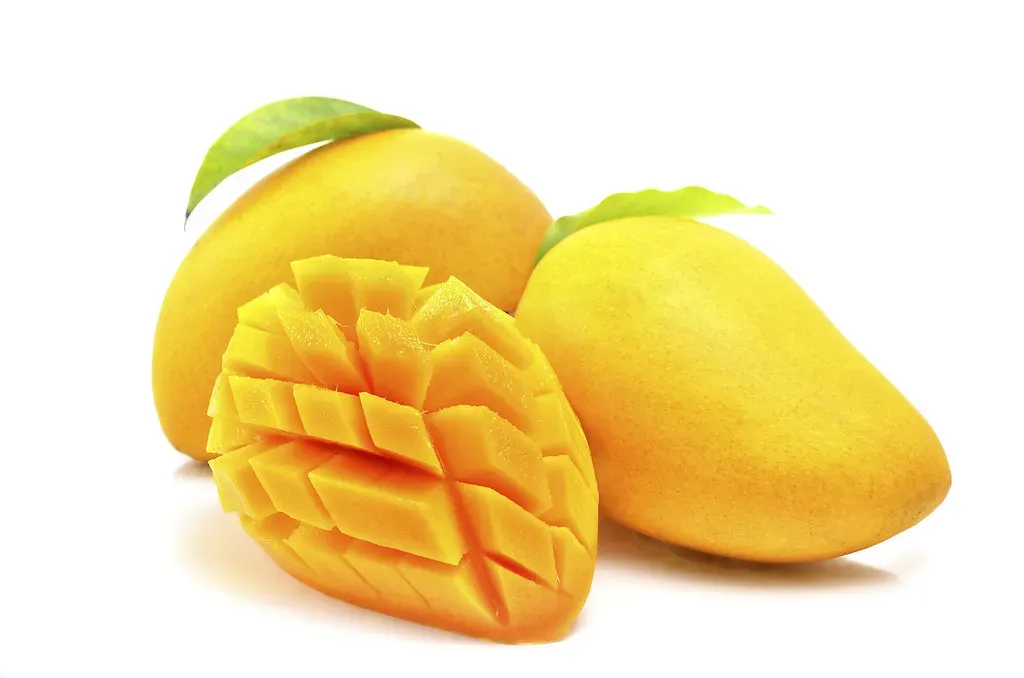
There is a reason the mango is often called the king of fruits. It’s luscious, fragrant, and absolutely packed with flavor. It also packs a considerable sugar load that catches many people off guard.
A single mango can contain over 45 grams of sugar – more than three teaspoons. With a glycemic index value ranging from 41 to 60, mangoes are considered to have a moderate GI, signifying that they may cause a moderate rise in blood sugar levels. So yes, the GI is not catastrophically high, but the sheer volume of sugar in a whole mango is the real concern.
A study published in Nutrients emphasizes that the fiber content in mangoes may contribute to their favorable glycemic response, aiding in better glucose regulation compared to other high-sugar fruits. Still, that doesn’t mean you can freely eat a whole one in one sitting. Mangoes should be consumed in small portions and avoided in their dried form, as this concentrates sugars further.
Simple techniques to improve your blood sugar response include practicing moderation, monitoring portion sizes, and pairing this tropical fruit with protein-rich foods. Think a small handful of slices alongside some Greek yogurt – that’s a much smarter approach than grabbing a whole mango as a quick snack.
2. Grapes – Tiny but Deceptively Sweet
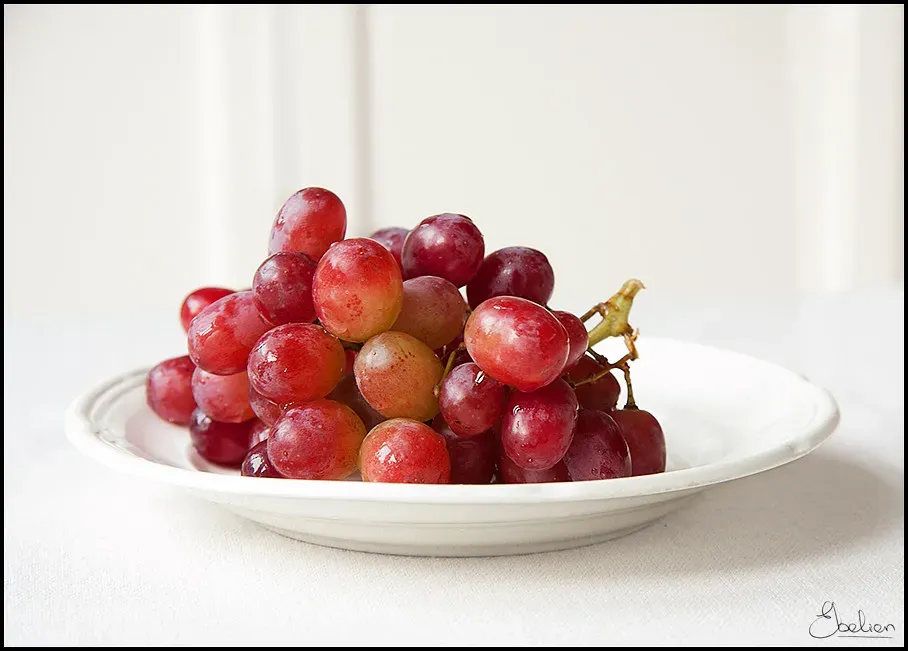
Grapes are one of those fruits where the danger is in the mindlessness. You sit down with a bunch, you start snacking, and suddenly half a bowl is gone. That adds up fast. Honestly, it’s a trap almost everyone falls into.
A cup of grapes contains nearly 23 grams of natural sugar and only about 1 gram of fiber, making them easy to overeat. With a moderate glycemic index of around 53, grapes can still raise blood sugar – especially when eaten in large portions. The low fiber content is what really causes the problem, since there is not much to slow down that sugar rush.
Grapes have antioxidant properties and all varieties – red, black and green – contain polyphenols, or beneficial plant compounds, in their skin, flesh and seeds. Red and black grapes also contain anthocyanins and resveratrol, the plant compounds that have been linked to heart and cognitive health. So they’re genuinely nutritious. For people with diabetes, grapes are best enjoyed in small amounts and paired with a source of protein or healthy fat, such as cheese or nuts, to help slow sugar absorption and stabilise glucose levels.
3. Banana – The Everyday Fruit With a Hidden Sugar Climb
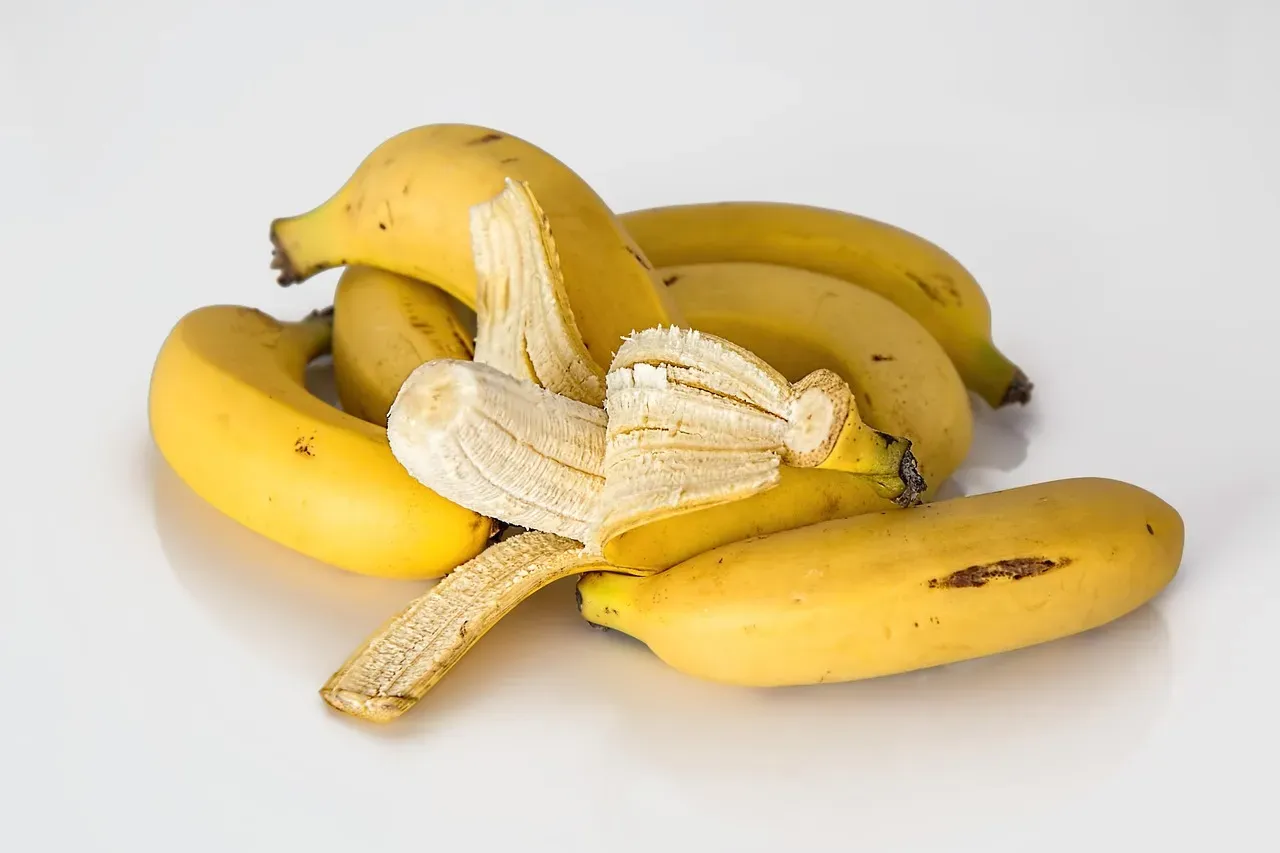
Bananas are probably the most universally eaten fruit on the planet. They’re cheap, portable, and taste great. The problem is that most people grab the ripest, most yellow one without thinking twice about what that ripeness actually means for their blood sugar.
As fruit ripens, its enzymes break down starches into simple sugars. This is why unripe fruit tastes starchy and ripe fruit tastes sweet. That uptick in sugars can bring down a fruit’s nutritional profile. The riper a fruit gets, the higher its sugar content, and the lower the fiber count.
One banana contains around 15.4 grams of sugar. As bananas ripen, starches convert into sugars – mostly glucose and fructose – making them very sweet and rapidly digestible. A less ripe, slightly greenish banana is genuinely a better choice if you are watching your glucose response. Adding some nut butter to the banana, eating just half at a time, or choosing a less-ripe banana are all ways to help minimize its effect on your blood sugar.
4. Pineapple – The Sweet Spike in the Tropics
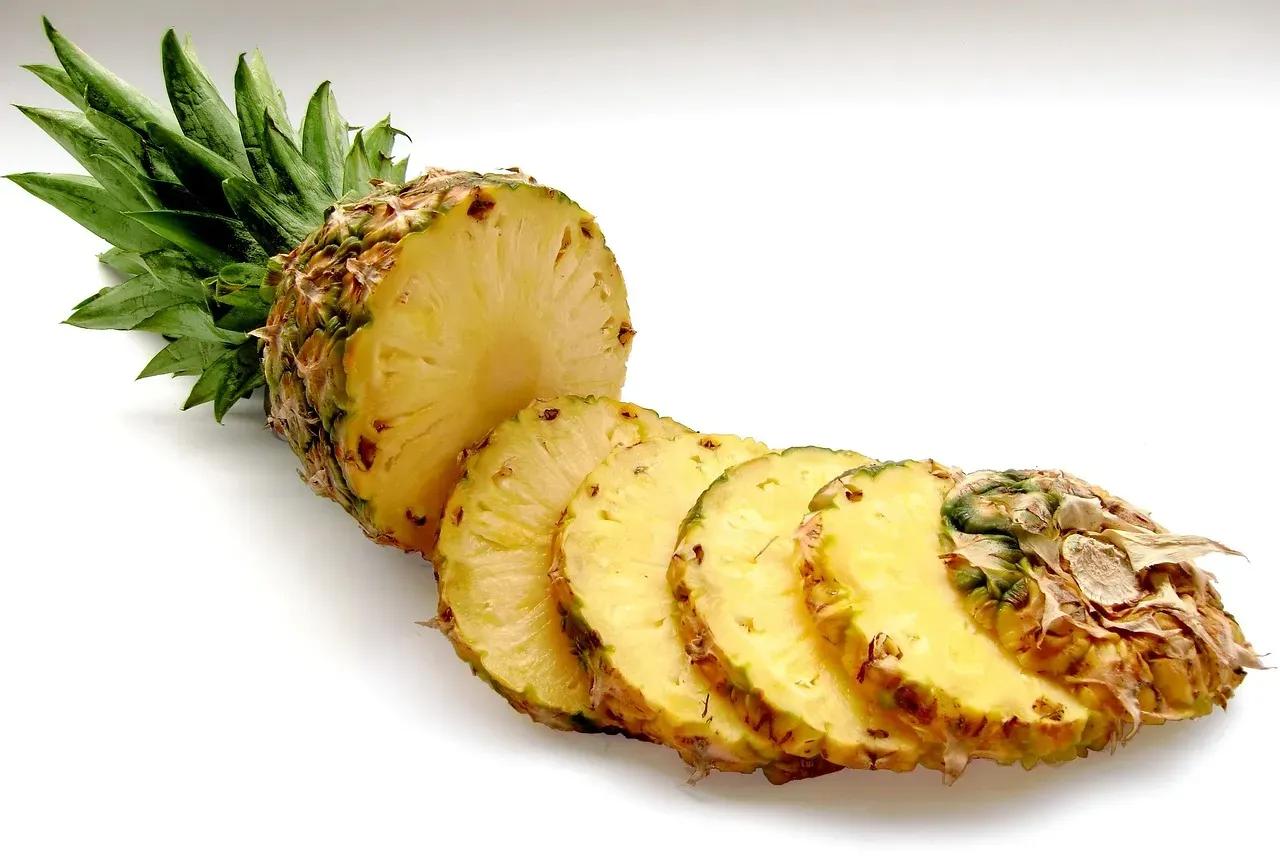
Pineapple is one of those fruits that feels so healthy and refreshing – especially in summer – that it’s easy to forget it sits at the higher end of the glycemic index among popular fruits.
Pineapple, being moderate in fiber and high in sugar, has a GI count higher than many other popular fruits, at around 59. So even though you’re getting nutritional upside, too much pineapple may raise your blood sugar levels. A single cup of pineapple contains nearly 16 grams of sugar. That is not a negligible number for anyone tracking their intake closely.
Pineapple contains bromelain, an enzyme that breaks down proteins and has anti-inflammatory properties, according to the National Cancer Institute. So there are real benefits here. Opting for fresh pineapple over canned varieties, especially those in syrup, is recommended to avoid added sugars that can further elevate blood glucose levels. Keep portions small and pair with protein if you indulge.
5. Cherries – A Surprisingly High Sugar Count
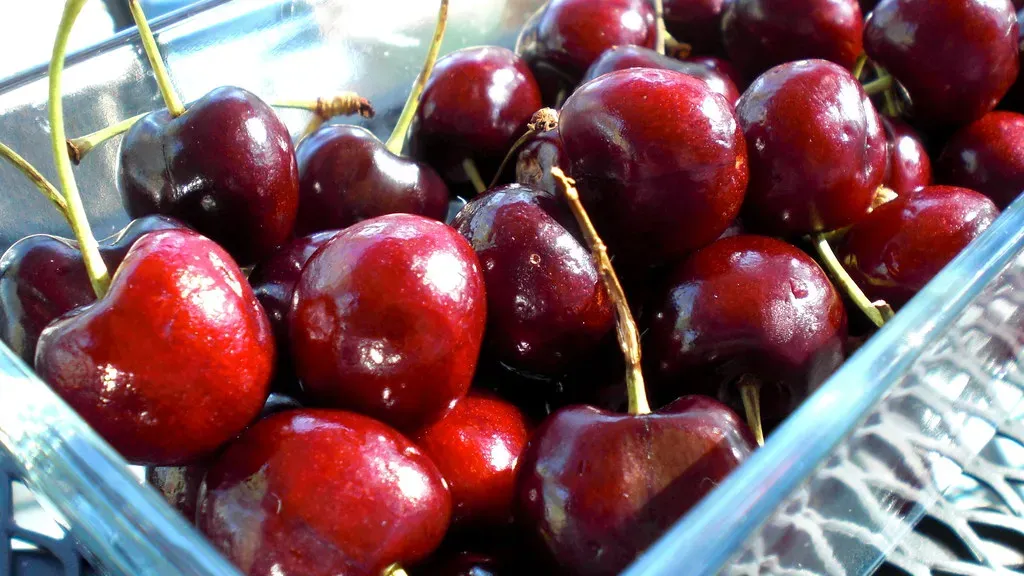
Cherries feel virtuous. They’re small, they’re colorful, and they’re widely promoted for their antioxidant content. All of that is true. The part that gets glossed over is how quickly a “small handful” of cherries adds up to a significant sugar hit.
Cherries are rich in antioxidants and may help fight inflammation and support heart health – an important benefit for people with diabetes. However, a cup of sweet cherries contains around 18 grams of natural sugar. The silver lining? Their glycemic index is relatively low at around 20, which means that sugar is released more gradually into the bloodstream. That’s actually quite reassuring.
While fiber content is moderate, portion control still matters. Fresh cherries are the best option, as canned varieties often contain added sugars or syrup that can spike blood glucose levels. So stick to a small measured portion of fresh cherries, and skip the canned or candied versions entirely.
6. Watermelon – High GI, Low GL: The Nuanced One
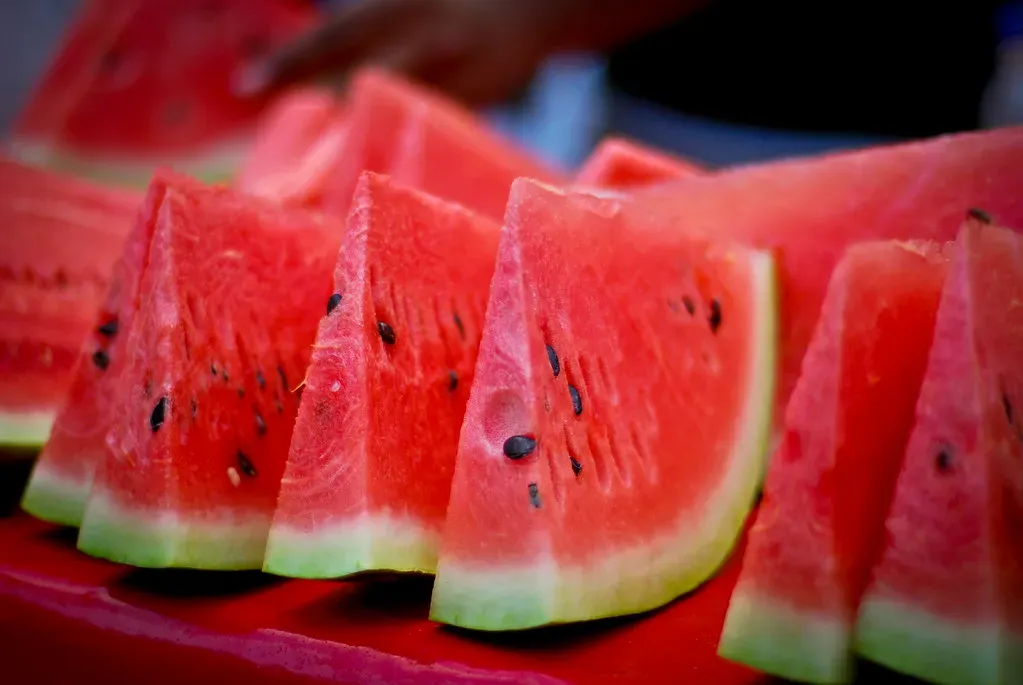
Watermelon is one of the most debated fruits in the blood sugar conversation, and it’s worth understanding why. It’s one of those cases where two different measurements tell very different stories – and both are technically right.
Watermelon has a GI of around 76, making it one of the higher-GI fruits. Despite being mostly water, its sugars are absorbed rapidly, leading to sharp spikes. However, here’s where it gets interesting. While watermelon does have a high GI, it contains very few carbohydrates, so its glycemic load is only about 4 – which means it has a much smaller actual impact on blood sugar. Since watermelon is over 90 percent water, the sugar content per serving is quite low.
A large slice of watermelon can contain up to 17 grams of sugar, so it’s best to limit your intake to one to two slices per day if you’re watching your sugar levels. In other words, moderation is still key here. Eat a reasonable slice, not half of a watermelon at a summer barbecue, and you’ll likely be fine.
7. Pears – The Elegant Sugar Bomb
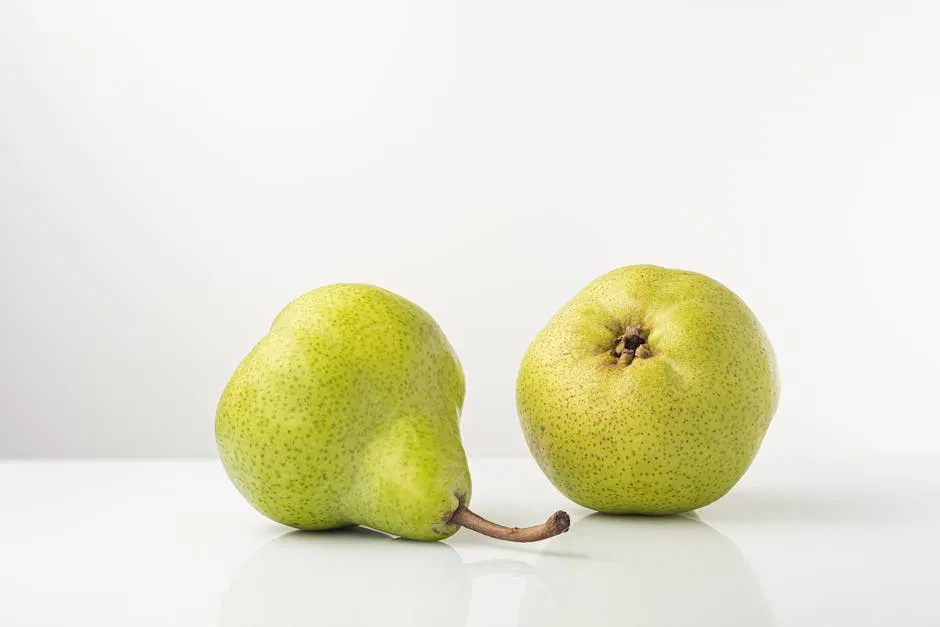
Pears get overlooked in the high-sugar fruit conversation because they seem so gentle. They’re not tropical, they’re not overly sweet-smelling, and they feel rather wholesome. It’s a bit of a disguise, honestly.
A medium pear contains around 17.4 grams of sugar. The sugar story with pears is similar to apples regarding fructose and fiber. But those benefits come with eating a whole fruit. So as long as you eat the whole pear with the skin on and don’t turn it into juice or a processed snack, the fiber does help moderate the blood sugar response.
If you’re trying to cut down on sugar, avoid eating a whole pear at once. Instead, slice a few pieces and add them to low-fat yogurt or a fresh salad. Spreading the fruit across a meal, rather than eating it as a standalone snack, also helps reduce the glycemic impact.
8. Lychee – The Underrated High-Sugar Tropical Fruit
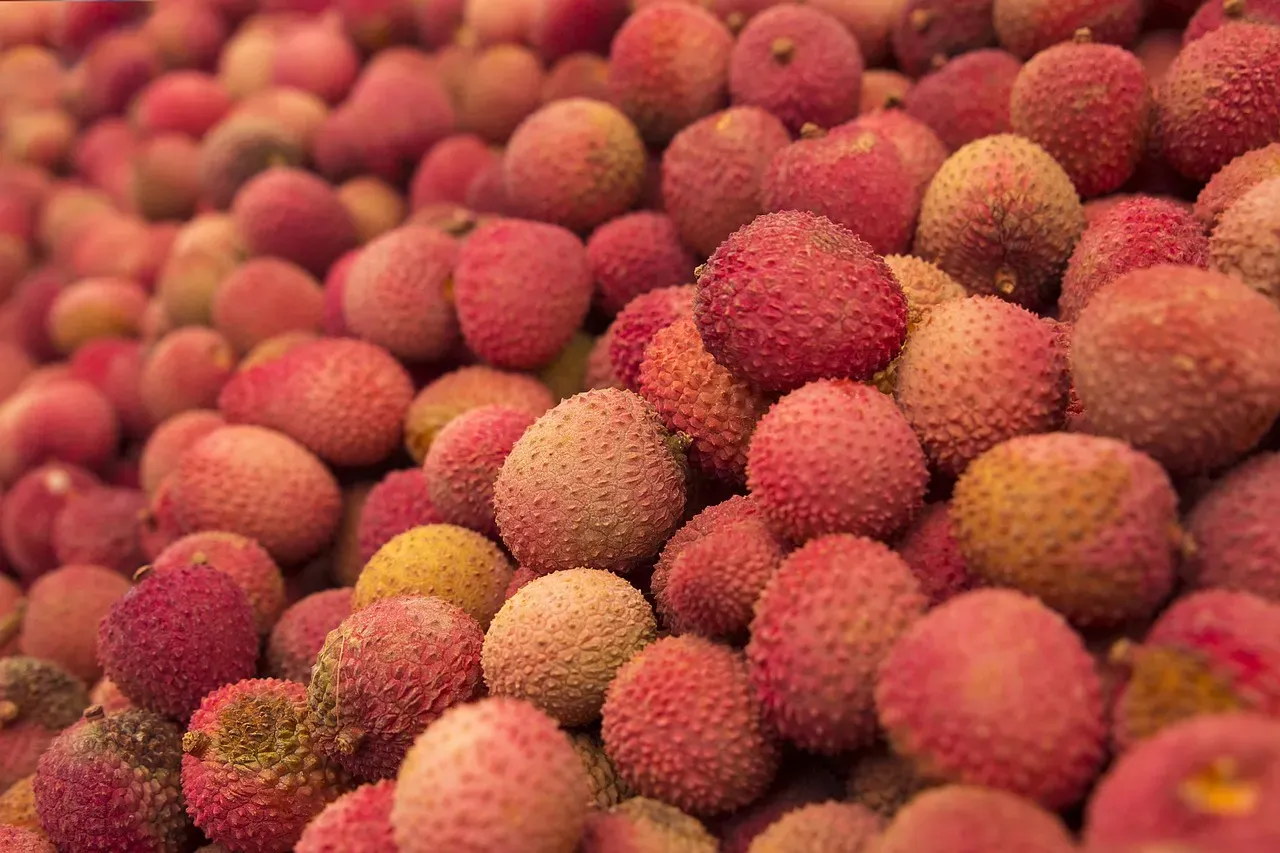
Lychees are beautiful, fragrant, and intensely sweet. If you’ve had them fresh, you know exactly what I’m talking about. They also happen to be one of the higher-sugar fruits that rarely shows up on warning lists – which makes them worth paying attention to.
100 grams of lychees contains about 15 grams of sugar with little fiber. Lychees contain fructose and glucose in equal proportions and rank as fruits that spike blood sugar quickly. The near absence of fiber means there is very little to buffer that sugar from entering the bloodstream rapidly.
Lychees contain polysaccharides and polyphenols, which have various health benefits. However, they may cause adverse effects in some people, such as itching, hives, and swelling around the mouth. Though they offer some vitamin C and antioxidants, the sugar concentration is notable for those trying to control their blood sugar. Canned lychees, which are often packed in syrup, are even worse and should be completely avoided.
9. Dried Fruits – The Most Concentrated Sugar Offenders

Here’s something that surprises a lot of people: dried fruit isn’t a “healthy snack” in the way most of us assume. The drying process does something very specific to the sugar content, and it’s not in your favor if you’re monitoring glucose closely.
The concentrated sugars in dried fruits, released more rapidly into the bloodstream compared to their fresh counterparts, may precipitate rapid spikes in postprandial glycemia, posing challenges for individuals striving to maintain stable glucose levels. Think of it this way: eating ten raisins is roughly equivalent to eating a much larger bunch of fresh grapes in terms of sugar, but you barely register those ten raisins as a meaningful quantity. Dried fruit is devoid of its filling water content and much easier to overeat because of its smaller volume, increasing the amount of sugar you consume.
Dried fruits like apricots, dates, and figs typically have a higher GI due to their concentrated natural sugars, resulting from the drying process. This makes them more impactful on blood sugar levels, necessitating careful consumption, especially for those with diabetes, within a balanced diet. For individuals with blood sugar conditions, the best way to enjoy dried fruits is by practicing portion control and pairing them with protein-rich foods like nuts or seeds. This approach balances the nutrient profile, enhances satiety, and helps mitigate the impact of dried fruits on blood sugar levels.
It’s hard to say for sure that dried fruit is “bad” – research is actually nuanced on this. But for active blood sugar management, it demands far more discipline than its tiny size suggests.
What to Keep in Mind Across All of These Fruits

The broader picture here matters. None of these fruits are villains. They all carry real nutritional value – vitamins, minerals, antioxidants, and fiber. The issue is entirely about context, quantity, and how you eat them.
Even low-GI fruits can cause a blood sugar spike if people eat large portions of them. The GI is one tool for understanding the impact a food can have on blood sugar levels, but it can be problematic. The GI score of a food is only accurate if a person eats it on its own. Most of the time, people eat combinations of foods, so their impact on blood sugar is more difficult to predict.
Drinking one or more 8-ounce servings of fruit juice every day may increase type 2 diabetes risk by up to 21 percent, while eating at least two servings of whole fresh fruits per week may actually reduce the risk. That stat alone should make you rethink every glass of “healthy” fruit juice in the fridge. When and where possible, individuals should consume fresh, and in some cases, dried fruit rather than juices, pulps, pomaces, and other fruit-derived products.
The bottom line? Whole fruit, sensible portions, and smart pairing with protein or fat will take you a long way. Does it change the way you think about your morning fruit bowl? It probably should.