
You sit down at a restaurant, scan the menu, and feel that familiar rush of excitement. Everything sounds good. The specials look tempting. The descriptions are poetry. Here’s the thing though – professional chefs, the people who literally live and breathe commercial kitchens, quietly skip whole categories of dishes every time they dine out. Not because they’re snobs. Because they know things most of us simply don’t.
What gets hidden beneath a glossy sauce, what ends up on a “specials” board for very specific reasons, and which dishes are practically designed to disappoint – it’s all part of a behind-the-scenes reality that rarely makes it to your table. Let’s dive in.
1. Chicken Breast – The Most Overrated Protein on Any Menu
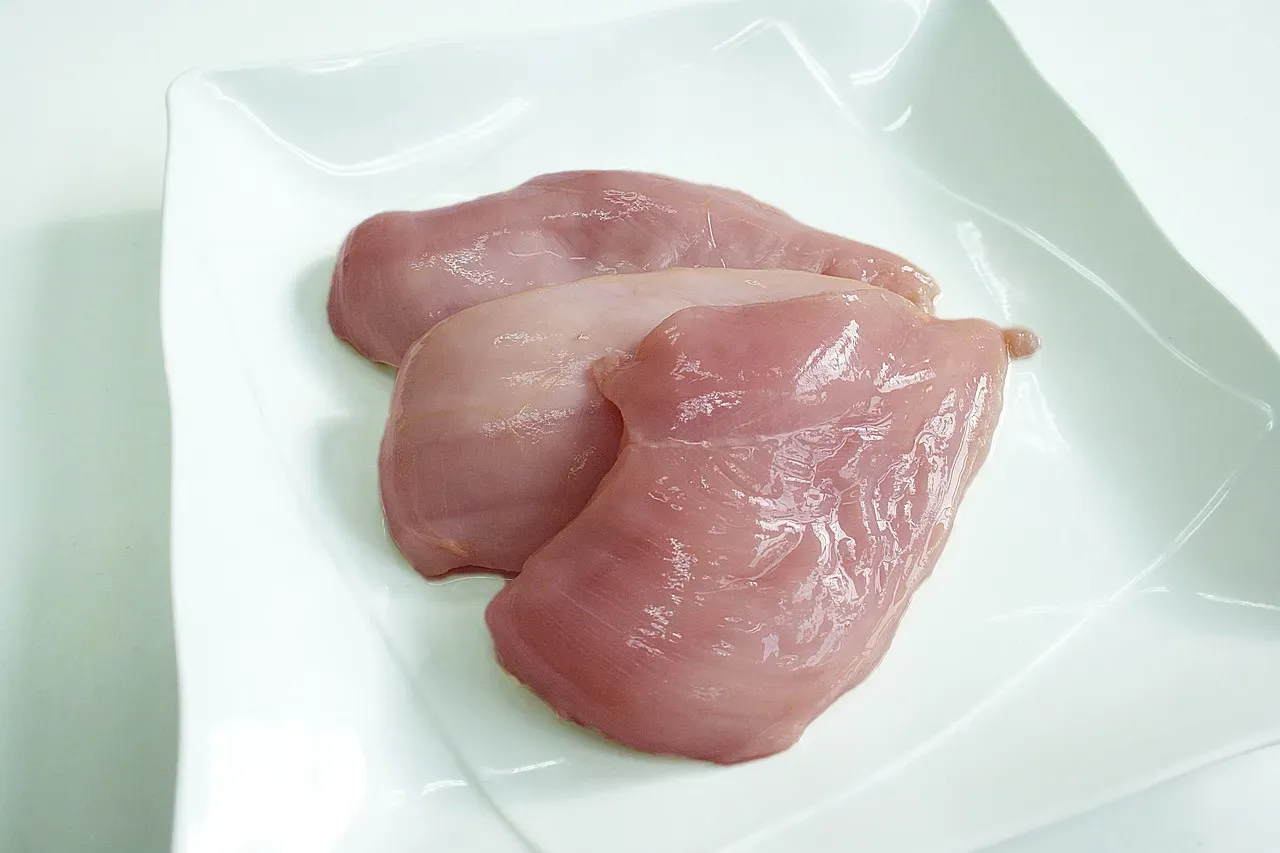
Honestly, this one surprised me when I first heard it from multiple chefs. Executive chef Ryan Ososky of The Church Key in West Hollywood put it simply: “I will order almost anything when I go out – but never chicken because it tends to be overcooked at most restaurants.” That’s not a one-off opinion either. It is something the culinary community broadly agrees on.
Ososky is far from alone in his no-to-chicken stance. According to the Food Network’s website, chefs avoid ordering chicken in restaurants for many reasons, including overinflated price and lack of originality. Think about it – you’re paying restaurant prices for something you can easily throw in a pan at home.
Chef Luke Shaffer also says he never orders chicken breast when dining out. His reasoning? The odds simply aren’t in your favor when ordering it, as it may just come out “sawdust dry.” Plus, he mentions, most restaurants have something far more interesting on offer, so you can save the bland protein for when you’re at home. If you truly love chicken, opting for a chicken thigh will offer more flavor than a breast.
2. The Daily Fish Special – A Freshness Gamble You Might Lose
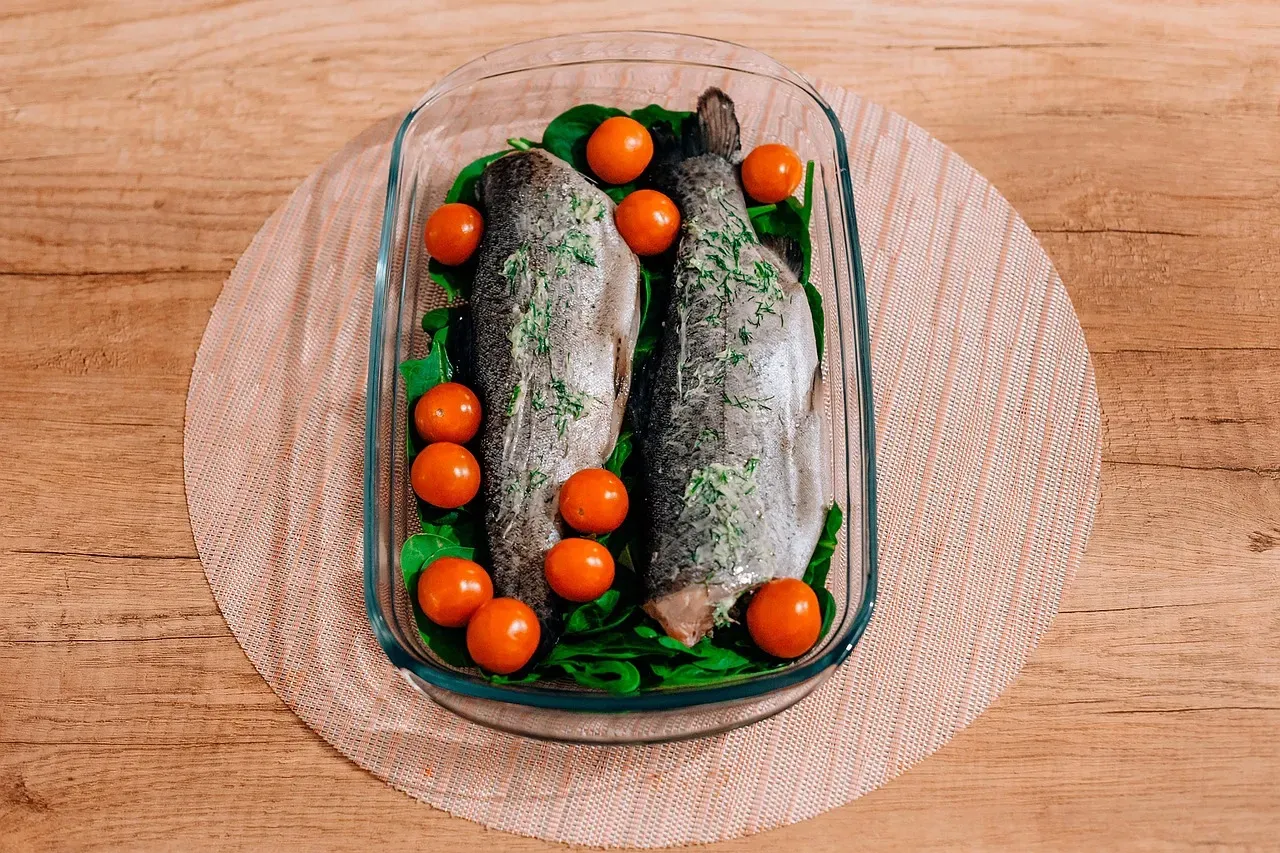
Ordering fish in a restaurant is always a gamble. If it’s freshly caught, it’s heavenly. If it’s been sitting in the freezer all week, not so much. The difference between those two outcomes is enormous, and it’s something most diners have no way of knowing at the table.
Fish is a delicate protein that needs to be paired with light, uplifting ingredients. What it doesn’t need is overbearing components such as smoky bacon. If you see any dishes on the specials board coupling fish with strong flavors, it’s worth avoiding – it could mean the chefs are trying to mask the smell of old seafood. That “fish with bacon” combo on the specials board is practically a kitchen red flag.
Since most fish markets don’t deliver on weekends, the don’t-eat-fish-on-Monday debate continues to rage on between freshness-loving chefs. Many avoid it like the plague, but others are comfortable ordering fish if the restaurant has a coastal location or is known for seafood. The rule of thumb is simple – know where you’re eating before you order the sea bass.
3. Raw Oysters – A Dish That Can Genuinely Hurt You
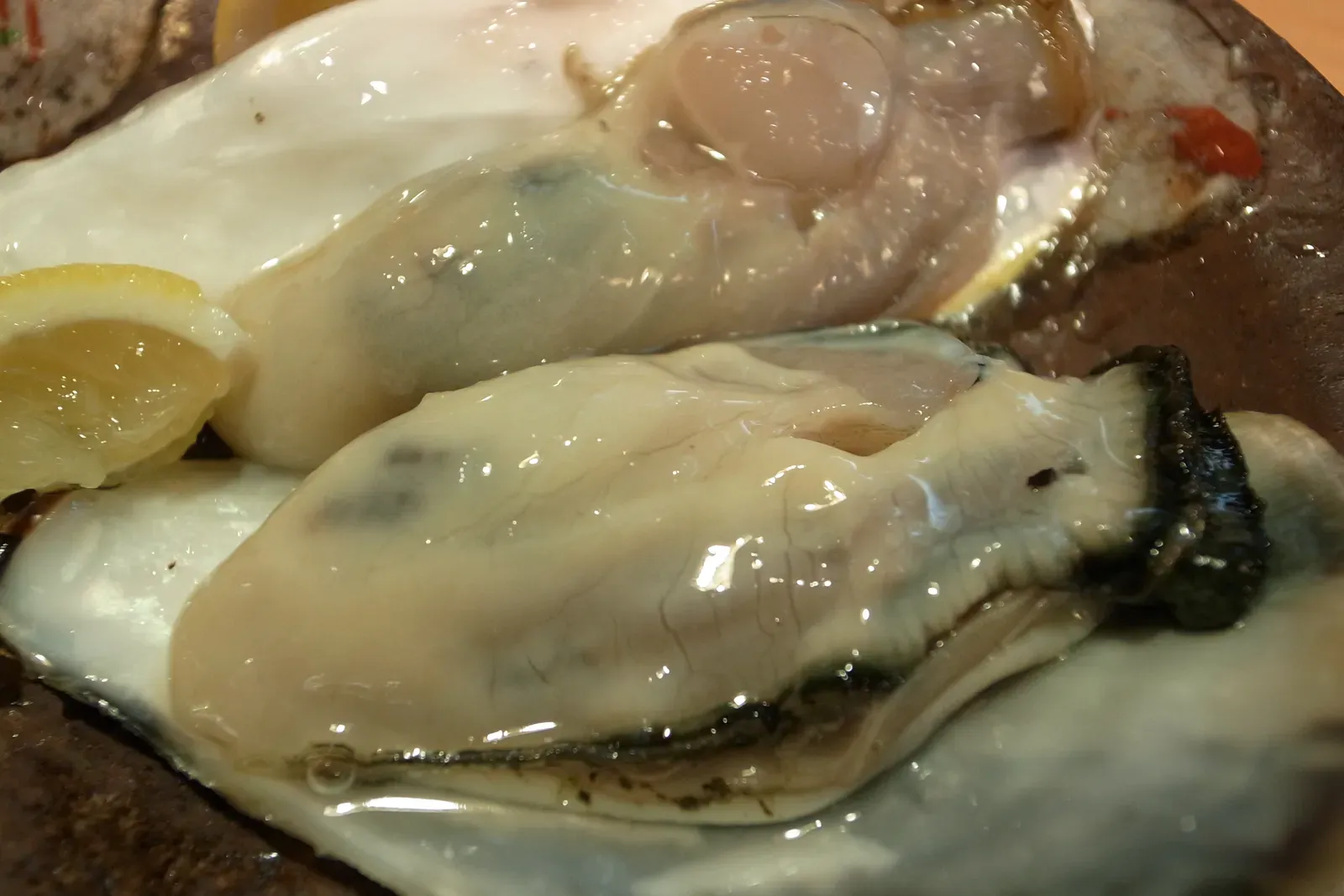
Let’s be real, raw oysters look romantic on a menu. They carry a certain elegance. Chefs, however, see them very differently once you understand how they’re stored and handled in most commercial kitchens across the country.
At the very least, it pays to be very picky about oysters. Before ordering, you should know where they came from and when they arrived at the restaurant. “If handled and stored incorrectly, raw oysters can kill you,” warned Cordon Bleu-trained chef Mark Nichols. That’s not a figure of speech. That’s a real, documented risk.
It pays to be very picky before ordering oysters. At minimum, know where they came from and when they arrived at the restaurant. Unless you’re sitting at a well-known seafood specialist where turnover is high and sourcing is transparent, ordering oysters is a bet a surprising number of chefs refuse to make.
4. Truffle-Anything – The Most Misleading Word on a Menu
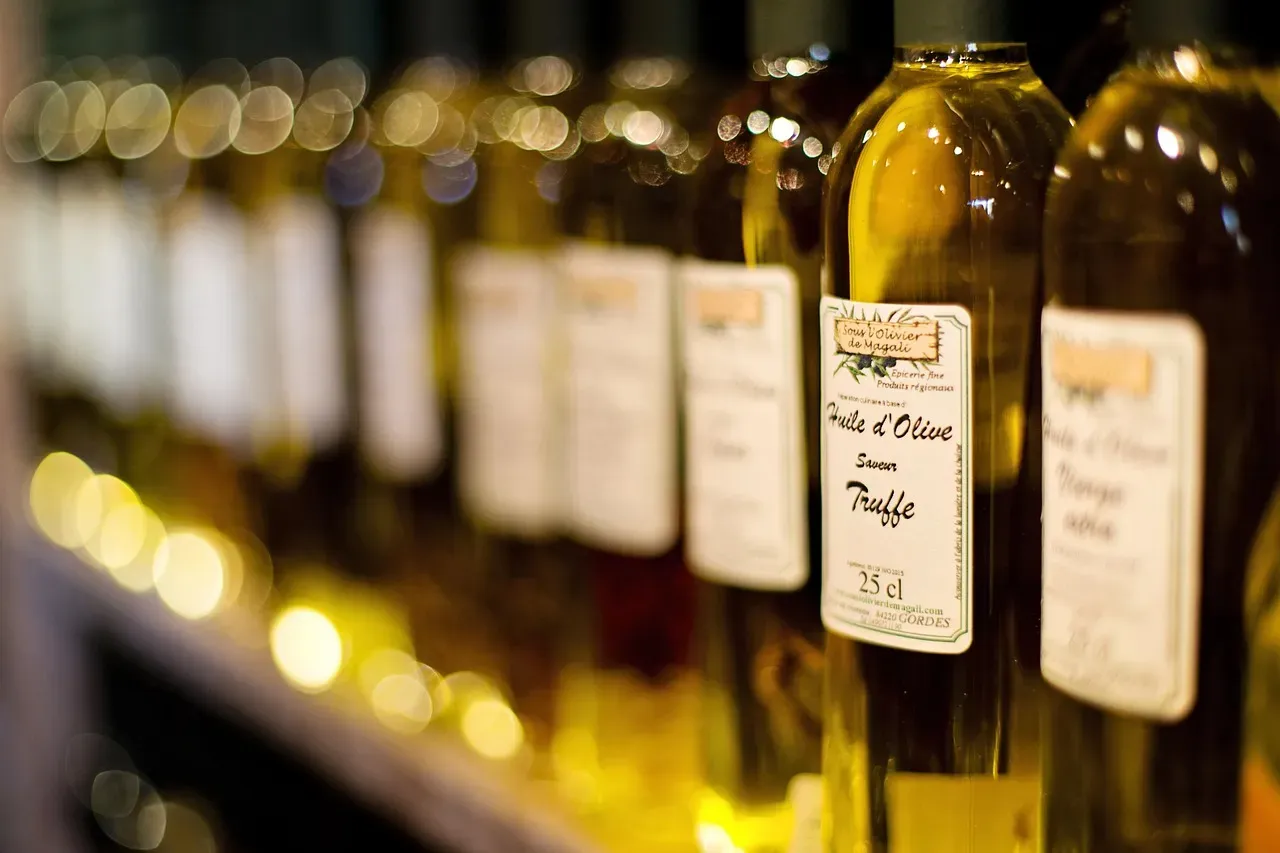
Few words on a modern menu carry as much seductive power as “truffle.” It conjures images of rare fungi, European forests, and fine dining excess. The reality is far more ordinary, and it’s one of the most consistent complaints from professional chefs across the industry.
“Never order anything that has the word ‘truffle’ in it,” advises Saura Kline, pastry chef at Local Jones in Denver’s Halcyon Hotel. Unless you’re at a high-class fine-dining restaurant, this usually means truffle oil, which is very rarely made with actual truffles. It tends to be used aggressively and will immediately increase the price of any dish you’re eating, regardless of its actual quality.
Anthony Bourdain famously called truffle oil “industrial waste” and “dreadful” in a 2016 interview with First We Feast. He followed up his comments by explaining that truffle oil doesn’t have any real truffles in it. Studies show that the item doesn’t even have natural truffle aroma included in the ingredients. You’re essentially paying a luxury premium for synthetic flavoring dressed up in fancy language.
5. The House Salad – Where Old Ingredients Go to Retire
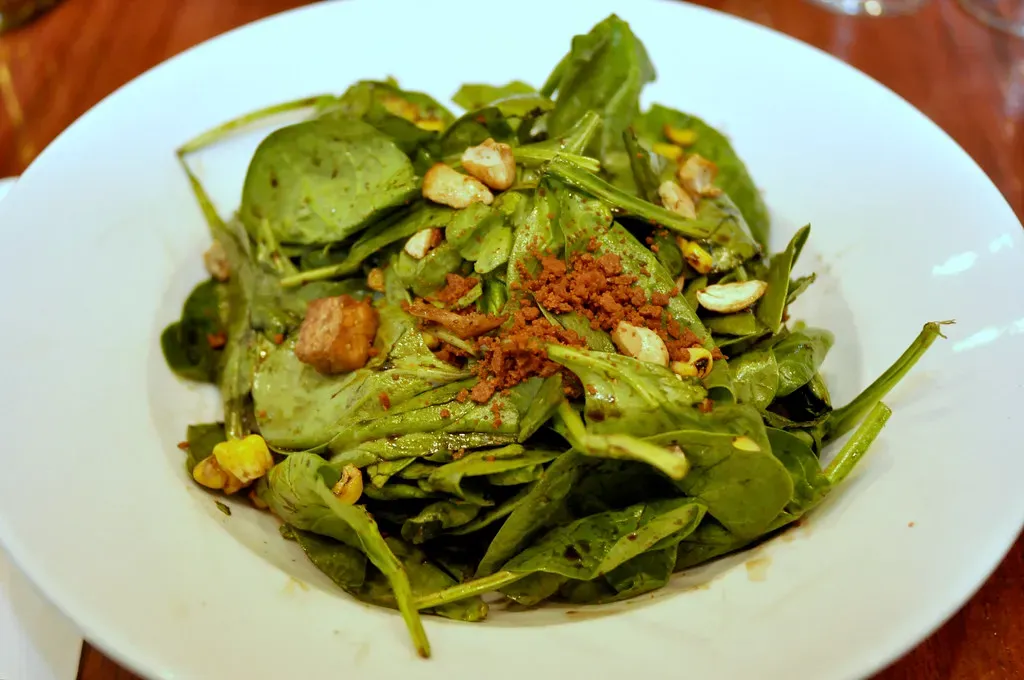
It looks innocent. Healthy, even. Greens, some tomatoes, maybe a cucumber. The house salad feels like the safest, most uncomplicated thing on any menu. Chefs, however, have a rather different perspective on what actually ends up in that bowl.
Top chefs say you should avoid the house salad at all costs. These dishes are usually made up of repurposed ingredients – think meat scraps, limp leafy greens, and overripe tomatoes – left over from the week that would otherwise be thrown out. House salads are also often disguised by a thick, heavy dressing to hide all of the wilting components that are on the verge of being unsafe to eat.
Food safety experts back this concern up with hard data. Food safety experts warn that salads, sprouts, and deli meats pose foodborne illness risks despite their healthy reputation. Leafy greens now cause more outbreaks than hamburgers. That’s a stat most people would find genuinely shocking. Something to think about next time you feel virtuous ordering the salad.
6. Eggs Benedict – A Brunch Classic With a Hidden Danger
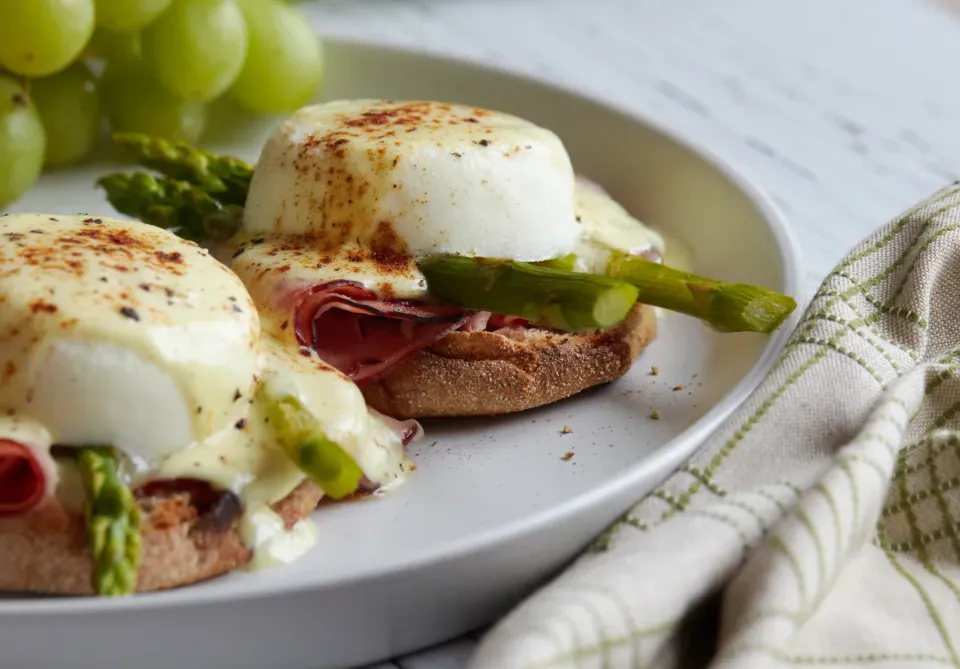
Brunch feels like the most relaxed meal of the week. Leisurely, social, low-stakes. The reality behind the kitchen doors during a busy brunch service is quite different. And Eggs Benedict, arguably the most iconic brunch dish in America, sits right at the center of the problem.
Chef Clifton Dickerson of the Auguste Escoffier School of Culinary Arts clarified: “Don’t get me wrong – I love a good Benedict – but hollandaise sauce is temperamental, especially during a busy brunch rush. If it’s not made to order or held just right, you can end up with a broken sauce or something that’s been sitting too long.” If the hollandaise is left at the incorrect temperature, the raw egg yolks contained within can go bad, potentially resulting in a bad case of salmonella-related food poisoning.
Brunch is also when the lesser group of cooks tend to get scheduled, including newer chefs. No one likes being on brunch duty. You’re working with a lot of items from days past, so there’s less room for creativity. It often feels like you’re there to help the head chef use up what they couldn’t sell. With less experience comes less know-how as far as preparation, storing, and food safety goes. Put the two together and Eggs Benedict starts looking considerably less appealing.
7. Pasta Alfredo – An Overpriced Bowl of Disappointment
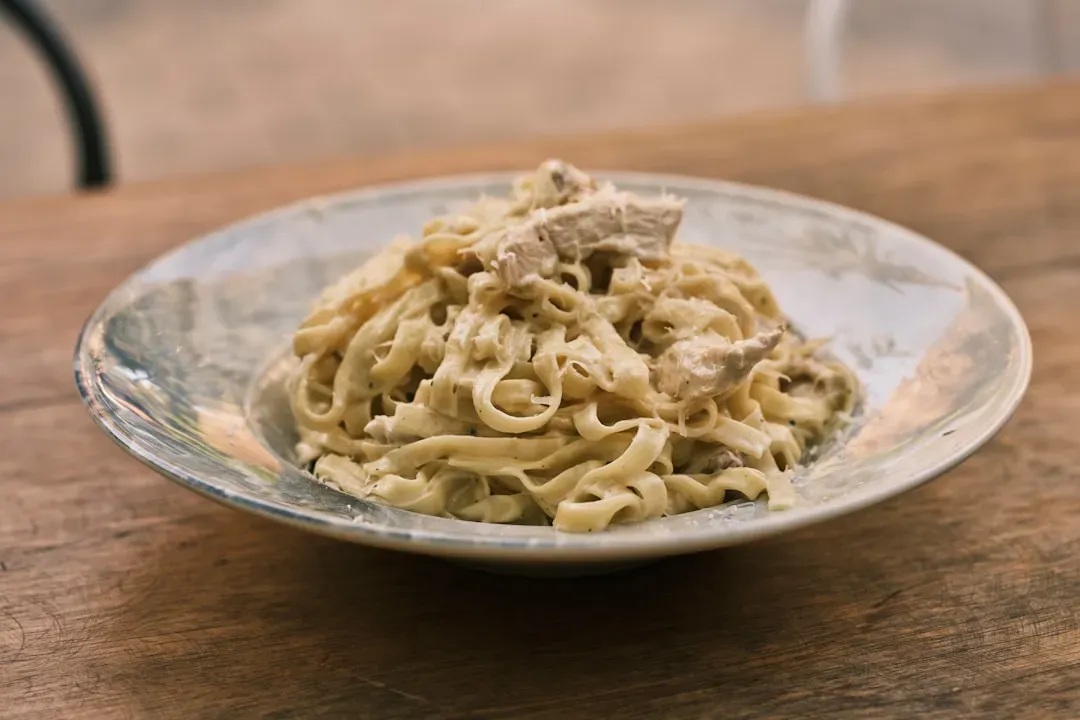
Fettuccine Alfredo is one of the most ordered pasta dishes in the United States. It’s creamy, familiar, and sounds decadent. Chefs, though, roll their eyes at it for reasons that are equal parts culinary and economic.
Whether it’s chicken Alfredo or straight-up fettuccine Alfredo, you might want to avoid this Italian-American staple next time you’re craving carbs. According to Chef Susan Yurish, there are so many other ways to elevate pasta, and Alfredo sauce isn’t going to do it for you. If you’re reluctant to give up your beloved Alfredo just yet, at least try to ensure you’re getting authentic Italian Alfredo sauce.
Pasta dishes are often overpriced, especially if you calculate the cost of ingredients. Marcus Mooney, executive chef of Seattle Sutton’s Healthy Eating, has high standards for pasta and rarely orders it at restaurants. He once worked for an Italian restaurant group in Chicago and noted they were charging $20 for a plate of rigatoni with marinara sauce when the cost of the ingredients was just $1. He can’t bring himself to pay that much knowing what’s involved. That’s the kind of margin that should make any diner pause before ordering.
8. Restaurant Desserts – Skip the Cake, Find a Bakery
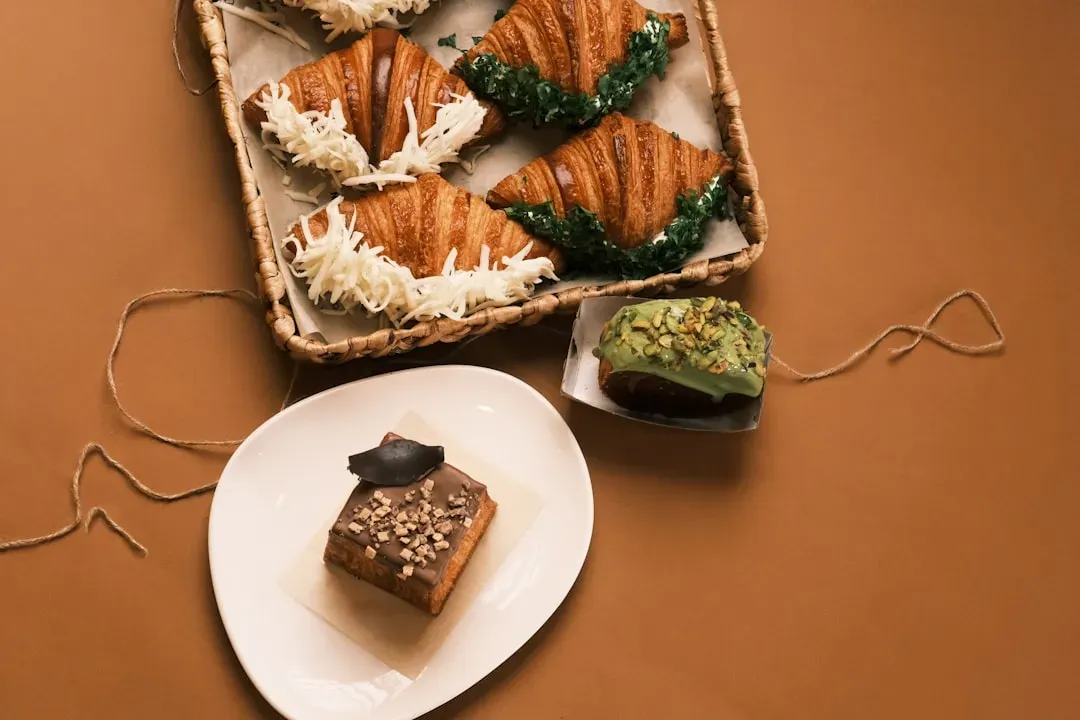
You’ve made it through a great meal and now the dessert menu arrives. The slice of chocolate cake looks gorgeous in the photo. It also may have arrived at the restaurant in a delivery box and been sitting in the walk-in refrigerator since last Tuesday.
Most chefs say they wouldn’t order pies or cakes at a restaurant, unless they know they’re made in-house. Chefs recommend going to a bakery for quality baked goods instead since they take time and skill to make from scratch. A restaurant kitchen is optimized for savory cooking. Baking is an entirely different discipline.
One chef recommended going to a dedicated bakery or a farmers market where goods are freshly made, adding that they’re likely less expensive or around the same price at a bakery compared with a restaurant. An added tip: skip cakes and pies in the supermarket too. It’s hard to argue with that logic. If you want something sweet and worth the calories, go somewhere that’s built around doing exactly that.
9. The Daily Special – Not Always What It Seems
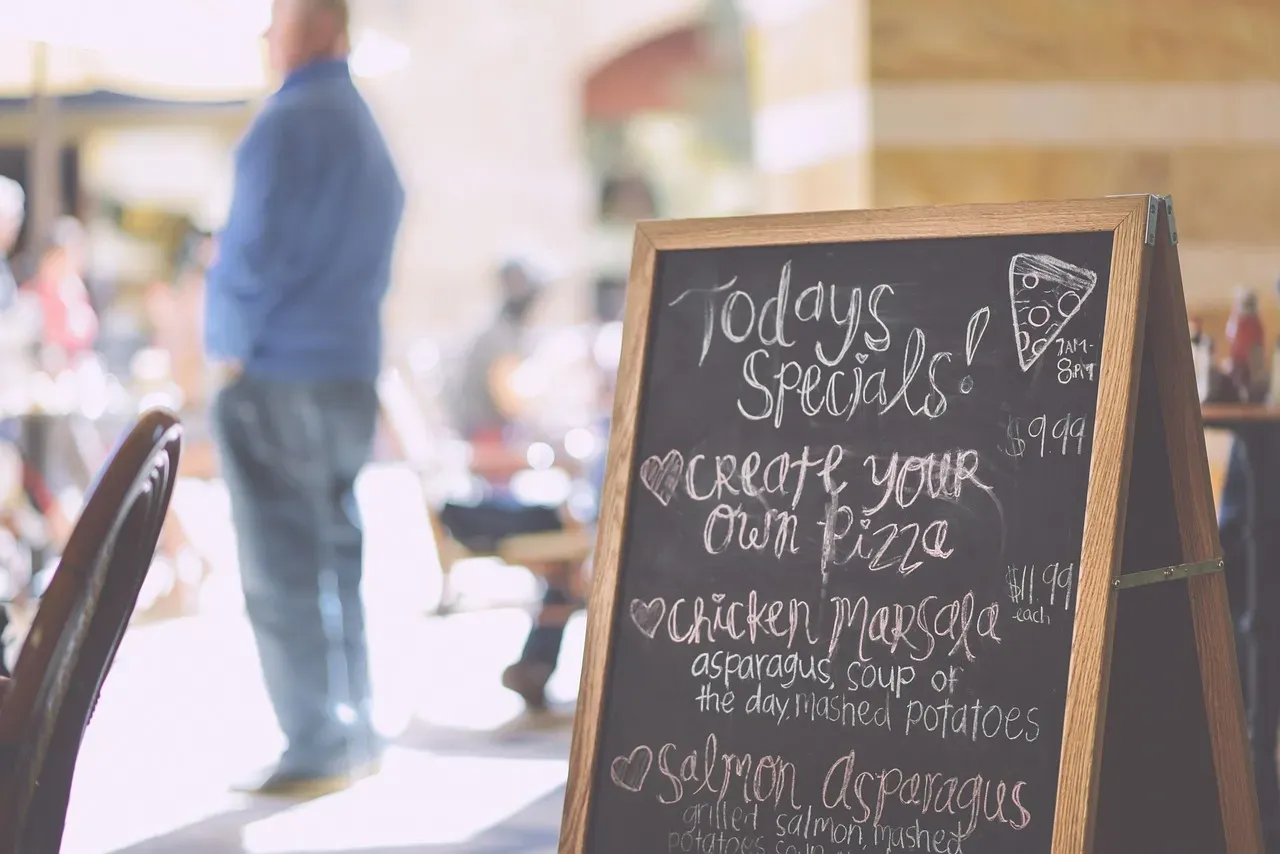
There’s something thrilling about a specials board. It feels exclusive, seasonal, like the chef whipped it up that morning out of pure creative inspiration. Ever notice how restaurant servers push the special of the day? Their reasons may be more economic than culinary. That is not a cynical observation. It’s just the reality of how restaurant economics work.
Restaurant specials are one-off dishes a chef has created for that day only – and they’re usually a way for the kitchen to use up leftover ingredients or produce that’s on the turn. While they can be a great and delicious way to avoid food waste, consider the offering. If it seems too eclectic or a random combination of flavors, avoiding it could be your safest bet, both for your taste buds and your health.
Executive chef and owner Alberto Morreale of Farmer’s Bottega in San Diego says he never orders the specials when dining at other restaurants. His reasoning: “Some restaurants put together their specials for the day based on what’s about to expire or what they’re trying to get rid of faster.” Instead, he asks what arrived fresh that day. That single question, honestly, is the most powerful thing you can bring to any restaurant table.
Next time you sit down with a menu, think like a chef. Order what the restaurant is genuinely built to do well, ask the right questions, and resist the pull of whatever sounds flashiest. The best meal you’ll ever have at a restaurant probably won’t be the special. What do you think – will any of these change what you order next time you dine out?