
There are foods you eat every day, and then there are foods that actually change the way you think about eating. Some ingredients don’t just satisfy hunger, they rewrite your entire flavor vocabulary. Chefs from Michelin-starred kitchens to beloved neighborhood restaurants all seem to agree: there is a short, remarkable list of foods that every curious eater owes it to themselves to try at least once.
Honestly, some of these might surprise you. A few are humble. Others are shamelessly luxurious. All of them are, in the opinion of culinary professionals, experiences that stay with you. Let’s dive in.
Table of Contents
1. Miso Paste: The Fermented Secret Weapon
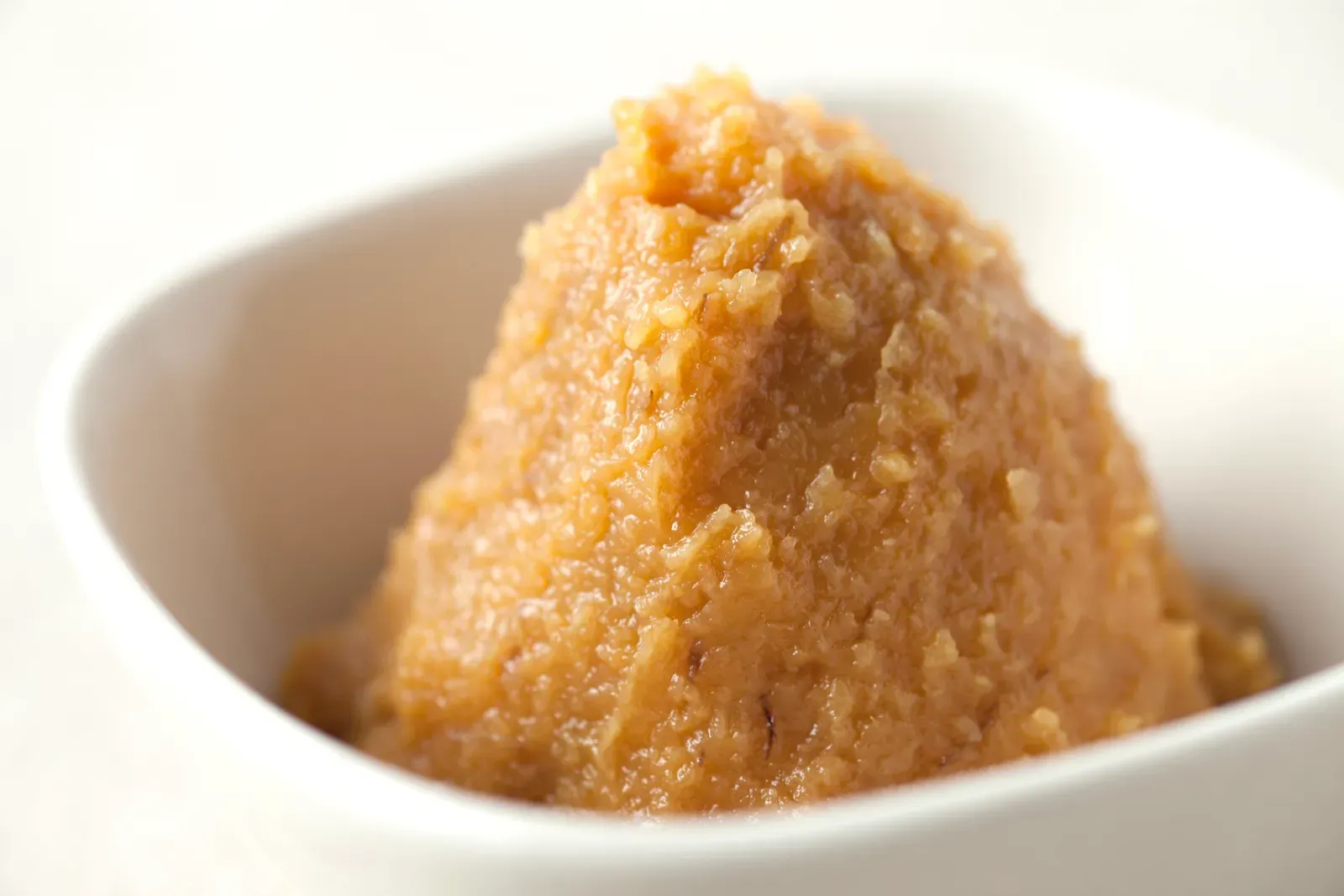
Miso, a fermented soybean paste, has been a staple in Japanese cuisine for over 1,300 years. Chefs revere it not just as an ingredient but as a shortcut to extraordinary depth of flavor. Think of it like a flavor amplifier: even a single spoonful dropped into a broth or sauce transforms the entire dish from flat to fully alive.
The distinctive savory flavor of miso is becoming very popular in Western cuisine, where it is used as a seasoning in marinades, and even in sweets by cooks and chefs. Miso paste is a nutrient-dense fermented food that offers meaningful health benefits, particularly for gut health and cardiovascular function, and a single tablespoon contains just 34 calories and 2.2 grams of protein, along with live beneficial bacteria.
There is an important catch: heat kills these organisms. If you boil miso in soup, you lose most of the probiotic benefit. The standard practice in Japanese cooking is to remove the pot from heat before stirring in the miso, letting it dissolve in hot but not boiling liquid. That one technique alone is what separates a great miso soup from a good one.
The three most common types include white miso, which has a mild, slightly sweet taste and is perfect for lighter soups, dressings, and marinades, and red miso, which is fermented for a longer period with a higher proportion of soybeans, boasting a deeper, more robust flavor and a salty kick ideal for hearty soups, stews, and braises. Start with white miso if you’re new to it. Then work your way up. You won’t look back.
2. Burrata: Italy’s Most Indulgent Cheese
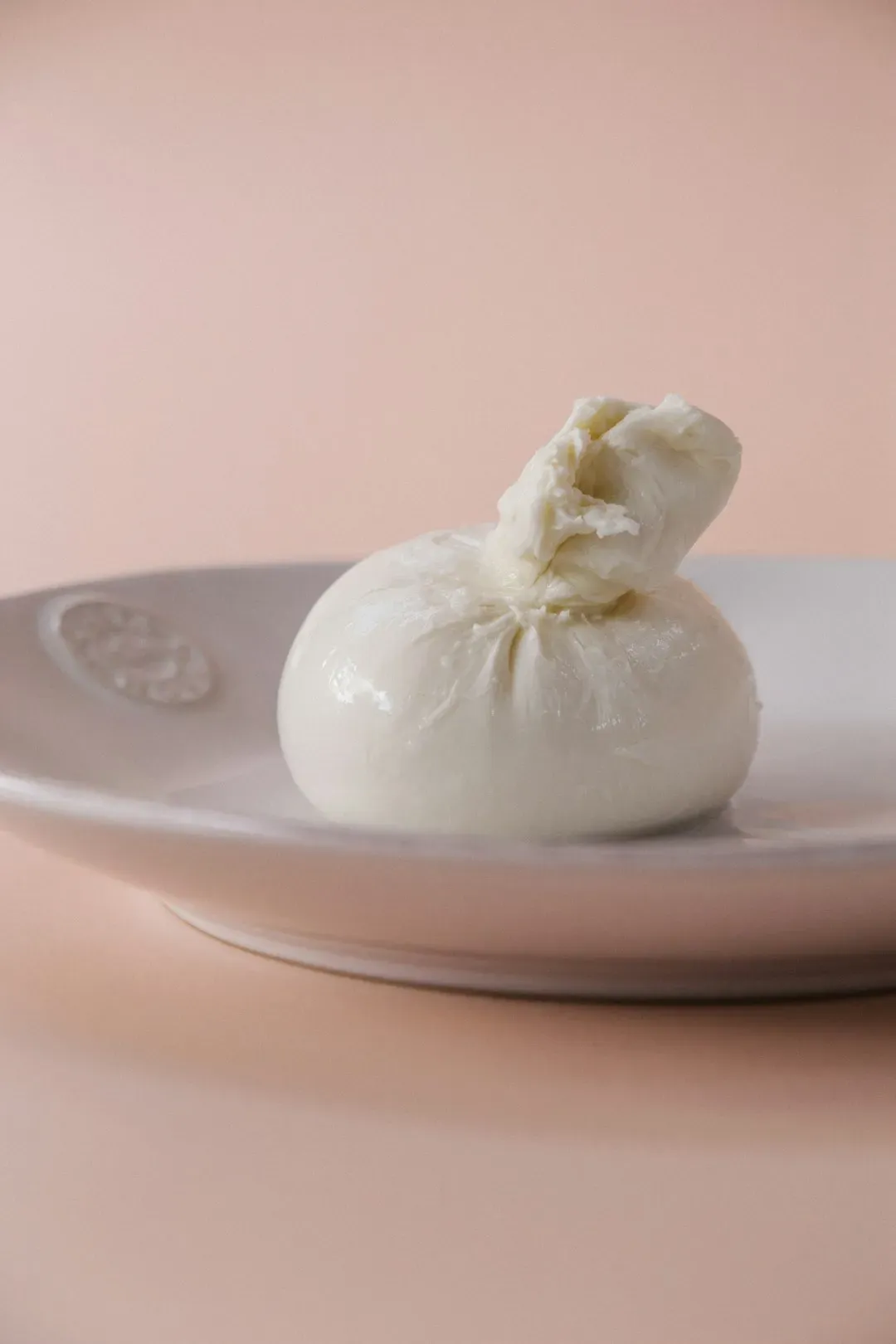
If you’ve only ever eaten regular mozzarella and thought, “this is fine,” then burrata is your wake-up call. It looks modest on the outside, a simple white sphere. Then you cut into it and the creamy, luscious interior spills out like something almost too good to be legal.
Burrata is a fresh Italian cheese made from mozzarella and cream, with ancient origins in the Apulia region of Italy. While the addition of truffle is a more modern adaptation, it perfectly complements the cheese’s delicate flavor. Truffles themselves have been prized for centuries, adding an air of sophistication to dishes across the globe.
What makes burrata so irresistible is the harmonious blend of textures and tastes. The crisp exterior gives way to an unbelievably creamy interior, while truffle adds a layer of earthy complexity that elevates the entire experience. Chefs are rediscovering it as another go-to indulgent cheese option, appearing on high-end menus across the country. Serve it simply with good olive oil, sea salt, and crusty bread. Done.
3. Wagyu Beef: The Melt-on-Your-Tongue Moment
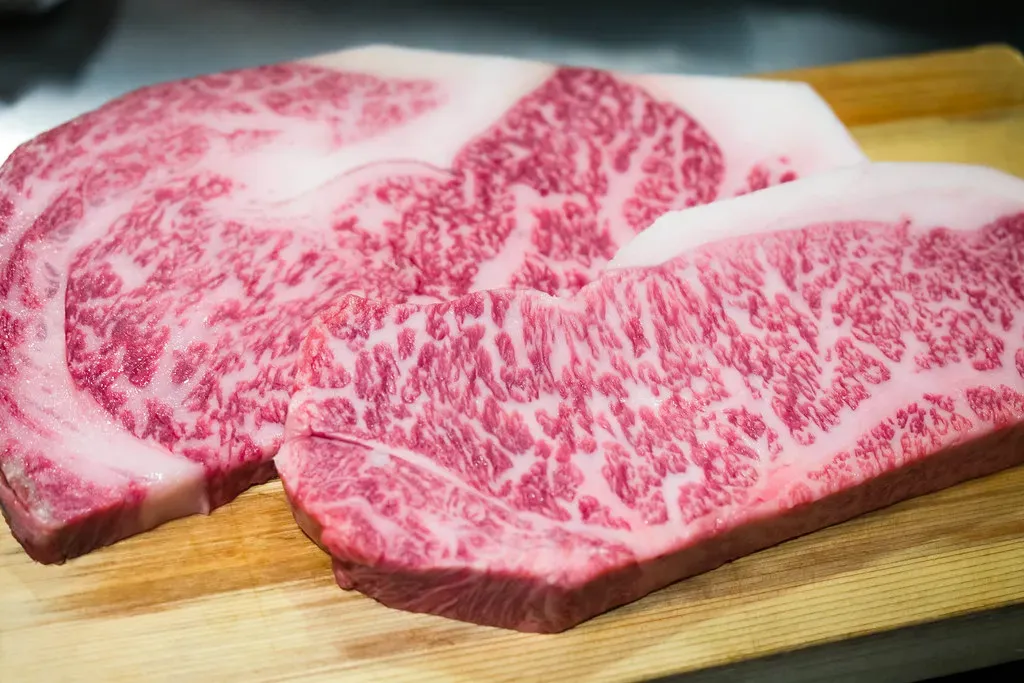
Here is the thing about Wagyu beef: no description does it justice. You have to experience it yourself to understand why chefs speak about it with something close to reverence. The marbling, those white ribbons of intramuscular fat, isn’t just beautiful to look at. It literally melts at body temperature.
Wagyu at its finest is premium beef like you’ve never seen before, a showcase of the highest quality meat where the chef’s counter experience can include more than 20 courses and different cuts of meat. Caviar, truffles, wagyu, and vintage crystal plates are features of some of the world’s most celebrated dining experiences, making diners feel like royalty.
Wagyu beef is appearing on restaurant menus across the country in creative, inspired preparations. You don’t have to spend a small fortune at a tasting menu to experience it, either. Even a small portion of properly prepared A5 Wagyu is one of those eating moments that simply stays with you. I think it’s one of the few foods that genuinely makes you stop mid-bite and go quiet.
4. Bone Marrow: The Original Luxury Food
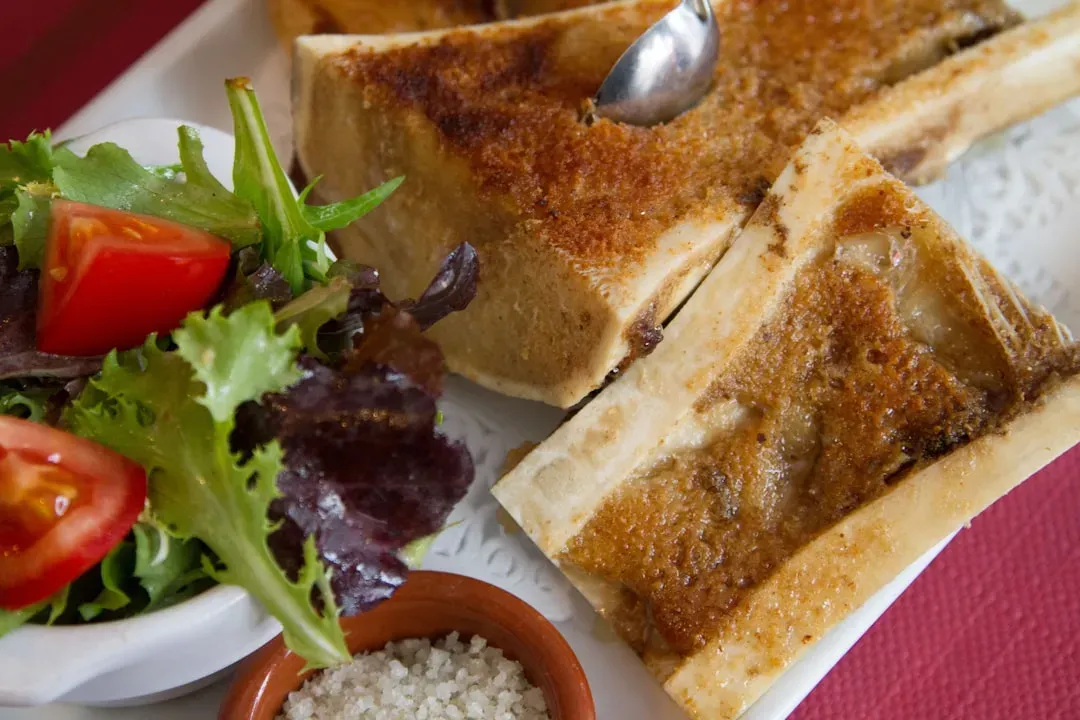
Bone marrow may sound like something you’d find in a medieval feast, and honestly, that’s not far off. Humans have been cracking bones open to get at the rich, fatty marrow inside for thousands of years. Chefs know something most modern diners have forgotten: this is extraordinary food.
The rich, deeply flavored bordelaise sauce at some of the world’s best restaurants is made with dry red wine, butter, shallots, and huge chunks of melt-in-the-mouth bone marrow that literally exploded on the tongue. That description alone should tell you everything you need to know. Roasted bone marrow, scooped out and spread on toast with flaky sea salt and a few drops of bright lemon juice, is pure, primal pleasure.
Leading chefs around the world are stepping up to the challenge by rethinking how they use ingredients, from root-to-stem cooking to transforming every part of an animal into delectable dishes, setting new standards for nose-to-tail cooking. Bone marrow sits at the heart of this philosophy. It is rich, uncomplicated, and shockingly good.
5. Sea Urchin (Uni): The Ocean’s Best-Kept Secret
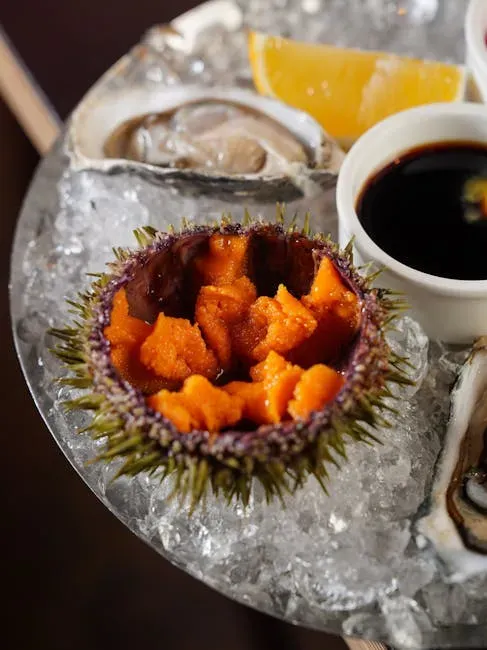
Few foods divide people like sea urchin. The outside is spiny and intimidating. The inside is a gorgeous, golden-orange custard. And the flavor? It’s the ocean distilled into a single bite, briny and sweet and utterly unlike anything else. Chefs love it precisely because of that.
Wagyu sashimi with fresh sea urchin adds an intense, salty hit that showcases just how transformative uni can be as a finishing ingredient. The uni sea urchin alongside fatty tuna and wagyu is among the most repeatedly praised components at some of New York’s most celebrated sushi counters.
Wagyu beef-wrapped sea urchin is, in the words of culinary professionals, luxury swathed in luxury, and something you’ll never forget your first bite of. Even on its own, spooned directly onto warm rice or draped over pasta, uni carries a depth of flavor that’s genuinely hard to describe unless you’ve experienced it. Give it a real chance. Let it surprise you.
6. Kimchi: The Ferment That Conquered the World
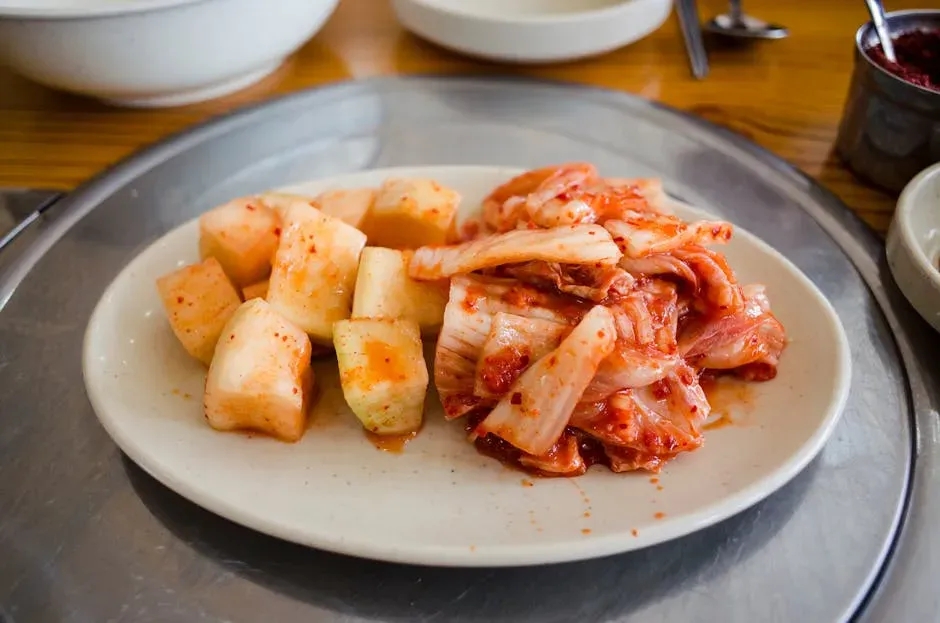
Kimchi is having a serious cultural moment. You find it on tacos, in burgers, tucked into grilled cheese, and gracing Michelin-starred tasting menus. It shows no signs of slowing down, and chefs are almost evangelical about getting people to try the real thing.
Korean cuisine continues to dominate the global culinary conversation, with flavors such as kimchi and gochujang gaining widespread appeal. The increasing demand for spicy, fermented, and BBQ flavors reflects a broader appetite for umami-rich and complex taste profiles. Chefs say that a growing affinity for kimchi and sauerkraut as foods with healthy gut bacteria, as well as more interest in plant-forward dishes, have elevated fermented vegetables to a new degree of consumption.
Fermentation is making a triumphant return to the culinary stage, with chefs set to embrace the funky, tangy world of preserved foods. This ancient technique not only enhances flavors but also promotes health benefits through probiotics. Expect to see an array of fermented ingredients gracing menus, from kimchi and miso to kombucha and pickled vegetables. Kimchi is the gateway into that world. Sour, spicy, crunchy, funky: it delivers everything at once.
7. Black Truffle: The Ingredient That Smells Like Money
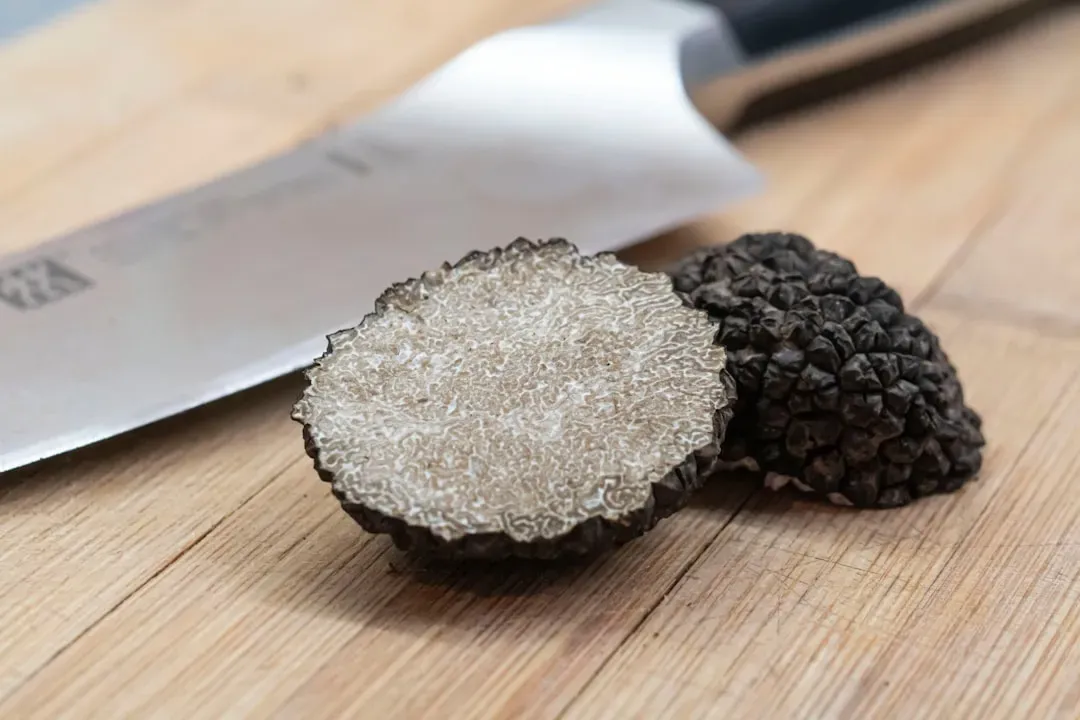
There’s a reason truffles have been coveted since ancient Rome. The aroma alone is almost hallucinogenic. Earthy, musky, deeply funky in the best way possible, it transforms every single dish it touches. Chefs have been building entire menus around a single shaving of truffle for good reason.
Handmade gnocchi blanketed by a buttery, creamy, cheesy sauce and tucked in with a generous amount of shaved Italian truffles is described by serious food critics as pure sweet dreams. Even in simpler applications, like truffle butter on fresh pasta, the effect is staggering. You understand immediately why this ingredient commands such an outrageous price.
Many culinary experts predict a shift towards experimentation and bold flavors that break away from traditional boundaries, with unique ingredient pairings that surprise and delight, drawing inspiration from unlikely sources. Truffles, however, have always been the benchmark. In Paris, macaroni bars are popping up serving the beloved classic with truffle toppings, proof that this ingredient can elevate even the most casual comfort food.
8. Calamansi: The Citrus You Didn’t Know You Were Missing
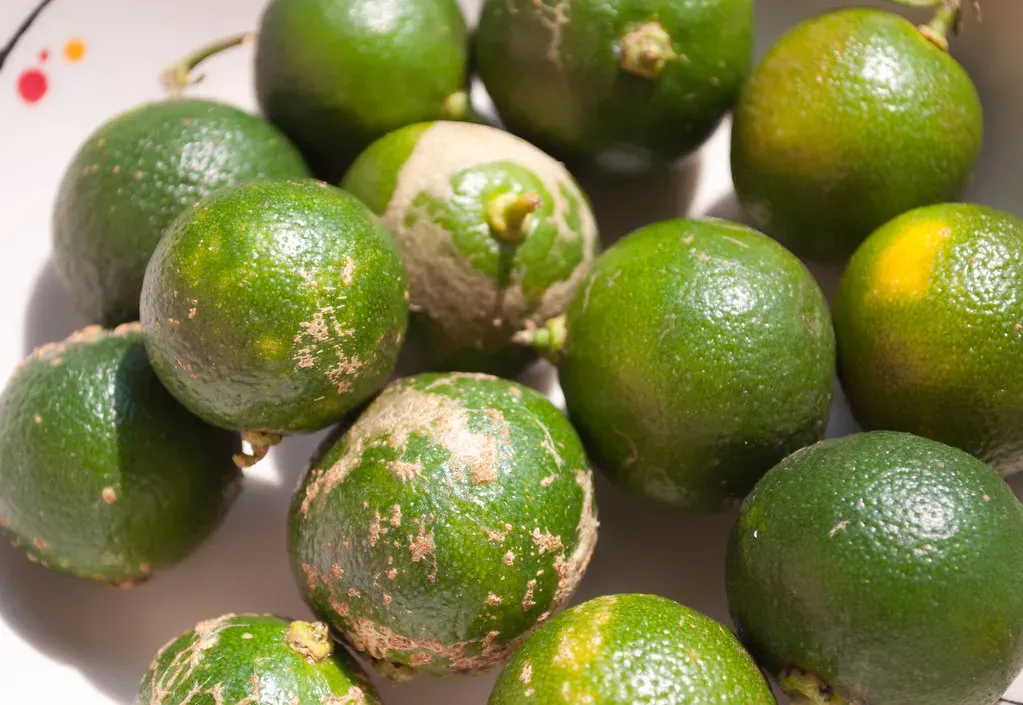
Let’s be real: most of us have lemons in the fridge and call it a day. Chefs, however, have been obsessing over a tiny citrus fruit from Southeast Asia that packs a punch unlike anything in a standard fruit bowl. Calamansi is about to change how you think about sour.
Also known as calamondin or Philippine lime, calamansi is a staple of Filipino and Southeast Asian cooking. It tastes like a very tart combination of lemon, lime, and orange. Recently, calamansi has been popping off as a popular flavor in supermarket products and high-end dining across the country.
Expect to see calamansi incorporated into more big brand snack flavors and fast-casual dining. Exotic fruits like calamansi are trending due to their potent health benefits and versatility in both food and beverages. These fruits are often rich in vitamins, antioxidants, and unique flavor profiles, making them highly desirable in the wellness and culinary markets. It’s hard to say for sure whether it’ll fully go mainstream, but chefs are already completely hooked.
9. Omakase Sushi: The Full Experience of Trust
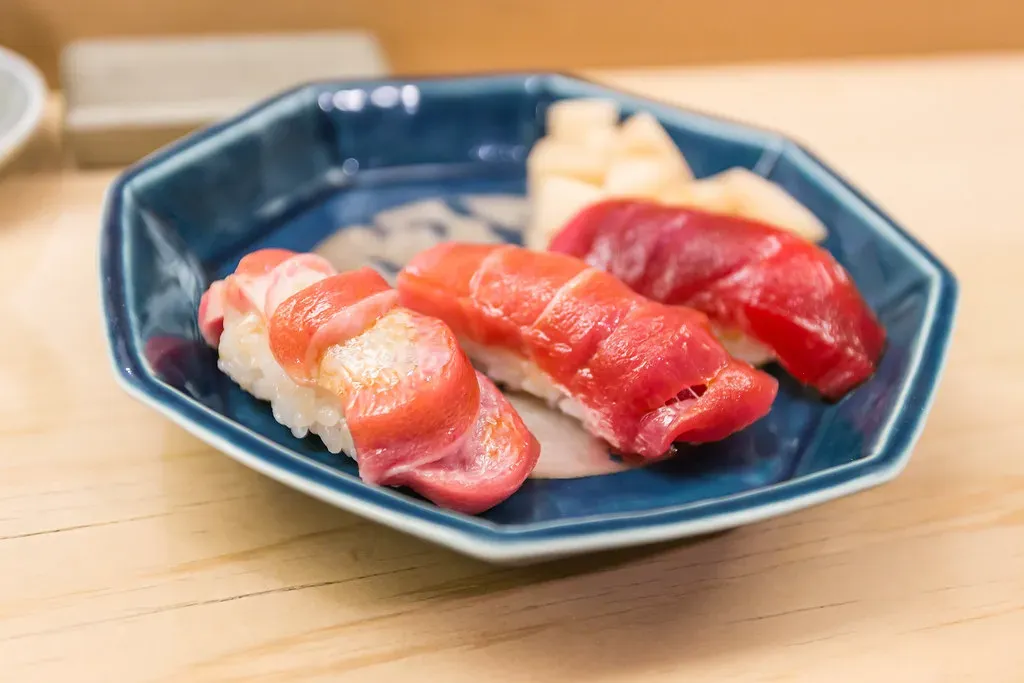
This one is a little different. Omakase is not just a food. It is a philosophy. In Japanese, it translates roughly to “I’ll leave it up to you,” meaning you trust the chef completely to guide your meal. You sit down, relax, and eat your way through the ocean, with fish that is incredibly seasonal and sushi rice that is firm, slightly warm, and pleasantly vinegary.
With Japan welcoming record tourists and omakase sushi restaurants opening across the country, high-end concepts are taking Japanese dishes to the next level with regional Japanese ingredients. The experience strips away every distraction of a normal restaurant meal. No menu, no decisions, no hesitation. Just the chef’s vision, expressed one perfect piece at a time.
The best omakase experiences offer an exquisite progression of seasonal, imported fish and meticulously curated creations that embody precision, creativity, and pure decadence, with a more extensive exploration of flavor, texture, and presentation. It is, I think, the single most complete way to understand what food can be when craft and care are taken seriously. Every serious food lover deserves to experience it at least once.
A Final Thought
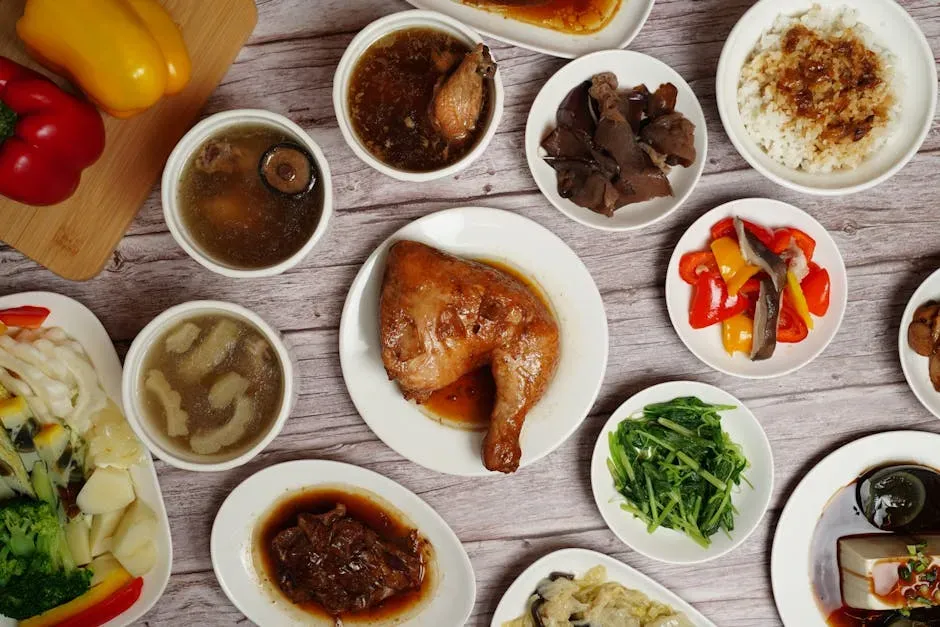
Nine foods. Nine entirely different worlds of flavor, texture, and experience. Some are fermented and funky, some are buttery and rich, some arrive in spiny shells from the ocean floor. What they share is the unanimous endorsement of the people who spend their lives thinking about food more seriously than almost anyone else.
People are being inspired by restaurant chefs who are pushing the boundaries with food fusions and global flavors, and home cooks are becoming more adventurous, playful, and curious in the kitchen. The world of eating has never been more open or exciting. All it takes is a willingness to try something unfamiliar.
Which of these nine would you be brave enough to try first? Tell us in the comments.