
Something quiet has been happening at drive-throughs across America. Parking lots that used to overflow at lunch are looking a little emptier. Digital receipts are getting smaller. And major fast-food chains, brands that once seemed bulletproof, are watching their loyal customers walk out the door one by one.
Over the past decade, fast-food prices across the nation have increased by nearly half, frustrating consumers who are also battling layoffs, record inflation, and a decrease in affordable housing. This isn’t just a passing mood. It’s a structural shift in how Americans think about fast food, and some of the biggest names in the industry are paying a steep price for it. Here’s a close look at the chains feeling it the most.
1. McDonald’s – The Golden Arches Are Showing Some Rust
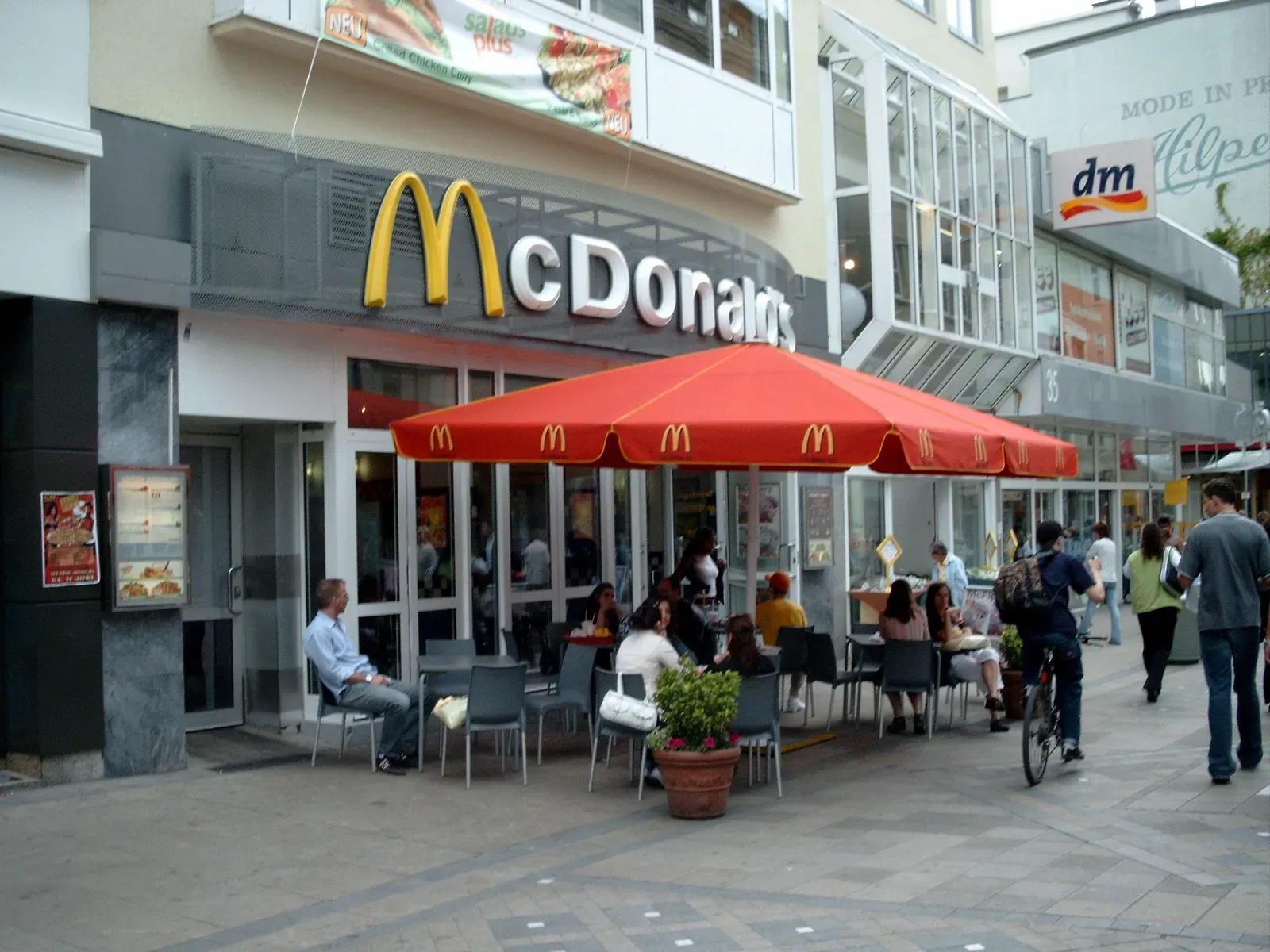
Let’s be real: nobody expected McDonald’s to be on a list like this. Yet here we are. McDonald’s reported a steep decline in U.S. same-store sales in the first quarter of 2025, its third decline in the past four quarters, and its worst performance since the depths of the pandemic. That’s a far cry from the unstoppable empire the brand used to be.
McDonald’s CEO Chris Kempczinski confirmed that QSR traffic from lower-income consumers declined nearly double digits in Q3, a trend that had persisted for nearly two years. The customer base that built this brand, working families and budget-conscious Americans, is being squeezed out. McDonald’s also faced a major setback with an E. coli outbreak linked to its Quarter Pounder burgers, which led to a significant drop in sales and traffic.
Between 2014 and 2024, the average prices of fast-food items increased by roughly 40 to 100 percent, outpacing the overall 31 percent inflation rate during that time period, according to a study by FinanceBuzz. Honestly, when a basic combo meal can run close to ten dollars, it stops feeling like fast food altogether.
2. Subway – Losing More Than Just Sandwiches
Subway was once the largest restaurant chain in the United States by location count. That reign is fading. Declines in U.S. unit count have become the dominant story at Subway. In 2024 alone, the sandwich chain lost a net of 631 restaurants, finishing the year with 19,502 domestic units – marking the first time the brand had fallen below 20,000 locations in about 20 years.
Subway reached a peak of more than 27,000 stores in 2015. The declines began in 2016 and have persisted since, with the chain losing a net of approximately 7,600 stores over that stretch. Sales at the sandwich giant declined a striking 3.8 percent to $9.5 billion in 2024. That’s a brand hemorrhaging both locations and dollars at the same time, which is about as bad a combination as it gets.
3. Starbucks – Too Expensive to Feel Like a Treat Anymore
Starbucks occupies a strange, uncomfortable middle ground. It’s not quite fast food, but Americans have always relied on it for a quick, daily fix. Starbucks’ sales fell in 2024, its worst year since the Great Recession, following strikes, a social media backlash, and widespread concern over the company’s service quality. A new CEO and a sweeping “Back to Starbucks” strategy were rushed in to stem the bleeding.
Among major nationally traded restaurant firms, Starbucks saw a particularly large decline in U.S. traffic. The reasons for the coffee giant’s sales slump were multi-faceted. In addition to pricing-related consumer pullbacks, Starbucks saw occasional customers desert the chain after it became embroiled in public controversy. Starbucks announced it would close hundreds of U.S. locations, the largest round of closures at the chain since the Great Recession.
Starbucks’ comparable sales declined in the first quarter of 2025, the coffee giant’s fifth consecutive quarterly decline. That is not a blip. That is a pattern. The brand is still beloved by many, but its pricing strategy has simply moved beyond what a huge portion of its customer base can justify regularly.
4. KFC – Losing Its Grip on the Chicken Crown
KFC built its identity on being America’s go-to fried chicken destination. That identity is under serious threat. KFC’s same-store sales in the U.S. dropped 5 percent in the quarter ending September 30, 2024, marking the chain’s third straight quarter of declines that year. Three consecutive down quarters is not bad luck. That’s a trend.
According to Circana’s Definitive U.S. Restaurant Ranking 2025 report, chicken chains including Raising Cane’s, Wingstop, Chick-fil-A, Zaxby’s, Bojangles, and Popeyes all saw consumer spending increase in 2024 while KFC saw consumer spending fall by 4 percent to $4.34 billion. Put simply, Americans still love fried chicken. They’re just buying it somewhere else now. Fast-casual chain Raising Cane’s surpassed KFC, which is now the fourth largest chicken chain in the country after its sales declined by more than 5 percent.
5. Pizza Hut – Dough That Isn’t Rising

Pizza Hut is one of those brands that feels like it should always be there – a familiar institution from childhood. Yet the data tells a different story in 2025. Pizza Hut posted the largest quarterly decline at 5%, struggling amid a highly competitive pizza market. That’s a stark figure for a brand that once dominated the delivery space.
Domino’s and Papa Johns managed to recover from sales declines during the same period, while Pizza Hut maintained negative growth. Think about that for a second. Even rivals who were also struggling managed to stop the slide, while Pizza Hut kept going down. Pizza Hut was among the six of the 20 largest chains that generated outright sales declines in 2024, according to the Technomic Top 500 Chain Restaurant Report. The chain’s value messaging simply hasn’t been convincing enough to win back cautious consumers.
6. Wendy’s – When Freshness Isn’t Enough
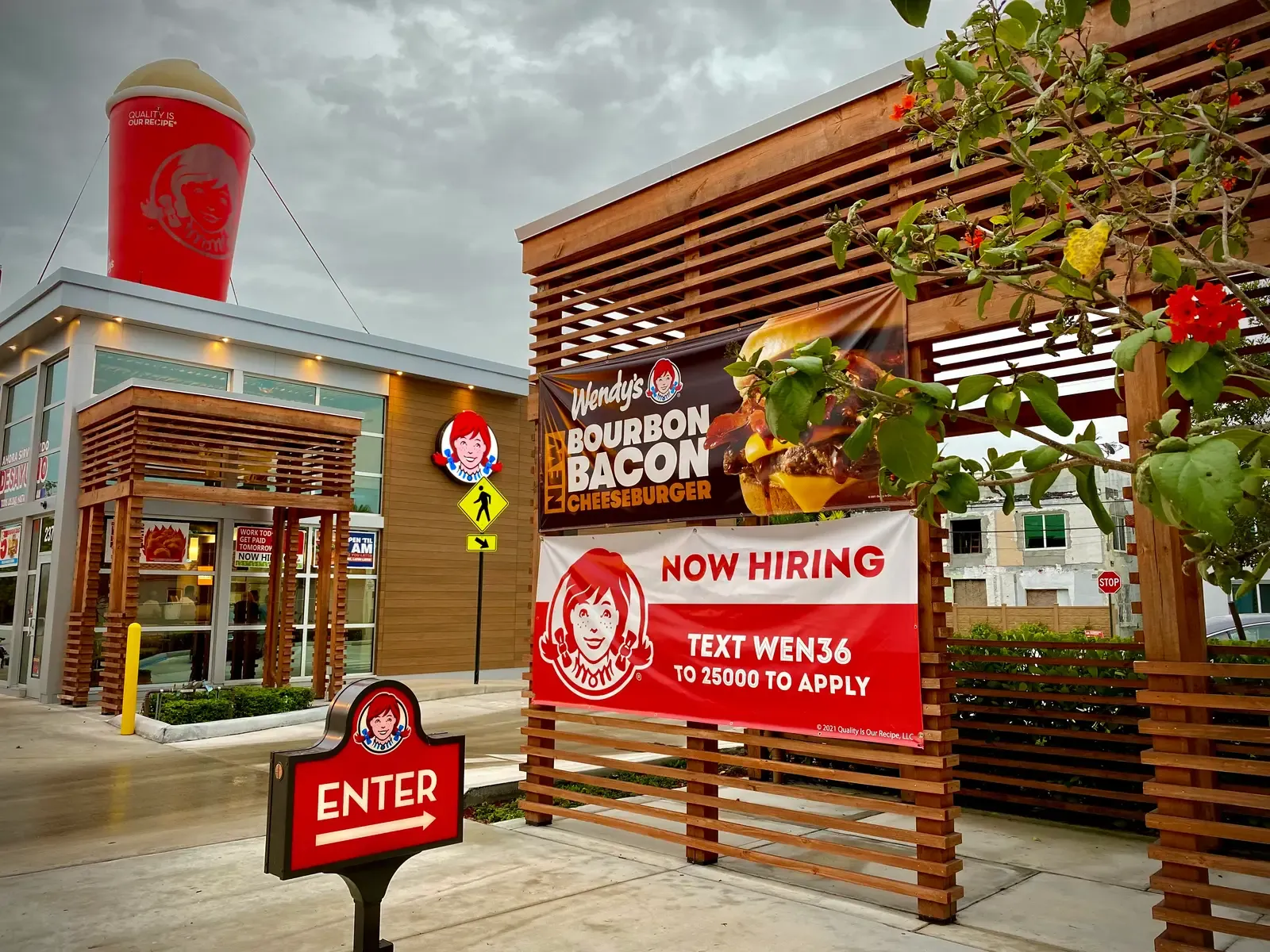
Wendy’s built its brand on quality and freshness, positioning itself above the cheap burger pack. That premium positioning is now working against it. Wendy’s sales troubles, stretching across three consecutive quarters of falling U.S. same-store sales, have pushed the brand to re-evaluate its entire U.S. store base.
That evaluation would result in the closure of hundreds of locations over the next year, interim CEO and CFO Ken Cook confirmed on the chain’s Q3 earnings call. It’s hard to square this with the version of Wendy’s that was thriving just a few years ago. It hasn’t been the best start for Wendy’s in 2025, with the chain reporting soft sales. A combination of sky-high prices and low perceived value is keeping customers away, and even when people do visit, they’re spending less.
7. Burger King – Still Searching for a Turnaround
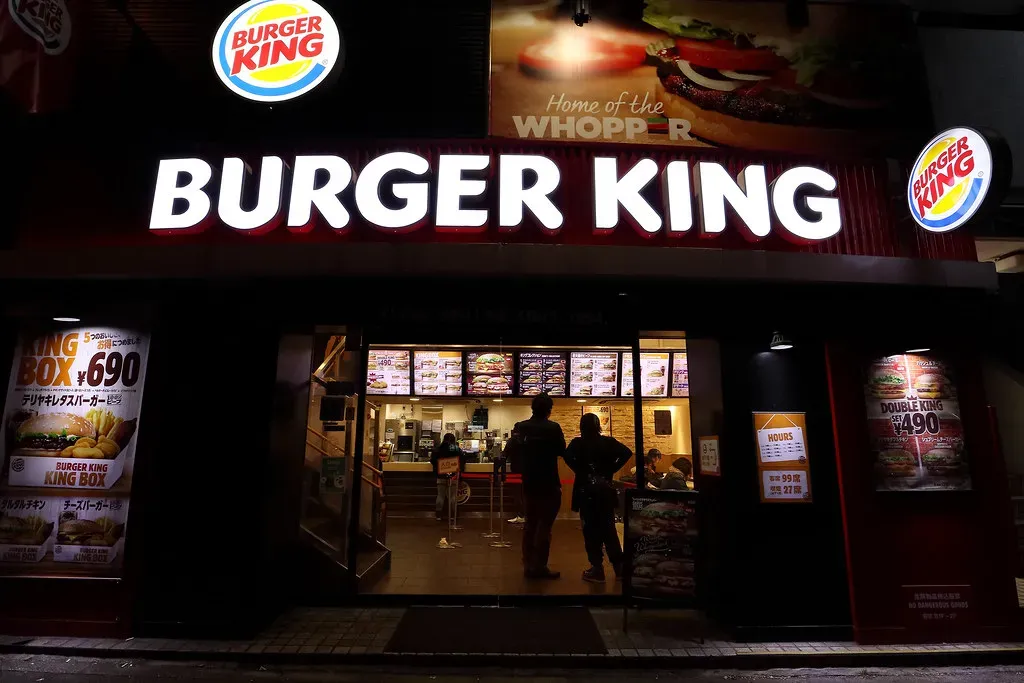
Burger King has been trying to turn itself around for years now, and progress has been frustratingly slow. In 2024, Burger King finished with 6,701 U.S. restaurants, a drop of 77 units compared to 2023. Every closed location is a signal. Weather and a pullback in consumer spending made Q1 2025 one of the toughest quarters for restaurant chains in recent years, with Burger King among the brands reporting negative same-store sales growth.
After a difficult 2024, Burger King continued to struggle in early 2025, with same-store sales declining 1.3 percent, steeper than analyst estimates of a 0.9 percent decline. The brand has invested heavily in its “Reclaim the Flame” strategy and remodeled restaurants, but winning back price-conscious Americans in the current economy remains an uphill battle. The traffic challenges ultimately led the sector to launch a value war, with Burger King among the chains offering bundled meal deals to try to lure customers back.
8. Papa John’s – The Pizza Delivery Model Under Siege

Papa John’s has had a genuinely rough stretch. The pizza chain’s same-store sales fell 6 percent in North America in Q3 2024, its third straight quarterly decline and the worst result since the second quarter of 2019. A new CEO was brought in, strategies were overhauled, but the numbers stayed stubbornly negative.
The closures followed a brutal fourth quarter, which reported a 5.4 percent decline in same-store sales in North America. Meanwhile, traditional delivery chains like Papa John’s face new competition in the form of third-party aggregators. Consumers have shifted spending at pizza chains toward those aggregators or to carryout. The delivery pizza model that Papa John’s was built on is simply being disrupted from multiple directions at once, and it’s difficult to adapt fast enough to keep up.
9. Popeyes – The Chicken Sandwich Hype Has Cooled

Nobody rode a single menu item to fame quite like Popeyes did with its chicken sandwich in 2019. Lines stretched around the block. It went viral. It was a cultural moment. That moment, however, has clearly passed. Popeyes’ U.S. comparable sales were down 3.8 percent while systemwide sales decreased during the third quarter of 2024.
Popeyes saw its same-store sales slide 4 percent in Q1 2025, the most significant drop of that quarter among its immediate peers. Food costs more to produce, workers demand better pay, and customers are no longer willing to spend as much at fast food as they used to. Some Popeyes locations have already closed, and more could follow if conditions don’t improve. It’s a cautionary tale about how fast hype fades in the fast-food world when the underlying value proposition doesn’t hold up.
The broader picture here is sobering. A consumer frustrated by high fast-food prices shifted spending away from traditional, big-name players to smaller, up-and-coming names, or stayed home altogether in 2024. Many Americans now consider eating at a fast-food restaurant a luxury, a phrase that would have seemed absurd just five years ago. The chains that survive this era will be the ones that genuinely rethink their value, not just slap a discount sticker on the same old menu. Which of these chains do you think has the best shot at turning things around? Let us know in the comments.