
There’s something quietly powerful about a lunchbox. It travels with a child every single school day, opening up in a noisy cafeteria surrounded by classmates, smells, and social dynamics that most adults have long forgotten. Yet the habits formed around that small container – what goes in it, who packed it, how it was eaten – can leave a surprisingly deep mark on a child’s food preferences well into adulthood.
It’s not just about nutrition labels or calorie counts. It’s about memory, emotion, social belonging, and repetition. Science is only now beginning to fully map just how early these patterns set in. Let’s dive in.
1. Always Seeing the Same “Safe” Foods
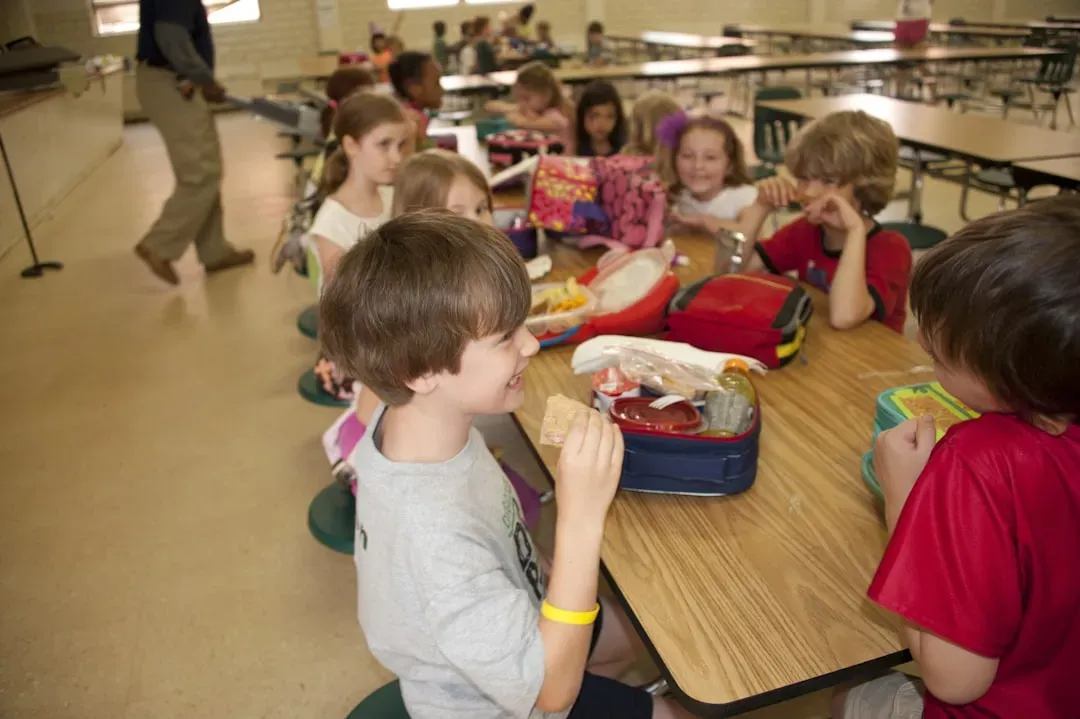
Ask any parent and they’ll tell you: once a child likes something, they want it every single day. This isn’t just stubbornness – it’s biology. Research over the last 40 years has consistently demonstrated that repeated exposure to foods increases children’s preferences for those foods. The more a child sees something in their lunchbox, the more familiar and appealing it becomes. Familiarity equals comfort, and for a young brain, comfort equals preference.
Through mere exposure, children gradually learn to like foods that are repeatedly offered relative to those that are not offered. Think of it like a favorite song – the more you hear it, the more you like it. Pack the same apple slices every Monday, and by June that kid may actually be asking for apple slices. That’s the power of lunchbox repetition at work.
2. Never Being Exposed to Variety
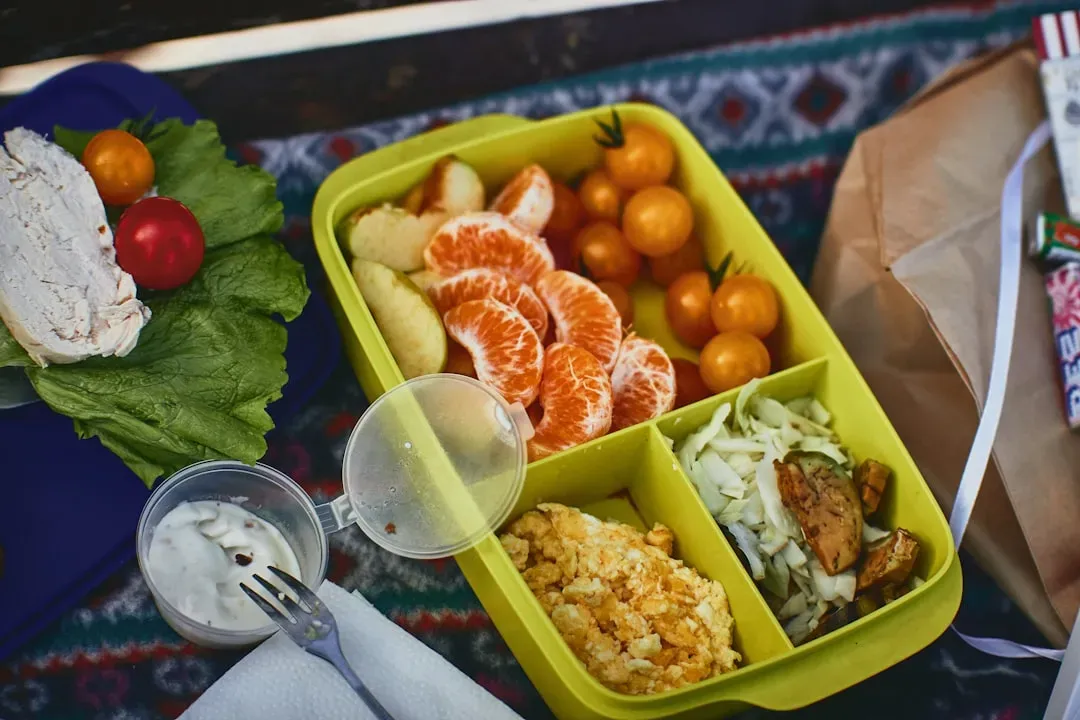
Here’s the flip side: when lunchboxes stick rigidly to the same rotation of foods week after week, something called food neophobia can quietly take hold. Food neophobia, defined as the fear of eating new and unfamiliar foods, can influence the development of children’s eating habits and limit the variety in their diets. A child who never encounters new foods in their lunchbox may grow into someone deeply resistant to trying anything outside their comfort zone.
The numbers are honestly striking. It was found that roughly four in ten children showed a high level of food neophobia, indicating a significant problem in the acceptance of new products in the diet. Research also showed that children with neophobia had a higher intake of saturated fat and less food variety than children without food neophobia. Offering a varied lunchbox is one of the simplest things a parent can do to break this cycle early.
3. Watching What Parents Pack – and What They Eat
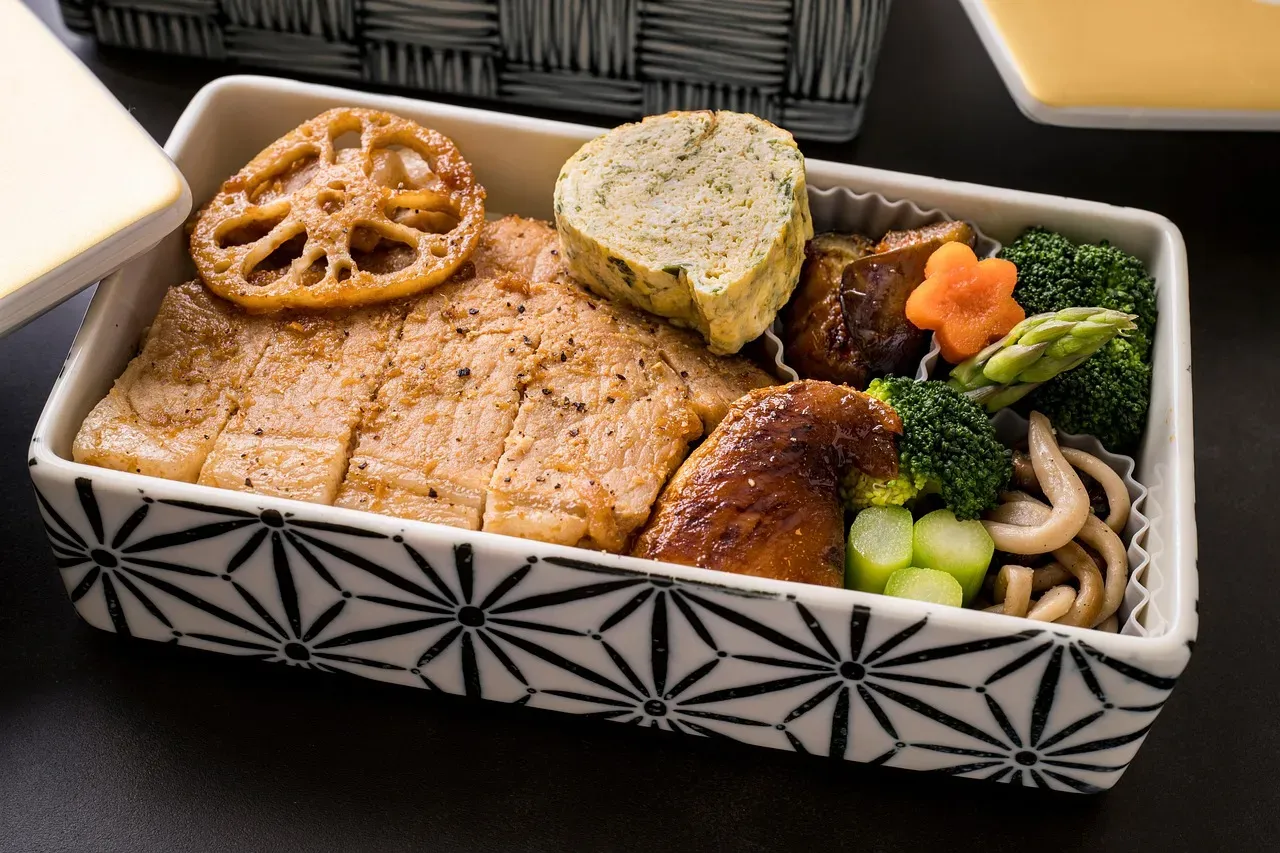
Kids are observational learning machines. They watch everything. A key factor is parental modeling of eating behaviors. Parents who exhibit healthy eating habits and offer a variety of nutritious foods are more likely to have children who develop healthy dietary patterns. What goes into that lunchbox isn’t just food – it’s a signal about what this family values, what foods are “normal,” and what adulthood might look like.
Children model themselves on their parents’ eating behaviours, lifestyle, and eating-related attitudes. Dietary habits are shaped at a young age and maintained during later life with tracking over time. So when a parent consistently packs whole fruits instead of fruit gummies, or water instead of soda, that message gets internalized over thousands of lunches. It’s almost like a slow, quiet education happening in a lunchbox every single day.
4. Being Allowed to Help Choose What Goes In
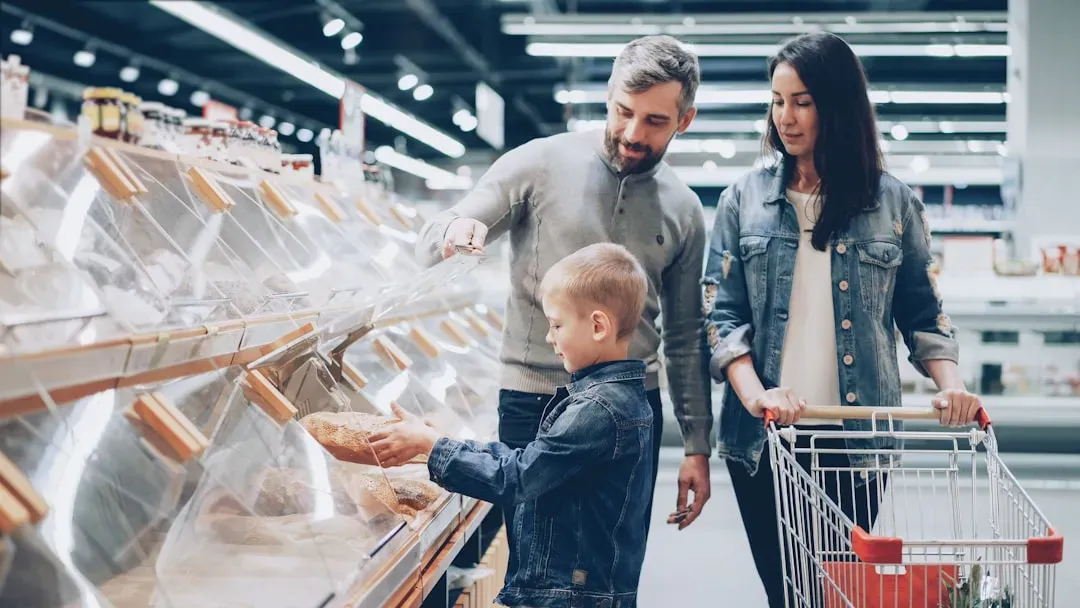
Honestly, this one surprised me when I first came across the research. The inclusion of children in the preparation or choice of their meals may enhance the acceptance and nutritional quality of school lunches. When kids have even small amounts of agency over what ends up in their lunchbox, they’re more likely to actually eat it – and more likely to develop a genuine relationship with those foods rather than just tolerating them.
This matters beyond just what gets eaten at lunch. Enhancement of dietary quality is significantly associated with parental involvement, including the modeling of healthy eating, participation in family meals, and the establishment of suitable food restrictions. Children who feel involved in food decisions tend to develop a more confident and curious palate. Giving a seven-year-old the power to choose between two healthy options might feel small, but it plants a seed that can grow for decades.
5. Ultra-Processed Snacks as a Daily Default
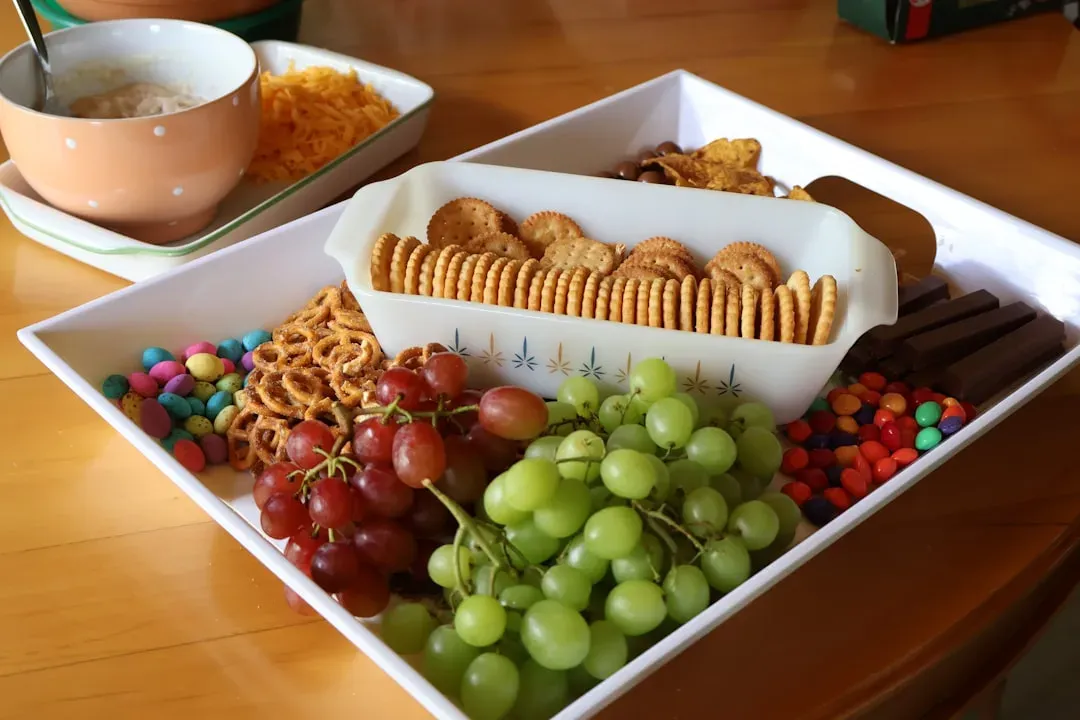
Let’s be real – convenience is real and grocery budgets are real. The presence of industrial or ultra-processed foods is becoming increasingly common in children’s lunchboxes as per recent reports, regardless of socio-economic status. That means chips, packaged cakes, and sugar-laden drinks are showing up in lunchboxes across all income levels, not just in low-resource households. It’s a cultural pattern as much as an economic one.
A study of 528 pre-school children’s lunchboxes in California found that more than roughly four in five lunchboxes contained discretionary foods such as chips and sugar-sweetened drinks, whilst only 16% included vegetables. When this is a child’s daily experience of “lunch,” the brain begins to map those highly palatable, salt-and-sugar-dense foods as the standard. That wiring, built lunch by lunch, is incredibly hard to undo later.
6. The Social Pressure of Lunchtime Peers
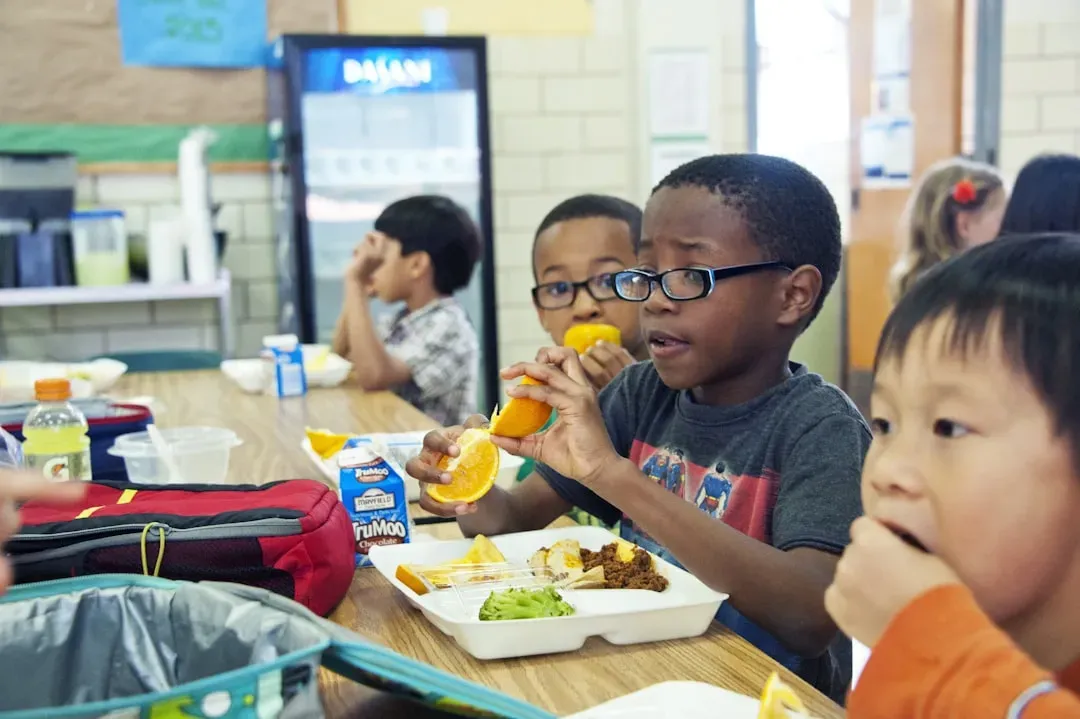
The cafeteria table is its own social universe. Peers were consistently identified as a major influence on pupils’ food choices. Pupils reported feeling pressurised to select similar items to those of their peer group to avoid negative comments. A child who brings something unfamiliar or “different” may face teasing or social exclusion, and that emotional memory can reshape food preferences more powerfully than any nutrition label ever could.
Parents described both their children and themselves as being heavily influenced by friends and peers. Participants explained that their child wants to eat based on what the others are eating, particularly discretionary foods, at school. This social feedback loop can undo months of healthy lunchbox packing in a matter of weeks. Participants also explained that they felt peer pressure to buy more processed or packaged foods for their child, demonstrating how social influence can outweigh parents’ food-related intentions.
7. Cultural Foods That Stand Out – or Get Hidden
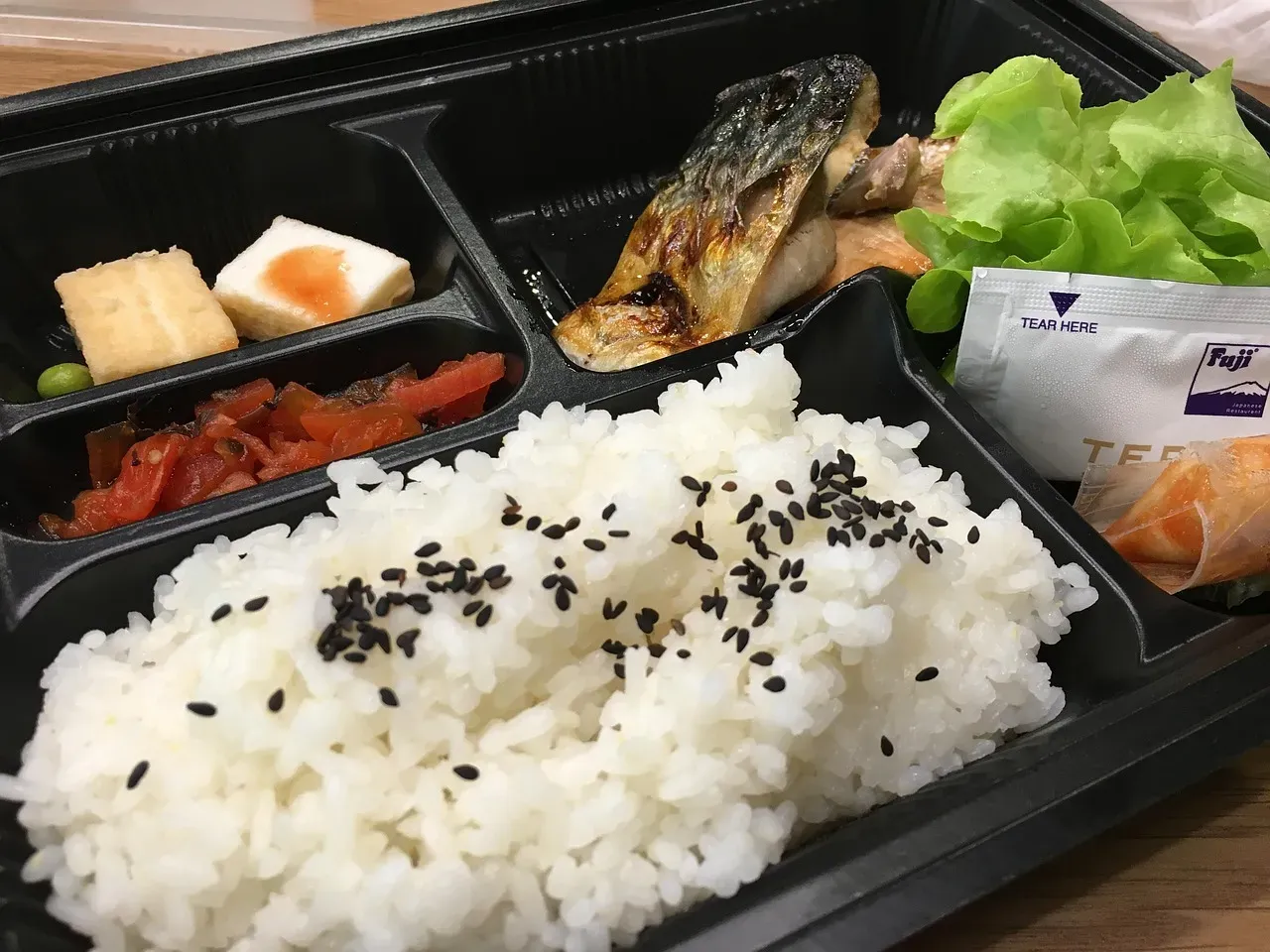
For children from immigrant or minority families, the lunchbox becomes a very visible marker of identity. Previous research indicates that children make ingroup-outgroup judgments based on notions of food conventionality and that ethnic minority children have been teased or bullied for bringing non-conventional foods to school. This can create a painful internal conflict between home culture and school social belonging. The emotional weight of that experience can follow people for life.
Compared with mainstream American lunchbox foods, children rated Chinese, Indian, and Mexican lunchboxes as less tasty, more messy, and less likely to be brought by “cool kids.” That social judgment, however unfair, has real consequences. Children who repeatedly feel shame around their cultural foods may gradually reject them – and years later find themselves disconnected from flavors that were once deeply meaningful.
8. Using Food as a Reward or Comfort
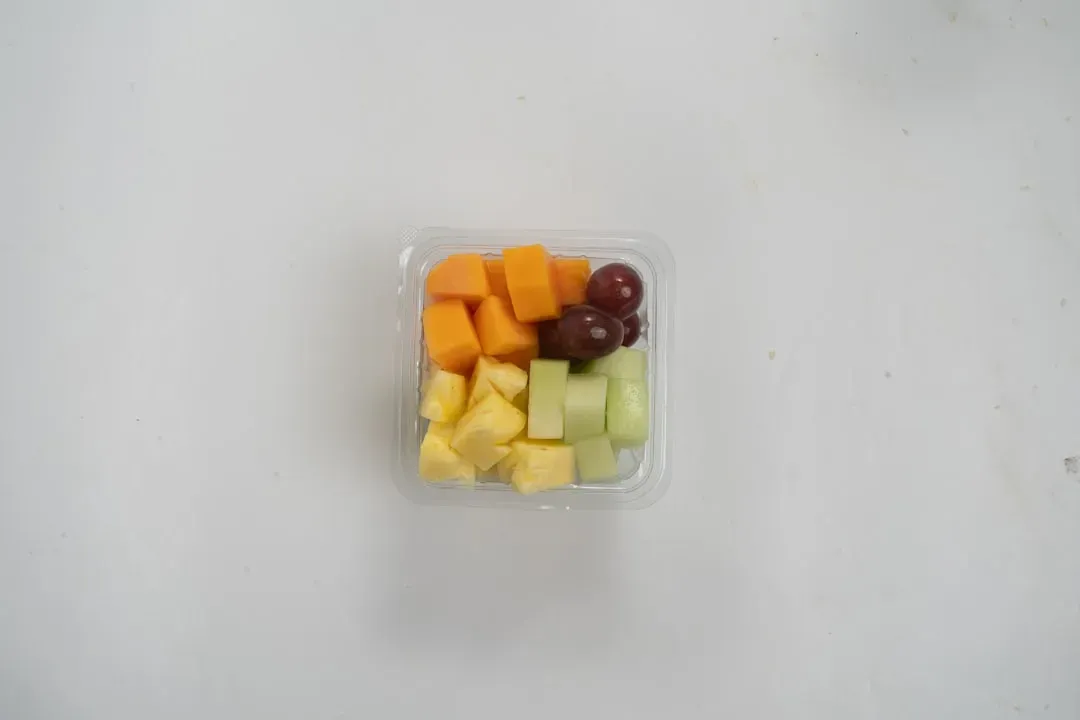
The classic lunchbox treat – the little note, the special cookie, the favorite snack tucked in as a surprise – feels loving and fun. Often, it genuinely is. But there’s a subtler dynamic at play when certain foods are consistently framed as rewards. Using food as a reward may have inadvertent effects in that rewarding children for consuming healthy foods actually results in decreased preference for those foods.
There’s also the inverse pattern. Research shows that parents who practice restrictive feeding, where certain foods are limited or forbidden, may inadvertently promote overeating or unhealthy food choices when those restricted items become available. This restrictive approach often leads children to develop a heightened preference for high-calorie “forbidden” foods. It’s a delicate balance, and the lunchbox is one of the key places this dynamic plays out every single day.
9. Eating Alone Versus Eating Together
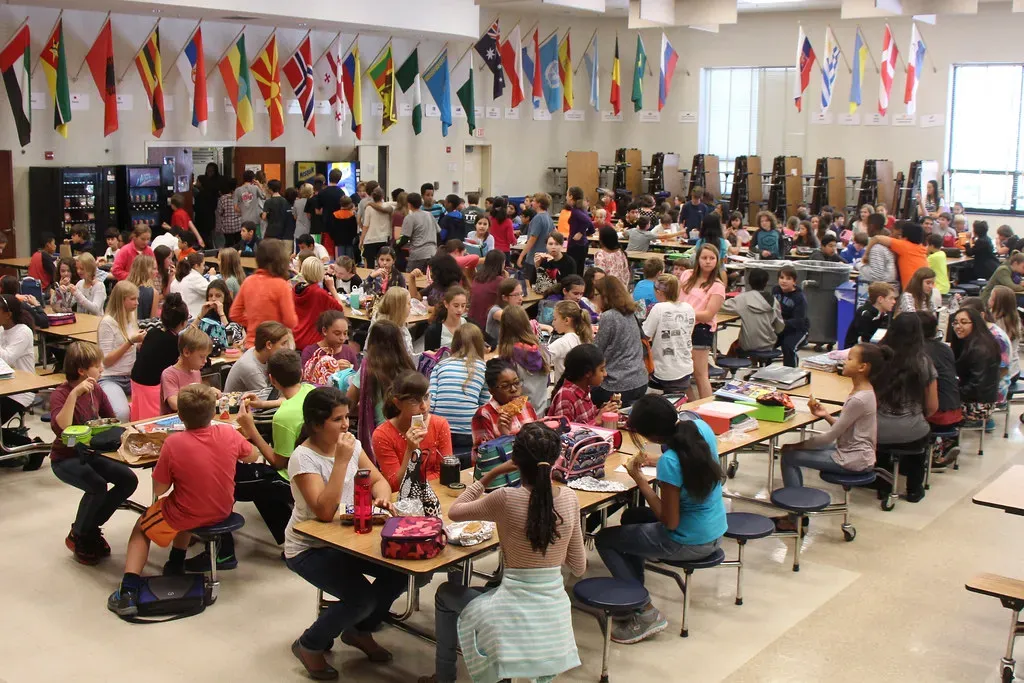
The context of eating matters just as much as the food itself. Familial contexts and parental influence shape children’s dietary behaviours based on cultural, social, and emotional norms, rather than the nutritional quality of food alone. A child who eats lunch in isolation – whether due to social difficulties or simply sitting apart – has a fundamentally different experience of mealtime than one embedded in a social group. That experience shapes not just what they eat but how they feel about eating altogether.
Research shows that eating behaviors formed in childhood often tend to continue into adulthood, increasing the risk of chronic conditions such as obesity, type 2 diabetes, cardiovascular diseases, and mental health issues. The lunchbox, then, is not just a container of food. Lunchboxes bridge children’s private and public spheres – prepared at home, they are meant to be eaten in public. That bridge, crossed every day for years, quietly builds the architecture of a lifetime of food choices. What do you think – does any of these habits ring true from your own childhood? Share your thoughts in the comments.