
You don’t have to book a flight to Okinawa or Sardinia to eat the way the world’s longest-lived people eat. Honestly, the whole idea behind Blue Zone eating is far more accessible than most people realize. The Blue Zones diet takes inspiration from the people of the world’s five designated Blue Zones: Okinawa, Japan; Sardinia, Italy; Ikaria, Greece; Nicoya, Costa Rica; and Loma Linda, California. These are places where people routinely live into their 90s and 100s, and researchers have spent decades trying to figure out why.
Here’s the surprising part: the foods at the core of this lifestyle are not exotic, expensive, or hard to find. Staple Blue Zone ingredients like beans, veggies, and herbs are also super affordable. What follows is a gallery of nine foods you can grab at any grocery store, often for under $2, that are genuine pillars of the world’s greatest longevity diets. Let’s dive in.
1. Lentils – The Longevity Legume That Costs Almost Nothing
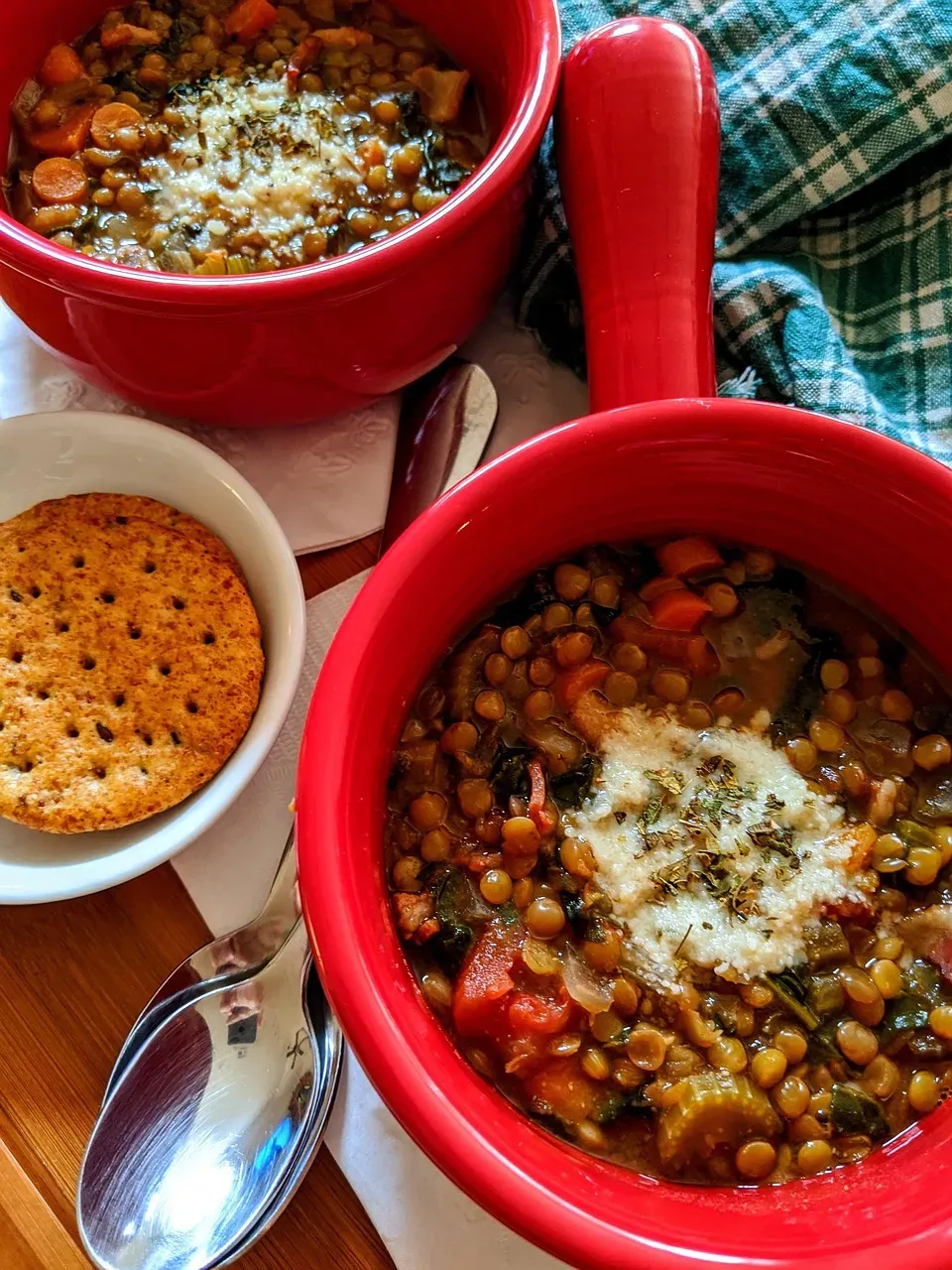
If there is one food that truly embodies the Blue Zone philosophy, lentils might be it. Lentils are a high-protein legume that cost just around $0.10 per serving and provide 18g of protein and 15g of fiber per cup cooked. They are cholesterol-free by nature, high in folate, iron, and potassium, and low in fat. That’s an absurd amount of nutritional value for next to nothing.
From black beans in Nicoya to lentils in Ikaria, these humble foods provide essential nutrients that support cardiovascular health, stabilize blood sugar, and nourish gut bacteria. Think of lentils like a tiny, unassuming powerhouse sitting in your pantry, quietly doing more work than most supplements on the market. You can toss them into soups, stews, or curries, and they require no soaking like dried beans do.
2. Chickpeas – A Penny-Wise Protein That Packs a Real Punch
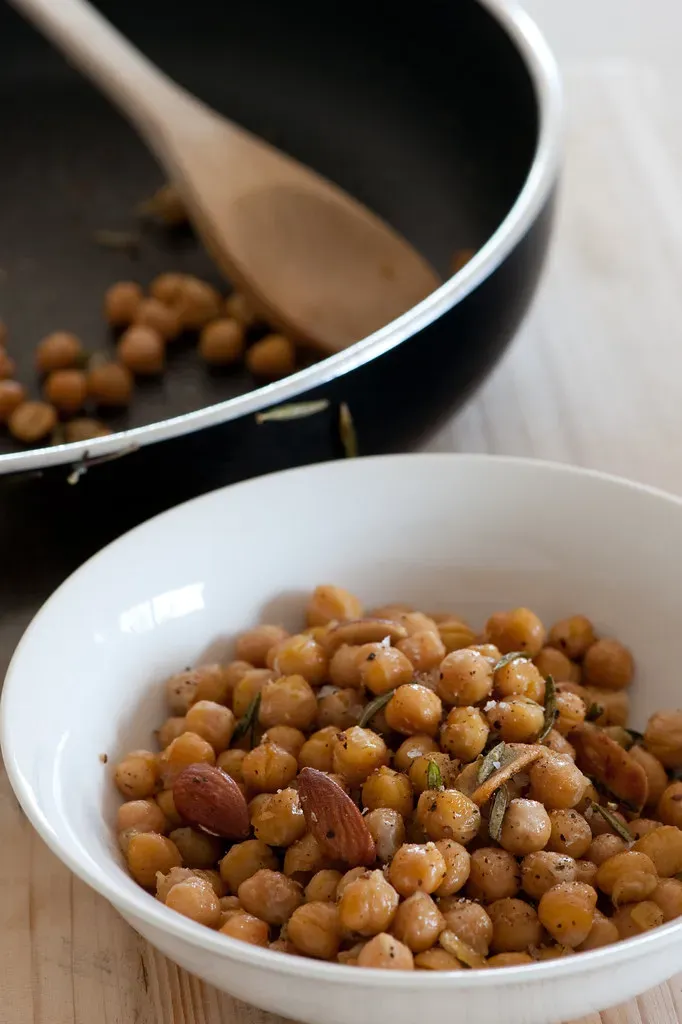
Another budget-friendly Blue Zone food is the humble chickpea, also known as the garbanzo bean. These little guys show up across nearly every Blue Zone diet in one form or another, from the Mediterranean coast to Central America. A one-pound dry bag of chickpeas can cost as little as $1.50 and yield up to 6 cups of cooked chickpeas, providing a great bang for your buck when it comes to grocery shopping.
Chickpeas cost about $1.00 per can and include 15g of protein, 12g of fiber, and minerals like iron, zinc, and folate per cup. They are incredibly versatile – serve them up in curries, hummus, or roasted as a snack. A UN Food Security Report from 2024 included legumes, such as chickpeas, as the ideal foods to consume for sustainable, high-quality diets worldwide. Hard to argue with that kind of endorsement.
3. Oats – The Blue Zone Breakfast Champion
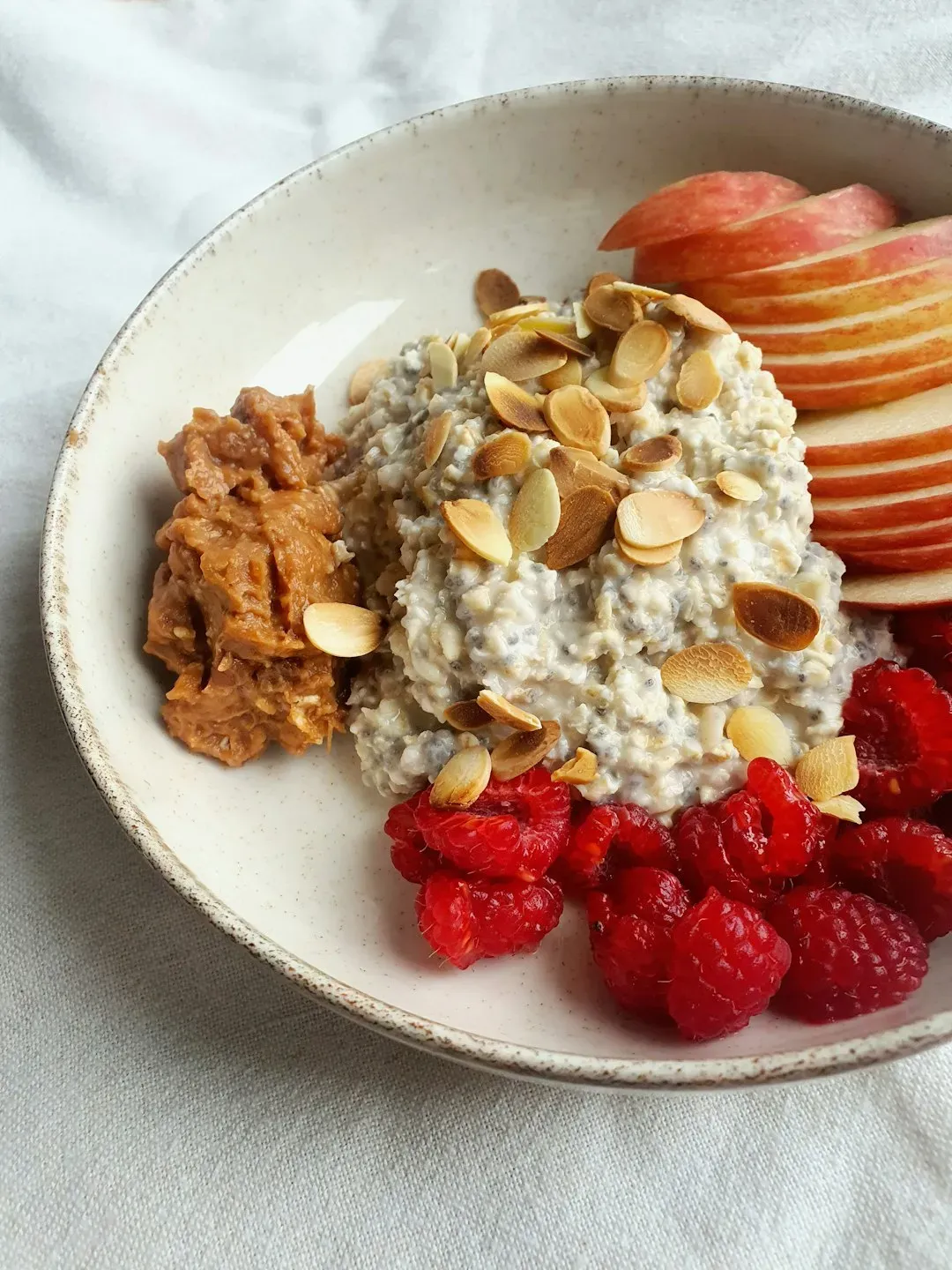
Let’s be real: oats are one of the most underrated foods in the modern grocery store. They are cheap, filling, and absolutely packed with nutrients that Blue Zone researchers consistently flag. Because they are a whole grain, oats align with the Blue Zone guideline of opting for single-ingredient, plant-based foods. That simplicity is precisely the point.
Oats provide a good source of fiber, including beta-glucan, a type of soluble fiber that has been shown to lower unhealthy LDL cholesterol levels and help reduce the risk of heart disease. The low glycemic index of oats, paired with the fiber content, provides a limited impact on blood sugar levels, making oats a blood-sugar-friendly alternative to refined grains. A half-cup serving of dried oats, which makes a cup of oatmeal, is usually less than 10 cents. That’s essentially free health insurance for your morning.
4. Sweet Potatoes – A Blue Zone Staple Straight From Okinawa
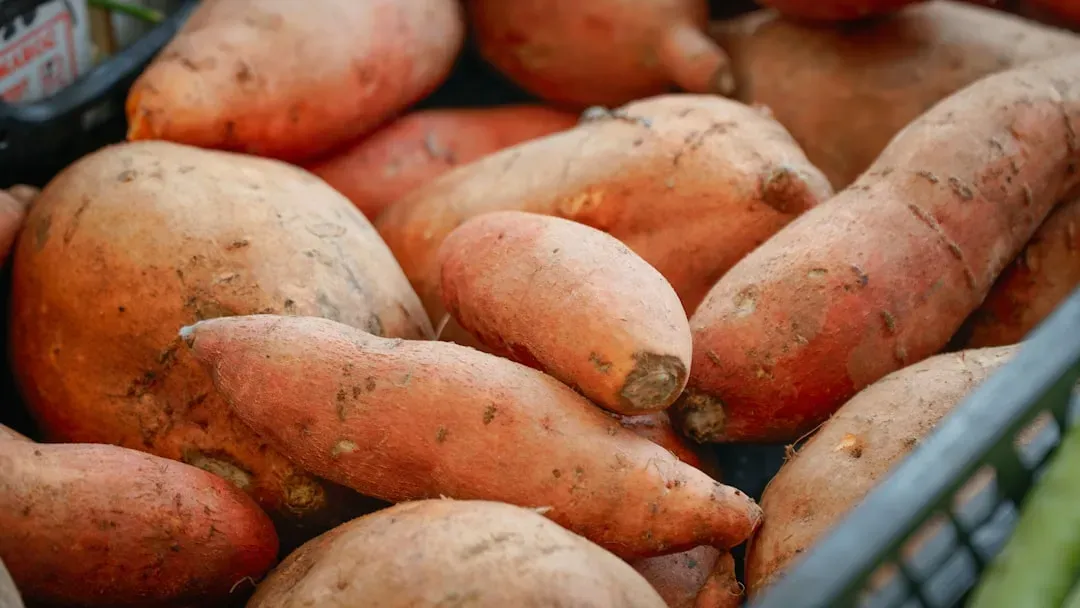
Sweet potatoes are genuinely one of the most fascinating foods on this list. They are a foundational element of one of the most studied longevity diets on earth. Whether they’re purple sweet potatoes, an important part of the diet in the Okinawa Blue Zone, or regular white or yellow potatoes commonly consumed in the Ikarian Blue Zone, all types of potatoes contain nutritional properties linked to longevity.
They are a source of complex carbohydrates, are rich in fiber especially if you eat the skin, and contain nutrients like vitamins B6 and C, potassium, and magnesium, which can boost the nutritional value of any meal. Research suggests that consuming more sweet potatoes, along with soy-based foods like tofu, turmeric, and green tea, may promote longevity. A single medium sweet potato typically costs well under $1.50 at most grocery stores, making this one of the easiest swaps you can make.
5. Canned Sardines – The Small Fish With a Massive Health Resume

I know, I know – sardines have an image problem. Most people wrinkle their nose at the very mention of them. But here’s the thing: in the world’s Blue Zones, the fish being eaten are small, relatively inexpensive fish such as sardines, anchovies, and cod, which are middle-of-the-food-chain species that are not exposed to the high levels of mercury or other chemicals like PCBs that pollute gourmet fish supplies today.
Sardines are a great source of omega-3 fatty acids, which reduce the risk for heart disease and behavioral problems. A standard can of sardines typically runs well under $2 at most major supermarkets, and they are lower on the food chain, so they have less mercury than big fish. With Mediterranean-style eating increasingly popular in America, sardines are once again a heart-healthy, affordable option. Toss them on salads, toast, or whole-grain crackers.
6. Spinach – The Leafy Green at the Core of Every Longevity Diet
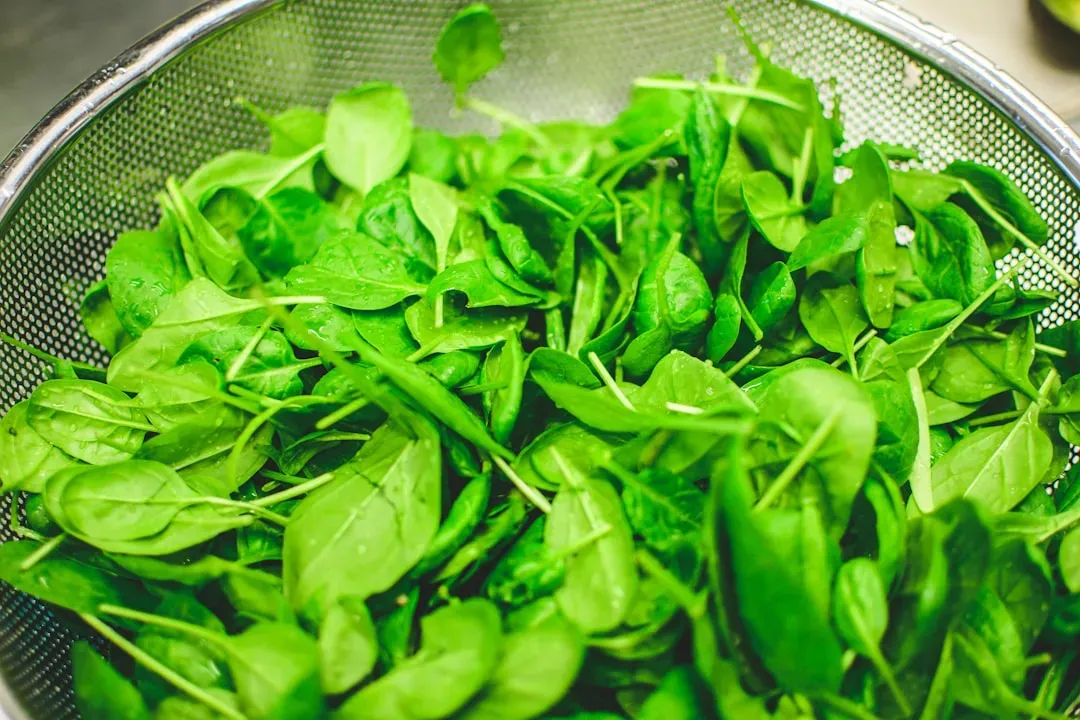
The best-of-the-best longevity foods are leafy greens such as spinach, kale, beet and turnip tops, chard, and collards. This comes directly from the Blue Zones official food guidelines, which analyzed more than 150 dietary surveys from the world’s longest-lived communities. Spinach keeps showing up, again and again, as a nutritional powerhouse.
This leafy green veggie is not only affordable, but it’s also nutrient-dense, providing fewer than 50 calories in 1.5 cups, plus it’s an excellent source of vitamin C and a good source of vitamin A. Frozen leafy greens like spinach are loaded with vitamin K, which supports normal blood clotting, along with folate and iron. A bag of frozen spinach is nearly always under $2, making it one of the most cost-effective longevity upgrades you can make to any meal.
7. Garlic – The Ancient Flavor That Fights Inflammation
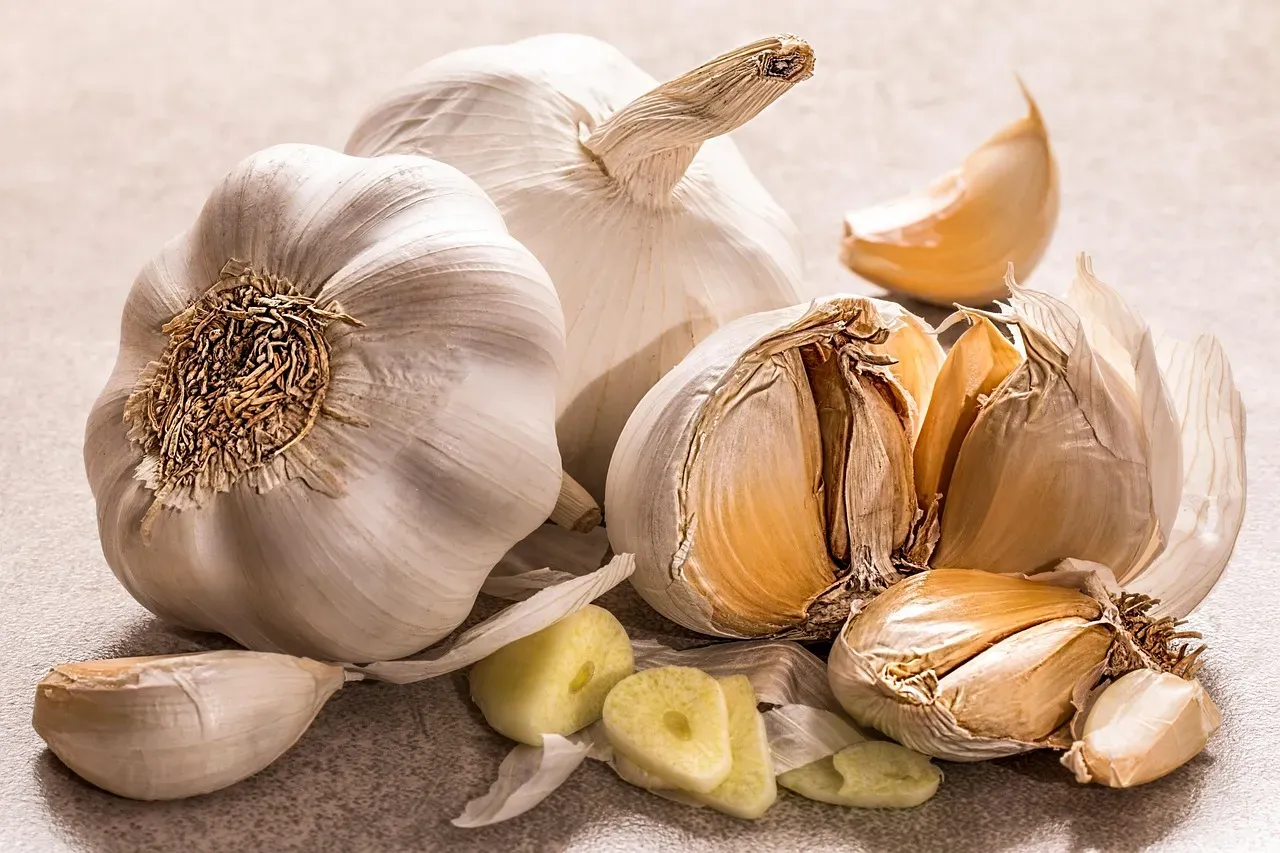
Garlic is one of those ingredients so deeply woven into Blue Zone cooking that it barely registers as a conscious choice for the people eating it. It’s just there – in the soups, the stews, the roasted vegetables. Herbs and spices like rosemary, turmeric, oregano, and garlic are used not just for flavor, but also for their anti-inflammatory and antimicrobial benefits.
Garlic, turmeric, and ginger are one of the easiest ways to add polyphenols to a diet, according to integrative medicine specialists. The five longevity Blue Zones share one common feature, a high intake of plant compounds called polyphenols. Tailoring your diet to include more sweet potatoes, soy-based foods, turmeric, and green tea may promote longevity, and research suggests that the polyphenols contained in these foods alleviate certain hallmarks of aging. A full head of garlic rarely costs more than $1 and lasts for weeks. It’s practically free medicine.
8. Peanuts – The Budget-Friendly Nut That Blue Zone Residents Love
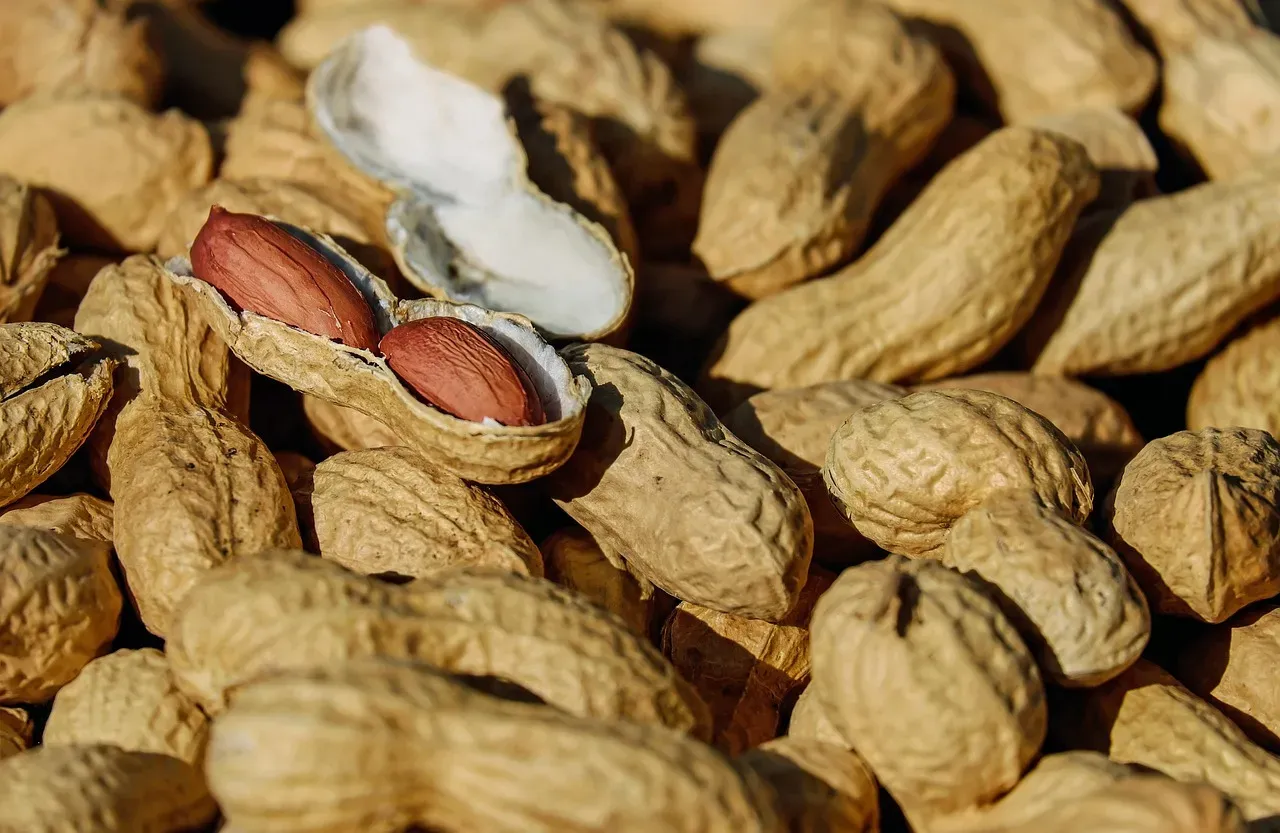
This one surprises a lot of people. Peanuts are technically a legume, not a tree nut, but they sit comfortably in the Blue Zone food world. Both legumes and nuts figure prominently in the Blue Zone diet, and peanuts are a great example of a Blue Zone-friendly food because when eaten raw or roasted straight from the shell, they are minimally processed and rich in nutrients, including protein, fiber, folate, vitamin E, copper, and iron.
Peanuts are readily accessible and easy to buy in bulk, which reduces the cost. They are ideal for snacking, but they also add flavor, richness, and nutrition to cooked vegetable dishes such as stir-fries, soups, and stews. A small bag of raw or dry-roasted peanuts at most stores comes in at under $2, and it can stretch across several servings. Honestly, few snacks deliver this much nutrition per dollar.
9. Brown Rice – The Whole Grain Foundation of Blue Zone Meals
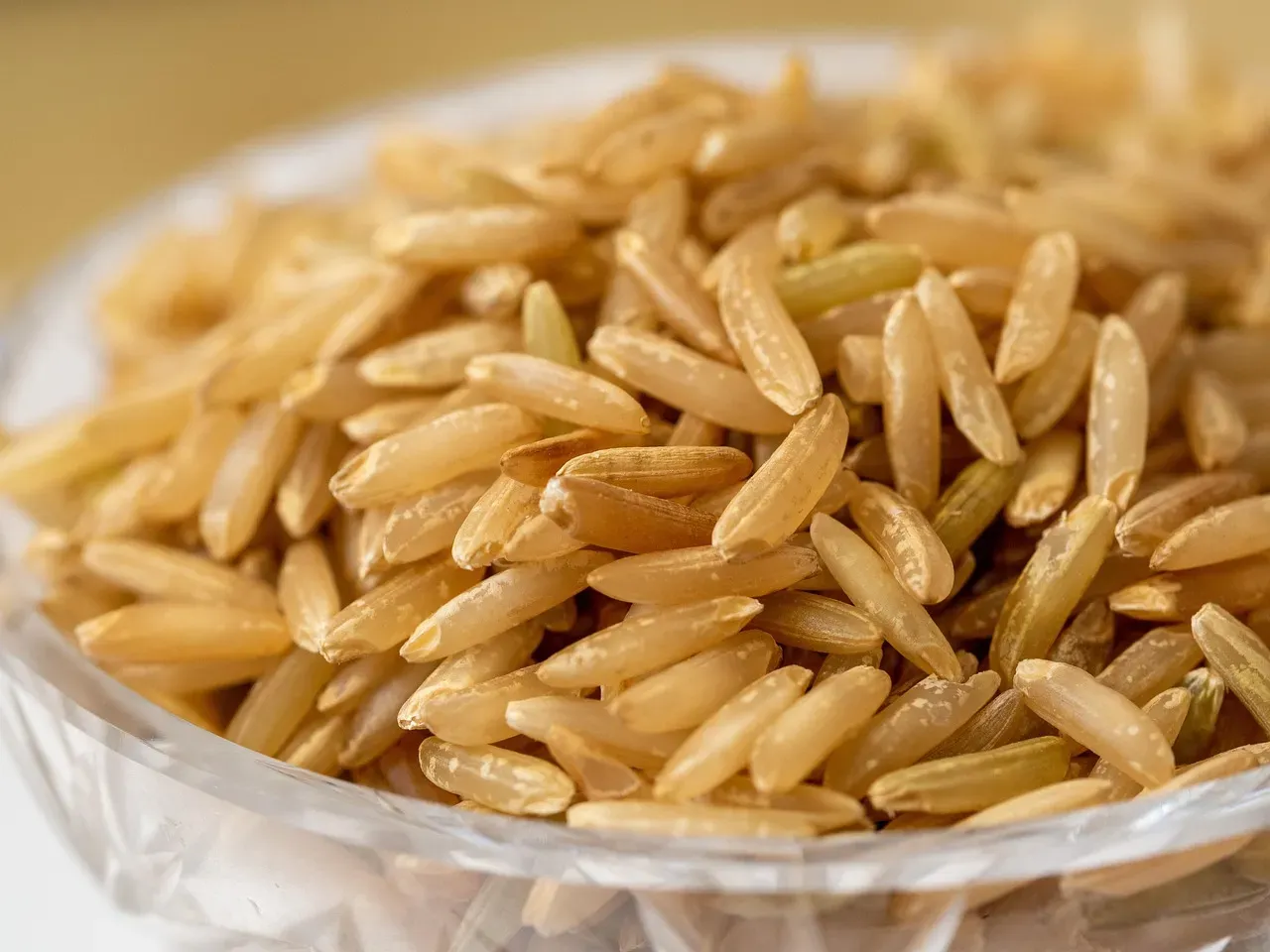
Brown rice is not glamorous. It doesn’t go viral on social media. Yet it quietly underpins some of the most effective longevity diets on the planet. Grains are a large part of the Blue Zone diet; however, consumption is limited to whole grains such as oats, barley, corn, whole grain pastas, brown rice, and quinoa. The difference between white rice and brown rice is more significant than many people realize.
Brown rice is an excellent source of complex carbohydrates, which provide long-lasting energy and slow-digesting fiber. It is also loaded with B vitamins, magnesium, selenium, and phosphorus. Whole grains like brown rice, when bought in bulk, are extremely inexpensive and keep you full. A pound of dry brown rice routinely costs under $2 and yields a remarkable number of servings. Pair it with lentils or chickpeas and you have a near-complete Blue Zone meal for mere pocket change.
The Bigger Picture: Eating Like a Centenarian on a Budget
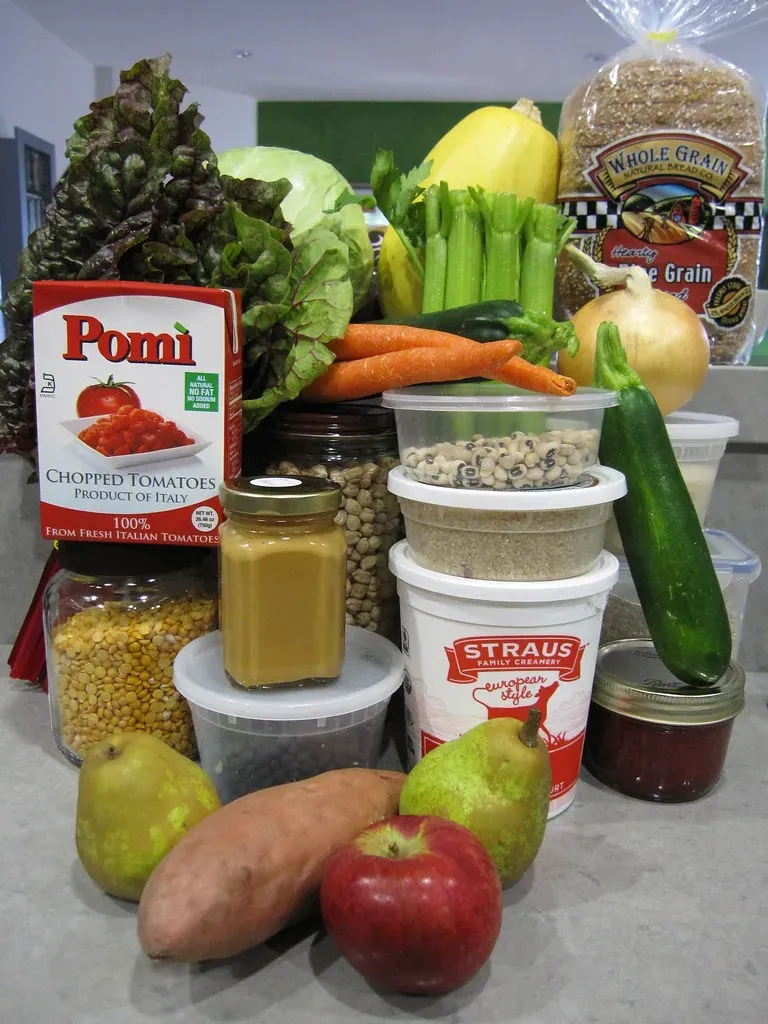
What’s remarkable about this list is not just the affordability of each item but the sheer overlap. Every single food on it connects back to verified research on the world’s longest-lived communities. More than 150 dietary surveys of the world’s longest-lived people were analyzed to discover the secrets of a longevity diet, and 11 simple guidelines reflect how the world’s longest-lived people ate for most of their lives.
The five pillars of every longevity diet – including those followed in the Blue Zone communities – remain whole grains, seasonal vegetables, tubers, nuts, and beans. Every item on this list fits squarely into at least one of these categories. According to the International Food Information Council’s 2024 Food and Health Survey, healthy aging continues to be a top benefit people actively seek from their diets. The encouraging part? The foods that support long, healthy lives are often the most affordable options on the shelves, making longevity-friendly eating more accessible than ever in 2026.
Research from the Blue Zones suggests that longevity is not just about genetics but is heavily influenced by lifestyle choices. While not everyone can replicate the exact lifestyle and environment of Blue Zones, adopting elements such as a plant-based diet, regular physical activity, strong social connections, and finding purpose can contribute to longer, healthier lives. The food is just one piece, but it’s a piece nearly anyone can afford to act on today.
So what would you change first? Sometimes the most powerful step is the smallest, and it might just be swapping your afternoon snack for a handful of peanuts, or starting tomorrow’s breakfast with a bowl of oats. What do you think – which of these nine foods surprised you most?