
There’s something undeniably comforting about those pastel-colored plastic containers your grandmother kept stacked in her kitchen cabinet. Generations of families used them for everything, from storing leftovers to packing school lunches, and honestly, they just felt reliable. Solid. Safe.
Except, here’s the thing. They weren’t. And in many kitchens across the country, they still aren’t.
What looks like a charming slice of domestic history may actually be a slow-release source of some seriously toxic chemicals. The more scientists and consumer advocates dig into these nostalgic sets, the more alarming the findings become. So let’s get into it, because what you’re about to read might make you rethink that thrift store haul entirely.
Table of Contents
1. The Daffodil Yellow Measuring Cup Set (1970s)
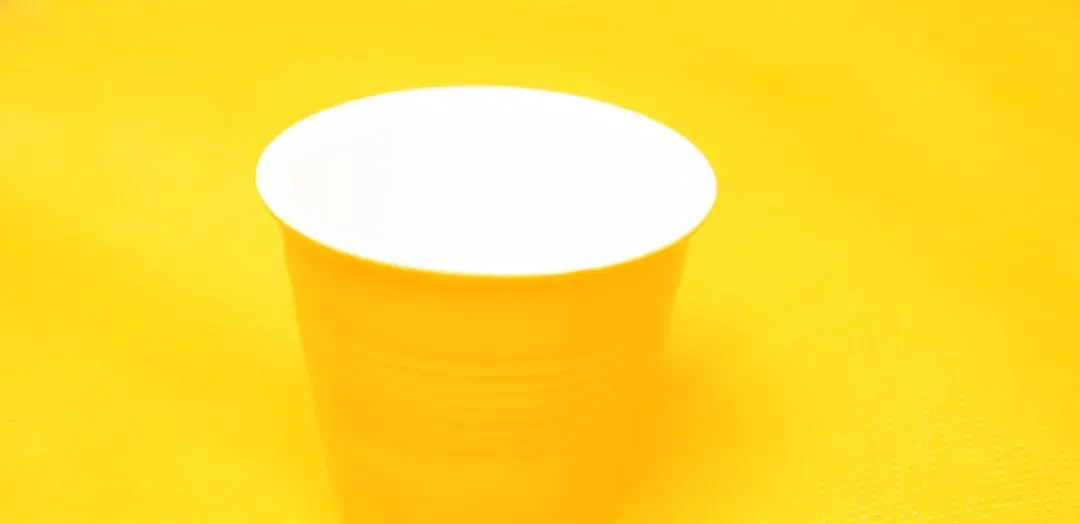
Let’s be real, few vintage Tupperware pieces are more iconic than those cheerful yellow measuring cups. They show up at garage sales, on Etsy, and in grandma’s kitchen drawer with alarming regularity. But consumer goods advocate Tamara Rubin, known as Lead Safe Mama, conducted XRF testing on these exact pieces and the results were deeply unsettling.
Rubin conducted tests on vintage Tupperware starting with the popular Daffodil Yellow vintage measuring cups from the 1970s. Using XRF testing, she discovered lead in the cups as well as arsenic, a discovery she didn’t foresee. These aren’t trace amounts you’d shrug off. Lead can cause an array of health issues including damage to the brain and nervous system, high blood pressure, kidney failure, and poisoning of the bones, teeth, and other vital organs.
Any time you are heating plastics that contain toxicants, especially if the contents of the vessel contain food that may be acidic in any way, like lemon juice, vinegar, or tomato sauce, there is a greater potential for those toxicants to leach into the food. So think about every batch of lemon bars measured out in those sunny yellow cups. Not quite as cheerful now, is it?
2. The Bright Orange Mixing Bowl Set (Early 1970s)
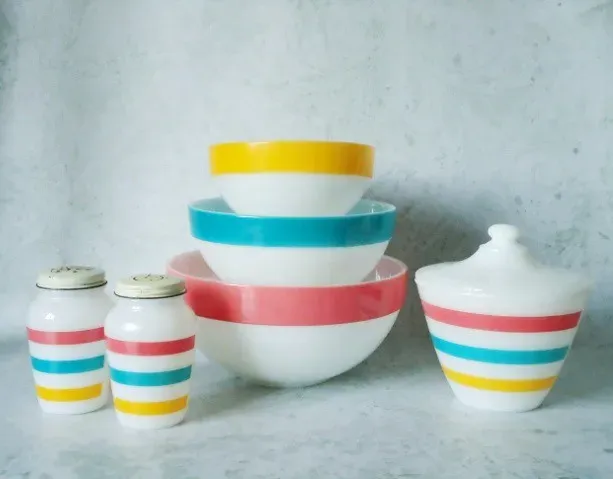
That vivid, burnt-orange bowl set is everywhere on the vintage market right now. People love the aesthetic. The problem is that the bold color itself is a red flag. Lead and cadmium-based pigments were routinely used in plastics well into the 1980s and even later, and it was specifically those heavy, saturated colors that required the most pigment, and therefore carried the highest contamination risk.
Testing on a vintage orange Tupperware bowl revealed truly staggering numbers. Other colors of Tupperware were found to contain potentially dangerous chemicals such as cadmium, which can damage the lungs, kidneys, and bones, and mercury, which may impact the digestive and immune systems and other vital organs. Think of cadmium like a slow-moving houseguest that damages everything it touches over time.
It is understood that common lore has supported the idea of these dishes being considered “microwave safe,” even though they are made of plastic. This means food is being heated in the dishes, and that, combined with the potential use of acidic foods in these dishes, gives cause for quite a concern for potential leaching, especially over time.
3. Vintage Tupperware Canisters (1980s Harvest Colors)
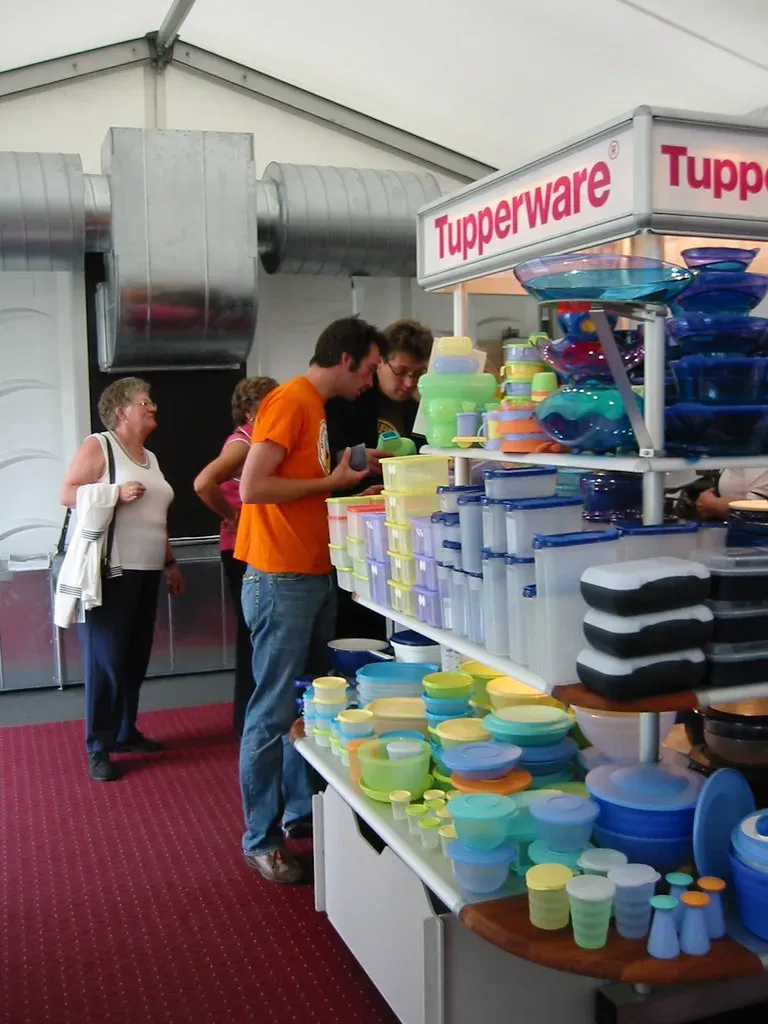
Those brown, gold, and avocado-green canister sets from the late 1970s and 1980s were a staple of the modern kitchen of their era. They sat on countertops across America, storing flour, sugar, and coffee for years on end. Tupperware from the 1980s is among the most suspect when it comes to heavy metal contamination. Honestly, that’s not surprising given how heavily those “harvest” pigments were used across that whole design era.
Vintage Tupperware (pre 2011) can test positive for unsafe levels of lead, mercury, cadmium, and arsenic, all of which are used as colorants for the plastic, as well as BPA. It is not safe to use for foods, especially hot or acidic foods, including foods or beverages with lemon juice, lime juice, orange juice, vinegar, or tomato sauce. That covers basically everything people were storing in those canisters.
Larry Silver, medical advisor for the Collaborative on Health and the Environment, has noted that the older the plastic container, the greater the leaching activity. Decades of daily use with dry goods doesn’t make these canisters safer. In fact, the opposite is true.
4. Vintage Tupperware Children’s Cups and Plates
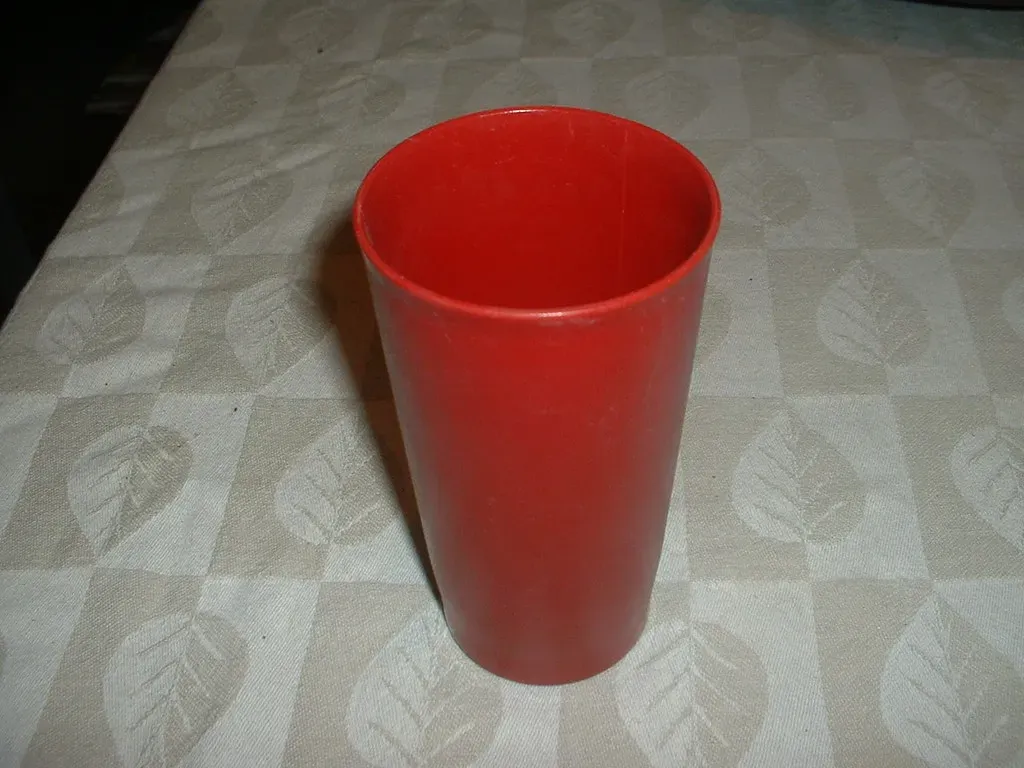
This one is particularly hard to stomach. Children’s Tupperware cups and plates from earlier eras were colorful, fun, and designed to be kid-friendly. The irony is painful. Government agencies including the EPA, CDC, FDA, and CPSC agree that there is no level of lead exposure that is safe for children. It just takes a microscopic amount of lead to poison a child.
BPA is a chemical commonly found in polycarbonate plastics like water bottles and food storage containers, and excessive exposure to it can lead to issues ranging from cardiovascular and fertility problems to developmental delays in children. Children’s bodies are especially vulnerable to these compounds because their developing organs and neurological systems process toxins differently than adults do.
In human studies, BPA exposure has been associated with a higher risk of a wide range of health conditions or issues, such as infertility, altered fetal growth, attention deficit hyperactivity disorder, aggression among children, polycystic ovarian syndrome, endometriosis, and heart disease. The idea of a toddler drinking juice from a cup laced with lead and BPA is genuinely alarming.
5. The Classic Vintage Juice Pitcher
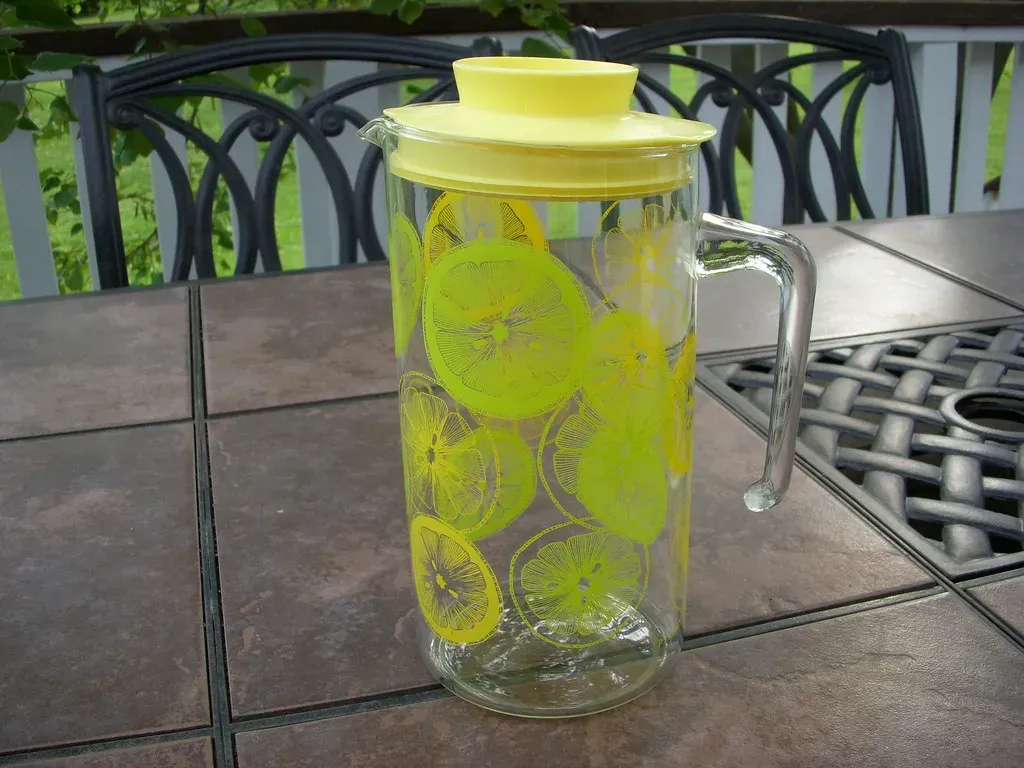
Few things say “summer cookout” quite like a vintage Tupperware pitcher of lemonade. Unfortunately, that combination, acidic juice in a decades-old plastic pitcher, is one of the most dangerous scenarios possible. Rubin’s testing on a vintage tan and brown Tupperware juice pitcher from around 1991 found notable levels of lead and arsenic present in the plastic itself.
The fact that vintage Tupperware products were intended for microwave use or use with hot foods, or intended for food storage, makes the findings especially concerning as toxicants are more likely to leach from plastics in the presence of acids like lemon juice, tomato sauce, and vinegar, and even more likely to leach with prolonged exposure and heat. A pitcher of lemonade, left sitting for a few hours in an old plastic container, is essentially a worst-case scenario.
Arsenic has been linked to the development of diabetes, cancer, vascular disease, heart disease, and lung disease. When you consider that pitchers are used for the most acidic beverages in the kitchen, juice, iced tea, lemonade, the risk profile becomes hard to ignore.
6. Vintage Tupperware Lunch Sets and Food Containers (Pre-2010)
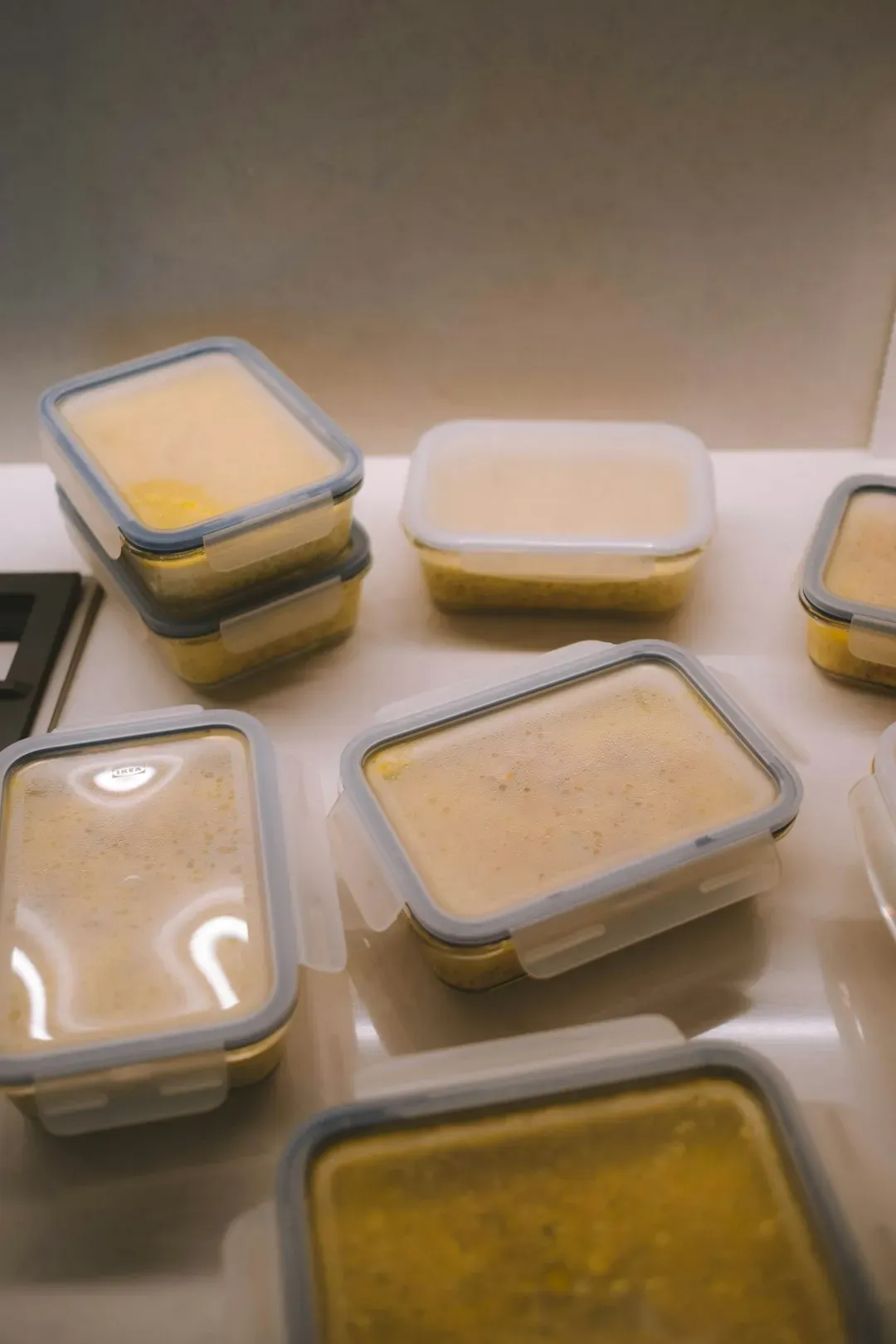
Any type of Tupperware made before March 2010 should just be for decoration. That’s a broad and strong statement, but it’s backed up consistently by testing data and scientific consensus. The lunch container sets from the 1990s, those colorful, boxy boxes that kids carried to school with a snap-tight seal, fall squarely in this danger zone.
BPA is the first and foremost concern when asking whether old Tupperware is safe for food storage. BPA has been linked to diabetes, hormone disruption, infertility, heart problems, and more. Heating last night’s pasta leftovers in one of these containers, even briefly in a microwave, dramatically accelerates the leaching process.
Putting stress on plastic food containers by washing them in the dishwasher or with rough scrub brushes increases the ability of that plastic to leach whatever it was made out of. So even the daily habit of cleaning them properly was working against the people who used them. That’s a frustrating catch-22 with no good solution except getting rid of them entirely.
7. Vintage Tupperware Serving Bowls (Multi-Colored Party Sets)
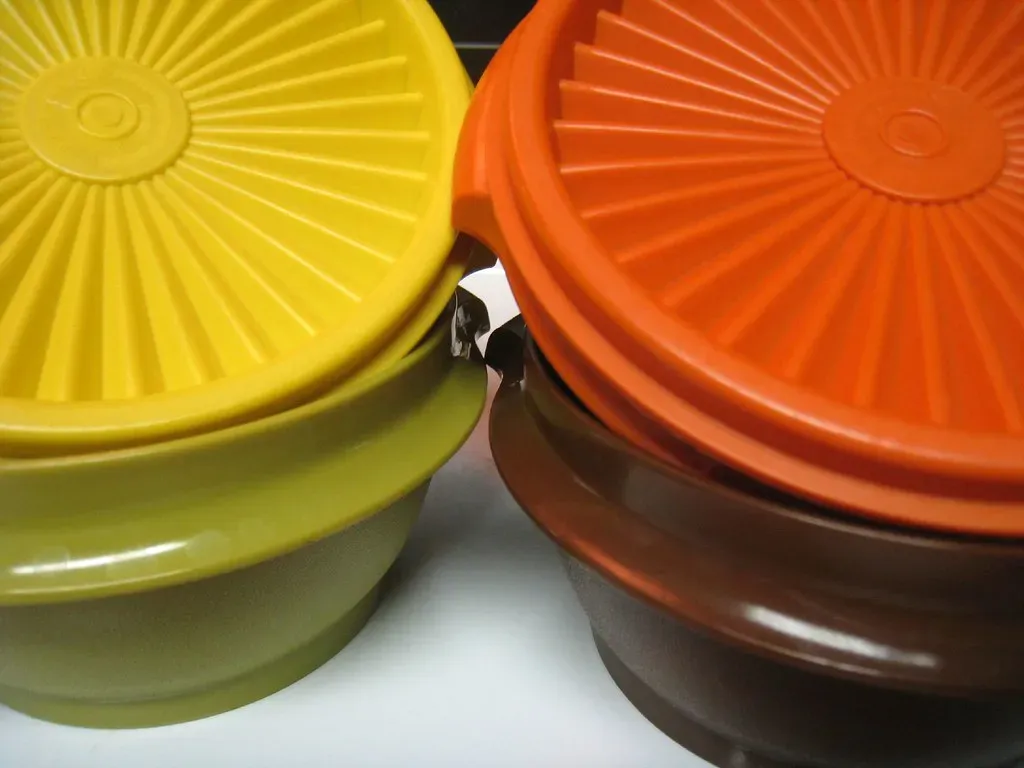
The multi-colored serving bowl sets, especially those in bold reds, greens, and purples, were a staple of the iconic Tupperware party era. They were passed around, used for salads, fruit, pasta dishes, and more. Truly vintage Tupperware should not be used for food, as the containers made famous by parties in the 1970s have tested positive for lead, arsenic, mercury, and cadmium, depending on the color and style.
Even if the pieces look fine and have no obvious cracks, scratches, or discoloration, they can still be dangerous, as older Tupperware likely saw a lot of consistent use, potentially causing micro-cracks. Sunlight from picnics, plus exposure to heated or acidic foods, could cause plastic polymers to break down, making it easier for BPA to leach into foods even years later.
The presence of these heavy metal toxicants in vintage plastic kitchenware is a problem because these toxicants have been demonstrated through multiple scientific studies to leach from vintage plastics. A beautiful bowl full of tomato salad is precisely the kind of acidic, high-contact use that accelerates that leaching. It’s a charming presentation with a genuinely troubling background.
8. Vintage Tupperware Microwave-Marketed Sets
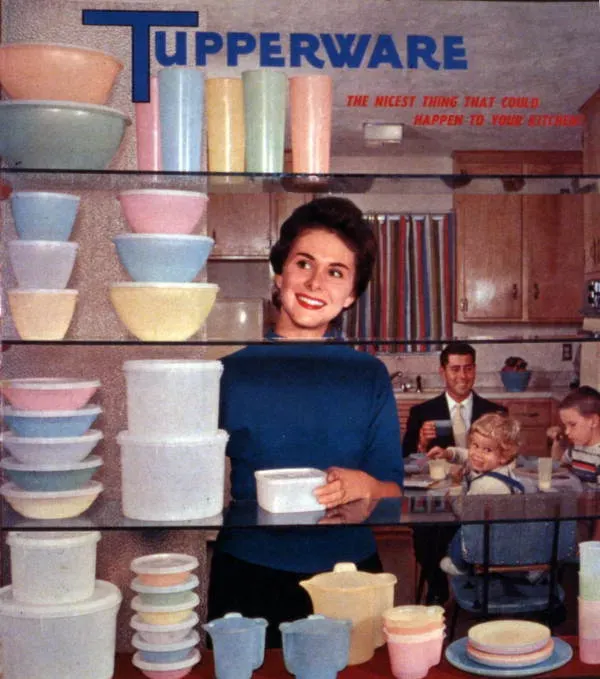
Here’s where it gets especially tricky. Some vintage Tupperware products were actively marketed by the company as microwave-safe. This encouraged people to heat their meals directly in containers that were later found to contain heavy metals and BPA. Plastics break down over time, which means they can release trace amounts of microplastics and whatever chemicals they are made of into the food. This is more likely to happen when the plastic has been heated or when it’s old and has been subjected to repeated use or washings.
Many scientists now agree that even newer Tupperware or plastic containers are not microwave safe because heating plastic of any kind causes BPA, or alternatives to BPA, and phthalates to leach into your food. For vintage microwave sets from the 1980s, which already contained these chemicals at baseline, the combination of heat and age makes the risk substantially higher.
The journal of Environmental Research published a report showing over 100 studies confirming significant effects from exposure even to low doses of BPA, enough to cause hormone disruption or cancer. A container marketed as “safe for microwave use” decades ago was operating under a regulatory framework that simply did not account for what science would later uncover about these chemicals.
What You Should Do Right Now
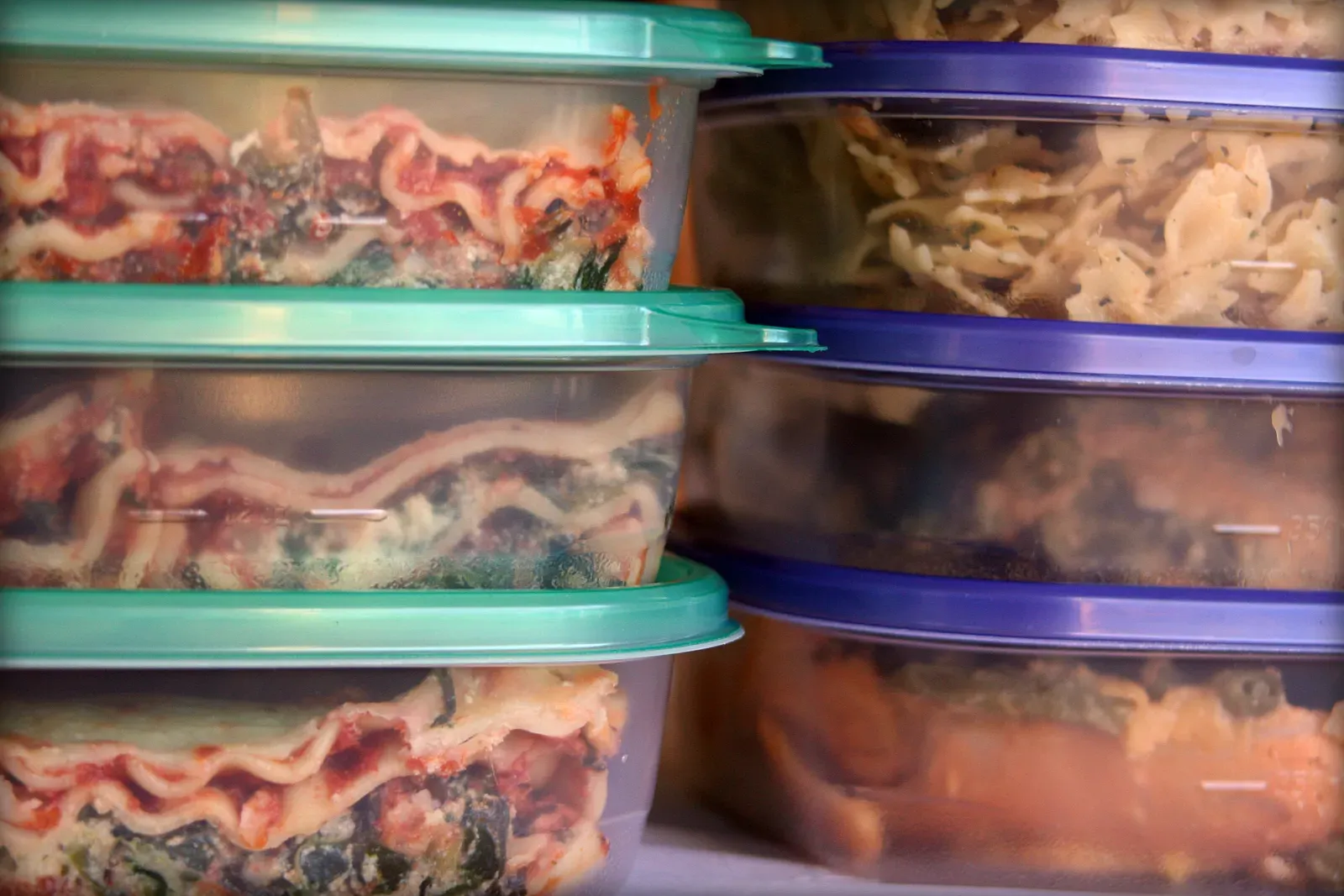
The bottom line is straightforward. Vintage Tupperware adds a pleasant touch of nostalgia to your kitchen and they’re valuable as collectors’ items, but you probably shouldn’t put any food in them. Display them if you love the aesthetic. Sell them to collectors. Just stop eating out of them.
Very old, colorful Tupperware from the 1970s may contain heavy metals like lead and arsenic and should not be used for food storage. Glass and stainless steel offer safer, non-toxic, and more durable alternatives to plastic for long-term food storage. The switch isn’t as expensive or inconvenient as it might seem, and the peace of mind is absolutely worth it.
It’s hard to say for sure how much exposure any individual person has absorbed over decades of use. If it’s not safe the day you buy it, it’s not safe 10 years later. In fact, the longer you own them, the riskier they are for your health. That grandmother’s kitchen that felt like the safest place in the world? It might be time to retire its most colorful, cherished contents for good. What would you have guessed was hiding inside them all along?