
Living with diabetes is a full-time balancing act. Every meal, every snack, every food choice sends a ripple through your blood sugar levels, your energy, and your long-term health. The good news? You don’t need to live on bland salads or give up everything you love. Science has given us a pretty solid list of foods that genuinely help. Let’s dig into what the research actually says, because there’s a lot of noise out there and not all of it is backed by evidence.
The kind of food you eat has a major impact on your blood sugar levels, and over time, regularly high blood sugar levels can lead to serious, long-term problems such as nerve, kidney, and heart damage. That’s the stakes. So let’s get into the eight foods that can genuinely make a difference. Be prepared, because some of them might surprise you.
Table of Contents
1. Leafy Green Vegetables: The Undisputed King of the Diabetes Plate

Here’s the thing – if there is one category of food that almost every credible nutrition body agrees on, it’s leafy greens. Leafy green vegetables are extremely nutritious and low in calories, and they’re also very low in digestible carbs, so they will not significantly affect blood sugar levels. That’s huge for anyone managing diabetes daily.
Higher intakes of green leafy and cruciferous vegetables are associated with improved glucose tolerance and insulin sensitivity, according to a study published in the Journal of Clinical Endocrinology and Metabolism in 2024. That’s fresh, peer-reviewed evidence. Not something from a decade ago.
According to the American Diabetes Association’s Diabetes Plate method, non-starchy vegetables should make up half of your meal, and they are packed with vitamins and minerals such as vitamins A, C, K, and folate, plus iron, calcium, and potassium, while being low in calories and carbohydrates. Think spinach, kale, Swiss chard, arugula, and broccoli. Pile them on. Honestly, go wild.
Green leafy vegetables such as spinach may also help reduce type 2 diabetes risk due to their high magnesium content, which plays a role in insulin regulation. It’s not just one mechanism at work here, it’s many working together.
2. Fatty Fish: Omega-3 Power for Blood Sugar and the Heart

Think of fatty fish like salmon, sardines, mackerel, and herring as a two-for-one deal. Salmon, sardines, herring, anchovies, and mackerel are great sources of the omega-3 fatty acids DHA and EPA, and research also indicates that regular fish consumption can help manage blood pressure and body weight. Fish is also a great source of high quality protein, which helps you feel full and helps stabilize blood sugar levels.
Omega-3 polyunsaturated fatty acids continue to play a key role in supporting blood sugar control and lipid management for people with all types of diabetes. Current guidance recommends including fatty fish and other omega-3-rich foods in the diet at least twice a week – mirroring the general population’s recommendations. This advice is supported by a 2025 narrative review published in Current Nutrition Reports, reinforcing omega-3s’ benefits for metabolic and cardiovascular health in diabetes management.
Omega-3 fatty acids, particularly EPA and DHA, are renowned for their anti-inflammatory and cardioprotective attributes, and their potential roles in glucose metabolism, anti-inflammatory actions, lipid profile improvement, and insulin sensitivity could shed light on mechanisms underpinning type 2 diabetes prevention. That said, it’s worth noting that the research on omega-3 supplementation remains somewhat mixed, so getting your omega-3s from whole food sources like fish is the more supported approach right now.
3. Berries: Sweet, Satisfying, and Blood-Sugar Friendly
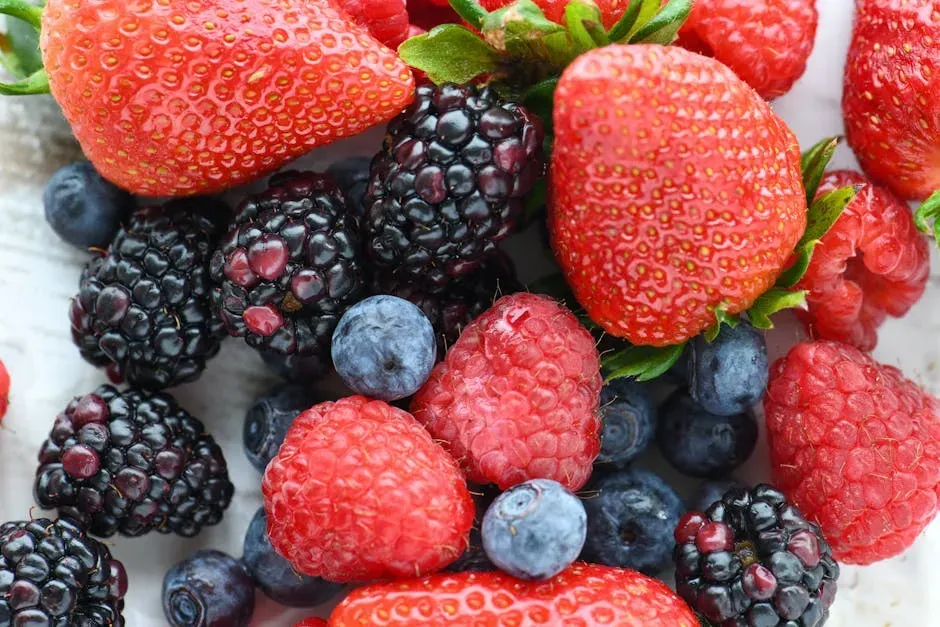
Berries are a great option for a diabetes meal plan, packed with antioxidants, vitamins C and K, manganese, potassium, and fiber. They are naturally sweet and can be a great option to satisfy your sweet tooth without added sugar. I know it sounds almost too good to be true, but this is one case where nature genuinely delivered.
One study tested the effects of red raspberries in people with prediabetes and found that these berries reduced participants’ blood sugar responses when they were part of a high-carb breakfast. That’s a practical and meaningful finding for anyone trying to keep post-meal glucose spikes in check.
Another study looked at the effects of blackberries in men with overweight or obesity. The participants added blackberries every day to a high-fat diet, and after seven days, their blood sugar levels improved compared with their levels after eating a high-fat diet that didn’t include blackberries. Blueberries, strawberries, and raspberries all belong in your rotation.
4. Whole Grains: Slow-Burning Carbs That Actually Work
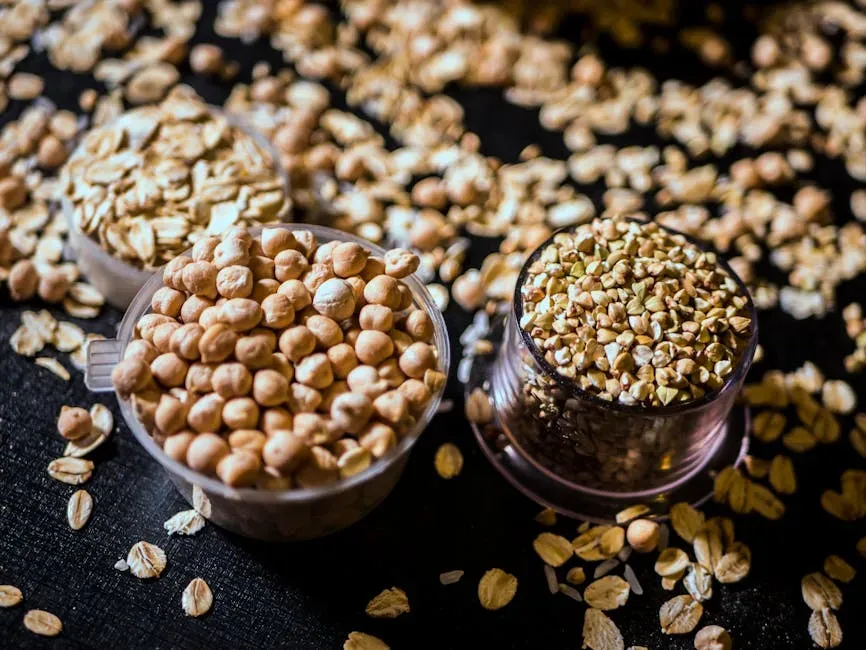
Not all carbs are created equal. This is maybe the most misunderstood concept in diabetes nutrition, and it matters a lot. The ADA recommends that, regardless of carbohydrate quantity, the focus should be on high-quality, nutrient-dense carbohydrate sources that are high in fibre and minimally processed, including vegetables, fruits, legumes, whole grains, and dairy products like milk and yoghurt.
Whole grains are rich in vitamins and minerals like B vitamins, magnesium, iron, and manganese, and they are a great source of fiber too. Some examples of whole grains include whole oats, quinoa, barley, farro, and whole wheat. These take much longer to break down than refined grains, meaning blood sugar rises slowly, like a gentle slope rather than a sharp cliff.
Diets rich in whole grains, vegetables, fruits, dairy, legumes, and nuts and seeds have been shown to lower the risk of type 2 diabetes, whereas those high in sugary drinks and red and processed meat have been linked to an increased risk, according to a 2024 systematic review published in Advances in Nutrition. Swap white bread and white rice for their whole-grain equivalents and you’re already making a real difference.
5. Nuts and Seeds: Small but Absolutely Mighty
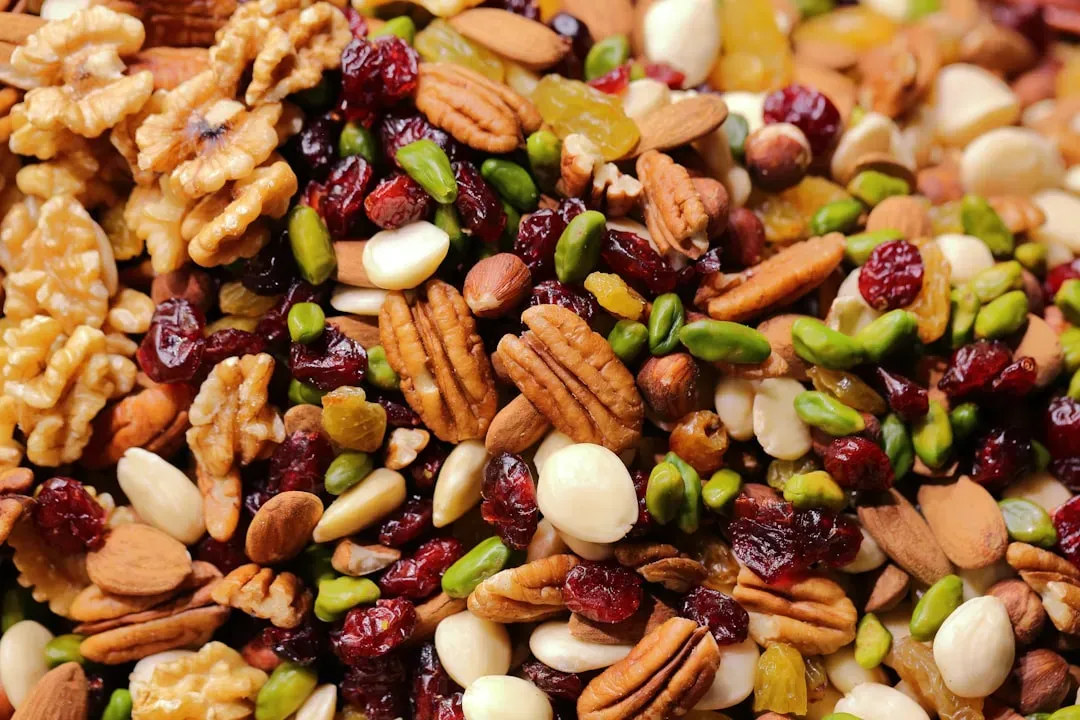
A small handful of nuts might be one of the smartest snacks a person with diabetes can reach for. An ounce of nuts can go a long way in getting key healthy fats, magnesium, and fiber and can help manage hunger, and some nuts and seeds, such as walnuts and flax seeds, are also a good source of omega-3 fatty acids.
Unsaturated fats, both monounsaturated and polyunsaturated, promote healthy blood cholesterol levels and good heart and vascular health, with healthy fat sources including nuts and seeds such as almonds, peanuts, flaxseed, and pumpkin seeds. Think of nuts as a slow-burn fuel source, the kind that keeps your engine running smoothly without causing spikes.
Eating carbs with foods that have protein, fat, or fiber slows down how quickly your blood sugar rises. This is exactly why pairing nuts with a piece of fruit or a whole-grain cracker is genuinely a smart strategy. It’s not fancy, it’s just how your digestive system works.
6. Beans and Legumes: The Underrated Blood Sugar Stabilizer

Honestly, beans don’t get nearly enough credit. They’re cheap, filling, incredibly versatile, and research-backed. Carb foods that are high in fiber, such as brown rice, whole grains, beans, or fruits, should make up one-quarter of your plate. Beans tick multiple boxes at once: fiber, protein, and complex carbohydrates all in one small package.
How fast carbs raise your blood sugar depends on what the food is and what you eat with it. For example, drinking fruit juice raises blood sugar faster than eating whole fruit, and eating carbs with foods that have protein, fat, or fiber slows down how quickly your blood sugar rises. Beans are one of the best examples of a food where the fiber and protein naturally slow the absorption of carbohydrates. It’s basically a built-in blood sugar buffer.
According to the 2025 ADA recommendations, a variety of eating patterns – including Mediterranean, DASH, low-fat, carbohydrate-restricted, vegetarian, and vegan diets – continue to show benefits for diabetes management. Beans remain a cornerstone of nearly all these approaches. Black beans, lentils, chickpeas, kidney beans – choose your favorite and make them a regular weekly staple to support stable blood sugar and overall metabolic health.
7. Greek Yogurt: Protein-Packed and Gut-Friendly

Greek yogurt is one of those foods that works almost too well for people managing diabetes. It’s high in protein, contains beneficial probiotics, and generally has a lower carbohydrate content than regular yogurt. Milk and yogurt can help build strong bones and teeth with calcium, and in addition to calcium, many milk and yogurt products are fortified to make them a good source of vitamin D, with more research emerging on the connection between vitamin D and good health.
Milk and yogurt contain carbohydrates, which you will need to plan for when you have diabetes, and you should look for yogurt products that are lower in fat and added sugar. Plain, full-fat or low-fat Greek yogurt is your best bet. The flavored varieties often have sugar levels that would make your blood glucose meter weep.
The protein in Greek yogurt is particularly valuable here. Protein slows gastric emptying, meaning food moves more slowly out of your stomach and into your intestines. That translates to a gentler, more gradual glucose response after eating – exactly what diabetes management is all about. Pair it with some berries from entry number three on this list and you have a genuinely excellent snack.
8. Chia Seeds: The Nutrient-Dense Tiny Seed With Metabolic Benefits
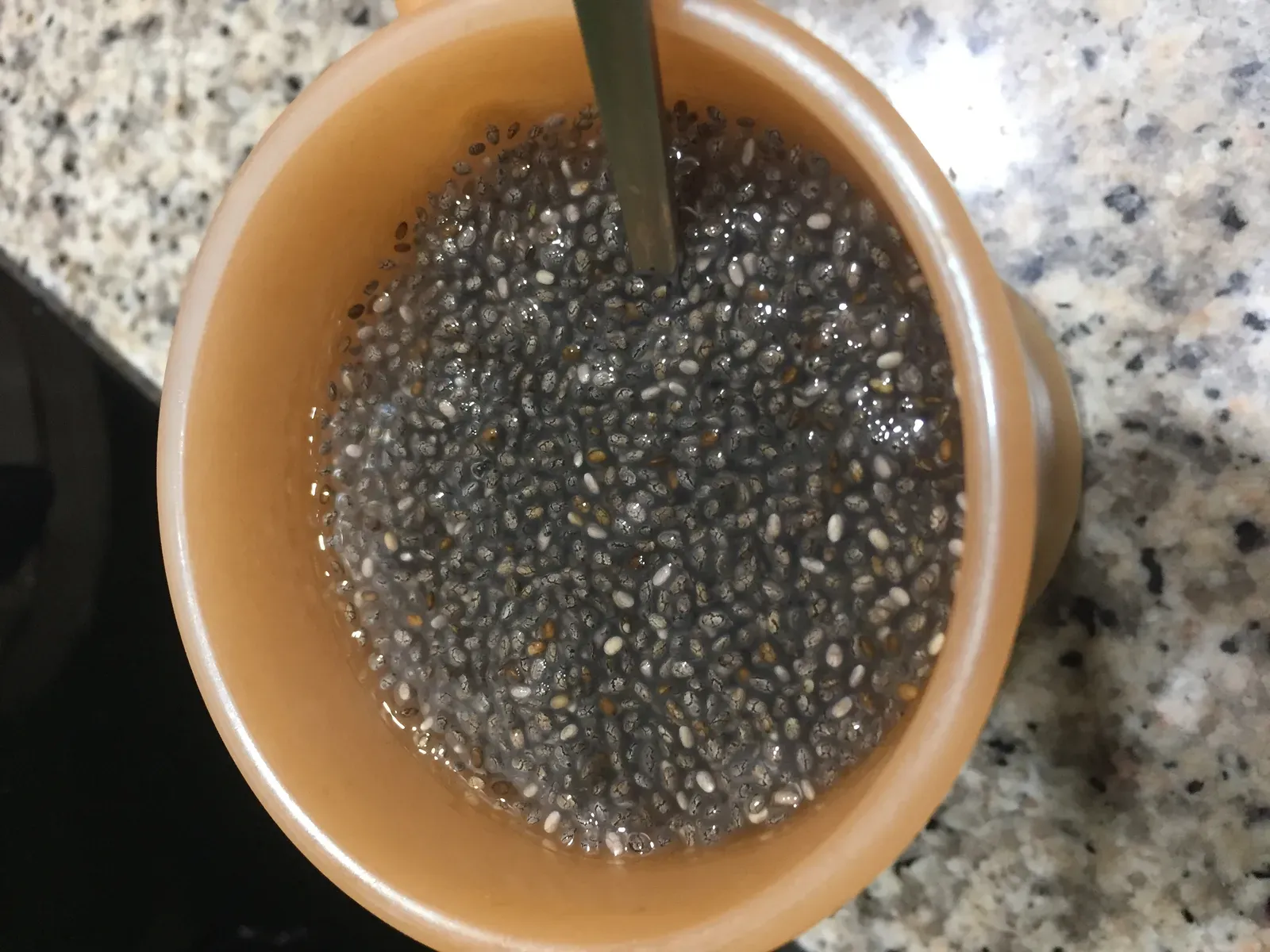
Chia seeds are the edible seeds of a flowering plant native to central and southern Mexico called Salvia hispanica, and chia seed is a complete protein and a great source of all nine essential amino acids that cannot be produced by the body. That alone is impressive. But there’s more to the story.
A comprehensive systematic review and meta-analysis investigating the impact of chia seed supplementation on obesity indicators and metabolic factors, which included 14 clinical trials involving 835 participants up to April 2024, found a notable decrease in triglyceride levels across both higher and lower doses of chia seeds. High triglycerides are a common concern for people with type 2 diabetes, so this is a meaningful finding.
One study found that 25 grams of chia seeds reduced participants’ blood sugar responses after they ate a high-sugar snack. The fiber content in chia seeds is thought to be the main mechanism at play. When chia absorbs liquid, it forms a thick gel in the stomach that slows digestion and blunts blood sugar spikes. It’s like a sponge working in your favor. Stir them into yogurt, oatmeal, or a smoothie and you’re set.
The Bigger Picture: A Diet That Works Together

No single food is a magic bullet for diabetes. The ideal meal plan varies from person to person, depending on individual health needs, preferences, and lifestyle. The 2025 recommendations from the American Diabetes Association continue to emphasize that people with diabetes should be referred to individualized medical nutrition therapy by a registered dietitian nutritionist at diagnosis – and as needed throughout their life – to ensure nutrition guidance is tailored, practical, and effective.
A diabetes diet simply means eating the healthiest foods in moderate amounts and sticking to regular mealtimes. It really is that straightforward at its core, even if the details require some personal fine-tuning. The eight foods covered here are not exotic or expensive. They are practical, accessible, and genuinely supported by current evidence.
About one in eight Americans has diabetes, which means this is not a niche issue – it touches nearly every family. The most powerful tool available is still what’s on your plate. Start with these eight foods, talk to a registered dietitian, and build from there. Your blood sugar levels, your heart, and your future self will thank you. Which of these eight foods are you already eating? And which one surprised you the most?