
You grab a blended drink packed with colorful fruit, maybe a scoop of protein powder, some almond milk, and a drizzle of honey. It sounds virtuous. It sounds clean. It sounds healthy. The reality though? That cup in your hand might have more sugar than a full candy bar sitting at the gas station checkout. The smoothie industry is booming right now. The global smoothie market was valued at over 13 billion dollars in 2024 and is expected to keep climbing through 2025 and beyond. That’s a lot of blenders running, and a lot of people who believe they’re making smart choices. Are they? Let’s dive in.
Table of Contents
Sign #1: The Sugar Count Would Make a Soda Blush

Here’s the thing most people don’t want to hear. That cheerful bottle with mangoes and berries on the label might be hiding a shocking sugar load. Smoothies’ biggest pitfall is their propensity to contain large quantities of added sugar, which reduces the nutrient density of the drink entirely. We’re not talking about a minor indulgence here.
Smoothie King’s 20-ounce Hulk Vanilla Smoothie, for example, packs 47 grams of added sugar, which is well above the daily recommended intake for most adults. For context, the American Heart Association recommends limiting added sugar to no more than 9 teaspoons, or 37.5 grams, per day for men and 6 teaspoons, or 25 grams, per day for women. One single smoothie can blow past that entire daily limit in a single cup. That’s not a health drink. That’s dessert in disguise.
Sign #2: The Word “No Added Sugar” on the Label Is Misleading You
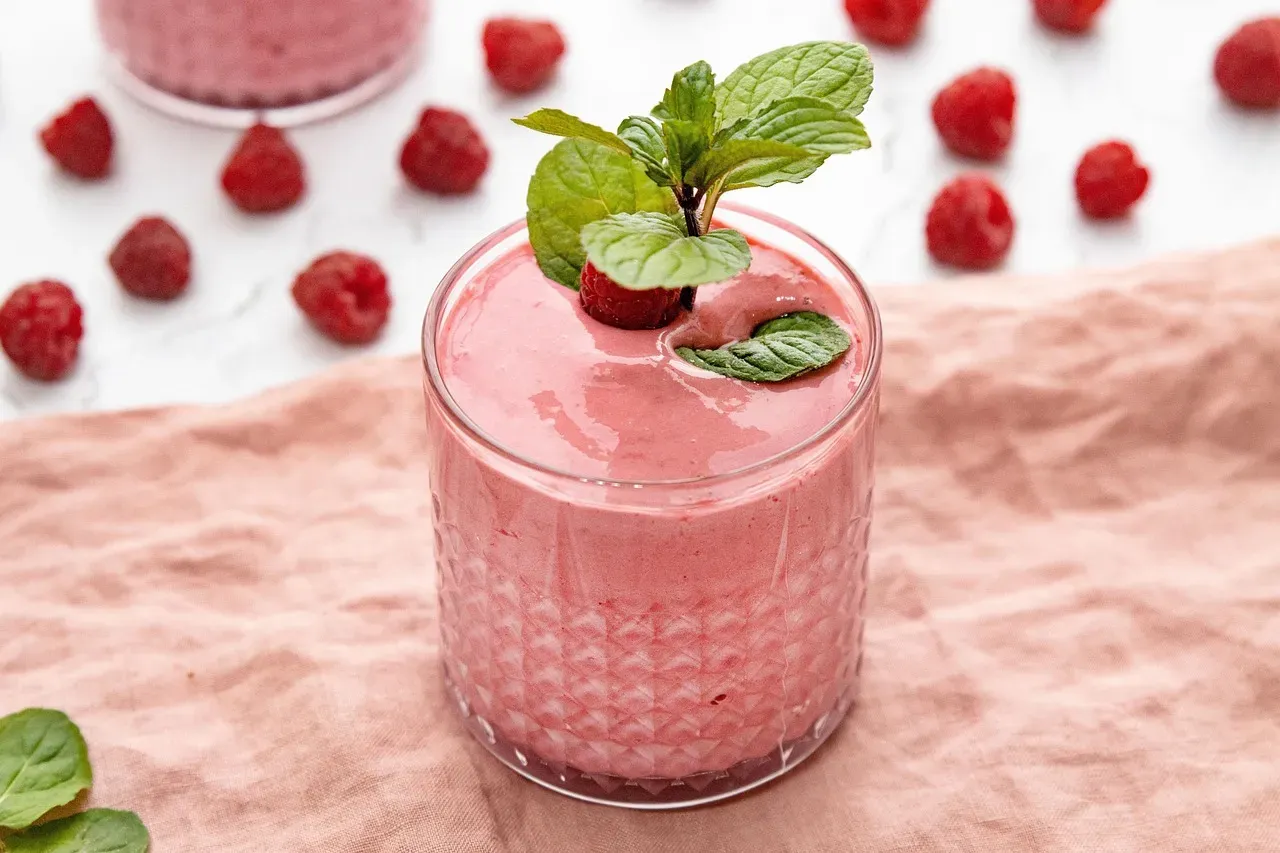
A nice fruit smoothie might feel like a quick way to boost your nutrient intake, but if you drink the whole bottle, it could push you over the recommended daily maximum sugar limit in one go. This is one of the sneakiest traps. Companies plaster “no added sugar” on the front of their packaging, and shoppers trust that claim completely. Honestly, it’s kind of a scam.
None of these smoothies may contain added sugar, but that doesn’t mean they’re low in sugar. Most still contain almost the entire maximum recommended daily sugar intake. The sugar in smoothies comes from the fruit content and is classed as “free sugar,” which is the same category as sugars in juice, honey, and standard sugar, and it’s this type that can cause dental decay. Naked Smoothies, for instance, proudly advertises “no added sugar” on the front of their package, yet a single bottle contains a shocking 48 grams of sugar. Free sugar is free sugar, regardless of how tropical and innocent the bottle looks.
Sign #3: Apple Juice Is Hiding as the Main Ingredient
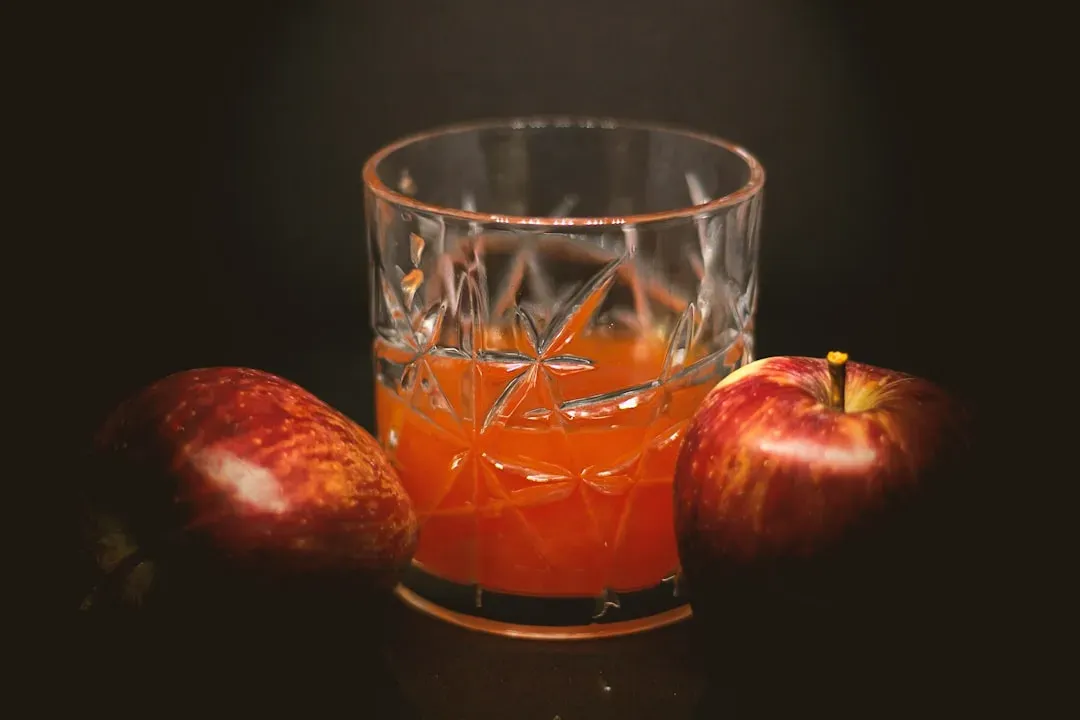
Flip that bottle around. Go on. The biggest ingredient in many shop-bought smoothies is apple juice, even though it may not be mentioned in the name or description on the front of the bottle. You might be reaching for what you think is a blueberry and goji berry smoothie, only to discover you’re basically drinking sweetened apple water.
Naked’s Blue Machine smoothie lists blueberry, goji berry, and blackcurrant on the front, but the back of the bottle reveals it’s 83% apple, with 71% apple juice from concentrate and 12% apple puree. Blueberry puree accounts for just 7%, blackberry puree just 1.6%, and goji berry extract a mere 0.1%. The juice base used in many of these smoothies is not a real fruit juice but a juice concentrate, which might negate any “no added sugar” claim, and you’re getting less than one gram of fiber in return. Concentrate is essentially sugar water with a fruit PR team.
Sign #4: Your Smoothie Is Too Big

Size matters more than most people realize. There’s a widespread misconception that smoothies are low in calories, but some drinks pack over a whopping 1,000 calories, depending on their size and ingredients. If you’re treating a 32-ounce smoothie as a light snack, you might unknowingly be consuming a full meal’s worth of calories plus two meals’ worth of sugar, all before noon.
The smallest-sized smoothies from smoothie shops and restaurants tend to have about 200 to 400 calories. A medium or large-sized order can have well over 1,000 calories, which is probably more than half of your daily goal if you are trying to lose weight. Think about that. The Tripleberry Julius at Orange Julius packs 460 calories in a small size, 100 grams of carbohydrates, and 92 grams of sugar, with only 1 gram of fiber and 2 grams of protein, which won’t leave you satisfied for long. A small. That’s the small size.
Sign #5: It’s Spiking Your Blood Sugar Without You Knowing

Even smoothies built from “natural” ingredients can send your blood sugar on a wild roller coaster. If you make a morning smoothie at home or order the wrong blend, your refreshing drink can spike your blood sugar and then send it crashing, leaving you queasy and fatigued. Even if a smoothie is overflowing with healthy foods, it can cause blood sugar levels to spike if portions are too large or if it isn’t made with the right blend of ingredients.
When you take in a large amount of sugar quickly, your body can overreact, releasing too much insulin, and you can end up dipping below where you started. The removal of fiber in the production of fruit juice can enhance the insulin response and result in what researchers call “rebound hypoglycemia.” Adding juice or ice cream to a fruit smoothie significantly increases the sugar content without increasing fiber content, which directly worsens the glycemic response. You think you’re energizing yourself. You’re actually setting up a crash landing about two hours later.
Sign #6: Your “Healthy” Sweeteners Are Still Sugar
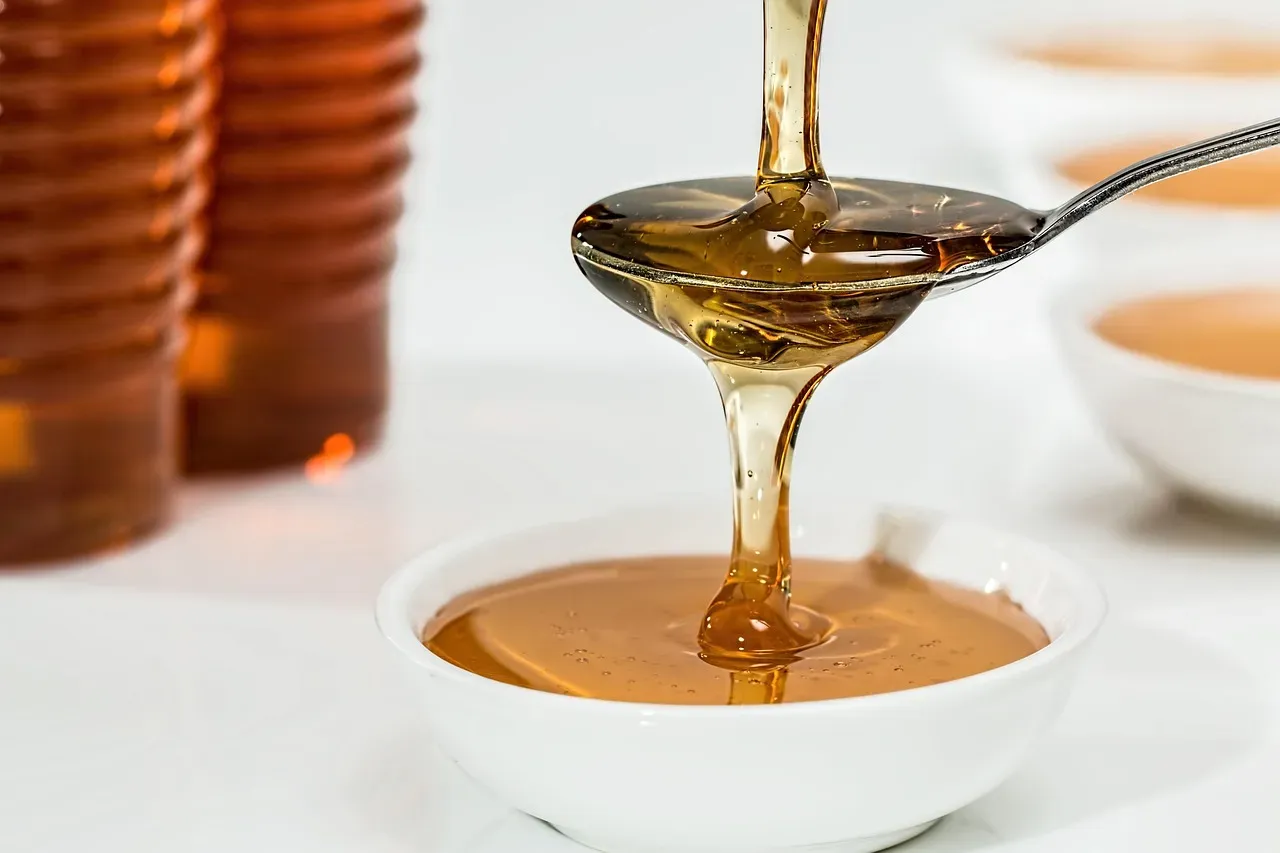
Honey. Agave syrup. Maple syrup. Medjool dates blended in. These all sound wholesome. They all have a natural, earthy, farm-stand reputation. Let’s be real though. Added sugars are still sugar. They include white sugar, brown sugar, honey, agave syrup, and sugars in flavoring syrups. You might add these directly to your smoothie, or get them hidden in ingredients such as ice cream, flavored yogurt, or sweetened almond milk. Some types of added sugar drive up blood sugar more than others, but they all have an impact on blood sugar levels, they have calories, and they add no essential nutrients.
Natural sweeteners like honey, maple syrup, or agave nectar may seem healthier than refined sugar, but they still contain calories and can contribute to weight gain if used excessively. Consuming excessive amounts of sugar provides empty calories without offering substantial nutritional value. Local smoothie stores often add artificial sweeteners or extra sugars to their smoothies, which increases your risk of diabetes and heart disease. The packaging might say “natural,” but your body processes the sugar in much the same way.
Sign #7: It Has No Protein and Almost No Real Fiber
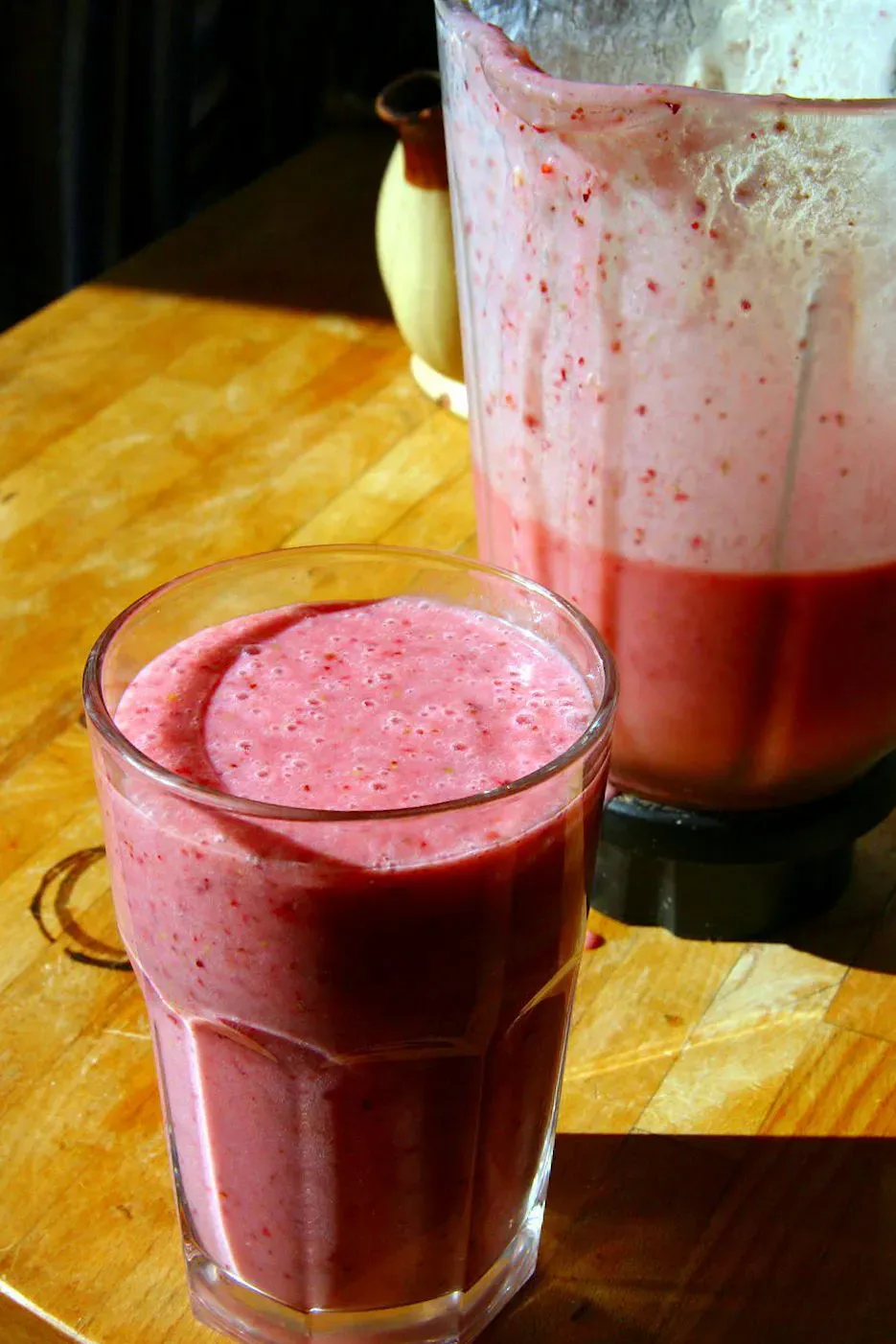
A smoothie that’s mostly fruit, juice, and sweetener with zero protein is basically a glucose delivery system. Including enough protein as well as fiber is crucial for a healthy smoothie. If a smoothie lacks these components, it may not keep a person feeling full for long, potentially leading to increased calorie consumption from other sources throughout the day. Think of protein and fiber as the anchors that stop your smoothie from behaving like liquid candy.
Fiber can leave you feeling fuller for longer and can help prevent weight gain as a result of overeating due to not feeling full. It can also help prevent a buildup of cholesterol in the blood. The problem with the sugar in many bottled smoothies, regardless of whether it’s natural or added, isn’t necessarily the source. It’s that these beverages often lack fiber because they rely on juice rather than whole fruit. No fiber, no protein, no staying power. Just a sugar rush followed by hunger twenty minutes later.
Sign #8: You’re Drinking Your Calories Without Realizing the Consequences
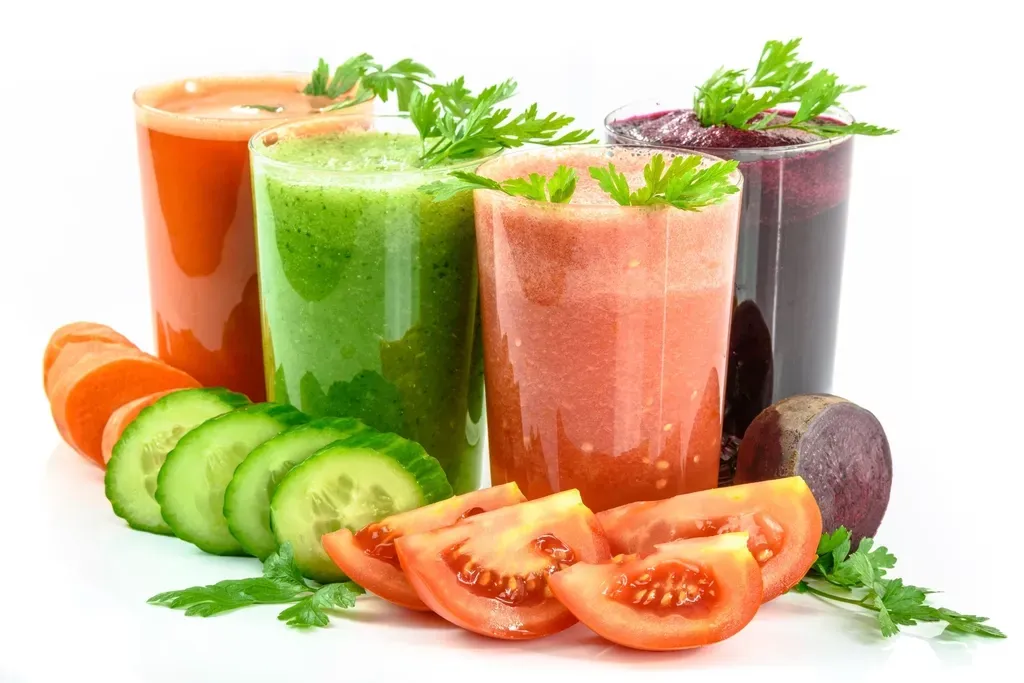
There is something uniquely deceptive about liquid calories. Your brain simply doesn’t register them the same way it registers solid food. Bodies can gain weight from liquid calories because your brain doesn’t seem to recognize the extra calories when they’re in liquid form, so it doesn’t compensate for them by reducing appetite for the rest of the day. This is a big deal and it’s backed by research, not just nutritionist opinion.
Researchers have consistently found that calories in liquid form have less satiety than calories in solid form. Satiety is the opposite of hunger. It can be hard to keep an eye on how much you’re consuming because smoothies are not as filling as unblended fruits, since they contain much less structural fiber. For example, while you may never eat four oranges in a row, you might easily drink a glass of juice made from three to four oranges. That gap between what you consume and what you feel is exactly where the trouble starts.
So, What Does a Genuinely Healthy Smoothie Actually Look Like?
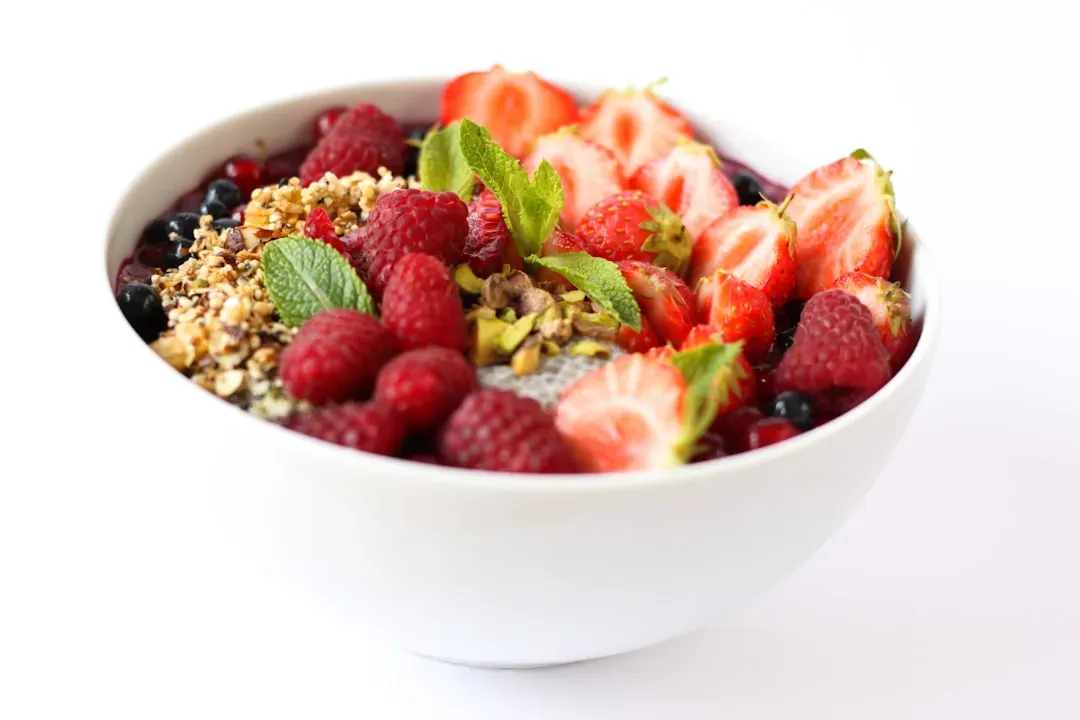
The good news is that a well-built smoothie can absolutely be a nutritious part of your day. The key is intentional construction. The most nutritious smoothies utilize whole foods, contain little or no added sugar, and include a balanced amount of carbs, fiber, protein, and healthy fats. That’s the blueprint. Everything else is just marketing.
Fruit smoothies without added sugars can be a healthy way to consume the recommended daily dose of fruits, as long as the fruit serving size is equivalent to what one would consume if the fruit were whole. A good guideline is to include a serving of protein, one serving of fruit, a tablespoon or two of healthy fat, and one to two servings of vegetables. Treat your smoothie like a meal you’d put on a plate, not like a drink you’d mindlessly gulp in 90 seconds.
The smoothie industry has done an extraordinary job of selling us a health narrative. Some of those drinks are genuinely good for you. Many of them, especially the bottled and chain-restaurant versions, are little more than a candy bar that went to college and got a kale-themed makeover. Read the label on the back, not the feel-good claims on the front. What would you have guessed was in your favorite smoothie before reading this? Tell us in the comments.