
You sit down at your favorite restaurant, scan the menu, and picture a chef in the back creating your meal from scratch. Fresh ingredients. Careful prep. Real cooking. It’s a comforting thought. Honestly, it’s also not always the truth.
The restaurant industry runs on efficiency, and frozen food plays a massive role in that system. The foodservice sector holds the dominant position in the global frozen food market, accounting for roughly 70% of revenue in 2024, driven by its ability to help quick-service restaurants, hotels, and catering businesses meet high customer demand while maintaining consistent quality. That’s a staggering number when you think about it. That signature dish at your favorite restaurant might not be made there at all. In many cases, it comes from the same national food distributors that supply thousands of restaurants across the country with the very same product.
So which items are almost certainly making a pitstop in the freezer before landing on your plate? Let’s dive in.
Table of Contents
1. Chicken Wings
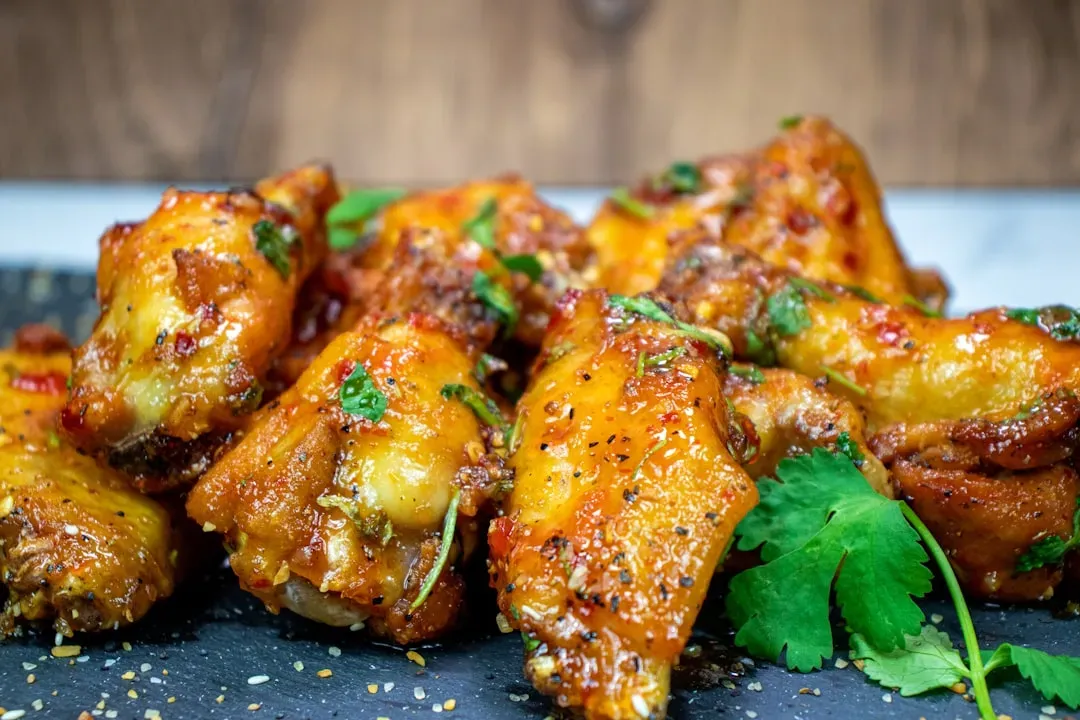
Walk into almost any bar or casual dining spot on a Friday night and the wings are flying out of the kitchen. They look golden, smell amazing, and taste like they were tossed fresh that afternoon. Most of the time, they weren’t.
Many restaurants serve chicken wings, and all but a small number use frozen wings. The economics are simple. Fresh wings have a brutally short shelf life, and a busy kitchen can’t afford to waste product. Frozen wings allow restaurants to keep a consistent supply on hand without the risk of spoilage during a slow week.
U.S. poultry integrators harvested nearly ten billion pounds of frozen chicken cuts in calendar 2024, feeding both grocery and quick-service pipelines. With supply chains built on this scale, it’s no surprise that frozen wings dominate restaurant kitchens from coast to coast. The deep fryer and the right sauce can hide a lot.
2. Calamari
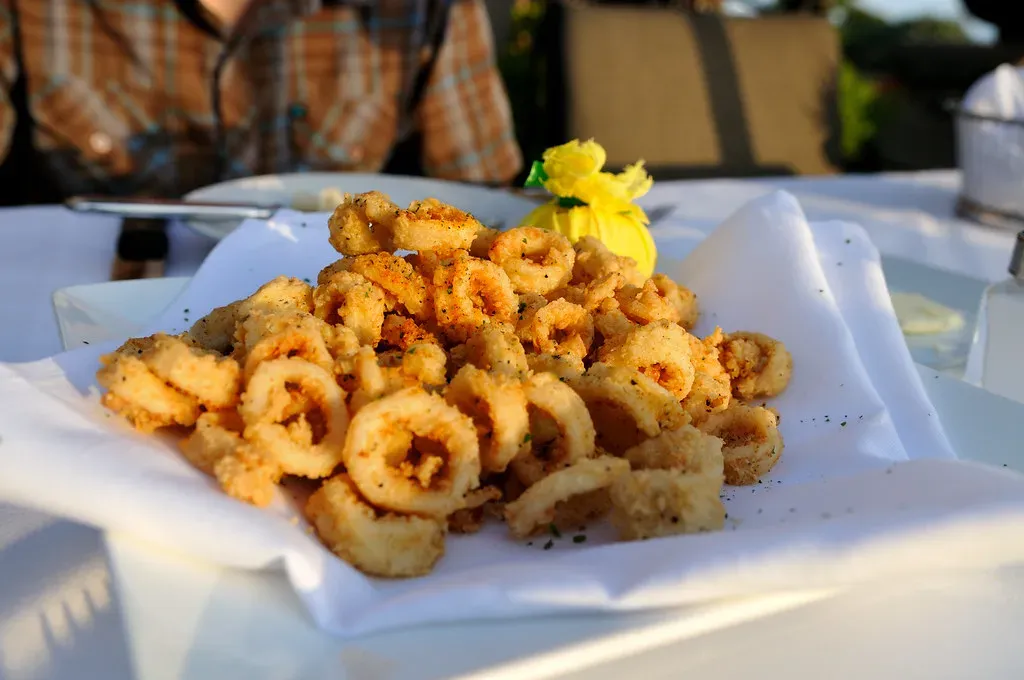
Calamari is one of those appetizers that feels special, like something a restaurant actually labored over. It’s crunchy, chewy, and so satisfying. Unless you’re at a restaurant known for serving fresh seafood, calamari almost always starts frozen. Seafood is best when it’s super fresh, so freezing it is the best and often the only way to extend its usability.
Restaurants use frozen options to lower costs and ensure their highly perishable food items don’t turn into food waste if they aren’t ordered within a couple of days. Think about it like a carton of milk. Fresh squid has a shockingly short window before it turns. Freezing is simply the practical solution.
If you are in a landlocked state, frozen calamari is pretty much guaranteed. Of course, there are reputable seafood establishments everywhere that get fresh shipments daily, but compared to how many spots serve calamari, they are few and far between. Next time you order it at a chain, now you know.
3. Stuffed Pasta (Ravioli, Tortellini, Manicotti)
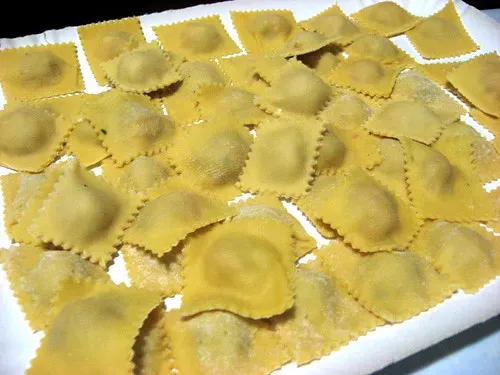
This one stings a little for pasta lovers. If you are at a reputable Italian restaurant or a place known for serving scratch-made food, it’s safe to assume any stuffed pasta on the menu is fresh and made in-house. If you’re in a chain restaurant or pretty much anywhere else, frozen stuffed pasta is the norm. This includes anything from ravioli to tortellini to manicotti.
Here’s the thing: making stuffed pasta by hand is genuinely time-consuming and requires skill. It’s one of those tasks that smaller kitchens simply can’t justify during a Friday dinner rush. A bag of frozen ravioli, boiled and sauced, is virtually indistinguishable to the average diner.
There’s actually a clever way to spot the difference. An easy way to tell if a restaurant’s stuffed pasta is made in-house or frozen is to evaluate the portion size. Handmade stuffed pastas generally come in surprisingly small portions. For example, you may only get three or four ravioli on a plate. The opposite is often true if a restaurant serves frozen stuffed pasta. So if you get a hefty portion, there’s a good chance it was frozen.
4. Jalapeño Poppers
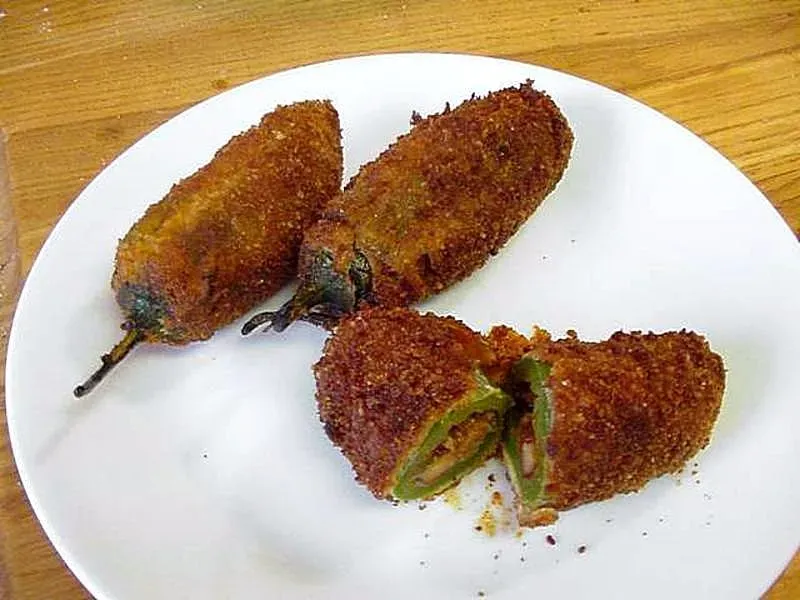
Few bar snacks get people as excited as jalapeño poppers. Crispy on the outside, creamy and spicy on the inside. They’re crowd-pleasers. They’re also almost universally frozen before they reach your table.
Restaurants pretty much exclusively serve frozen jalapeño poppers. If you ever come across a place that doesn’t, they’ll be sure to tell you on the menu. At your average bar or restaurant, expect them to be frozen. The reason is straightforward: making them from scratch is genuinely a pain.
You have to take the time to stuff the tiny jalapeños with cream cheese. The breading must be handled properly or it won’t stick and evenly coat the peppers. And it’s difficult for restaurants to order large batches of jalapeños that are small and similar enough in size for even cooking. So if you’ve ever ordered jalapeño poppers somewhere new and thought they tasted familiar, you’re probably right. They very likely came from the same supplier.
5. Breaded Fish
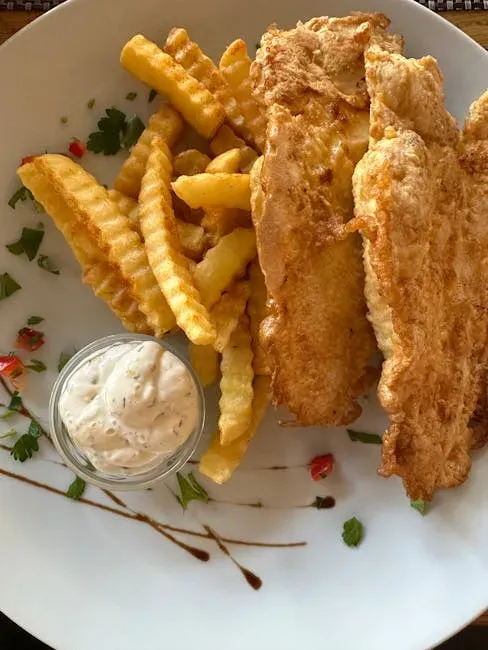
Fish and chips, fried fish sandwiches, beer-battered fillets. These are beloved menu staples at pubs, diners, and casual restaurants everywhere. They’re also some of the most commonly frozen items in any restaurant kitchen.
Breaded, deep-fried foods are undeniably delicious, but it’s challenging for many restaurants to make all of their deep-fried foods from scratch. Add seafood to the equation, and it gets even more complicated. That’s why many restaurants order frozen breaded fish.
Even frozen breaded fish can be quite tasty when deep fried. However, a discerning palate will easily pick up on a lack of freshness. I think this is honestly where frozen food gets exposed most clearly. There’s a subtle wateriness, a slightly flaccid texture that fresh-battered fish just doesn’t have. The exceptions are if you’re in a dedicated seafood restaurant or somewhere you can be certain is serving fresh, breaded in-house fish.
6. Cheesecake and Other Desserts
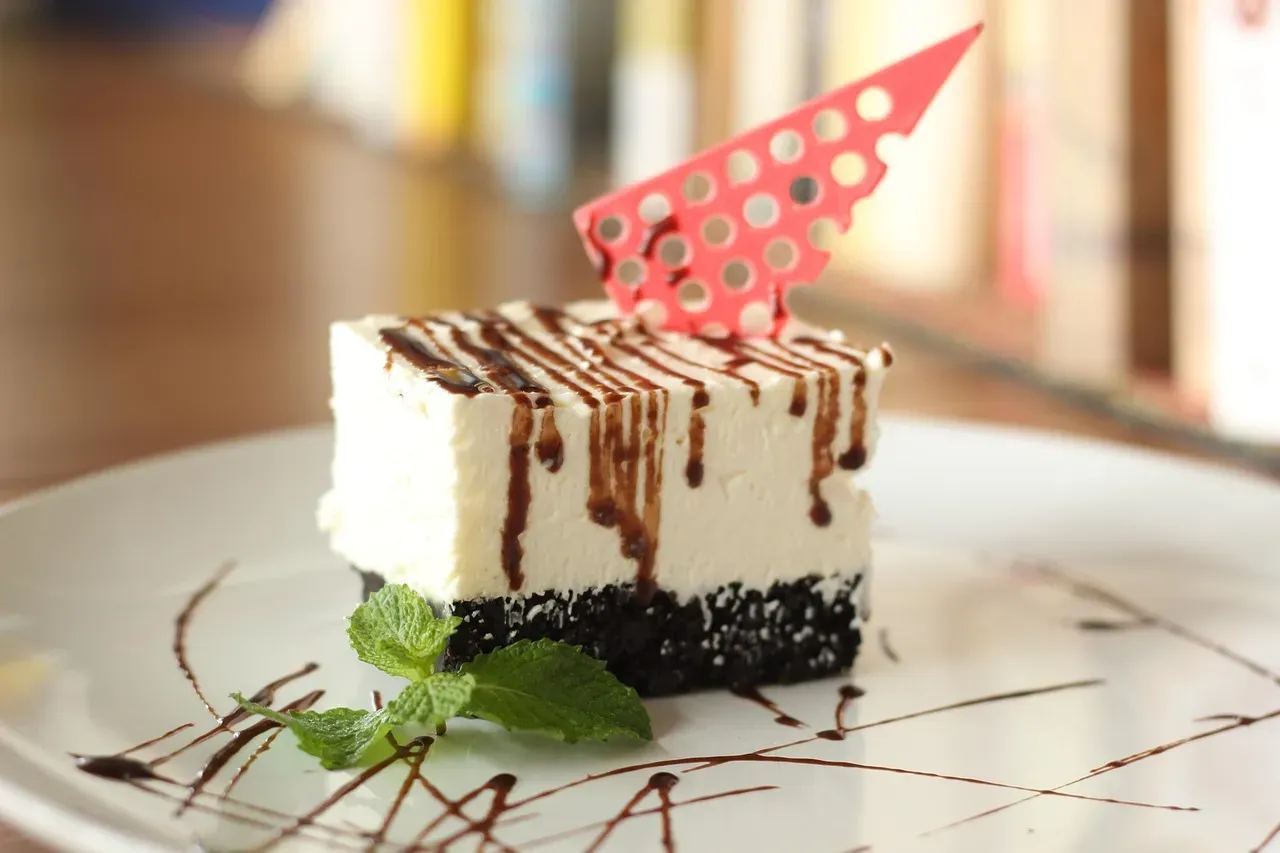
You finish a big meal, the server brings over the dessert menu, and you spot a beautiful slice of cheesecake with a glossy berry topping. It looks incredible. It might have been frozen since last Tuesday.
Industry insiders who have worked in several establishments report that restaurants offering cheesecake on the dessert menu more often than not serve it frozen. Typically, cooks top the cheesecake with fresh berries, sauces, and whipped cream, which almost makes it seem like it could be fresh.
Making baked goods and desserts from scratch simply isn’t feasible for many busy restaurant kitchens because it’s labor-intensive. Cheesecakes in particular can be quite fickle, further complicating things. In many restaurants, other desserts are also frozen, like chocolate lava cake, pies, and tarts. They may use fresh garnishes, but that doesn’t mean the main component wasn’t frozen to begin with.
7. Shrimp
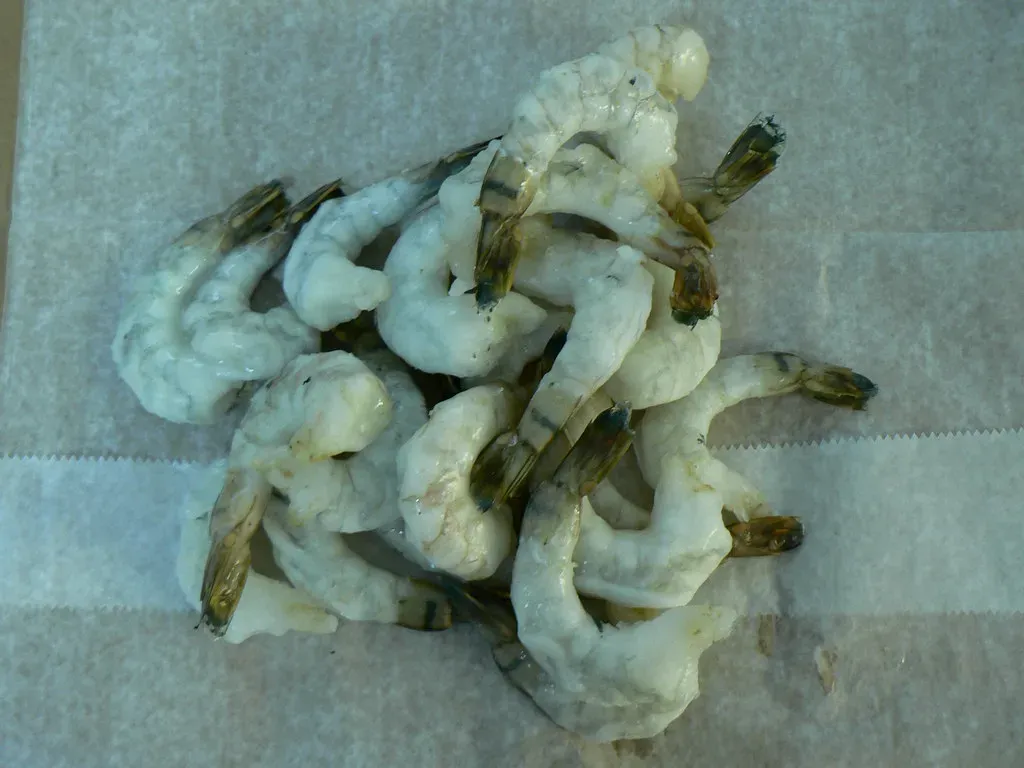
Shrimp cocktail. Shrimp pasta. Shrimp tacos. The little crustacean shows up everywhere on restaurant menus, presented as though it just arrived from the sea. In most cases, it came from a frozen bag in the walk-in cooler instead.
Shrimp is typically frozen as well. If you are in a landlocked state, it’s pretty much guaranteed. The cold-chain infrastructure supporting this is enormous. Major cold-storage companies have placed vast new coastal storage online, shortening vessel-to-shelf lead time for high-rotation items such as IQF shrimp. Vietnam alone exported hundreds of thousands of metric tons of IQF shrimp to global markets.
Frozen shrimp, fish fillets, and scallops are considered ideal for high-volume seafood dishes precisely because they give kitchens consistency at scale. The irony is that most shrimp is frozen immediately after harvest at sea anyway, so “fresh” shrimp has often already been frozen and thawed once before you see it. The difference between that and a restaurant’s frozen shrimp is often minimal.
8. French Fries
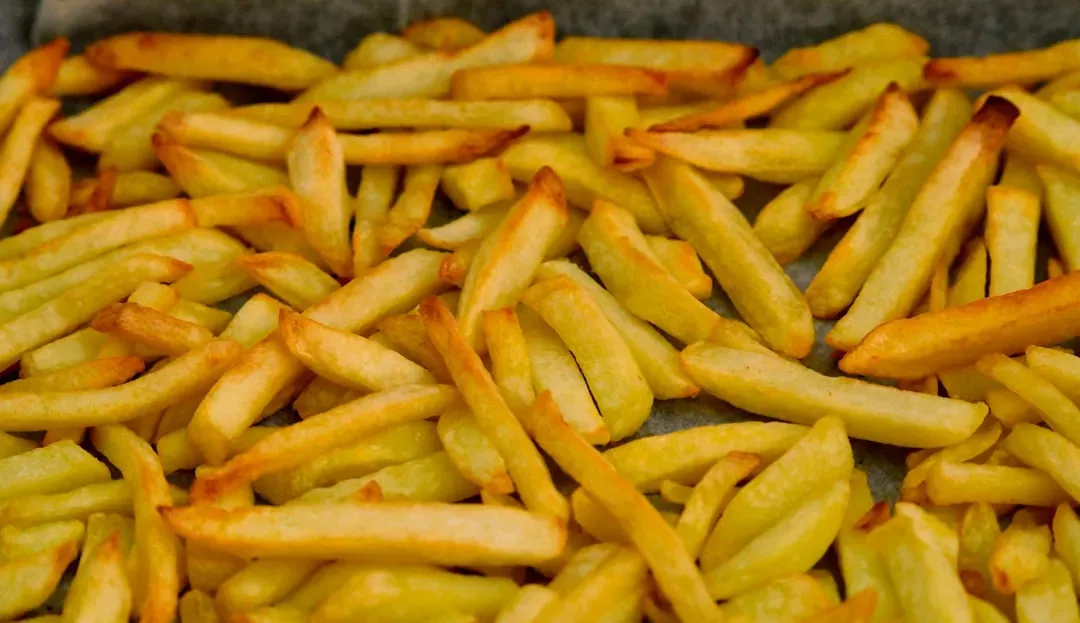
Okay, let’s be real. This one surprises almost nobody at fast food restaurants. What does surprise people is that the same is true at many sit-down, full-service restaurants that present themselves as far more refined.
Many restaurants serve frozen french fries, and not just fast food joints. From sports bars to diners to chain restaurants, frozen french fries are on the menu. McDonald’s alone contracted hundreds of millions of pounds of frozen fries from supplier Lamb Weston for their 2024 fiscal year, a glimpse into just how massive the frozen fry supply chain has become.
Frozen potato products are typically fried or baked directly from frozen for the best texture, which is why they can actually perform quite well. A properly fried frozen fry, cut and seasoned the right way, can rival a fresh one. Still, knowing that the “handcut fries” on a menu might have come from a pre-portioned frozen bag does change the experience a little. Even phrases like “house-made” or “freshly prepared” can just describe how dishes are finished. Ask servers to clarify if you want to know what is made from start to finish in-house. The answers may surprise you.
The broader takeaway here is not that frozen food is inherently bad. Frozen ingredients help reduce food waste, streamline inventory management, and ensure menu availability year-round. The convenience and extended shelf life of frozen products allow food service providers to offer a wider variety of dishes while maintaining operational efficiency. The real issue is transparency. The biggest sin in the restaurant world is not using frozen food itself, but claiming it’s fresh on the menu. That’s what really crosses the line. Next time you’re dining out, go ahead and ask. You just might get a very honest answer.