
Getting older is non-negotiable. What you put on your plate, though? That’s entirely up to you. The tricky part is that some of the foods most deeply embedded in everyday life are the very ones doing quiet damage once you cross the 50-year mark. Your metabolism shifts, your gut microbiome changes, inflammation becomes harder to keep in check, and your body simply becomes less forgiving.
So the question isn’t just “what’s unhealthy?” It’s “what becomes especially problematic after 50?” The answers might surprise you, challenge your habits, or even change how you shop for groceries this week. Let’s dive in.
Table of Contents
1. Ultra-Processed Foods: The Silent Accelerator of Aging

Here’s a number that should stop you cold. For every 10 percent increase in ultra-processed food consumption, the gap between biological and chronological age rose by 2.4 months. That means the more ultra-processed food you eat, the older your body becomes relative to your actual age. Think of it like this: your calendar says 55, but your biology is quietly running ahead of schedule.
Research presented at the annual meeting of the American Society for Nutrition in 2024 drew on data from the NIH-AARP Diet and Health Study, which tracked the diet and health of more than half a million adults ages 50 to 71 for almost 23 years. The findings were sobering. People who consumed significant amounts of ultra-processed food were 10 percent more likely to die, especially from heart disease and diabetes, during the study’s two-decade follow-up period.
Large cohorts and interventional studies confirmed that ultra-processed dietary patterns lead to gross nutrient imbalances and overeating driven by high energy density, hyper-palatability, and disrupted food matrices. Nutritionists increasingly treat ultra-processed foods not as an occasional indulgence but as a systemic risk. After 50, that risk amplifies considerably.
2. Sugar-Sweetened Beverages: Liquid Damage in Every Sip

Let’s be real about soda, sweet iced tea, flavored sports drinks, and energy drinks. They go down easy. They deliver almost nothing of value. Sugar-sweetened beverages are the top food category contributor to added sugar intake, and their consumption is associated with higher risk of type 2 diabetes in adults and older adults.
Research shows that sugar-sweetened beverage intake is associated with at least an 8 percent average increase in type 2 diabetes risk and at least a 2 percent increase in ischemic heart disease risk. After 50, when insulin sensitivity naturally starts to decline, loading your system with liquid sugar is like pouring fuel on a fire. The metabolic hit is real, and it accumulates fast.
Researchers identified highly processed meat and soft drinks as two of the subgroups of ultra-processed food most strongly associated with mortality risk, and eating a diet low in these foods is already recommended for disease prevention and health promotion. Honestly, swapping soda for water is one of the cheapest and most effective dietary changes any adult over 50 can make today.
3. Refined Carbohydrates and White Bread: The Blood Sugar Trap

In a major cohort study of 47,513 women, intakes of carbohydrates from whole grains, fruits, vegetables, and legumes in midlife were associated with increased odds of healthy aging. Conversely, refined carbohydrate intake was associated with lower odds of healthy aging. That’s a huge signal from a decades-long study. The bread in your kitchen might be working against you.
White bread is rapidly digested, causing sharp spikes in blood glucose and insulin levels. Furthermore, refined grains in white bread can promote systemic inflammation, further exacerbating muscle loss. After 50, when preserving muscle mass and managing inflammation both become top priorities, that distinction between whole grain and refined grain matters enormously.
New research suggests that women who consumed more high quality carbohydrates and dietary fiber had up to a 37 percent greater chance of living longer, healthier lives. The 2025-2030 U.S. Dietary Guidelines reinforced this, calling for a significant reduction in highly processed, refined carbohydrates, such as white bread. The science here is consistent, and it isn’t subtle.
4. Processed Meats: A Known and Quantified Risk

Bacon, hot dogs, deli meats, packaged sausages. These are the foods that feel like comfort but carry a well-documented cost. Consuming processed meat was conservatively associated with at least an 11 percent average increase in type 2 diabetes risk and at least a 7 percent increase in colorectal cancer risk. That’s not a fringe finding. It comes from a rigorous meta-analysis published in Nature Medicine in 2025.
The 2025 Dietary Guidelines Advisory Committee’s Scientific Report takes a notably firmer stance, explicitly discouraging high consumption of red and processed meats, saturated fats, salty or sugary snacks, and sugar-sweetened foods and beverages. Its clear recommendation to reduce red and processed meat intake marks a meaningful shift from earlier guidance. As that position carries forward into 2026 discussions, it stands out as a significant institutional signal about where nutrition advice is heading.
I think what surprises people most is how much processed meat they’re quietly consuming through things like flavored crackers, canned soups, and frozen meals. It’s not always the obvious strip of bacon. After 50, the cumulative exposure matters. Reducing it steadily is far more achievable than cutting it all out at once, and probably just as effective long-term.
5. Added Sugars: Not Just Dessert, It’s Hidden Everywhere

The 2025-2030 Dietary Guidelines take an overall strict position on sweets, noting that “no amount of added sugars or non-nutritive sweeteners is recommended or considered part of a healthy or nutritious diet.” That’s a notably firm stance. Added sugar limits dropped to under 6 percent of daily calories in the new guidelines, down from the previous 10 percent.
Here’s the thing. Added sugar is everywhere you don’t expect it. Bread. Pasta sauce. Yogurt. Salad dressing. Flavored oatmeal packets. Refined carbohydrate exposure, principally added sugars and rapidly digestible starches, is a modifiable driver of metabolic disruption and carries downstream risks for brain health. After 50, protecting cognitive function becomes just as urgent as protecting heart health.
Reduced brain health is evident in asymptomatic subjects aged 50 to 80, with white matter loss being a significant risk factor for cognitive impairment and dementia, even in neurologically symptom-free individuals. Added sugars appear to accelerate that process. Reading ingredient labels and actively hunting down hidden sugars is one of the most protective habits someone over 50 can develop.
6. Highly Processed Packaged Snack Foods: The Muscle Thief

Sarcopenia is a progressive and common skeletal muscle disorder characterized by rapid loss of muscle mass and function, often associated with adverse outcomes such as functional decline, frailty, falls, and increased mortality. It affects a significant portion of older adults worldwide. Highly processed snack foods accelerate this process in ways most people don’t realize.
Ultra-processed foods are deficient in important nutrients for metabolic processes and have high energy density. Excessive consumption paves the way for sarcopenia by increasing deficiencies in protein, dietary fiber, vitamins A, C, and E, and minerals such as magnesium, zinc, iron, and selenium. Chips and packaged biscuits feel filling but leave your muscles starved of what they actually need.
A significant linear relationship has been shown between higher ultra-processed food consumption and an increased risk of low muscle mass in adults, with participants in the highest intake group carrying roughly a 60 percent increased risk of low muscle mass. After 50, every percentage of muscle mass lost is harder to regain. Swapping processed snacks for protein-dense whole foods isn’t just a diet choice, it’s a functional investment.
7. Salty, Sodium-Heavy Packaged Foods: The Quiet Cardiovascular Threat
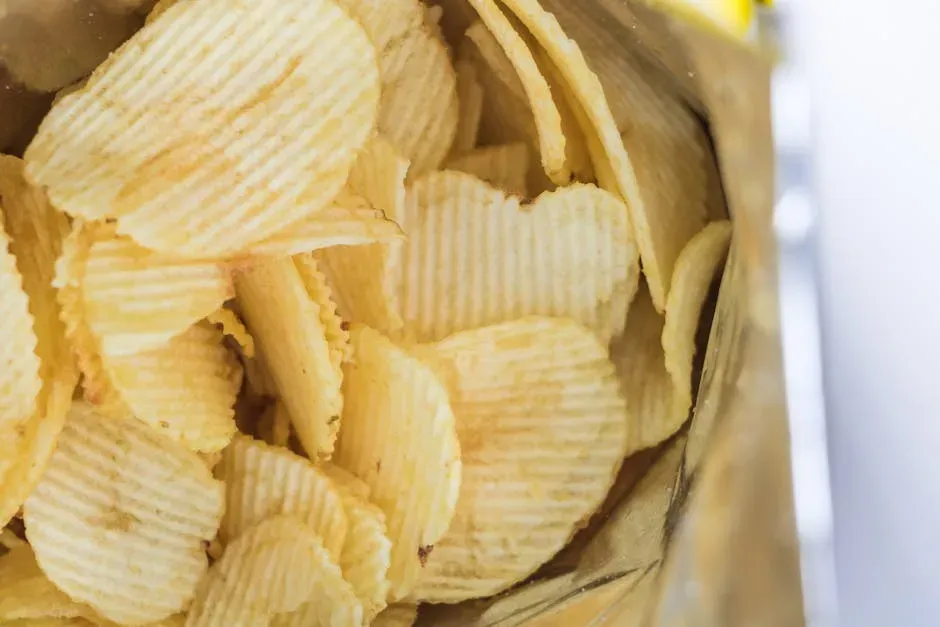
Reducing intake of highly processed foods high in added sugars, sodium, and saturated fat is consistent with decades of research and remains foundational to improving health. Yet sodium-rich packaged foods remain deeply embedded in American eating patterns, from canned soups and frozen dinners to flavored rice packets and pre-seasoned meats. After 50, blood pressure management becomes increasingly critical.
The American Medical Association emphasized that highlighting highly processed foods, sugar-sweetened beverages, and excess sodium is vital because these are the substances that fuel heart disease, diabetes, obesity, and other chronic illnesses. That’s not alarmist language. That’s the medical establishment pointing directly at the grocery aisle. The risk doesn’t spike overnight, but it compounds steadily through years of high sodium intake.
Many people assume they only need to worry about the salt shaker. In reality, the vast majority of sodium in the American diet comes from packaged and processed foods, not from home cooking. The 2025–2030 Dietary Guidelines marked a turning point by explicitly calling out a broader category of “highly processed foods,” going beyond individual nutrients to focus on overall food patterns. The guidance recommends limiting sugar-sweetened beverages along with salty or sweet packaged snacks and ready-to-eat foods. As these recommendations carry into 2026, they reflect a clearer shift toward discouraging routine consumption of ultra-processed products altogether.
8. Ultra-Processed Protein Bars and Meal Replacements: Not as Healthy as They Look
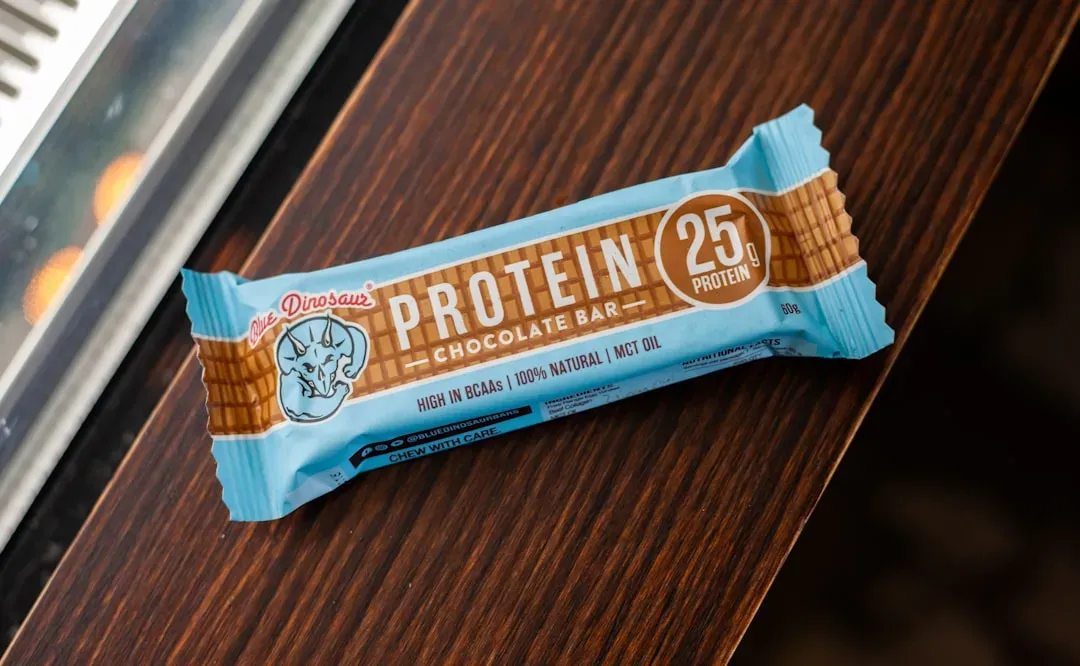
Walk into any grocery store and the protein bar aisle looks like a health-food paradise. Colorful packaging, muscle-bound fonts, ingredients lists that whisper “performance nutrition.” But here’s the thing. Experts agree that ultra-processed protein bars and shakes are a category worth reconsidering. Many are loaded with artificial sweeteners, inflammatory additives, and added sugars that undermine the very health goals they claim to support.
Ultra-processed foods in the highest-risk category include packaged breads, chips, carbonated soft drinks, instant noodles, and most fast food, typically containing five or more additives such as emulsifiers, artificial flavors, or hydrogenated oils. Many commercial protein bars fall squarely into this category despite their health-forward branding. After 50, the additives matter as much as the macros on the label.
Adults over 50 may actually need between 0.5 and 0.9 grams of protein per pound to maintain muscle mass and stay active. That protein need is real. The answer, however, isn’t necessarily an ultra-processed bar wrapped in synthetic chocolate coating. Whole food protein sources like eggs, legumes, Greek yogurt, fish, and poultry deliver the same macronutrient without the industrial additive load. It’s a small swap with outsized long-term benefits.
The bottom line is that food choices after 50 operate on a different set of stakes. As you get older, your body can begin to lose muscle mass and bone strength, your metabolism can begin to slow after age 60, and while aging is inevitable, nutrition plays a major role in reducing the risk of age-related chronic disease. The eight foods highlighted here aren’t about eating perfectly. They’re about removing the biggest friction points between where you are now and where you want to be in the decades ahead. What would you change on your plate first?