
There’s something about the breakfast cereals of the 1970s that feels almost mythological now. Grape-flavored crunch with British pilots on the box. Milk that turned chocolatey by magic. Monsters living in trees. These weren’t just cereals – they were tiny wild universes packed into cardboard boxes, and only a specific generation got to live inside them.
Between 1970 and 1998, the number of different types of breakfast cereals in the United States more than doubled, from about 160 to around 340. The 1970s were basically cereal’s most experimental, unhinged, glorious era. So buckle up, because you’re about to remember things you completely forgot. Let’s dive in.
1. Crazy Cow – The Cereal That Did Magic Tricks With Your Milk
Honestly, what kid wouldn’t lose their mind over a cereal that turned the milk in their bowl into chocolate or strawberry? Available in chocolate and strawberry flavors, Crazy Cow became the talk of elementary schools when it first hit test markets in 1971 and after its national release in 1977. When the powdered coating on the multi-grain cereal pellets dissolved in milk, it transformed into a deliciously flavored milk that kids adored.
The cereal in each box of Crazy Cow was coated with flavored powder that dissolved when wet. The chocolate variety “made its own chocolate milk,” while the strawberry-flavored cereal made pink milk with a fruity punch. Think about that for a second. You didn’t need to do anything except pour. The cereal did the rest.
The product remained on shelves until around 1988, when it was discontinued, likely due to growing concerns about its high sugar content and artificial coloring, as well as the general shift toward healthier breakfast options. It’s a story as old as time in the cereal world – something wildly fun gets killed by nutritional politics.
2. Sir Grapefellow – The Grape Cereal Nobody Was Ready For
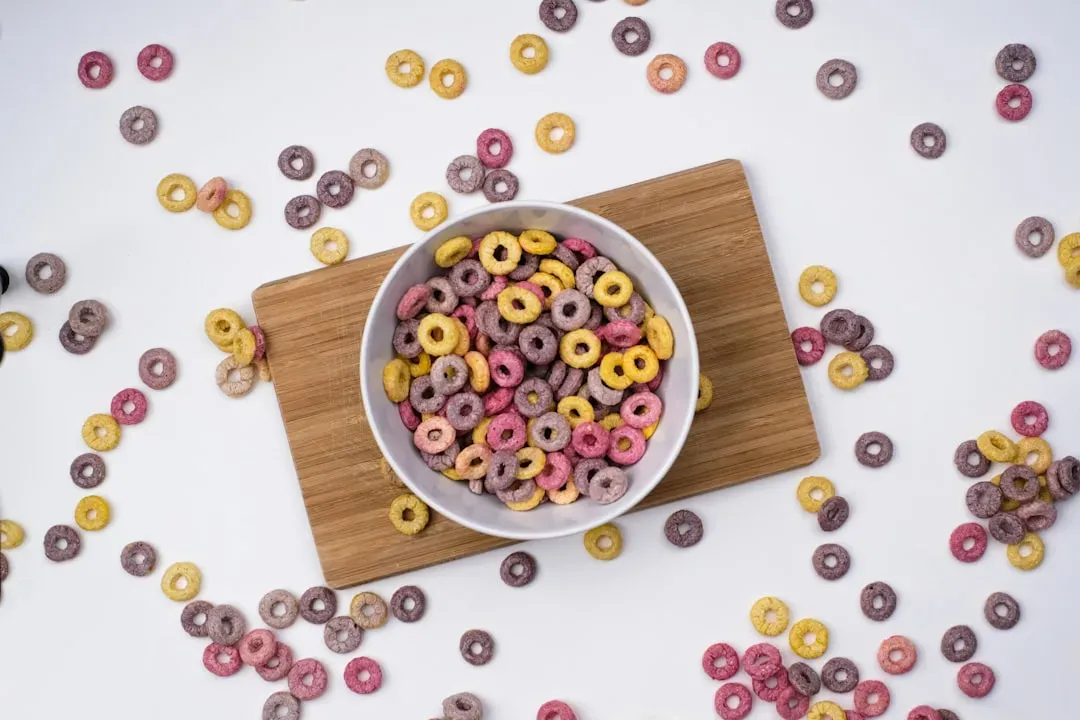
The 1970s were a bold time for breakfast flavors, and nothing proved that more than Sir Grapefellow. This purple-hued, grape-flavored cereal came with a British pilot mascot who promised kids an “aerodynamic breakfast.” Unfortunately, the world wasn’t ready for grape-flavored morning crunchies, and Sir Grapefellow flew off into the cereal sunset.
Unlike most cereals of later decades, Sir Grapefellow wasn’t released in the ’90s or early 2000s. It was launched way back in the 1970s. The cereal is purple and grape-flavored, with marshmallows mixed in. Grape-flavored cereal with marshmallows. In the morning. For children. The decade really had no rules.
I think the mascot alone should have carried this one further. A British World War I pilot selling grape breakfast cereal to American kids is, objectively, one of the more chaotic marketing ideas in food history. While the cereal aisle was never quite the same without this flavor feud, both Sir Grapefellow and his rival Baron Von Redberry disappeared before the decade was up.
3. Baron Von Redberry – Sir Grapefellow’s Sworn Enemy
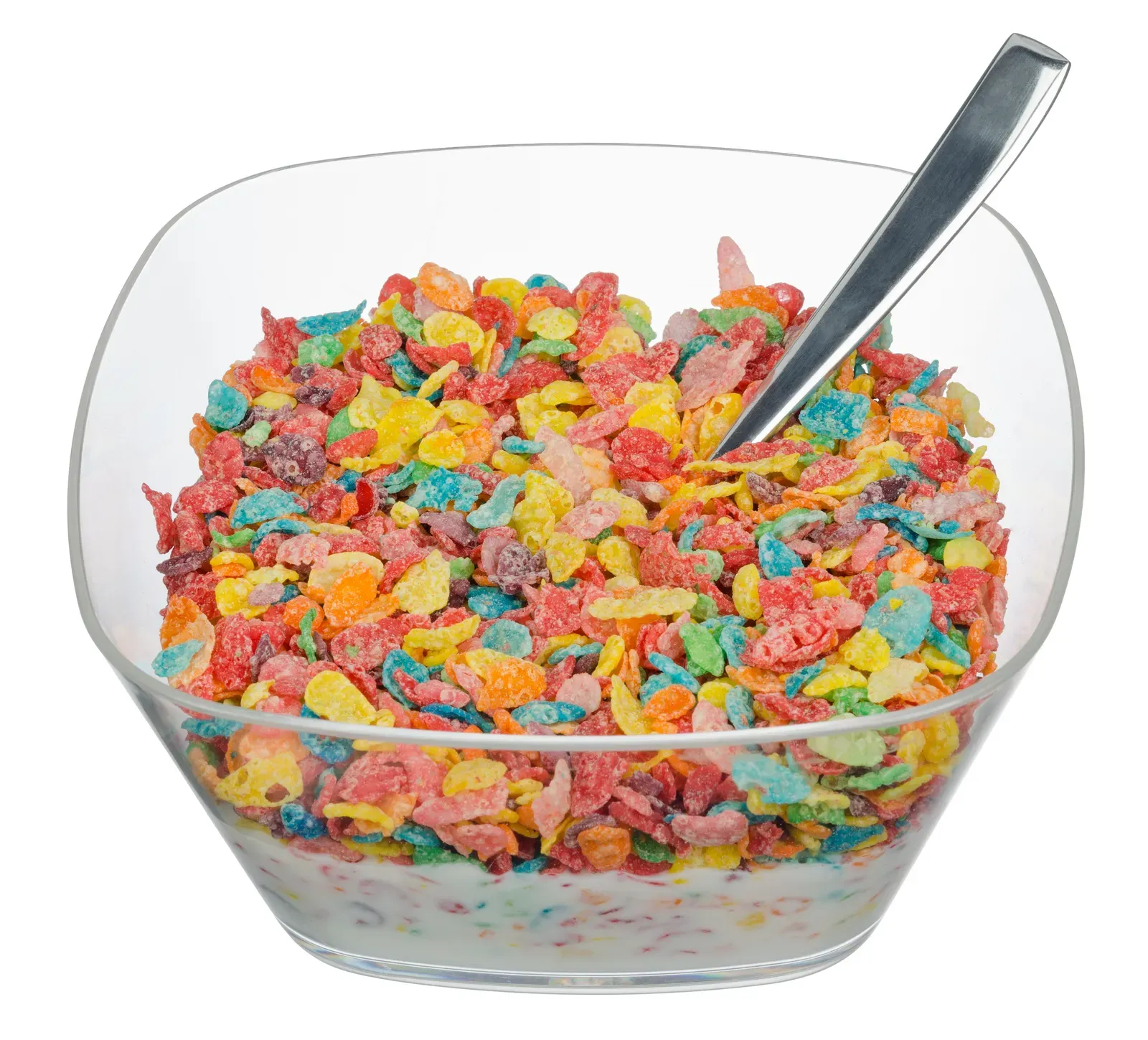
Here’s the thing most people don’t realize: Sir Grapefellow had a whole cereal nemesis. Sir Grapefellow’s fruity rival, Baron Von Redberry, brought a tangy punch of berry-flavored goodness to breakfast tables. Marketed as the Red Baron’s long-lost cousin, this cereal had all the same aeronautical gimmicks but with a sweet, raspberry zing. While the cereal aisle was never quite the same without this flavor feud, both cereals disappeared before the decade was up.
A German pilot is a strange mascot for a ’70s breakfast cereal. His nemesis? Baron Von Redberry, of course. These two were always at each other, Baron bringing the fruity, berry-flavored cereal and Grapefellow with the grape flavors. Rival cereals with rival pilots. It’s like a Saturday morning cartoon that somehow made it onto supermarket shelves.
What makes this one especially fascinating is that both brands essentially cancelled each other out. Two cereals built around a rivalry, both wiped from history together. It’s almost poetic in a sugary, aeronautical kind of way.
4. Quake – The Cereal That Lost a Democratic Vote
This is one of the more genuinely bizarre stories in breakfast cereal history, and I’m not exaggerating. In 1965, Quaker Oats created Quisp and Quake, two new corn-based breakfast cereals. Quake advertised their cereal with a miner-themed superhero (voiced by William Conrad, who narrated Rocky and Bullwinkle) that wore a cape with a yellow hard hat.
In 1972, Quaker made the competition real by asking consumers to vote via mail-in ballot for their favorite of the two, with the loser being discontinued. Quisp won by a landslide, and Quake left store shelves. Kids mailed in actual ballots clipped from the back of cereal boxes to decide which cereal would survive. This happened. It was real.
While the two cereals were virtually identical in flavor, Quisp proved to have much more consumer appeal and traditionally beat Quake in sales. At the height of the cereals’ popularity, Quisp and Quake together took in roughly one and a half percent of the entire breakfast cereal market. Quake was essentially voted off the island, decades before reality TV made that concept mainstream.
5. Freakies – Seven Monsters, One Magical Tree, Zero Staying Power
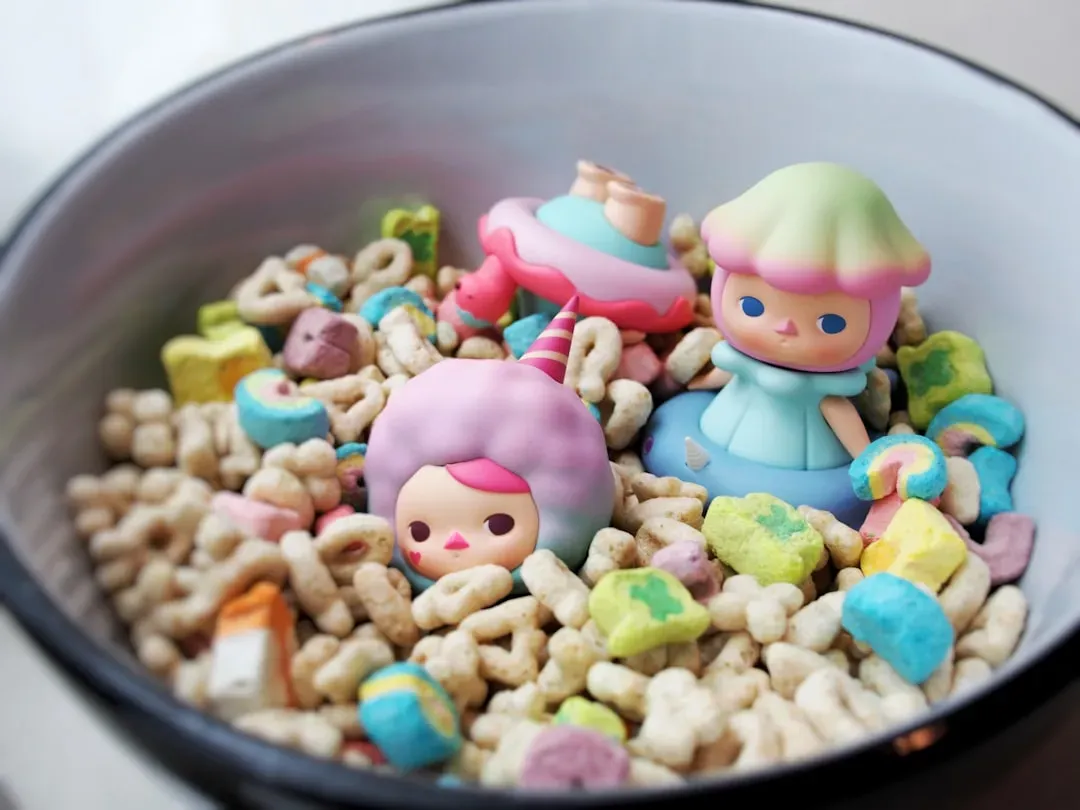
Among the most memorable and iconic cereals of the era was Ralston Purina’s Freakies Cereal, a brand that cultivated a devoted following through its unique characters and, crucially, the tiny plastic figures that came nestled in every box. Seven oddly named creature characters, each with their own personality. In every box of cereal. Aimed at children. It was, let’s be real, genuinely brilliant marketing.
Freakies Cereal first hit supermarket shelves in 1972. The premise was simple yet captivating: a band of seven uniquely shaped and named creatures – BossMoss, Cowmumble, Gargle, Grumble, Hamhose, Snorkeldorf, and Goody-Goody – had discovered the magical Freakies Tree. This tree inexplicably grew endless boxes of Freakies cereal, their favorite food.
The cereal entered the marketplace in 1972 and was discontinued in 1976. In 1986, a new Freakies cereal was made, depicting the characters as aliens from another planet. The characters were simplified, renamed and redesigned. The cereal itself was changed to shaped cereal pieces and marshmallows, making it a revival of the original in name only. This product was short-lived and unsuccessful. The magic was truly in the original.
6. Waffelos – The Cereal That Could Actually Hurt Your Mouth
In a time when breakfast cereals were more than just morning fuel, Waffelos stood out as a beloved icon of 1970s breakfast innovation. The cereal’s memorable television commercials featured a catchy western-themed jingle that became permanently etched in the memories of young viewers.
Ralston followed suit with a bite-sized waffle cereal called Waffleos in 1979. They came in maple and blueberry flavors and featured a cartoon cowboy in a 10-gallon hat on the box. Unfortunately, this discontinued breakfast cereal was yanked off the market in 1982, and though there have been other waffle-shaped cereals since, it remains a cult favorite.
Despite its devoted following and distinctive maple syrup flavor, Waffelos wasn’t without its quirks. The cereal’s unique texture profile – hard on the inside with a soggy exterior and a crispy middle – often shredded the mouths of kids if it wasn’t bathed in milk. A cereal that could physically injure you if you weren’t careful. The ’70s were not messing around.
7. Buc Wheats – The One General Mills Ruined Themselves
A healthier take on sugary cereals, Buc Wheats combined wheat flakes with a hint of maple syrup, giving it that perfect pancake-on-a-Saturday-morning vibe. While it gained a loyal fanbase, General Mills made a fatal mistake by removing the maple flavoring, which led to its eventual demise.
Buc-Wheats, the mapley, wheaty cereal that eventually became honey-flavored, never really took off too hard and was eventually discontinued in 1983. Maybe kids don’t love crunching down on a big stalk of wheat? It’s hard to say for sure, but stripping the maple flavor out of a cereal that was literally only interesting because of its maple flavor seems like a spectacular own goal.
This one genuinely stings, because the original concept was smart – a slightly more wholesome cereal that still tasted indulgent. It had a loyal audience. Then someone in a boardroom decided to change the one thing that made it good. The world of breakfast cereal is a lawless desert of chaos, with flavors, mascots, and ideas that rarely feel cut from the same cloth. In the 1970s, it was even more untethered; themes ranged from specific characters to movies to pieces of wood.
8. Pink Panther Flakes – The Pinkest Cereal That Ever Existed
Taking inspiration from the classic cartoon, Post’s Pink Panther Flakes put a rosy twist on traditional corn flakes with a sugary, bubblegum-pink coating. That’s it. That’s the whole pitch. Pink corn flakes, a famous cartoon cat, and the absolute confidence that children would lose their minds over it. Honestly? They were right.
The cereal leaned entirely on the brand recognition of the beloved animated series, which made perfect sense in an era when the 1970s might be considered the golden age of sugary cereals. With every popular cartoon show came a new cereal, often featuring puffed corn and fruity flavors, bringing vibrant colors and sweet flavors to breakfast tables everywhere.
There’s something almost pure about the simplicity here. No milk-transforming powders, no rival pilot cereals, no seven monsters with unusual names. Just: beloved cartoon character, now pink, now in your bowl. While some cereals have stood the test of time and remain staples in the cereal aisle, others enjoyed only a fleeting existence before disappearing from store shelves. Pink Panther Flakes fell firmly into the second camp, and a certain generation has never quite gotten over it.
A Final Spoonful
What all eight of these forgotten cereals share is a kind of fearless creativity that the breakfast aisle rarely sees today. Grape pilots. Milk-transforming powders. Democratic cereal elections. A cereal that could genuinely cut your mouth. These weren’t just food products – they were experiences, and they belonged to a very specific window of American childhood.
Looking back at these forgotten cereals, it’s clear that the 1970s were a playground for experimental flavors, wacky mascots, and marketing gimmicks that truly went for it. While they may be lost to time, they live on in the memories of those lucky enough to have experienced them.
The modern cereal aisle, for all its protein-packed granola and organic oat clusters, will never quite match that era’s sheer audacity. Which of these forgotten favorites did you eat as a kid – and which one do you wish someone would bring back? Tell us in the comments.