
Most of us have been taught that when in doubt, refrigerate. It sounds like solid, responsible logic, right? Keep it cold, keep it safe. Yet here’s the uncomfortable truth: for a surprising number of everyday foods, the refrigerator is not a safe haven. It’s actually the source of the problem.
Summer turns this issue up several notches. The CDC estimates that food poisoning results in 48 million illnesses each year, with exposure to unsafe temperatures being a top reason for foodborne disease. What gets talked about far less, though, is the opposite error – refrigerating foods that simply do not belong there, causing flavor loss, texture breakdown, and in some cases, faster spoilage. Let’s dive in.
1. Tomatoes: The Cold Kills the Flavor You’re Paying For
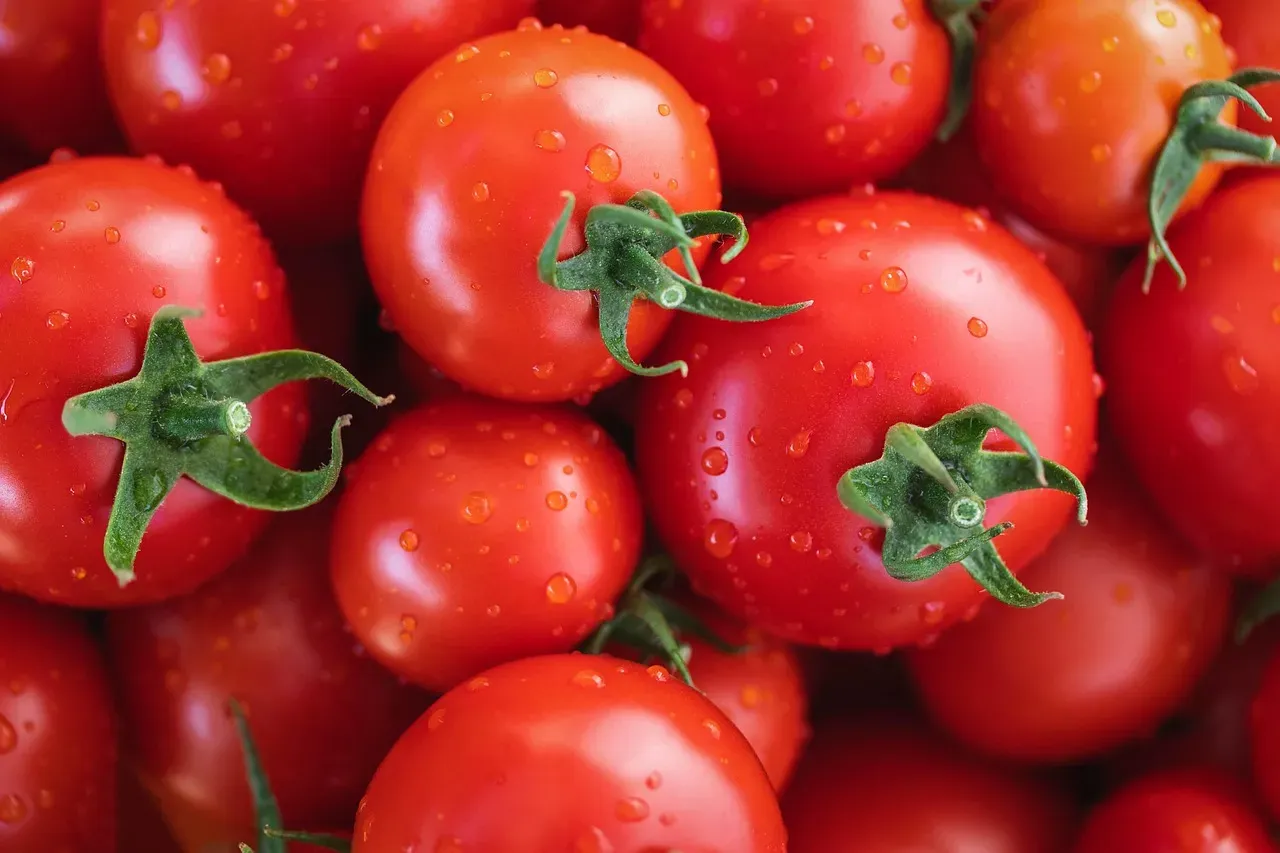
Honestly, this one should be on every kitchen wall. If you’ve ever bitten into a tomato that tasted like cardboard, your refrigerator is almost certainly to blame. Refrigeration is the main postharvest technology for increasing shelf life of horticultural products; however, it has a detrimental effect on tomato flavor.
The science is pretty clear on this. Production of flavor-associated volatiles in tomatoes is sensitive to temperatures below 12°C, and loss of volatiles has been observed during cold storage. In plain language, your fridge shuts off the very chemical processes that make a tomato taste like a tomato.
A study published in the Proceedings of the National Academy of Sciences made this even more specific. Researchers showed that after seven days of storage at 39 degrees, tomatoes lost some of their supply of substances that produce their characteristic aroma. Three days of sitting at room temperature didn’t remedy that, and a taste test by 76 people confirmed the chilled tomatoes weren’t as good as fresh fruit.
Research from the University of Florida’s Horticultural Sciences Department reinforces the same point. According to that research, the ideal temperature for ripening tomatoes is 65°F to 75°F, but anything colder than 55°F causes loss of tomato aroma volatile chemicals that are responsible for tomato flavor and fragrance. Store them on your counter, not in the crisper drawer, and you’ll taste the difference immediately.
2. Potatoes: A Sweet and Gritty Surprise You Didn’t Ask For
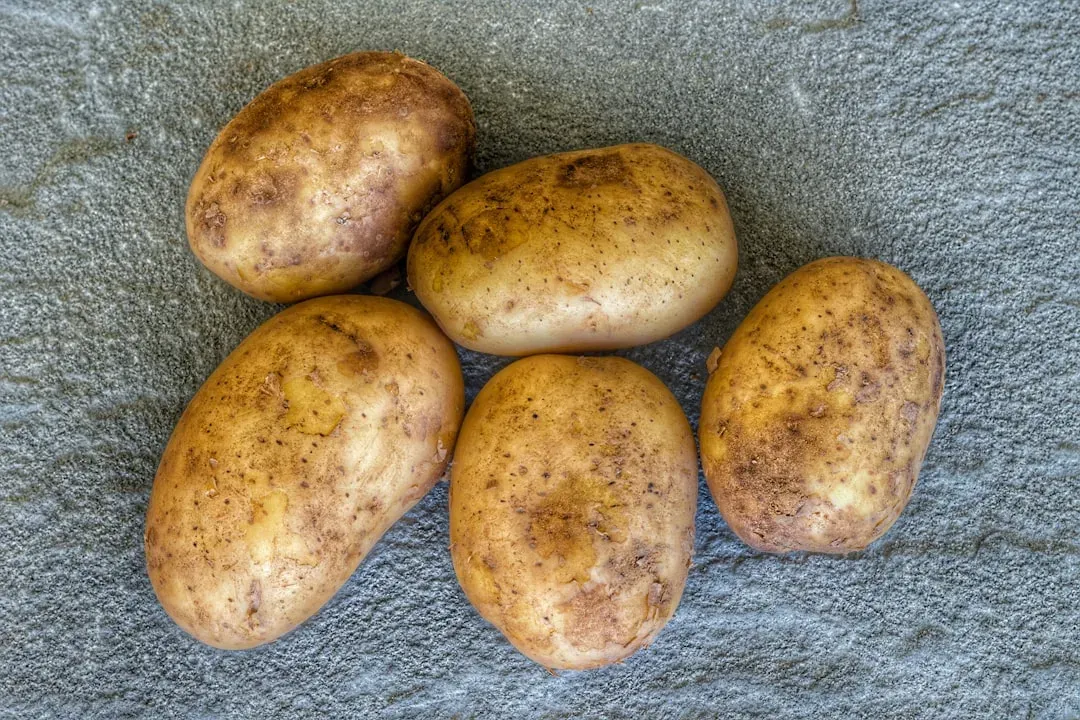
Raw potatoes have absolutely no business being inside a refrigerator, and yet the habit persists. Refrigerating raw potatoes causes starches to convert into sugar more rapidly, and this chemical shift alters both flavor and texture, leaving potatoes oddly sweet and gritty when cooked. Think about that the next time you wonder why your roasted potatoes don’t taste right.
It gets worse. High sugar levels can cause acrylamide to form when potatoes are fried or roasted at high temperatures. Acrylamide is a chemical compound considered potentially harmful, and it forms in starchy foods during high-heat cooking. So refrigerating your potatoes before frying them isn’t just a flavor error – it’s a reason to reconsider the habit entirely.
The better approach is straightforward. Like other root vegetables, including turnips and carrots, the potato can last up to three months stored in a cool dark pantry at around 50°F or root cellar. A paper bag in a dark cupboard beats the fridge every single time.
3. Garlic: Cold, Wet, and Suddenly Sprouting
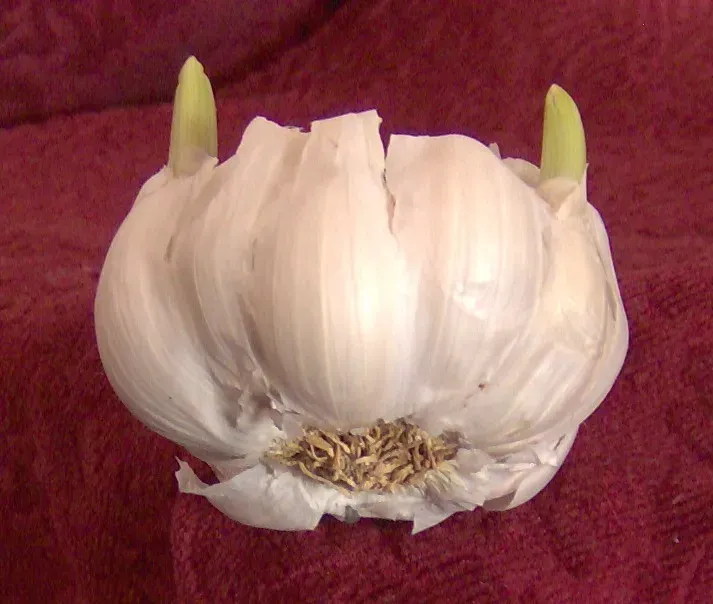
Garlic seems like something that should last forever. It’s pungent, robust, and feels almost indestructible. Yet the refrigerator works quietly against it. Garlic is a powerful flavor enhancer, but it can lose its pungency and texture when stored in the fridge. The cold environment encourages sprouting, and it can also cause garlic to become rubbery or develop a moldy outer layer, which not only diminishes its flavor but can also lead to spoilage.
Here’s the thing – garlic is actually incredibly low-maintenance when stored correctly. Whole garlic bulbs should be kept in a cool, dry, well-ventilated place, not airtight and not refrigerated. Airflow is essential to prevent moisture buildup and spoilage, and refrigeration is appropriate only after garlic has been chopped or cooked.
Garlic should be kept in a well-ventilated, cool area, and when stored properly, whole garlic heads can last for months. Once you break a bulb, try to use it within a week or two to ensure its best quality. It’s a small storage tweak with a big payoff in both flavor and shelf life.
4. Onions: The Moisture Problem That Leads to Mold
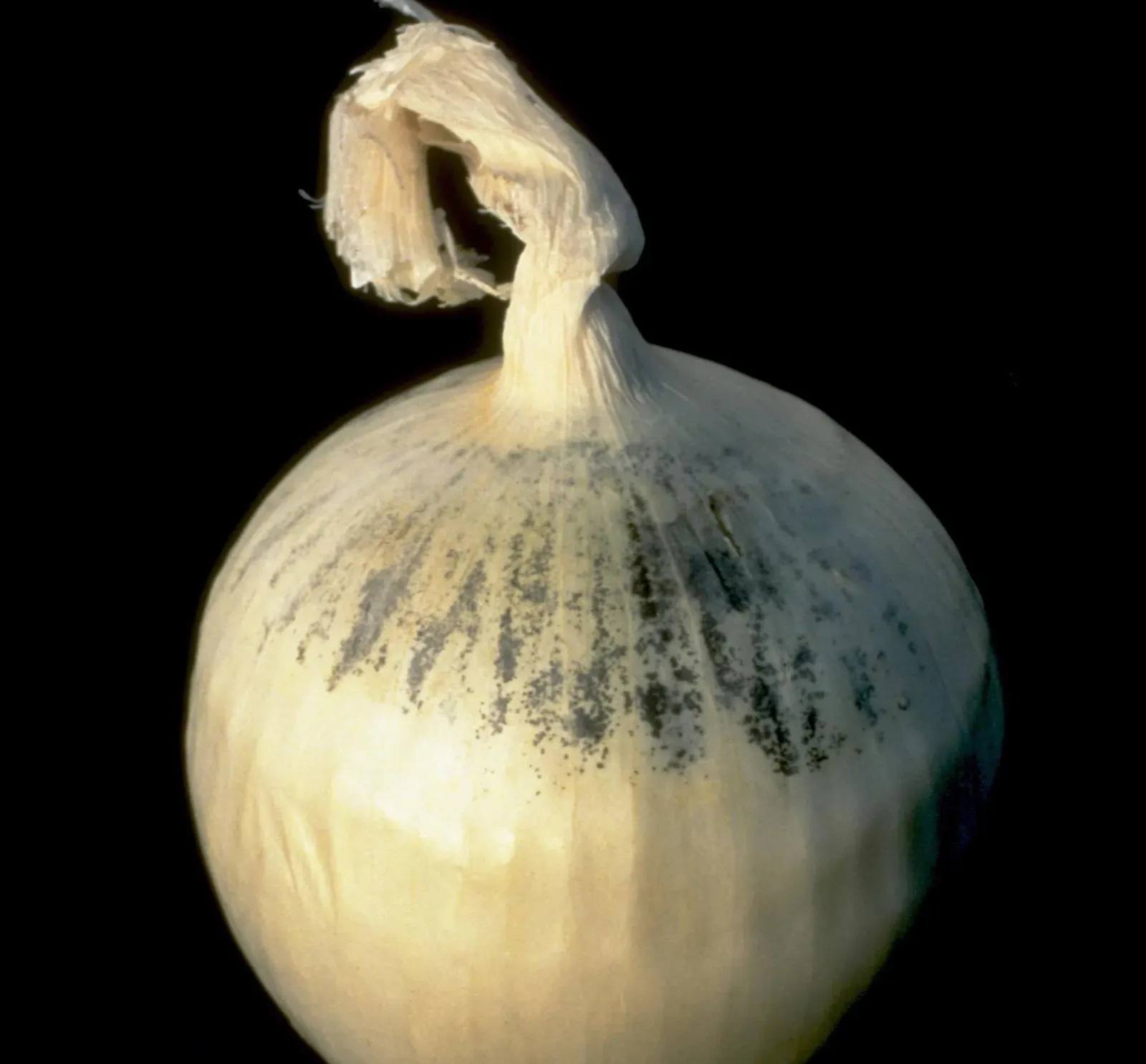
Whole onions and refrigerators are a genuinely bad combination. Onions do not fare well in cold temperatures, as the moisture inside the refrigerator can make them soft and mushy, and they are prone to mold growth. The cool, humid conditions can also make them spoil much faster than they would at room temperature.
Whole onions do poorly in cold, humid environments, as refrigeration softens their structure and promotes mold growth, while cold storage also lessens flavor. Onions need air circulation. Think of them like they need to breathe – because they essentially do.
There is one key exception worth noting. The only exception is cut onions, which should be refrigerated in a sealed container and used quickly. Also, don’t keep onions near potatoes, as onions emit gas and moisture that can cause potatoes to spoil quickly. Two common storage mistakes combined into one.
5. Watermelon: You’re Literally Draining the Nutrients Out
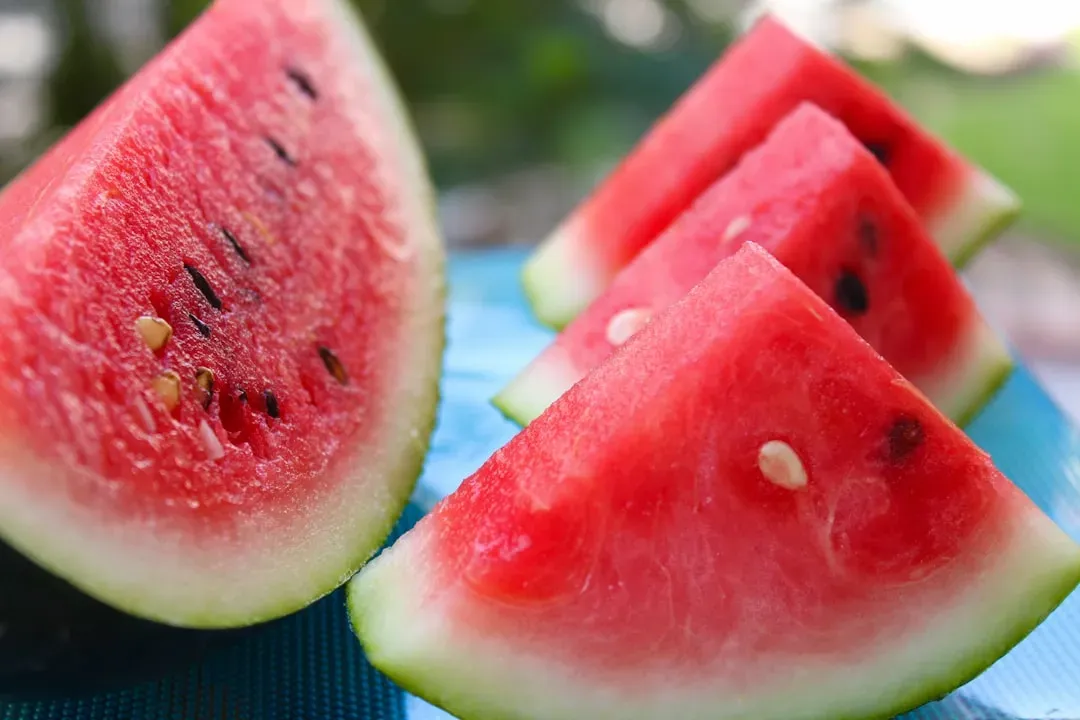
Most people think of the refrigerator as an upgrade for watermelon. Colder equals better, right? Not according to research. U.S. Department of Agriculture researchers found watermelons stored at room temperature have significantly more antioxidants and other nutrients than watermelons kept in the refrigerator.
The numbers here are genuinely striking. Lycopene is roughly 20% higher and beta-carotene levels nearly double in unrefrigerated watermelon. These are cancer-fighting antioxidants we’re talking about – and the habit of immediately tossing watermelon into the fridge is literally cutting their presence in the fruit you’re about to eat.
There is an important safety caveat, though. Cut watermelon should be covered, dated, and refrigerated, and used by the following day for best quality. Researchers also noted that the average shelf life of watermelons after harvest is 14 to 21 days if stored at 55 degrees, but decay occurs after as little as a week when stored at refrigerator temperatures of around 41 degrees. So a whole, uncut watermelon on your counter is not just fine – it’s actually the smarter choice.
6. Honey: Crystallization and the Pantry That Cures It
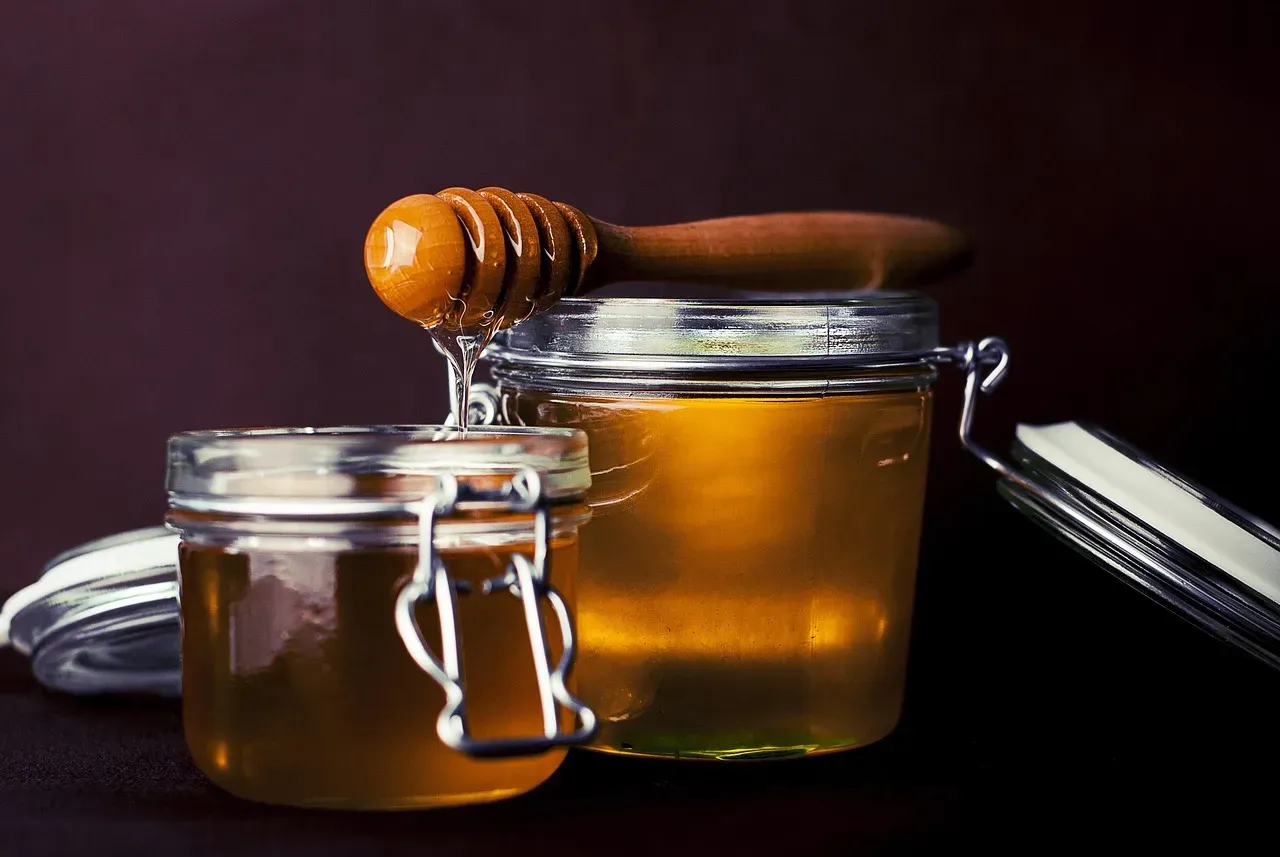
Honey in the fridge is one of those baffling habits that somehow survives generation to generation. It feels responsible. It feels like preservation. It’s actually the opposite. Honey is known to seize up and crystallize in cold temperatures, and room temperature is the ideal temperature level for this natural sweetener.
The reason honey doesn’t need refrigeration at all comes down to its chemistry. There is so much sugar in honey and similar products that it is essentially uninhabitable for many foodborne pathogens. That’s the science behind why archaeologists have found honey in ancient Egyptian tombs that was still theoretically edible after thousands of years. No refrigerator required.
Stash honey in the fridge and the crystallization process speeds up, quickly making it unpalatable. Instead, keep it in its original container, in a cool, dark pantry spot. Simple, effective, and it means one fewer jar taking up precious fridge real estate during a busy summer.
7. Bread: The Refrigerator Is Making It Stale Faster
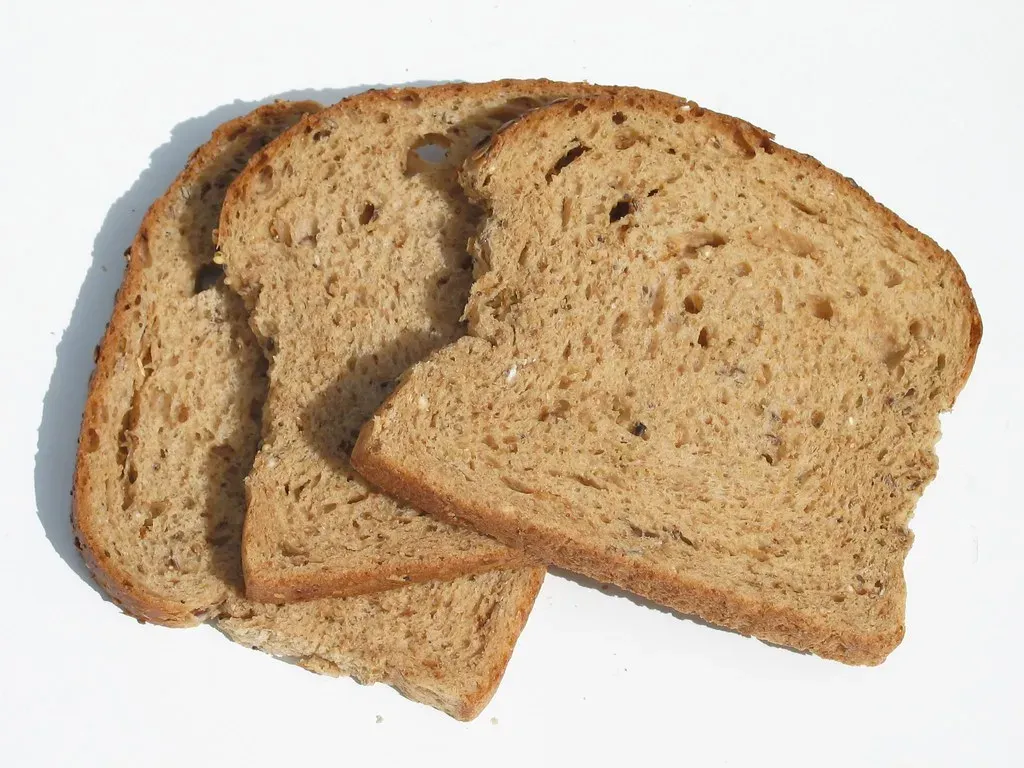
It sounds completely counterintuitive. Keeping bread in the fridge seems like it should prevent mold and extend freshness. The reality, unfortunately, points in a different direction. The rate of starch recrystallisation in bread is affected by storage temperature, where refrigeration temperatures accelerated staling and total crystallinity more than storage at room temperature.
Although keeping bread in the fridge keeps mold at bay, it also dries out the loaf. You essentially trade one problem for another – and a dry, stale loaf in your sandwich is arguably worse than fresh bread that’s eaten within a few days. The refrigerator’s low humidity is particularly brutal on bread’s texture.
The smartest approach is the one most bakers already know. Generally, the bread you plan to eat over the next four days should be kept sliced and ready to eat, with the rest kept frozen. Wrapped bread will not lose moisture in the freezer, and when you take it out, let it thaw slowly and completely before toasting or eating. The freezer is a true ally here – the fridge is not.
8. Basil and Fresh Herbs: Cold Turns Them Black Overnight
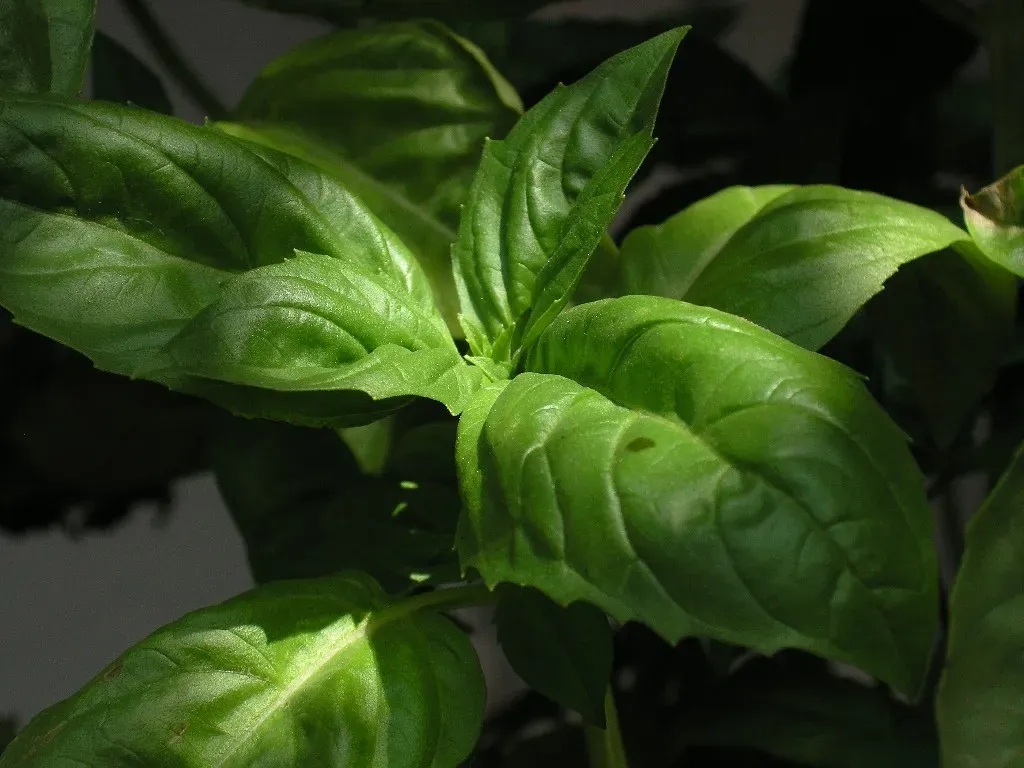
If you’ve ever pulled fresh basil out of the refrigerator to find it limp, blackened, and completely demoralized, you’ve experienced chilling injury firsthand. A fridge saps basil, rosemary, thyme, and more of their flavor punch and dries them out too. These are warm-weather plants, and the cold is simply not their natural environment.
Basil is especially sensitive. It originates in tropical climates and reacts to cold temperatures almost immediately, with cell damage showing up as dark spots and wilting within hours. It’s a bit like leaving a tropical fish in ice water and wondering why it doesn’t thrive.
The correct method is surprisingly elegant. Tuck fresh herbs in a small glass, stems down and in a little room-temperature water, and stash them on the countertop out of direct sunlight. This keeps them alive, flavorful, and visually beautiful for several days longer than any cold drawer could manage. And in summer, when fresh herbs are at their seasonal peak, getting this right actually matters.
The Bigger Picture: Spoilage Starts With Wrong Assumptions
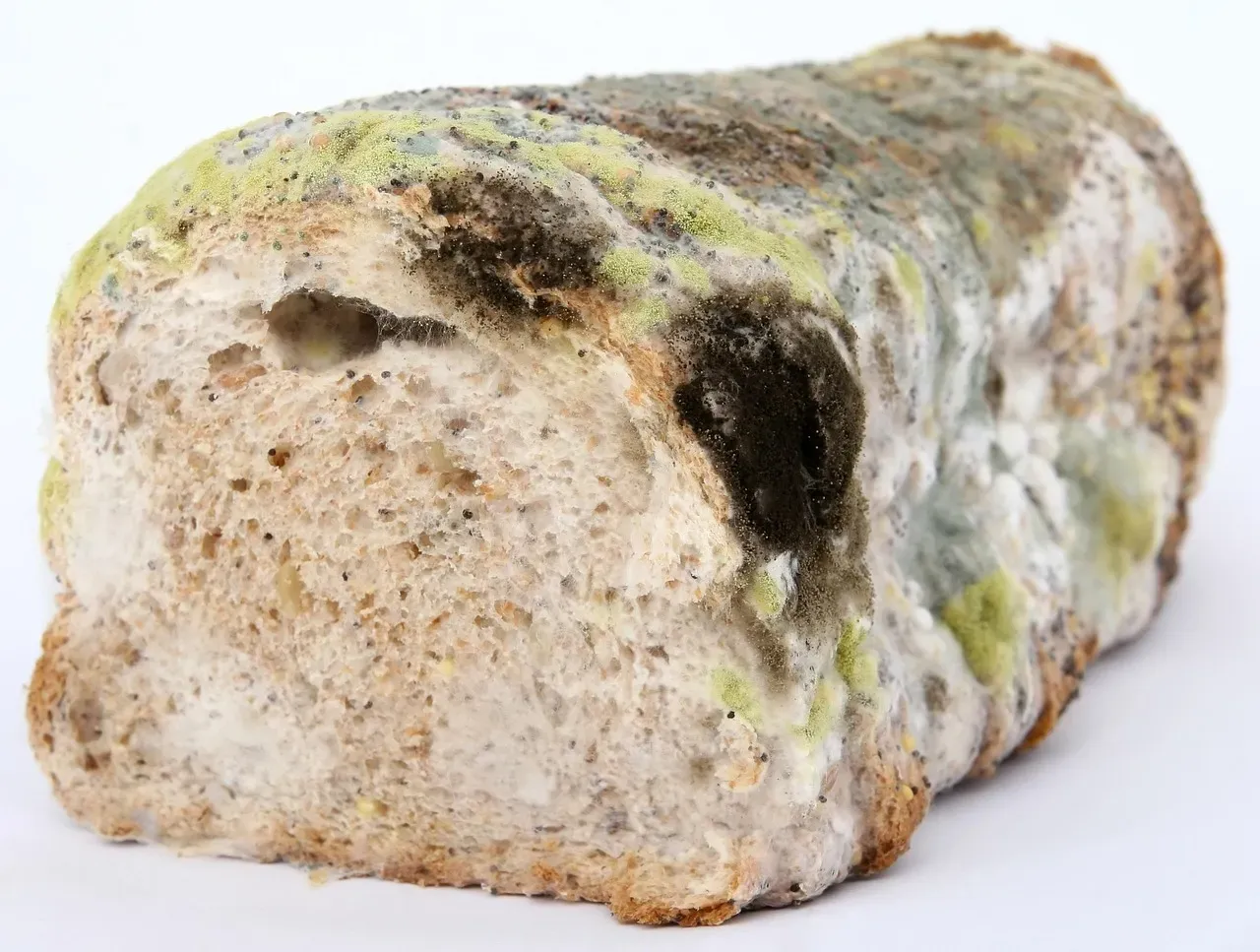
Let’s be real. Most of us grew up assuming the refrigerator was a universal solution. Got a food? Refrigerate it. Concerned about summer heat? Refrigerate faster. Refrigeration is often treated as a safety measure, but cold storage is not always protective. For certain foods, a refrigerator can actually accelerate spoilage or create conditions that allow harmful bacteria to thrive, while in other cases it simply destroys flavor and texture, leaving food dull or unusable.
The statistics on summer foodborne illness only reinforce why getting this right matters. Illnesses caused by Salmonella occur more often in summer because the bacteria love warm temperatures and unrefrigerated foods at outdoor gatherings. Ironically though, research published in eBiomedicine found that for every one degree Celsius rise in temperature, the threat of Salmonella and campylobacter increased by around 5%. Summer demands smarter decisions, not just more refrigeration.
The WHO’s own food safety guidance underscores the nuance here. Microorganisms can multiply very quickly if food is stored at room temperature, but a refrigerator set to below 5°C will protect most foods – though not indefinitely. Over time, even chilled foods will spoil, and cool temperatures slow down bacterial growth but don’t stop it completely. The answer, in other words, is not “always refrigerate” but rather “know what you’re storing and why.”
Getting these eight foods right won’t just improve the flavor of your summer meals. It will reduce waste, save money, and give you a smarter relationship with your own kitchen. Which of these storage habits have you been getting wrong all along?