
Most of us have been there. You finish a meal, and 45 minutes later you’re rummaging through the kitchen looking for something else to eat. That nagging, relentless hunger is one of the biggest obstacles in maintaining a healthy weight. The good news? It doesn’t have to be this way.
There’s a whole category of foods built around a surprisingly simple idea: eat more, feel fuller, and still keep your weight in check. It sounds almost too good to be true. Let’s dive in and look at the eight foods that genuinely deliver on that promise.
1. Oatmeal: The Morning Powerhouse You’re Probably Underestimating
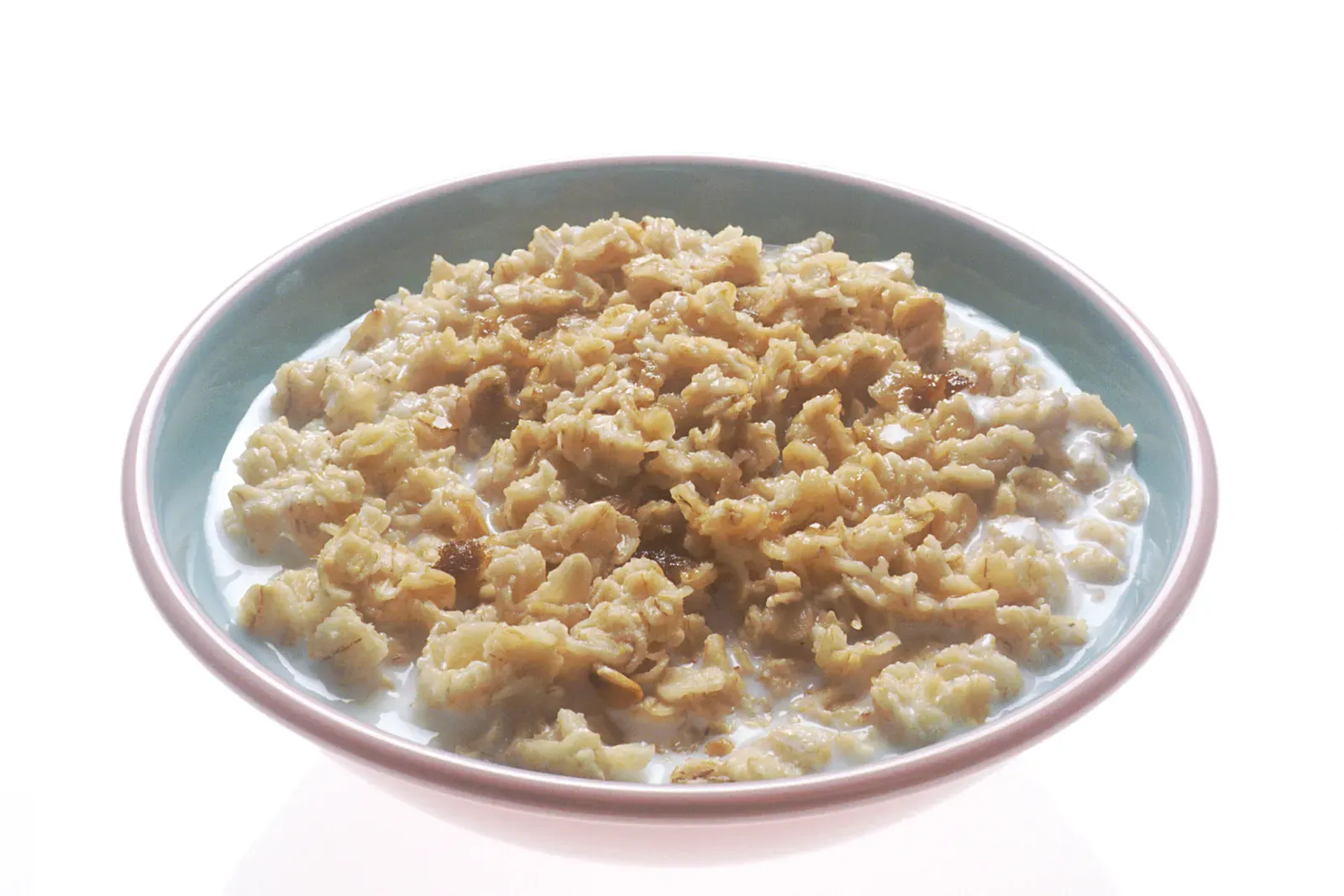
Oats contain soluble fiber called beta-glucan, which forms a gel during digestion, slowing it down and keeping you feeling full longer. This matters more than most people realize. Think of it like a slow-burning log on a fire versus a piece of paper: the effect lasts far longer than a typical bowl of sugary cereal.
Oats contain beta-glucan, a soluble fiber proven to increase satiety and reduce appetite, and recent research shows that beta-glucan can enhance GLP-1 release, the same hormone mimicked by weight loss medications, supporting appetite control and adherence to a calorie deficit. A half cup of dry oats comes to roughly 150 calories while providing both protein and fiber, making it one of the most calorie-efficient breakfasts available. Studies show that people who ate oatmeal felt fuller after eating the same number of calories at breakfast as those who ate sugary cereal, and also felt less hunger for a few hours after.
2. Eggs: Small, Mighty, and Surprisingly Filling
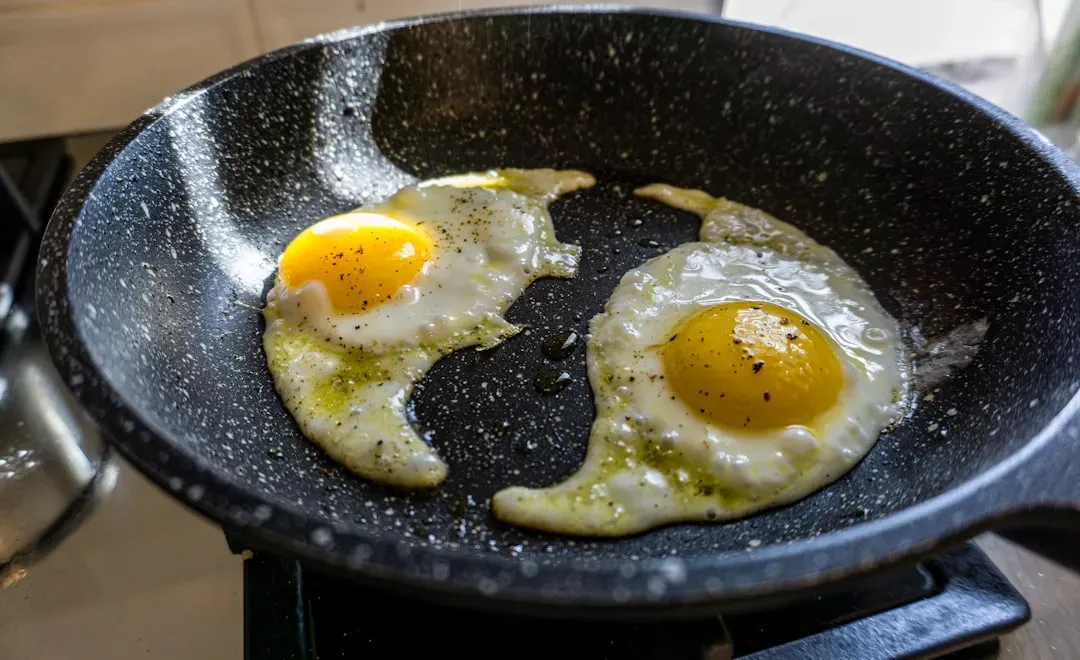
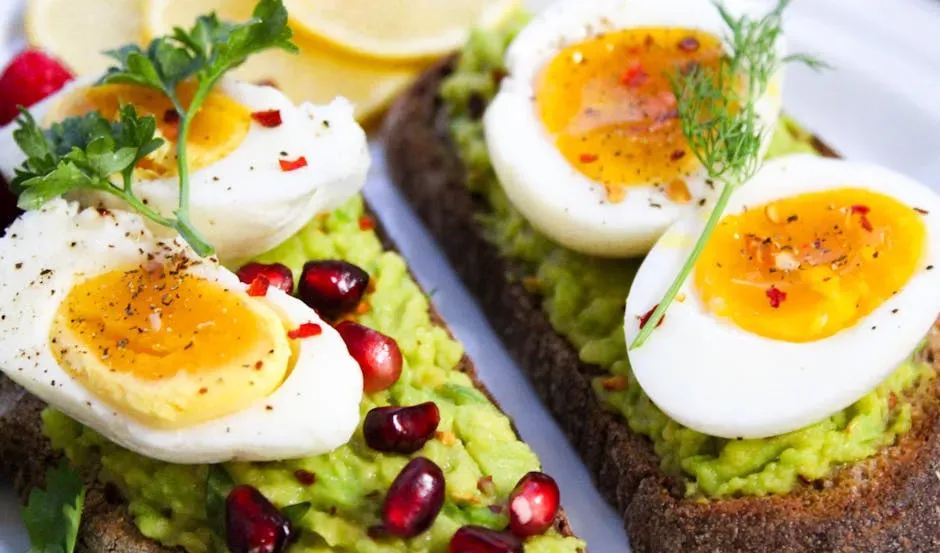
Research suggests that eating eggs in the morning can reduce hunger hormones and help curb snacking later in the day. That’s a big deal, especially when you consider how modest their calorie count really is. A single egg has about 6 grams of high-quality protein, so a two-egg breakfast gives you around 12 grams.
Several self-reported satiety measures were increased following the consumption of eggs, which were associated with lower plasma ghrelin concentrations, and compared to an oatmeal breakfast, two eggs per day do not adversely affect cardiovascular risk biomarkers but increase satiety throughout the day. Honestly, eggs are one of the best “bang for your buck” foods available. Compared to an isocaloric, equal-weight bagel-based breakfast, the egg breakfast induced greater satiety and significantly reduced short-term food intake. Hard to argue with data like that.
3. Legumes: Beans, Lentils, and Chickpeas Are Having a Major Moment
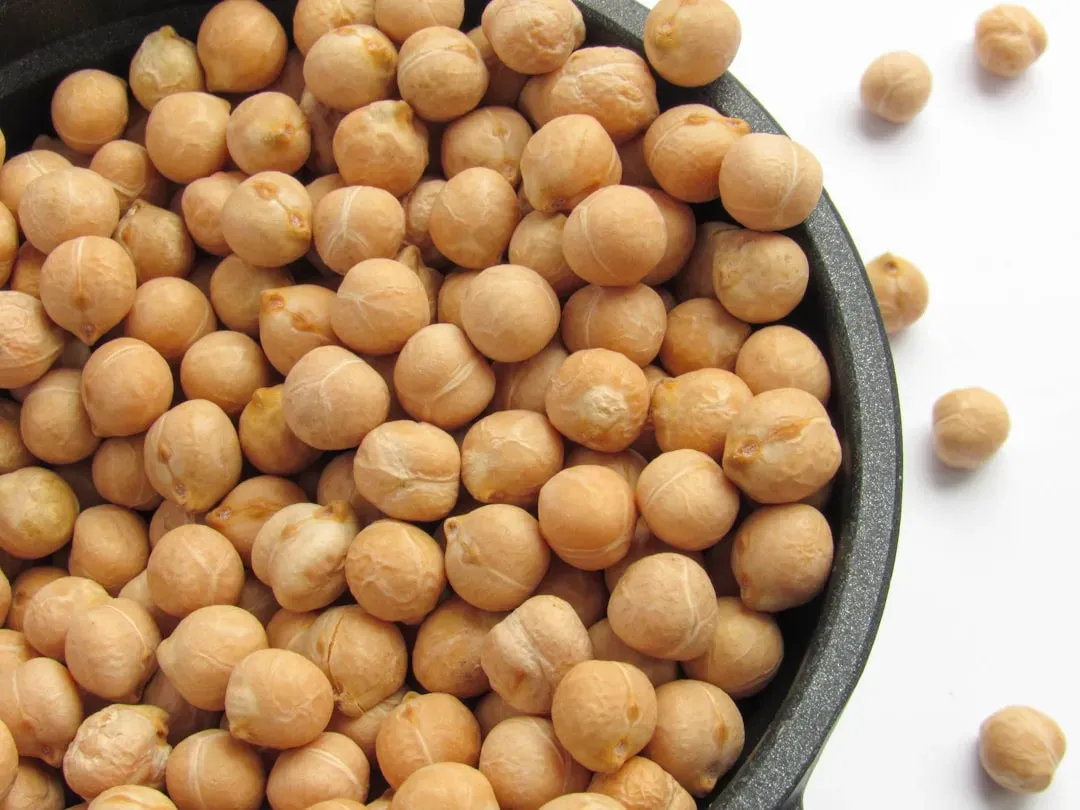
Eating about one serving a day of beans, peas, chickpeas, or lentils can increase fullness, and a systematic review and meta-analysis of clinical trials found that people felt roughly a third fuller after eating an average of 160 grams of pulses compared with a control diet. That is a remarkable result from something as humble as a bowl of lentil soup. Beans and their legume cousins entered the nutritional spotlight when the 2025 US Dietary Advisory Committee released scientific guidance recommending that the protein section of the government’s food guide start with beans, peas, and lentils.
A large study found that U.S. adults who include legumes in their diets have significantly less 10-year weight gain than their counterparts and also show lower BMIs and leaner waists, suggesting legumes have dietary attributes associated with successful weight control. Legumes have nutritional attributes thought to benefit weight control, including slowly digestible carbohydrates, high fiber and protein contents, and moderate energy density. In other words, they are filling but not fattening.
4. Greek Yogurt: Thick, Creamy, and Seriously Underrated
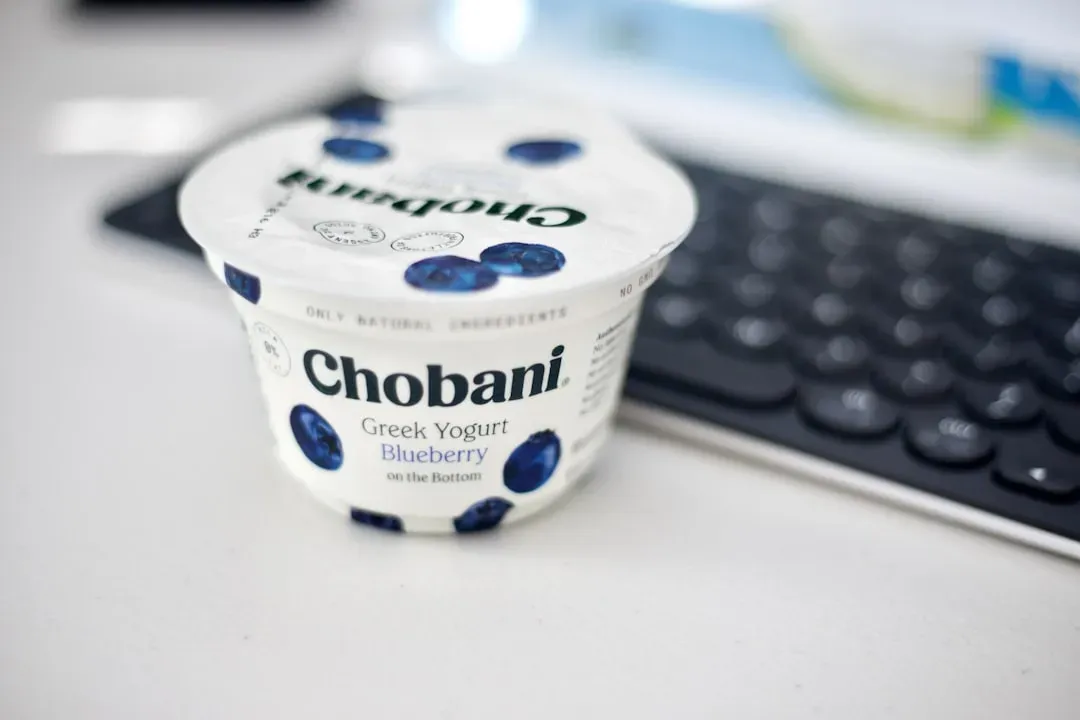
Greek yogurt is a great source of protein and probiotics, and its high protein content promotes satiety and aids in muscle maintenance and growth. It is thicker and creamier than regular yogurt, which also matters because texture plays a real role in how satisfied you feel after eating. Think of the difference between eating an apple versus drinking apple juice: same calories, very different fullness response.
In a 2021 study, participants consumed various dairy products before eating pizza, and those who consumed Greek yogurt ate the least amount of pizza. That’s a simple but telling result. To keep the calorie count low, opt for the plain, non-fat or low-fat versions, and add your own fresh fruit or a drizzle of honey for sweetness. Studies show that regular consumption of Greek yogurt is linked to greater reductions in belly fat compared to non-dairy snackers.
5. Leafy Greens: The Volume-Eating Strategy That Actually Works

Leafy greens, including spinach, kale, arugula, and lettuce, are packed with fiber and water content, which helps to fill up your stomach without adding extra calories, and they are also rich in vitamins, minerals, and antioxidants that are essential for good health. Here’s the thing about leafy greens: volume is their superpower. You can eat a genuinely enormous bowl of spinach and still barely make a dent in your daily calorie allowance.
For the same calories as a small order of fries, you could eat 10 cups of spinach, 1 and a half cups of strawberries, and a small apple. That comparison never gets old, and it perfectly captures the concept of energy density. High-satiety vegetables like leafy greens, cauliflower, and green beans can help you feel full while eating fewer calories. Pair them with a protein source and you’ve basically built a meal that works for you, not against you.
6. Boiled or Baked Potatoes: The Most Underestimated Food on the Planet
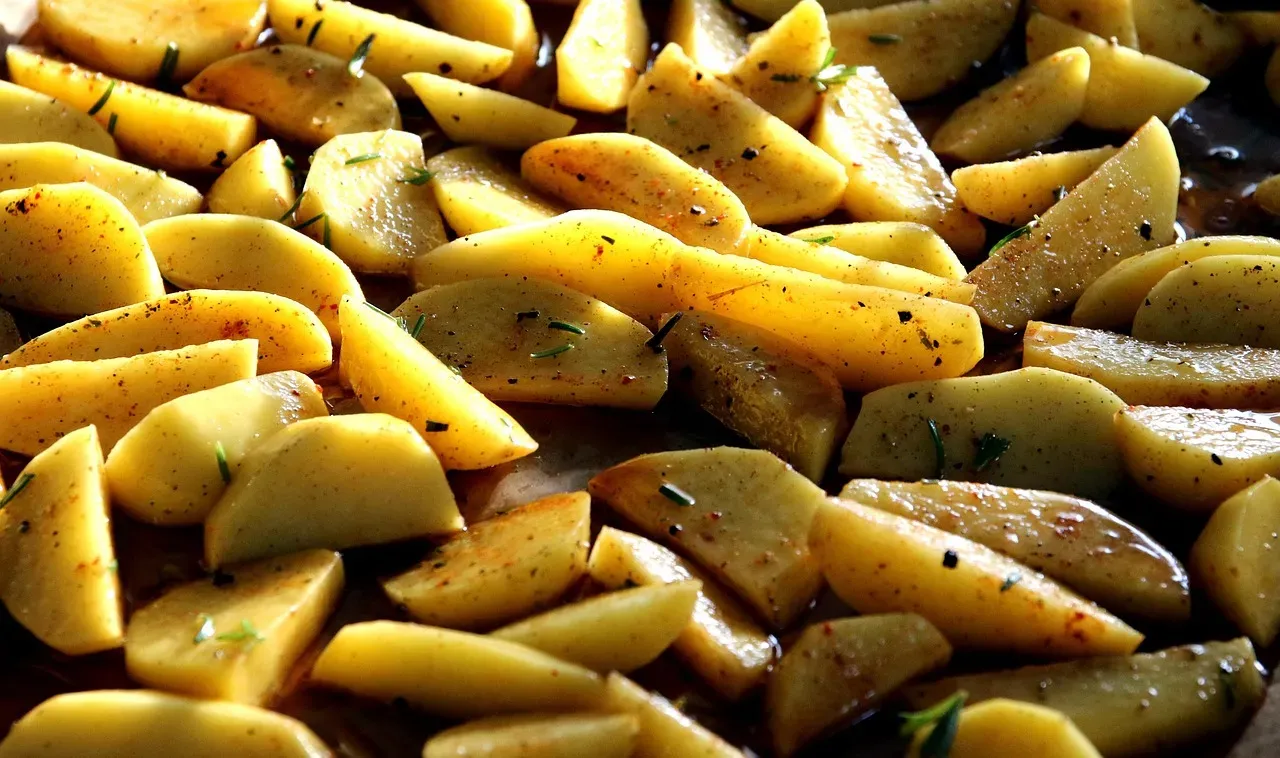
Potatoes have been unfairly maligned for decades. People hear “potato” and think “fattening,” but the research tells a completely different story. Rich in water and with 4 grams of fiber and 4 grams of protein per medium baked potato with skin, potatoes beat 37 other foods to score highest on the satiety index scale. That’s not a small distinction. That’s the top of the entire list.
In the original satiety index study conducted at the University of Sydney, boiled or baked potatoes had the highest score of 323. In one study, participants who consumed 45 grams of potatoes reported feeling more satisfied and less hungry compared to those who ate the same amount of rice or pasta. The preparation method matters enormously here: baked or boiled is the way to go. The moment you fry them, the satiety advantage largely disappears.
7. Nuts: High Calories, Yet Surprisingly Weight-Neutral
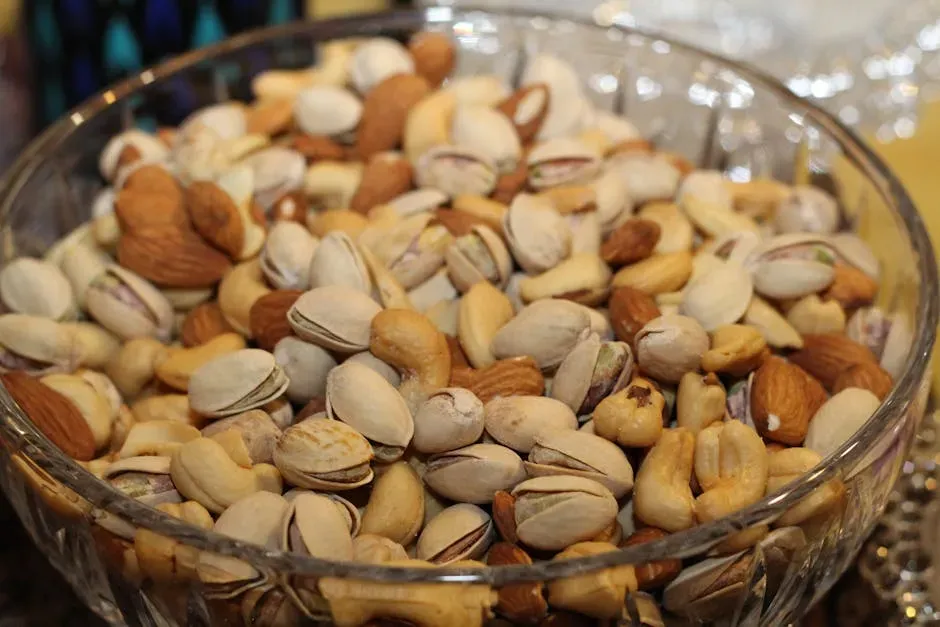
I know it sounds counterintuitive, but hear me out. Nuts are calorie-dense, yes. Still, research consistently shows they don’t cause weight gain the way other calorie-dense foods do. The American Journal of Clinical Nutrition found that eating nuts did not increase body weight or fat when included in a diet, and eating nuts as a snack may help to satiate hunger between meals without leading to weight gain.
A 2021 study in the journal Nutrients found that participants felt more full after eating one and a half ounces of mixed nuts than after snacking on the same amount of pretzels, and the nut-eaters also displayed lower heart rates, a sign of a possible heart health boost, though both groups were on a controlled-calorie diet and lost the same amount of weight. Nuts provide the perfect balance of fiber, protein, and heart-healthy fats, though remember that nuts are also quite calorie-dense, so limiting intake to about one ounce at a time is wise to keep calories from stacking up.
8. Whole Grains: The Long-Game Approach to Staying Full

Whole grains can be enjoyed in many forms, from breakfast porridges to hearty dinner bowls, and by choosing whole grains over refined ones, you get more fiber and nutrients, which contributes to satiety without the extra calories. The difference between a slice of white bread and a bowl of brown rice or quinoa is not just about nutrition on paper. It plays out in real, measurable fullness that lasts hours longer.
Protein is the macronutrient most likely to leave you feeling more sated, but fiber-rich carbohydrates including whole grains, beans, lentils, oatmeal, and certain vegetables are a close second, while refined carbohydrates are digested very quickly and leave you only temporarily satisfied. Spontaneous calorie intake tends to be lower when a meal is high in fiber compared to a similar meal low in fiber, and this short-term effect translates to less weight gain or even weight loss over time when people eat high-fiber diets. Swapping refined grains for whole grains is one of the simplest, most evidence-backed swaps you can make today.
The Bigger Picture: Satiety Is the Strategy
Eating foods that deliver more satiety per calorie can help you feel satisfied with fewer calories overall, and science suggests that protein, energy density, fiber content, and hedonic factors play the biggest roles in satiety. The eight foods covered here don’t just reduce hunger by chance. They each work through well-documented biological mechanisms, from slowing digestion to regulating hunger hormones like ghrelin and GLP-1.
Chronic overeating is often linked not to a lack of willpower but to meals that don’t keep us satisfied, and foods high in refined carbohydrates or added sugars may give a quick energy boost but cause blood sugar spikes and crashes that leave you hungry again shortly after, while choosing foods that provide steady energy and promote satiety helps you naturally manage your appetite and support weight management goals without feeling deprived. The real shift here is moving away from portion control as willpower and toward food selection as strategy. These eight foods make that shift not just possible, but genuinely enjoyable.
Which of these foods surprised you the most? Drop your thoughts in the comments below.