
There’s a moment most diners know well. The plate lands in front of you, and something feels off. The steak looks too pink, the soup seems lukewarm, or the dish just doesn’t match what you pictured in your head. Your hand almost reaches for the server. But here’s the thing: not every food is worth the drama of a return trip to the kitchen.
Servers and restaurant insiders have been quietly holding onto a list of dishes that cause more trouble than they’re worth when sent back. Some of it is about kitchen dynamics, some about food science, and some is just plain etiquette. Ready to find out which dishes belong on that list? Let’s dive in.
Table of Contents
1. The Well-Done Steak
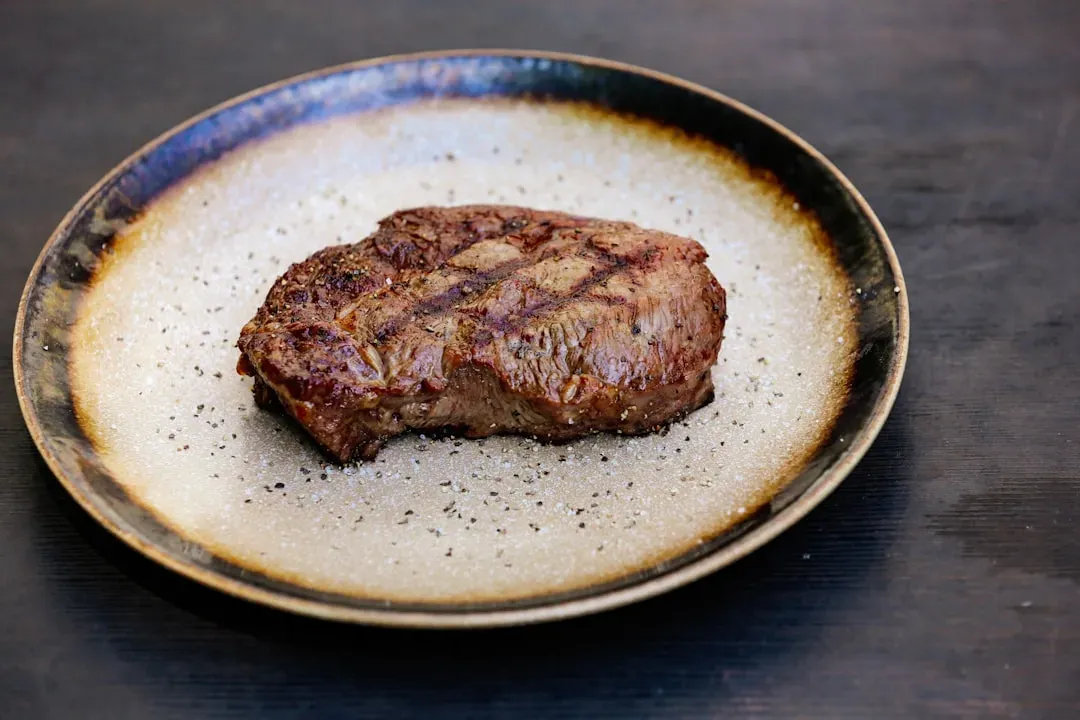
Ordering a well-done steak is already a point of tension in most kitchens. Sending it back because it’s dry or chewy? That’s practically guaranteed to make the kitchen staff roll their eyes. There is no topic more hotly debated in the restaurant industry than how you should take your steak. Honestly, the cooking method you’re requesting is the very thing causing the problem.
In many kitchens, there’s a time-honored practice called “save for well-done.” When a cook finds a particularly unlovely piece of steak, tough, riddled with nerve and connective tissue, maybe a little stinky from age, the chef is sometimes left with a choice of throwing it out or using it for the well-done order, since overcooking masks imperfections. So what comes back after sending it back may not be much better.
2. Soup That Cooled Down While You Chatted
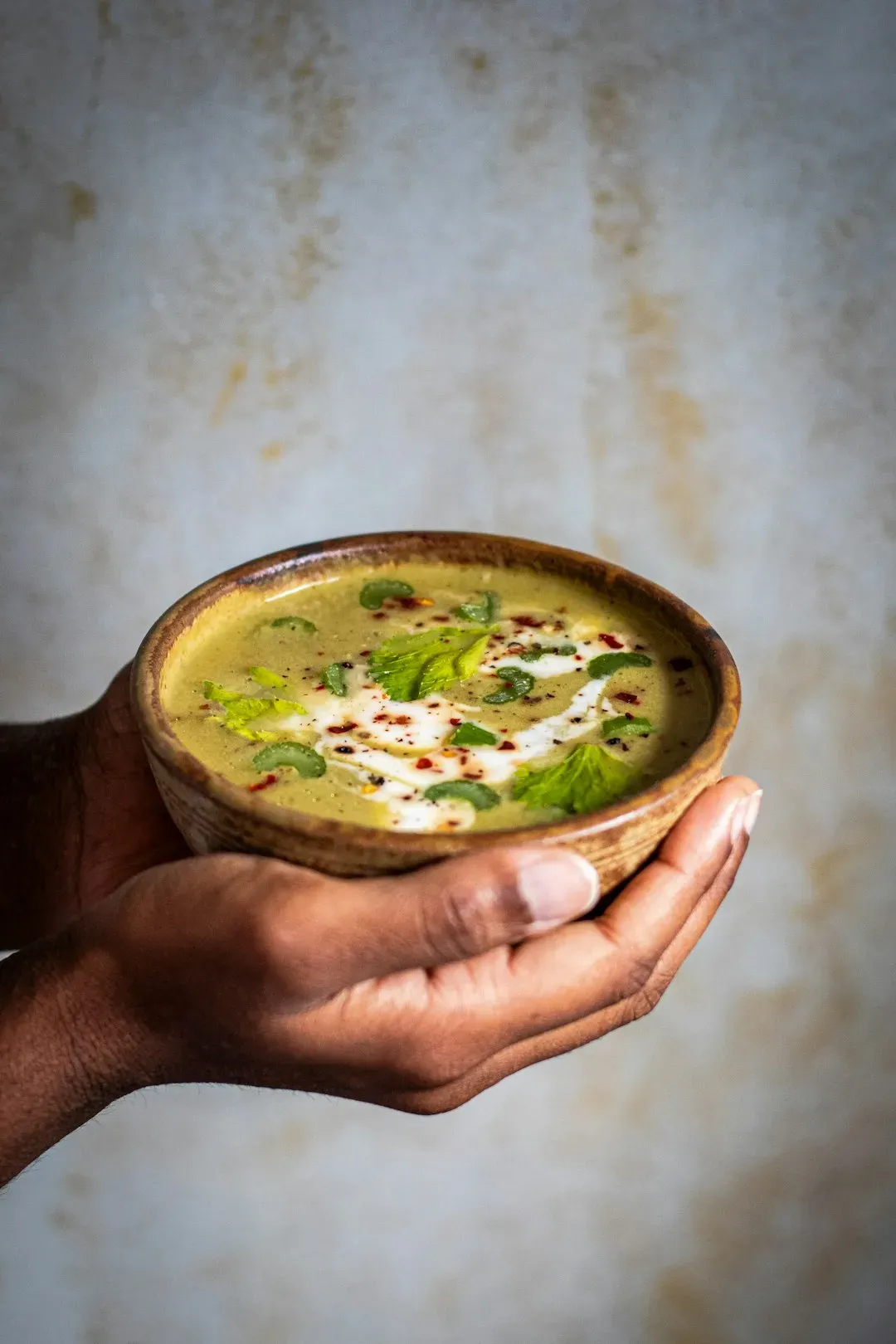
We’ve all done it. The soup arrives perfectly hot, you get lost in conversation, and twenty minutes later you’re staring at lukewarm broth and considering sending it back. Restaurant etiquette experts advise against sending back a dish saying it is cold after it was sent out a while ago, noting that it should not be at the fault of the kitchen if the guest is engaged in conversation and waits before eating. That’s a hard position to argue with.
Some servers have noted that soups like clam chowder can sit in warming machines all day because nobody orders them, which is already a problem without the complication of a returned bowl. Sending it back doesn’t reset the clock on how long that soup has been sitting. You’ll simply get the same soup, reheated, which rarely improves things.
3. A Dish You Simply Don’t Like
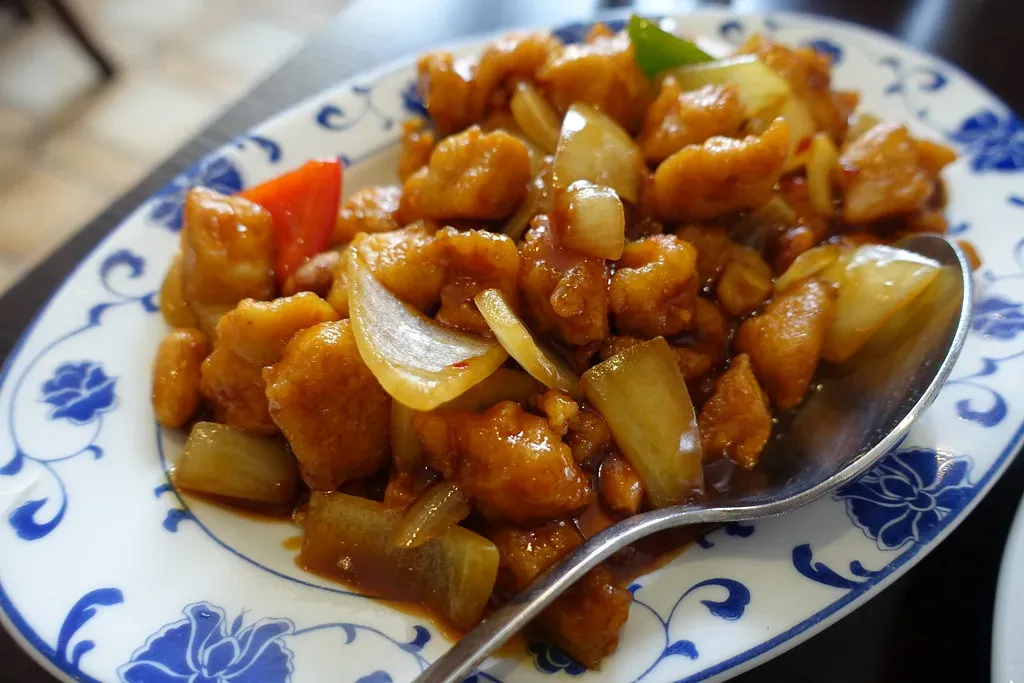
Here’s a boundary that servers genuinely care about. There’s a big difference between a dish prepared incorrectly and a dish you just don’t enjoy. Veteran server and author Darron Cardosa, who has spent more than three decades in the industry, says it’s fine to send back food if it’s improperly cooked or the wrong dish entirely, but he draws the line at sending it back just because you don’t like it. The menu described it. You ordered it. That one’s on you.
Simply not liking the food or dish you ordered is not considered an acceptable reason to send it back. As one restaurant expert put it, just because a guest didn’t like something or it’s not to their personal preference does not mean the restaurant should eat the cost of that dish. Not only is that disrespectful, it adds to food waste. Think of it like this: you wouldn’t return a movie ticket because the film wasn’t your genre. The description was right there.
4. Coffee
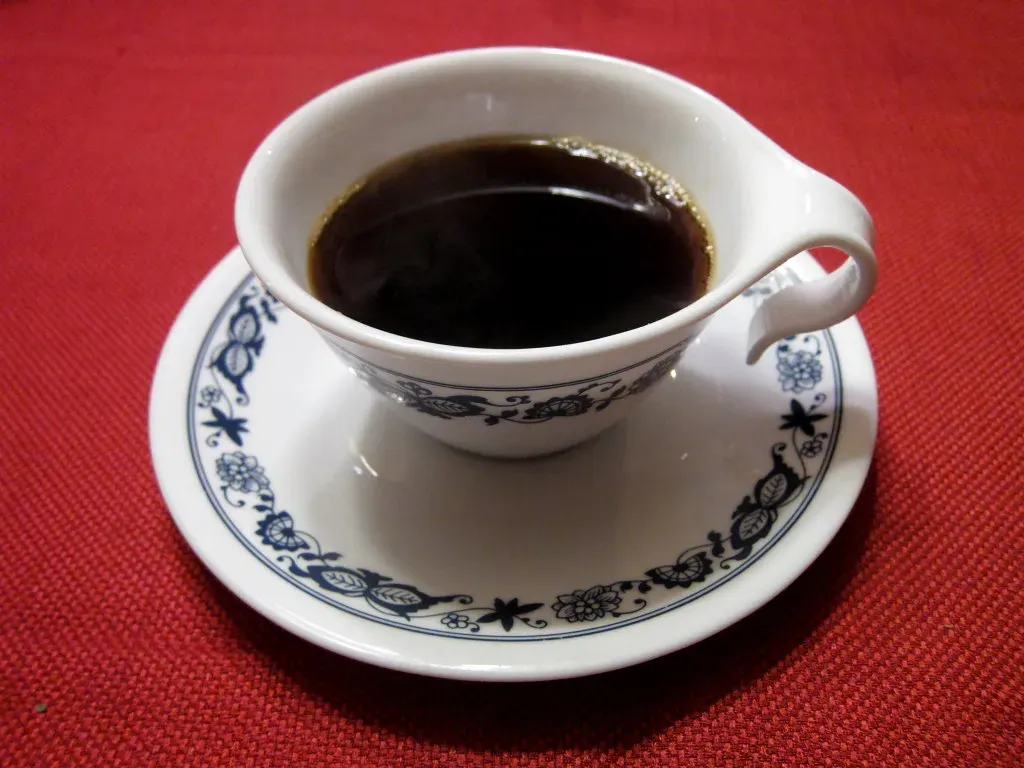
Complaining that your coffee is cold is one of those restaurant behaviors that genuinely baffles servers. Another common complaint lamented by servers is the practice of returning coffee that’s “too cold” even though it came right off the pot. One server flatly admitted that if you send it back, they’ll top off your pot and bring it straight back, insisting they only serve hot and fresh coffee. In short, don’t insult a restaurant by claiming they’re serving you old coffee.
There’s another wrinkle here: in most restaurants, after 8 p.m. or so, all the coffee is decaf because no one wants to clean two different coffeepots, meaning the server might bring out a tray with multiple coffees, some to customers who ordered regular and some to those who ordered decaf, but they’re all actually decaf. Sending back coffee rarely results in a meaningfully different cup. You’re really just making everyone’s night longer.
5. Bread Basket Items
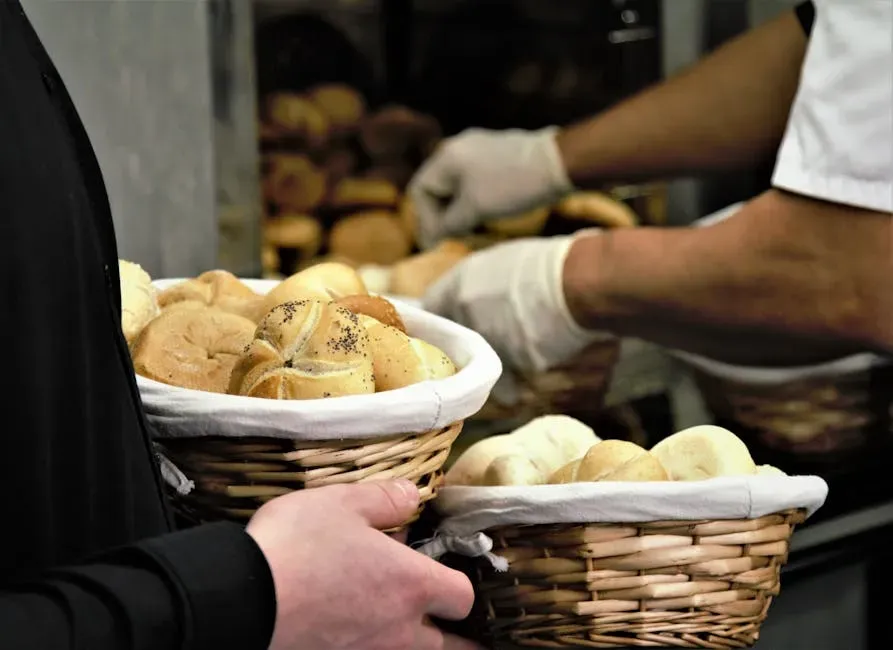
The bread basket is a beloved table staple, but it’s also one of the more misunderstood items in a restaurant. Let’s be real: complaining that the bread is “not warm enough” or “too crusty” puts the server in an awkward position that benefits no one. Many industry insiders point out that restaurants don’t always throw away bread that’s been touched, poked, and prodded by diners, and that bread left in baskets can be taken out and recirculated among other guests.
Sending back a bread basket because of personal preference is one of the most low-stakes yet oddly common complaints servers deal with. Think of the bread as a complimentary gesture rather than a course that needs to meet exact specifications. As diners, having some compassion for restaurant owners and servers and being communicative goes a long way. Experts say we simply shouldn’t send a dish back for a bad reason, and not liking something is generally not an acceptable one.
6. Hollandaise Sauce
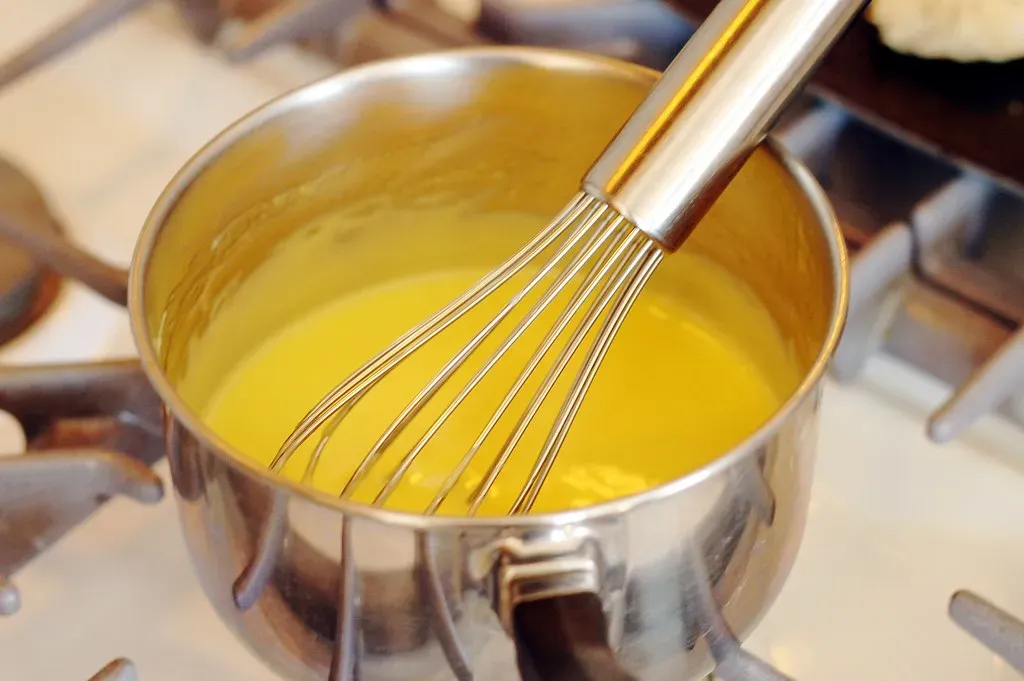
Sending back eggs Benedict because the hollandaise tastes “off” sounds reasonable at first. The reality, though, is far less appetizing once you understand what happens in the kitchen. Hollandaise is one of the unhealthiest menu items at some restaurants, not only due to the excess calories it can add to a meal, but also because it comes with a certain health risk. If hollandaise is left at the incorrect temperature, the raw egg yolks contained within can go bad, potentially resulting in a bad case of salmonella-related food poisoning.
Industry experts have noted that hollandaise sauce can be a breeding ground for bacteria, with egg yolks and butter whipped up at room temperature and most likely left out on the counter. If it already seems questionable, getting a new round won’t guarantee a fresh batch was made. It’s far more likely the same prepared sauce gets reused. This is one dish where your concern might actually be justified, but the fix probably isn’t coming from the kitchen.
7. The Restaurant Salad
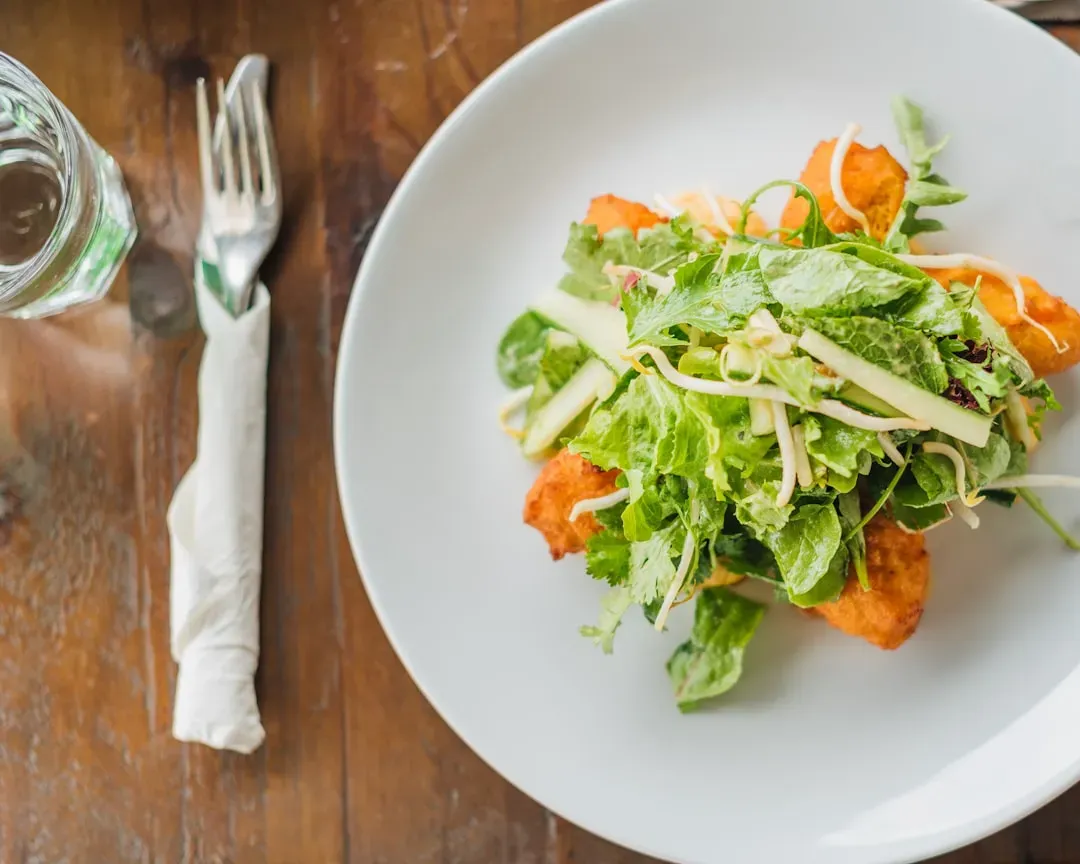
Salads look innocent enough, but they’re one of the trickiest items to send back at a restaurant. The reason is simple: preparation happens mostly by hand, and what happens in prep is rarely visible to diners. Some servers have admitted they never eat the salads at their own restaurant because the person making them hand-tosses without gloves, and they’ve seen things like finger-licking and other unsanitary behavior during prep.
Sending a salad back for being “underdressed” or “too leafy” feels trivial compared to what may actually be happening in the kitchen. When a dish is returned for minor fixes, it may simply be reassembled, have a component replaced, or receive a quick correction rather than being fully remade from scratch. That means the salad that returns to your table is likely very close to the one that just left it. It’s hard to say for sure, but that’s the reality most of the time.
8. Mashed Potatoes
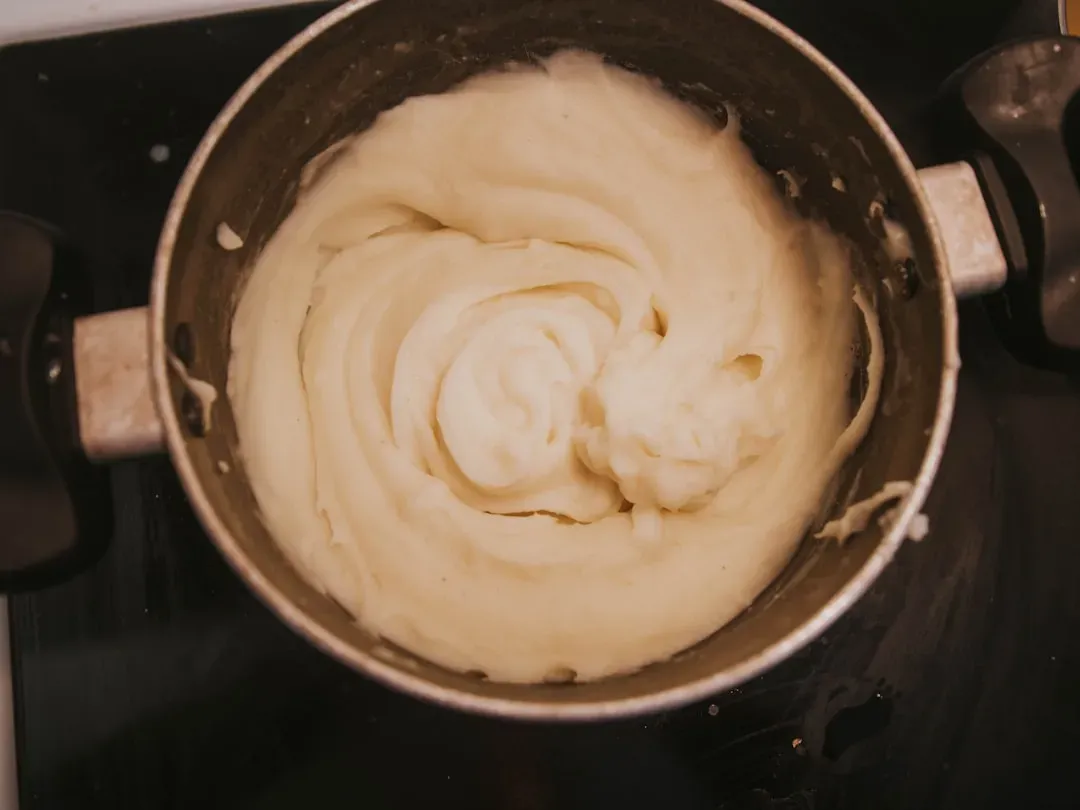
Mashed potatoes are comfort food royalty, but they’re also one of the most misunderstood dishes to send back. Restaurants make their mashed potatoes taste incredible for a reason that may surprise you. There’s a reason restaurant mashed potatoes are so good: all the butter. Some servers have noted that their restaurant uses what amounts to a near equal ratio of potatoes to butter, meaning each serving is like eating an entire stick of butter. They’re delicious, but after seeing how they are made, some servers can’t eat them anymore.
Sending back mashed potatoes for being “too rich” or “too buttery” is essentially complaining about the secret that makes them great. Wondering why your home-cooked meal has a hard time rivaling the restaurant’s version? It’s probably because their chefs use way more salt and butter than you do at home. These ingredients might not be healthy, but they’re definitely flavor enhancers. So if the richness surprises you, just know that’s a feature, not a flaw.
Final Thoughts
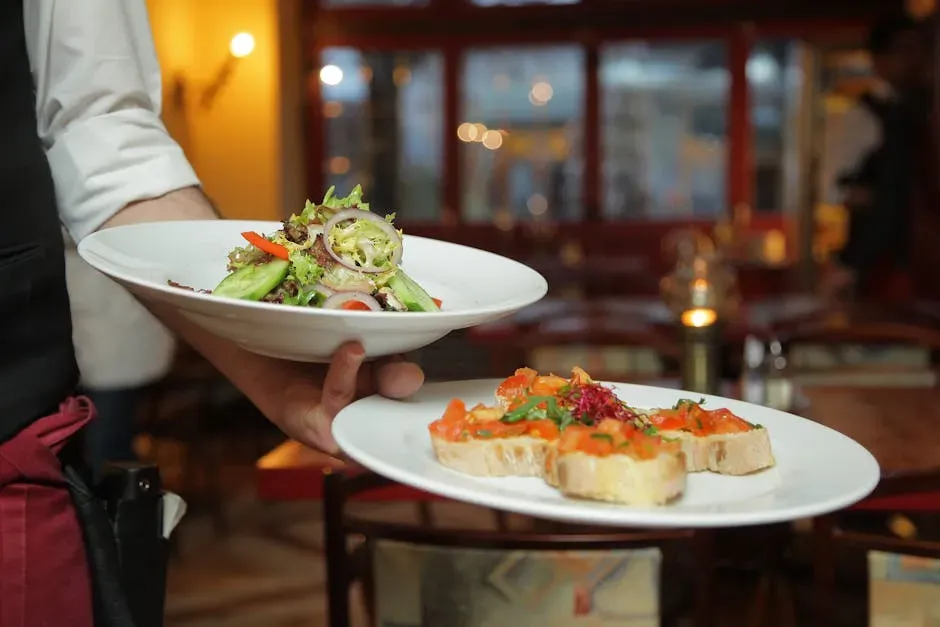
The decision to send food back should never be taken lightly or used casually. Returning food is not rude when done politely and for legitimate reasons: restaurants expect and prepare for it. The key word there is legitimate. A wrong order, a genuine food safety concern, or a meal that’s clearly undercooked are all valid reasons.
According to a YouGov survey, roughly 85 out of 100 adults in the U.S. said they would send back food if they were given the wrong meal. That makes sense. Most people have good instincts here. But the line between a real problem and a personal preference is sometimes thinner than we think, and crossing it can make the whole dining experience worse for everyone at the table.
Next time that impulse hits, pause for a second. Ask yourself: is this a kitchen error, or is it just not what I imagined? The answer might save you from an awkward exchange, a longer wait, and a plate that comes back barely changed. What would you have done differently knowing all of this?