
There was a time when the words “food destination” carried real weight. They promised something special. A city or region where the food told a story, where you could sit down at a simple table and eat something you’d remember for years. Honestly, some of those places still deliver. Others, not so much.
Even though culinary tourism has a substantial positive impact on local economies, it can also jeopardize the sustainability of the local food ecosystem, with the presence of food-loving travelers pushing some communities towards losing their cultural identity as the local economy slowly transitions to support the needs and demands of tourists. The decline isn’t always dramatic. It rarely announces itself. It creeps in slowly, through rising costs, lazy shortcuts, and menus designed for tourist wallets rather than genuine taste. Let’s dive in.
1. Paris, France – The City of Light Is Dimming at the Dinner Table
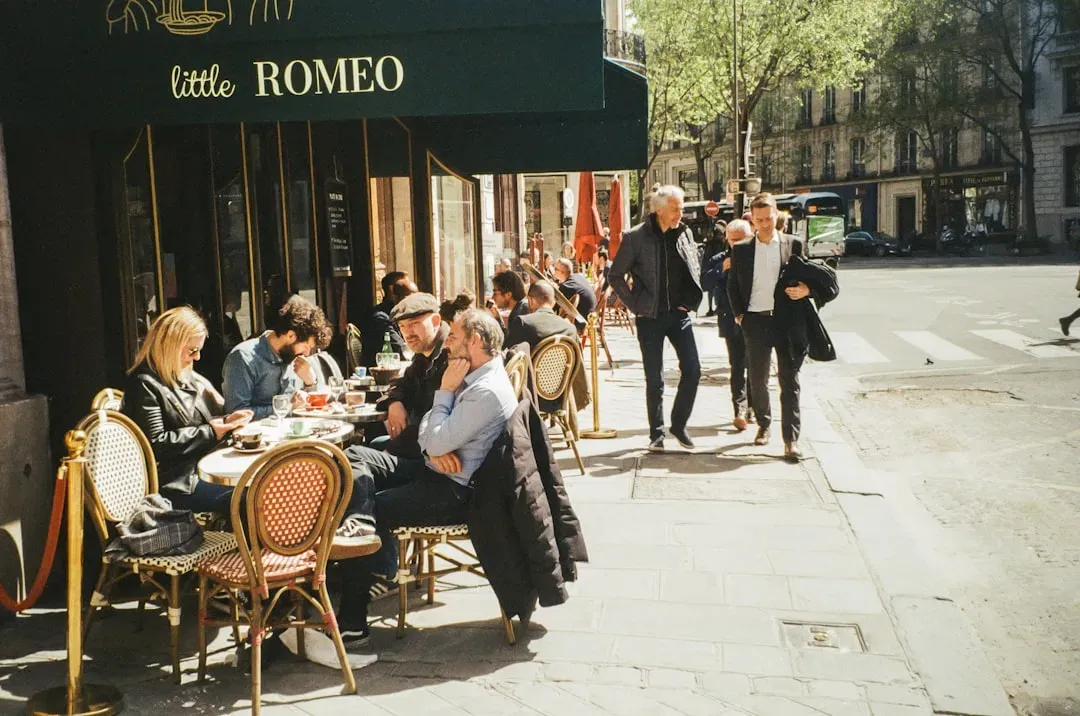
Paris is still Paris. The Eiffel Tower still glitters, and the croissants in the right boulangerie are still remarkable. Yet something has quietly shifted in the dining room, and food lovers who have been visiting for years are starting to notice it more and more.
Like every capital city, Paris is home to a fair share of touristy, underwhelming, and overpriced eateries. Dining in Paris is disappointing a good deal of the time, particularly in heavily-visited arrondissements such as the 1st, 5th, 7th, and 18th. The problem compounds when you realize just how many people are funneled through those very neighborhoods every single day.
Local staples like butchers, bakeries, and grocers are vanishing, replaced by ice-cream stalls, bubble-tea vendors, and souvenir T-shirt stands. That is not a small cultural footnote. That is the slow erasure of the very food ecosystem that made Paris worth visiting in the first place.
The cheese course, once a proud fixture of French dining, is now enjoyed regularly by only about a third of the population. Sales of artisanal cheeses with protected designation of origin have declined by nearly nine percent since 2021. Think about what that means. The French themselves are drifting away from their own culinary heritage, which tells you a lot about the pressure the entire system is under right now.
2. Las Vegas, Nevada – Overpriced and Overcalculated
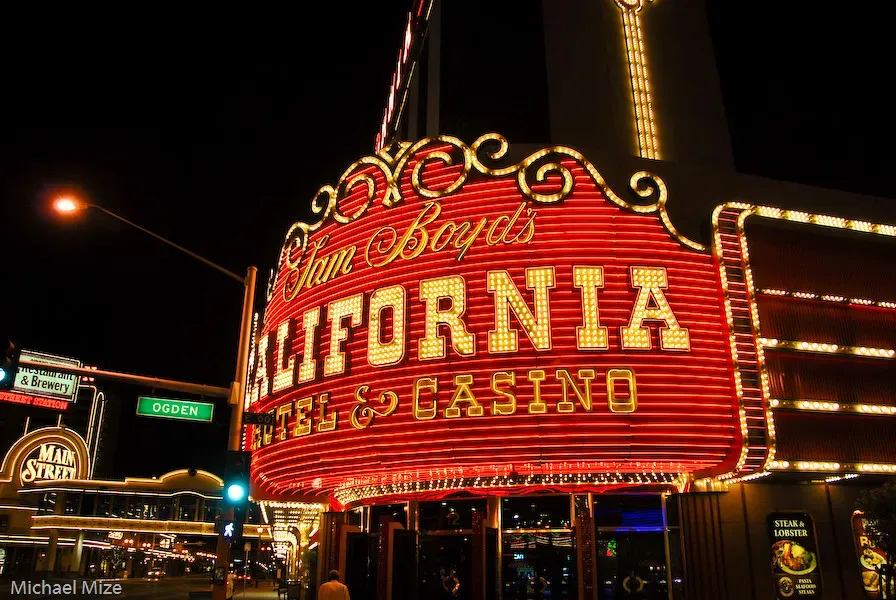
Las Vegas built its reputation on a kind of unspoken deal. You come, you gamble, you lose some money, but you eat surprisingly well and sleep in a decent room. It was a compact that worked for decades. Somewhere along the way, the city broke that contract with its own visitors.
One visitor’s commentary captures the frustration: it was always a given that you’d lose money gambling, but for that, you’d eat pretty well, have a clean room, and access to a pool. Now, food has become a five-star “experience,” there’s a resort fee, there’s a charge to get into the pool, and every table limit is high. That perfectly sums up the resentment building among regular visitors.
Las Vegas welcomed approximately 38.5 million visitors in 2025, marking a noticeable decline and the lowest annual figure since the city’s resurgence after the pandemic. This represented a drop of about seven and a half percent from 2024, driven largely by weaker leisure travel and a reduction in international visitors.
After a meteoric post-pandemic rebound that peaked in 2023, Las Vegas entered a plateau in 2024. Room prices climbed faster than inflation, resort fees expanded, and high-profile events like Formula 1 briefly strained capacity. The food scene, once a genuine selling point, has increasingly become a profit center first and a dining experience second.
3. Venice, Italy – Souvenir Shops Where Trattorias Used to Be
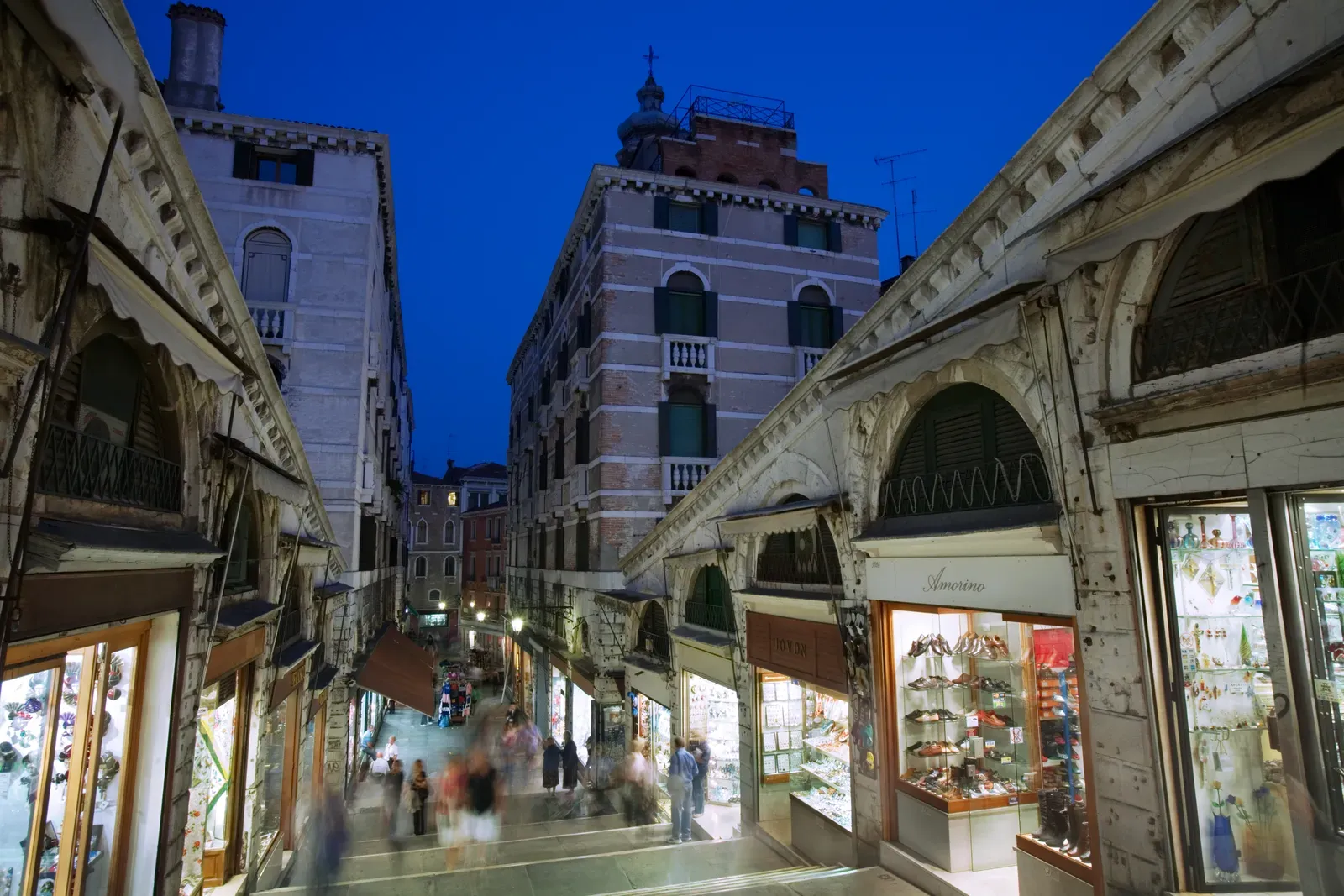
Venice is, without question, one of the most visually stunning places on earth. It is also one of the most extreme examples of what happens when tourism swallows a city whole and never lets it breathe again. The food situation there is a direct reflection of that deeper crisis.
The local landscape is undergoing a transformation, with tourist souvenir shops gradually replacing traditional stores. Housing costs are escalating as tourists and locals compete for accommodation, and the consequences of overtourism have been profound, from environmental degradation to cultural erosion. When locals leave, authentic food leaves with them.
Venice continues to struggle under the weight of its global fame. The city welcomed more than 3.5 million overnight tourists last year and introduced a five euro entry fee for day-trippers, the first of its kind in the world. Charging people just to enter is a remarkable moment, but it does not solve the problem of what they eat once they’re inside.
Restaurants have started prioritizing the preferences of the tourist palette at the expense of authentic local recipes and flavors. Many culinary destinations also face price inflation of commodities and foods which were once very affordable for locals. Venice is a tragic case study in what that looks like at its most extreme end.
4. Barcelona, Spain – La Boqueria and Beyond the Breaking Point
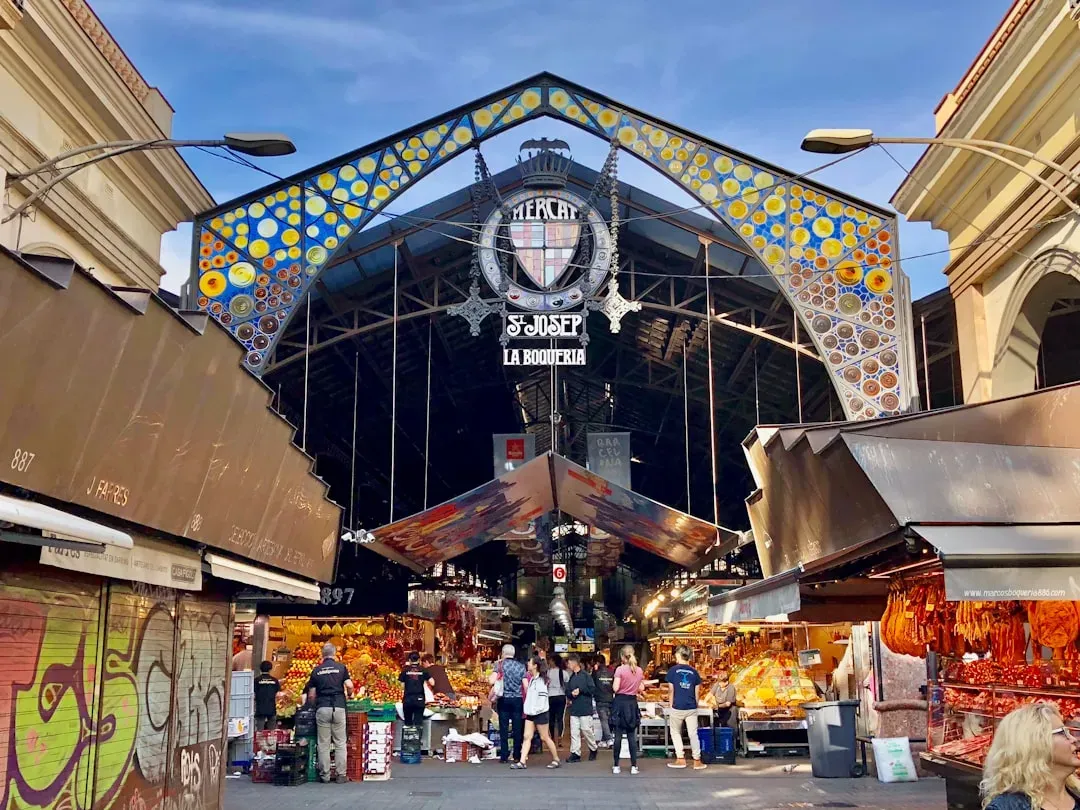
Barcelona was, for a long time, a dream food city. Incredible tapas, fresh seafood, a market culture that felt alive and real. La Boqueria, its famous central market, was the kind of place you could spend an entire morning in and leave both full and completely in awe. That version of Barcelona is harder to find now.
The city hosted over 82 million international visitors in 2024, and the strain is showing. Markets like La Boqueria now see over 23 million visitors annually, overwhelming infrastructure. When a food market receives roughly the same number of people as the entire population of Australia every year, it stops being a market for food and becomes a performance of one.
Barcelona’s residents have taken a stand against mass tourism’s toll on daily life. Demonstrations in 2025 saw locals turn to creative protests to vent frustration over overcrowded streets and unaffordable housing. This is not just civic discontent. It is the sound of a city’s soul fighting back.
The presence of food-loving travelers can push communities towards losing their cultural identity as the local economy slowly transitions to support the needs and demands of tourists. In Barcelona, that transition is no longer slow. It is happening fast, and local food culture is one of the biggest casualties.
5. The American Independent Restaurant Scene – A Quiet, Nationwide Crisis

Here’s the thing about this one. It is not one city or one destination. It is a systemic collapse happening across hundreds of communities simultaneously, and most people eating out have no idea it’s occurring beneath the surface of their dining experience.
The total number of independent restaurants across the United States declined by two and a half percent during 2025, equating to a net loss of more than 9,500 locations. Independent restaurants finished the year with just over 412,000 locations, down from 422,000 in 2024. Full-service independent restaurants were hit hardest, contracting at a faster rate than limited-service spots.
Average food costs are now more than thirty-five percent above pre-pandemic levels, according to the U.S. Bureau of Labor Statistics. Amid this, nearly half of operators said their businesses weren’t profitable in 2025, and sixty percent said business conditions have deteriorated. Think about that. Nearly two thirds of independent restaurant operators say things are getting worse. That is not a blip. That is a structural unraveling.
The James Beard Foundation Institute in collaboration with Deloitte found that rising costs remain the top issue reported by chefs, making margin management increasingly reactive. Chefs describe operating in a state of near-constant adjustment to protect quality and experience while absorbing unplanned cost increases. When a chef is constantly focused on survival, the food on the plate quietly suffers for it.
6. Casual Dining Chains Across the U.S. – Familiar Names, Forgettable Food
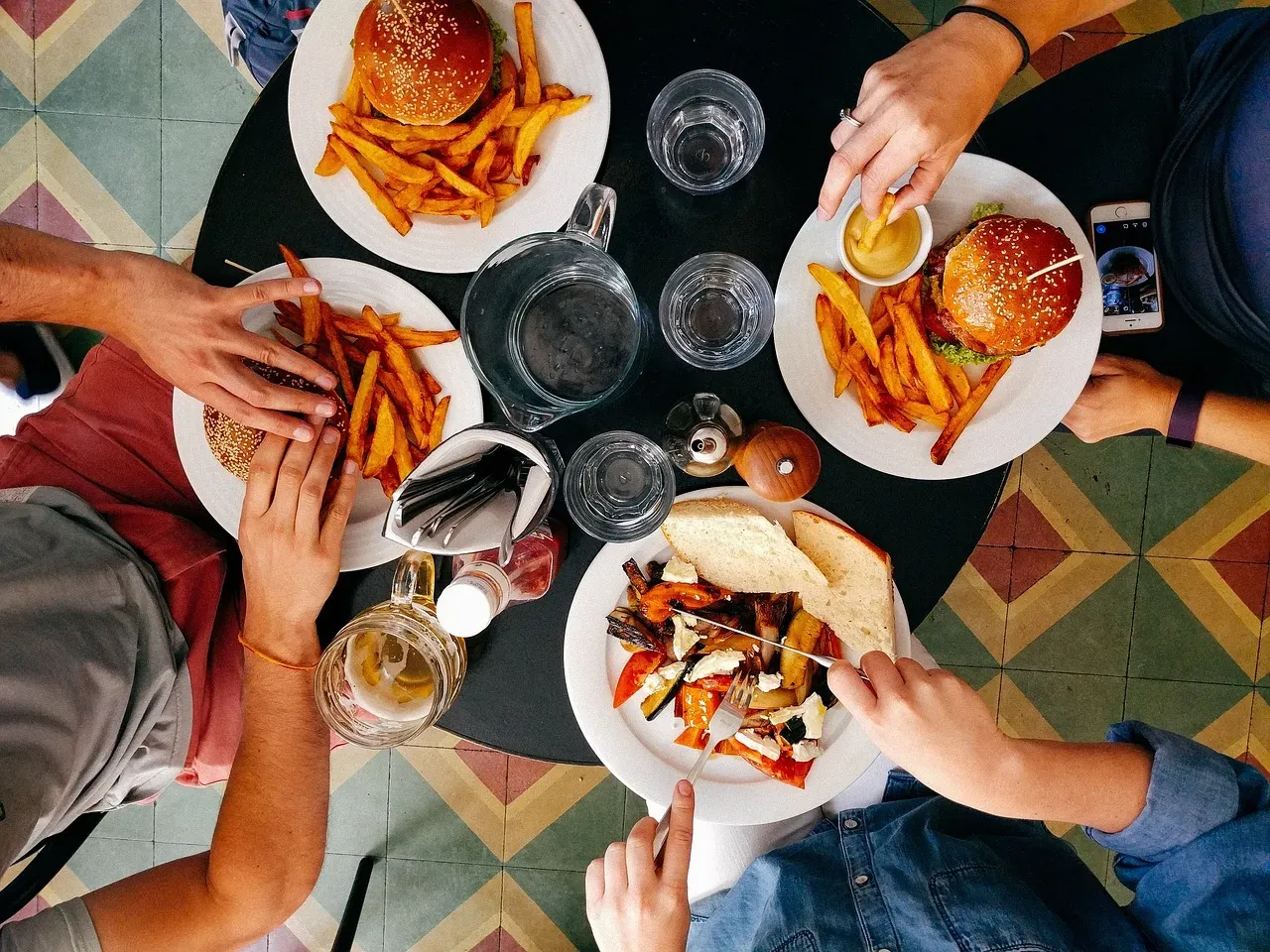
Let’s be real. Casual dining chains were never going to win Michelin stars. Nobody expected them to. The deal was consistency, value, and a reliably decent meal for a fair price. That deal is fraying. Fast.
Subway once dominated the fast-casual sandwich market, but its recent performances show a chain increasingly out of step with diner expectations. Over the past two years, customer reviews have repeatedly criticized its rising prices and declining food quality, with many claiming the brand’s sandwiches no longer justify their cost.
Panera Bread has been accused of regularly serving old, frozen, and reheated food to customers. Paired with rising prices, these issues amplify frustration. Panera maintains a loyal following thanks to its cozy atmosphere, but for many diners, that is no longer enough, and with higher-than-ever menu costs and declining satisfaction, customers are increasingly choosing more affordable alternatives.
Across the country, Americans have noticed decreasing food quality at countless restaurants. Market power in the food production industry is being concentrated among fewer and fewer distributors, with Sysco developing an outsized share of the market since forming in 1969 when nine regional food distributors merged. The consolidation of food distribution is a largely invisible force quietly lowering the ceiling on what restaurants can serve.
7. Bali, Indonesia – Paradise on Paper, Overhyped at the Table

Bali has been sold to the world as a magical food destination for years. Instagram made it iconic. Influencers turned it into a visual feast of colorful rice bowls and exotic fruits. The reality that greets many visitors today is something noticeably more chaotic and commercialized than the dream.
In Asia, Bali stands as a striking example of social media-driven disappointment. Las Vegas, Barcelona, Dubai, Venice, and Bali are now witnessing the downsides of overtourism as local backlash, overcrowding, and visitor fatigue reshape global travel trends. When a destination is designed around the photograph rather than the experience, food quality is usually the first thing to get cut.
Even though culinary tourism has a substantial positive impact on the local economy, it can also jeopardize the sustainability of the local food ecosystem and supply chain. Overtourism often leads to difficulties for communities that were already suffering from a lack of natural resources. For Bali, that tension is now visible in every tourist-zone restaurant charging three times the local rate for a dish prepared from mass-bought, imported ingredients.
It is hard to say for sure whether this damage is reversible, but the trend lines are not encouraging. The further a destination drifts from its authentic food culture, the harder it becomes to find your way back. Bali’s most beloved warungs, the tiny family-run spots serving genuinely local food, are being slowly pushed out by the sheer economic weight of mass tourism infrastructure.
8. The U.S. Food Distribution System – The Hidden Force Behind Declining Flavor Everywhere

This one is less a single destination and more an invisible structural problem sitting underneath every meal in America right now. It deserves its own chapter because it explains so much of why food across so many places feels like it used to taste better. Because, in many cases, it actually did.
Large distributors are flooding restaurants with ultra-processed food. The irony is that you could be dining in a small town in Iowa surrounded by some of the world’s best farmland, and yet nothing on the menu is coming from around you. That is a surreal and genuinely troubling image. Local abundance, invisible on the plate.
Restaurant owners often have few options for redress when having issues with major distributors, such as late deliveries, crushed eggs, and swapping ingredients without informing restaurants. As the industry continues to consolidate, these issues will likely be exacerbated. This is not conspiracy. It is documented, structural, and growing.
In late 2025, margins are getting squeezed from every direction, including ingredients, wages, and tariffs, and restaurants are feeling the burn. The restaurants that resist this trend and insist on local, honest sourcing are remarkable precisely because they are now the exception rather than the rule. Every restaurant that sources locally, every market that keeps its authentic vendors, every city that protects its food culture from commercial dilution, is doing something genuinely valuable. Something worth supporting with your money, your feet, and your appetite. Will the places you love most still be recognizable in five years? That is a question worth asking now, before the answer becomes obvious.