
There is something almost rebellious about pulling out a recipe card that your grandmother wrote in pencil decades ago, dusting it off, and putting it on the table in 2026 like it belongs there. Because honestly? It does. Food trends these days seem to race forward at dizzying speed, chasing novelty at every corner. Yet right now, something unexpectedly warm is happening in kitchens across America and beyond.
From bubbling casseroles to layered trifles, retro creations from the 1950s through the 1990s are staging a comeback fueled by nostalgia and a desire for comfort amid today’s uncertainties. While rising economic pressures and cultural shifts contribute to unease and instability, many Americans are turning to the familiar dishes of their childhoods, rooted in traditions that offer more than a meal, evoking memories of family gatherings, grandmothers’ favorite recipes, and simpler, more grounded times. These seven dishes are leading the charge. Let’s dive in.
Table of Contents
1. The Classic Tuna Noodle Casserole
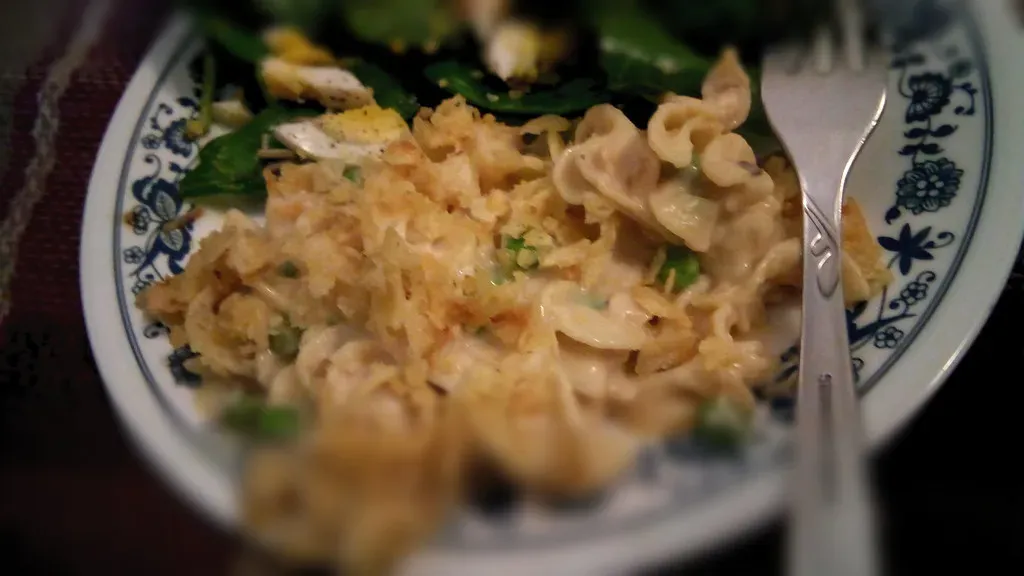
Few dishes carry the kind of emotional weight that a tuna noodle casserole does. It is humble, pantry-friendly, and somehow deeply satisfying in a way that a trendy grain bowl simply cannot match. I think there is a reason this dish keeps resurfacing every time the world feels a little uncertain.
A classic tuna noodle casserole plays a role beyond a convenient weeknight dinner, symbolizing resilience and familial connection. Rising food costs make these resourceful meals particularly appealing, as dishes like casseroles and pasta bakes are designed to maximize flavor while minimizing expense, catering to families seeking cost-effective ways to eat well.
Casseroles are being enhanced with fresh, seasonal ingredients and plant-based alternatives, meaning the tuna noodle casserole of today does not have to look exactly like the one from 1967. Modern cooks are swapping canned cream of mushroom soup for homemade béchamel, tossing in capers, or finishing it with a crispy breadcrumb crust. This revival mirrors broader trends, like the farm-to-table movement and the renewed appreciation for handmade goods.
2. Jello Molds: The Wobbliest Comeback in Food History
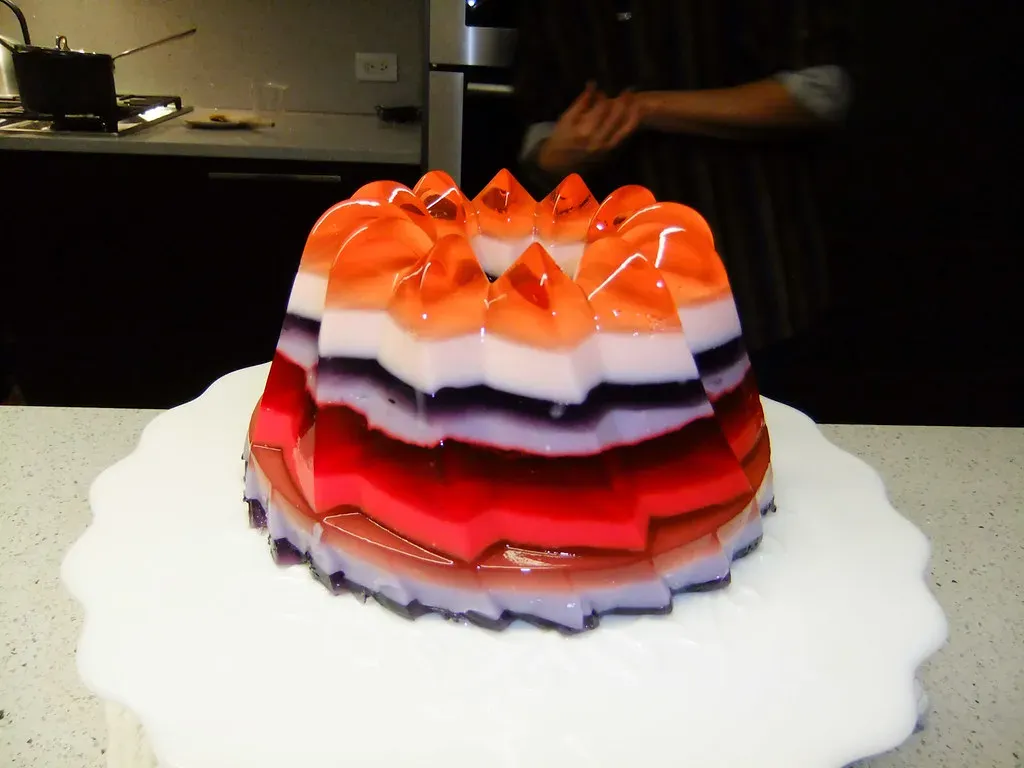
Okay, let’s be real. When you first hear “Jello mold,” you might picture a 1955 church potluck. That is fair. For a long time, this dish was the punchline of every retro food joke. Yet here we are in 2026, and it is genuinely having a moment.
In the 1950s, gelatin-based creations like Jello molds became vibrant centerpieces for entertaining. Once seen as outdated, today’s version comes with fresh fruit and artisanal twists. Jello molds have evolved into elegant desserts, featuring natural sweeteners and artisanal components instead of relying on boxed mixes.
Social media platforms like TikTok and Instagram have played a pivotal role in amplifying the appeal of retro recipes, with viral hashtags like #RetroCooking and #GrandmasRecipes introducing these dishes to younger generations and driving them to become new culinary trends. The visual drama of a perfect, translucent Jello mold with embedded fruit layers is, it turns out, extremely shareable. What was once grandma’s party trick is now someone’s aesthetic centerpiece.
3. Quiche: From Dinner Party Staple to Everyday Hero
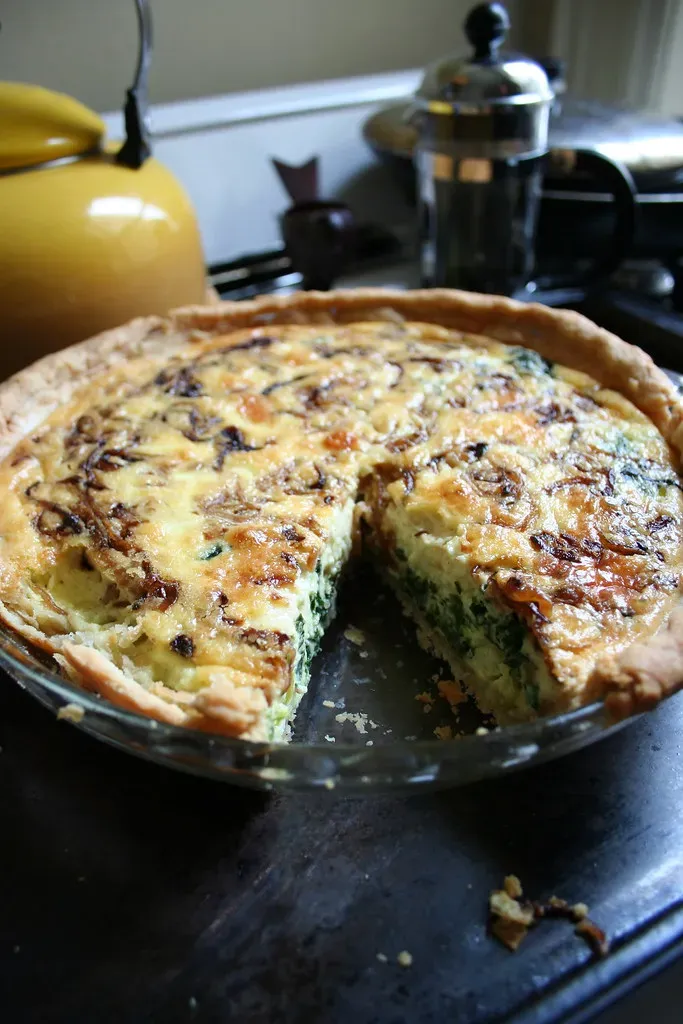
Quiche had its golden era in the 1970s, when dinner parties were all about elegance with ease. Then somewhere along the way it fell out of fashion, replaced by frittatas and avocado toasts. Honestly, that was a mistake we are only now correcting.
In the 1970s, quiches and fondues became staples of dinner parties, showcasing the decade’s focus on casual entertaining and communal dining. The pandemic reshaped Americans’ approach to cooking, with traditional recipes offering a means of finding comfort and stability during periods of uncertainty, and preparing hands-on dishes like quiches becoming a therapy for millions stuck at home.
Quiche recipes increasingly incorporate global flavors, like Mediterranean-inspired fillings or Asian spice blends. Think za’atar and feta quiche, or a miso-mushroom version with a buttery spelt crust. This revival mirrors broader societal trends, like the farm-to-table movement and the renewed appreciation for handmade goods. Quiche, in other words, aged exceptionally well.
4. Fondue: The Communal Dish That Refuses to Die
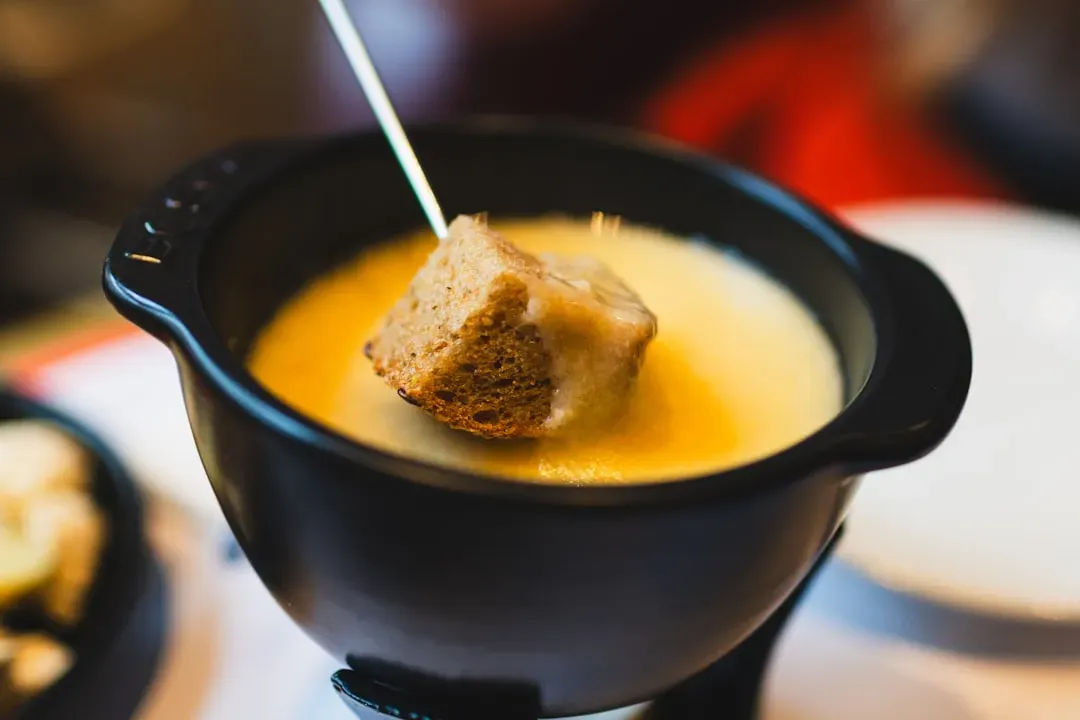
There is something almost magical about a dish that requires everyone at the table to participate. Fondue is exactly that. Dipping, sharing, occasionally losing your bread into the pot and laughing about it. It is the original communal dining experience, and it is back.
The 70s and 80s are popular decades for vintage recipes trying to make a comeback, and fondue stands out as a beloved retro recipe from that era. Retro foods evoke a sense of nostalgia and comfort for those who remember them from their childhood and teenage years, and food connected to feelings and emotions can be genuinely comforting when it reminds us of better times.
Modern fondue has shed its kitschy image and gained serious culinary credibility. Today you find truffle-infused cheese fondues, dark chocolate fondues with sea salt, and even savory broth fondues for meat and vegetables. Comfort food is making a grand comeback in 2025 and 2026 with a twist, with classic dishes being transformed using gourmet ingredients and elevated techniques. Fondue fits that mold perfectly.
5. Molten Lava Cake: A 90s Icon With Serious Staying Power
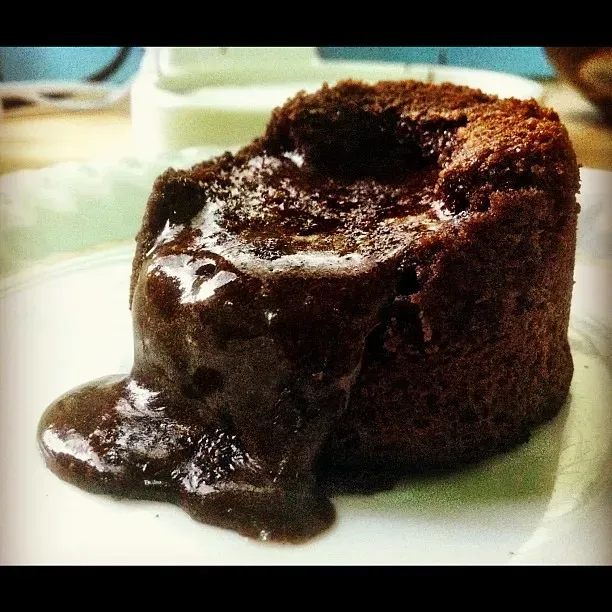
Few desserts from the 1990s feel as theatrical as the molten lava cake. That moment when your spoon breaks through the warm chocolate shell and that rich, liquid center spills out? Pure drama. Pure joy. It is no coincidence this one never truly disappeared.
During the 1990s, popular dishes like molten lava cakes and sun-dried tomato pasta captured the decade’s search for indulgent yet easy-to-make cuisine. In 2025, these recipes show up on social media channels with updated ingredients and presentations, reflecting a return to the comfort foods of forty years ago.
The molten lava cake went viral after its appearance at the Milan Olympic Village captivated athletes on social media. Speed skater Courtney Sarault posted a video of the lava cake, which garnered over three million views. That is the power of a dish that has never stopped being delicious. It just needed one good video to remind everyone why they loved it.
6. Layered Salads: When Presentation Was the Whole Point
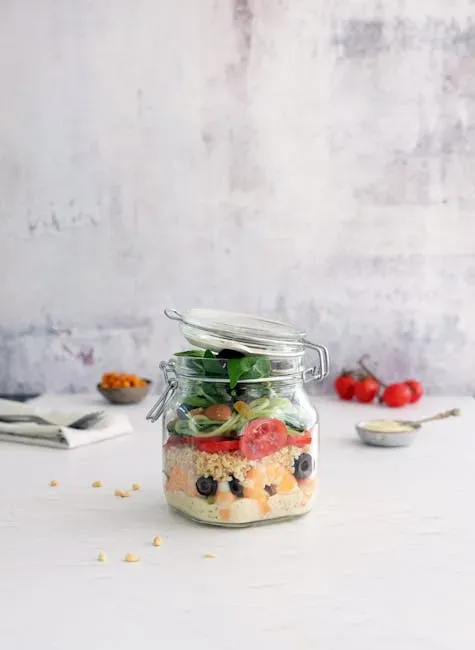
The layered salad is one of those dishes that is almost as much about appearance as it is about taste. Assembled in a clear glass bowl so every colorful stratum is visible, it was the “content” of mid-century entertaining long before that word meant anything digital.
The 1980s introduced layered salads and pasta bakes, emphasizing convenience and colorful presentation. From deviled eggs to Jell-O molds, retro dishes are making a surprise comeback, with creators putting modern spins on old-school classics and turning nostalgia into novelty. The layered salad fits neatly into this revival because it is inherently visual and endlessly customizable.
Today’s versions trade the canned peas and bottled ranch for heirloom cherry tomatoes, grains, fresh herbs, and tahini dressings. Sustainability also drives interest in vintage recipes, as many dishes from the late 20th century were resourceful, relying on leftovers and minimizing waste, qualities that align with modern, eco-conscious values. A layered salad made with whatever is fresh and in season checks every single one of those boxes.
7. Sourdough Bread: The Ancient Loaf That Became a Cultural Phenomenon
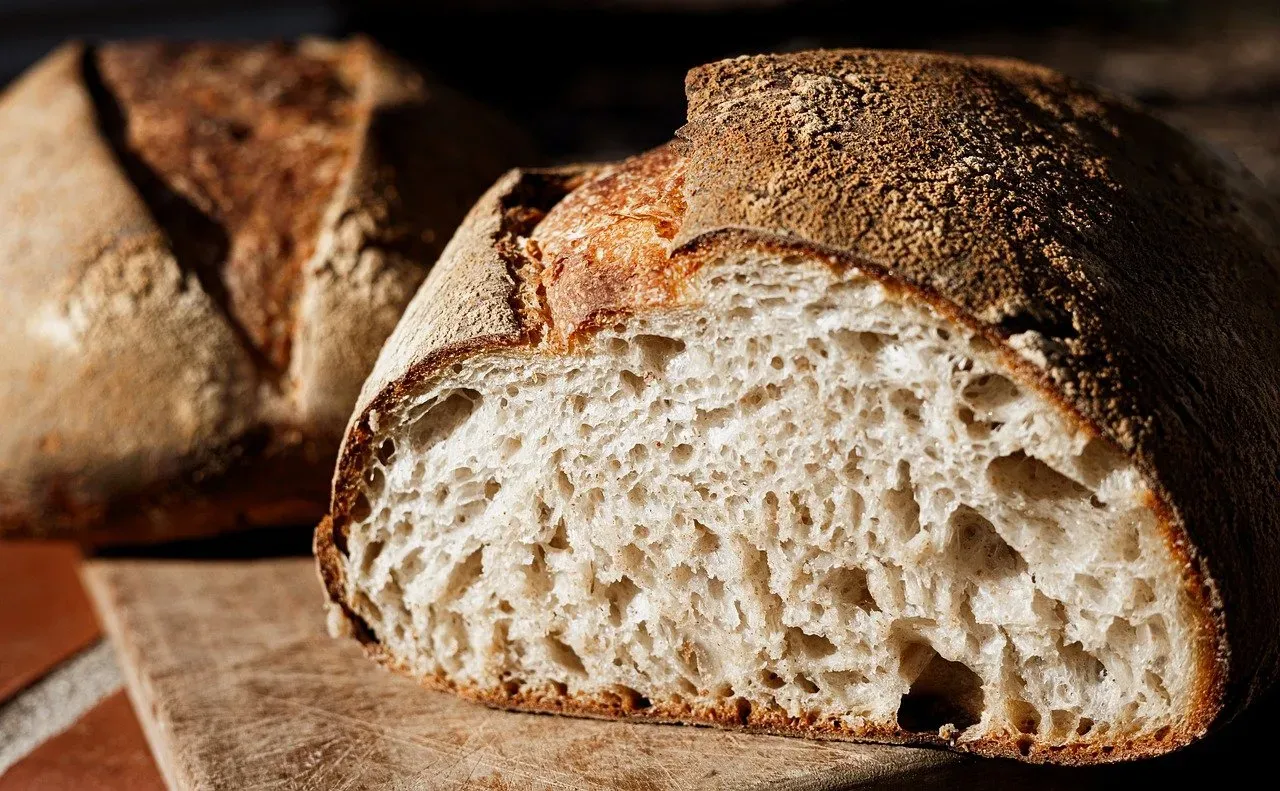
Sourdough is technically as old as civilization itself, which makes its inclusion on a list of retro recipes a little funny when you think about it. Yet its modern revival is very real, very documented, and, I would argue, one of the most meaningful food stories of the past several years.
Sourdough bread, which saw a resurgence during the pandemic, continues to captivate bakers with its hands-on preparation and deep roots in history. Vintage recipes serve as conduits for cultural and familial traditions, and preparing a dish passed down through generations offers a tangible connection to each cook’s heritage, anchoring individuals in their family’s history. Sourdough, more than perhaps any other food, embodies that idea completely.
This revival mirrors broader trends, like the farm-to-table movement and the renewed appreciation for handmade goods. These recipes offer a sense of continuity in an era marked by rapid change. There is something grounding about tending a living starter, waiting for the dough, and finally pulling a crackling loaf from the oven. In a world of instant everything, that patience feels almost radical, and incredibly rewarding.
Why the Past Keeps Feeding the Present
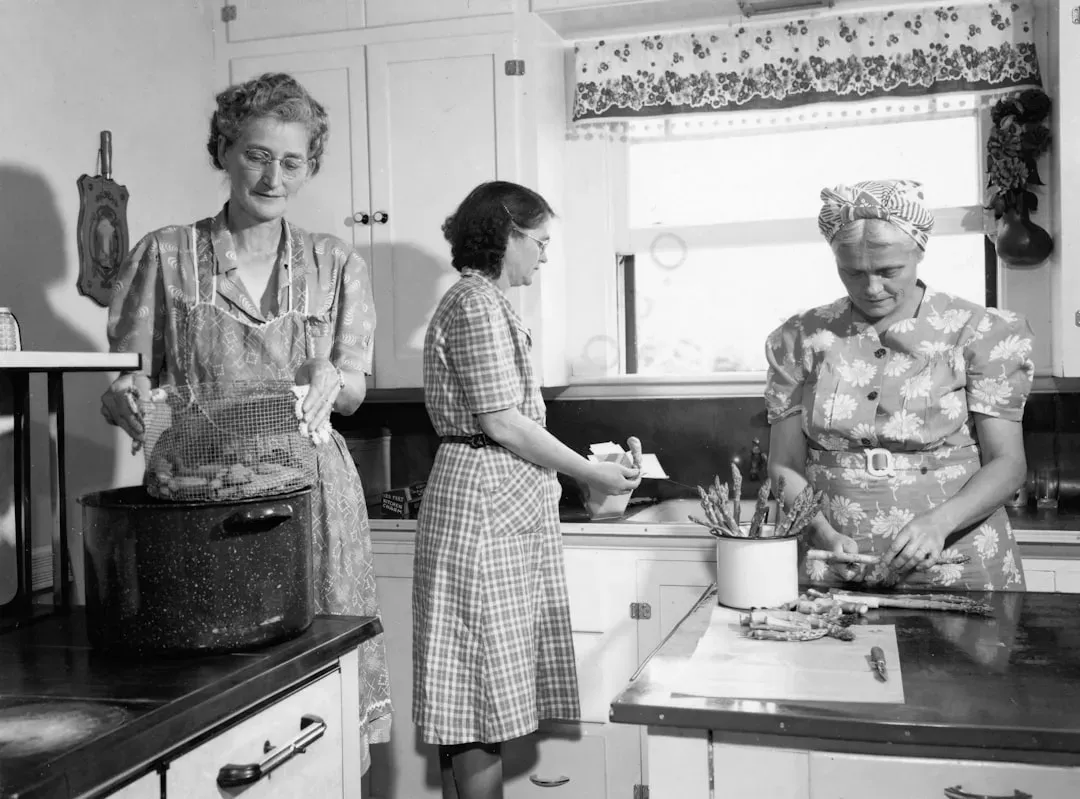
It would be easy to dismiss this whole trend as simple nostalgia, a collective craving for simpler times. But I think it is more nuanced than that. These recipes are not surviving on sentimentality alone. They are surviving because they actually work.
The return of these recipes is no coincidence: rising food costs make resourceful meals particularly appealing, with dishes designed to maximize flavor while minimizing expense catering to families seeking cost-effective ways to eat well. Whether it is a casserole made from pantry staples or a pasta dish that reimagines yesterday’s dinner, these recipes reflect the sustainable approach to cooking growing in the 2020s.
These vintage recipes serve as conduits for cultural and familial traditions, and preparing a dish passed down through generations offers a tangible connection to each cook’s heritage, anchoring individuals in their family’s history. That connection is something no algorithm, trend report, or food delivery app can manufacture. It has to be earned, one meal at a time. The fact that these seven recipes are thriving right now tells us something important about what people genuinely need from food in 2026.
What do you think about it? Which of these vintage recipes would you actually bring back to your own kitchen? Tell us in the comments.