
Most people in the kitchen suffer from a quiet, nagging doubt. You follow a recipe, something comes out delicious, and yet you still shrug it off with a “I just got lucky.” Honestly, that self-doubt might be far more common than you realize, and far less accurate.
The truth is, cooking skill is notoriously hard to self-assess. Technical cooking skills are important, but confidence, self-efficacy, and how people feel about cooking are just as critical as what they actually produce. Most home cooks grossly underestimate themselves. So before you dismiss your own kitchen abilities, read on. The signs that reveal your real skill level might surprise you. Let’s dive in.
1. You Cook From What’s Already in the Fridge
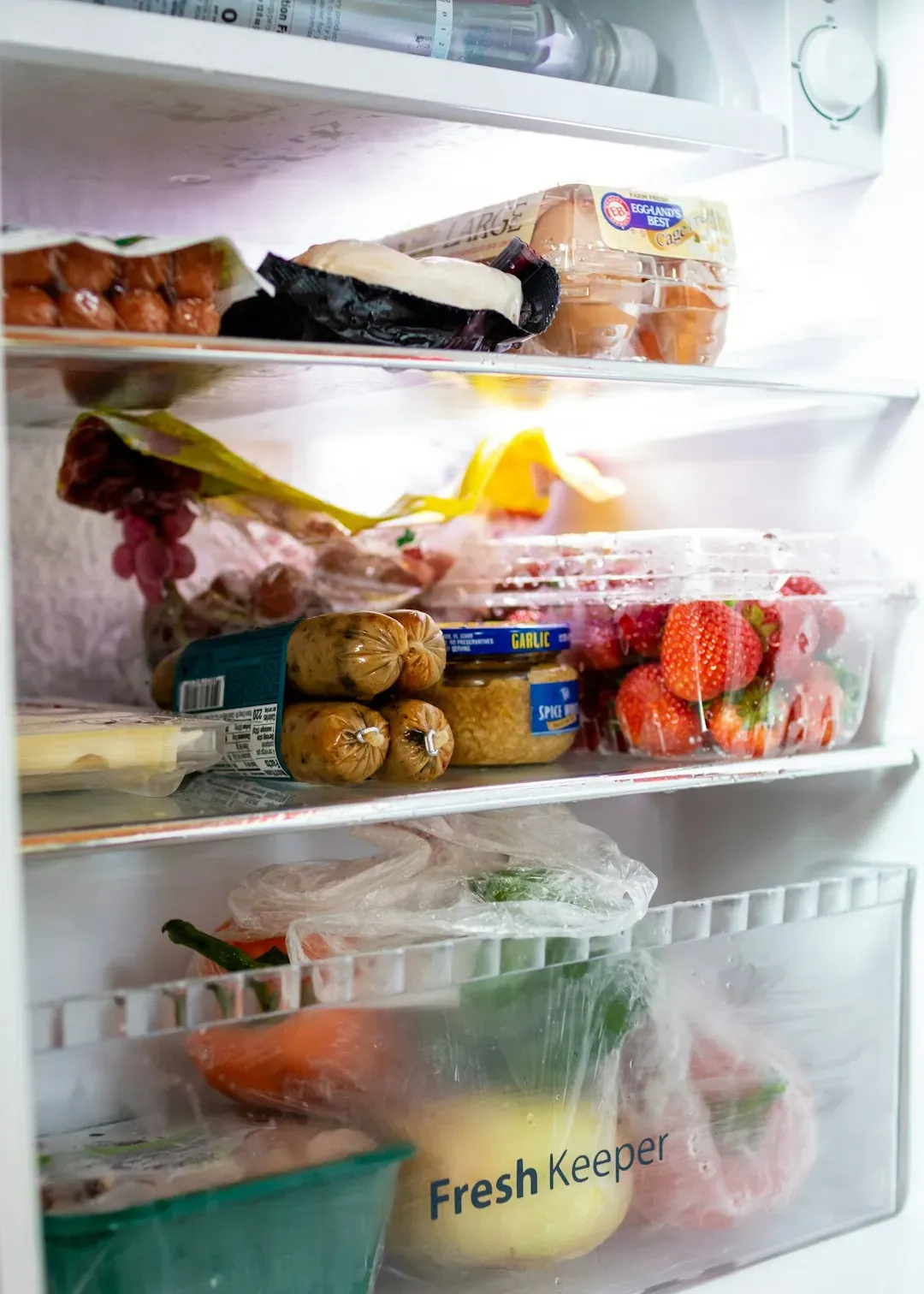
Here’s the thing: one of the most telling indicators of genuine cooking ability has nothing to do with following a fancy recipe. Having the ability to rustle up anything from scratch topped the list of culinary expertise indicators, and in an age when food waste is becoming such a prominent issue, people judge the best home cooks to be the ones who can whip a meal together out of nothing.
Think about it like a jazz musician. The real talent doesn’t come out when they follow sheet music. It shows up when they improvise. You can whip something up using random stuff, even if you’re low on groceries – and that, quietly, is a massive flex.
Two-thirds of those polled are confident about throwing together random ingredients from their cupboard to make something delicious. If you’re already doing this without even thinking about it, you’re likely ahead of the curve and you just haven’t given yourself the credit.
2. You Season by Instinct, Not by the Teaspoon
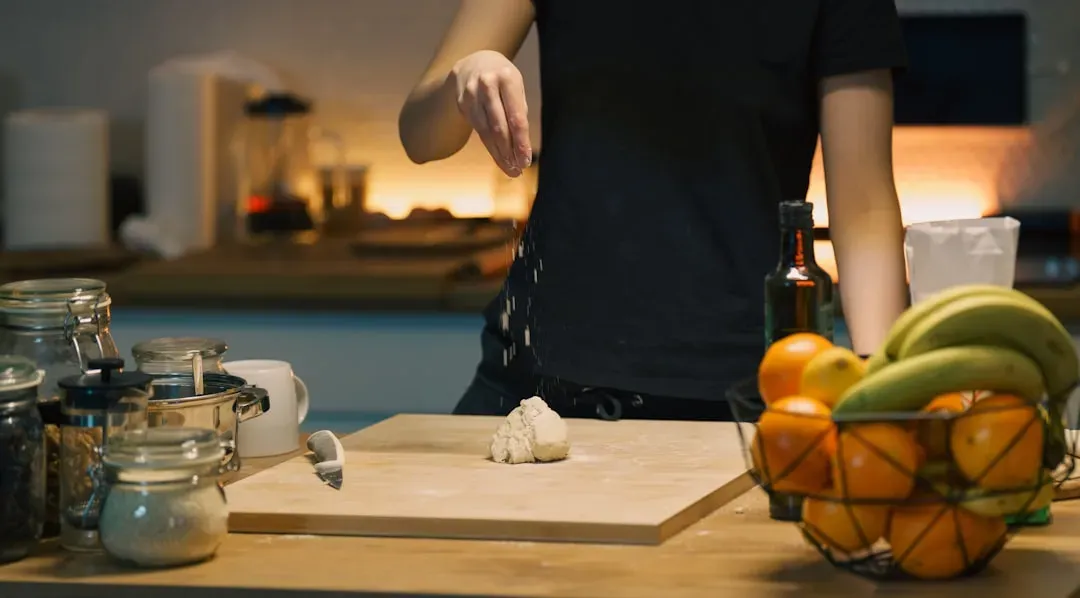
Cookbooks are wonderful. But the moment you stop leaning on exact measurements and start tasting and adjusting as you go, something shifts. A full twenty-two percent of home cooks are so proficient at preparing food that they don’t even weigh the ingredients, preferring to throw them in at random. That might sound chaotic, but it’s actually a sign of deep, embodied knowledge.
Good seasoning is one of those skills that takes time to develop. You have to understand how salt changes over heat, how acid can wake up a flat dish, how a pinch of something unexpected can transform an entire pan. Fifty-five percent of home cooks say they are confident knowing which herbs should be used, meaning if you’re fluently reaching for that sprig of thyme without reading a label, you’re in the top half already.
Top chefs often rely on instinct and don’t bother measuring, throwing together random ingredients but still coming up with something delicious. If your instincts in the kitchen have started to guide you more than the page, that’s not recklessness. That’s mastery quietly taking root.
3. You Can Cook Multiple Dishes and Time Them Perfectly
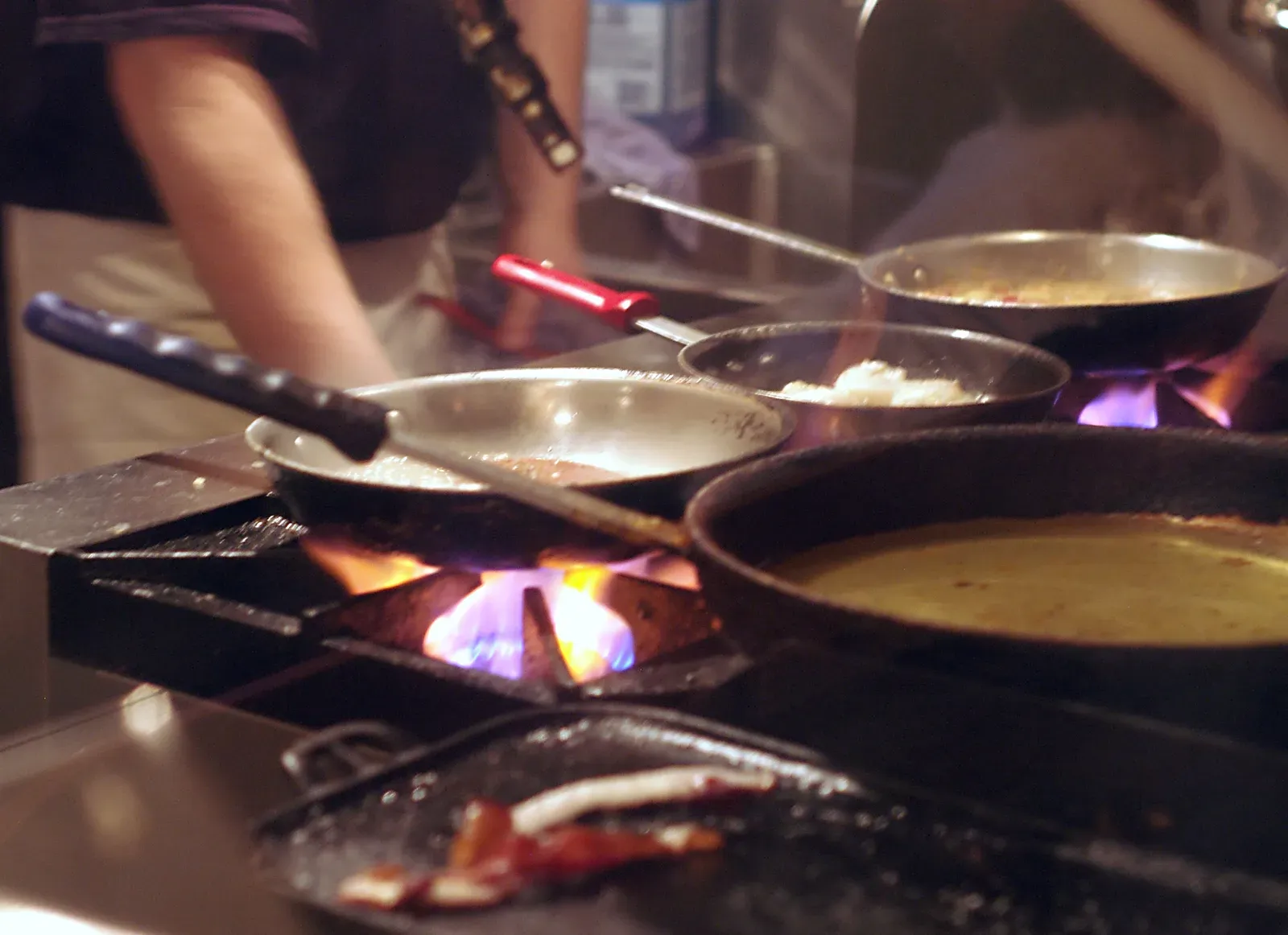
I think this one gets massively overlooked. Managing a single dish is one thing. Managing three components on three different heat sources, all landing on the table warm and at the same time, is a genuinely complex cognitive task. It’s like air traffic control, but with onions. You can cook multiple things at once, and get them all done at the same time – and this is considered a genuine marker of kitchen competence.
This skill requires understanding timing, heat management, and prioritization. It’s the kind of thing that looks invisible when done right. Nobody congratulates you for a roast and sides that arrived simultaneously. Yet it is far, far harder than it looks for someone who hasn’t practiced it.
While enthusiasm for cooking is on the rise, skill levels exist across a spectrum – still, most cooks at all skill levels express interest in improving their skills. The fact that you’ve already internalized multi-dish timing, even imperfectly, places you meaningfully above those who are still figuring out the basics.
4. You’re Comfortable Cooking in Front of Other People

There’s a huge psychological barrier in cooking for an audience. The pressure of someone watching tends to reveal whether a person’s confidence is real or just rehearsed in solitude. Proficient home cooks tend to be those who are confident about preparing food in front of others, and who are knowledgeable about their food, cookware and kitchen equipment.
If you can chop, stir, taste, and adjust while having a conversation with guests in the kitchen, that’s a signal worth noticing. It means your skills have been internalized. They’ve moved from conscious effort to something closer to muscle memory. A good cook is comfortable with guests in the kitchen.
Two in three people have been labelled a “good cook,” with more than half happy to attempt an extravagant new dish when friends are coming over. If you fall into that group, even occasionally, stop dismissing yourself. That calm under pressure is a real skill, and not everyone has it.
5. You Experiment and Deviate From Recipes
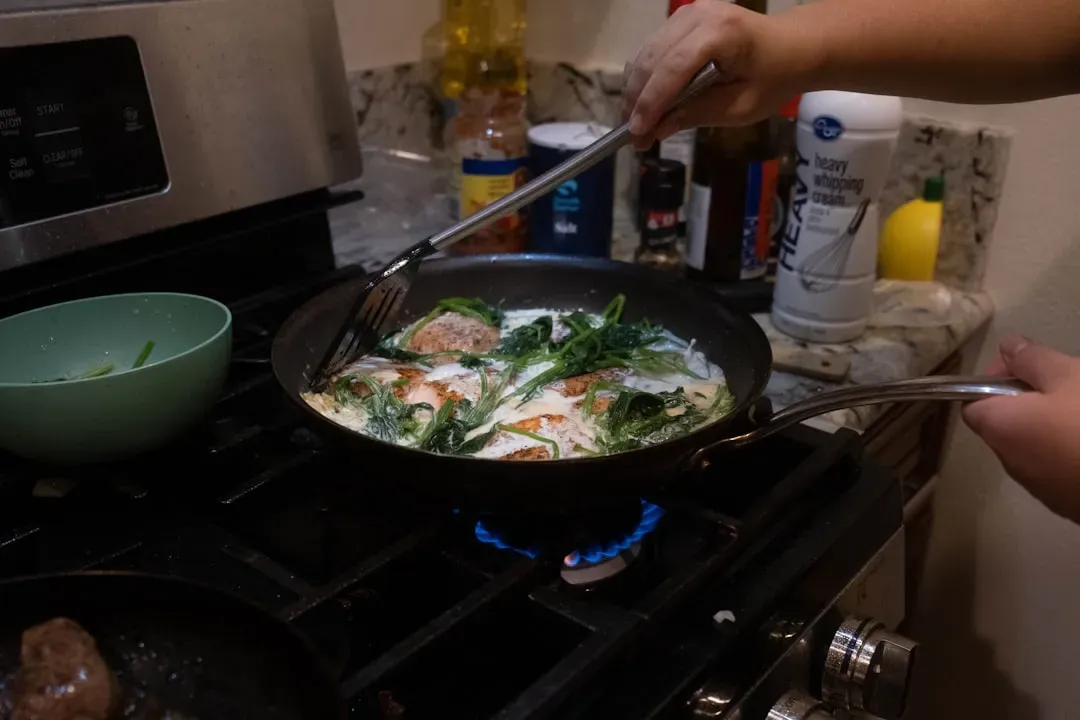
Let’s be real: following a recipe perfectly is a starting point. Knowing when and how to deviate from it is where the real cooking begins. Other factors among the top signs of a good cook include being willing to experiment with foods, being able to prepare a nice meal when there’s nothing in the cupboard, and having the ability to laugh when things go pear-shaped.
If you find yourself automatically substituting ingredients, tweaking ratios, or layering in an extra step the recipe didn’t call for, that’s your cooking instinct at work. Being willing to experiment and try all foods and ingredients when cooking at home ranks among the clearest hallmarks of a skilled home cook. Curiosity, it turns out, is a cooking technique.
Cooking frequency, enjoyment, and interest in skill improvement have all notched increases among consumers over the last two years, with elevated prices and lingering financial uncertainty making the economics of cooking at home more appealing – but also pushing people to get genuinely creative with what they have. The willingness to experiment? That comes from confidence you might not even realize you’ve built.
6. You Know Your Herbs and Spices Without Googling
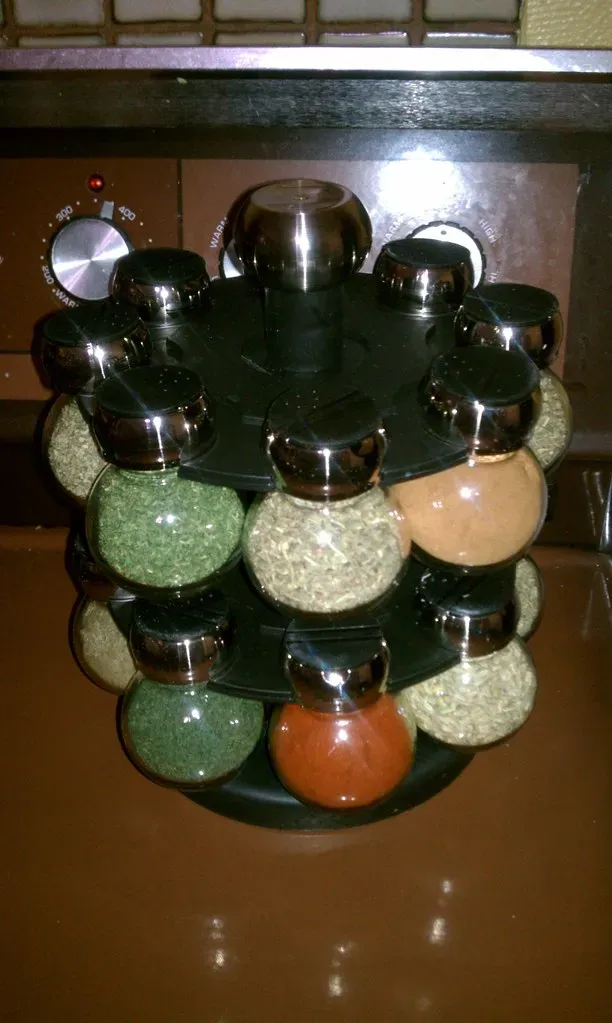
A well-stocked spice drawer and the knowledge of what to do with everything in it is honestly one of those quiet signs people never think to credit themselves for. Top quality cooks will also regularly reel off terms such as “al dente,” “broil,” and “blanch,” and have a pantry stocked with ingredients such as masala leaves, mustard seeds, and truffle.
But it goes deeper than just owning the spices. The real sign is knowing intuitively which ones belong together. Cumin and coriander. Tarragon and chicken. Smoked paprika and lentils. Understanding food combinations, knowing what every utensil in the kitchen does, owning a spice rack, and being able to home-make all sauces and condiments also feature highly on the list of indicators that you’re better at this than you think.
It’s hard to say for sure exactly when this knowledge becomes second nature, but when you reach for something without hesitation, you’ve crossed a meaningful line. It’s less about Michelin stars and gourmet cooking, and more about the confidence and willingness to embrace different foods and styles in the kitchen.
7. You Can Taste a Dish and Know What It Needs
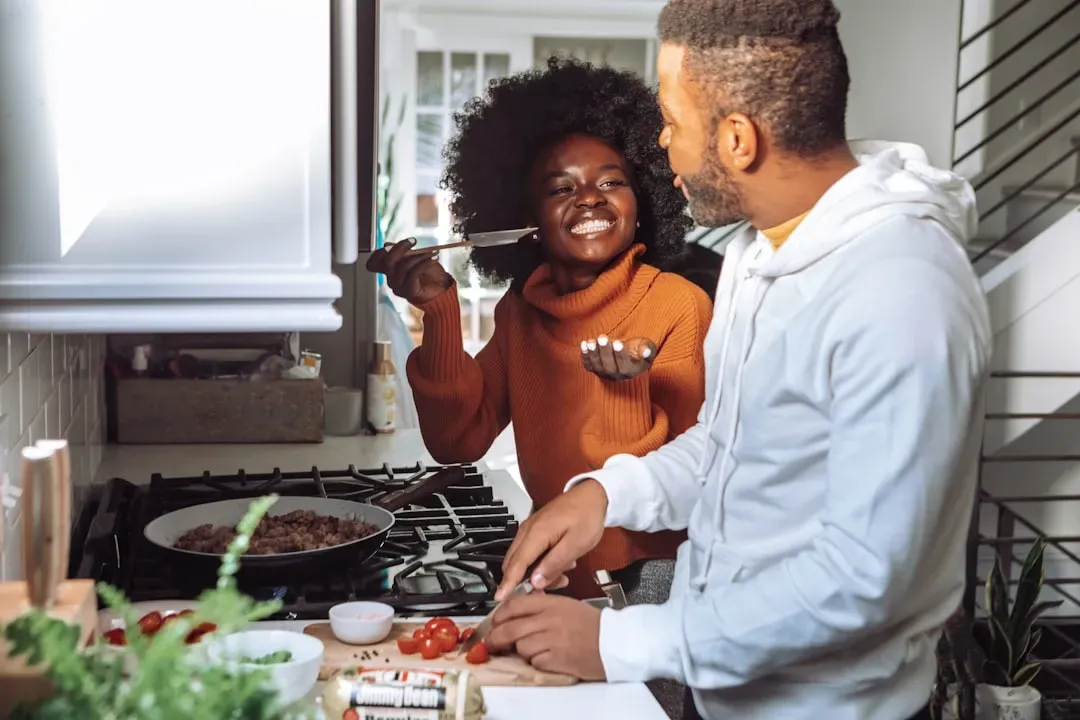
This is, perhaps, the most underrated sign of all. It sounds deceptively simple. You take a bite, you pause, and your brain tells you: more acid, more salt, a little sweetness. You can guess the ingredients just by tasting something – and this perceptive palate is widely considered one of the clearest markers of an experienced cook.
Technical cooking skills are important, but confidence, self-efficacy, and how people feel about cooking are just as critical. Many people learn a few key recipes, often from their mothers, and then cook those and similar foods most of their lives. The ones who rise above that pattern are usually those who’ve learned to listen to their palates. Tasting and adjusting is a loop, and the more you run it, the more refined it becomes.
Over sixty-two percent of Americans say they are “very” or “extremely” confident in the kitchen, with confidence rising with age – among seniors, over seventy-two percent rate their ability as “very” or “extremely” confident, pointing to practice and experience being key factors. If you’ve quietly developed that tasting instinct over years of cooking, you’re not just a home cook. You’re an intuitive one, and that’s worth a lot more than you’ve been giving yourself credit for.
The Takeaway
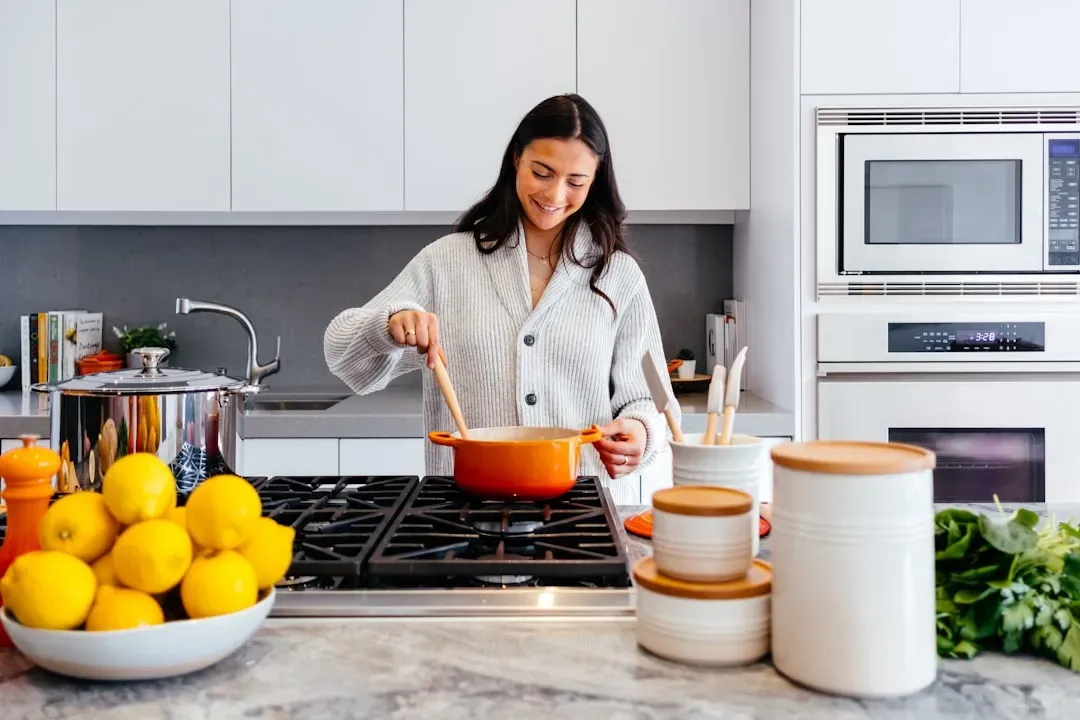
Most good home cooks are flying under their own radar. They improvise without thinking, season without measuring, manage chaos across four burners, and know what a dish needs just from a single bite. None of these feel dramatic. None of them feel like talent. They just feel like Tuesday evening.
That’s exactly the point. Enthusiasm for cooking at home is back on the rise, and cooking frequency, enjoyment, and interest in skill improvement have all increased. The home kitchen is having a genuine cultural moment, and there’s a good chance you’re already more skilled than the modest voice in your head is willing to admit.
So next time you pull together a meal from near-empty shelves, or nail the timing on a multi-course dinner, pause for a moment. Maybe the only thing holding you back from calling yourself a good cook is the habit of not doing so. What do you think – how many of these signs rang true for you?