
Grocery prices have quietly taken over as one of the biggest household budget stressors of the decade. You might not notice it at the checkout line week to week, but the numbers don’t lie. From 2020 to 2024, food prices jumped nearly 24%, meaning that if you used to spend $400 a month on groceries at the start of 2020, the same shopping cart would now cost nearly $500. That is real money leaving real wallets.
About 7 in 10 Americans say they’re spending more on groceries compared to last year, according to an October 2025 ABC News/Washington Post/Ipsos survey. Honestly, that shouldn’t surprise anyone. The good news? You don’t need a total lifestyle overhaul to fight back. Sometimes, the smartest financial moves live quietly on your pantry shelves. Here are seven surprisingly effective swaps that could get you back that $100 every single month.
Table of Contents
Swap 1: Trade Name Brands for Store Brands on Staples

Let’s be real – we’ve all been guilty of reaching for the familiar brand without even glancing at the store version right next to it. It feels safer somehow, like a well-worn habit. But here’s the thing: that loyalty is costing you real money.
U.S. consumers save more than $40 billion a year on grocery and household purchases by opting for the store brand over the national brand version of their favorite products. That’s a staggering figure when you think about it on a national scale. Zoomed into your own cart, it starts to look very compelling very quickly.
Studies consistently demonstrate that shoppers save one-third or more on grocery and household items by selecting store brands over national brands. Think about that: nearly a third back in your pocket just from switching the label. Contrary to popular belief, private-label products often come from the same factories that produce name-brands – manufacturers may simply adjust the recipe slightly or use different packaging to fulfill a contract with a particular retailer.
Pasta and rice are a great first choice to swap to private label. Flour, sugar, milk, and frozen vegetables and fruits are other relatively unprocessed foods that are virtually identical to their more expensive cousins. Many canned goods, such as vegetables and beans, are also very similar to the name-brand versions. Start with those and work your way out from there.
Swap 2: Replace Canned Beans with Dried Beans
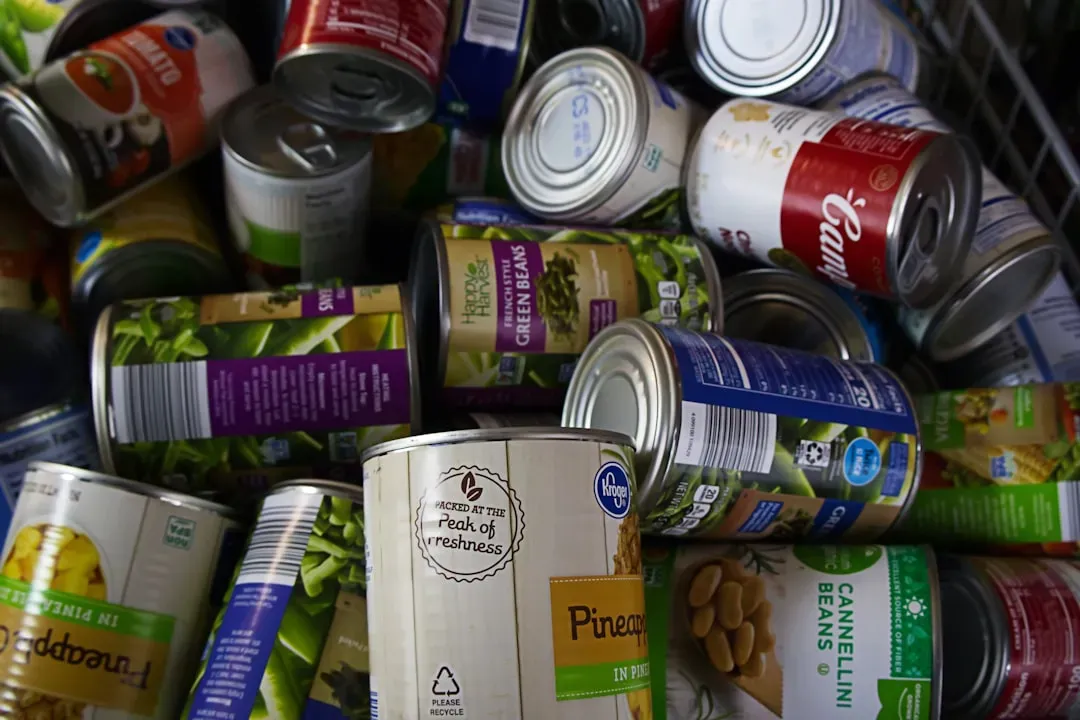
This is the pantry swap that sounds the most tedious but arguably delivers the biggest bang per dollar. Think of dried beans like a slow cooker investment: a little patience now pays off big at the end of the month. I know it sounds inconvenient, but just hear the numbers out.
On average, a half cup of legumes cooked from dry costs about 40% less than a half cup of canned beans – a difference of between 16 and 30 cents less per half cup serving. That might seem tiny in isolation, but add it up across a month of regular bean-based meals and you’re looking at real savings. Dried beans cost between 10 cents and 20 cents per serving, while canned beans cost between 25 and 40 cents per serving – compare that to 80 cents to over $2 for a serving of animal meat.
If you cook a big batch of plain dried beans, they can be portioned into containers and frozen, ready to be thawed when you need the equivalent of a can of beans. That single prep trick turns a “chore” into a once-a-week, 20-minute task. Using dried beans also lets you control the sodium – beans are naturally sodium-free, but canned beans can contain added salt, around 200 mg per half-cup serving for canned pinto beans. So it’s better for the wallet and quietly better for your health too.
Swap 3: Go Frozen Instead of Fresh for Out-of-Season Vegetables

Fresh vegetables look beautiful in the store. Piled high, vibrant and gorgeous. But here’s what nobody tells you at the display: that produce often traveled days before it hit the shelf, and a significant chunk of it ends up in your trash before you get around to using it.
Frozen veggies are frozen at their peak of ripeness, meaning they lock in most of their vitamins and minerals. There’s a common misconception that frozen veggies are less healthy because they’re “processed” – but freezing vegetables actually helps maintain their nutritional value. So you’re not sacrificing nutrition at all. You’re just buying smarter.
One of the undeniable advantages of frozen produce is its affordability. With many stores offering frozen produce at incredibly reasonable prices, often as low as a few dollars per bag during weekly sales, incorporating them into your meal plans and recipes can significantly reduce your overall grocery bill. Spinach, peas, broccoli, corn and mixed stir-fry blends are classic swap targets. Frozen and canned veggies last much longer than fresh ones, reducing the chances for spoilage and waste, and with proper storage you can keep frozen veggies for up to one year.
Swap 4: Replace Beef with Chicken or Plant-Based Protein

Nobody wants to be told to eat less steak. Honestly, I get it. But the numbers on beef prices right now are genuinely alarming, and this swap is one of the fastest ways to shave a meaningful chunk off your monthly grocery bill without feeling deprived.
Meat prices jumped 12.3 percent from September 2024 to September 2025, making now a great time to try plant-based proteins, since alternative protein sources such as lentils, beans, and tofu often cost less than meat while still providing essential nutrients. Meanwhile, beef and ham prices have spiked over the past year, while chicken is more stable.
Swapping ground beef for lentils in soups and stews, or using chicken thighs instead of beef in casseroles, can cut your protein spend dramatically. It’s a bit like trading a sports car for a reliable sedan – you still get where you’re going, just without the premium fuel bill. Beans do not contain significant amounts of saturated fat and help meet the recommended daily allowances for protein and other nutrients while meeting recommendations to avoid excess saturated fat. That’s a genuine double win.
Swap 5: Ditch the Daily Egg Habit (At Least for Now)

Eggs have always been the gold standard of affordable protein. Quick, versatile, packed with nutrition. That reputation, though well earned over decades, is taking a serious hit right now because of one brutal reality: egg prices have exploded.
Egg prices have been one of the most visible examples of grocery inflation in recent years. Between March 2024 and March 2025, prices jumped roughly 60%, with another 7% increase recorded between April 2024 and April 2025. By May 2025, the national average cost for a dozen eggs had reached about $5.12. For context, that’s more than double what many households were paying just a few years earlier.
Instead of whipping up an omelette every morning, consider Greek yogurt or cottage cheese as an alternative breakfast protein. These dairy items only increased 2.7%, and when you look at price per ounce, yogurt averages $0.19 while eggs are $0.21. It’s a swap that genuinely stacks up in your favor right now. Rotating your breakfast protein a few days a week means the difference adds up fast over 30 days.
Swap 6: Stop Tossing Food – Shop Your Pantry First
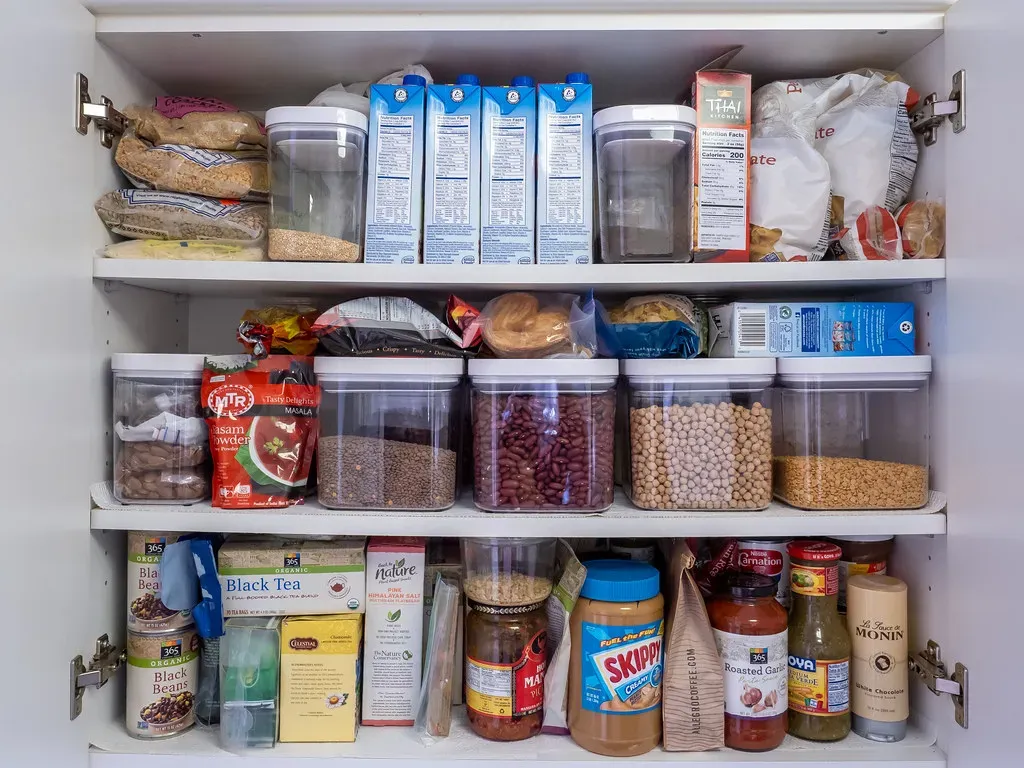
This one isn’t a product swap exactly. It’s more of a mindset swap, and it might be the most overlooked money-saver of all. We all do it: buy a full bag of something, use half, forget about it, and buy another one the next week. Repeat until broke.
The USDA estimates that Americans throw away around 30% of their food at home. Think about that for a second. Nearly a third of everything you buy ends up in the bin. That’s like throwing away one full week’s groceries out of every month. It’s staggering when you put it in those terms.
Helping prevent food and money waste by checking your refrigerator, freezer, and pantry before you head out to shop is one of the simplest habits you can build. It takes maybe five minutes. Think of your pantry as a mini store you’ve already paid for. Pantry staples like pasta, rice, and potatoes can be used a million different ways, so you won’t get sick of them and toss the leftovers – starchy basics are also a great way to feel full without breaking the bank.
Swap 7: Build Meals Around Weekly Sales Instead of Fixed Recipes

Most of us do it backwards. We pick a recipe, build a shopping list, and then walk into the store and pay whatever the price is that week. It’s an expensive habit that feels completely normal. Flip it around and the savings can be dramatic.
Supermarket sales often change weekly, and building your meal plan around what’s on discount is a great way to save money. It sounds almost too simple, but it requires a real shift in how you think about cooking. Your recipe is flexible; your budget doesn’t have to be. Food prices rose 2.7 percent from September 2024 to September 2025, according to the federal Consumer Price Index, with higher labor costs for U.S. farmers, supply-chain disruptions, and tariffs on imported foods driving up prices.
Practically speaking, this means checking your store’s weekly app or flyer before you even think about what you’re eating that week. Chicken on sale? Great, it’s a chicken week. Broccoli discounted? Load up and freeze the rest. It’s the exact same approach professional chefs use when they’re cooking to a tight margin. More than half of Americans say grocery expenses are a major source of stress, according to a July 2025 survey from the Associated Press-NORC Center for Public Affairs Research – and a simple shift in shopping sequence is one of the most accessible ways to push back against that pressure.
The Bottom Line

None of these seven swaps require a culinary degree or a dramatic change to how you eat. They’re quiet, practical adjustments that compound over time. Swap your store staples, reach for dried beans, embrace the frozen aisle, downshift from beef, ease up on the egg habit, audit your pantry before every shop, and let the weekly sales write your menu.
Do all seven consistently for a month and the savings really do start to approach that $100 mark. It’s less about discipline and more about awareness – knowing what you’re buying, why you’re buying it, and whether there’s a smarter version of that same decision sitting right next to it on the shelf.
What would you do with an extra $100 a month? That question alone might be enough to make you take a second look at your pantry. Tell us in the comments which swap you’re starting with.