
Every time you sit down at a restaurant, there is a chef somewhere in the back who has poured real creative effort into the menu you are holding. They have sourced ingredients, refined techniques, and timed every dish with near-military precision. What most diners never realize is that a few common ordering habits can derail all of that work in seconds.
The tension between the dining room and the kitchen is older than any Michelin star. Yet it remains surprisingly misunderstood. Whether you are a regular restaurant-goer or someone who dines out only on special occasions, chances are you have committed at least one of these offenses without ever knowing it. Let’s dive in.
Table of Contents
1. Requesting Endless Substitutions Without a Real Reason
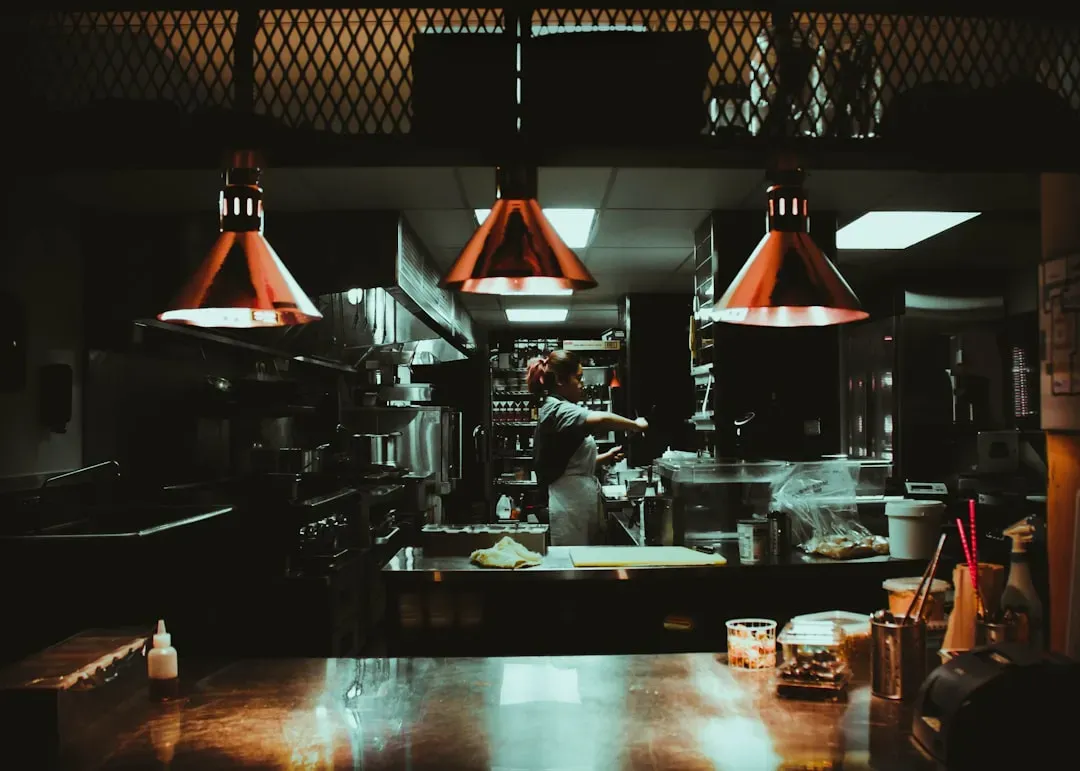
Here is the thing about restaurant menus: chefs do not build them by accident. Every element on a plate has a purpose, a flavor that balances another, a texture that completes a whole. One experienced chef noted a sharp increase in the amount of people asking for elements to be removed from dishes and bits to be swapped from one onto another, describing it as genuinely maddening.
The frustration is not about arrogance. It is about timing. There are simply some things that cannot be changed in a timely manner, since many dishes are prepped in advance and some are cooked ahead of time. Asking to swap the sauce, remove three ingredients, and add something not on the menu during a packed Friday dinner service is essentially asking the kitchen to restart the clock on your order.
Sprawling menus are already difficult to manage for even the best kitchen crew, and consistency can falter while the chances for confusion and mistakes escalate. Stack excessive custom modifications on top of that, and you have a recipe for genuine chaos. The occasional allergy-based request? Completely understandable. But ordering a dish just to redesign it entirely is, honestly, a different beast altogether.
2. Ignoring Allergy Disclosures Until the Last Minute
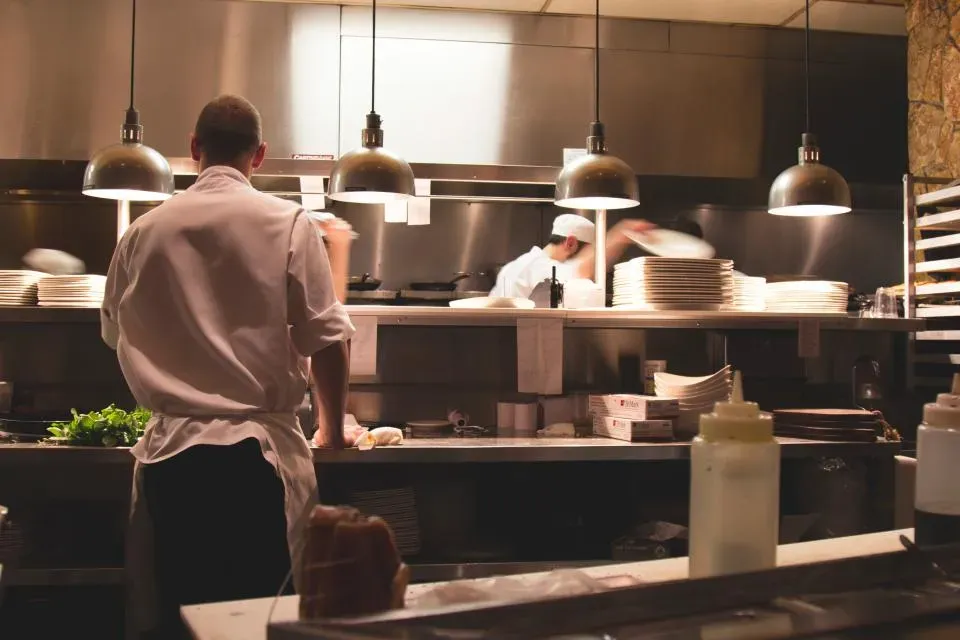
Dietary needs and food allergies are a growing and legitimate reality of modern dining. Roughly two out of five chefs surveyed have seen an increase in customer-specific dietary requirements, continuing a long-term trend. That is a major operational challenge, and most professional kitchens have genuinely adapted to meet it. The real problem arises when customers wait until the food is already plated to mention a serious allergy.
Timing matters enormously behind the pass. The ignorance of cooking instructions may result in serious consequences in a case where the eater is allergic to some items, such as nuts. The dish has to go back, a new one gets started, and the entire rhythm of the kitchen gets disrupted. That disruption ripples out to every other table in the restaurant.
Hospitality establishments should focus on clearer communication between front-of-house staff and chefs to manage customer expectations effectively, because understanding customer demands and coordinating with culinary teams ensures a harmonious and satisfactory dining experience. In short, if you have a real allergy, say it the moment you sit down. Not after the appetizers arrive.
3. Sending Food Back for Subjective Reasons
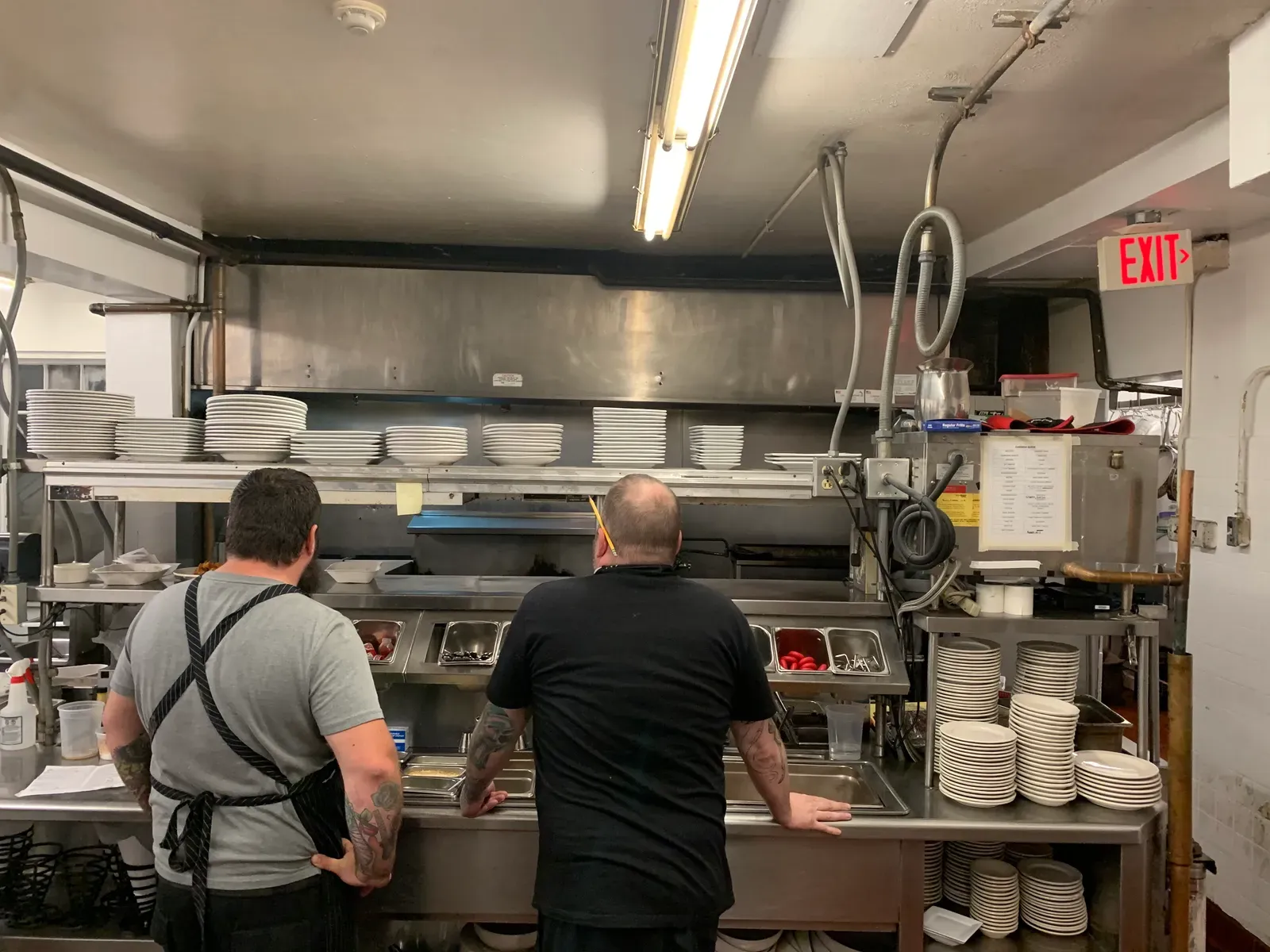
Sending food back is, of course, sometimes warranted. If your steak was ordered medium and arrived well-done, that is fair game. But there is a growing habit of sending dishes back simply because something did not match a vague personal preference. The serious intangible cost of staff demoralization was identified as a major consequence, and handling failure in the kitchen is a complex task that involves managing various emotions including anger and frustration.
Frustration, remorse, and anger stemming from incurring failures represent a psychological cost of an intangible nature, and the knock-on effect of something going wrong is that the person who made it feels bad, which has a demoralizing effect on the whole team. Think about that for a second. A chef spends years developing their craft. Sending a carefully constructed dish back because it was “not what I imagined” hits differently than most diners expect.
The financial impact is real, too. The major ramification of food production failure is financial through food loss, with costs classified into four tangible types: bin cost, rework cost, lost sales cost, and recovery cost. A returned dish is not just an inconvenience. It burns food, time, and kitchen energy all at once.
4. Ordering Off-Menu or Asking Chefs to Recreate Social Media Trends
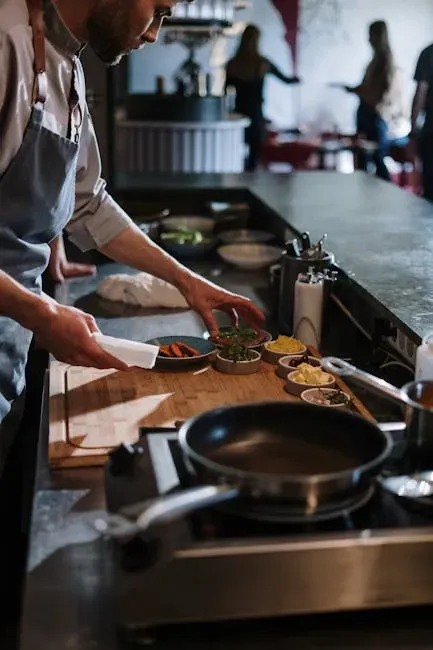
Social media has done incredible things for food culture. It has also created a generation of diners who arrive at a restaurant expecting it to behave like a personal chef service. Asking a kitchen to recreate a viral TikTok dish mid-service is one of the fastest ways to generate real behind-the-scenes frustration. Think of it like walking into a jazz club and asking the band to play a specific pop song from a YouTube video you watched last night.
An order might be mistyped, causing the kitchen to prepare the wrong dish, or a staff member could overlook an incoming ticket altogether. Now imagine that on top of a completely custom, off-menu request that no one has prepped for. A single misstep can throw off an entire shift, staff scramble, customers grow impatient, and suddenly a busy night turns into chaos.
It is hard to say for sure how often this happens on a measurable scale, but industry insiders consistently flag it as an accelerating trend. Chefs design menus deliberately, and those menus represent the limits of what the kitchen can execute with quality and consistency. Ordering something that is simply not there undermines the entire system.
5. Complaining About Wait Times After Placing Complex Orders

Speed is a massive expectation in modern dining. Restaurant service is always under a time crunch, and in-house diners do not like to wait more than 10 minutes to be served, with the vast majority growing impatient after just 15 minutes. That is a razor-thin window for a kitchen producing real, made-from-scratch food. The irony? Diners who place the most heavily modified or complex orders are often the first to complain about the wait.
When staff are stuck taking phone orders, manually inputting tickets, or handling a constant stream of in-person requests, delays are inevitable, leading to overworked employees and impatient customers. A four-course meal with three custom modifications at each course is simply not going to arrive in eight minutes. That is not a failure of the kitchen. That is math.
When there is no proper synchronization between an order taker and a cook, the result is delayed service in food presentation, and a delayed serving of food is one of the most frustrating things for a patron, especially when they are hungry. Still, patience from the diner’s side would ease a lot of the pressure on teams already operating at their limit. Honestly, if you are in a rush, ordering the simplest option on the menu is always the smarter move.
6. Ordering Without Reading the Menu Properly
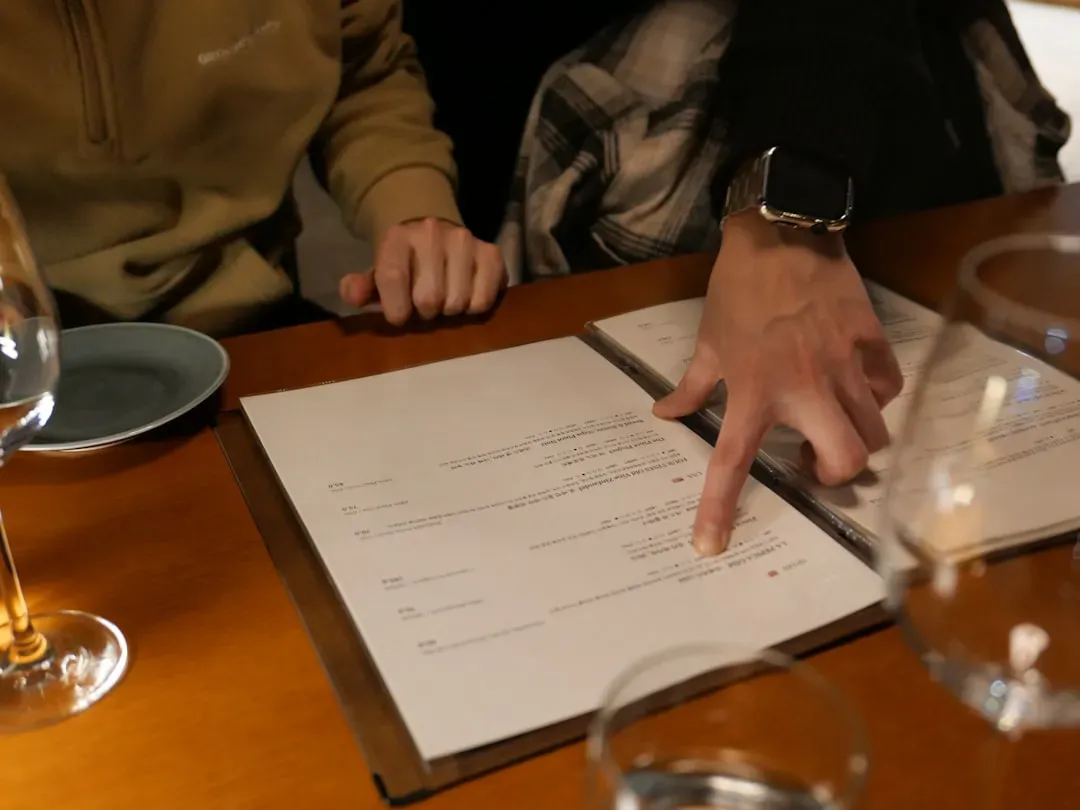
This one might sound small, but it creates a surprising amount of chaos. Common mix-ups are caused by servers mishearing and failing to confirm orders, and include dishes lacking flavor or food served at the wrong temperature, as well as menus that do not accommodate dietary restrictions. When a customer has not actually read the menu and orders based on assumptions, the likelihood of disappointment and return trips for the dish escalates dramatically.
Roughly seven out of ten Americans cite incorrect food temperatures as a major turnoff, more than six in ten complain of receiving the wrong order, and about half say food does not look or taste as described in the menu. A significant portion of those experiences begin with a diner who skimmed the menu at best. The description is there for a reason. Reading it takes roughly thirty seconds and saves everyone a headache.
Discrepancies between menu descriptions and the actual dish can lead to disappointment, which is why clear menu descriptions and accurate representations are so important. When diners invest even a moment in reading what a dish actually contains, the rate of confusion, returns, and chef-side frustration drops noticeably. It really is that simple.
7. Making Last-Minute Changes After the Order Is Already in the Kitchen
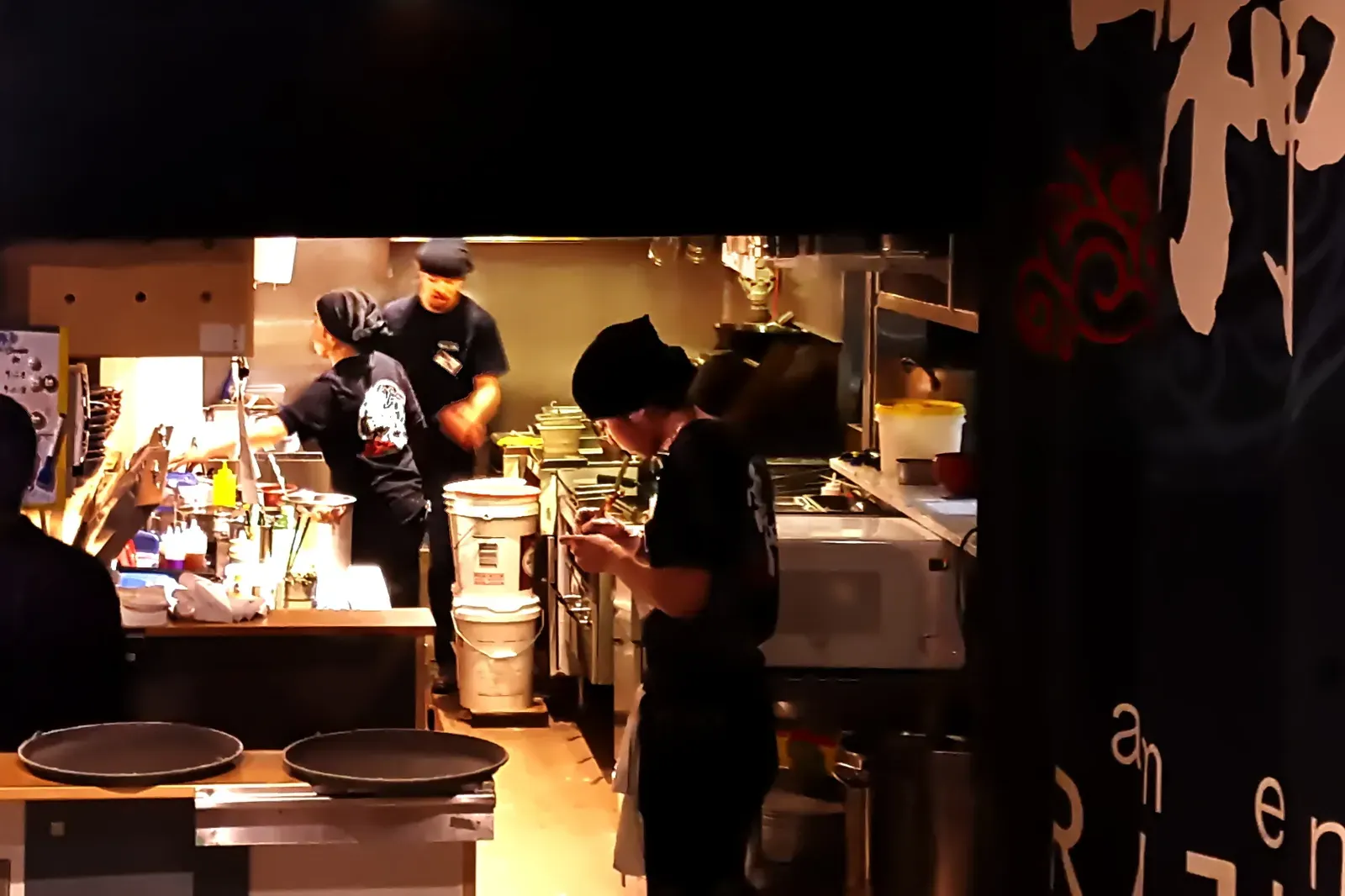
Of all the ordering mistakes on this list, this is possibly the most disruptive one. The order has been placed, it has been fired, and now the customer has changed their mind. This is the equivalent of asking a surgeon to switch procedures halfway through an operation. The cost related to reworking items includes time spent and effort exerted in doing so, and from a production point of view it gets people frustrated because they must do the job again.
Food production failures can be costly on kitchen staff morale, and most participants acknowledged that failure adversely affects the team, as chefs get frustrated because they feel they are doing food they are not worthy of. A last-minute change is not just an inconvenience. It is a small morale hit, repeated over and over across an entire service. Multiply that by dozens of tables on a busy weekend, and it becomes a serious problem.
Among restaurant managers and employees, their biggest challenges include staffing at over half, burnout at around half, compensation, and supply chain issues, while within the food service industry, a staggering proportion of workers want to quit their job. Kitchen teams are already under enormous pressure. A change that seems minor to the person placing it can be the final straw for a cook who has been on their feet for ten hours. Next time you have second thoughts, try to catch them before the ticket gets fired.
Dining out is one of life’s genuine pleasures, and the relationship between a great kitchen and a great guest can be something truly special. The chefs behind your meal are not faceless machines. They are professionals working in stressful, understaffed kitchens, pouring craft into every plate. A little awareness of how your ordering habits affect that process costs nothing. What’s one habit from this list that you are rethinking? Tell us in the comments.