
There is something almost mystical about Southern food. It tells stories that no history book captures quite as vividly. Every bite connects you to generations of cooks who had very little but somehow created something extraordinary out of nearly nothing. If you have ever sat down to a table somewhere deep in Georgia, Louisiana, or the Carolinas and felt an emotion you could not fully name, you already know what I mean.
Southern cuisine is not just about flavor. It is about survival, culture, resilience, and belonging all piled onto one plate. Some of these dishes take a true fan to fully appreciate. Let’s dive in.
Table of Contents
1. Southern Fried Chicken: The Crown Jewel With a Complicated Past
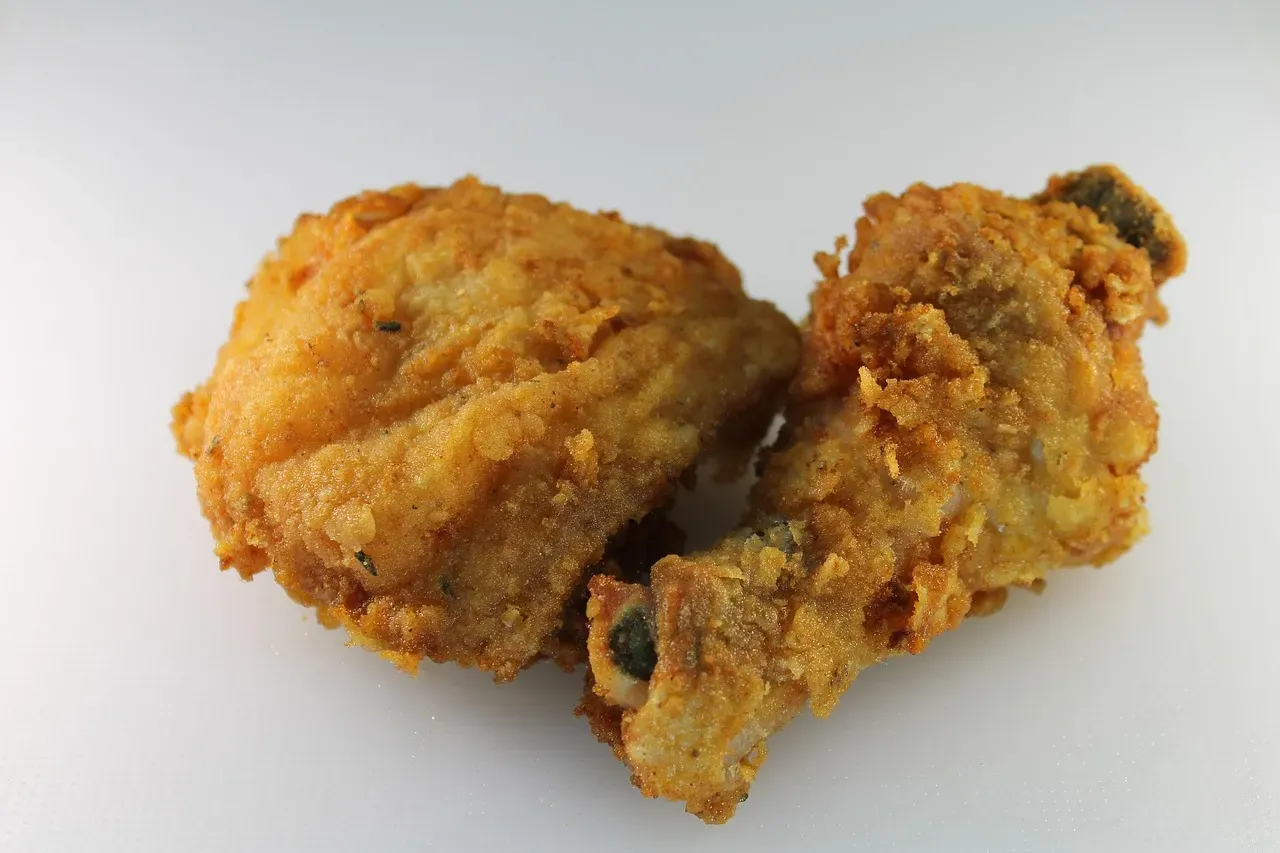
The origin of fried chicken in the southern states of America has been traced to precedents in Scottish and West African cuisine. That alone should make you pause. This is not just a recipe. It is a collision of continents on a plate.
Fried chicken traces back to West African cooking methods, where frying was a common preparation technique. Enslaved Africans adapted these techniques in the Americas, using ingredients available to them. Think about that every time you hear that satisfying crunch. There is history in every bite.
Among the Igbo, Hausa, and Mande, poultry was eaten on special occasions as part of religious ceremonies. During the antebellum period, enslaved Africans only had time to make fried chicken and side dishes such as collard greens, cornbread, and candied sweet potatoes on Sundays. Sunday fried chicken was not just a meal. It was an act of cultural preservation. Honestly, knowing that makes it taste even better.
2. Gumbo: Louisiana’s Greatest Gift to the World
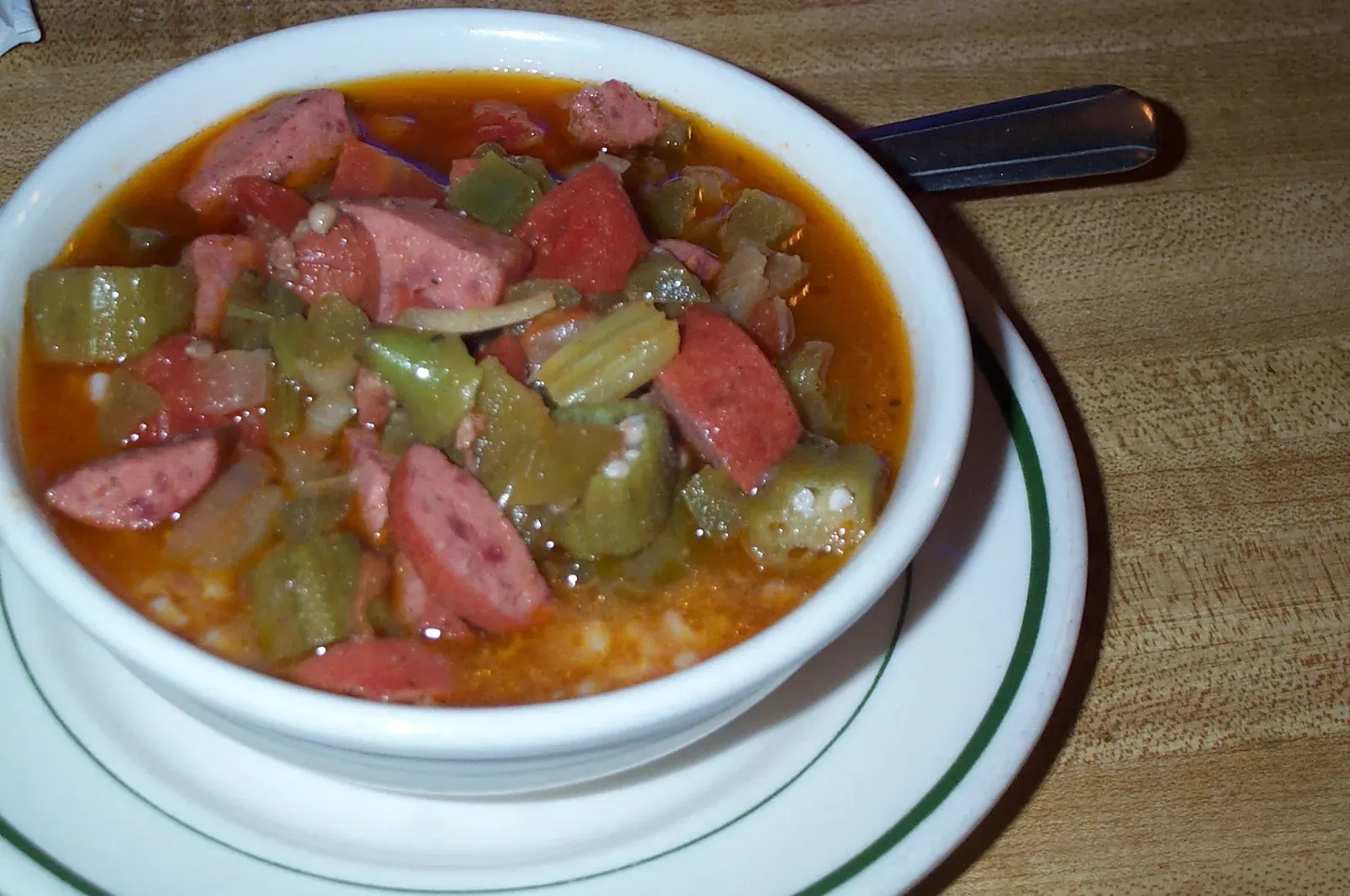
Gumbo combines ingredients and culinary practices of several cultures, including Central and West African, French, German, Spanish, and Native American Choctaw. No other dish on this list draws from as many traditions simultaneously. It is almost like a living archive of Southern history.
Gumbo is a heavily seasoned stew that combines several varieties of meat or seafood with a sauce or gravy. Any combination of meat or seafood can be used. Meat-based gumbo may consist of chicken, duck, squirrel, or rabbit, with oysters occasionally added. Seafood-based gumbo generally has shrimp, crab meat, and sometimes oysters. The sheer versatility of gumbo is staggering.
Cajun gumbo, or rather the roux that forms its base, is a labor of love requiring the cook to stir the roux over heat for anywhere from 45 to 60 minutes. That is not cooking. That is devotion. A true fan knows that real gumbo cannot be rushed, and the dark, almost chocolate-colored roux is the soul of the whole dish.
3. Shrimp and Grits: The Lowcountry Classic You Need to Respect
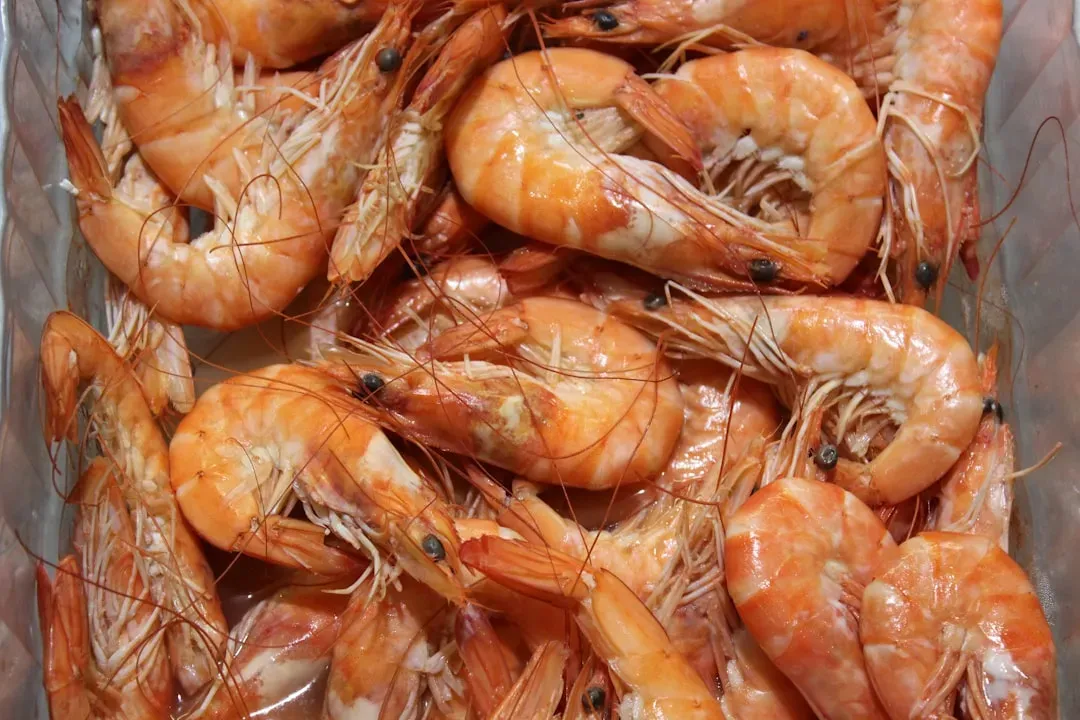
The Native Americans introduced ground corn, or hominy, to the Europeans who settled in America. Because corn was a crop that grew year round, grits, or hominy, became a commodity and was traded between tribes and settlements. So before shrimp ever met grits, corn was already woven into the very fabric of Southern life.
Shrimp and grits is a Lowcountry staple blending creamy cornmeal with fresh seafood. It sounds simple. It is deceptively simple. The magic is in the balance between the richness of the grits and the bright, oceanic flavor of perfectly cooked shrimp. Get either one wrong and the whole thing falls apart.
The West African influence is reflected today in the most traditional of Southern dishes. Georgian Shrimp and Grits or a Carolina Low Country Boil are great examples of this type of simplicity. Let’s be real. This dish is a masterclass in doing more with less, which is arguably the defining spirit of Southern cooking as a whole.
4. Collard Greens: The Most Underestimated Dish on Any Southern Table
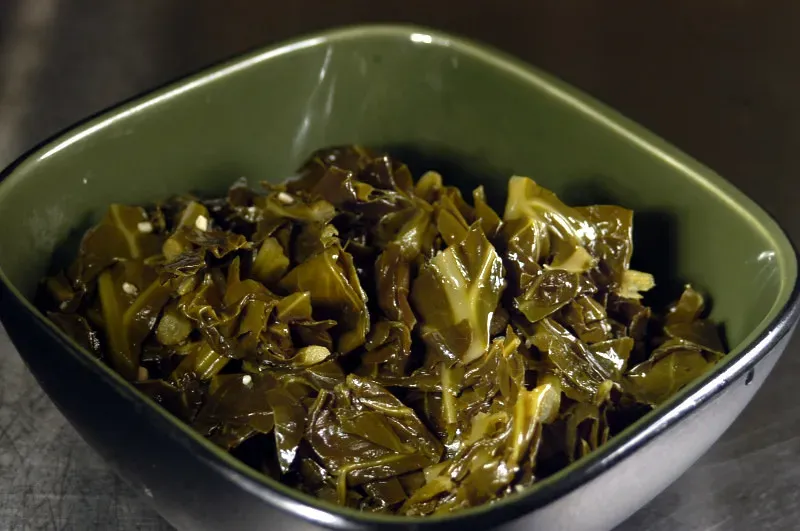
Collard greens have roots in both African and Southern European cuisines. They became a staple in Black households during slavery due to their affordability and adaptability. People who dismiss collard greens as boring have never had them properly prepared. That is all there is to it.
Dishes like collard greens, made with humble ingredients and seasoned with pork, became staples in Southern kitchens. The slow cooking method is everything. Low heat. Patient stirring. Smoked meat working its way through every leaf. The result is something dense, earthy, and deeply satisfying in a way that is hard to describe to someone who has not been there.
Collard greens are rich in nutrients and deeply symbolic of resilience. They are often cooked with smoked meats or spices, reflecting the resourcefulness of turning humble ingredients into something extraordinary. And that pot liquor left behind, the dark, mineral-rich liquid? True fans save it. They pour it over cornbread or use it as a broth base. Nothing is wasted. Nothing ever was.
5. Biscuits and Gravy: Born From Necessity, Loved Forever
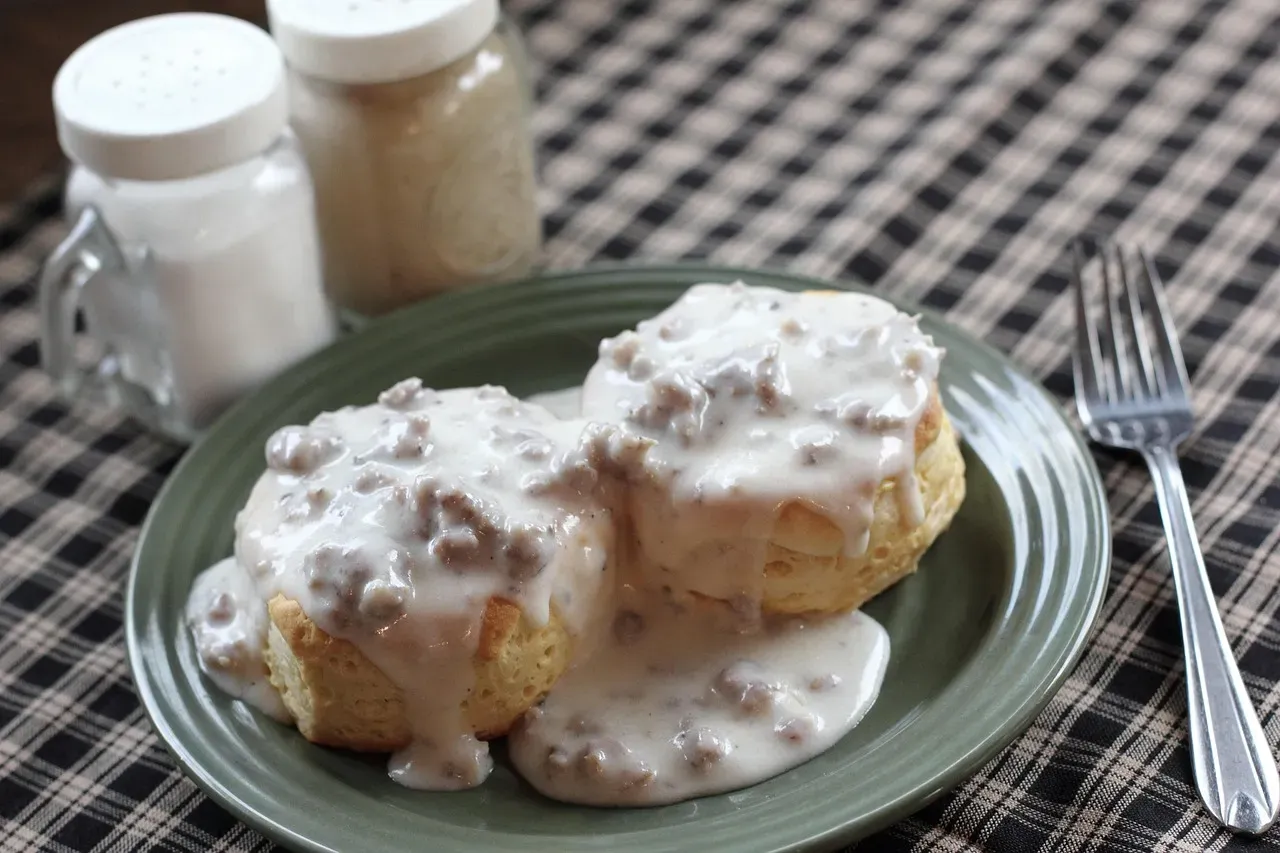
Like many other Southern favorites, biscuits and gravy were born out of necessity. The dish has been found on tables for decades and quickly became a staple of Southern diets. The hearty, high-calorie dish made a delicious, filling, and inexpensive breakfast for laborers. It was working class food that became iconic food. That is a very Southern story.
In the late 1800s, people in Southern Appalachia were turning to sawmills. This was intense manual labor and people needed hearty foods. This was also a poor region that could not afford certain types of meat and other foods to satisfy the workers. The dish filled a need, and it filled it perfectly. That is why it survived.
Over the next century we see something go from a “dish for the poor” to a comfort food that gains popularity not just in the South but eventually the northern states as well. Biscuits and gravy today can be found in diners coast to coast. Yet the version you get at a small family spot in Tennessee still somehow hits different. Any true fan will tell you that without hesitation.
6. Cornbread: Simple, Ancient, and Absolutely Non-Negotiable
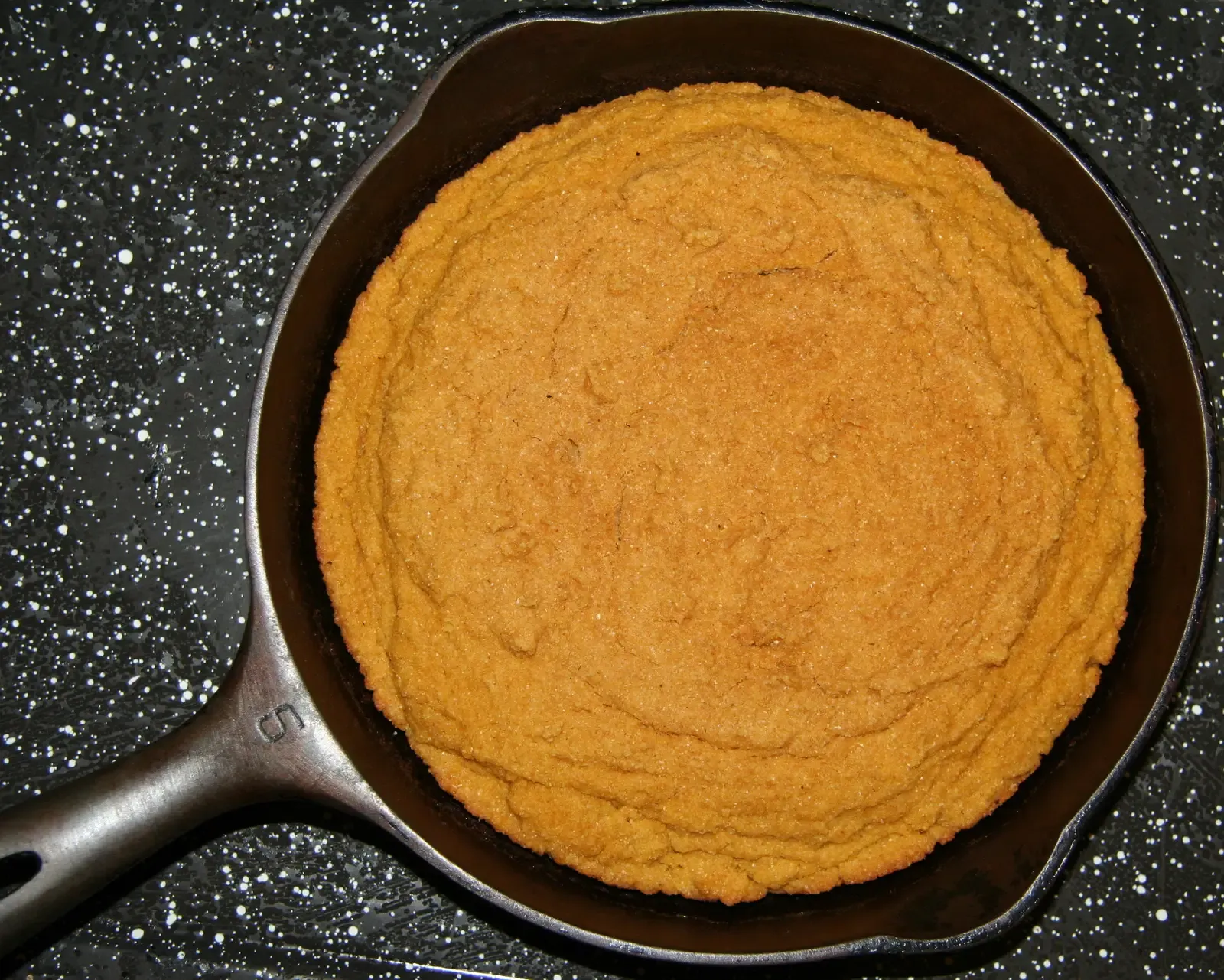
From corn, Southeastern Native American tribes made grits, cornmeal mush, corn chowder, hush puppies, and cornbread that were adapted by European settlers and enslaved Africans in cuisine called soul food. Cornbread has the deepest roots of almost any food on this entire list. It is thousands of years in the making.
Staples like corn were used to make cornbread, grits, moonshine, and Southern whiskey, all of which are still important to the Southern economy today. It is wild to think that a humble skillet bread connects to so many other parts of Southern life and economy. Nothing about Southern food is accidental.
Here is the thing about cornbread that non-fans never grasp: the sugar debate. Add sugar to cornbread in certain parts of the South and you might as well be starting a small argument. Northern versions tend toward sweet. Traditional Southern cornbread is savory, dense, and baked in a cast iron skillet with a crispy, crackling crust that is its own reward. Southern cornbread skips the sugar and sticks to tradition with a crumbly texture and crispy edges. It is best served warm from a cast iron skillet.
7. Pecan Pie: The Southern Dessert That Commands Respect
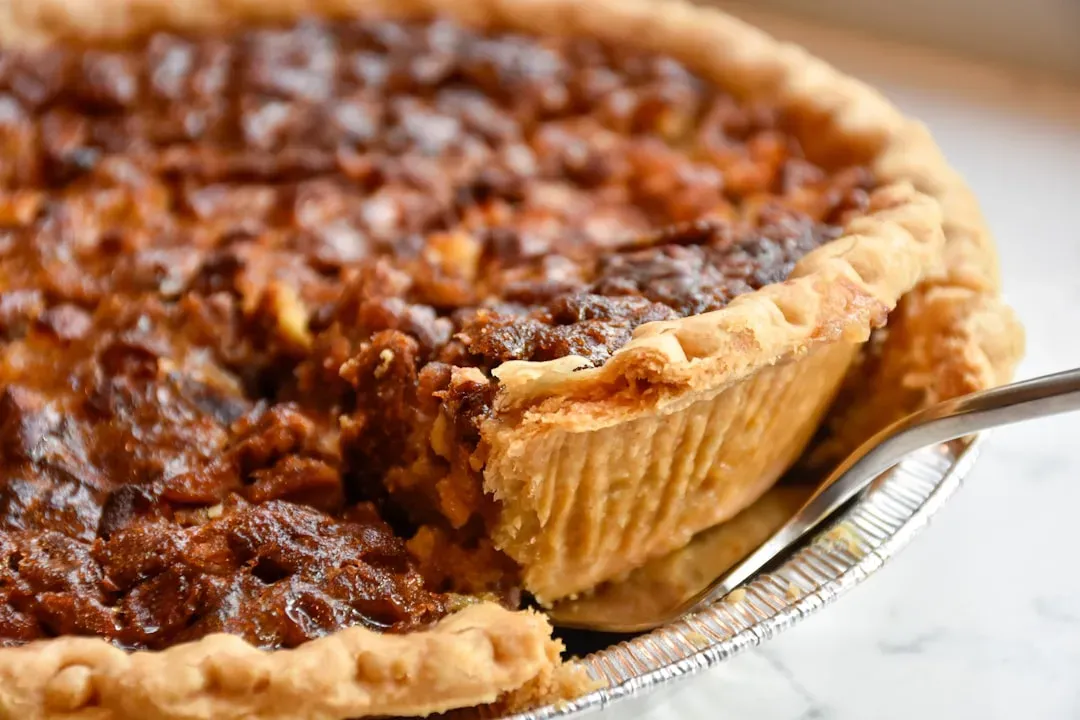
Pecan pie is a famous Southern treat that originated in Mississippi and has become a staple at holiday celebrations. The pie is made with a buttery crust and filled with a sweet, custard-like mixture of pecans, sugar, and eggs. It is not a subtle dessert. It does not try to be. It is rich, sticky, tooth-achingly sweet, and completely unapologetic about it.
This pie is packed with crunchy pecans in a thick, sticky filling that sets up beautifully. It is a rich, deeply sweet dessert that is a fixture at holiday tables. Thanksgiving, Christmas, Easter. Pecan pie shows up like a faithful relative who you know is coming and are genuinely glad to see every single time.
It’s hard to say for sure exactly when pecan pie crossed from regional specialty to national obsession, but the fact remains that Southern cuisine is characterized by its love for sweetness, and sweet ingredients like sweet potatoes and pecan nuts are deeply embedded in the region’s culinary identity. Pecan pie is the most concentrated expression of that sweetness. A true fan eats it warm, with or without vanilla ice cream, and feels absolutely no guilt whatsoever.
The Soul Beneath the Plate
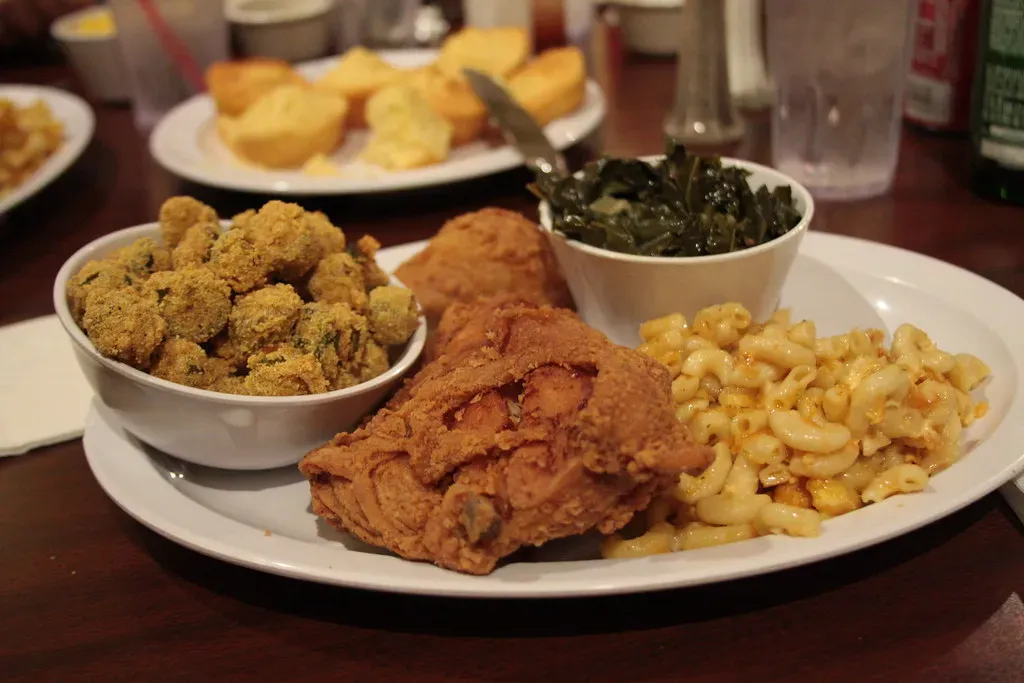
Southern food is a unique blend of ingredients and techniques passed down from generation to generation. More than just food, it is a way of life deeply rooted in history, culture, and pride. That is not marketing language. That is just the honest truth about what is happening every time someone in the South pulls a skillet off the stove.
Soul food originated in the American South during the antebellum period and is associated with the cuisine of the South in general. Soul food used cooking techniques from West and Central Africa, Western Europe, and Indigenous cuisine of North America. The blend arose from enslaved peoples maintaining their culture despite slavery and blending it with the ingredients available to them. Every dish on this list carries that weight.
Southern cuisine is not for people looking for something trendy. It is for people who understand that a pot of gumbo slow-simmering for three hours is not inefficiency. It is reverence. These seven dishes are not just popular. They are testaments to human creativity, survival, and community built around food. The real question is: which one would you sit down to first?
What do you think about it? Drop your favorite Southern dish in the comments.