
Most of us think our home kitchens are perfectly safe. We cook for our families, follow recipes, and feel confident we know what we’re doing. But here’s the uncomfortable truth: some of the most routine things people do while cooking – habits passed down from grandparents, seen on social media, or just assumed to be “fine” – are actually violations of food safety codes used to inspect professional kitchens.
Roughly one in six people in America experience a foodborne illness each year – that’s close to 48 million people. A number that big doesn’t come just from restaurants. Plenty of it starts in home kitchens, with habits that seem harmless. So if you’ve ever wondered whether you’re cooking as safely as you think you are, be prepared to be surprised by what comes next.
Table of Contents
1. Washing Raw Chicken Before Cooking It
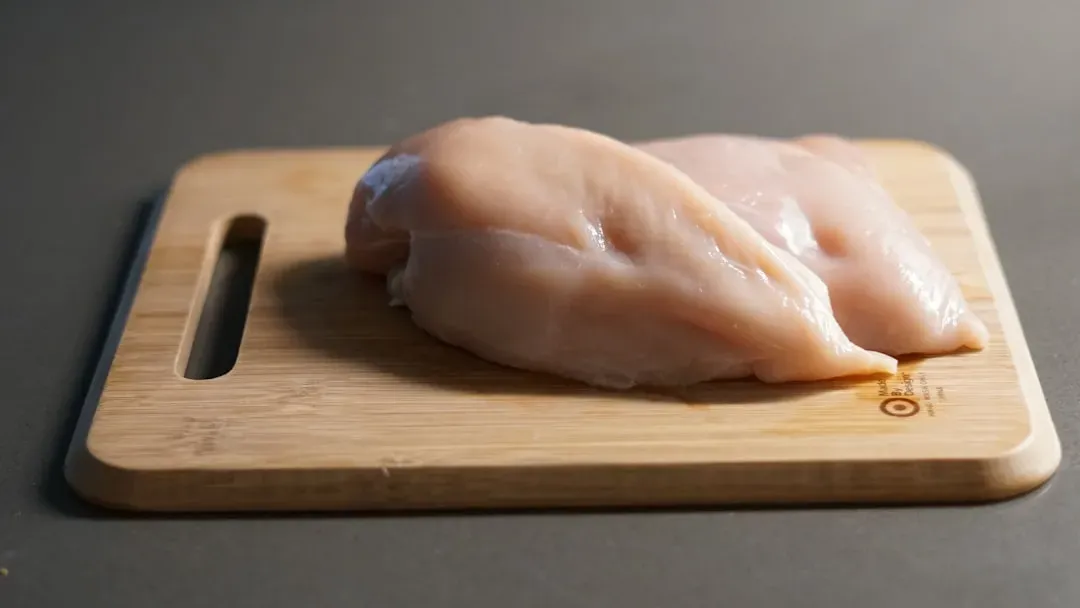
Honestly, this might be the most stubbornly persistent kitchen myth alive. Millions of home cooks still run their raw chicken under the tap before tossing it in the pan – often because a parent or grandparent told them to. It feels clean. It feels thorough. It is, unfortunately, the opposite of safe.
The Food and Drug Administration recommends against washing raw chicken due to the risk of transferring dangerous foodborne pathogens through splashed drops of water. When water hits raw poultry, it doesn’t just flow down the drain. The USDA says bacteria on raw chicken, like Salmonella, ride misting water droplets out from the sink in a process known as “aerosolization,” splattering the food-prep area in a two to three foot radius.
Of the participants who washed their raw poultry in a USDA study, roughly three in five had bacteria in their sink after washing or rinsing the poultry. Even more concerning, more than one in eight participants still had bacteria in their sinks after they attempted to clean the sink. That’s a shocking figure. In that same study, 26 percent of participants who washed raw poultry transferred bacteria from that raw poultry to their ready-to-eat salad lettuce.
Rinsing or soaking chicken does not destroy bacteria. Only cooking will destroy any bacteria that might be present on fresh chicken. The safe internal temperature for poultry, according to the USDA, is 165°F. Skip the rinse. Trust the heat.
2. Thawing Meat on the Kitchen Counter
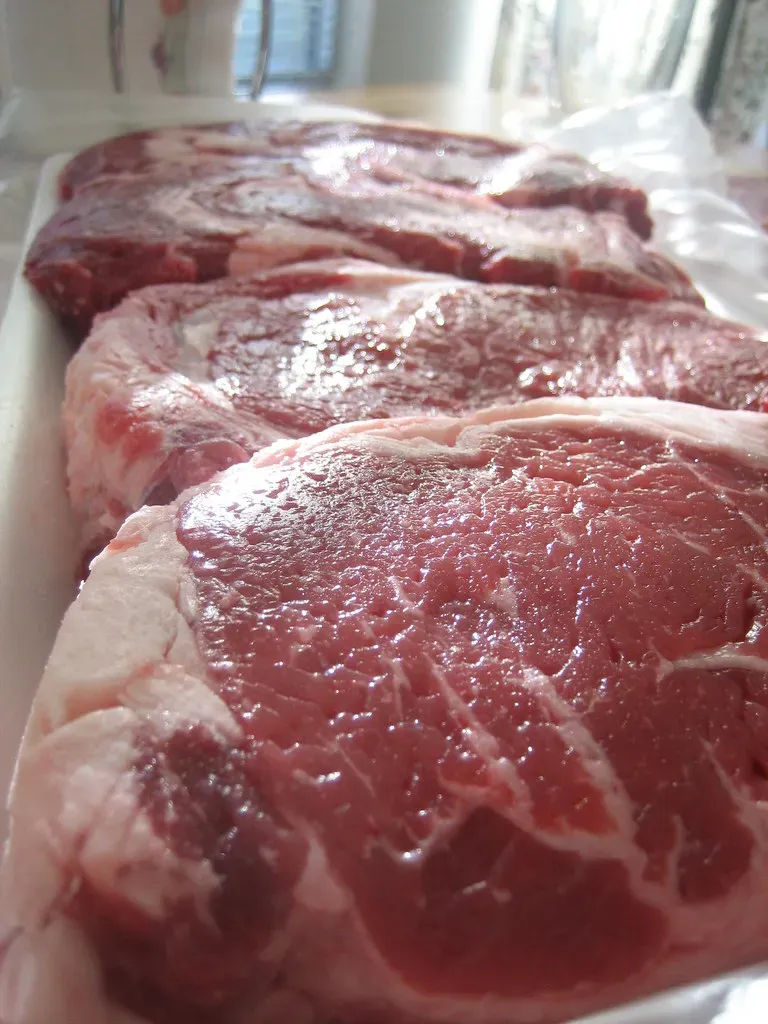
Here’s a scene almost every household knows: a frozen steak pulled from the freezer in the morning, left on the counter, waiting to be ready by dinner. It’s practical. It’s convenient. It is also one of the most common food safety violations cited by health inspectors in professional kitchens.
The FDA states clearly: never thaw food at room temperature, such as on the countertop. There are three safe ways to defrost food – in the refrigerator, in cold water, and in the microwave. Food thawed in cold water or in the microwave should be cooked immediately.
Freezing keeps food safe by slowing the movement of molecules, causing bacteria to enter a dormant stage. Once thawed, these bacteria can again become active and multiply to levels that may lead to foodborne illness. Because bacteria on these foods will grow at about the same rate as they would on fresh food, thawed foods should be handled as any other perishable food.
Food sitting at room temperature to thaw allows bacteria to multiply even if the center is still frozen. Think about that. The outside of your chicken breast could be swarming with bacterial growth while the core is still frozen solid. Bacteria grow most rapidly in the range of temperatures between 40°F and 140°F, doubling in number in as little as 20 minutes. That counter thaw is not saving time. It’s creating risk.
3. Using the Same Cutting Board for Raw Meat and Vegetables
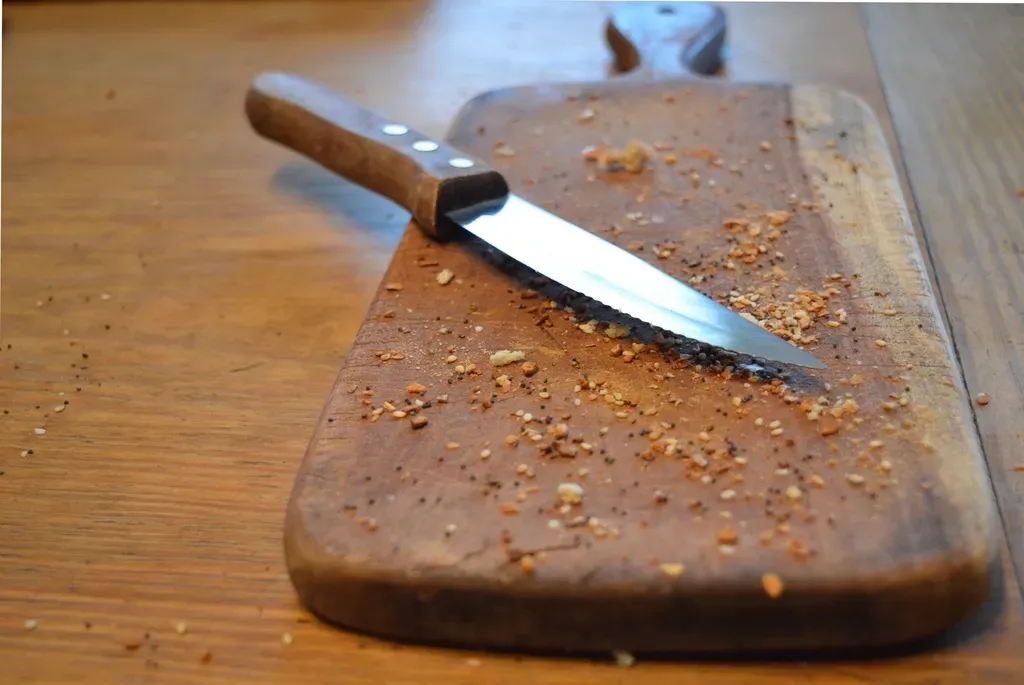
Let’s be real – most home kitchens have one cutting board. Maybe two. And most people use the same one for everything: raw chicken, then salad greens, raw beef, then bread. It’s a cross-contamination setup that would trigger an immediate health code violation in any commercial kitchen.
Food safety codes require the use of separate chopping boards and utensils for raw and cooked or ready-to-eat foods. This isn’t bureaucratic overkill. It directly addresses one of the most common routes of bacterial spread in food preparation. Cross-contamination occurs when harmful bacteria from raw meat, poultry, seafood, or eggs come into contact with ready-to-eat foods, such as fruits, vegetables, or cooked foods. To prevent cross-contamination, it’s crucial to keep raw meat separate from other foods during storage, preparation, and cooking.
Using a cutting board to chop raw chicken and then using the same board to chop tomatoes without washing it first is a textbook example of dangerous cross-contamination. Bacteria associated with chicken include Salmonella, Staphylococcus aureus, Campylobacter jejuni, Listeria monocytogenes, and Escherichia coli. A simple color-coded board system – red for raw meat, green for produce – is used in professional kitchens for exactly this reason. It’s a cheap, easy fix with serious health implications.
4. Cooking Without Checking Internal Temperatures
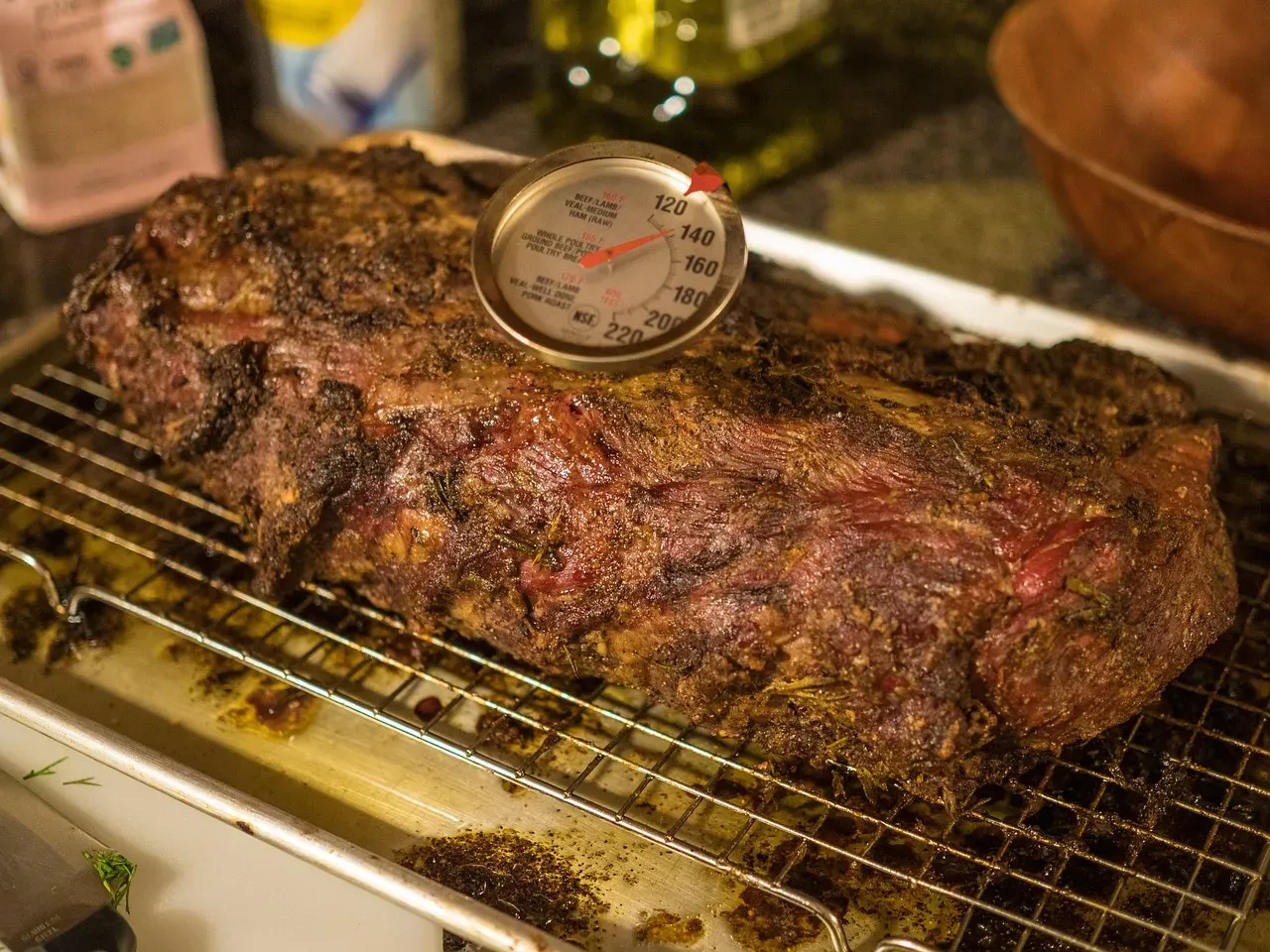
Most home cooks judge doneness by looks: the chicken looks white, the burger looks brown, the pork chop looks cooked. Here’s the thing – color is one of the least reliable indicators of whether food is actually safe to eat.
Color is never a reliable indicator of safety and doneness, according to the USDA’s Food Safety and Inspection Service. When food is cooked properly, parasites, viruses, and most bacteria are killed. Alternatively, when food is not cooked to the recommended internal temperature, harmful microorganisms can remain active. That seemingly “done” burger could still be harboring E. coli at its center.
Raw beef, pork, lamb and veal steaks, chops and roasts should reach 145°F, and meat should rest for at least three minutes before carving or consuming. Raw ground beef, pork, lamb and veal must reach 160°F. Egg dishes also require 160°F. Fish should reach 145°F. Raw poultry must reach 165°F. These aren’t suggestions. In any licensed food establishment, failing to meet these temperatures is a critical health code violation.
I think the single most impactful kitchen tool most home cooks don’t own – but absolutely should – is a reliable instant-read food thermometer. It costs very little and eliminates the guesswork entirely.
5. Leaving Cooked Food Out Too Long
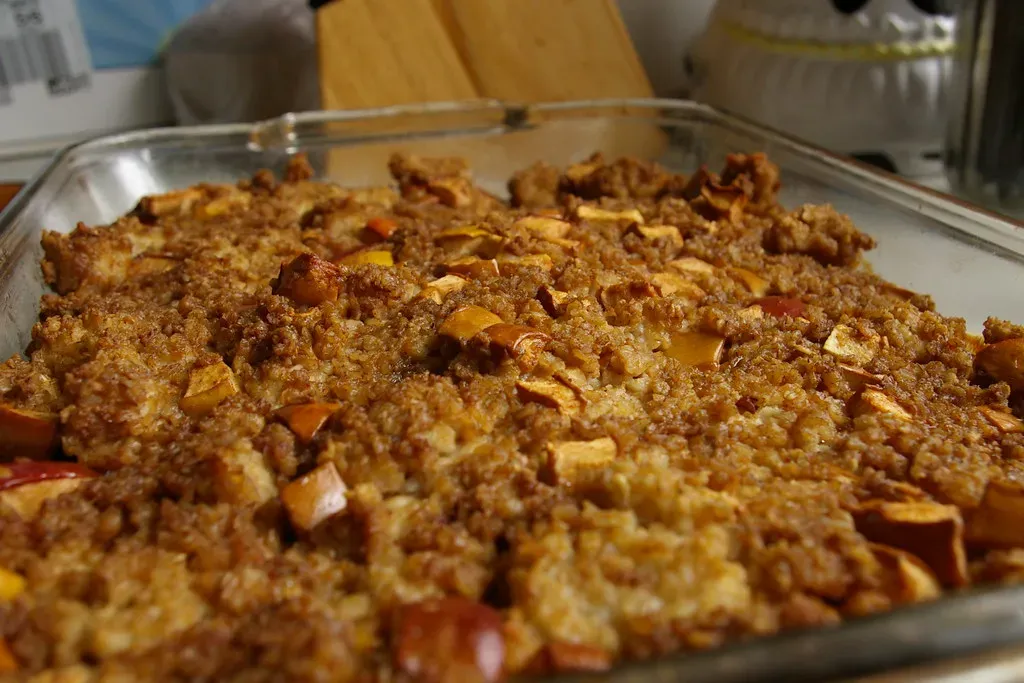
Dinner is done, everyone’s eaten, and the leftovers are sitting on the stove. An hour passes. Then another. There’s always the intention to put things away “in a minute,” but that minute stretches into two, three, sometimes four hours. This is one of the most common home habits that would fail a health inspection without question.
Bacteria can multiply rapidly if left at room temperature or in the “Danger Zone” between 40°F and 140°F. Perishable food should never be left out for more than two hours – or just one hour if exposed to temperatures above 90°F. That’s a strict rule, and it applies in home kitchens just as much as in restaurants.
Leaving food out too long at room temperature can cause bacteria such as Staphylococcus aureus, Salmonella Enteritidis, Escherichia coli O157:H7, and Campylobacter to grow to dangerous levels that can cause illness. What makes this especially tricky is that food can look, smell, and taste completely normal while already being unsafe. There’s no visible warning sign – just an invisible bacterial bloom happening in real time.
One of the most common causes of foodborne illness is improper cooling of cooked foods. Because bacteria are everywhere, even after food is cooked to a safe internal temperature, they can be reintroduced to the food and then reproduce. Leftovers must be put in shallow containers for quick cooling and refrigerated within two hours.
6. Improper or Inconsistent Handwashing
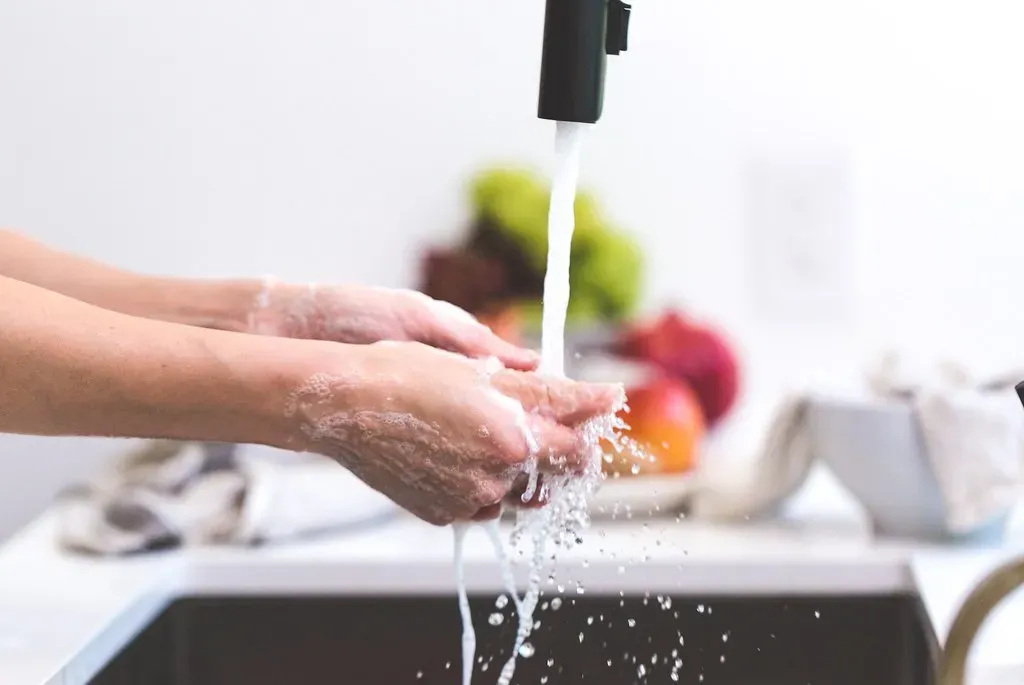
It seems almost too basic to mention. Wash your hands before cooking. Everyone knows this. Yet the data on how people actually wash their hands in the kitchen is genuinely eye-opening – and a little alarming.
Only one percent of the more than 200 participants in a research study demonstrated correct handwashing based on CDC recommendations: wet hands with water, rub hands with soap for at least 20 seconds, rinse hands with water, and dry using a clean, one-use towel. Just one percent. That’s a staggering finding. Researchers observed that only about one in four participants washed their hands before preparing food, after touching raw poultry or packaging, after touching another person, after touching a cell phone, or after touching trash or a trash can.
Poor hygiene is one of the biggest contributors to the spread of foodborne illness. Health codes require that hands must be washed using soap and warm running water and scrubbed for at least 20 seconds. That twenty-second rule isn’t random – it’s the minimum time needed to effectively reduce pathogen levels on the skin. Rinsing your hands quickly under the tap doesn’t come close to meeting this standard.
An estimated 600 million people worldwide fall ill after eating contaminated food, causing 420,000 deaths every year, according to the World Health Organization. A substantial portion of that enormous toll traces back to something as correctable as handwashing technique.
7. Storing Food Incorrectly in the Refrigerator
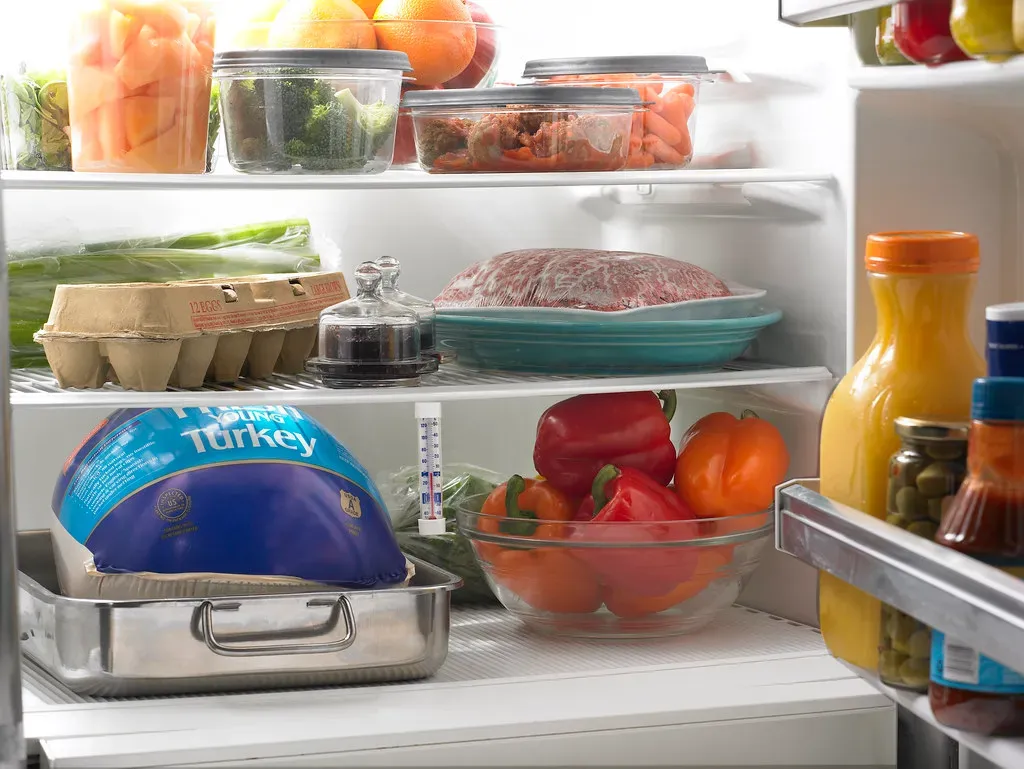
The refrigerator feels like a safe zone. Everything in there is cold and preserved, right? Not necessarily. How food is stored inside the fridge – what goes where, how it’s covered, and how it’s stacked – matters enormously from a food safety standpoint.
Food safety codes require storing food correctly to avoid cross-contamination, following a strict vertical order from raw vegetables all the way down to raw chicken. Most home refrigerators have it exactly backwards, with raw meats stored on upper shelves where drips can contaminate everything below. In any commercial kitchen, that arrangement is a violation. Raw poultry goes on the bottom shelf. Always.
When food is not stored properly, bacteria can multiply to dangerous levels. This applies not just to placement but also to containers. Uncovered foods allow bacteria to travel between items. Any food item not stored in its original packaging must be labeled to avoid confusion. Cooked products should be labeled with a “use by” date. This labeling rule is standard in food service establishments but virtually unheard of in home kitchens – which is exactly how mystery leftovers sit in the fridge for a week past their safe window.
Keep your refrigerator at 40°F or below and your freezer at 0°F or below, and know when to throw food out before it spoils. A simple appliance thermometer in the fridge is one of those small investments that can genuinely prevent illness. It’s hard to say for sure how many people actually monitor their fridge temperature, but most don’t – and that gap between assumption and reality is where foodborne illness quietly thrives.
What All of This Actually Means for Your Kitchen
The common thread running through all seven of these habits is familiarity. We do them because we’ve always done them, because they feel intuitive, or because nobody ever told us otherwise. Hospitalizations from contaminated food more than doubled from 230 in 2023 to 487 in 2024, and severe illness can have long-lasting consequences, including lifetime health conditions and families burdened by medical expenses. These aren’t abstract numbers.
With around 600 million instances of foodborne diseases reported yearly, the World Health Organization confirms that contaminated food is a major factor in the worldwide burden of disease. The professional food industry is held to rigorous health code standards precisely because these habits carry real consequences. The home kitchen deserves the same level of attention.
The good news? Every single habit on this list is fixable. A thermometer, a second cutting board, a timer for leftovers, and a proper handwashing routine are not expensive or complicated changes. They’re just different. And sometimes different is exactly what keeps you and your family safe.
Which of these habits did you recognize in your own kitchen? Tell us in the comments – and consider sharing this with someone who still rinses their chicken.