
You’ve followed the recipe. You’ve used good ingredients. You even splurged on that fancy olive oil. So why does the food still taste flat, bland, or just… off? Honestly, it’s one of the most frustrating feelings in a home kitchen – and the answer is almost never the ingredients themselves.
Professional chefs spend years learning what separates a forgettable plate from a remarkable one. Spoiler: it’s rarely about spending more money. It’s about habits. The tiny, seemingly innocent things you do without even thinking. Let’s dive into exactly what those habits are – and why they quietly sabotage your cooking every single time.
Table of Contents
1. Overcrowding the Pan and Killing the Crust
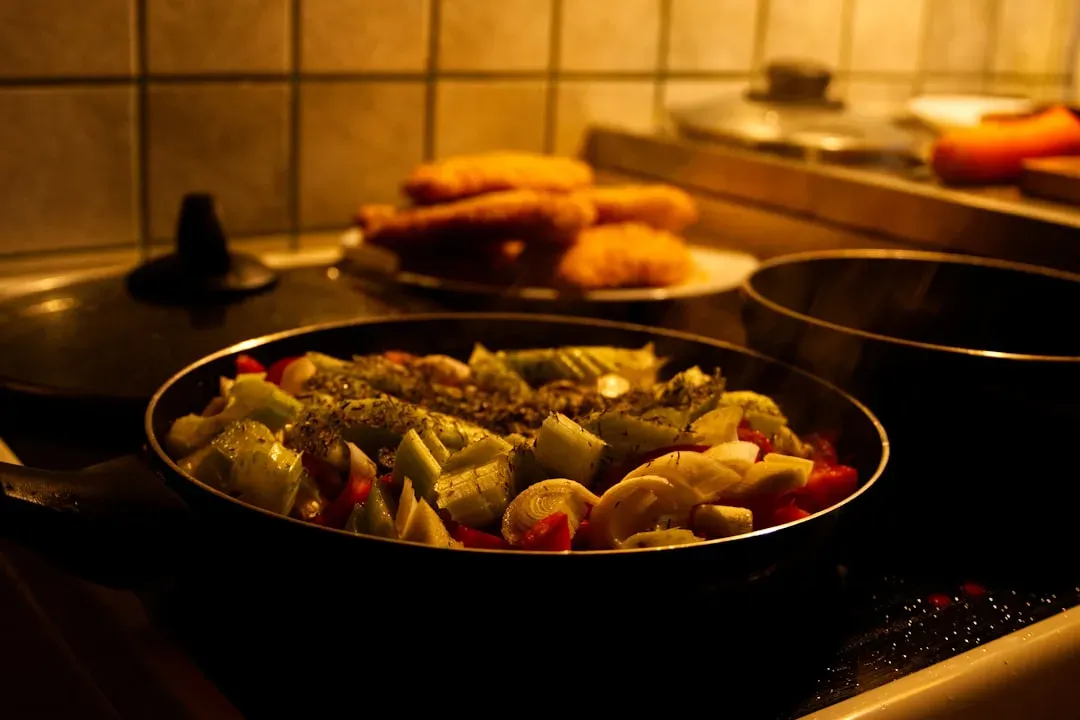
Here’s the thing: cramming more food into a hot pan doesn’t speed things up. It actually destroys the very thing that makes cooked food taste incredible. When too many ingredients are placed in a skillet at once, the food releases moisture faster than the pan can evaporate it, causing it to begin steaming instead of browning. This prevents the development of the rich caramelized surface known as the Maillard reaction, which occurs when proteins and sugars react under high heat.
The Maillard reaction is a chemical reaction that happens when proteins and sugars in food meet heat – it’s what gives browned food its distinctive flavor, aroma, and color. Think of it like a flavor switch. You either trigger it, or you don’t. Overcrowding prevents food from properly searing and undergoing this flavor-boosting reaction, causing pieces to steam and boil in their juices rather than caramelize, producing extremely bland, colorless food.
When vegetables or meat are crowded together, the temperature of the pan drops significantly, and the food becomes pale, soft, and watery rather than crisp and flavorful. Chefs typically cook ingredients in smaller batches to maintain high heat and proper spacing. Patience here is non-negotiable. Cook in batches. Your taste buds will thank you.
2. Wrong Timing With Salt – Too Early or Too Late
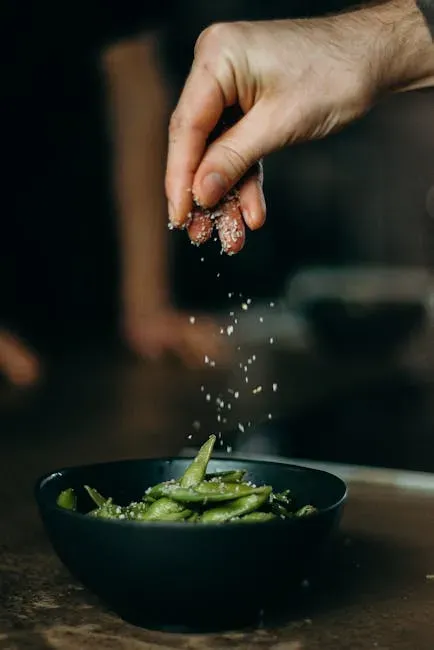
Salt draws moisture out of food through a process called osmosis. When used properly, it enhances flavor and improves texture. However, salting delicate ingredients too early can cause them to release excessive moisture before cooking begins. And yet waiting too long creates an entirely different problem.
If you wait until the end to add salt, your food will taste salty instead of seasoned. Instead, salt as you go. That sounds simple enough, but it’s a habit most home cooks simply haven’t formed. Failing to season meat early enough can prevent the salt from penetrating the surface, leaving the inside bland. Professional chefs often season meat slightly ahead of cooking while adding salt to vegetables closer to the cooking stage. Timing the seasoning correctly helps maintain structure while allowing the ingredient’s natural flavor to shine.
Think of salt not as a seasoning you add, but as a process you manage throughout cooking. The difference between salty and well-seasoned is almost entirely a matter of when, not how much.
3. Skipping the Pan Preheat
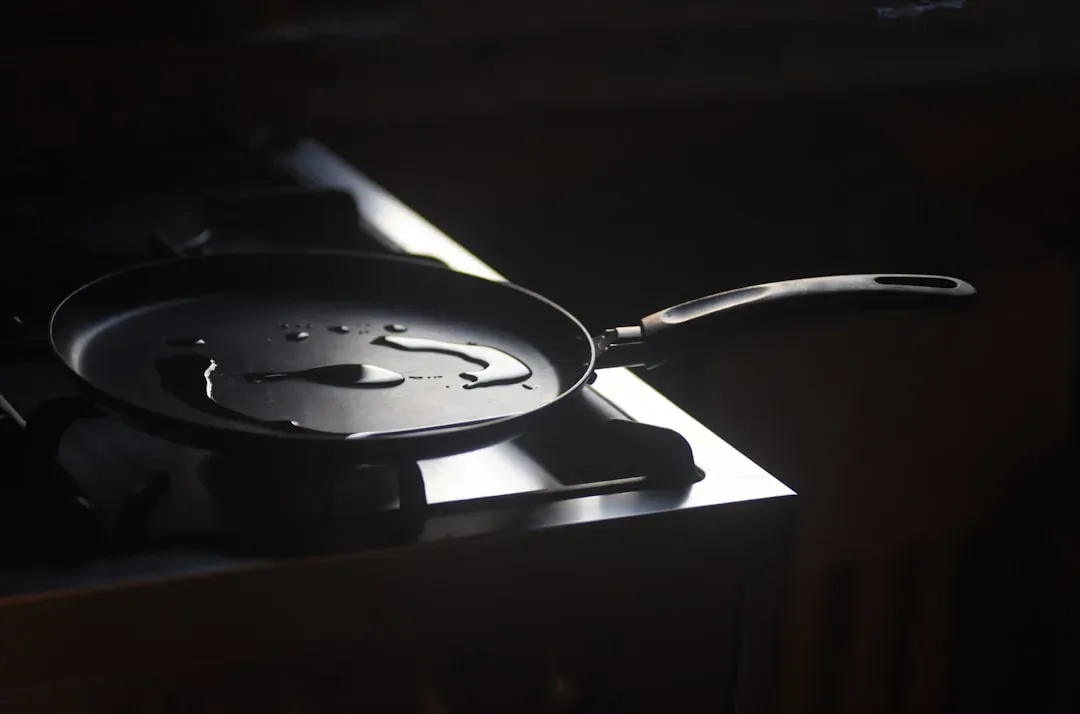
I know it sounds crazy, but a cold pan is one of the biggest silent flavor killers in the home kitchen. Taking the time to preheat your pan will result in better flavor and texture and make the cleanup process easier. Using a hot pan for meat, fish, and other foods will help them cook properly – if you add food to a cold pan, it’ll cook unevenly as different parts of the pan heat faster.
Preheating the pan also aids in caramelization. The hot pan quickly evaporates any moisture from the surface of meat or vegetables and creates a crispy, flavorful, browned exterior. It’s the difference between golden and grey. Between a proper sear and a sad, grey simmer.
The most common culprit in failed browning is surface moisture. Even in a screaming-hot pan, water will prevent browning by keeping the food at or below 212°F. So preheat the pan, pat proteins dry with paper towels, and only then add your oil. That sequence matters more than most people realize.
4. Not Letting Meat Rest After Cooking
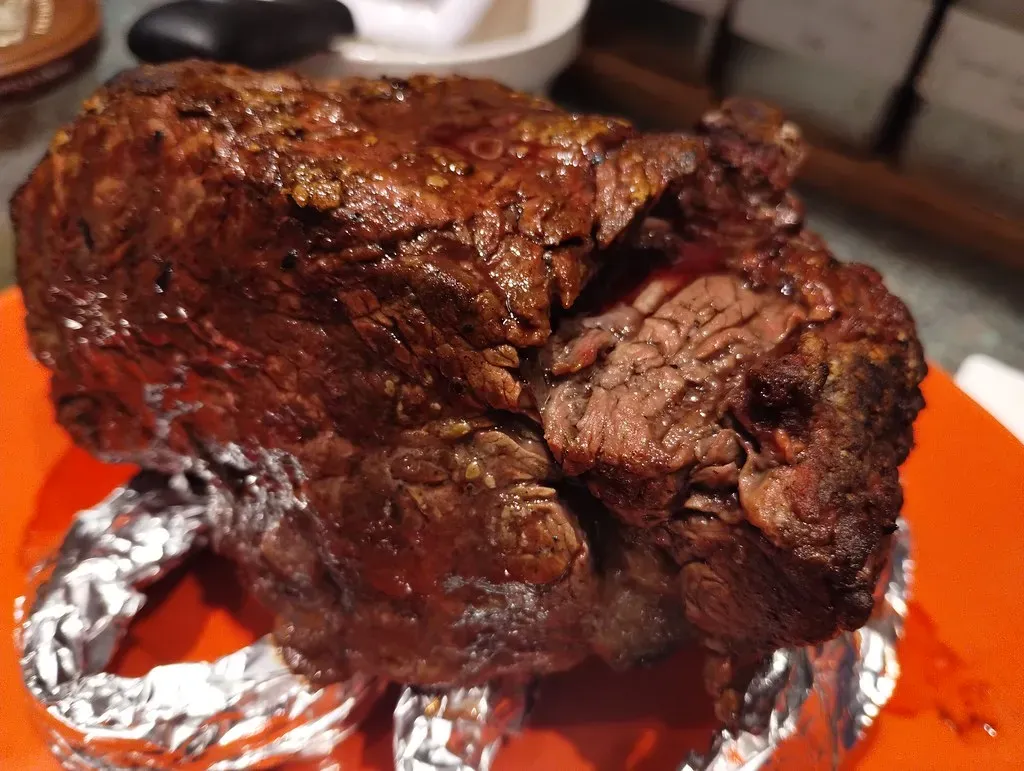
You pull a steak off the heat, and the smell is perfect. The instinct is to cut it immediately. Don’t. As meat cooks, its juices move toward the surface. If cut immediately, those juices spill out, leaving the interior dry and less flavorful. Letting meat rest for 5 to 15 minutes, depending on size, allows the juices to redistribute evenly, creating a more satisfying texture and taste.
In a controlled test on boneless pork loins roasted to 140°F, when sliced immediately, the meat lost 10 tablespoons of juices, compared to just 4 tablespoons after a 10-minute rest. The difference is striking – not only on the cutting board but also in every bite. Resting isn’t just a chef’s tradition. It’s measurable science.
After cooking and before slicing, meat should be allowed to rest undisturbed. During the cooking process, protein fibers uncoil and then coagulate, re-coiling and becoming firm. As they do so, they expel the moisture they previously held. Then, while resting, the protein fibers are able to relax and reabsorb some of the lost moisture. If you skip resting, you will lose these flavorful juices when the meat is cut.
5. Adding Dried Spices at the Wrong Time
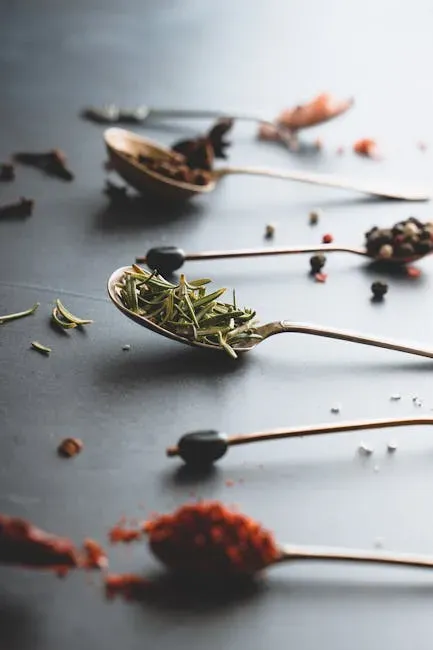
Dried spices seem forgiving. You can throw them in anywhere, right? Wrong. Dried spices are an essential pantry item, but adding them at the end of the cooking time often does a disservice to your food. They can turn out dry and chalky tasting if you don’t activate their essential oils and aromatic compounds.
Let spices bloom by toasting whole spices in a dry pan before you grind them. Or, add ground spices after you sweat your onions in oil, about a minute before deglazing the pan. That bloom – that one minute in hot oil – is where the magic happens. It’s like waking them up from a long sleep.
On the flip side, while you want to add dried spices at the beginning of your prep, you should add fresh herbs at the end. Fresh herbs are delicate. Heat destroys them quickly. Dried spices need heat to release their complexity. These are not the same, and treating them identically is a very common mistake that quietly flattens a dish’s entire flavor profile.
6. Using the Wrong Oil for the Wrong Heat
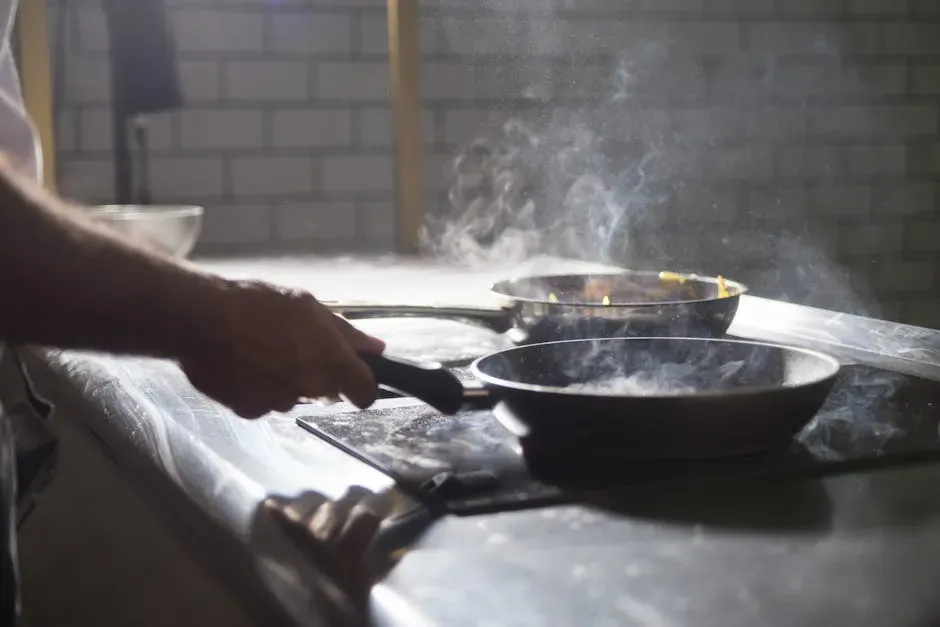
Most home cooks pick an oil and stick with it for everything. Olive oil for frying. Butter for everything else. It’s a natural shortcut – but it genuinely destroys flavor when misapplied. Each cooking oil has a unique flavor profile and different smoke points. That means some oils like canola or peanut oil are better suited for high-temperature frying, while fats like butter or lard are best for stir-frying and sautéing.
Oils have different smoke points, which is the temperature at which they begin to burn. Once fats start smoking, they break down and can release hazardous substances called free radicals into the air. Beyond the health concern, burned oil tastes bitter and acrid – it coats everything in the pan with a harsh, unpleasant flavor note.
Super fragrant oils, like extra-virgin olive oil and sesame oil, are best used raw as finishing oils or for salad dressings. Drizzling a good extra-virgin olive oil over a finished dish? Brilliant. Frying a steak in it at high heat? You’re just burning money and ruining flavor at the same time.
7. Overcooking Vegetables Until All Flavor Is Gone
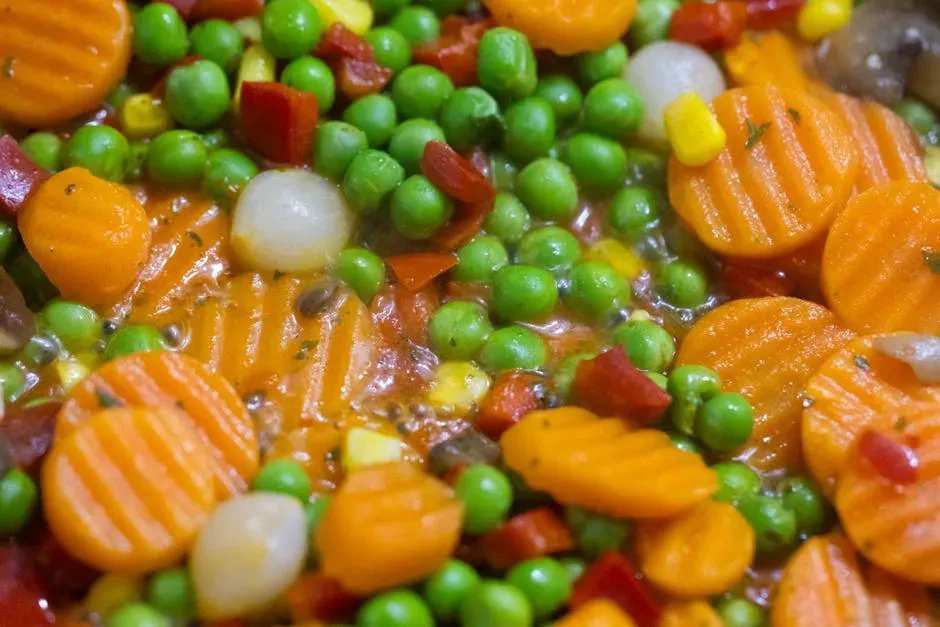
Professional chefs frequently emphasize that overcooking vegetables is one of the fastest ways to destroy their natural flavor, color, and nutritional value. It’s the mistake that is arguably the most widespread and the most overlooked. A perfectly roasted carrot is sweet, complex, and earthy. A boiled-to-mush carrot tastes like nothing.
The science here is hard to argue with. Roasting at high heat above 400°F triggers the Maillard reaction on the surface of vegetables. That’s why roasted Brussels sprouts taste sweet and nutty while steamed ones taste sulfurous and bland. Texture, color, and flavor all collapse together when heat is applied for too long.
If you accidentally overcook your vegetables it can make them dry and bland. Cool them in ice water and then reheat briefly in hot stock to make them edible again. That’s a great rescue trick to know – though prevention will always beat the cure. Pull your vegetables from the heat earlier than you think you need to. They carry heat with them, and a little bite left in a vegetable is always better than total collapse.
The line between a great meal and a disappointing one is often just a handful of habits. None of these seven are complicated. They don’t require expensive equipment or culinary school training. They just require awareness – and a willingness to slow down for a few extra minutes. The next time you cook, pick one of these and change it. See what happens. You might be shocked by how much difference a single tweak makes. Which of these habits are you guilty of? Drop your answer in the comments.