
Table of Contents
Eggs Benedict
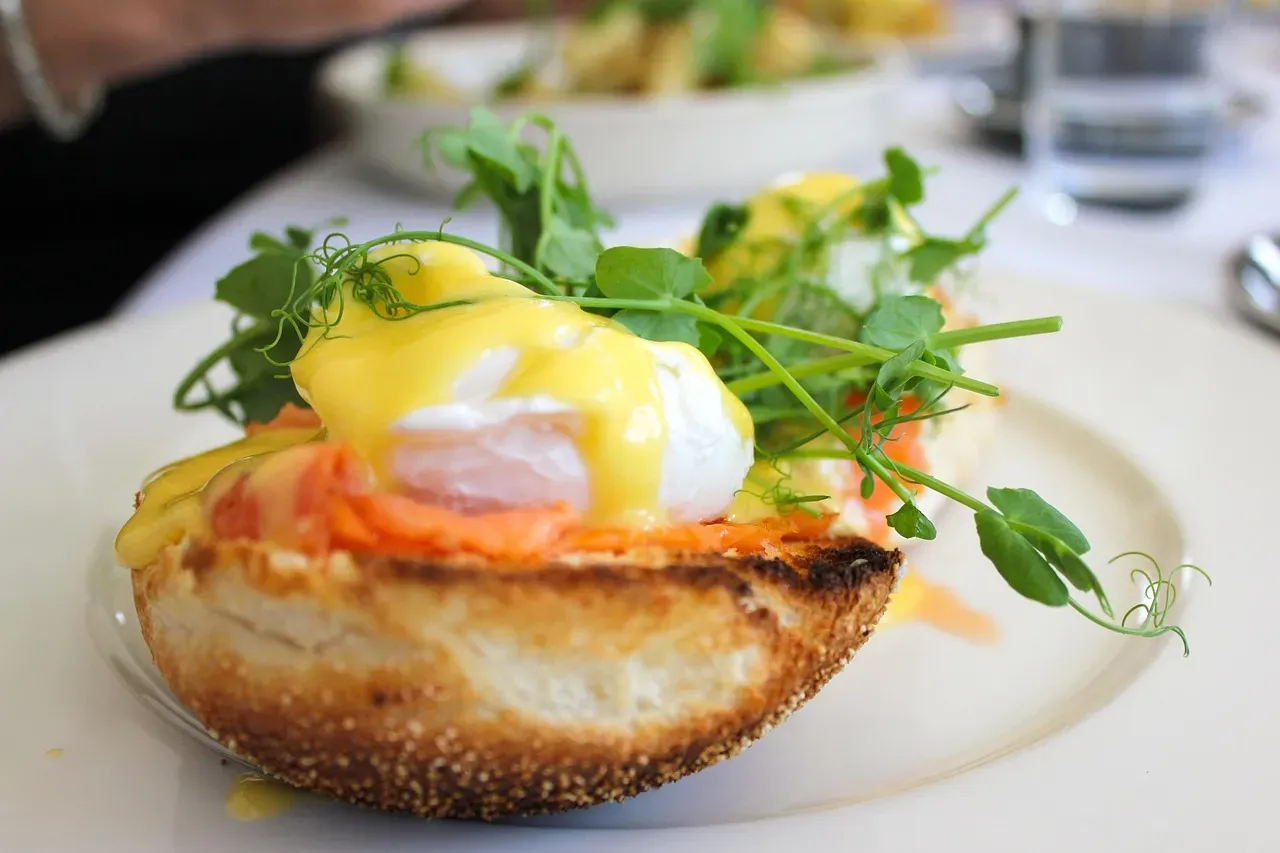
Many restaurants have simplified or eliminated this dish entirely, unable to justify the labor costs and potential waste associated with hollandaise preparation, with shortcuts compromising the dish’s integrity when it does appear. Let’s be real, making hollandaise sauce isn’t exactly a quick task. Morning visits to McDonald’s reportedly accounted for 33.5% of the chain’s traffic in early 2019, but that number dipped to 29.9% by 2025, while year-over-year morning traffic to fast-food chains has fallen every quarter for the last three years. This decline reflects broader struggles across the entire breakfast landscape, including traditional dishes like Eggs Benedict that require more skill and time than many establishments can afford in today’s efficiency-driven environment.
Homemade Biscuits and Gravy
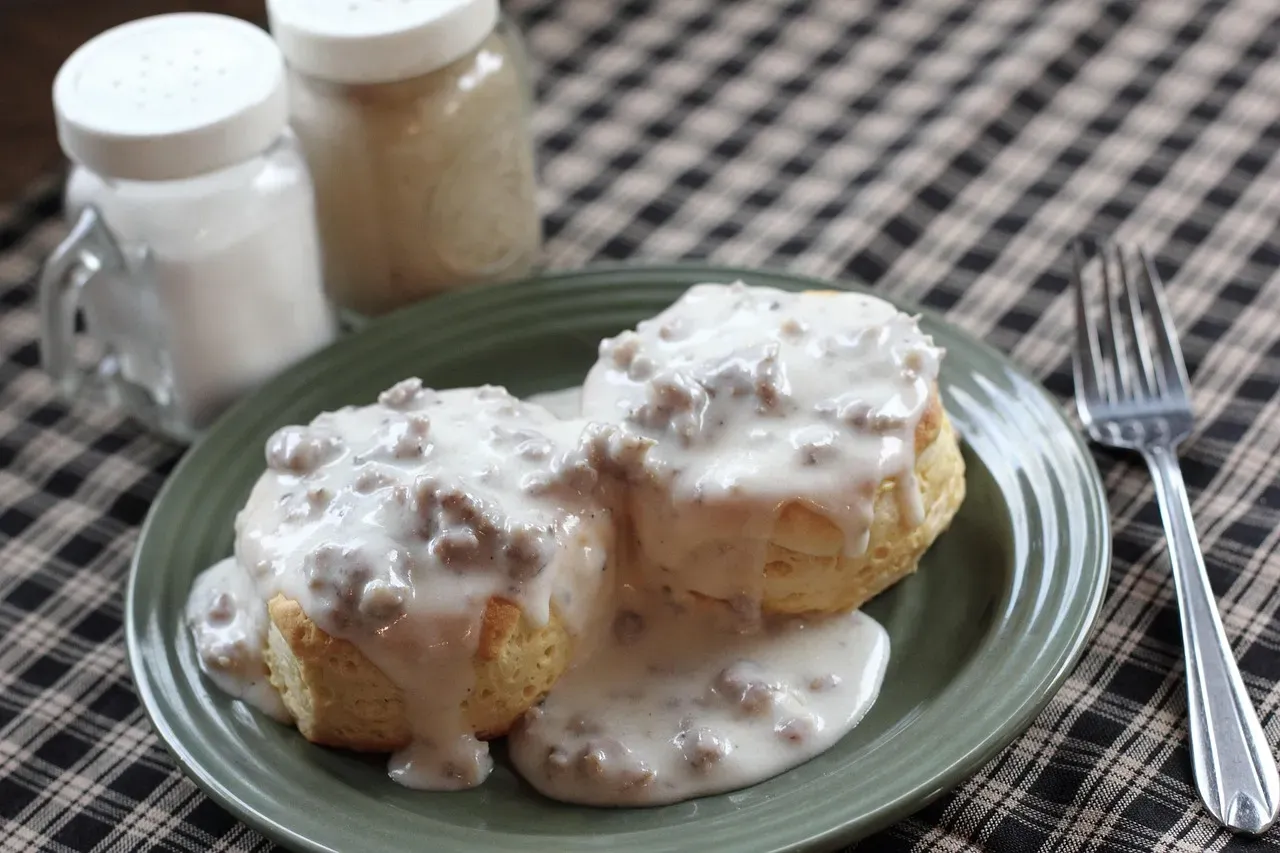
This labor-intensive favorite is vanishing from many menus, as the process of making biscuits from scratch multiple times daily, combined with preparing proper sausage gravy, requires dedicated preparation time and skilled cooks. It’s hard to say for sure, but the rise of pre-made frozen options probably hasn’t helped. When you can buy factory-produced biscuits and heat-and-serve gravy, why would restaurants invest in the time and talent needed for the real thing? According to FinanceBuzz, the cost of breakfast items across 10 major fast-food chains has reportedly increased by 53% since 2019. With prices climbing and labor costs squeezing margins, this Southern staple is becoming a nostalgic memory rather than a menu fixture.
Traditional Hash Browns
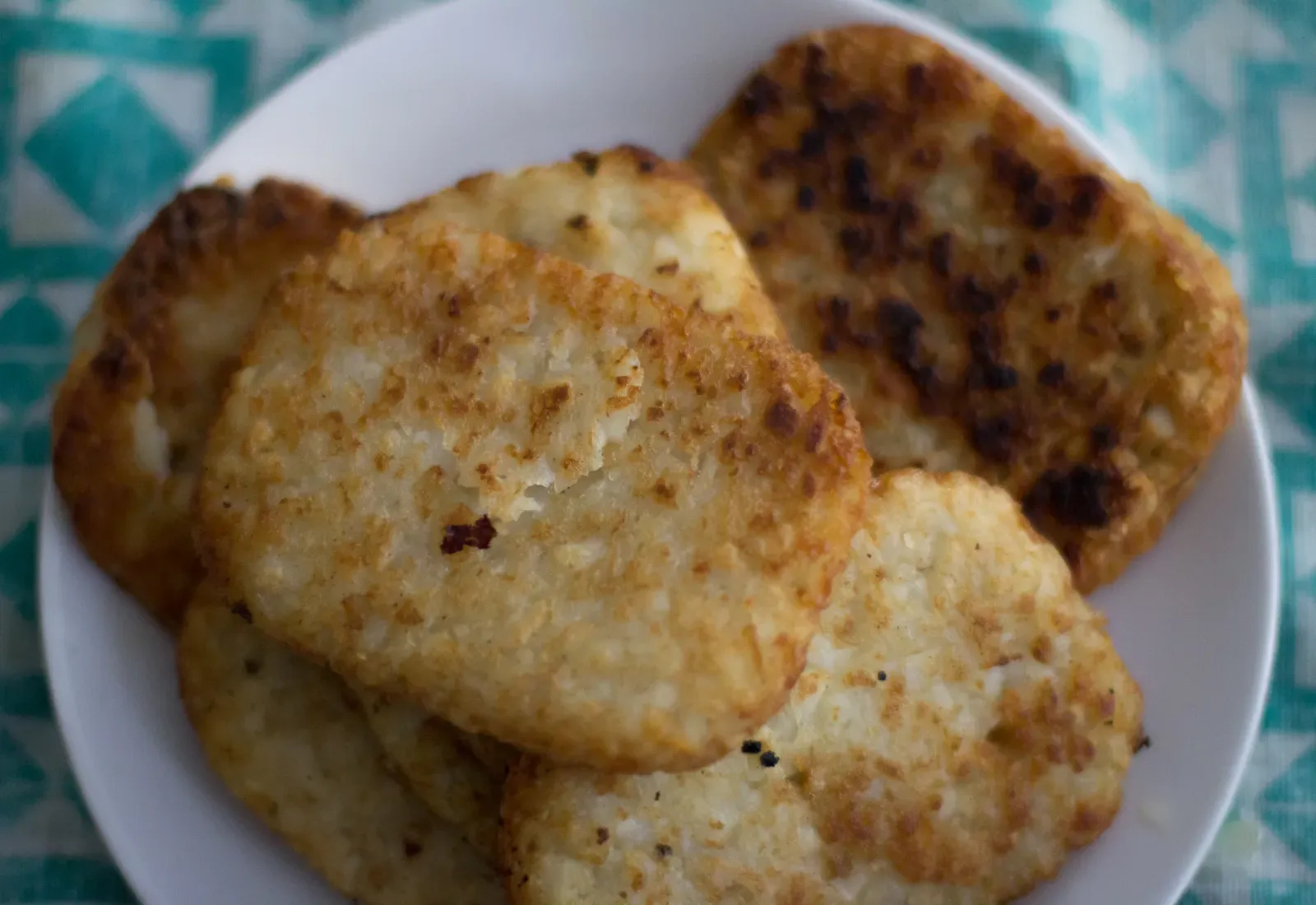
The crispy, golden rectangles of shredded potatoes that once defined diner breakfast plates are becoming rare, with many establishments switching to pre-formed frozen patties or eliminating them entirely, as the labor-intensive process of hand-cutting and properly cooking hash browns has become economically challenging. Here’s the thing: achieving that perfect golden-brown exterior while keeping the inside fluffy is trickier than it looks. Rising potato costs and supply chain issues have accelerated this trend, pushing restaurants toward more convenient options like breakfast potatoes or home fries, which require less specialized preparation but lack the distinctive texture and flavor. The artistry is becoming a lost skill in many kitchens.
Real Maple Syrup

The cost differential between genuine maple syrup and artificial alternatives has pushed many establishments toward cheaper options that fundamentally change the breakfast experience, affecting multiple menu items from pancakes and waffles to French toast and oatmeal. I know it sounds crazy, but the switch from real to fake syrup represents a much bigger issue than just taste. The rich, nuanced flavor of real maple syrup with its subtle vanilla and caramel notes represents a level of quality that many diners once took for granted, while its disappearance signals a broader trend toward cost-cutting measures that prioritize profit margins over authentic flavor experiences. When you notice that flat, one-dimensional sweetness instead of complex maple goodness, you’re experiencing this unfortunate reality.
Fresh-Squeezed Orange Juice

Remember when diners would actually squeeze oranges right there behind the counter, and you could watch the whole process – those days are vanishing faster than free refills on coffee. The labor involved in juicing fresh oranges for each order simply doesn’t make financial sense anymore. The U.S. orange juice supply is getting squeezed. Climate issues affecting citrus crops, combined with supply chain disruptions and rising produce costs, have made fresh juice an increasingly expensive luxury that most diners can’t afford to offer. Instead, you’re getting concentrate-based juice that bears little resemblance to the real thing, lacking that bright, vibrant flavor profile that only comes from freshly squeezed fruit.
Chicken Fried Steak
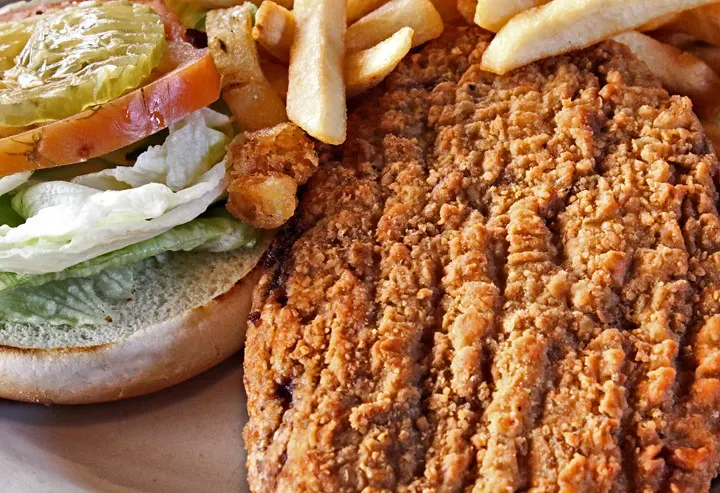
The cuts of steak used for chicken-fried steak are usually the less expensive, less desirable ones such as cube steak, chuck, or round steak, typically served for lunch or dinner topped with cream gravy, though it’s also common in the Midwest to serve chicken-fried steak for breakfast, along with toast and hash browns. Despite being a beloved comfort food classic, this hearty dish is disappearing from breakfast menus across the country. The preparation is time-consuming and requires proper technique to get that perfect crispy coating without the breading sliding off during frying. McDonald’s CEO Chris Kempczinski recently noted that the breakfast daypart is the weakest daypart. With breakfast traffic declining, labor-intensive dishes like chicken fried steak are often the first casualties when restaurants streamline their morning offerings.
Corned Beef Hash
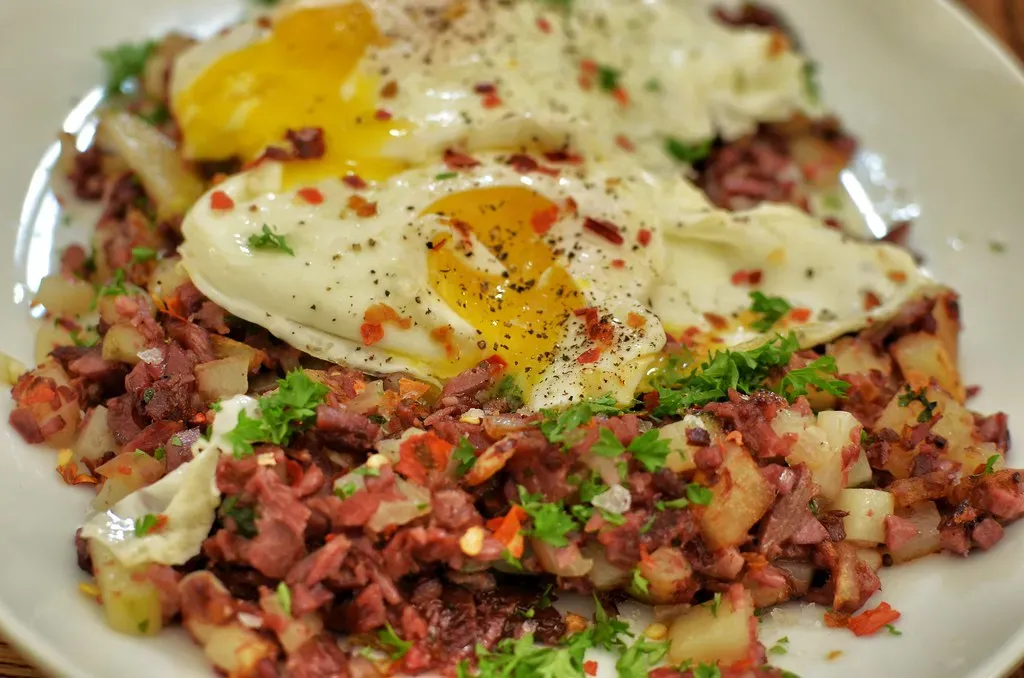
Corned beef hash is on the menu at almost any diner or breakfast establishment, typically consisting of chopped corned beef, diced onions and potatoes, and fried onions, sometimes served with poached eggs on top. Yet this classic is quietly slipping away from many breakfast menus. The corned beef hash that deserves special reverence achieves a perfect balance of tender corned beef and crispy potatoes with ideal textural contrast – this isn’t the sad, mushy canned version that haunts hotel breakfast buffets, but the real deal made with care and cooked on a grill that has decades of seasoning built into its surface. That level of quality demands skill, time, and dedication – standards that fewer restaurants can sustain. By late 2025, Denny’s announced plans to permanently close up to 150 locations, following dozens of closures the previous year, as the breakfast landscape quietly continues its transformation.
Looking Back, Moving Forward
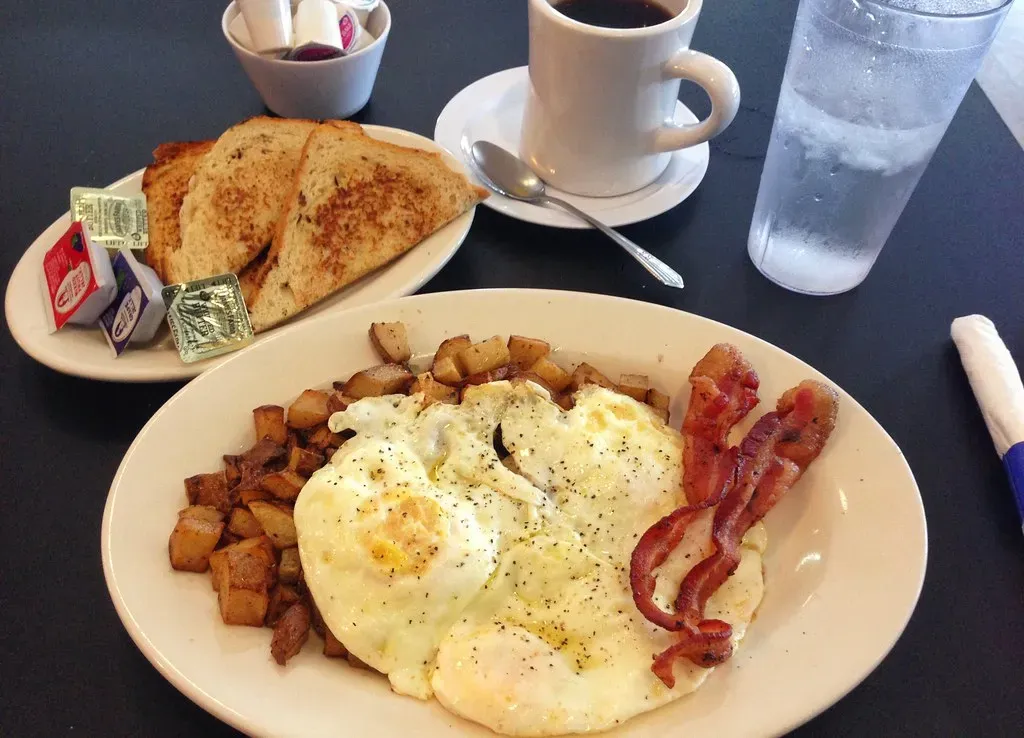
The disappearance of these breakfast classics reflects a broader shift in how America eats in 2025. Over the past few years, breakfast menus have evolved dramatically, with many traditional dishes slowly fading from view. A 2025 report by 24/7 Wall St. highlights how once-ubiquitous staples are disappearing as consumer tastes and culinary trends continue to change. Savory breakfast options are becoming more popular as diners seek alternatives to sugar-laden morning meals, with traditional breakfast foods like pancakes and muffins being swapped out for hearty, savory dishes such as shakshuka, breakfast flatbreads with toppings like spinach and feta, or savory oatmeal bowls.
Rising labor costs, supply chain disruptions, and changing consumer preferences have converged to push these labor-intensive classics off menus. Whether these dishes will eventually make a comeback or remain nostalgic memories depends on future diners demanding the authenticity and craftsmanship that made them special in the first place. What’s your favorite classic breakfast that you wish was still around?