
There is something almost poetic about arriving at a coastal town, breathing in the salty air, and sitting down at a waterfront restaurant with sky-high expectations. A lobster roll. Fresh Gulf shrimp. The catch of the day, straight off the boat. It sounds perfect, doesn’t it? Honestly, for millions of travelers every year, that dream turns into a very expensive, very underwhelming dinner.
The seafood industry at beach destinations has been under fire recently, with investigations, lawsuits, and diner reviews painting a picture that is far less appetizing than the menu descriptions suggest. What’s really on your plate when you order “local wild-caught shrimp” at that charming spot by the pier? Let’s dive in.
Table of Contents
1. Myrtle Beach, South Carolina: The Shrimp Is Probably Not What You Think
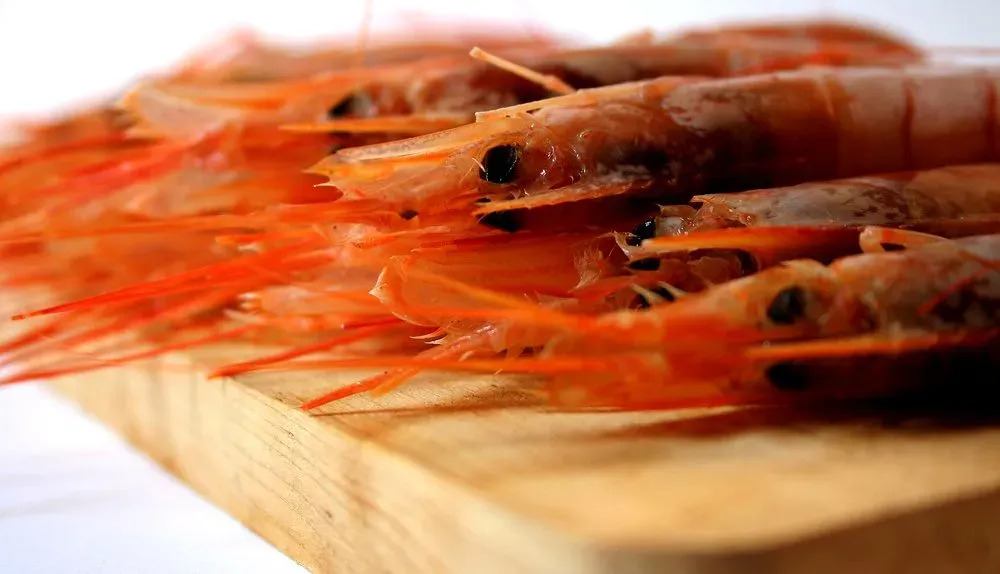
Myrtle Beach markets itself hard on seafood. As a premier seafood destination, famous for its regional Calabash-style seafood, many visitors arrive expecting to savor authentic, local flavors. The reputation is enormous, the reality is increasingly messy.
New findings paint a different story after genetic testing conducted by SeaD Consulting using its RIGHTTest technology examined shrimp dishes from 44 randomly selected seafood restaurants across the Myrtle Beach area between February 6 and 10, 2026. Only roughly a quarter of those restaurants were serving authentic American wild-caught shrimp. The remaining three quarters were serving farm-raised imported shrimp. That is not a small margin of error. That is a systemic problem.
For the millions who visit Myrtle Beach each year expecting fresh, local seafood, the findings highlight the importance of asking questions, and the need for clearer labeling standards. As awareness grows, advocates believe stronger disclosure requirements could help ensure that when visitors order “local wild-caught shrimp,” that’s exactly what they receive. Until then, diners are largely left guessing.
2. Biloxi, Mississippi: A Town That Called Itself the Seafood Capital of the World
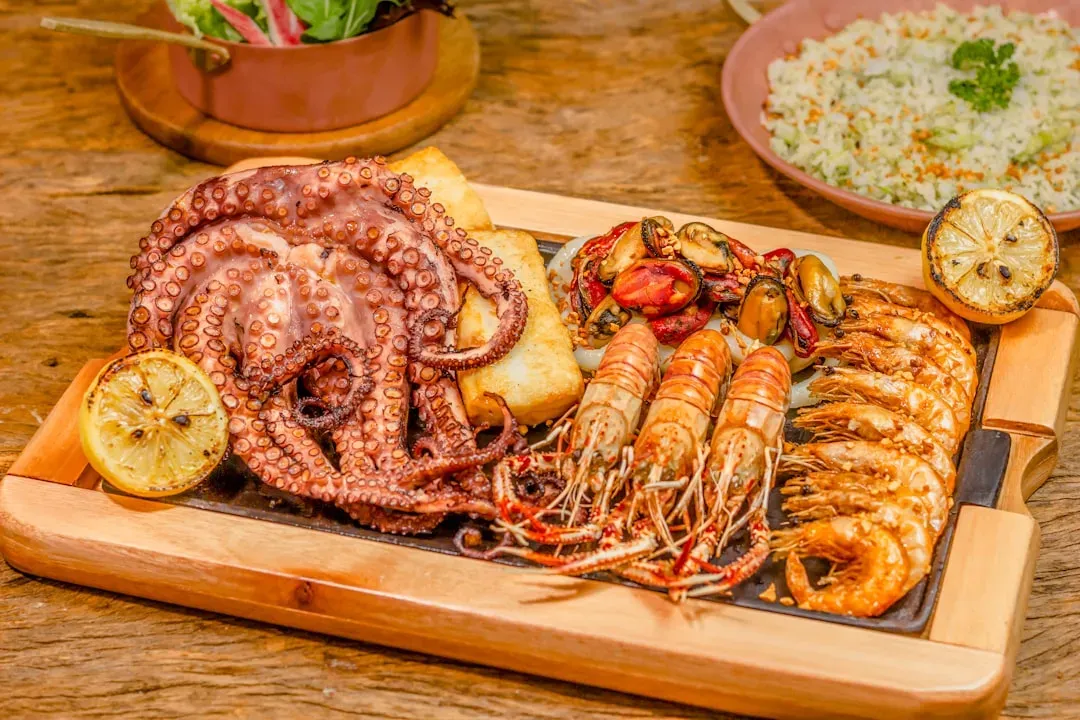
Biloxi has long carried the title of “Seafood Capital of the World,” a claim that has defined the city for generations. However, in 2024, that reputation faced a major challenge. In May of that year, the community was rocked by shocking news that reverberated through local fisheries, restaurants, and the broader seafood industry. Even in 2026, Biloxi continues to navigate the aftermath, balancing recovery efforts with efforts to preserve its storied culinary identity: Mary Mahoney’s Old French House, an iconic restaurant, pleaded guilty to conspiracy to misbrand fish and wire fraud. For years, the iconic 60-year-old establishment had been selling cheap imported fish as premium local Gulf seafood, defrauding more than 55,000 customers.
Between 2013 and 2019, the restaurant misrepresented approximately 58,750 pounds of imported fish from Africa, India, and South America as premium Gulf seafood. Mary Mahoney’s was fined $1,499,000 and placed on five years of probation. That’s nearly 60,000 pounds of deception served with a smile and a waterfront view.
SeaD Consulting’s investigation tested shrimp samples from 44 restaurants across Biloxi, Gulf Shores, and nearby areas. The results were startling: roughly four out of ten “Gulf White Shrimp” dishes were not local at all, with seventeen restaurants serving imported shrimp while marketing it as the real thing. Biloxi’s seafood identity, it seems, is at a crossroads.
3. Tampa and St. Petersburg, Florida: Nearly Every Plate Is Not What It Claims
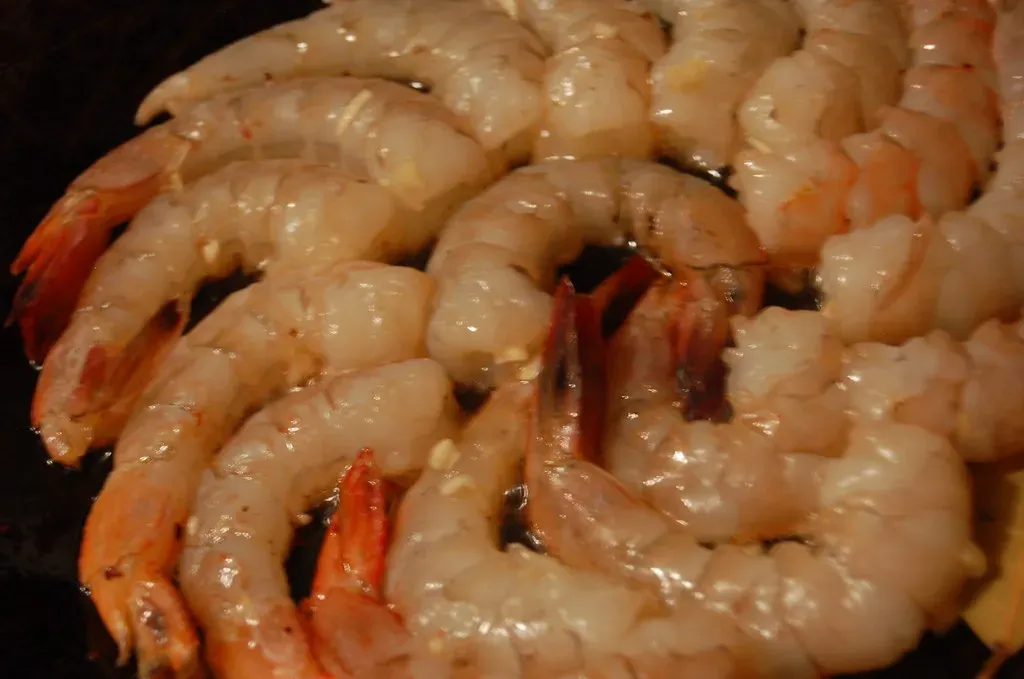
Florida is one of the most visited coastal states on earth, and Tampa Bay’s beach dining scene draws enormous foot traffic year-round. The numbers from recent testing, though, are almost hard to believe. In Tampa and St. Petersburg, Florida, a staggering 96% of seafood restaurants were not correctly labeling shrimp on their menus. Let that sink in for a moment.
Here’s the thing: when you walk into a casual waterfront spot in St. Pete and order the “fresh Gulf shrimp,” the odds are overwhelmingly against you getting what you actually ordered. Seafood restaurants cannot trick customers into thinking their seafood was caught nearby if it was actually imported, the FTC warned. Yet in the Tampa Bay area, the data suggests the practice is close to universal.
The U.S. imports about 80% of its seafood, according to the National Oceanic and Atmospheric Administration. In beach towns like those along Tampa Bay, the gap between what is advertised and what is served has become one of the defining food stories of the past two years.
4. Jacksonville Beach, Florida: Service and Value Both Fall Short
Jacksonville Beach has long drawn families looking for a more relaxed, low-key Florida coastal experience compared to the flashier spots further south. The seafood options, however, have left many visitors scratching their heads in frustration. Reviewer complaints on TripAdvisor about establishments in the area are sharp and consistent.
At one Jacksonville Beach seafood spot, one family reviewer noted that the wait staff was essentially absent for 90% of a 90-minute stay as everything moved at a snail’s pace, with plastic silverware and food that was “fair at best.” When you’re paying beach-town prices, “fair at best” is genuinely not good enough.
Reports also show that a Joe’s Crab Shack Jacksonville location experienced health-code violations in October 2025, including signs of mold and mildew, missing tiles, and toxic substances stored incorrectly. Mix lackluster food quality with cleanliness concerns, and it is easy to understand why diners leave feeling burned.
5. Galveston and Kemah, Texas: Gulf Coast Pride With a Sourcing Problem
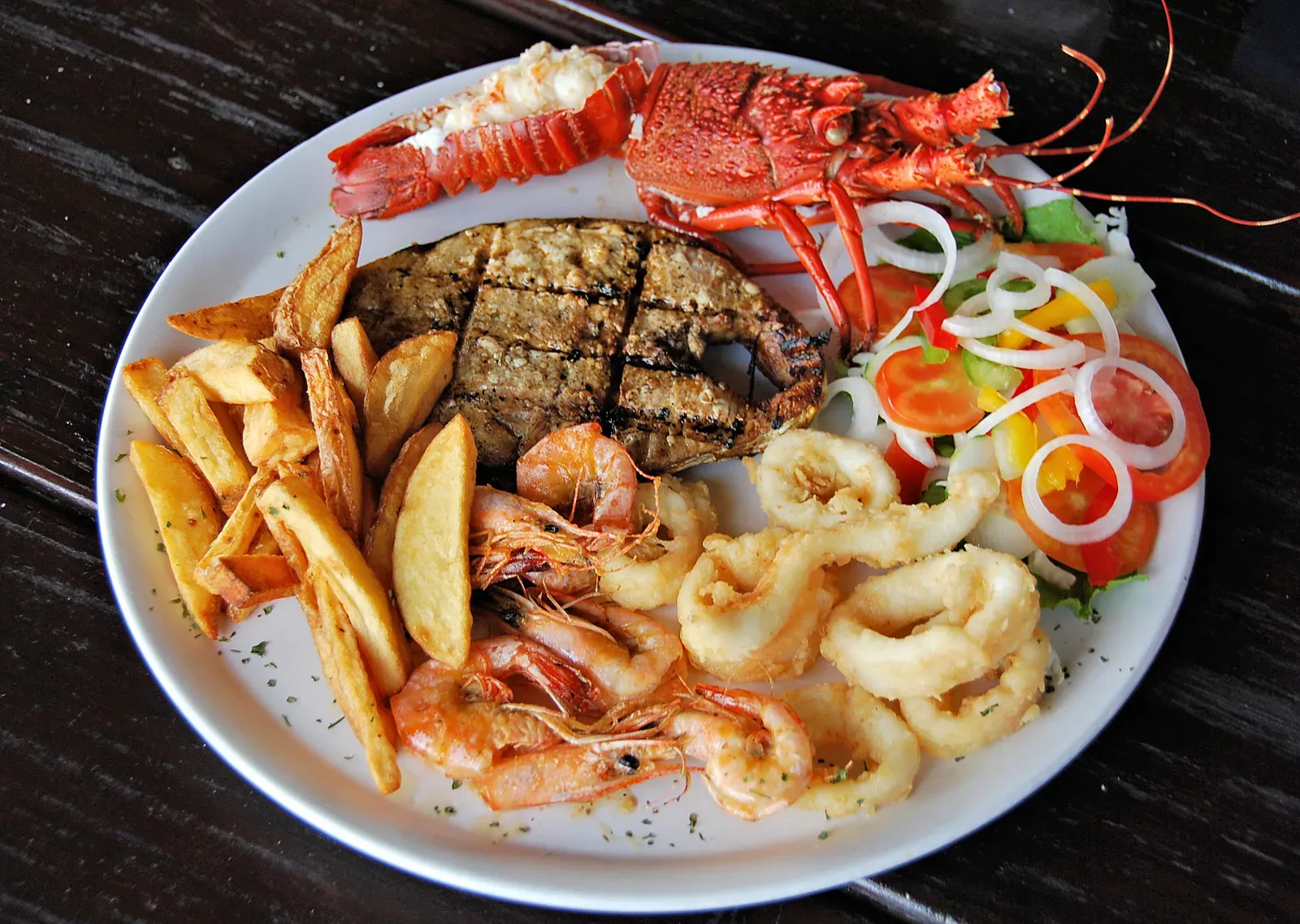
Texas takes its Gulf seafood identity seriously, and the communities of Galveston and Kemah have built entire tourism economies on it. Kemah, in particular, is famous for its boardwalk seafood restaurants. The “local Gulf catch” story is everywhere. The reality, according to recent testing, is quite different.
In Galveston and Kemah, Texas, roughly 59% of seafood restaurants were not correctly labeling shrimp on their menus. More than half. The towns market themselves as authentic Gulf Coast experiences, and for the majority of diners, what arrives on the plate simply does not match that promise.
Most reports point to declining sales and the rising cost of seafood as key pressures on coastal seafood restaurants. Prices of shellfish like shrimp and lobster have risen significantly, which likely makes it hard for casual dining establishments to offer deals while competing with higher-end dining institutions. Cost pressures, it seems, are pushing some restaurants toward substitution rather than transparency.
6. Charleston, South Carolina: A Foodie Darling With a Hidden Mislabeling Rate
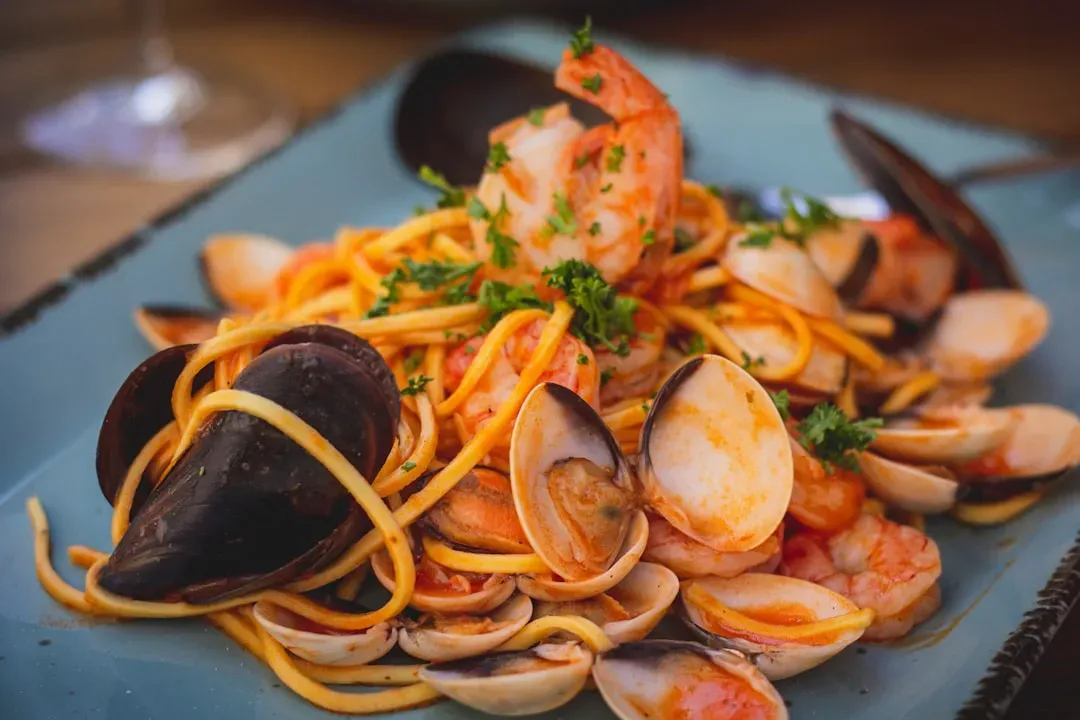
Charleston is one of America’s most celebrated food cities. It has James Beard-nominated chefs, a thriving farm-to-table movement, and a genuine culinary culture that goes far beyond tourist traps. Yet even here, the seafood mislabeling numbers are troubling.
The inauthenticity rate in Charleston was 77% in 2026, with 17 of 22 restaurants tested serving farm-raised imported shrimp while implying it was U.S. wild-caught. While that reflects an improvement from the previous year’s 91% inauthenticity rate, industry advocates say the numbers still highlight an ongoing issue across South Carolina’s coastal dining scene. Going from 91% to 77% is progress, but it is still a deeply uncomfortable statistic for a city that prides itself on local sourcing.
In September 2024, the FTC issued guidance clarifying that restaurant decor, menu descriptions, and social media posts that suggest local fare could count as illegally misleading customers if the restaurant is not serving domestic seafood. Charleston’s food scene has earned a stellar reputation, and that reputation depends entirely on diners being able to trust what they are told.
7. San Francisco’s Fisherman’s Wharf, California: The View Is Great, the Seafood Less So
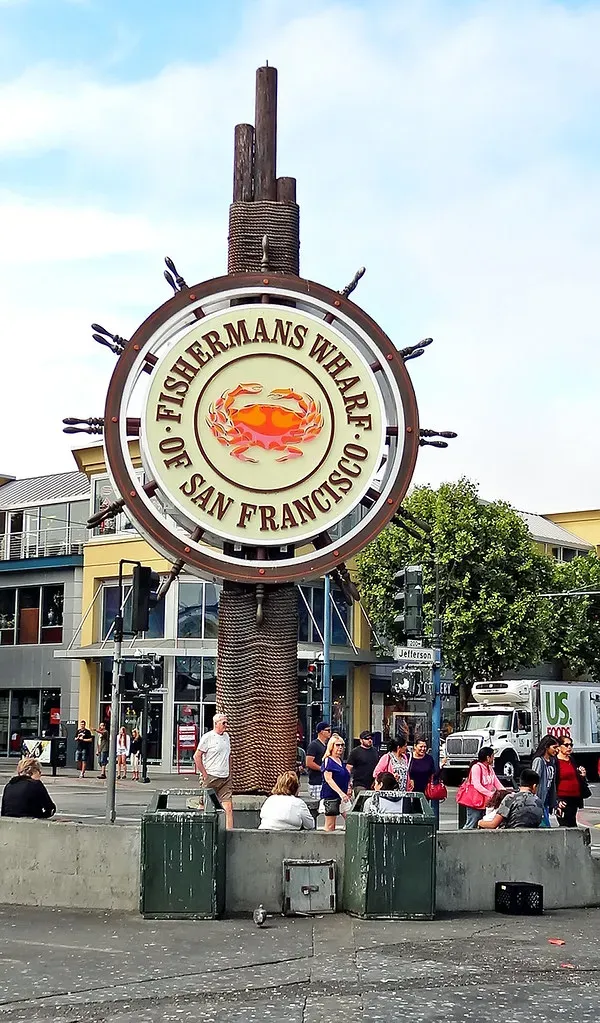
Few beach-adjacent dining landmarks are more iconic than Fisherman’s Wharf in San Francisco. Tourists arrive by the millions, guided by the romantic idea of fresh Dungeness crab pulled straight from the bay. Locals, for the most part, have given up on it entirely. The advice on travel forums is remarkably consistent.
Many who know San Francisco well simply say: stay away from Fisherman’s Wharf and you will be fine. That is a stinging verdict for what should be one of the country’s premier waterfront seafood destinations. The volume of tourists has, over the decades, transformed many of its eateries into places optimized for throughput rather than quality.
The broader seafood restaurant segment saw sales down by more than $500 million in 2024. Even factoring out Red Lobster, which filed for Chapter 11 bankruptcy protection in May of 2024 and saw sales decline by more than 20%, the other major seafood chains brought in roughly $63 million less than they did in 2023. The broader industry slump reflects what is happening at the individual diner level: people are paying more and enjoying it less, and beach towns with inflated tourist pricing are among the most notorious offenders.
—
The pattern across all seven of these beach towns is hard to ignore. It is not just about a bad meal or a slow server. It is about a systemic disconnect between the story being sold and the product being served. More than 90% of shrimp imports come from India, Ecuador, Indonesia, and Vietnam, according to the Southern Shrimp Alliance. Meanwhile, coastal restaurants across the country continue to hang fishing nets from ceilings and plaster menus with words like “local,” “fresh,” and “Gulf-caught.”
The next time you sit down at a beachside restaurant and a server tells you the shrimp is fresh off the boat this morning, it is entirely reasonable to ask a few more questions. You deserve to know what you are actually eating. Did you expect the problem to be this widespread?