
You probably think you’re just walking into a restaurant to grab a meal. But the moment you step through that door, a whole lot more is happening than you realize. Restaurant staff are trained observers. Every shift, they read dozens of people in seconds, and most customers have no idea it’s happening. It’s like being quietly assessed the moment you arrive, and the assessment shapes how your entire evening unfolds.
From the way you hold eye contact to how you treat the people at your table, servers pick up on signals you’d never consciously send. Some of these things affect your service directly. Others simply reveal something about who you are. Let’s dive in.
Table of Contents
1. Your Body Language the Second You Walk In
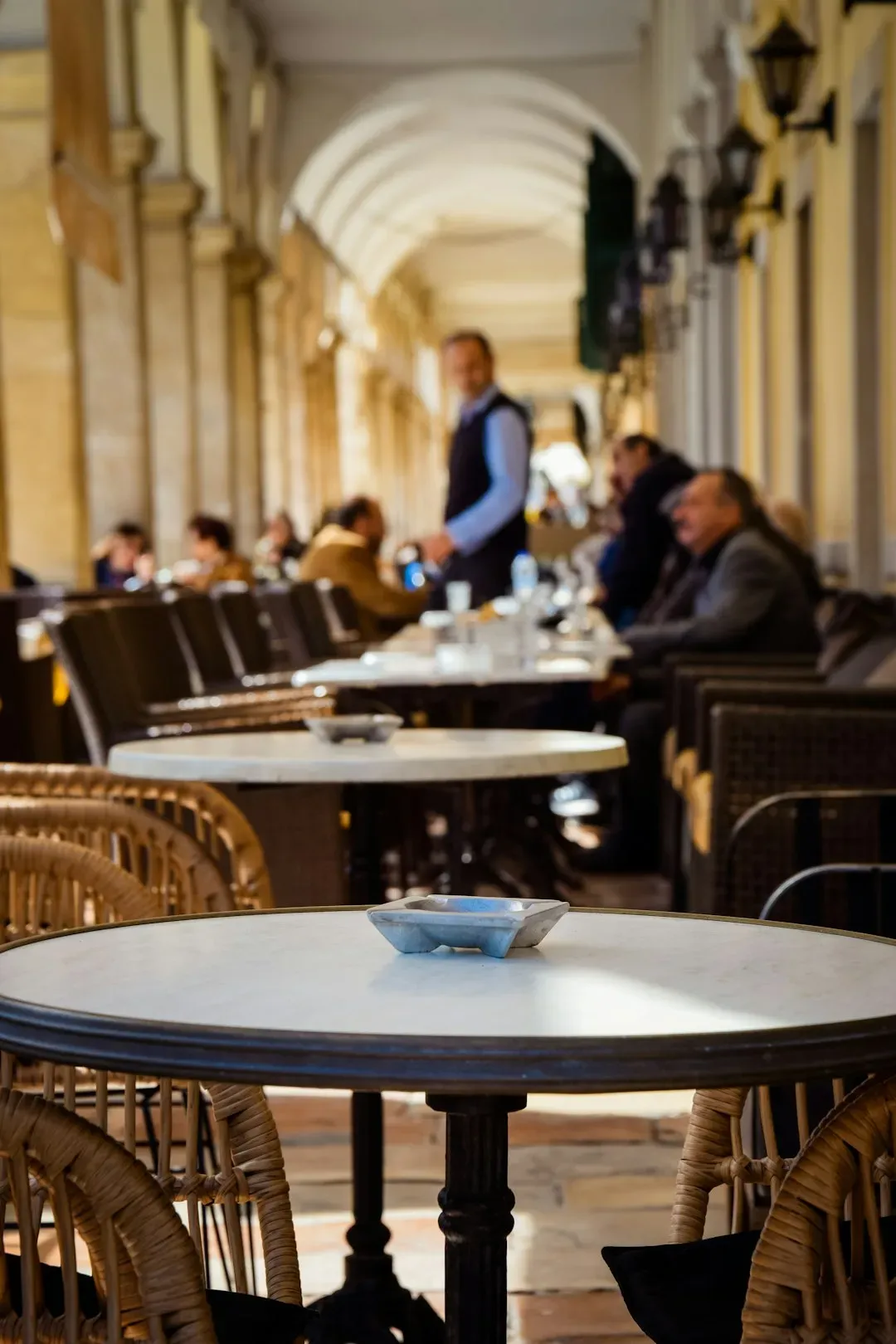
Hospitality professionals notice body language first. It happens before you’ve said a single word, before you’ve even picked up the menu. Are your shoulders relaxed? Are your arms open? Do you scan the room with curiosity or frustration? Servers are making quick reads on all of it.
Open and relaxed body language can indicate a friendly and approachable demeanor, setting a positive expectation for servers. Think of it this way: your body is broadcasting a channel, and the staff is already tuned in. The guest who walks in hunched over their phone is sending a very different signal than the one who enters smiling and looks around with genuine interest.
Some guests prefer engaging in conversation, while others just want a quiet, efficient meal. Understanding body language and verbal cues helps a server adjust their service style to meet individual needs. That kind of rapid reading isn’t just intuition. It’s a skill servers develop over years of handling hundreds of different personality types per week.
2. Whether You Make Eye Contact
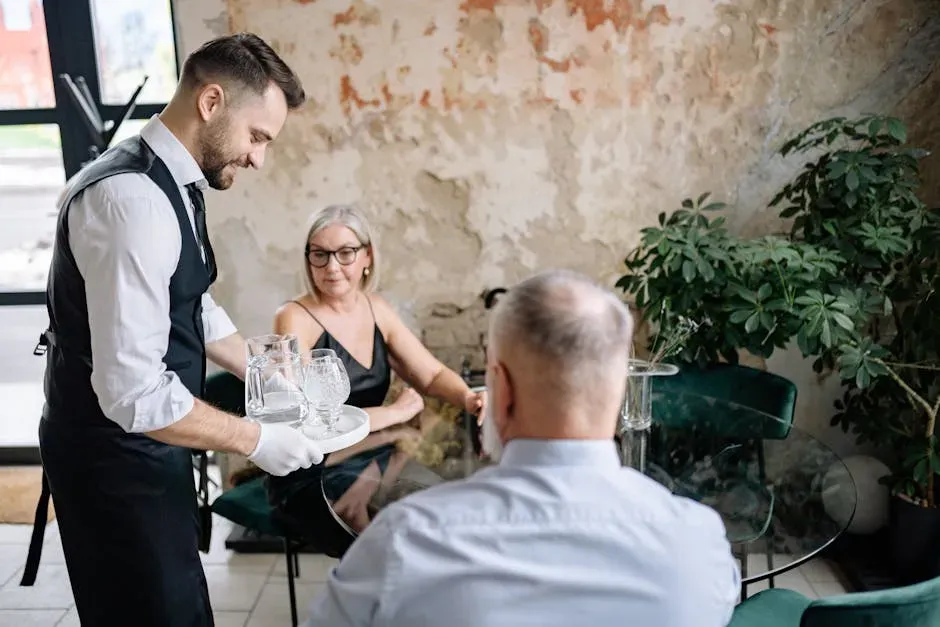
Here’s the thing: eye contact is one of the most revealing things you can do in a restaurant, and most people underestimate just how much staff pick up from it. According to Darron Cardosa, a former server for about 25 years, “the biggest indicator that someone was going to be friendly, or at least nice, is eye contact.” That’s a long time spent watching people, and the pattern held throughout.
For servers, those initial moments of eye contact help shape expectations and behavior throughout the meal. It’s more than just a look; it’s an unspoken connection. Guests who meet the server’s gaze and acknowledge them as a person tend to get warmer, more attentive service. It’s not a conspiracy. It’s just human nature.
Long-time servers have recalled customers who “would come in and barely acknowledge you and couldn’t remember what you look like.” Even just calling your server by name and saying “please” and “thank you” goes a long way. Honestly, this one is so simple. Treat the server like a person, and watch your experience transform.
3. How You Treat the People at Your Table
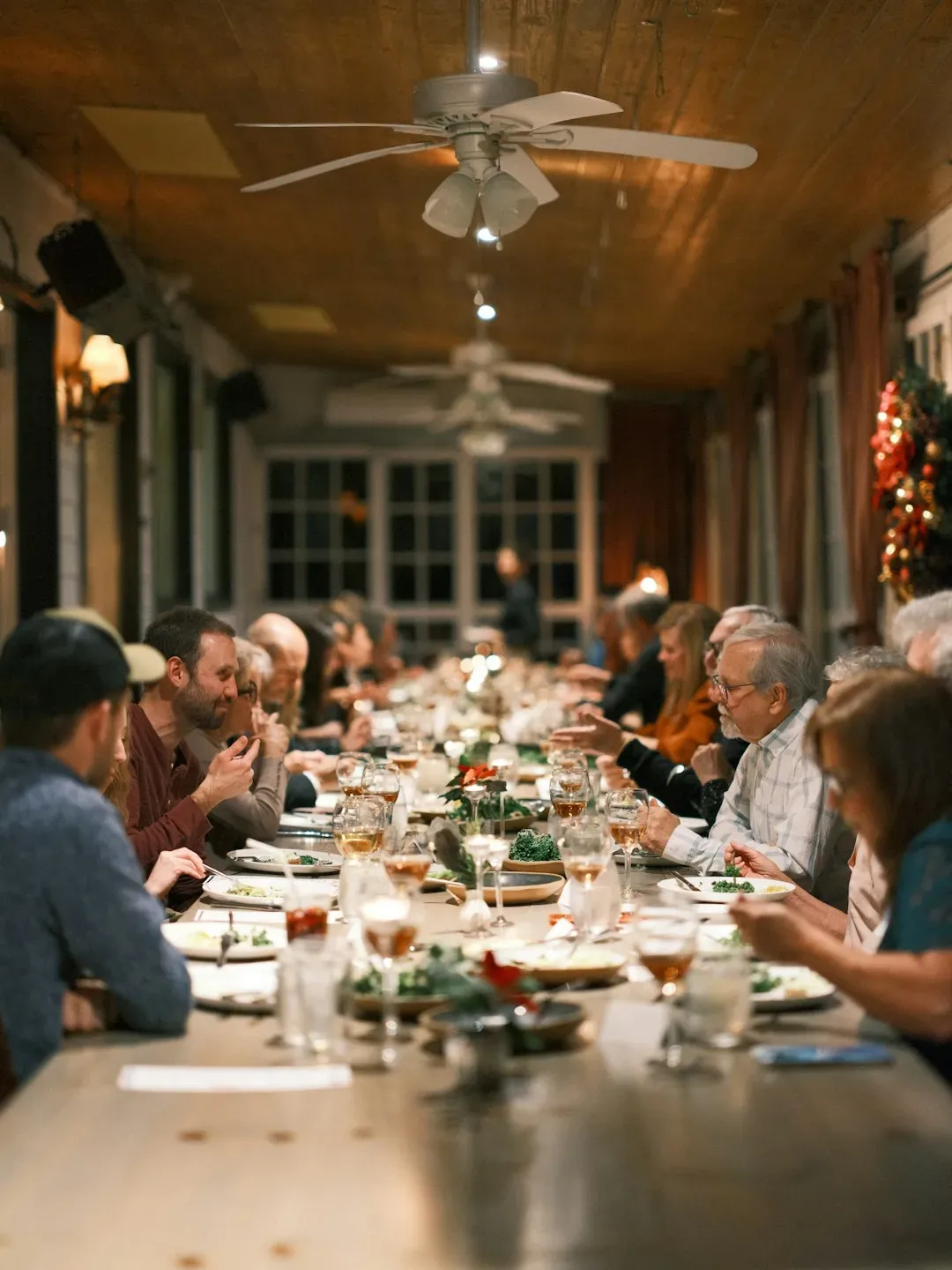
Servers aren’t just watching you. They’re watching how you interact with everyone around you. Experienced servers note you can tell a lot about a person’s personality from how they interact with others in a restaurant. Some telltale signs include someone who insists on ordering for the whole table, dominates the conversation, or orders the waitstaff around like servants. That kind of dynamic is immediately visible and tells a story.
The way a group interacts can offer clues about their overall mood and experience. Groups that exhibit harmony and camaraderie are often seen as more relaxed and engaged, while groups displaying tension or discord might be less inclined to enjoy the experience. The table that’s laughing together tends to have a better meal. Not just because of the food. The whole energy shifts.
Servers observe these dynamics to tailor their service, aiming to enhance the group’s overall experience. A harmonious group can create an atmosphere of goodwill, which often extends to their appreciation for service. It’s a bit like a feedback loop. Good energy at the table often produces better service, which produces more good energy.
4. Your Phone Habits
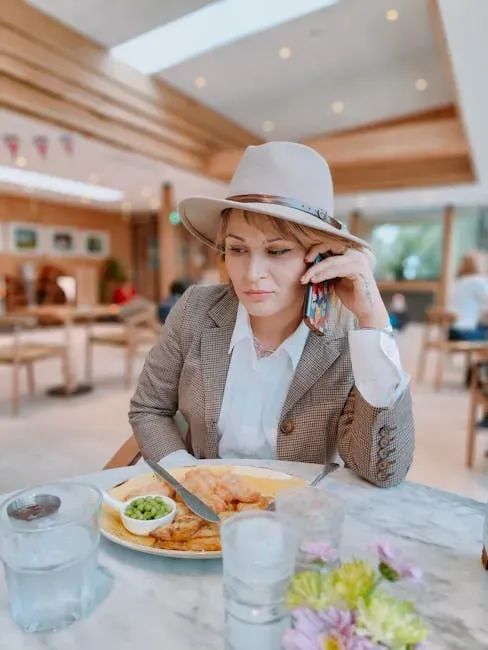
Restaurants have grown more accepting of phones at the table. That’s just modern dining life. Still, servers pick up on phone behavior almost immediately, and it does influence the interaction. One longtime hospitality professional noted that constant phone use makes them wonder, “Are you really enjoying the experience of eating out? And are your companions enjoying eating with you?” Servers aren’t anti-phone, but being present can make your experience and their service better for everyone.
Think about it from the server’s perspective. When they come to take your order and you’re mid-scroll, they have to either wait awkwardly or interrupt you. Neither is comfortable. It only takes a few seconds to form an impression of the place you’ve just entered, and that same speed applies in reverse. First impressions have to be perfect from both sides of the table.
Research from TouchBistro in 2024 found that roughly 85% of diners still prefer to order from a server, and even nearly two thirds of Gen Z diners make in-person reservations, indicating that diners still want human contact as part of the customer experience. So even the most digital generation craves that human connection. Putting the phone down, even briefly, signals to the staff that you’re present and engaged.
5. How Politely You Communicate Your Needs
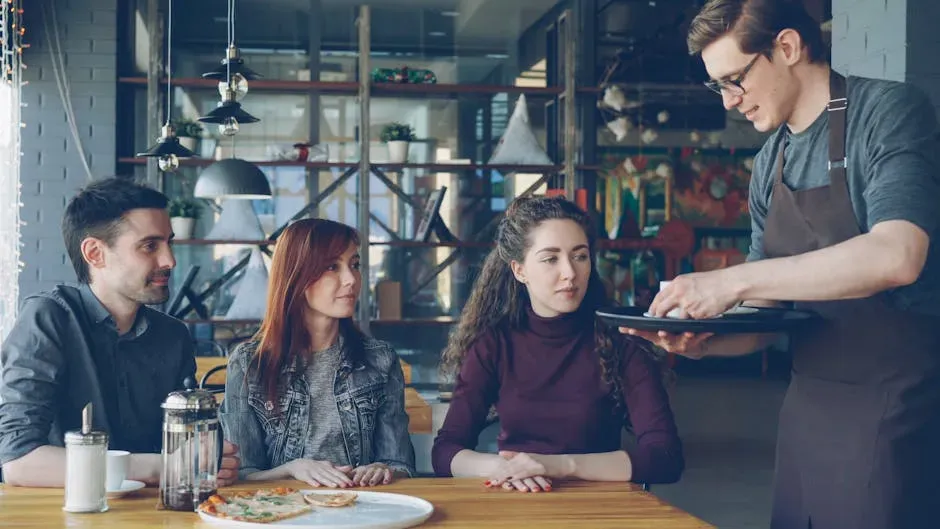
Let’s be real: the way you phrase a request is just as noticed as the request itself. From the moment guests enter, waiters and waitresses tune into whether someone is smiling and friendly, as that puts guests and staff alike in the best possible mood for the meal ahead. The reverse is equally true. A sharp, dismissive tone registers immediately.
Customers who show interest and engage with servers demonstrate a level of respect and curiosity. Their willingness to ask questions and seek recommendations can indicate a desire for a meaningful dining experience. In contrast, diners who remain distant or disinterested might be perceived as less appreciative. It’s a subtle but real dynamic. Asking “could you help me choose between these two?” lands very differently than pointing and saying “that one.”
Personalization like name usage increased satisfaction by roughly a fifth per staff interaction in 2024 data. The relationship goes both ways. When guests reciprocate warmth, the interaction tends to become more personal, more attentive, and ultimately more enjoyable for everyone at the table. A small shift in tone can genuinely change how your meal feels from start to finish.
6. Signals About How You’ll Handle the Bill
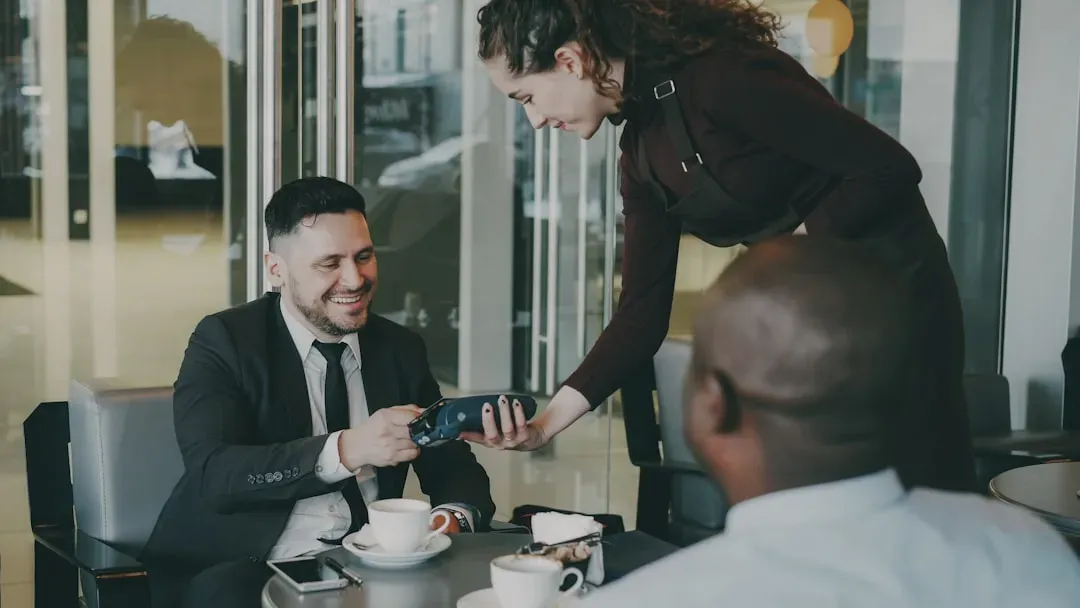
Servers start picking up on bill-related signals much earlier than the end of the meal. This might surprise you. Your bill may not come until the end of the meal, but if it’s going to be complicated, considerate diners will bring it up at the beginning, before they even begin ordering. This could mean letting the server know about multiple checks, using a coupon or gift card, or covering all the appetizers for a table. Flagging this early is something experienced staff notice and genuinely appreciate.
Research from 2023 studies found that eye contact and smiling from staff actually boosted tip averages by roughly a fifth. The flip side of that is also true. Servers who sense a difficult checkout ahead will mentally brace for it. It can affect the energy of the interaction even if neither party says a word about it.
According to TouchBistro’s 2024 data, the vast majority of customers have noticed price increases at restaurants, and well over half believe they are asked to tip more often than they’re accustomed to. That context matters. Servers know diners are navigating real financial pressures, and the good ones adapt. Still, how a guest approaches the end-of-meal transaction is one of the most telling moments of any dining experience, and seasoned staff can read the early signs long before the check ever arrives.
The next time you walk into a restaurant, remember that the moment matters more than you think. You’re not just choosing a table. You’re already being read, assessed, and responded to by people who have spent years perfecting the art of reading a room. So make eye contact, put the phone down for a minute, and maybe smile at the person who’s about to make your evening. What would you change about how you show up at the table?