
You sit down at a restaurant, convinced you’ll keep it simple tonight. Just a water, maybe an entrée, and you’re out the door. Then your server arrives, smiles warmly, and suddenly you’re holding a cocktail menu, debating whether the truffle fries are “worth it” and wondering if the chocolate lava cake is really as good as they say. Spoiler: it probably is.
Restaurants have spent decades quietly perfecting the art of the upsell. These aren’t random suggestions. They’re carefully timed, psychologically crafted moves designed to feel helpful rather than pushy. And for the most part, they work. Let’s take a closer look at exactly which ones get diners every single time.
Table of Contents
1. The Drink Upgrade That Sounds Like Expert Advice
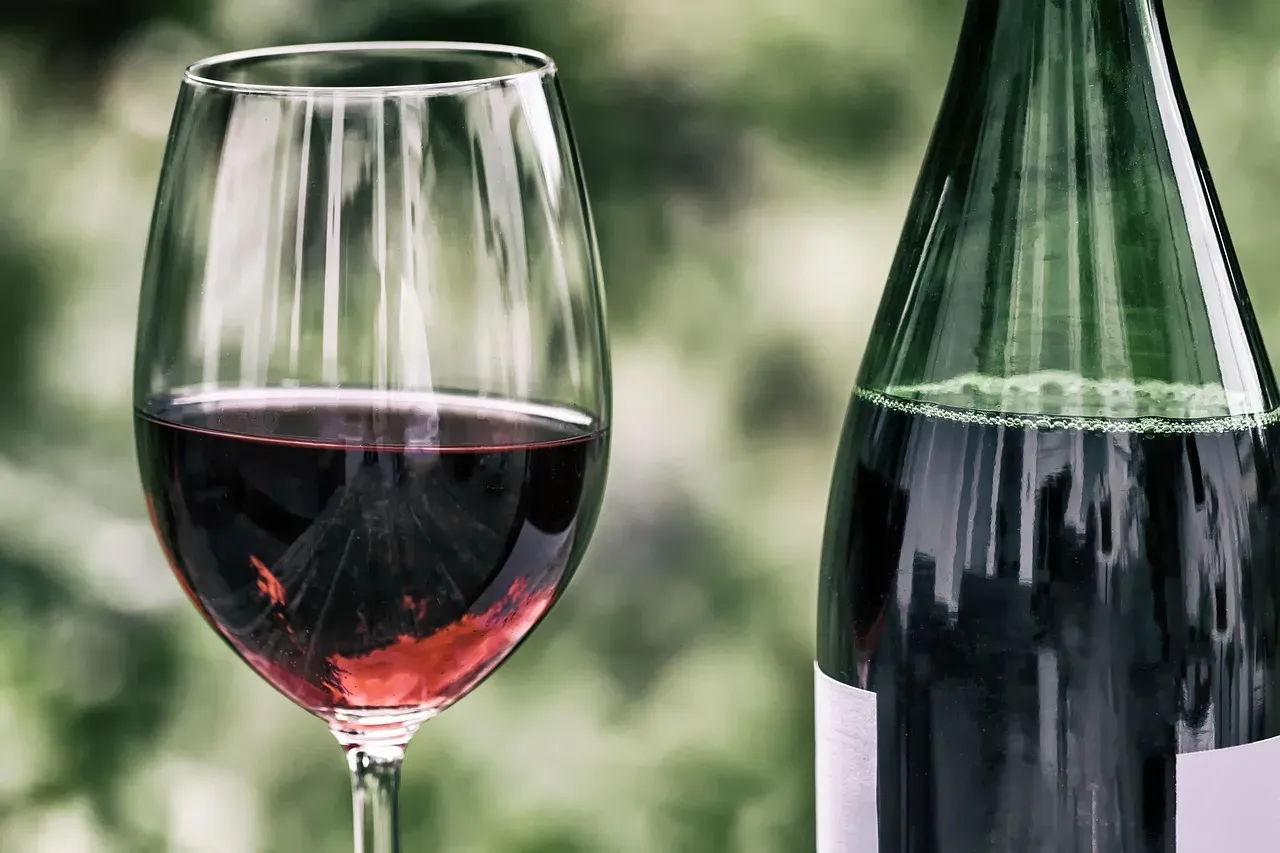
Honestly, this one might be the sneakiest of them all. You mention you want a glass of wine, and your server nods knowingly and says something like, “That pairs beautifully with the salmon you ordered.” Before you know it, you’ve moved from the house Pinot to something twice the price.
The goal of beverage upselling is to persuade the customer to either upgrade the liquor in their cocktail to a premium alternative, buy a bottle of wine as opposed to a glass, or simply purchase a more expensive wine than what they had in mind. It sounds like guidance. It feels like a favor. Upselling works best when it feels like guidance, something like “This pairs well with what you ordered” rather than a generic pitch.
An example of upselling in a bar would be if somebody orders a standard White Russian and the bartender suggests upgrading to a premium vodka with a smoother finish. The additional few dollars for the higher-end vodka might not seem like a lot to the customer, but it can lead to hefty profits for the establishment if the bar staff is successful enough times.
If wine only comes up after the food order, servers miss the best window. The most effective servers use one simple line: “Would you like to start with a glass of wine while you look over the menu?” It’s framed as hospitality. Diners rarely say no.
2. The Appetizer Push Right When You’re Hungriest
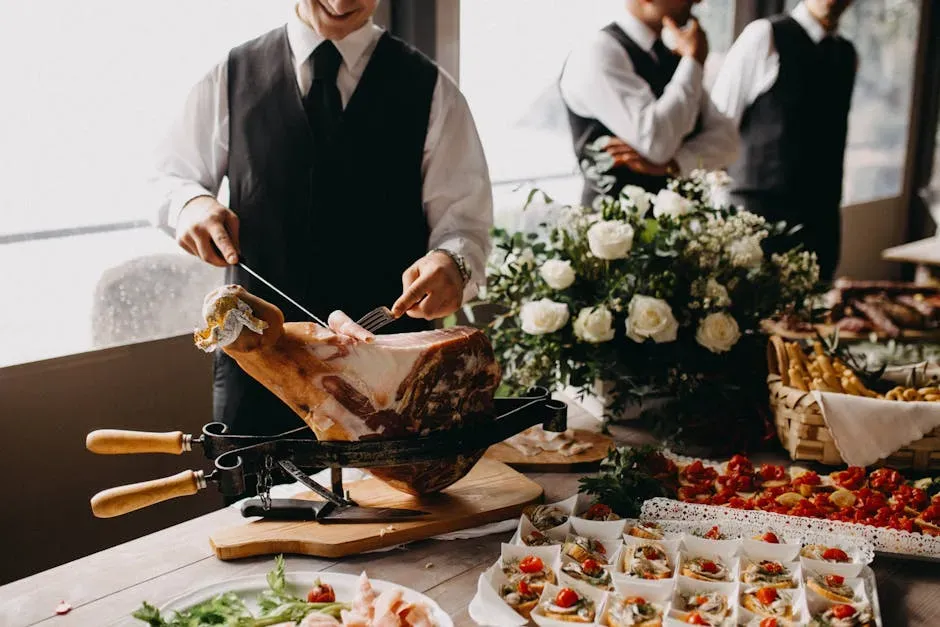
Here’s the thing: servers know exactly when you’re at your most vulnerable. You’ve just sat down, you haven’t eaten in hours, and you’re scanning the menu with the focus of someone who skipped lunch. That’s the moment they strike with the appetizer suggestion.
Overall, roughly two in five diners order an appetizer at least half of the time across their visits, and more than a quarter are always ordering them. Males are notably more likely to always order an appetizer relative to females. Restaurants know these patterns, and servers are trained to exploit them.
The timing of suggestive selling is crucial. Servers are trained to suggest add-ons like drinks or appetizers early in the meal and save dessert recommendations for the post-entree glow. Think of it like a sales funnel. You’re being gently guided through it before you even realize you’ve entered it.
When servers suggest an entrée, an appetizer, and an alcoholic beverage, they create a more satisfying experience for the guest while boosting the check size. Studies show that when guests order all three together, their total check is almost 47% higher than usual. That number is staggering, when you really think about it.
3. The “Tonight’s Special” With a Sense of Urgency
There’s something almost primal about the words “only tonight” or “last few portions.” Restaurants understand the psychology of scarcity better than almost anyone, and servers deploy it with near-surgical precision every shift.
Limited-time offers create urgency in guests. Restaurants give promotional offers to seasonal specials, festive menus, or chef’s creations, making them feel fresh and exciting. Limited-time offers not only increase upsells but also bring guests back to try what they might miss out on later.
The fear of missing out is a powerful motivator. Limited-time offers can create a sense of urgency and excitement, driving guests to order more. It’s the restaurant equivalent of a flash sale, just dressed up with a French name and a drizzle of balsamic.
Upselling can also be used to promote seasonal items on the menu. The restaurant staff can be instructed to upsell seasonal dishes, which normally have higher margins, to guests. Imagine a restaurant where the wait staff enthusiastically encourages customers to save room for a seasonal dessert made with the season’s first crop of green apples. Most guests would be too tempted to refuse such a reasonable proposal.
4. The Dessert Suggestion After You’re Already Full
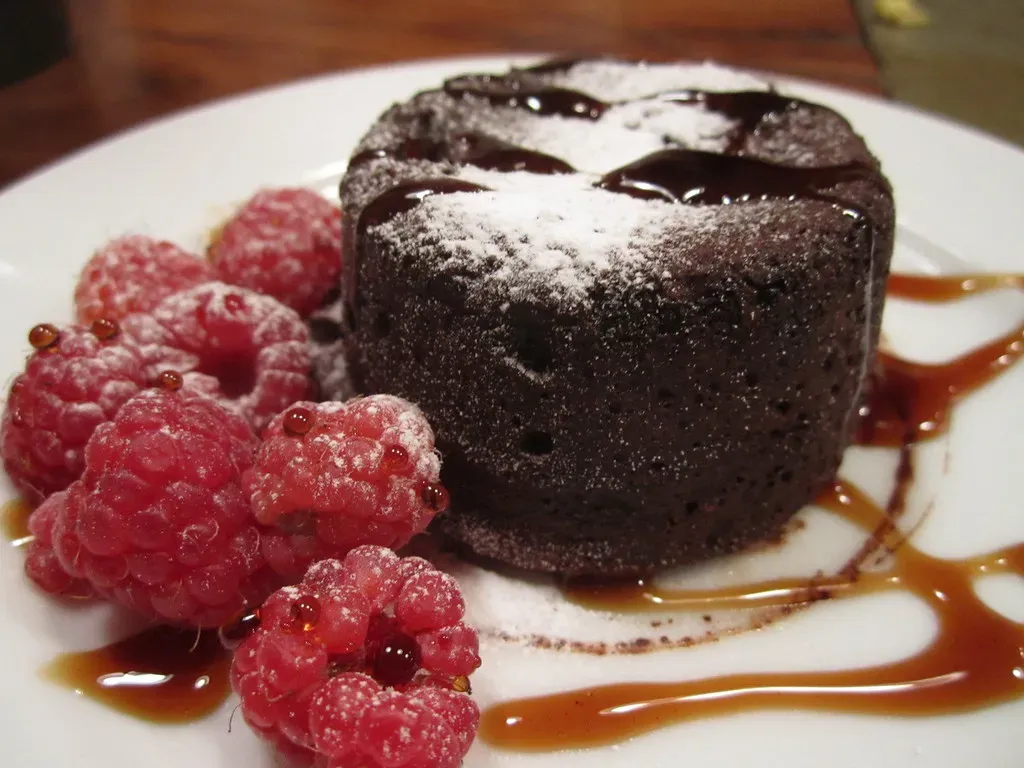
You’ve finished your meal. You’re satisfied, maybe even a little stuffed. Then your server appears with a warm smile and says, “Can I tempt you with our chocolate fondant? It just came out of the oven.” And just like that, your willpower dissolves faster than the center of that cake.
Dessert penetration is closing in on nearly three quarters of all restaurant operations, and the sales data shows why: the median spend of consumers who purchase dessert is $5.50 higher than if they had opted out. That’s a significant bump in check value for a relatively low-cost item.
One study commissioned by the Cheesecake Factory Bakery of 500 consumers shows nearly one in three respondents think about dessert before they even order the main course because they want to save room for it. Further, 15 percent of survey respondents say they choose a restaurant based on a dessert they crave.
Research shows that a large majority of consumers say they are likely to use discounted add-ons like dessert or drinks at full-service restaurants. The dessert upsell isn’t just effective, it’s one of the most reliable plays in a server’s entire repertoire. I think what makes it so powerful is the timing. By the end of a meal, your defenses are down.
5. The Bundle Deal That Feels Like You’re Saving Money
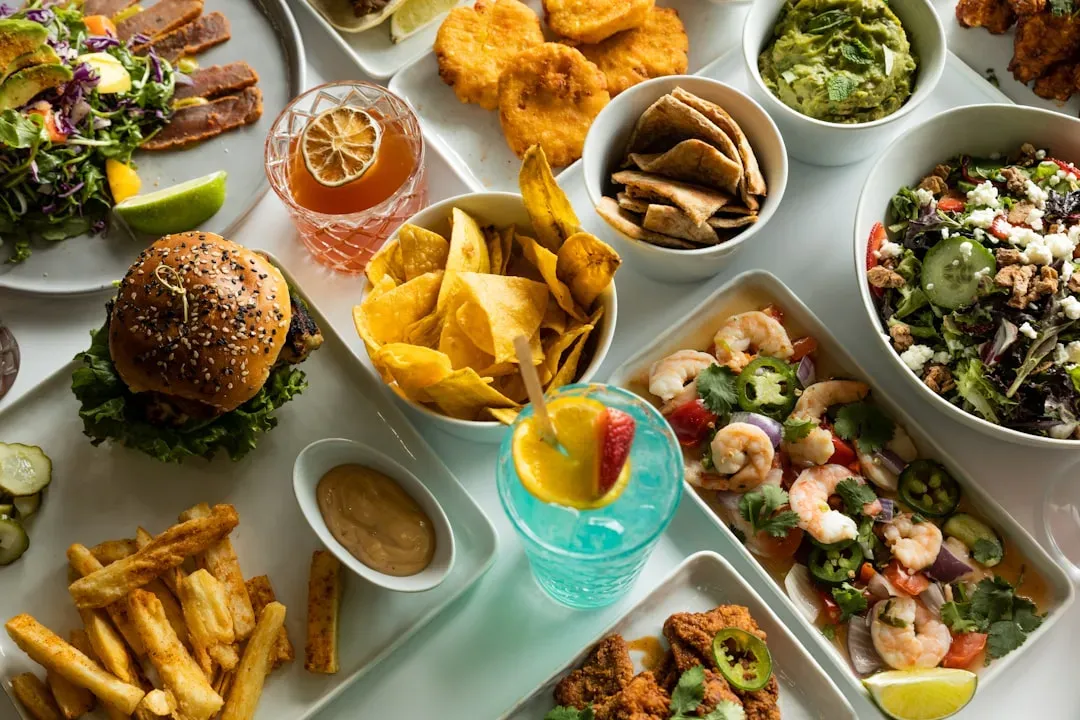
Let’s be real. Nothing tricks our brains quite like the feeling of getting a deal. Restaurants have mastered this with meal bundles and combo offers that technically cost more than what you originally planned to spend, but somehow feel like a bargain.
Food combos featuring one or more high-profit margin items are great for increasing the average order value while still giving customers a good deal. Fixed price bundles can offer customers a full meal including an appetizer, main course, dessert, and drink, which would have cost them more if purchased separately. The math still works in the restaurant’s favor, even when it appears to benefit you.
Quick service chain Wendy’s witnessed double-digit sales growth thanks to its bundled breakfast offering. Casual dining chain Chili’s saw success with its 3 for Me meal, which includes an appetizer, entrée and dessert for a single fixed price. These are real-world proof points that bundling gets results across every restaurant category.
Bundling is one of the best restaurant marketing strategies for increasing the average check size. Offering a complete package, like a three-course meal or a special drink and dessert combo, encourages guests to buy more items together. You were going to order one thing. Now you’ve ordered three. Somehow, you still feel good about it.
6. The Personal Recommendation That Feels Genuinely Helpful
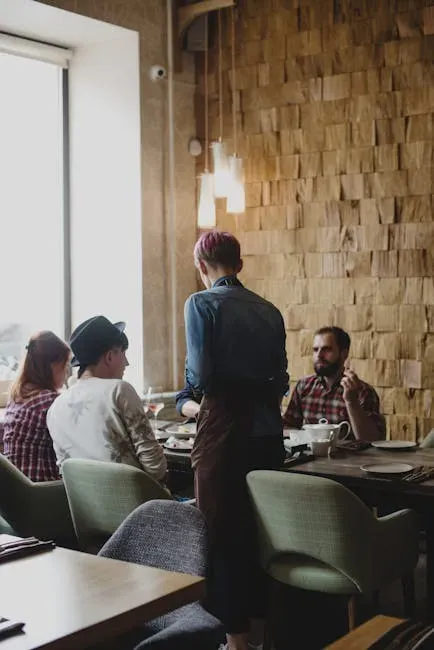
This is the upsell that doesn’t feel like an upsell at all. Your server leans in slightly and says something like, “Honestly, I’d go with the ribeye. I had it last week and it was incredible.” The word “honestly” does all the heavy lifting. You feel like you’ve just received advice from a friend.
One of the most effective ways to upsell is by sharing personal recommendations. When a server suggests a dish, drink, or add-on they genuinely enjoy, their enthusiasm and authenticity shine through, making the pitch far more relatable and convincing. Personal recommendations also allow them to speak from experience, which makes their descriptions more vivid and compelling.
Successful upselling taps into customer psychology. Subtle suggestions from servers can significantly influence customer decisions. When that suggestion comes wrapped in personal enthusiasm rather than a scripted pitch, diners are far more likely to say yes. It’s the difference between a salesperson and a trusted guide.
Descriptive language sells the experience, with vivid details about taste and texture making dishes irresistible. Personalization drives loyalty, as tailoring recommendations to guest preferences or occasions enhances the dining experience. Restaurants focusing on upselling can boost revenue by 10 to 15 percent per table, and servers can earn higher tips by making thoughtful recommendations. So yes, when your server seems like they genuinely care about what you order, they probably do. They also know exactly what it does for the bill.
The Bottom Line
None of these tactics are sinister. Most of the time, they actually do improve the dining experience. A well-paired wine, a shared appetizer, or the right dessert suggestion can genuinely transform a meal from ordinary to memorable. The industry data makes this clear: when done well, restaurants can increase their average check size by as much as 17%, and diners often leave feeling better for it.
The real insight here isn’t that restaurants are manipulating you. It’s that the best servers have made the upsell feel completely invisible. Upselling isn’t about forcing sales. It’s about enhancing the guest’s experience while increasing the restaurant’s revenue. A well-trained server knows how to suggest premium options, add-ons, and pairings in a way that feels natural.
Next time you’re sitting across from a server recommending the “chef’s special” with a gleam in their eye, you’ll know exactly what’s happening. The question is, will that stop you? What do you think, will you be ordering dessert next time?