
Table of Contents
China: From Tea Tradition to Coffee Revolution
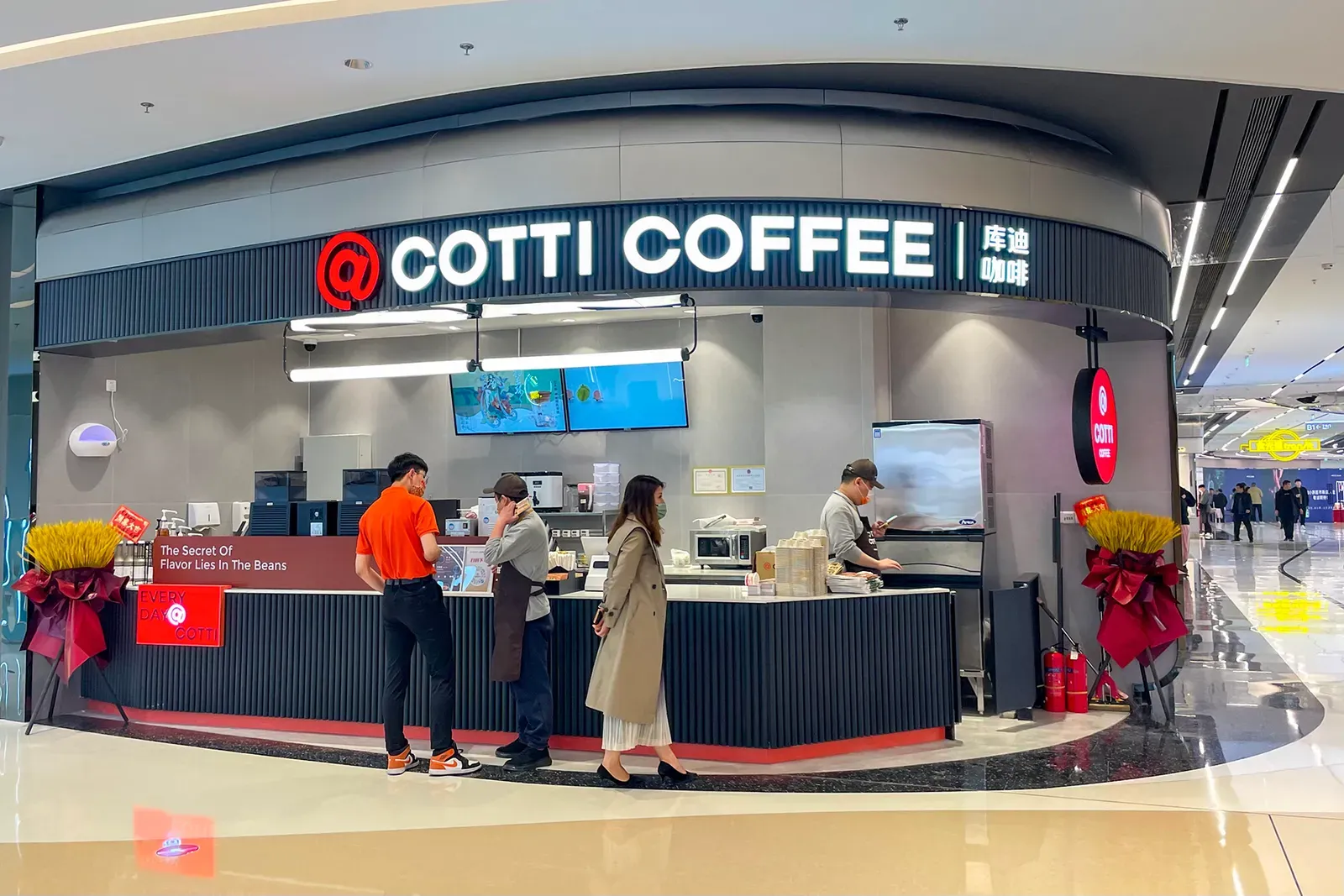
China’s coffee consumption has surged by nearly 150% over the past decade, transforming the nation from a tea-centric culture to one embracing espresso and cold brews with fervor. China overtook the United States in 2023 as the largest market for branded coffee shops, with more than 50,000 outlets, driven largely by Luckin Coffee’s aggressive expansion strategy. According to Coffee Intelligence, the shift is fueled by a younger demographic hungry for Western-influenced lifestyle products and social spaces that cafes provide.
Let’s be real, who would have predicted this ten years ago? The rapid expansion of café culture in China has resulted in the establishment of nearly 12,000 new coffee shops over the past year, bringing the total number of outlets to approximately 67,000 by the end of 2024. Local chains like Nowwa Coffee are targeting white-collar workers and millennials in emerging cities beyond Beijing and Shanghai, offering affordable convenience-store formats. Government trade-in programs that subsidize coffee machines, along with a 32.5% year-on-year surge in coffee imports in 2024, highlight how policy and consumer demand are aligning perfectly.
Here’s the thing though, it’s not just about quantity. Affordability, digitised ordering and hyper-speed retail innovation have made coffee a mainstream ritual for the first time, and that digital integration is what sets China apart. Mobile ordering, app-based loyalty programs, and even facial recognition payments make grabbing a latte faster than you’d imagine. Some might argue traditional tea culture is fading, which honestly feels bittersweet.
India: Awakening to Artisanal Brews
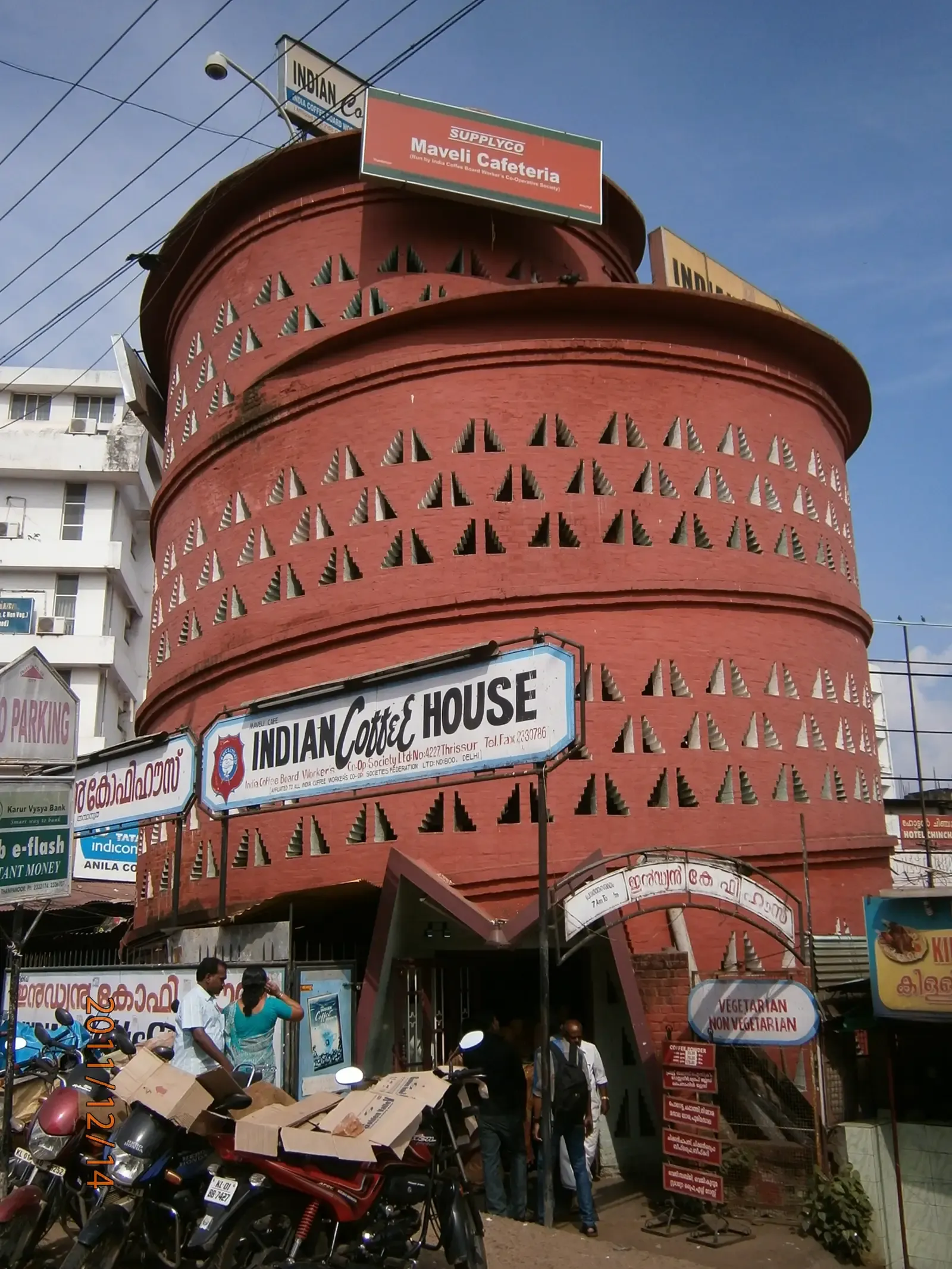
India’s coffee industry is brewing up significant growth, projected to reach $3.2 billion by 2028, and the transformation is nothing short of remarkable. Over 6,000 new outlets opened in the last two years, particularly in urban centers where younger consumers are discovering specialty coffee culture. What’s fascinating here is the shift from traditional filter coffee dominance to instant and cafe-style drinks.
Coffee consumption is estimated to have increased to 91,000 tonne in 2023 from 84,000 tonne in 2012, according to the Coffee Board of India. Since 2018, coffee consumption has grown by 30%, reflecting how rapidly habits are changing. European coffee equipment manufacturers have taken notice, with WMF and La Marzocco launching operations in Bengaluru to capitalize on this booming demand. I think it’s exciting to see domestic roasters like Blue Tokai and Sleepy Owl Coffee emerging alongside global giants, offering Indians locally sourced beans with international-standard brewing.
The revenue of coffee shops in the country is growing twice as fast as in the USA, which sounds crazy, but the numbers don’t lie. The reduction of GST from 18 per cent to 5 per cent on coffee extracts, essences is expected to lower retail prices by 11–12 per cent, making premium coffee more accessible to India’s expanding middle class. The cultural shift is palpable, especially among the roughly 700 million Indians under thirty who are redefining beverage preferences nationwide.
South Korea: Cafe Capital of Asia

The country now ranks among Asia’s top coffee-consuming nations, with average per capita consumption reaching over 405 cups annually, which is frankly astonishing. The total number of coffee shops, coffee-to-go points, and cafés reached the historic record of 99,000 outlets at the end of 2022, showcasing how deeply embedded cafe culture has become in Korean daily life. Starbucks alone operates over 1,700 stores, making South Korea its fourth-largest market globally after the US, China, and Canada.
What makes Korea’s coffee scene unique is how cafes have evolved beyond simple beverage shops. Cafes are no longer just places to grab a quick coffee; they are venues for social interaction, work, study, and even art and music. This cultural shift has not only led to an increase in the number of cafes but also to the diversification in the types of coffee products offered, from cold brews to artisanal blends. You’ll find cafes with study rooms, video projectors, even entire floors dedicated to different vibes and aesthetics. It’s hard to say for sure, but this multifunctionality might be Korea’s most distinctive contribution to global coffee culture.
The industry is further expected to grow at a CAGR of about 9.7% in the forecast period of 2024-2032, to reach a value of USD 28.7 billion in 2032. Companies in the South Korea coffee market are increasingly deploying AI-powered coffee kiosks across transport terminals, business districts, and universities. Brands like B:eat, Takeout Drawing are rolling out robotic baristas that brew espresso-based beverages with precision and speed, catering to the tech-savvy population that expects innovation in every aspect of consumption. The love for iced Americano, even in freezing weather, has become a cultural phenomenon, embodying Korea’s fast-paced “ppalli-ppalli” lifestyle.
Vietnam: From Producer to Consumer Nation
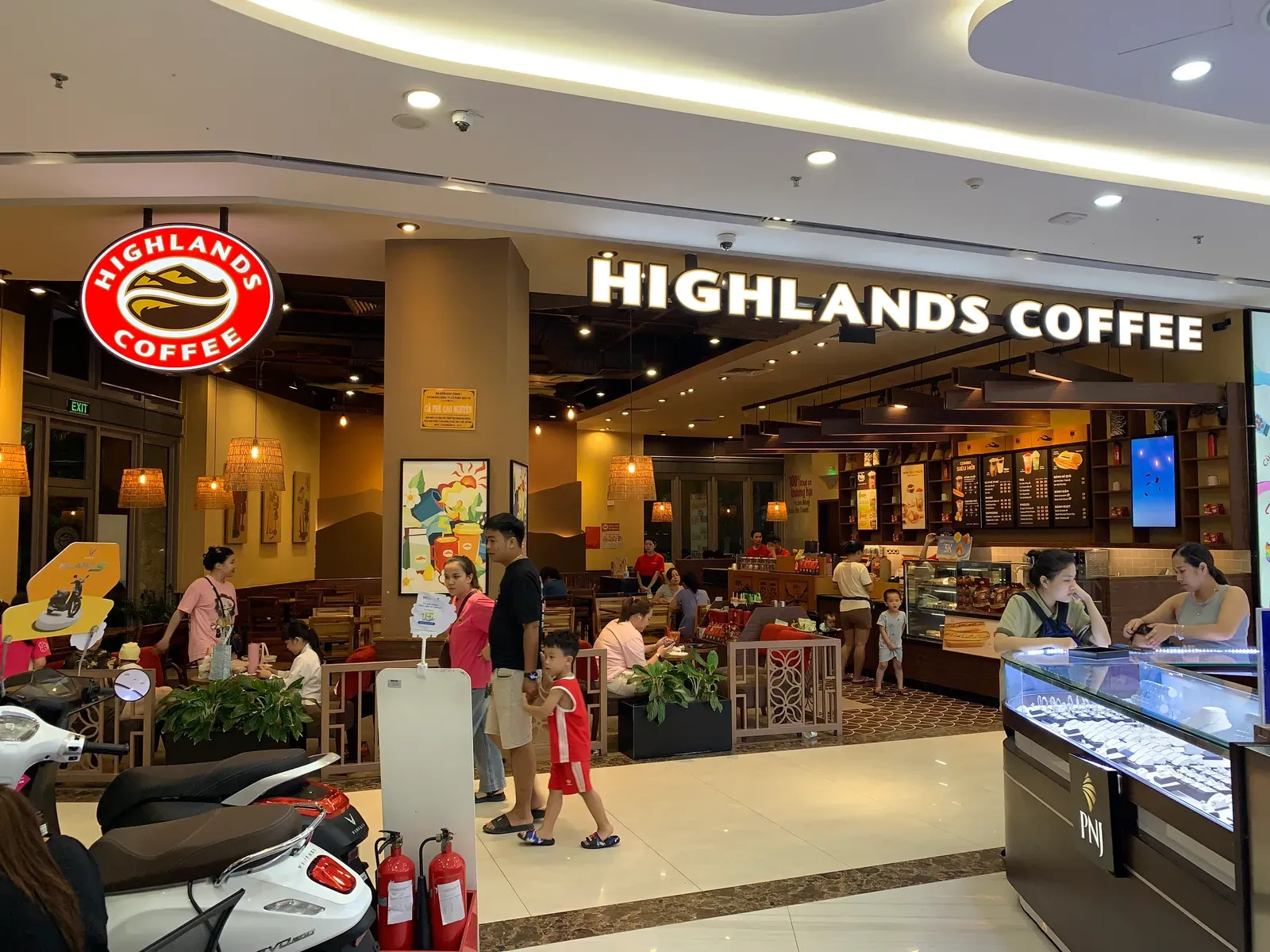
Vietnam currently has over 500,000 coffee shops, ranging from small neighborhood cafés to modern upscale chains, reflecting an extraordinary transformation for a country historically known as a coffee exporter rather than consumer. The coffee market in Vietnam was valued at 70.68 Thousand Tons in 2024. The Vietnam coffee market is projected to exhibit a CAGR of 3.70% during 2025-2033, driven by rising domestic consumption and expanding urban cafe culture.
Nestlé, Trung Nguyen and Highlands Coffee have collectively invested $170 million in processing plants in 2024–2025 to meet rising domestic and export demand, according to USDA reports. The shift toward value-added products is particularly notable, with processed coffee exports rising from roughly nine percent to nearly ten percent of total exports. Domestic brands like Highlands Coffee and The Coffee House are leading the charge, introducing modern brewing methods and specialty drinks to younger Vietnamese consumers who previously knew only traditional ca phe sua da.
There has been rapid growth in coffee shop chains and rising interest in specialty coffee in Vietnam. This trend highlights consumers’ increasing appetite for unique flavors and high-quality brews. Takeaway coffee and home-brewing are becoming increasingly popular among millennials and Gen Z, who view coffee as both a lifestyle statement and a daily necessity. It’s interesting how Vietnam, despite being the world’s second-largest exporter, is finally discovering its own domestic coffee identity.
Saudi Arabia: Desert Coffee Renaissance
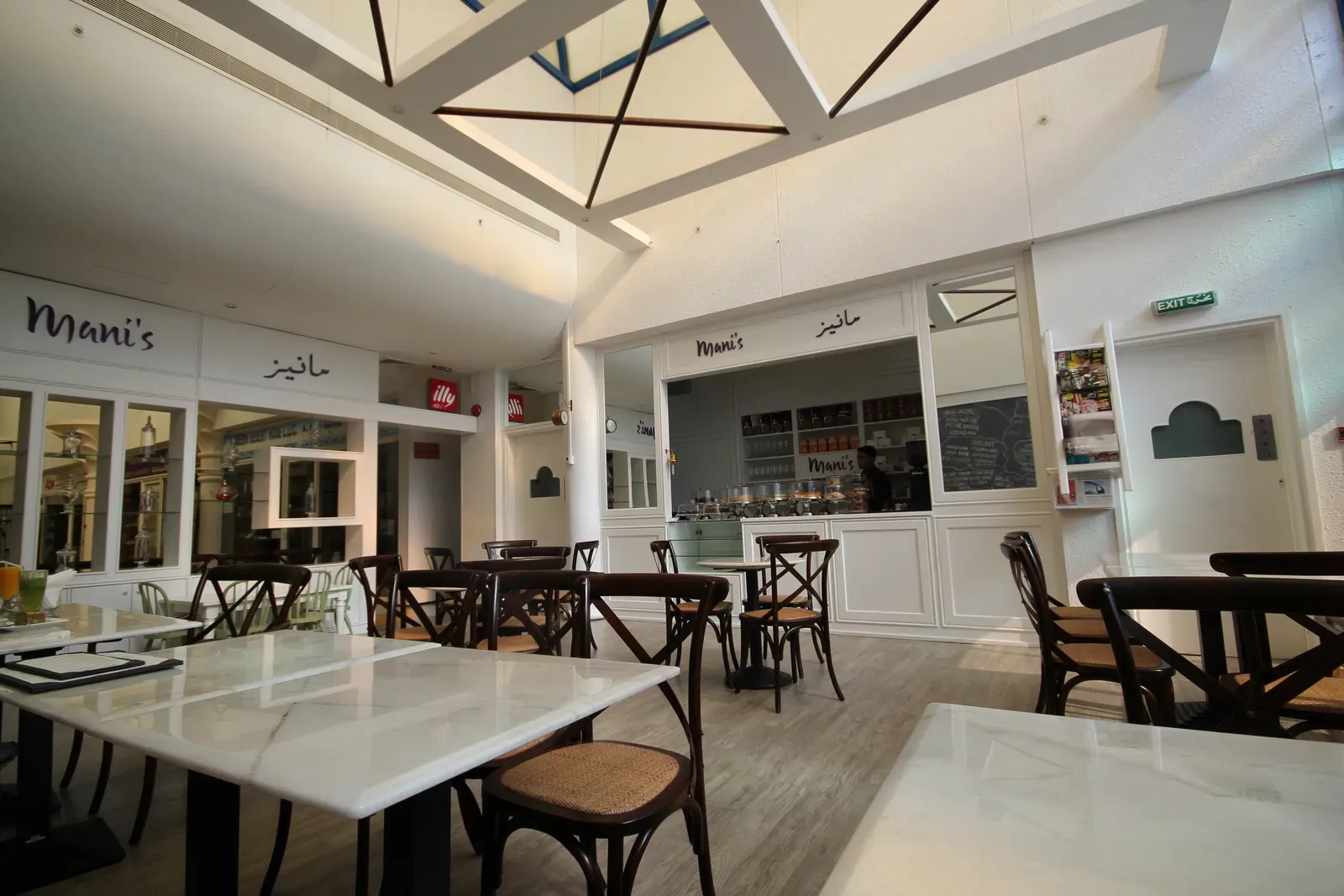
The Middle East and Africa are anticipated to rise at an 8.30% CAGR, the fastest among all regions, through 2030, with Saudi Arabia leading this remarkable surge. Middle Eastern and Asian countries, in particular, are experiencing a boom in branded coffee shop chains, transforming urban centers like Riyadh and Jeddah into vibrant cafe hubs. The kingdom’s Vision 2030 economic reforms have accelerated lifestyle changes, with coffee consumption becoming a symbol of modernization and social openness.
Honestly, the transformation feels quite rapid. Saudi Arabia’s expanding young population, combined with rising disposable incomes and relaxed social regulations, has created perfect conditions for specialty coffee brands to flourish. International chains like Starbucks and Costa compete alongside emerging regional players offering Arabic coffee fusions and modern interpretations of traditional qahwa. The introduction of female-friendly spaces in cafes has particularly expanded the consumer base, allowing coffee culture to reach segments previously excluded from public dining experiences.
What’s particularly striking is how Saudi consumers are embracing premium coffee experiences despite the country’s own rich coffee heritage. The appetite for specialty lattes, cold brews, and artisanal roasts exists alongside traditional cardamom-spiced coffee, creating a fascinating hybrid culture. Government support for tourism and entertainment sectors under Vision 2030 has accelerated cafe development, positioning coffee shops as social gathering spaces for a generation eager to redefine Saudi lifestyle norms.
Indonesia: Brewing Its Own Beans
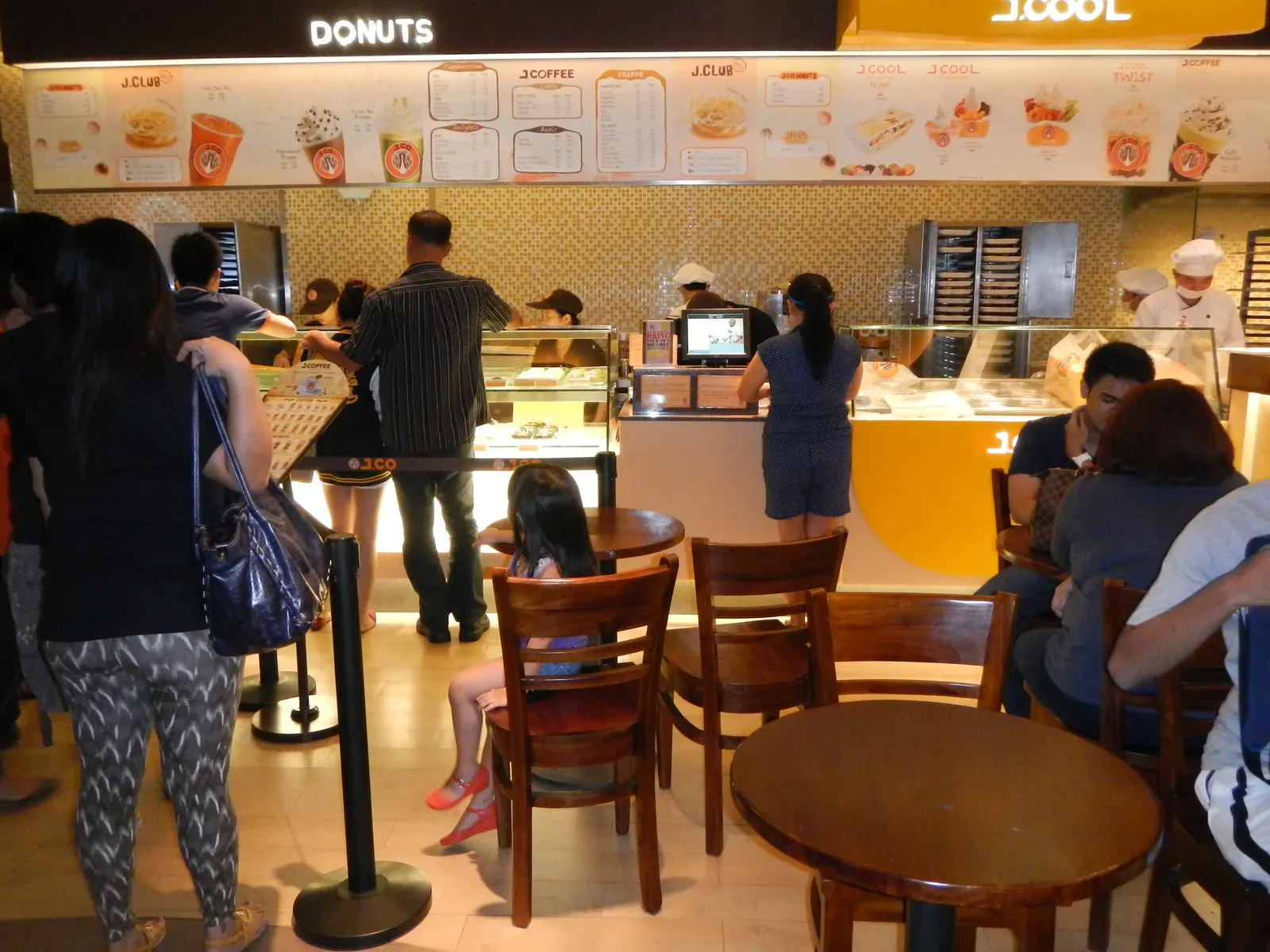
Indonesia’s domestic consumption has tripled since pre-pandemic years, marking a dramatic shift for the world’s fourth-largest coffee producer. Historically, Indonesian coffee beans were primarily destined for export markets, but local appreciation for homegrown varieties like Sumatra Mandheling and Java Arabica is finally blossoming. Urban millennials in Jakarta, Bandung, and Surabaya are driving demand for specialty coffee shops that showcase Indonesian beans with modern brewing techniques.
The rise of local roasteries and third-wave coffee shops has fundamentally changed Indonesian coffee culture. Chains like Kopi Kenangan and Janji Jiwa have democratized quality coffee, offering affordable yet well-crafted drinks that compete directly with international brands. Asian consumers aren’t merely adopting global trends – they’re producing their own: Indonesia’s es kopi susu has become an international phenomenon, with its signature sweet, creamy profile gaining fans across Asia and beyond.
E-commerce and delivery apps have further accelerated growth, making specialty coffee accessible even outside major urban centers. The government’s push to add value to agricultural products rather than simply exporting raw beans has encouraged investment in domestic processing and roasting facilities. It’s genuinely exciting to watch Indonesia finally consume and celebrate its own world-class coffee after decades of sending it abroad. The cultural pride in local coffee varieties is growing, creating opportunities for farmers to connect directly with urban consumers through direct-trade models and farm-to-cup storytelling.
Conclusion
The global coffee map is being redrawn before our eyes, with Asia and the Middle East emerging as the new epicenters of consumption growth. These six nations share common threads: youthful demographics, rising disposable incomes, urbanization, and an eagerness to embrace coffee as both beverage and lifestyle. Yet each brings its own cultural flavor to the global coffee story, from China’s tech-driven convenience to Vietnam’s producer-turned-consumer transformation.
What makes this boom particularly fascinating is how it’s reshaping not just consumption patterns, but entire agricultural economies and social norms. Coffee shops have become third spaces for work, study, and social connection in societies where such neutral ground was previously limited. The shift from tea to coffee in traditional tea-drinking cultures represents more than changing tastes; it reflects broader openness to global influences while simultaneously creating uniquely local coffee expressions. Did you expect this kind of transformation? What does coffee culture look like where you live?