
Walking into a restaurant feels like stepping into someone else’s culinary playground. The menu promises perfect dishes crafted by skilled hands, yet seasoned chefs harbor secrets about what they’d actually order. These industry insiders know which items hide behind clever marketing and which ones deliver real value. Their professional eyes spot the telltale signs of shortcuts, overpriced ingredients, and dishes that simply don’t measure up to their potential. Let’s explore the six menu items that make experienced chefs quietly reach for something else on the menu.
Table of Contents
Well-Done Steaks That Hide Quality Issues
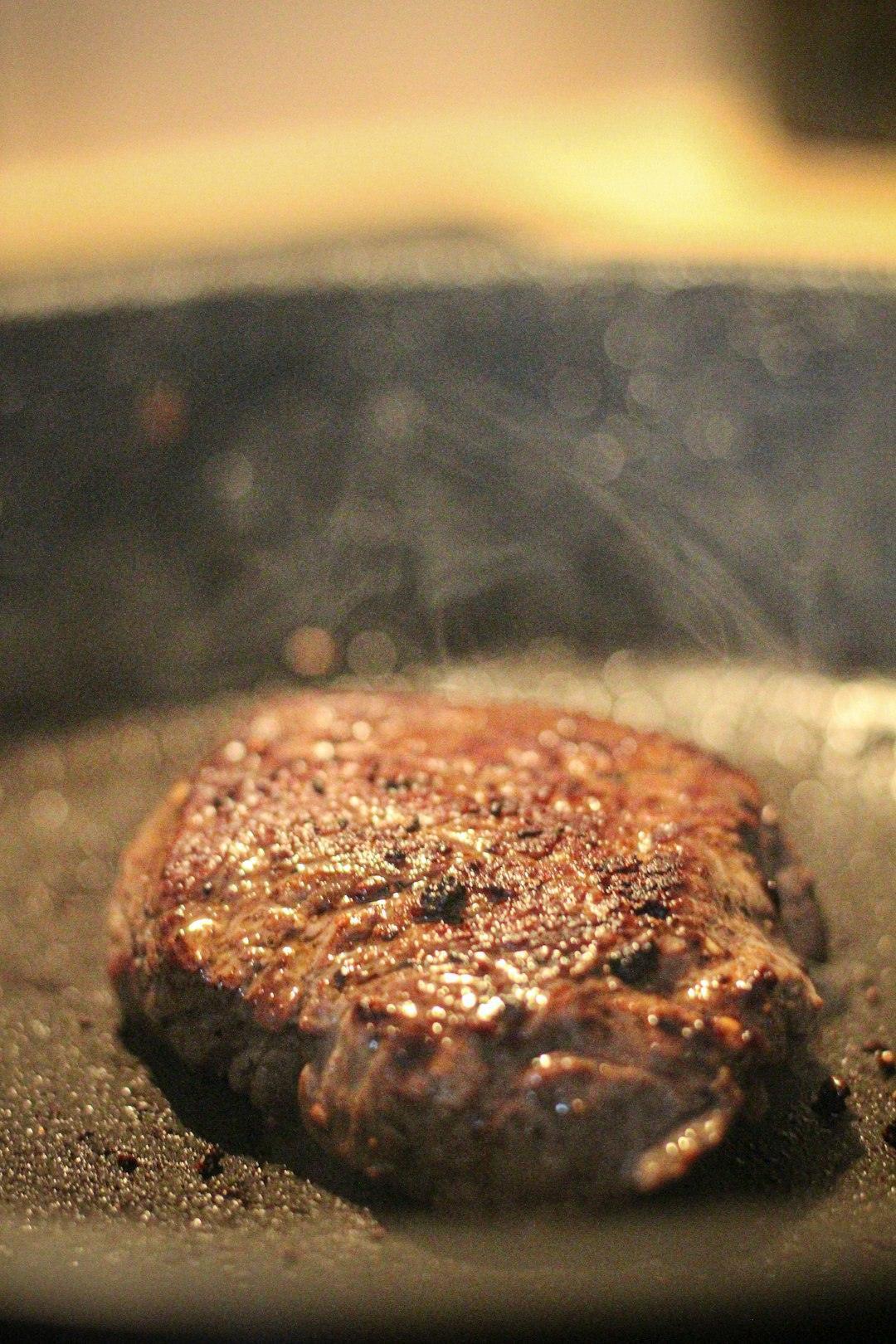
According to Anthony Bourdain’s “Don’t Eat Before Reading This,” chefs have a tradition called “save for well-done,” where “meat that they would otherwise throw out is saved for customers who order a cut well-done” because “overcooking meat can disguise toughness, bad smells, or otherwise unsavory elements.” Professional kitchens know that well-done steak “often means a less prime cut that can survive punishment on the grill, then drowns in jus to fake juiciness.” Ordering a well-done steak at fancy restaurants sacrifices “flavor and texture, leaving you with a tougher piece of meat” while chefs “cringe at the thought of overcooking such a fine cut, as it masks the meat’s natural flavors.” The irony is that customers paying premium prices for quality beef receive the restaurant’s least desirable cuts disguised by thorough cooking. For chefs, “overcooking a good cut of beef feels like a small tragedy” because “once all the pink is gone, so is the moisture, tenderness, and natural flavor.”
Margherita Pizza with Shocking Profit Margins
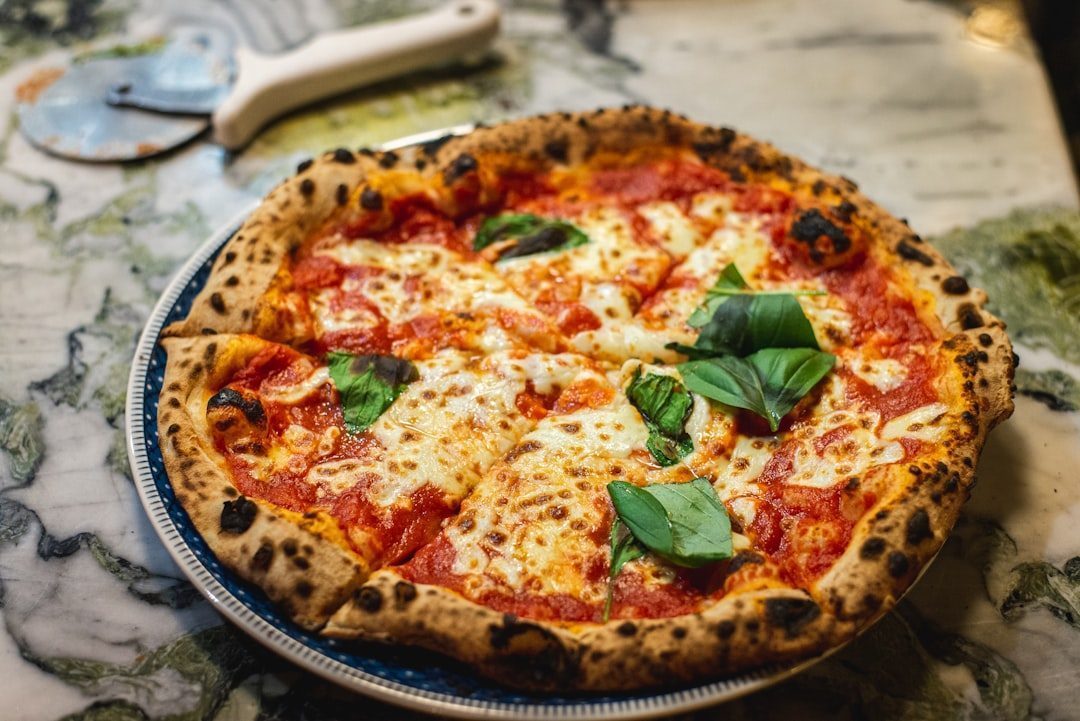
Chef Helton tells Business Insider to “stop paying for this dish” because “it’s just dough, a little sauce, a few pieces of basil, and part of a log of mozzarella” where “you’re paying $12 minimum for a dish that costs $1 to make.” This simple pizza has become restaurants’ most profitable menu item, with margins that would make any business owner smile. Instead of ordering the predictable margherita, chefs recommend choosing “pizzas which have ingredients you can’t get anywhere else, or combine toppings in a way that you’d never thought to do” and “go for something different, instead of ordering the same old thing.” The basic margherita showcases a restaurant’s ability to execute fundamental techniques, but paying premium prices for minimal ingredients feels like highway robbery to industry professionals. Smart diners seek out specialty pizzas that justify their price tags through unique ingredients or creative combinations.
Soup of the Day and Its Leftover Legacy
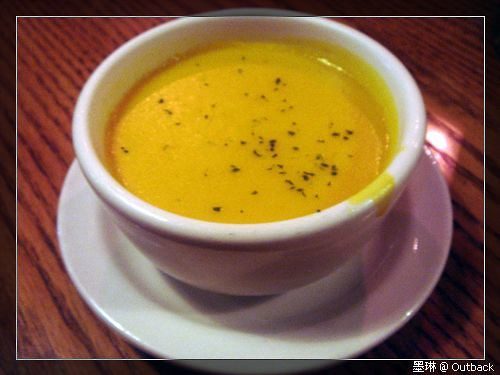
Many chefs reportedly avoid ordering soup in restaurants because it can be a way for kitchens to use up old ingredients. The soup of the day “can sometimes be a clever way for restaurants to use up leftovers” where “chefs may creatively combine ingredients that need to be used quickly, leading to inconsistent flavors,” so “it might be better to ask about other soup options made fresh.” The humble soup serves as a repository for yesterday’s vegetables, proteins nearing expiration, and stocks that need clearing. While some restaurants create genuine daily soups from fresh ingredients, the potential for receiving a patchwork of leftovers makes cautious diners think twice. Professional chefs understand that soup’s forgiving nature allows kitchens to mask inferior ingredients behind bold seasonings and rich broths.
Chicken Caesar Salad’s Mediocre Middle Ground
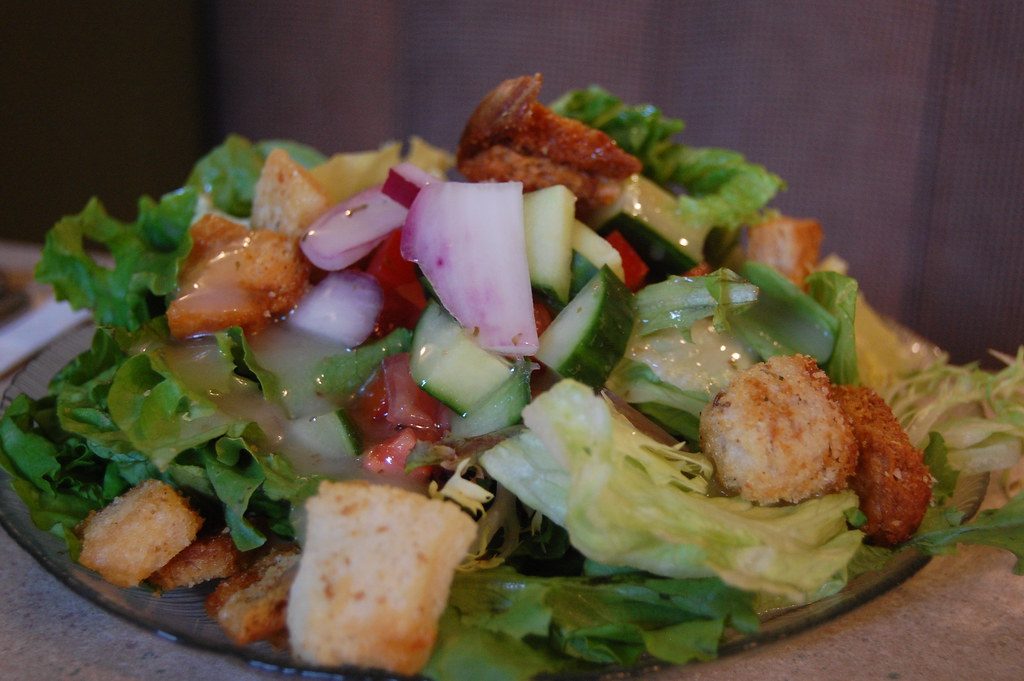
Some chefs consider chicken Caesar salad on a restaurant’s menu to be concerning. The classic chicken Caesar “often doesn’t get the attention it deserves in busy kitchens” where “the dressing, sometimes bottled and not homemade, can be overpowering” and “the chicken might be pre-cooked and reheated, compromising its quality.” This likely stems from chicken being “not the most flavorful meat” suitable for “picky eaters rather than chefs wanting to hone their craft,” though Caesar remains “one of the most popular salads in the U.S.,” so “sales, rather than quality, might be the motivating reason behind a restaurant’s service of the dish.” Professional chefs recognize that chicken Caesar represents the restaurant equivalent of playing it safe rather than showcasing culinary creativity. The dish’s ubiquity signals a kitchen more concerned with broad appeal than exceptional execution.
Mozzarella Sticks from the Freezer Aisle
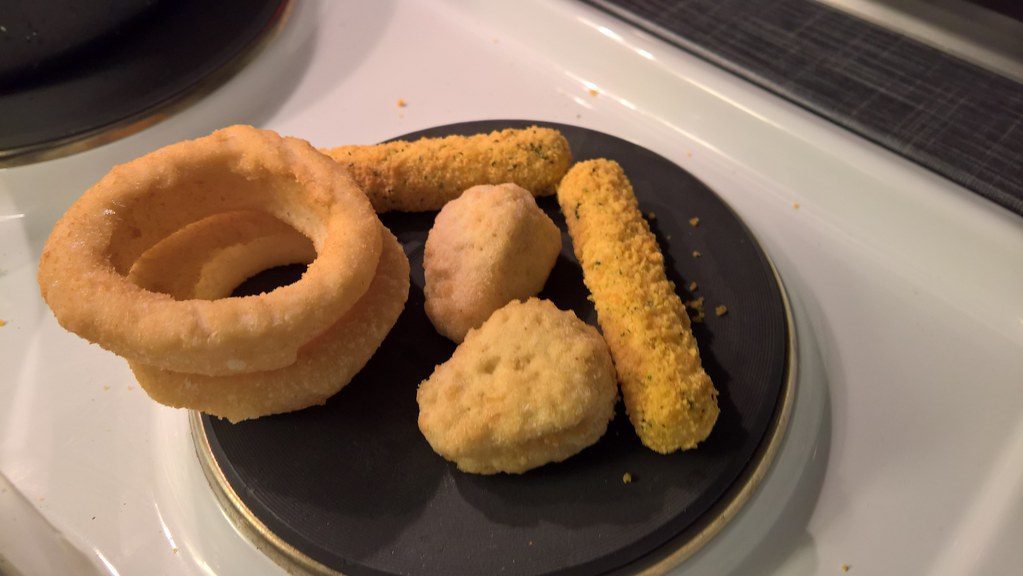
Chefs never order mozzarella sticks because “they’re rarely made with love” and are “one of those appetizers that’s way easier to buy frozen than make from scratch – so most restaurants do just that.” This means “they’re not fresh” and “you’re paying a lot of money for something that costs the restaurant very little,” especially when “you can cook a store-bought version of this frozen snack in your oven or air fryer in just a few minutes at home.” The golden-brown exterior that looks so appealing emerged from a commercial freezer rather than a chef’s careful preparation. These “arguably one of the heavier appetizers out there” can leave diners “completely full by the time” their entrée arrives. Industry professionals view mozzarella sticks as the epitome of lazy menu padding, offering maximum profit for minimum effort while delivering mediocre results that pale compared to homemade versions.
Truffle Oil’s Synthetic Deception
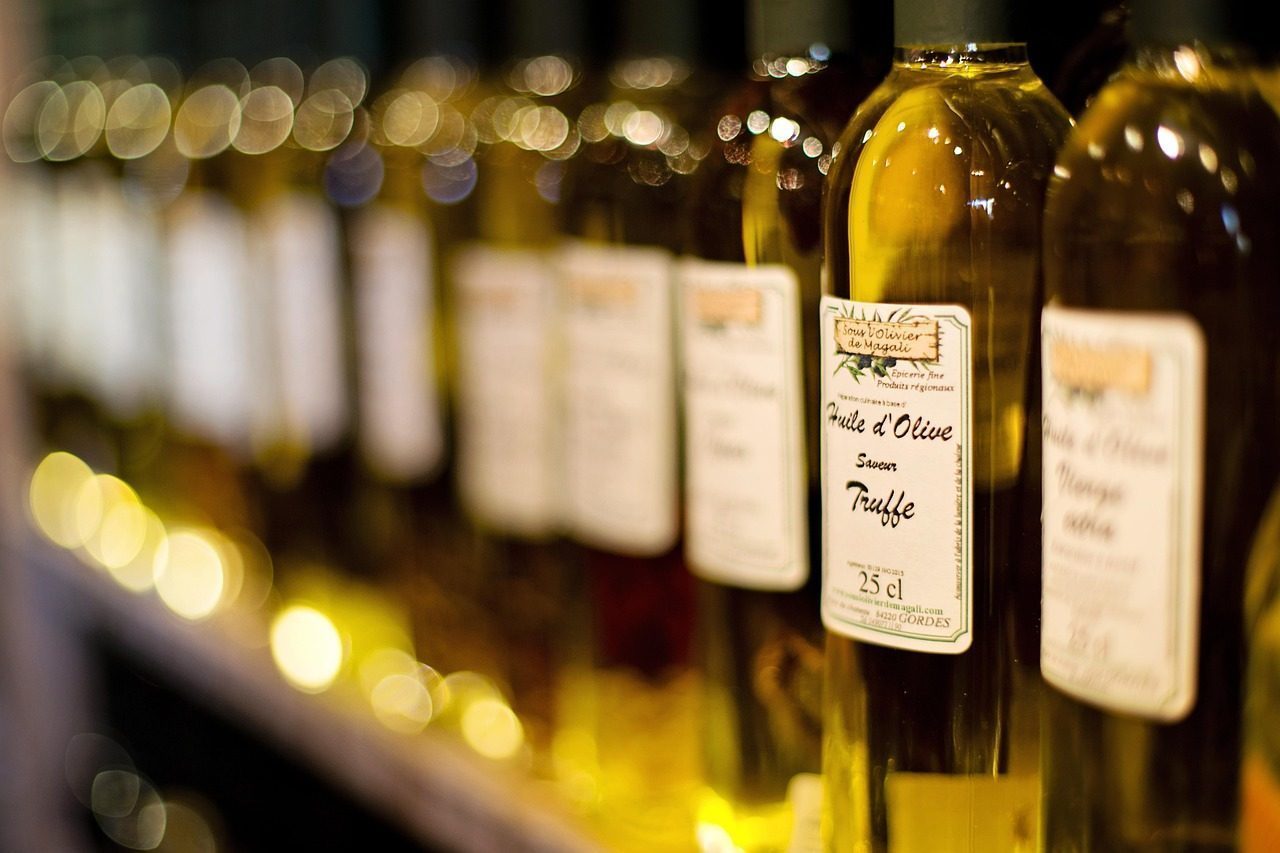
Truffle oil is “often touted as a luxury ingredient, but its reputation can be misleading” because “many chefs avoid it because the oil is typically synthetic, lacking the depth and richness of real truffles.” Pastry chef Saura Kline advises to “never order anything that has the word ‘truffle’ in it” unless “you’re at a high-class fine-dining restaurant” because it “usually means truffle oil, which is very rarely made with actual truffles” and “will immediately increase the price of any dish you’re eating, regardless of its actual quality.” Most truffle oils “aren’t made with any truffle at all” but are “either created to taste like truffle” or “only contain a tiny quantity of the real thing,” so you’ll “end up paying more for something that doesn’t taste anything like fresh truffle.” The aroma actually “comes from lab-made 2,4-dithiapentane, not actual truffle, so you’re paying perfume prices for frozen chips.” Professional chefs recognize truffle oil as culinary theater rather than genuine luxury, delivering artificial intensity instead of the subtle complexity that makes real truffles treasured.
The Final Verdict on Chef-Avoided Menu Items
These six menu items reveal a pattern that experienced chefs spot immediately: the gap between marketing promises and kitchen reality. Whether it’s day-old ingredients disguised as specials, synthetic flavoring masquerading as luxury, or frozen convenience foods marked up dramatically, these dishes prioritize profit margins over genuine culinary value. Understanding these industry secrets doesn’t mean avoiding restaurants entirely, but rather making informed choices that honor both your palate and your wallet.
The next time you’re scanning a menu, remember that the most expensive or heavily promoted items aren’t always the best choices. Sometimes the greatest dining discoveries come from asking your server about the kitchen’s genuine specialties or what the chef takes pride in preparing fresh. What would you choose differently knowing what chefs really think about these popular menu items?