
Table of Contents
Strawberries: The Sweet Danger Lurking in Your Grocery Cart
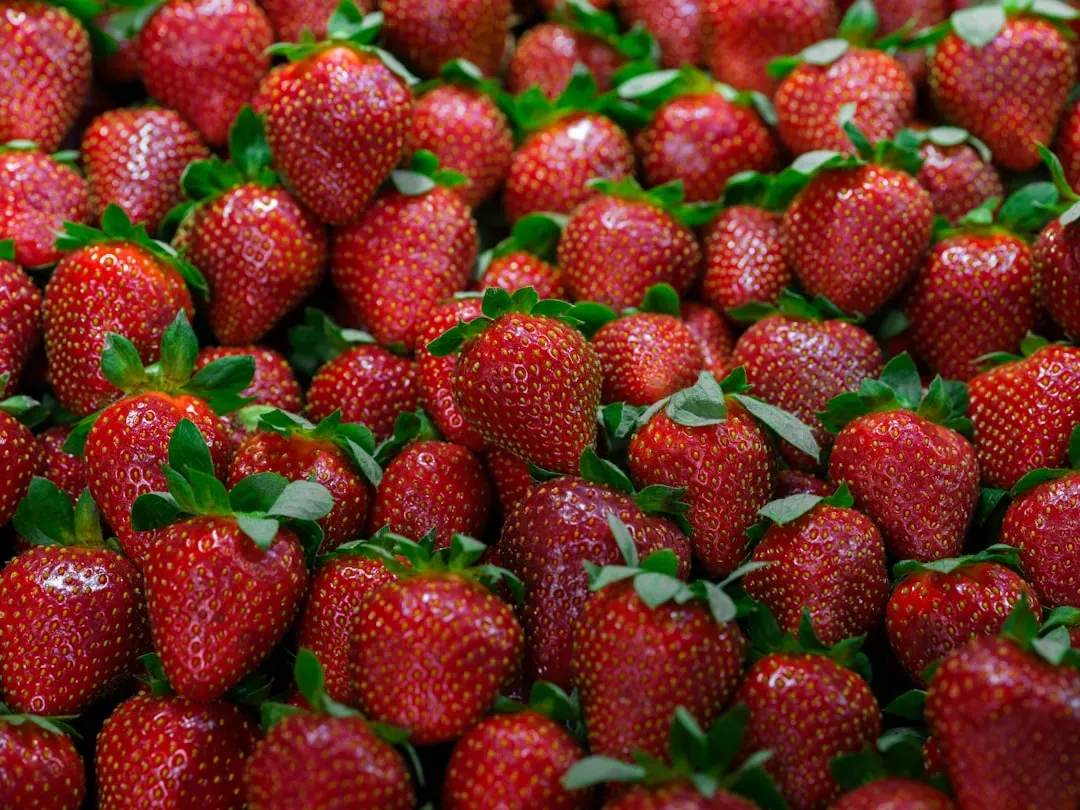
Let’s be real here. If there’s one item you absolutely need to buy organic, it’s strawberries. Strawberries claimed the top spot on the 2024 Dirty Dozen list at number one, and honestly, it’s not hard to see why. Department of Agriculture tests found that strawberries were the fresh produce item most likely to be contaminated with pesticide residues, even after they are picked, rinsed in the field and washed before eating, which is why strawberries continue to be at the top of the Dirty Dozen list.
Here’s the thing that really gets me. This year, EWG determined that 75 percent of all conventional fresh produce sampled had residues of potentially harmful pesticides, but for items on the Dirty Dozen, a whopping 95 percent of samples contained pesticides. The average American eats about eight pounds of fresh strawberries a year, and with them, dozens of pesticides, including chemicals that have been linked to cancer and reproductive damage, or that are banned in Europe, with non-organic strawberries tested by scientists at the USDA containing an average of about eight pesticides per sample. Think about that next time you toss a carton into your cart.
Organic strawberries are sweeter and healthier than conventional berries because of higher levels of sucrose and glucose and more antioxidants, according to a report from The Organic Center. It’s not just about avoiding the bad stuff – you’re actually getting something better.
Spinach and Leafy Greens: When Healthy Food Isn’t So Healthy
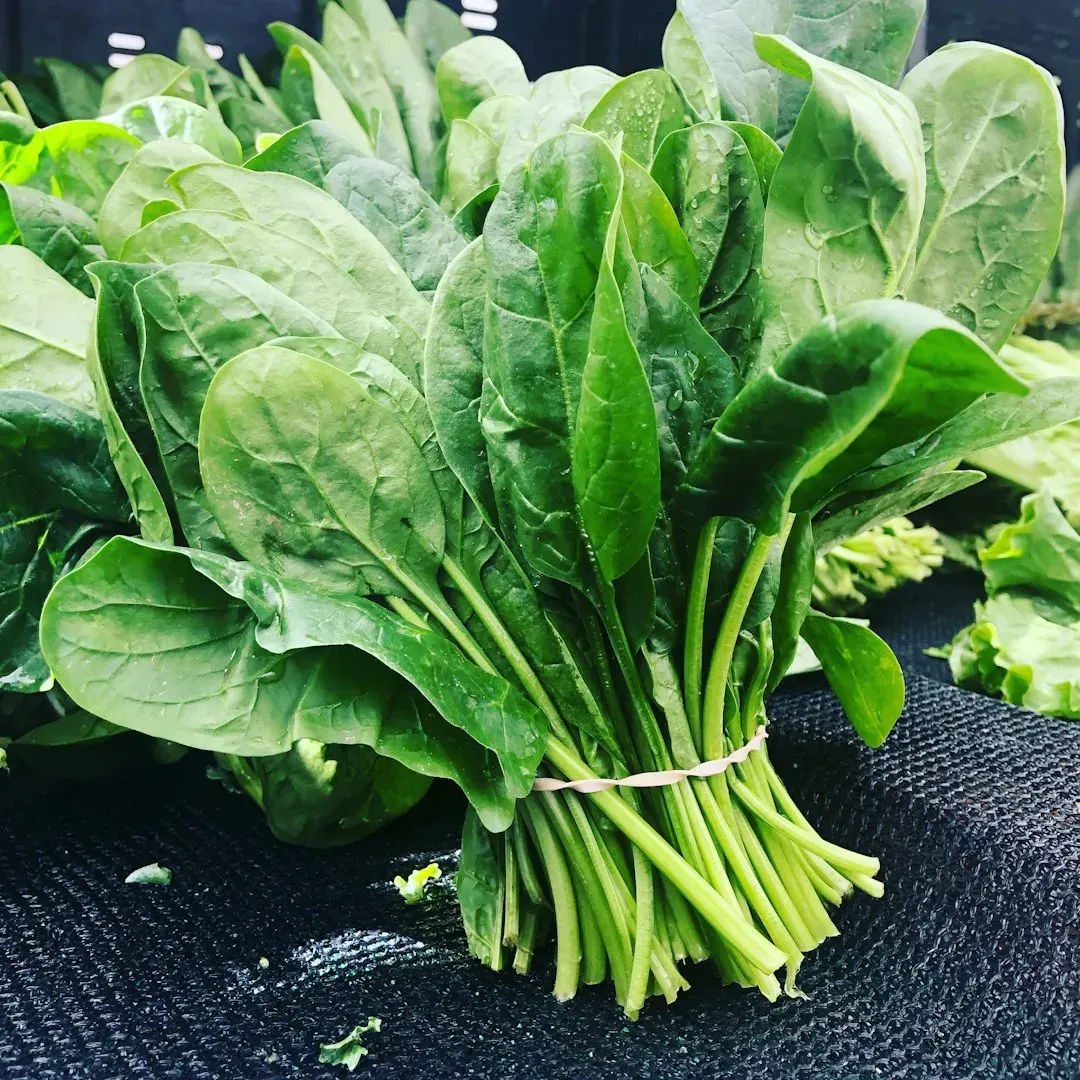
USDA samples show more pesticides by weight on spinach than any other crop, including up to 16 pesticides and metabolites of pesticides found on each sample. That’s a lot of chemicals on something we’re told is a superfood. Permethrin, linked to ADHD in children, was among the most alarming residue found on 75% of the samples, and spinach also appears to be particularly good at taking up DDT residue left in the soil, with DDT residue found on half of the spinach samples.
Kale and other leafy greens aren’t much better. On average, samples of leafy greens such as kale, collards and mustard greens had detectable levels of more than five different pesticides, with up to 21 different pesticides on a single sample, and 86 percent of samples had detectable levels of two or more pesticide residues, which is why kale, collard and mustard greens ranked third on the 2024 Dirty Dozen.
Nearly 60 percent of kale samples sold in the U.S. were contaminated with residues of a pesticide that the EPA considers a possible human carcinogen, according to EWG’s analysis of 2017 and 2018 Department of Agriculture test data. In 2023, the EPA released a draft risk assessment that stated DPCA shows significant risks to human health, especially for those who are pregnant, and in 2024, the EPA canceled all uses of the herbicide. Too little, too late for those who’ve been eating conventionally grown greens for years.
Grapes: Small Fruit, Big Problem
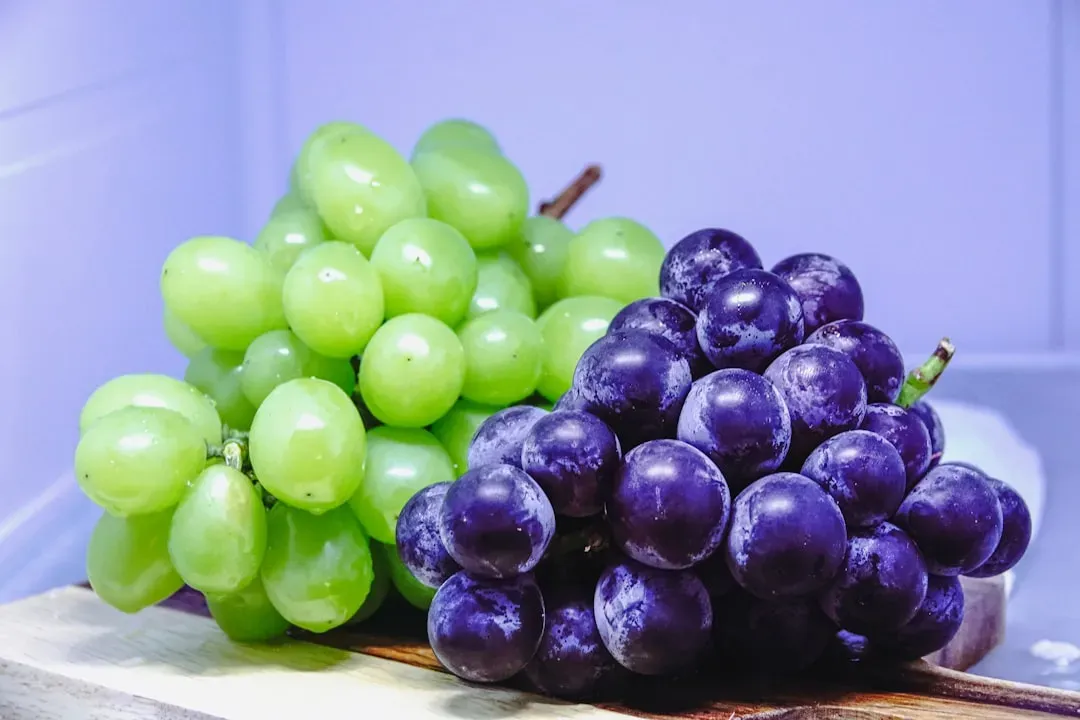
Grapes might seem innocent enough, but they’re climbing the contamination ladder fast. Grapes jumped from number eight on the list in 2023 all the way up to number four in 2024. That’s a significant leap, and it should make you pause before you grab that non-organic bunch.
EWG found that more than 70 percent of non-organic produce samples contained pesticide residue, and that 90 percent of strawberry, apple, cherry, spinach, nectarine, and grape samples contained residues of at least two pesticides. When you’re eating something as small as a grape, that means you’re potentially getting a cocktail of different chemicals in every handful. The cumulative effect of multiple pesticides interacting in your body is something researchers are only beginning to understand.
I find it particularly concerning because grapes are one of those foods kids love. They’re easy, portable, and sweet. Choosing organic grapes means reducing your family’s exposure to unnecessary chemicals without having to give up a convenient snack.
Dairy Products: Hidden Contaminants in Your Morning Milk

Most people don’t think twice about their milk, but maybe they should. Researchers from Emory University found traces of current-use pesticides and antibiotics in conventionally produced milk but not in milk produced using organic methods, and that growth hormone levels were higher in the conventional vs. organic milk samples, with most samples within FDA and EPA limits considered safe for these substances, though several samples of conventionally produced milk exceeded FDA limits for a few of the antibiotics tested.
Antibiotic residues were detected in 60% of conventional milk samples and none of the organic samples, with 37 percent of the conventional samples testing positive for sulfamethazine, and 26 percent for sulfathiazole, both of which have long been outlawed in lactating dairy cows, and one of the conventional samples containing residue levels of amoxicillin that exceeded the federally-allowed limit. Two antibiotics that aren’t even supposed to be used showed up in roughly one-third of samples.
Bovine growth hormone (bGH) residue levels were found to be significantly higher in conventional milk than in organic. That’s not a small difference. Pesticide residues of chlorpyrifos, atrazine, permethrin and more were found in 26 to 60 percent of conventional samples and none of the organic samples, with residues of the controversial and restricted-use pesticide chlorpyrifos showing up in 59 percent of the conventional samples.
Apples: The Problematic American Classic
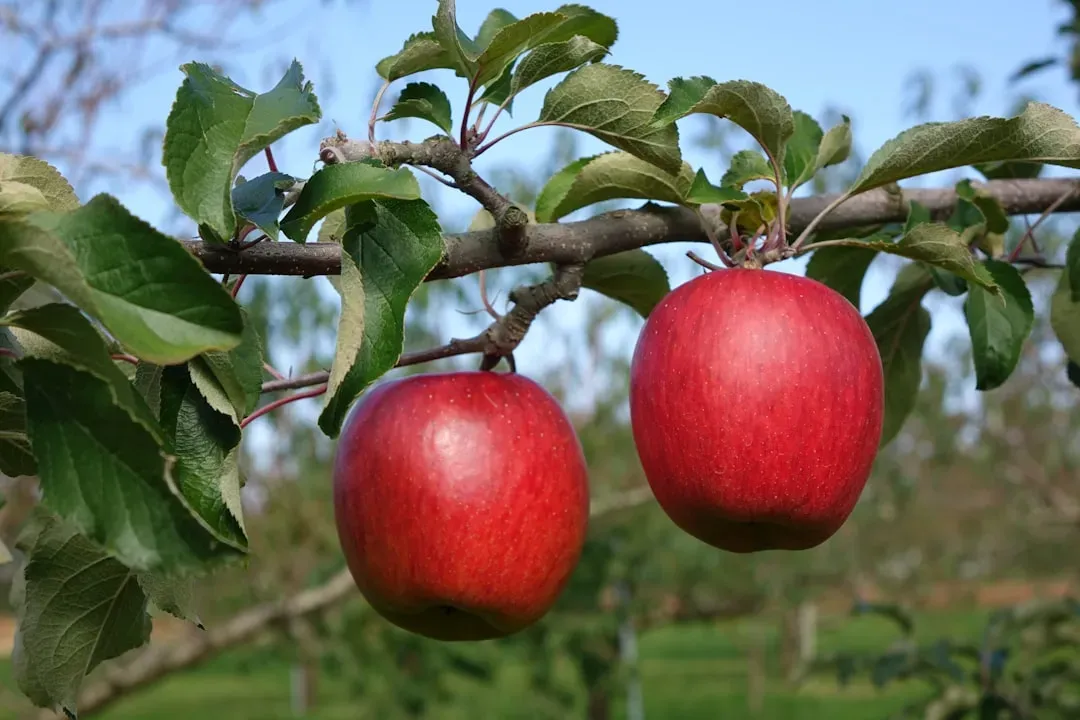
An apple a day might not keep the doctor away if it’s loaded with pesticides. Approximately 95% of nonorganic strawberries, leafy greens such as spinach and kale, collard and mustard greens, grapes, peaches and pears tested by the United States government contained detectable levels of pesticides, with nectarines, apples, bell and hot peppers, cherries, blueberries and green beans rounding out the list of the 12 most contaminated samples of produce.
Apples have consistently appeared on the Dirty Dozen list for years. They’re sprayed multiple times throughout their growing season because they’re susceptible to various pests and diseases. The problem is that those sprays don’t just disappear. They leave residue that ends up in your body.
Via the Environmental Working Group, more than 90 percent of samples of strawberries, apples, cherries, spinach, nectarines, and grapes tested positive for residues of two or more pesticides. Two or more different chemicals working together in ways we don’t fully understand. It’s hard to say for sure what the long-term effects are, but why take the risk when organic apples are readily available?
Bell Peppers and Hot Peppers: Spicing Things Up With Chemicals
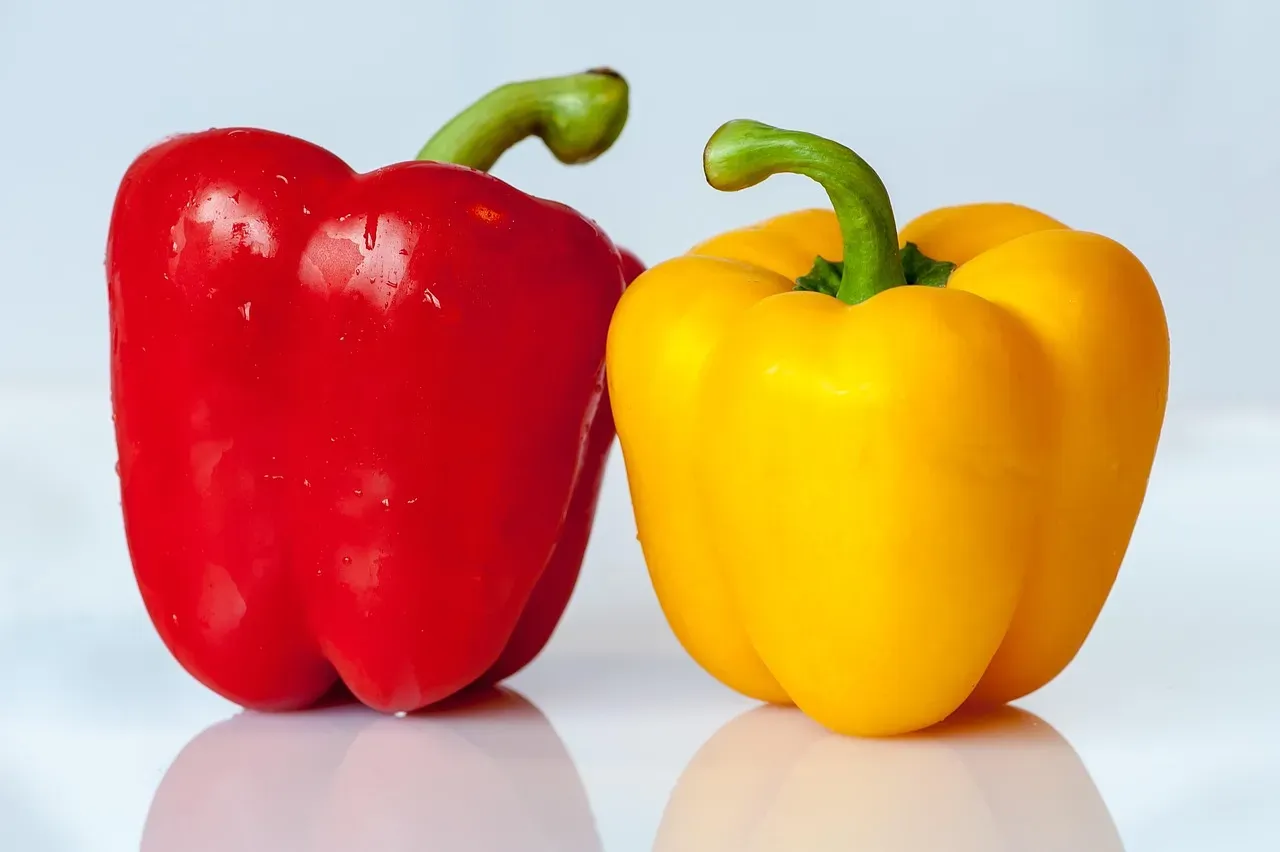
Peppers are another item that might surprise you. Kale, collard, and mustard greens, as well as hot peppers and bell peppers, had the most pesticides detected of any crop with 103 and 101 pesticides in total, respectively. Over a hundred different pesticides on a single type of produce. That’s genuinely disturbing.
Bell and hot peppers were among the nectarines, apples, cherries, blueberries and green beans that rounded out the list of the 12 most contaminated samples of produce according to the 2024 Shopper’s Guide to Pesticides in Produce. Peppers have thin skins that don’t provide much protection from pesticide absorption, which means what gets sprayed on them tends to stick around.
The variety of pesticides used on peppers includes fungicides, insecticides, and herbicides. In 2024, U.S. organic sales reached $71.6 billion, marking a 5.2% increase from the previous year – double the growth rate of the total food marketplace, which suggests more people are catching on to the importance of choosing organic. When it comes to peppers, that choice becomes even more critical given the sheer number of chemicals involved.
Fresh produce remains a cornerstone of this trend, as shoppers increasingly seek out fruits, vegetables, and minimally processed foods to support their nutritional goals, with organic and clean-label options gaining traction, as consumers are willing to pay a premium for products that promise transparency, fewer additives, and sustainable farming practices. The best part? Organic peppers taste just as good, if not better, than their conventional counterparts. Sometimes the right choice for your health is also the tastier one.