
Fruit is healthy. That’s basically nutrition gospel. We’ve been told since childhood to eat more of it, and for good reason. Vitamins, fiber, antioxidants – the list goes on. All fruit contains sugar, although some varieties have a higher content than others, and fruit is a healthful way to cater to a sweet tooth and add nutrients to the diet. So far, so good.
The problem shows up the moment you decide to cut back on sugar. Suddenly, not all fruit is created equal. Some of your favorites might be quietly loading you up with more natural sugar than you realize. Surprised? Let’s dive in.
Table of Contents
1. Mangoes: The Tropical Sugar Bomb
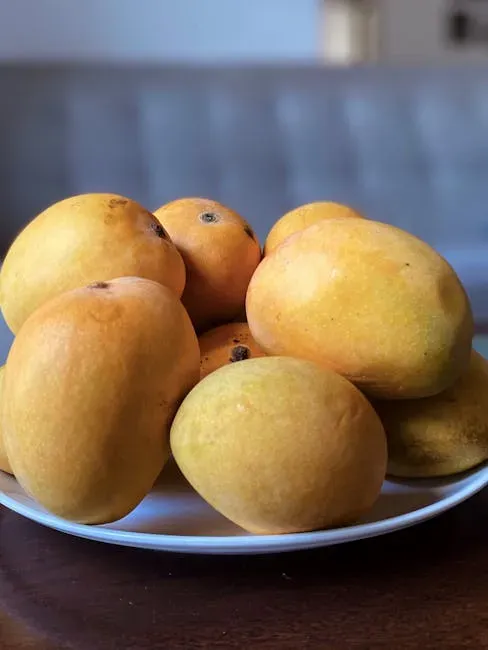
Mangoes are delicious. Honestly, few things beat a perfectly ripe one on a hot afternoon. But here’s the thing – one full mango contains roughly 46 grams of sugar, which is the sweet equivalent of about 50 pieces of candy corn. Tropical fruits typically have higher sugar levels, with mangoes being a prime example. That’s a staggering amount hiding inside something that feels so wholesome.
Like many tropical fruits, mangoes pack a lot of sugar and not enough fiber to significantly offset a rise in blood sugar. Even worse, blending frozen mango into smoothies breaks down that fiber, often leading to more significant blood sugar spikes. So that morning mango smoothie you feel virtuous about? It may be working against you.
Most whole fruits contain three types of sugar – glucose, fructose, and sucrose – in varying proportions. All can increase blood sugar levels and can result in adverse metabolic effects when consumed in excess. Fructose is metabolized in the liver and causes a smaller initial increase in blood glucose, but consuming too much can lead to fat buildup in the liver and insulin resistance of liver cells. Portion size matters enormously with this one.
2. Grapes: Small, Sneaky, and Seriously Sweet
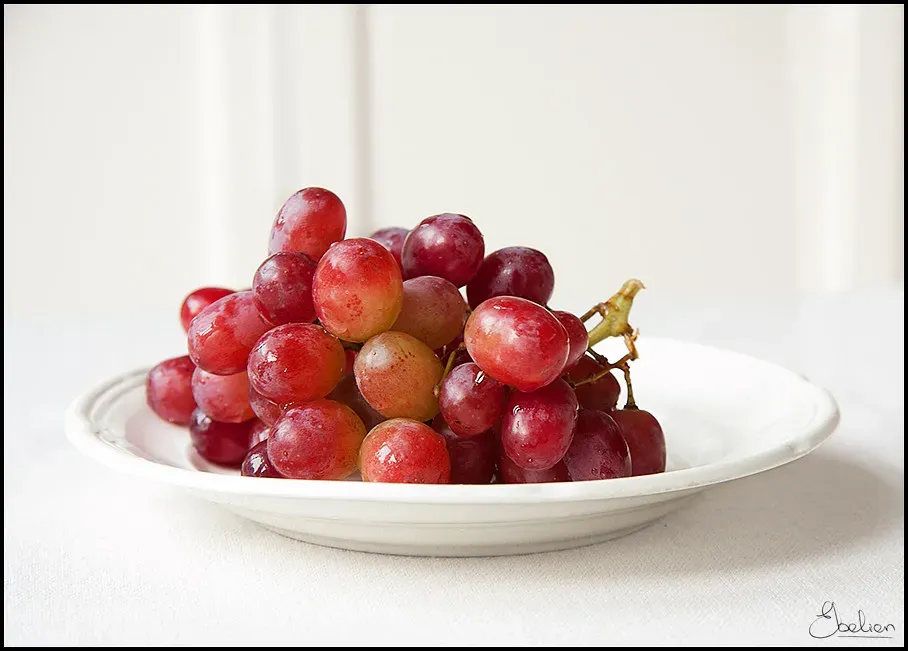
Grapes are the ultimate snacking trap. They’re bite-sized, refreshing, and you can eat a dozen before you even notice. One cup of grapes delivers close to 15 grams of sugar – roughly the equivalent of a slice of angel food cake. Grapes may be even easier to eat than cherries, and there’s no pit to stop you. That mindless snacking adds up fast.
Grapes contain a hefty dose of sugar with minimal fiber, and as a result, they may sharply raise blood sugar. While they have some beneficial micronutrients, including various polyphenols, they’re not as rich in these compounds as berries. Think of it this way: berries give you more nutritional bang for your sugar buck, and that’s where your fruit choices should lean when you’re watching intake.
3. Bananas: It Depends on How Ripe They Are
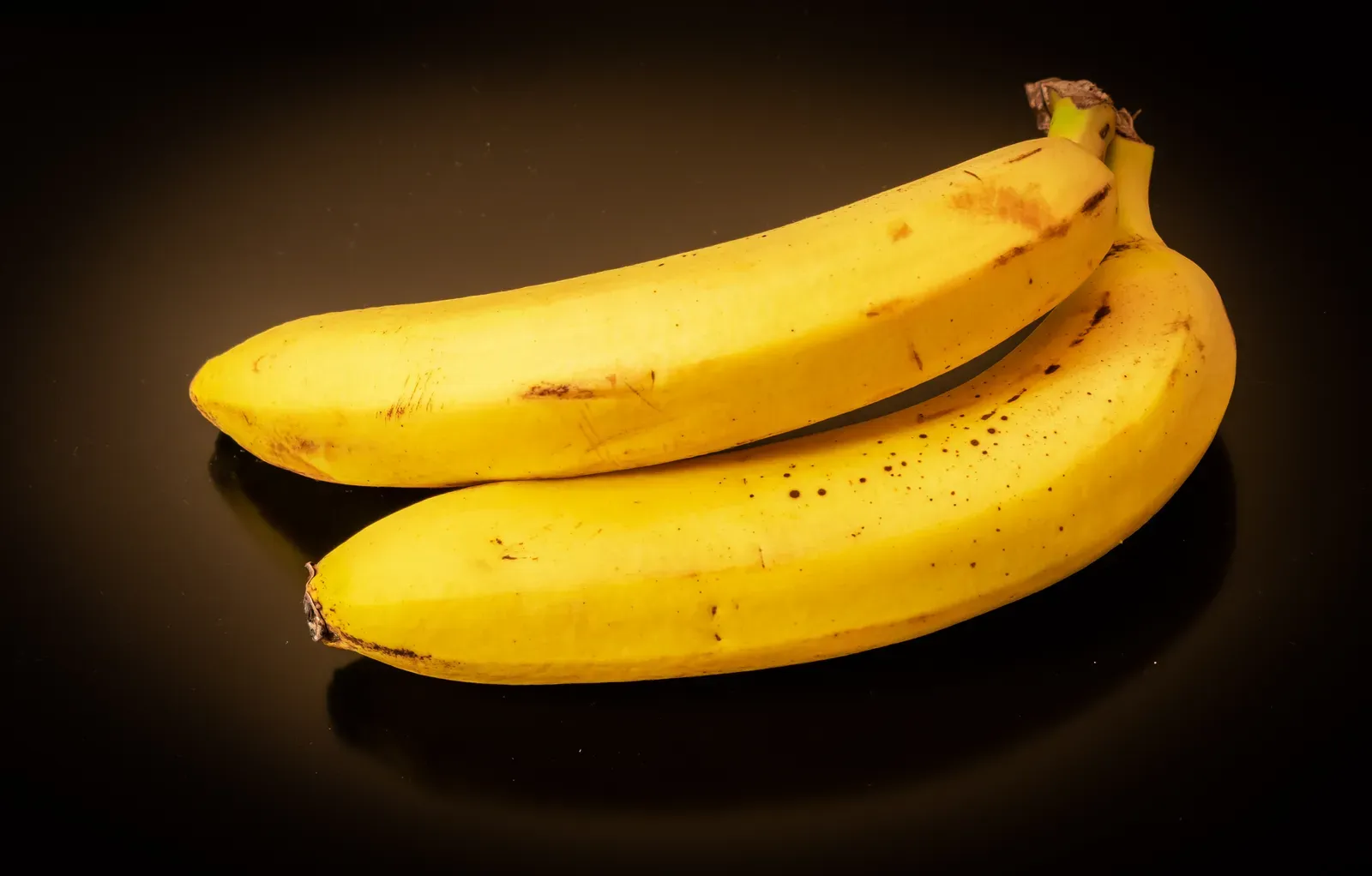
If a person wants to limit fruits higher in sugar, they may wish to avoid watermelon, bananas, and pineapples. Bananas are one of the most universally loved fruits on earth, but their sugar story is more complex than people think. Bananas shift dramatically on the glycemic scale as they ripen, from moderate when yellow with green tips to considerably higher when fully spotted. Those brown spots aren’t just cosmetic – they signal the conversion of starches to simple sugars.
A single banana contains around 15.4 grams of sugar. In one analysis, ripe bananas contained around 15 grams of combined glucose and fructose, while unripe green bananas contained just 3.2 grams. Unripe bananas are also a good source of resistant starch, which has metabolic benefits. If you genuinely love bananas, going for slightly less-ripe ones is one of the simplest swaps you can make.
4. Pineapple: A Glycemic Index Surprise
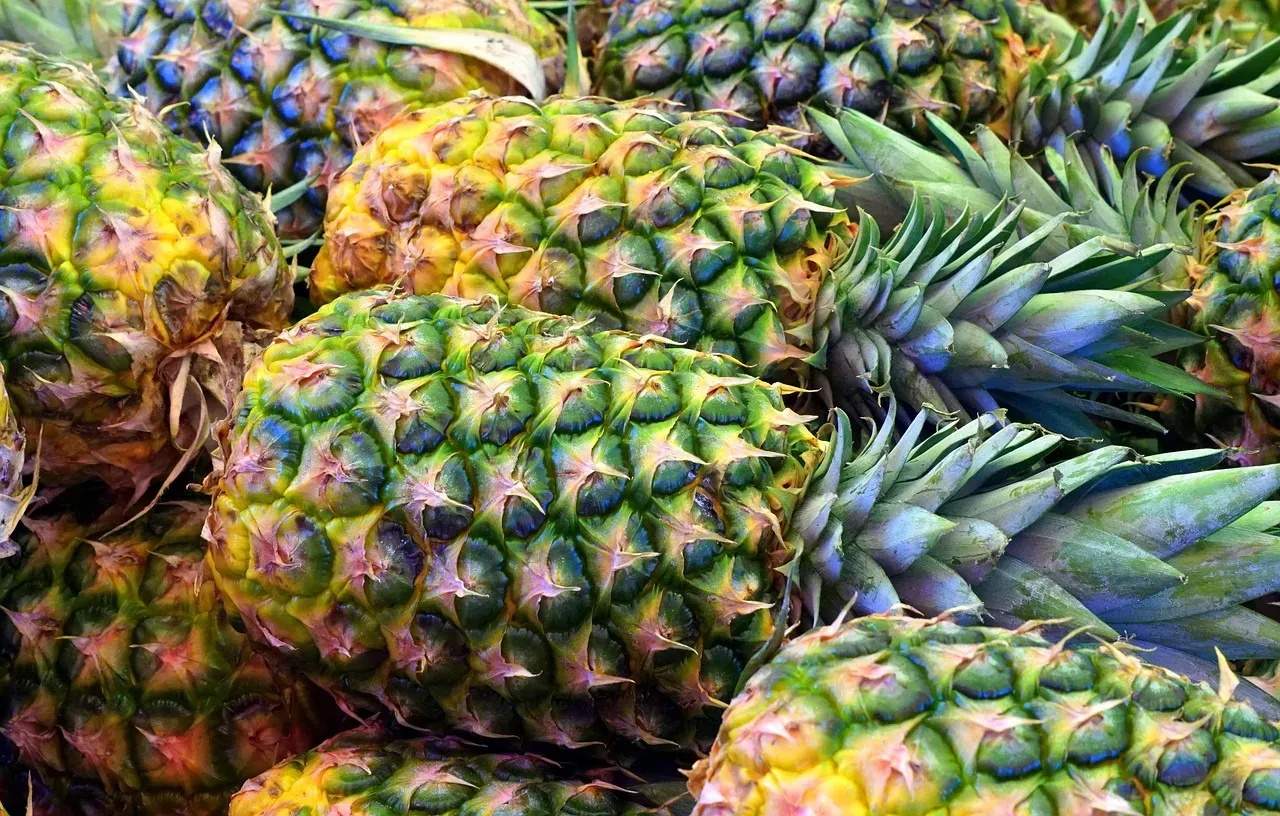
Pineapple feels virtuous. It’s tropical, refreshing, and somehow associated with clean eating. While most fruits on this list have a low glycemic index, pineapple’s GI is in the mid-range, which means it may be more likely to spike blood sugar. That mid-range status is easy to overlook when you’re piling it onto your plate at a brunch buffet.
Pineapple’s GI ranges from 59 to 66, placing it firmly in the high-impact category. The tropical delight packs a double whammy of natural acids and sugars that can quickly elevate blood glucose levels. Bromelain, pineapple’s famous digestive enzyme, unfortunately doesn’t slow down its sugar absorption. The riper the pineapple, the higher its glycemic effect becomes. So that perfectly golden, super-sweet pineapple? It’s working harder on your blood sugar than you’d expect.
One cup of diced fresh pineapple (approximately 165 grams) has about 13 grams of carbohydrates and a glycemic index of 51 to 66. Portion awareness is everything here, especially if you tend to enjoy it in juice form, which strips away the fiber entirely.
5. Cherries: A Hidden High-Sugar Snack
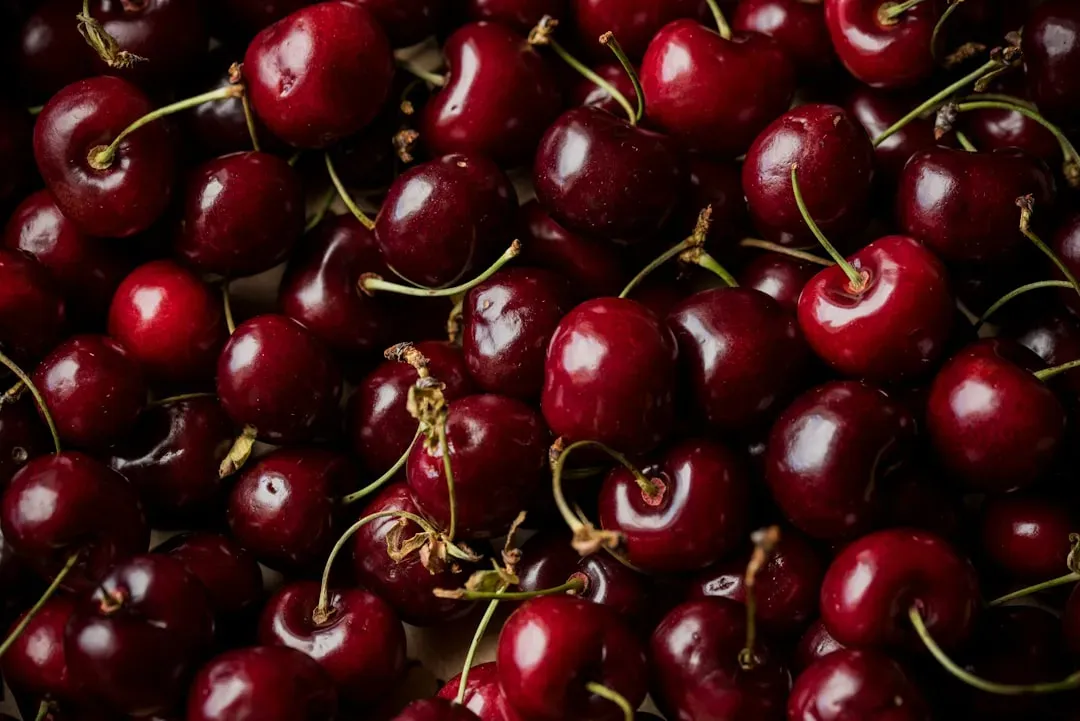
Here’s a fruit that catches almost everyone off guard. Cherries are a delicious and nutrient-rich fruit, but they also contain a high amount of sugar relative to their serving size. A single cup of cherries can contain up to 18 grams of sugar. Because cherries are small and often consumed in large quantities, it’s easy to ingest a significant amount of sugar in just one sitting.
In terms of sugar content, one cup of cherries contains around 19.7 grams of sugar, which is roughly equivalent to eating a regular-sized Snickers bar. That’s a comparison most people never see coming. The high sugar content in cherries can cause rapid spikes in blood glucose levels, which is a concern for individuals managing diabetes. The tiny size of each cherry is the real problem – it makes them far too easy to overconsume without registering how much sugar you’ve actually eaten.
6. Dried Fruits: The Most Concentrated Sugar Source of All
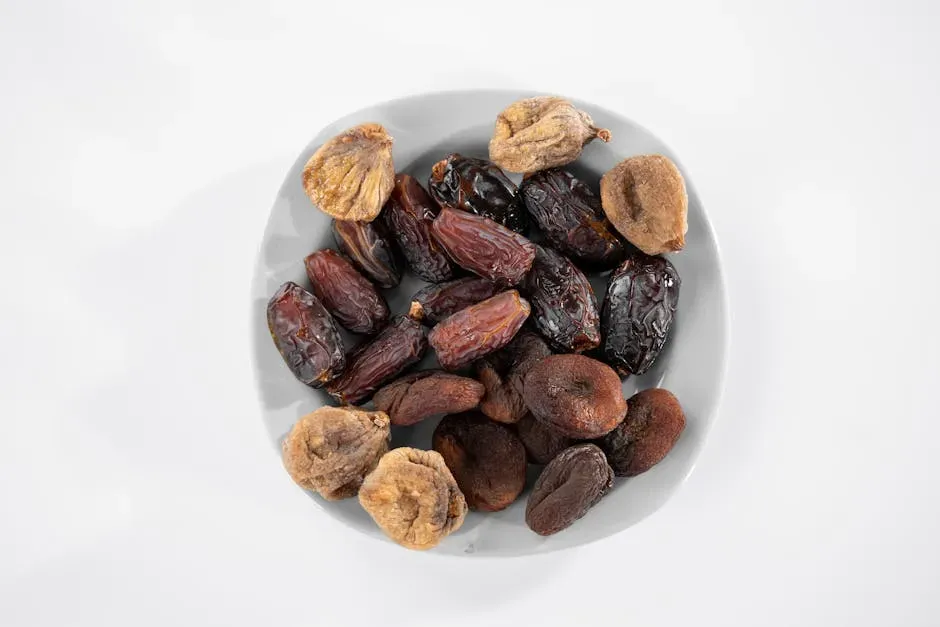
Dried fruit is often marketed as a healthy, natural snack. It shows up in trail mixes, granola bars, and health food stores with labels that scream “wholesome.” Dried fruits have the highest sugar content of all fruits. That’s because the water is removed, concentrating the natural sugars. Examples are prunes, dried figs, and dried cherries. What was once a reasonable portion of fresh fruit becomes a sugar-dense handful in dried form.
Only two tablespoons of dried fruit like raisins or dried cherries contains 15 grams of carbohydrate, so portion sizes demand real caution. Think about that for a moment – two tablespoons. Most people eat far more than that in a single sitting. Eating fruit whole and fresh, as opposed to blended, juiced, and dried, is strongly recommended. These processing techniques concentrate the sugars and make fruit easier to overconsume.
Surprisingly, snacks like granola bars and dried fruit can contain just as much sugar as chocolate and candy bars. Dried fruit is a great example. Next time you reach for a small bag of dried mango or cranberries as a “healthy” afternoon treat, it’s worth checking the nutrition label first – the numbers might genuinely surprise you.
The Bigger Picture: Context Always Matters
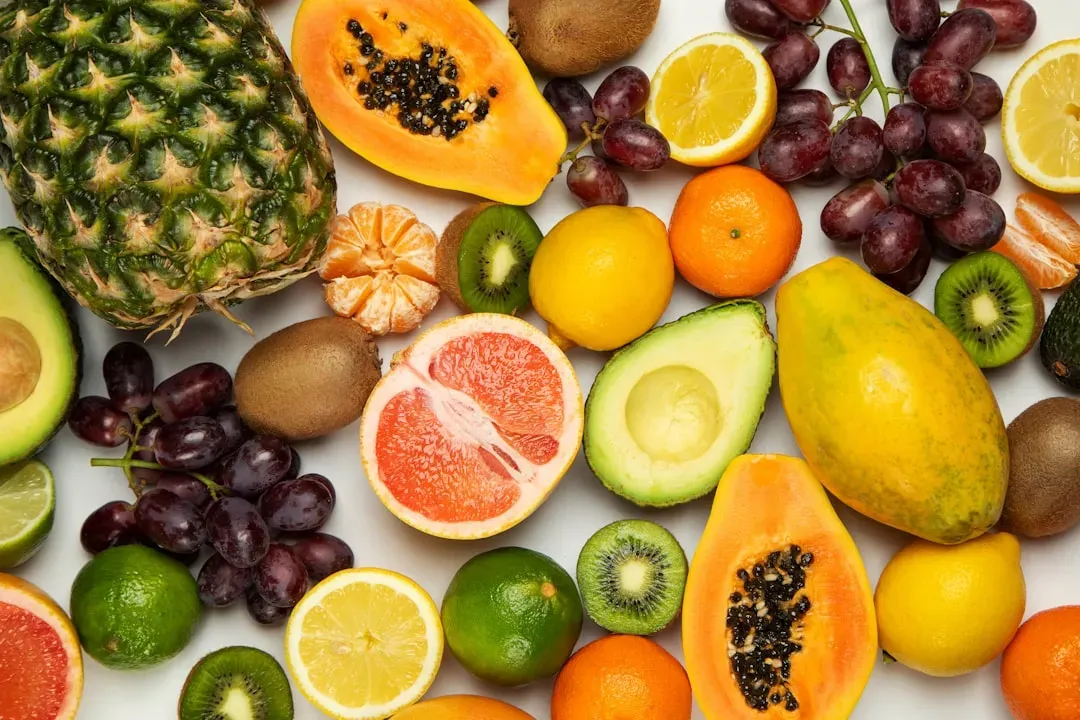
None of this means fruit is bad for you. That would be the wrong takeaway entirely. Although naturally occurring sugars in foods like fruit and dairy can be part of a healthy diet, too much added sugar can be harmful to health, especially for people with diabetes. The key word is “too much,” and the six fruits covered here are the ones where “too much” happens most easily.
According to the American Heart Association, healthy adults should aim for less than 36 grams of sugar per day for men and less than 25 grams per day for women. A single mango alone can blow past the entire daily limit for women. That context changes everything. Pairing fruit with a source of fat, protein, or fiber – such as plain yogurt, walnuts, or peanut butter – can help curb a blood sugar spike, because protein and fat slow gastric emptying and thereby slow the absorption of sugar into the bloodstream.
No natural food – including fruit – is inherently bad. The overall composition of your meals matters more than any individual component when it comes to a healthy diet or meal plan. It’s hard to say for sure exactly how each fruit affects every person differently, but knowing which ones are highest in sugar gives you a real advantage. What would you swap out first?